The Top Challenges of Last-Mile Delivery and How to Overcome Them

To overcome the challenges of last-mile delivery, you have to implement a delivery management system that has solutions for each one. These are:

  • Labour cost reduction through AI route planning
  • Faster delivery times from drivers
  • Decreased fuel and maintenance costs
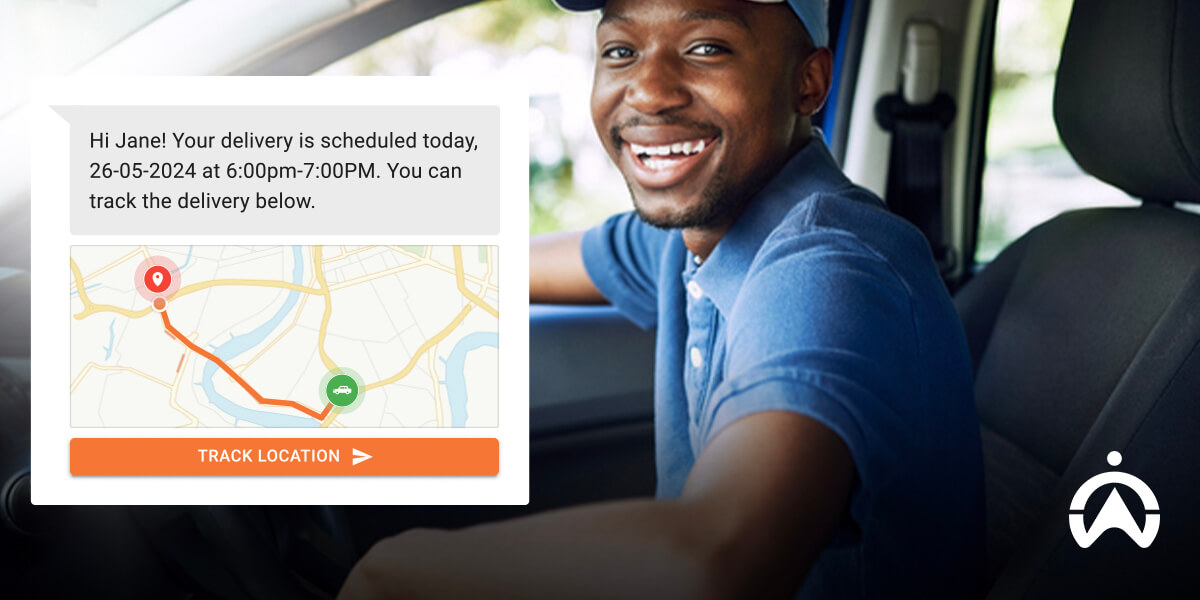
  • Package security increased through real-time driver location data

On-time and cost-efficient delivery is ESSENTIAL. If you are experiencing bad or failed deliveries it can be a significant setback. Companies and customers expect packages to move without interruption.

Costs involved with last-mile delivery must be managed, and your solution to fleet dispatching is where this starts.

How to overcome the biggest obstacles facing last‑mile delivery in Malawi?

The biggest obstacle last-mile delivery faces is the high costs of labour. These can be overcome through:

  • Using advanced route planning to reduce labour costs
  • Implementation of a delivery management system
  • Scheduling to reduce driver delivery times
  • Decrease fuel costs with real-time tracking

Apart from the manageable obstacles that any fleet faces, there are several that are out of the control of any management team. Road quality, congestion, and stolen parcels are unavoidable, but can be planned for with the RIGHT fleet management system.

Managing your last-mile delivery costs involves having a team that’s capable of seeing where parcels, drivers, and clients are. Without a proper management system, or worse, one that’s disconnected, you may not be aware of how much you are losing on your last-mile deliveries.

What are real-world last-mile solutions that have worked?

The challenges created by last-mile delivery aren’t unique to any one company. There are thousands of deliveries made each day. Each successful delivery is a success story of overcoming challenges, obstacles, and possible disasters. Two of the success stories that we can look at are delivering to inaccessible areas, and the success of cold chain delivery.

Expanding Delivery into Inaccessible Areas Using Smart Pick-Up Points

A large Malawian retailer faced the challenges of delivering daily parcels to areas with high crime rates and poor infrastructure. They already had a system that used traditional delivery methods, which only resulted in delays, stolen packages, and dissatisfaction.

  • Challenge: Delivering to hard-to-reach and high-risk areas where home deliveries repeatedly fail.
  • SOLUTION: The company implemented a network of local pick-up points and a confirmation system for drop-off and collection.
  • Benefit: Customers are much more satisfied and repeat orders increased. The total operation costs decreased.

Solving Cold Chain and Fulfilment Issues in Grocery Deliveries

Cold-chain integrity is one of the most challenging issues faced by grocery companies. Summer heat, infrastructure, and delays caused last-mile delivery delays. Customer satisfaction was decreasing, and the costs involved in keeping cold was too much.

  • Challenge: Maintain the cold chain integrity of perishable goods and have the right orders delivered on time.
  • SOLUTION: A reliable logistics partner that helps to adjust routes, integrated systems, and efficient reverse logistics when needed to keep food fresh.
  • Outcome: The order accuracy and customer satisfaction improved, while food spoilage decreased and product quality was unaffected.
  • Benefit: Drivers spend less time on the road with improved routes, fuel costs decreased, and food spoilage means less overall loss.
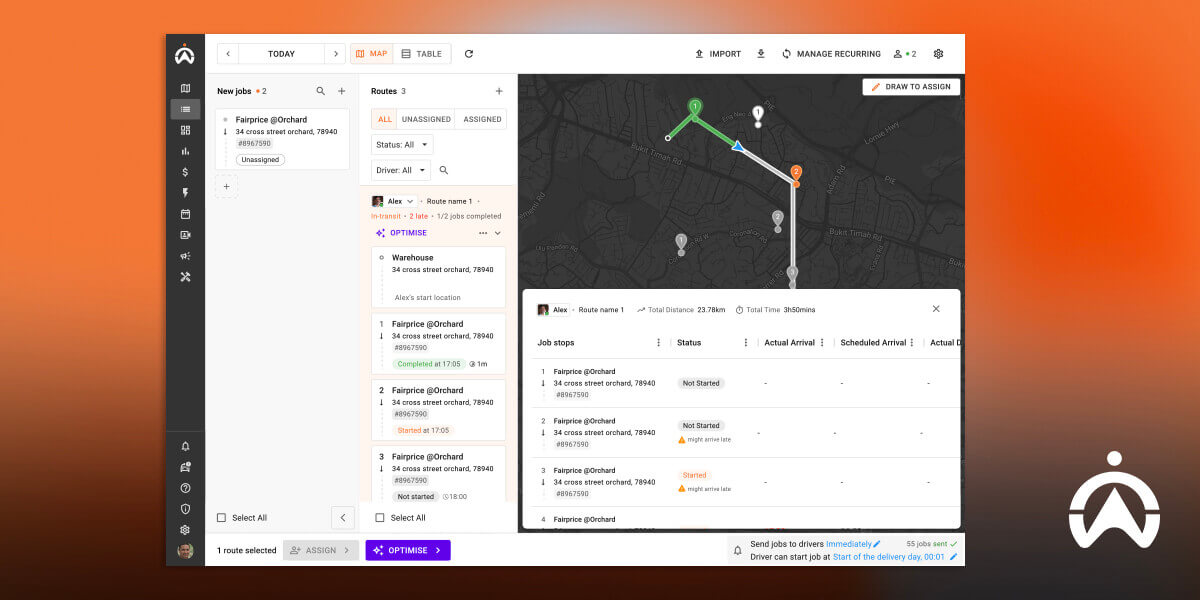
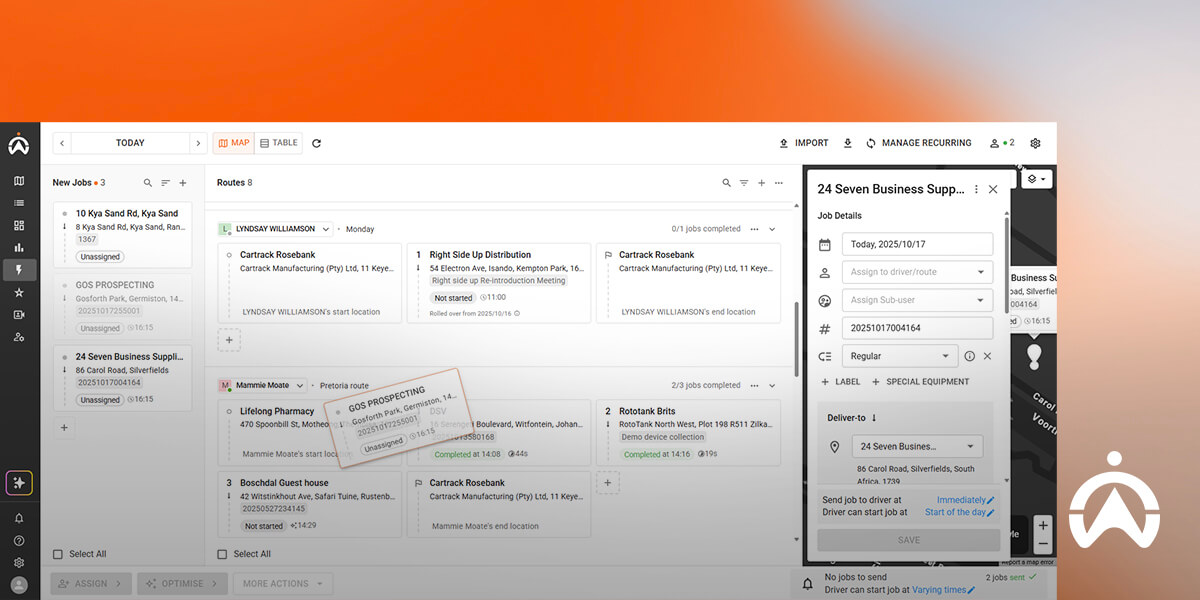
Cartrack dashboard illustrating challenges of last-mile delivery with routes, job statuses, and a map for organising deliveries.

Why are last‑mile delivery costs so high in Malawi?

Malawi has a challenging delivery environment, with large urban sprawls and outdated infrastructure that increases last-mile delivery costs. Tougher-to-reach locations increase the labour involved, which means the cost of getting a package delivered is always increasing.

This challenge means fleets become more expensive, impacting the last-mile delivery cost.

Fleet sizes and area coverage affect delivery prices further. A larger coverage area means drivers can be managed improperly and take longer to complete their deliveries. This inefficiency decreases delivery efficiency, inflating your fleet costs. You’ll also have to adjust to customer expectations as you grow.

Customers now expect same-day deliveries. A product ordered in the morning has to be delivered in the afternoon. This pressure means more mistakes can be made and last-mile delivery costs increase.

However, when a complete fleet management solution has been properly integrated, these are costs and challenges you’ll have the solution to.

Myth 😒 Fact 😁
Last-mile delivery costs are only high because of fuel Labour is the biggest cost, especially in urban sprawl and outdated infrastructure
Larger fleets automatically make deliveries faster and cheaper Bigger coverage areas can make drivers take longer routes, lowering efficiency and increasing costs
Customers don’t expect same-day delivery In 2025, many customers expect orders in the same day, adding pressure and risk of mistakes
Technology can’t help with high delivery costs A proper fleet management system can reduce costs, improve efficiency, and solve delivery challenges

The problems a Malawian fleet has to face and how they are solved

Local last-mile delivery challenges are some of the easiest to solve when a proper management system is installed. This is how a dispatch system keep your costs down:

Problem: Parcels are stolen or reported as undelivered, with no real way to confirm whether the driver or client is lying.

SOLUTION: The solution is simple, a confirmation delivery system that requires the driver to take a picture of the parcel delivery, and the client to sign.
‍

Problem: Your drivers are repeatedly going to the same address, unable to find the client; and clients are complaining that drivers are never on time.

SOLUTION: This requires a system that sends live-alerts to your drivers and clients, letting them know the day before (or earlier) that a delivery is on its way and when it will arrive.
‍

Problem: Unfortunately, there are many informal addresses in Malawi, and as we continue to grow new areas may require deliveries before maps are updated.

SOLUTION: There are two solutions to this problem: exact pinned locations from your clients, as well as live location tracking. Accurate locations mean your drivers don’t have to look for addresses on the side of the road.
‍

Problem: Packages are delivered to the wrong address or packages are sent back because of damage to the product.

SOLUTION: To solve this you need to have an integrated tracking system, knowing where packages are at each step of the delivery process. Tracking knowledge ensures damage is mitigated and packages are delivered to the right people.
‍

Problem: Even with notifications, clients are confused about where a package is, often expecting a delivery on the wrong day.

SOLUTION: The best way to solve this is through live updates to your clients, sending SMS notifications and having a portal they can use to track their packages from hand-off to final delivery.

What role does vehicle security play in Malawi’s last‑mile risks?

Vehicle security creates safer work environments for drivers, by tracking packages, and routing drivers through safer areas. Drivers may be taken on routes that are slower, which have roads that are maintained and are safer to use. This slower speed may initially seem detrimental, but as is commonly said, slow is smooth, and smooth is fast.

Here’s how security choices will affect your last-mile deliveries:

Risk or Factor What It Means Why It Matters
Hijacking and theft Vehicles can be stopped, and goods stolen Big losses and drivers are at risk
High insurance costs More crime means higher insurance prices Makes delivery more expensive
Security costs Guards or tracking tools cost money Adds to delivery costs
Slower delivery times Drivers avoid unsafe areas or take longer routes Delays packages reaching customers
Driver safety Drivers are not always safe on the road Harder to keep good drivers
Tracking technology GPS and cameras help watch the vehicle Can stop theft and help find stolen vans
Careful route planning Some areas are avoided or visited only at certain times Keeps drivers safer and deliveries on track
Unmarked vehicles Using plain vans with no logos Helps avoid drawing attention to valuable goods

The step-by-step strategy that reduced failed delivery attempts

Failed deliveries can quickly cause your costs to skyrocket, with many fleets only allowing one redelivery for free. To ensure your fleet doesn’t have to reattempt delivery, there are several steps you can implement:

  • Delivery time windows: When delivery is confirmed, offering clients a selection of delivery windows gives them more control. Clients will choose the best time for THEM.
    ‍
  • Advance SMS & App notification: Outdated systems don’t notify customers ahead of time. Implement a system that notifies clients ahead of time (preferably a full 24-hours) about a scheduled delivery.
  • Drop point delivery: Clients may not be able to take delivery of a package at all times. Using a drop point system allows clients to choose a locker or decide on in-person pickup, decreasing failed deliveries.
    ‍
  • Flexible re-delivery options: Offer clients the option to reschedule deliveries to different times entirely. Freeing up your drivers for other deliveries and ensuring clients are there when needed.
    ‍
  • Incentivise driver availability: During peak delivery times you need to ensure as many drivers are available. Through incentives such as flexible shifts, and performance rewards means you have more drivers when you need them.
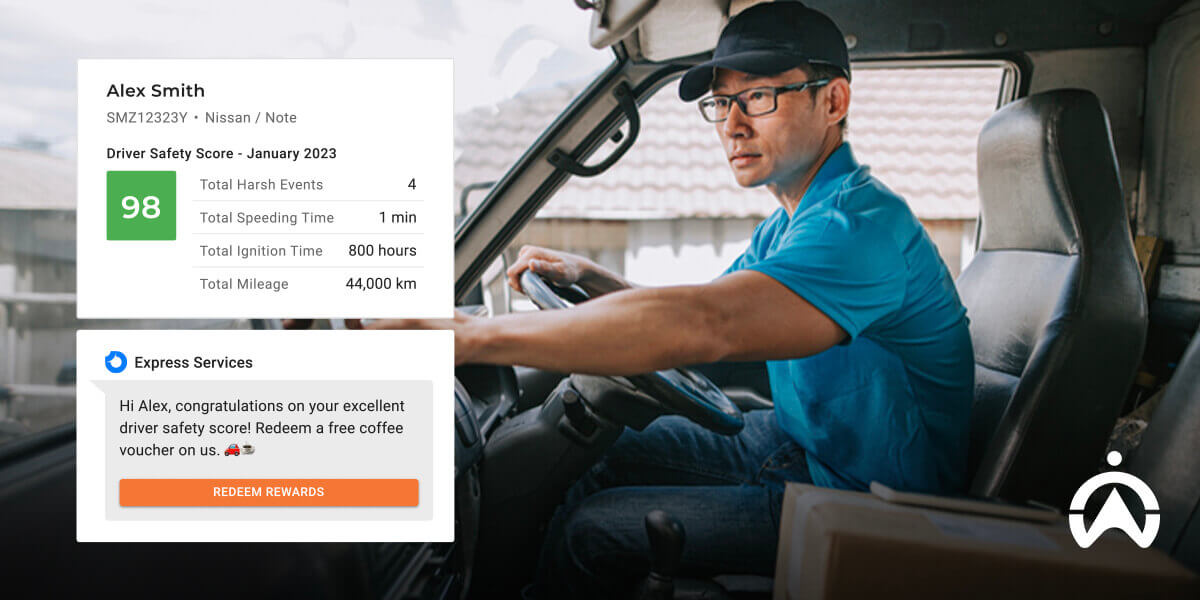
Cartrack driver app showing safety score and rewards, highlighting challenges of last-mile delivery performance.

How does route optimisation help Malawi last-mile deliveries?

Route optimisation helps last-mile deliveries by reducing:

  • Labour costs
  • Travel times
  • Fuel costs

The less time it takes drivers, routing staff, and others to work with a package, the more efficient your system becomes. An efficient delivery system is faster, making clients happier, and reducing costs.

Route optimisation will ensure that your fleets aren’t wasting time on unnecessary delays, longer routes, or problematic breakdowns.

How exactly does route optimisation software save money on deliveries?

Route optimisation reduces the fuel used on unnecessary travel distances. The software can calculate traffic, which means your drivers will not be stationary for long. Further, the knock-on effect of driving less and being efficient means reduced maintenance and service intervals.

Optimised route = reduced fuel usage

Can route optimisation make a difference in places with poor infrastructure or informal addresses?

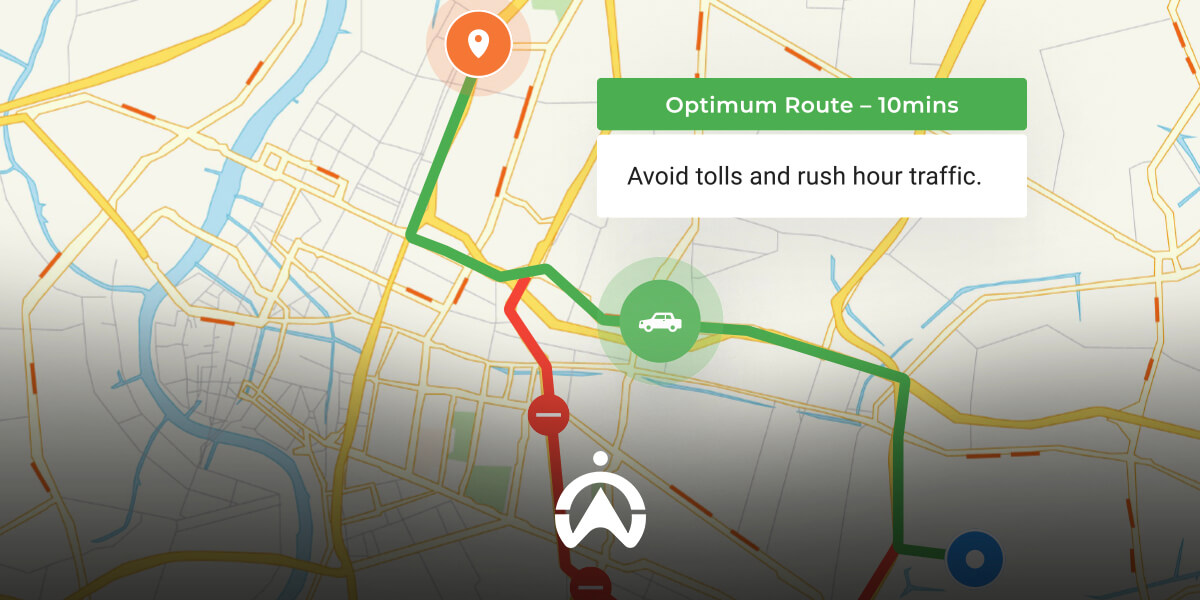
Yes, route optimisation uses accurate GPS location data. Once a delivery address has been confirmed the system easily shows a driver where to go. Further, the system can be set to avoid dangerous areas, using alternative paths that have safer and more maintained roads.

Route optimisation = accurate location data

Is route optimisation only important for larger delivery fleets?

No, even the smallest fleet can experience big benefits from a delivery and dispatch system. Smaller fleets have to plan even more than large ones. Ensuring that your limited number of drivers are where they should be. Drivers that aren’t where they’re meant to be can easily be tracked, rerouted, and made more efficient.

Route optimisation = even small fleets become efficient

How can Cartrack technologies improve visibility and tracking in the last mile?

Cartrack’s delivery system SEAMLESSLY integrates driver routing, package tracking, and fleet management. Your fleet becomes fully visible, lowering the high costs associated with final-mile labour costs. When fully implemented and integrated, your drivers can easily and accurately deliver packages across the country.

The last mile is the most expensive and unpredictable part of delivery in Malawi, but it doesn’t have to be. With the right tools you get:

  • Smarter routes
  • Better visibility
  • Confirmed deliveries

You can reduce costs, improve reliability, and keep customers happy. If you’re still managing last-mile challenges manually, it’s simply time to change and embrace the autonomy of fully integrated delivery management systems.

Don’t take the risk of letting packages get lost, take full control of your dispatching, give Cartrack a call.

What are some of the frequently asked questions regarding last-mile deliveries?

What partnerships or shared delivery networks offer cost‑sharing benefits?

Shared delivery networks and partnerships with other businesses let you split transport and labour costs while increasing delivery reach. Working with courier hubs, local retailers, or gig-driver platforms helps you fill more vehicles, reduce empty trips, and make last-mile delivery more affordable for everyone involved.

How can customer expectations (fast delivery, real‑time tracking) be balanced with cost control?

You can balance fast delivery and real-time tracking with cost control by using route optimisation and smart scheduling. These tools cut fuel waste, reduce travel time, and keep customers updated without extra labour. In Malawi’s busy cities, efficient planning keeps service quick while avoiding unnecessary delivery expenses.

What metrics should logistics managers in Malawi monitor to improve last‑mile performance?

Logistics managers should track delivery time, failed deliveries, fuel use, driver efficiency, and customer satisfaction. Monitoring these metrics shows where time and money are lost. Keeping a close eye on these numbers helps you plan better routes, save fuel, and keep deliveries reliable and on time.
Get the Best and Easy-to-Use App for Last-Mile Logistics

The best and easy-to-use app for last-mile logistics is a feature-rich one. Last-mile logistics is all about that final leg of a product’s journey to the customer, moving from a distribution centre straight to their door. Even though it’s a short distance, it’s the trickiest and most expensive part of the supply chain.

This is all thanks to complicated routes, high delivery volumes, and the constant need to keep customers happy. According to Capgemini Research Institute, last-mile delivery accounts for over 50% of total logistics costs. Businesses that optimise the last leg save time, money and customer relationships.

In B2B logistics, the last mile is mostly about being reliable. Any delays or loss of goods while shipping can have a direct impact on a business’s relationship with its partners. Companies that utilise smart solutions, such as Cartrack’s Driver App, have an advantage over their competitors, as they can see and hold people accountable in real-time.

Understanding last-mile logistics: the backbone of customer experience

The last mile is more than just simply delivering a product to its final destination. This stage has the ability to shape how your customers feel about your business and how likely they are to come back. To master the last-mile logistics, you need to ensure that every part of the delivery process runs smoothly, reliably, and efficiently.

Why the last mile matters

  • Reputation enhancement: Consistently meeting deadlines builds your company’s credibility.

The modern challenge

As e-commerce demands surge and customer expectations rise, last-mile logistics becomes more intricate. Companies must keep customers updated in real-time, requiring a system that balances speed, accuracy, and cost-effectiveness.

The Cartrack advantage

Cartrack provides businesses with the right solutions to master their last-mile operations. Features such as live tracking, easy driver communication, and proof-of-delivery guarantee that every order arrives on time, keeping customers in the loop.

What makes an app great for last-mile logistics?

An app that’s great for last-mile logistics is one that does more than just keep tabs on vehicle locations. It should completely transform how your teams plan, communicate, and execute deliveries. The most effective solutions seamlessly integrate user-friendliness with capabilities that reduce costs, optimise routes, and keep customers informed at every stage.

Must-have features:

  • Real-time tracking: Instantly check the current location of your fleet at any given moment.
  • Proof of delivery: Easily collect signatures, photos, or barcodes.
  • Two-way communication: Have the ability to keep drivers and dispatchers connected.
  • Analytics dashboards: Turn your delivery data into valuable insights.

Business benefits:

  • Quicker delivery time and fewer disputes.
  • Lower operational costs.
  • Happier and more efficient drivers.
  • Improved customer satisfaction and trust.
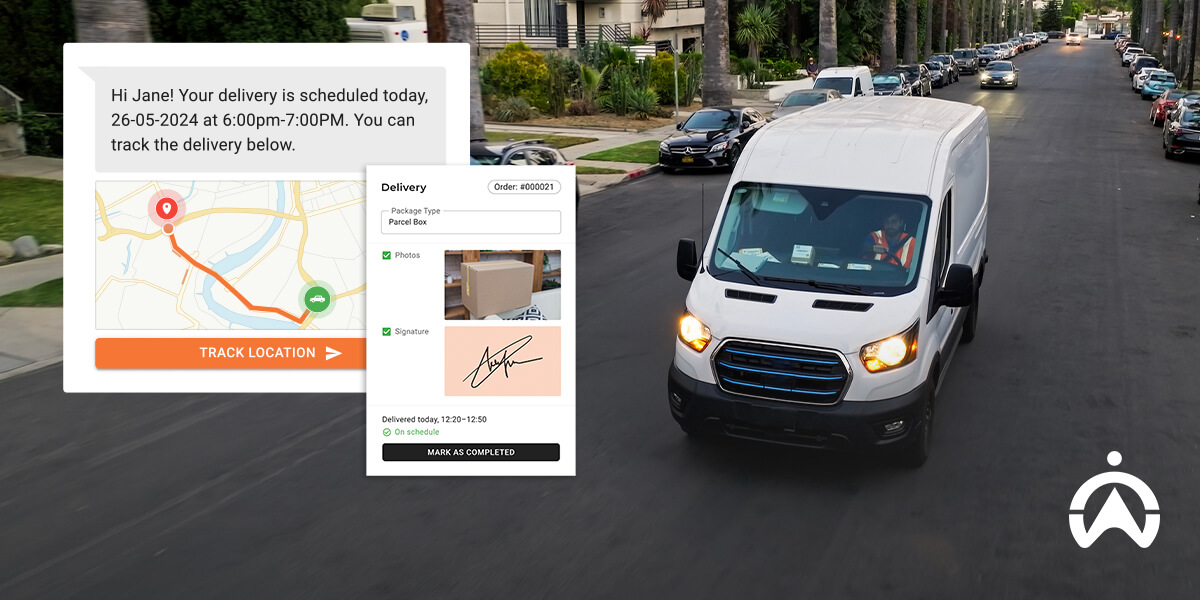
Cartrack app for last-mile logistics showing delivery van tracking with package details and ETA.

What are the challenges of last-mile delivery?

There are three main challenges that affect last-mile delivery. The first is that your customers expect deliveries to be made quickly. The cost of the last-mile delivery is very expensive. Lastly, the increase in the demand for special shipping services.

1 – Customers want speedy delivery

Today, big e-commerce platforms offer same-day or next-day delivery. Customers are now expecting their orders to arrive quickly and conveniently. While fast deliveries are heavily advertised, business owners, especially small business owners, must find a way to meet these expectations without breaking the bank.

2 – High cost of the last-mile delivery

When online shoppers spend over a certain amount, they expect free delivery. However, last-mile delivery can get pricey since drivers are juggling multiple packages that are headed to multiple locations. Complicated routes, frequent stops, and idle times all drive up your fuel costs and labour hours.

3 – Rising need for specialised shipping services

Last-mile logistics can get tricky. Whether it’s no one being home to receive deliveries, needing to reschedule, or customers wanting to return products they’re not happy with, there are plenty of challenges to navigate.

Choosing the right app for your fleet

When choosing the right app for your fleet, it’s important to look for the best last-mile delivery app. The best ones can completely transform your fleet operations, moving them from a reactive approach to a proactive one. The right platform provides your team with the tools to enhance automation, visibility, and your insights.

So before you jump in, invest some time in finding a solution that aligns with your operational goals and evolves with your business.

When evaluating logistics software, consider these four key factors:

Identify your operational needs

Every fleet faces unique challenges, whether it’s tackling city traffic or navigating rural roads.

Start by identifying your pain points:

  • Are any delays caused by poor routing or communication hiccups?
  • Do you need better proof of delivery or more accountability from your drivers?
  • Are you aiming to enhance customer visibility or reduce your costs?

Pro tip: create a checklist of essential features before diving into provider options.

Look for seamless integration

Your delivery app should fit seamlessly into your existing setup, not disrupt it.

  • Ensure it connects smoothly with your telematics, CRM, and ERP systems.
  • This integration allows dispatchers, managers, and drivers to work from a single source of data.
  • Having everything in one place boosts accuracy and reduces manual entry errors.

Prioritise ease of use

Complicated software can interfere with implementation. The best apps are user-friendly for both dispatchers and the drivers.

  • Make sure mobile functionality operates well, even in areas with poor signals.
  • Opt for a platform that requires minimal training to get started.

Evaluate scalability and support

As your business grows, your app should keep pace.

  • Confirm that it can handle expanding fleets, multiple locations, and increased delivery volumes.
  • Seek a provider that offers 24/7 local support and regular updates.
  • Ask about implementation timelines and the onboarding assistance available.

Why Cartrack checks every box

Cartrack’s Driver App combines telematics, routing, proof of delivery and driver communication all in one platform. It integrates effortlessly with your existing systems, performs reliably in Malawian conditions, and is backed by local teams who truly understand your business.

Why Cartrack’s Driver app leads the way in last-mile logistics

Cartrack’s Driver App leads the way in last-mile logistics because it was designed to tackle the unique challenges of Malawian logistics. Think unpredictable roads, heavy traffic, and those tricky remote routes. It offers a simple, user-friendly platform that connects drivers, dispatchers, and customers through live tracking, automation, and real-time communication.

Full visibility from start to finish

  • Monitor every delivery vehicle and route in real time.
  • Check driver progress, estimated arrival times, and any route changes. Instantly!
  • Get alerts about any potential delays before they impact your customer.

Smarter routing, less fuel waste

  • Dispatchers can quickly reroute drivers to avoid congestion.
  • This means fewer kilometres driven, less fuel used, and faster delivery times.

Real-time communication that keeps everyone in sync

  • Send immediate updates or instructions directly to drivers.
  • Drivers can update their delivery status right in the app.
  • Drivers and dispatchers don’t need to juggle phone calls or multiple chat apps.
  • Drivers can change the status of the delivery (completed, damaged, refused signature, returned product).

Proof of delivery that builds trust

  • Capture digital signatures, photos, or barcodes on-site.
  • Every record gets a timestamp and location verification.
  • Resolving disputes happens quicker and smoother.

Designed for local businesses

  • It runs smoothly, even in low-connectivity areas.
  • Designed specifically for the Malawian network.
  • Enjoy 24/7 support from local customer service.

Cartrack vs. generic delivery apps

There are a plethora of delivery apps available to use for last-mile logistics. However, most of them only offer surface-level fracking or basic dispatching tools. Whereas Cartrack’s Driver App goes above and beyond by combining telematics, advanced fleet management, and real-time analytics all into one connected platform.

Check out this table that compares Cartrack’s Driver App to generic delivery apps to help you make a more informed decision:

Feature Cartrack Driver App Generic Delivery Apps
Real-Time Tracking Integrated with live telematics for precise, vehicle-level visibility Basic GPS tracking, often delayed or app-based only
Route Optimisation AI-driven and adjusts to live traffic and delivery priorities Static routing; manual updates required
Proof of Delivery (POD) Built-in digital signatures, photos, and time-stamped data Often requires third-party plugins or manual uploads
Driver Communication Instant two-way messaging between drivers and dispatchers Limited or relies on external messaging apps
Analytics & Reporting Advanced dashboards with performance insights and fuel data Limited to basic delivery logs and summaries
System Integration Seamlessly connects with Cartrack’s fleet, fuel, and maintenance systems Usually standalone, difficult to integrate with fleet tools
Local Support 24/7 Malawian-based support and maintenance Offshore or automated ticketing systems
Reliability Backed by over 2.4 million active units across the globe Varies; often designed for smaller or non-fleet users
Cartrack app for last-mile logistics showing driver job scheduling, route planning, and delivery assignments.

What does Cartrack’s Driver App offer you

So you might be curious as to what Cartrack’s Driver App offers you that another app can’t. Cartrack’s Driver App isn’t just about tracking—it’s about transformation. Businesses that are using the platform can see measurable improvements across cost, efficiency, and most importantly, customer experience.

Operational Efficiency

  • Improved routing will boost the amount of deliveries each driver can make daily.
  • Automatic proof of delivery slashes admin time and paperwork.

Cost Control

  • You can save on fuel by choosing the best possible route, as well as cutting down on idle time.

Customer Experience

  • Having accurate ETAs and instant delivery confirmations builds trust with your customers.
  • Enjoy smoother deliveries and faster resolutions.
  • Create transparency that turns one-time customers into long-term loyal clients.

How to successfully implement a last-mile delivery app

There are a few things you can do to successfully implement a last-mile delivery app for your business. However, you need to keep in mind that adopting new technology can be quite complicated, especially when your teams are used to doing things manually. By ensuring a smooth rollout, you’ll maximise your investment and see results quicker.

Start with clear goals

  • Before getting the app, pinpoint your biggest delivery challenges.
  • Are delays your main concern?
  • Do you need better visibility or more efficient routing?
  • Or are you focused on enhancing your customers’ satisfaction?
  • By establishing clear goals early on, you can monitor your success and measure your ROI

Get team buy-in early

  • Your drivers and dispatchers are the key to your last-mile success.
  • Make sure you are involving them in the setup process.
  • Provide your team with brief, hands-on training sessions.
  • Highlight how the app will make their day easier, not more complicated.
  • When your teams can see the personal benefits, adoption rates will skyrocket.

Integrate with existing systems

  • Sync your delivery data effortlessly with your ERP or CRM systems.
  • Keep all information—routes, maintenance, and proof of delivery—in one ecosystem.
  • Integration removes the hassle of manual data entry and provides you with smoother operations.

Use data to drive decisions

  • Once the app goes live, tap into its built-in analytics to keep an eye on your progress.
  • Track delivery completion rates and route efficiency.
  • Compare the fuel usage across different vehicles or regions.
  • Spot trends that can shape your driver training or maintenance schedules.
  • Transform your delivery data into actionable insights for improved business results.

Continuously optimise

  • Last-mile logistics never stands still, and neither should your processes.
  • Review delivery data monthly to find new improvement areas.
  • Update routing rules or schedules as your business grows.
  • Keep engaging with your Cartrack account manager for feature updates and best practices.

The businesses that thrive on logistics tech don’t just use it; they adapt alongside it.

Final thoughts: Simplify, streamline, and deliver

That last stretch, aka the last mile, is where your brand truly makes its impression. So make sure it’s a memorable one. With the right tools at your disposal, you can save time, cut costs, and avoid an unhappy client.

Cartrack’s Driver App puts you in the driver’s seat for each and every delivery. Allowing you to oversee everything from dispatch to doorstep.

To see how Cartrack can simplify your delivery operations, book a demo today.

FAQs

What’s the difference between first-mile, middle-mile, and last-mile delivery?

So the first mile is getting the goods from the manufacturer to the warehouse. Then the middle mile takes over and moves the goods between hubs. And finally, the last mile is where the magic happens and delivers the goods to the customer’s doorstep.

How secure is delivery data collected by logistics apps?

Delivery apps keep your data safe with encryption, secure cloud storage and multi-level access controls. Trustworthy providers also comply with applicable Malawian data protection requirements and recognised international data protection standards, ensuring that route data, proof-of-delivery records and customer information remain private and secure from unauthorised access or misuse.

Can last-mile delivery apps work for small or medium-sized businesses?

Yes! Small and medium-sized businesses can really make it work with last-mile delivery apps. The software does the automated scheduling, routing and tracking, which means less manual tasks, lower costs and faster deliveries—all without having to hire more staff. Scalable platforms like Cartrack make it easy for any size of fleet to manage deliveries.

How do delivery apps handle connectivity issues in remote areas?

Cartrack’s last-mile driver app is offline capable. It tracks and stores delivery data even when there’s no signal and syncs everything once connectivity is restored. So no data gets lost, and operations can keep running smoothly in rural or low-coverage areas. A must-have for Malawian fleets.

What kind of hardware do I need to run a delivery app?

All you need is a smartphone or tablet with GPS. Some logistics teams opt for rugged or in-vehicle devices for added durability and accuracy. Since Cartrack’s app is on standard mobile operating systems, setup is quick, affordable and doesn’t require any fancy or special hardware.

Can delivery apps help with sustainability goals?

Yes, having a delivery app can definitely help with your sustainability goals. This is done through route optimisation, which is the key to reducing fuel consumption and minimising your carbon footprint. Making delivery apps a great tool to achieve sustainability.

Which Factor Most Affects the Cost of Last-Mile Delivery?

The factor that most affects the cost of last-mile delivery is labour, with fuel coming second. These areas are where most of the costs go when businesses get deliveries from the processing point to the customer’s hands. Last-mile delivery is seen as the most costly stage of logistics, sometimes making up as much as 53% of total supply chain expenses.

Labour costs typically include factors like driver salaries, overtime, and route details. On the other hand, fuel costs usually consist of driver density (which refers to the number of stops on a trip) and distance. Combined, they play a key role in shaping how smoothly your operations run and how profitable your business can be.

To help you better understand the high costs of last-mile delivery, we’ll guide you through the expenses associated with this stage, why labour is the heavyweight factor, and how your business can get these costs under control. See how Cartrack and our sophisticated technology can give you full visibility and assist in keeping costs under control.

Why is labour the highest cost of last-mile deliveries?

Labour is the factor that most affects the cost of last-mile deliveries because the last mile is incredibly demanding, with factors like driver wages, idle times, and overtime contributing to the total. So much of the cost is contributed to labour that it usually surpasses other factors like fuel. The longer a delivery takes, the higher the costs.

Let’s look at the effects and amplifications of labour costs:

  • Urban vs rural routes: Urban or dense routes typically see more deliveries being made in less time, typically reducing labour costs. Rural or sparse routes mean more travel time and fewer stops, typically inflating labour costs.
    ‍
  • Driver pay & overtime: If drivers are working overtime or longer hours to ensure deliveries are complete, then more money is going towards wages.
    ‍
  • Failed deliveries: Failed deliveries mean that redeliveries have to happen, which directly contributes to overtime/longer hours and more fuel spent.

What does “last-mile delivery cost” mean?

Last-mile delivery costs refer to the expenses related to the process of getting packages from the last hub to the hands of a customer or business. The last mile is typically considered the most expensive part of the process, even though it’s usually the shortest.

Last-mile delivery describes the last step in an order journey—getting the delivery from the centre to the customer—but it’s complex and costly because of the numerous expectations. Not only are there tight time windows and many stops, but there are also high customer expectations and the need for stellar communication.

Although the last mile is usually seen as a collection of expenses that could weigh the business down, it could actually prove to be a profitable venture. If you implement positive adjustments, like route optimisation or consolidating deliveries, you could potentially gain a competitive edge.

Take a look at the process in its entirety:

  • First mile: This is from the supplier to the warehouse
  • Middle mile: This is from the warehouse to the local hub
  • Last mile: This is from the hub to the customer

Why is last-mile delivery so expensive?

Last-mile delivery is so expensive because of factors like pressures to deliver on time, congested roads, the cost of fuel, and sparse delivery stops. All of these directly add to the overall costs and can affect your business’ level of efficiency.

There are also some Malawian-specific obstacles to overcome:

  • Sparse delivery stops: Malawi has vast rural areas, which means there can be long travelling times between delivery points.
    ‍
  • Infrastructure: Routes and roads can be very unreliable, especially as you move further into rural or farm areas.
    ‍
  • Safety: To ensure safety and security, drivers might take longer routes so as to avoid dangerous areas.

Labour costs don’t always have to give you a headache. You can optimise driver routes and keep track of their performance using Cartrack technologies. Book a demo to see how you can improve the performance and profitability of your fleet.

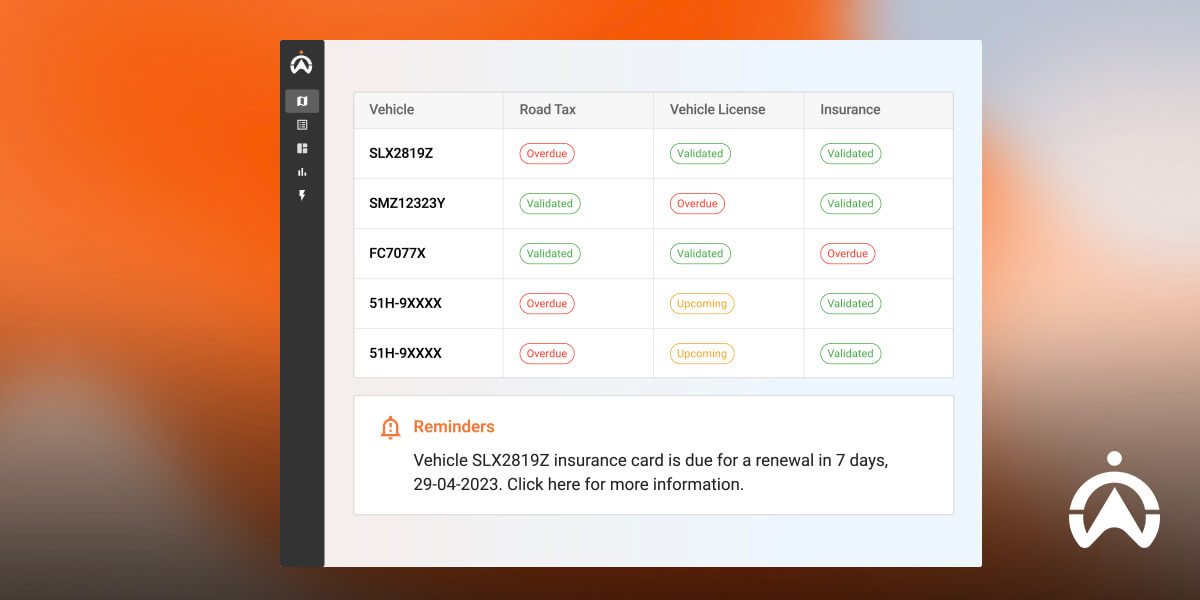
Vehicle management dashboard showing licenses and insurance renewal alerts affecting last-mile delivery cost.

Breaking down the overall cost of last-mile delivery

If we look at a breakdown of the overall cost of last-mile delivery, we have to consider factors like fuel, customer expectations, and driver labour costs. Some of these factors are easier to manage than others, but understanding these variables can help you decide where you can optimise and save.

Take a look at this breakdown of the typical contributors:

  • Fuel and vehicle operating costs: These are probably the most erratic expenses. With the ever-rising cost of fuel, typical wear and tear on a vehicle, and the stop-start nature of delivery driving, it’s no surprise that costs here are high.
    ‍
  • Driver wages and labour: As mentioned, labour is the highest last-mile expense. Driver shortages, wages, overtime, route inefficiencies, and other elements can add up and easily elevate costs.
    ‍
  • Routes and potential inefficiencies: This is one of the best factors to manage cost-wise, as route optimisation can massively improve last-mile costs. Without route optimisation, expect longer routes, overtime, and more idle time.
    ‍
  • Potential failed or repeated delivery attempts: These essentially become hidden costs. Having to make redeliveries means even more per-delivery costs, from wasted fuel to extended driver hours.
    ‍
  • Customer expectations: Customers expect smooth handoffs and deliveries that can be tracked while they’re on the way. This makes deliveries more complex, with restricted delivery windows and rigid schedules.

To better understand which areas are easier to optimise, look at the table below.

How to read the table:

  • High controllability: These are areas where costs can quickly be brought down through proactive governance and fleet management technologies.
    ‍
  • Medium controllability: These costs can be reduced through statistically informed decisions, though they’re still partly shaped by outside factors.
    ‍
  • ‍Low controllability (N/A here): These relate to larger, general variables such as economic shifts or regulatory changes, which are harder to manage directly.
Factor Impact % (Average Estimate) Description Controllability (High/Med/Low)
Labour 40–50% Salaries, overtime, and staff shortages Medium
Fuel and maintenance 20–30% Vehicle costs and rising fuel prices Medium
Failed deliveries 10–15% Redeliveries or customer absence High
Route Inefficiency 10–15% Poor planning and traffic High
Tech/Infrastructure 5–10% IT and fleet tools High

Takeaway:
While labour remains the biggest last-mile delivery cost factor, the most achievable expenses often come from controllable inefficiencies. With various smart technologies available with Cartrack, businesses can improve productivity and make meaningful cuts to operational spending.

How to manage and reduce labour-driven last-mile costs

To manage and reduce labour-driven last-mile costs, it’s best to focus on high-controllability areas and manage those before tackling lower areas. Having a better handle on how drivers spend their time can immediately improve efficiency, but a holistic approach will always be the best way forward.

Consider these strategies:

Route optimisation software and smart planning

Implementing route optimisation software and smarter planning can help you cut back on wasted time, fuel, and effort. Through innovative technologies and AI systems, the most efficient and fuel-saving routes can be planned for each of your drivers.

By choosing to prioritise route optimisation software, especially from Cartrack, you can:

  • Decrease fuel usage
  • Bring down idle time and total time spent on the road
  • Confidently manage more stops in a single shift

Delivery consolidation and managing batch orders

By effectively managing batch orders through delivery consolidation, you enable your drivers to complete more deliveries in less time per trip. Smarter delivery consolidation means you can strategically combine trips in the same geographical areas, cutting down on back-and-forth trips.

Cartrack’s FleetWeb features can help you manage dispatching so that every trip is grouped correctly and more time-effective.

Real-time customer communication

Real-time customer communication—through channels such as in-app updates, SMSes, and ETA notifications—massively improves overall delivery experience. Additionally, clear and constant communication with customers helps prevent potential redelivery attempts.

Cartrack’s customer visibility features (proof of delivery, live tracking, automated customer notifications, etc.) guarantee improvement with first-delivery-attempt success rates.

Safe and efficient driver management

Better productivity and protection directly correlate with safe and efficient driver management. Driver behaviour monitoring tools and telematics allow you to keep track of your drivers while also facilitating proactive and preventative approaches.

Cartrack’s GPS tracking and driver scorecards promote safer driving habits, meaning accident-related interruptions and overtime are reduced.

Delivery tracking notification next to driver, illustrating last-mile delivery cost factors

Is last-mile delivery profitable?

Yes, last-mile delivery is profitable, but businesses must balance performance, customer satisfaction, and running expenses. Although this part of the delivery cycle is the most costly, it’s also the most personal, giving you space to truly connect with your customers. If done correctly, you can cement a favourable brand connection and stand out among the rest.

Cost and customer experience

Although reducing costs is the goal, you’ll want to ensure you preserve customer satisfaction and high service standards. Profitability rides on balancing costs and quality service. If you have satisfied customers, you’re almost guaranteed profits through repeat customers and clear brand loyalty. This, however, can only be achieved by quick, flawless, and reliable delivery experiences.

Balancing efficiency and profit

Businesses that implement the right tools and technologies to improve performance are those that are likely to have the best success rates. Lowering costs per delivery while maintaining customer satisfaction could not only improve your bottom line but also give your business an edge over the competition.

Cartrack’s role in reducing last-mile delivery costs

Empowered by advanced technology and real-time visibility, last-mile delivery can transition from a major expense to a strategic advantage. It’s a transformation that Cartrack enables for every business it supports. By directly tackling the highest last-mile costs and helping you take control of them, Cartrack is your top solution as a loyal business partner.

Here’s a look at what we can do for you:

  • Route optimisation: We use smart tools and AI-driven insights to optimise your drivers’ routes, helping them drive smarter and not longer. This cuts back on fuel and overtime spend, ensuring that drivers stay on schedule as regularly as possible.
    ‍
  • Delivery tracking & real-time ETAs: With our customer visibility features, you can ensure smooth deliveries on the first attempt. Redeliveries should become far less frequent, and your completion rates will increase.
    ‍
  • Fleet cost management tools: Thanks to our value-added services like MiFleet, you can have complete oversight over operational finances and performance. This kind of oversight allows you to make insight-backed decisions to improve your bottom line.
    ‍
  • Vehicle security: Hijackings and other threats to safety can lead to potential driver shortages and delivery losses. Cartrack is a leading name in vehicle tracking and recovery, protecting your assets and drivers while preventing pricey disruptions.

Final takeaways

There are plenty of reasons why last-mile delivery costs can add up—fuel, maintenance, routes, and especially labour. The list goes on. These expenses are part of doing business, but it doesn’t mean they have to feel out of control.

With the right technology behind you, your business can move away from just reacting to costs and start improving them before they become a problem. You can keep your fleet efficient, your team productive, and your customers satisfied every step of the way.

Ready to cut your last-mile costs while keeping customers happy? Discover how Cartrack helps dispatch teams deliver smarter, safer, and more profitably.