Fleet Visibility: How Much Do You Really Know?

In the world of fleet management, seeing is believing, but when fleet visibility is compromised, businesses can find themselves fighting challenges that impact efficiency, customer satisfaction, and overall fleet costs.

Let’s explore fleet visibility and see its transformative potential for your business.

In this article, you will:

  • Uncover the significance of fleet visibility
  • Explore the core components crucial for achieving optimum fleet visibility
  • Spot clear signs that you need a fleet management system for improved visibility
  • Understand how fleet management can significantly improve your team’s visibility
  • Learn how Cartrack Malawi has and can improve fleet visibility for any business

What is fleet visibility?

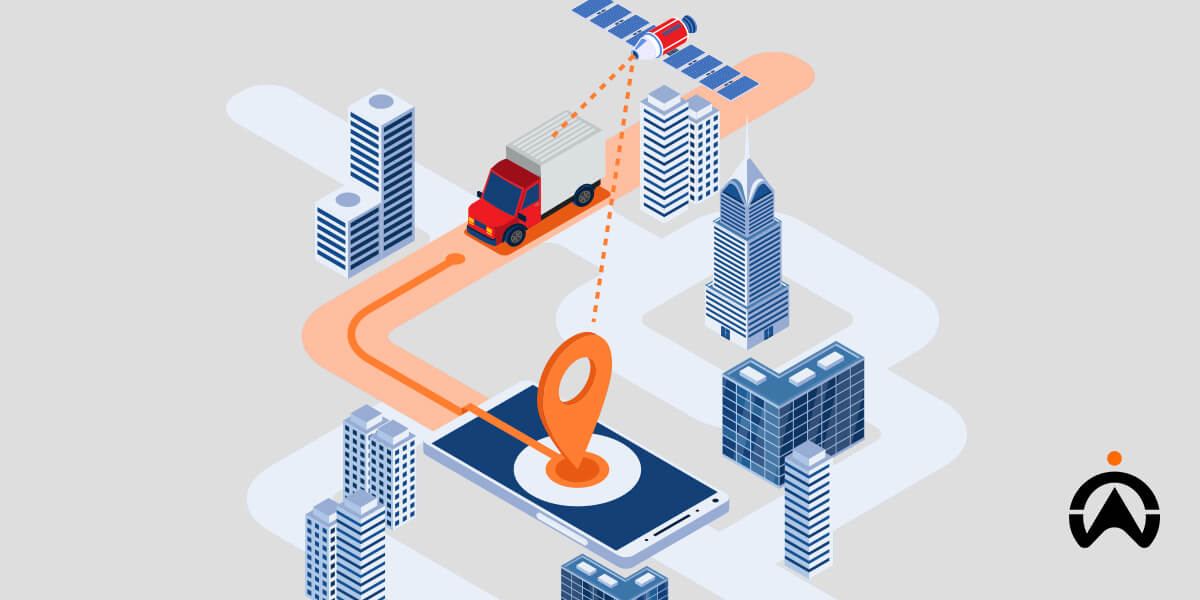
It’s not just about knowing where your trucks are, although that’s a great start.

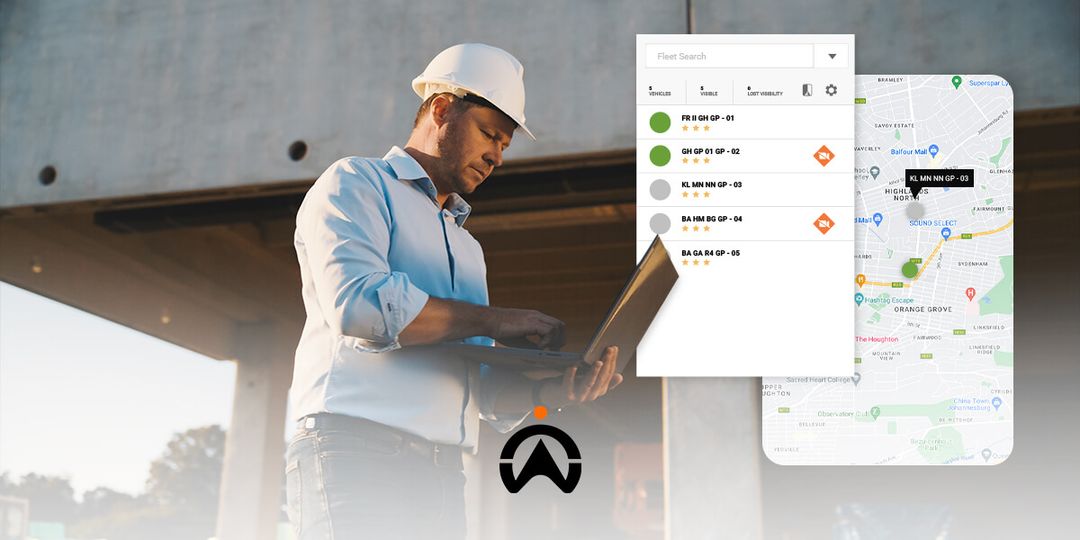
Fleet visibility is all about staying in the know about your fleet in real time. Itlets you track and understand every move your fleet makes – from where they are to the routes they take, how much fuel they’re using, and even keeping tabs on maintenance needs. It’s not just about pinpointing your drivers and vehicles; it also tracks task progression during deliveries or on-site services.

This crucial element of fleet management serves up valuable insights for decision-makers, fleet managers, and dispatchers, helping them fine-tune operations, ensure vehicles are used efficiently, and smartly allocate time for tasks.

Fleet visibility is the ace in the hole every fleet manager needs to keep their fleet operations running smoothly and optimally.

Core components of fleet visibility

Fleet visibility can highly influence operational efficiency, fleet costs, and customer satisfaction, and even ensure the overall health and productivity of a fleet of vehicles. It is a cornerstone in modern fleet management practices, allowing businesses to optimise their transportation and logistics processes, but how does this method work?

Here are the essential technologies needed to achieve optimum fleet visibility.

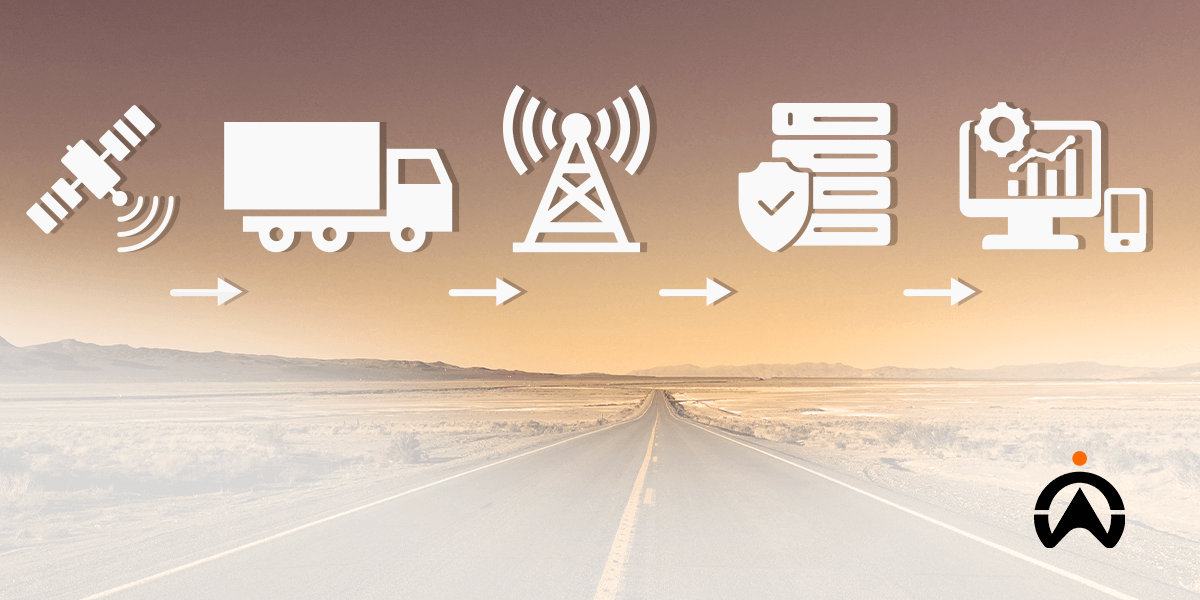
Vehicle tracking: GPS devices or onboard computers transmit location data, mapping your vehicles’ movements on a real-time map.

Telematics: Sensors track engine health, fuel usage, driver behaviour, and other vital metrics, providing insights into vehicle performance and driver habits.

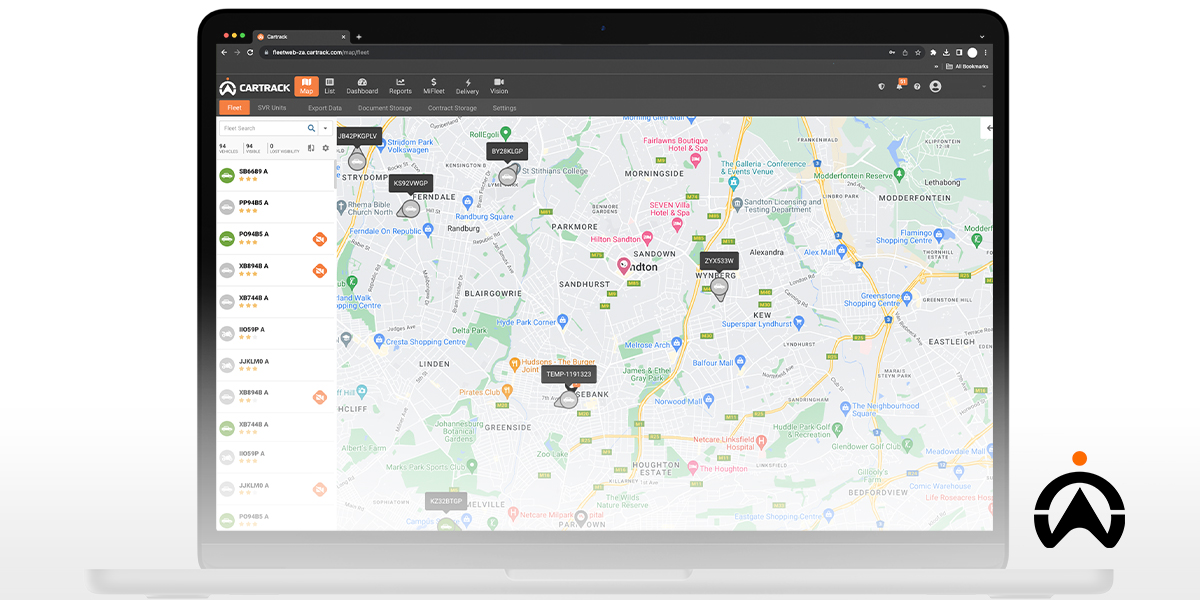
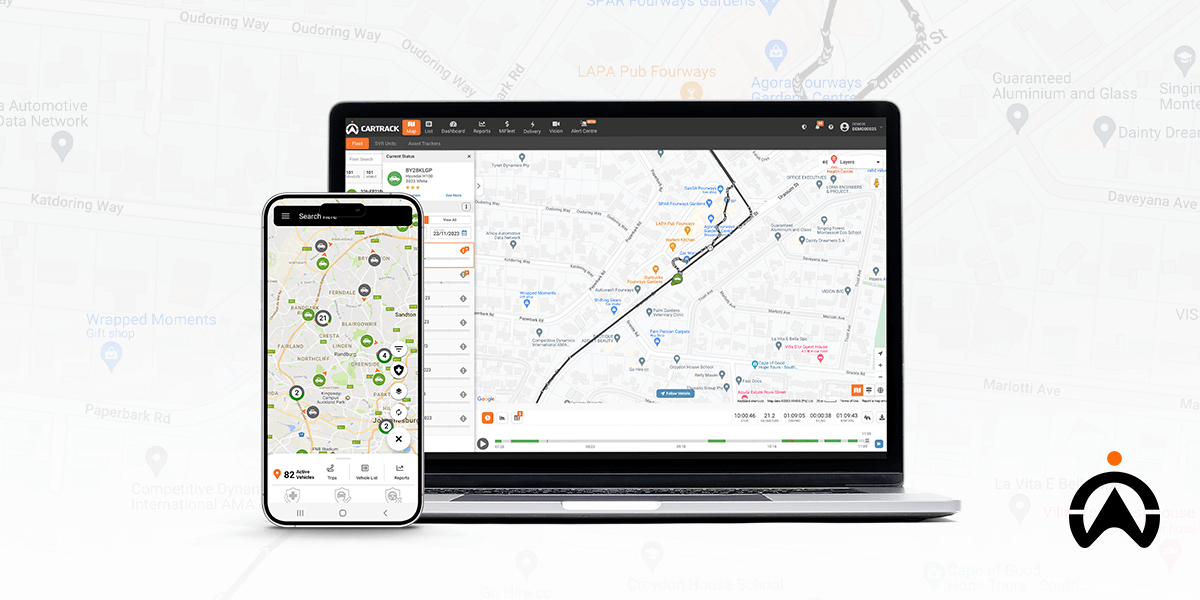
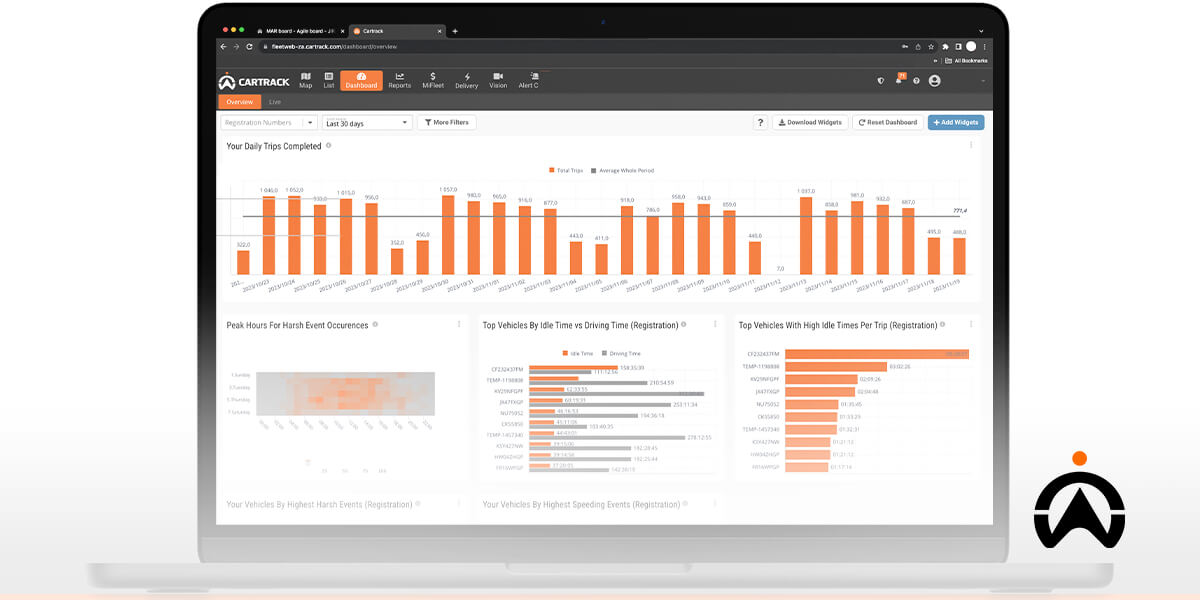
Fleet management software: This central platform collates all the data, displays it on visual dashboards, generates reports, and enables communication with drivers.

Mobile apps: Drivers can access essential information like routes, schedules, and job updates through dedicated mobile apps, improving communication and efficiency.

Each of these plays its part in providing real-time location data, tracking vital metrics, centralising data, and enhancing communication and efficiency.
Core_components_of_fleet_visibility

How do you boost fleet visibility and measure fleet performance?

As a fleet manager eager to enhance the game plan for your fleet but not quite knowing how to start, fear not! Boosting fleet visibility and measuring performance might sound like navigating uncharted territory, but it’s not as daunting as it seems.

Split your focus between your drivers and vehicles and their tasks and responsibilities:

  1. Fleet assetsTo amp up fleet visibility, organisations can dive into proactive monitoring and real-time tracking solutions. Picture it as having a bird’s-eye view of your fleet’s day-to-day activities. By embracing these high-tech tools, organisations can swiftly boost their fleet visibility, making the whole operation smoother than ever.
    ‍
  2. Task visibility

    Watching over your fleet isn’t just about knowing where they are; it’s about understanding what they’re up to. To accurately measure fleet performance, you can turn to Key Performance Indicators (KPIs) that will inform you on how effective your fleet management strategy is.The following are some of the most important KPIs for measuring fleet performance:

    Boosting efficiency: 
    This KPI zooms in on the overall efficiency, covering fuel use, maintenance costs, and vehicle utilisation rates.Enhancing productivity: Measures how productive your fleet is with completed jobs, delivery times, and task completion levels.Controlling costs: Keeps an eye on the bottom line by tracking fuel costs, maintenance expenses, and total expenses per asset.

    Driver behaviour and performance: Monitors driver performance, from sticking to schedules to fuel-savvy habits and safety prowess.

    To properly monitor these metrics, fleet managers use fleet management software to collect and analyse the data. Thereafter, fleet managers can spot areas for improvement, set goals, and make savvy decisions to supercharge their fleet operations.

Signs that your fleet needs a fleet management system for increased visibility

Imagine managing your team as usual with the same methods you’ve used since opening your business. Everything seems fine until one day a series of unexpected events unfolds.

You get a call from a driver stuck in traffic, another report of vehicle troubles, and, to top it all off, a missed delivery deadline that leaves a valuable client less than impressed. As you juggle these challenges, it hits you: your fleet needs modern fleet managementso you can be aware of the ins and outs of your fleet.

Recognising the signs that your fleet is in dire need of a fleet management system for a visibility boost is crucial.

Here’s a breakdown of what to look out for:

Poor resource utilisation

  • Challenge: When you lack visibility, your fleet can become inefficient. Resources are either underused or overloaded, leading to lower productivity and higher operational costs.
    ‍
  • Solution: Fleet visibility tools show you how vehicles are used, driver availability, and workload distribution. This insight helps manage resources effectively and improves overall efficiency.

Increased operational costs

  • Challenge: Insufficient visibility results in increased operational costs. Fuel expenses rise, and vehicle wear and tear escalates, impacting profitability.
    ‍
  • Solution: Fleet visibility solutions with advanced analytics pinpoint areas for improvement, leading to cost savings in fuel consumption and maintenance. It helps control operational expenses and enhances profitability.

Communication breakdowns

  • Challenge: Without real-time visibility, communication between dispatchers and drivers suffers, causing misunderstandings, errors, and delays in task execution.
    ‍
  • Solution: Fleet visibility tools often come with communication features, facilitating seamless and instant communication between dispatchers and drivers.

Inaccurate tracking

  • Challenge: The absence of accurate real-time tracking hampers monitoring and responsiveness, hindering quick adaptation to changes or unexpected events.
    ‍
  • Solution: GPS-enabled tracking systems provide precise, real-time location data for all vehicles, enabling accurate monitoring and timely decision-making.

How can fleet management improve your team’s visibility?

While basic tracking and monitoring are crucial, advanced fleet visibility solutions take it to the next level by providing a comprehensive and real-time understanding of a fleet’s operations.

These solutions offered in the previous section would take longer to put into practice and benefit from if conducted with early fleet management methods, such as paper logs and spreadsheets.

Now fleet managers can see an immediate change with the latest advanced fleet management software, offering a rich layer of information that improves overall operational efficiency and drives savings.

Some must-have features for a fleet management solution to increase visibility are:

Predictive maintenance: Use data analysis to foresee potential vehicle issues, prevent breakdowns, and ensure seamless operations. Through proactive monitoring and real-time tracking, organisations can efficiently enhance fleet visibility and overall operational efficiency.

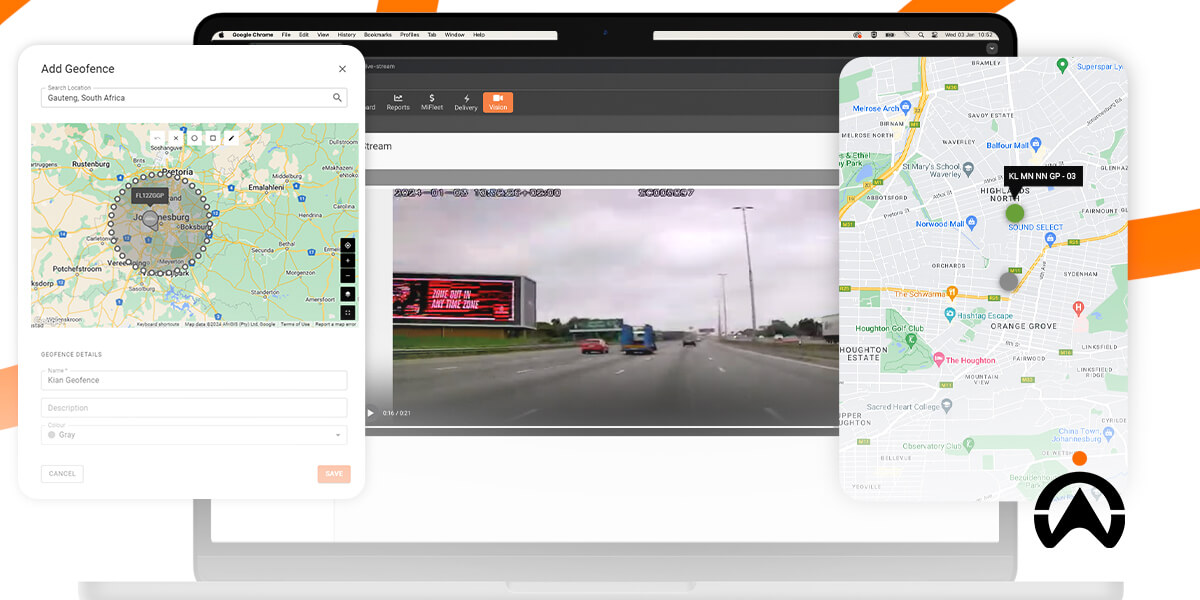
Geofencing and alerts: Create virtual boundaries around specific areas your drivers should or shouldn’t operate in. Unauthorised entry or exit of these areas triggers alerts, promotes security and monitors movement.

Route optimisation: Real-time traffic updates and historical data analysis constantly adjust routes for optimal efficiency, saving you time and fuel.

Integrations: Seamlessly connect a fleet management system to your business platforms, such as accounting or warehouse management systems. This integration provides a comprehensive view of your operations, ensuring a holistic approach to management.
How_can_fleet_management_improve_your_team’s_visibility

Turn to Cartrack Malawi for complete real-time fleet visibility

As a global leader in data-driven offerings tailored to various business sectors, Cartrack Malawi excels at seamlessly integrating with any fleet system, providing instant access to fleet data without unnecessary complexities.

Cartrack’s Fleet Management Software stands out in delivering complete visibility for vehicles, drivers, and cargo. Here are some industry-leading features that will help you track your fleet’s every move:

  1. Driver ID tags for increased asset usage controlEnsure secure and controlled driver-vehicle usage with Cartrack’s ID tags. Equipping each driver with a unique tag, this system requires a tap on a sensor within the vehicle to operate it. This ensures that only authorised drivers use designated vehicles, amplifying visibility and fleet safety.
    ‍
  2. Geofence for fleet location monitoring

    Cartrack’s geofencing feature allows fleet managers to establish virtual boundaries around any specific area, like project sites, company buildings and more. Managers receive notifications via SMS or email when a vehicle enters or exits these boundaries, contributing to heightened location monitoring and fleet visibility.
    ‍
  3. Cartrack’s Delivery tool for live task updatesIt streamlines processes, offering full visibility into task progress beyond just tracking vehicle locations. This feature allows efficient job allocation to drivers and can optimise routes based on distance for faster turnaround times.Let’s put all this theory into practice and delve into a success story that exemplifies how Cartrack’s comprehensive solutions made a significant impact for a well-known South African courier company.

The Courier Guy Success Story

The Courier Guy is South Africa’s leading courier service provider, with over 2,200 vehicles in their arsenal. With a growing number of drivers, customers, and vehicles to manage, the company needed a system in place that gave fleet managers full visibility of the entire fleet operation, simplified business operations, improved task management, and increased customer satisfaction.

Cartrack offered their Delivery software as a solution to track vehicles’ live location and set requirements for drivers to digitally send a photo or e-signature as electronic proof of delivery, improving driver accountability and keeping customers updated through the entire delivery process by sending them automated emails and SMSs.

The Courier Guy also used Cartrack’s AI-powered camera live-streaming technology to improve safety, security, and accountability within their fleet. The digital eyes live-track driver behaviour and audibly alert drivers in real-time when dangerous driving gestures occur, allowing drivers to quickly rectify their behaviour, resulting in fewer damaged goods, speeding fines and stronger brand reputability.

“Cartrack’s technology allows us to focus on our drivers, customers, cargo, and fleet all from one platform. It puts us in control from dispatch to delivery.” — Jeffrey Wheeler, Assistant Fleet Manager – Courier Guy.

Gain complete visibility in every part of your business with Cartrack Malawi

Don’t navigate the challenges of fleet management in the dark, use Cartrack’s advanced fleet management software to understand your fleet’s every move and see every opportunity for improvement.

Chat with us and see what we can do for you and your business today.
Fleet Logistics Management – Boost Your Supply Chain And Fleet Costs

The logistics industry is constantly evolving. Is your operation equipped to stay ahead?

Fleet logistics is just what the fleet doctor ordered to help you reduce costs, elevate efficiency, and enhance safety in your operation.

Read on to discover the world-class solutions available at the tap of a button.

In this article, you will:

  • Learn what fleet logistics are
  • Understand what the current state of logistics is
  • Find out what role fleet management plays in logistics operations
  • Discover how Cartrack’s fleet management solutions can boost your supply chain

What are logistics?

The logistics industry encompasses the comprehensive process of efficiently managing the transportation, storage, and distribution of goods from production to consumption, playing a critical role in supply chain management. This makes it much broader than the transportation industry, as it doesn’t just focus on the transportation and delivery of goods.

Logistics management is the component that holds the supply chain together, as it works to ensure a smooth forward and reverse flow of goods, services, and related information to meet customer needs efficiently. It involves the coordination of delivery vehicles for optimal efficiency and cost reduction. For these reasons, the logistics sector remains an integral part of every material industry, and as global trade activities continue to expand, they will persist.

What are the key components of logistics management?

While logistics management may seem very complex, it is fundamental for companies to manage their supply chain. The key components of logistics management are:

  • Transportation: This component is considered to be the most important component, as it plans and supports the distribution of goods to their final destination. It revolves around selecting the most efficient, cost-effective transportation modes for different types of goods and distances.
    ‍
  • Demand Planning: Proper planning is a major component of the supply chain that can eliminate the insufficient or improper supply of goods. It helps you determine all aspects of logistics, helping you maintain a balance between demand and supply.
    ‍
  • Warehousing and storage: This component revolves around providing a secure and centralised location for the storage of goods until they are ready to be distributed. In a world where demand in markets can suddenly rise, there needs to be a surplus of goods to fulfil sudden customer requirements.
    ‍
  • Inventory Management: This involves checking inventory levels regularly to monitor the flow of goods in and out of a warehouse. This helps businesses ensure that they maintain optimal stock levels to meet customer demands.
    ‍
  • Fleet Management: Fleet management involves the management and monitoring of vehicles involved in logistics. It is important for ensuring timely deliveries, cost savings, and optimised resource utilisation, covering all activities related to acquisition, maintenance, scheduling, and route optimisation.

What are fleet logistics?

Fleet logistics refers to strategically planning, organising, and coordinating a company’s fleet of vehicles to efficiently transport goods. Elements of fleet logistics include:

  • Vehicle management:This element of fleet logistics encompasses the supervision and coordination of a fleet of vehicles to efficiently transport goods. It also extends to the monitoring and recording of couriers and delivery personnel, aiding in the efficient management of drivers, fuel, and vehicle speed.
    ‍
  • Fuel management:This element of fleet logistics encompasses the management and monitoring of fuel consumption for fleet vehicles. By collecting fuel-related data, including fuel consumption, companies can track and manage their fuel usage and purchases, boosting cost savings and increasing fleet fuel efficiency.
    ‍
  • Route planning:This crucial element of fleet logistics optimises the transportation of goods by strategically planning delivery routes. By considering factors such as vehicle type, road conditions, and driver availability, this helps fleet managers improve efficiency and productivity, lower fuel costs, and adhere to delivery time windows.
    ‍
  • Driver management:This element of fleet logistics involves overseeing the activities of drivers, who are crucial to the delivery of goods. This helps fleet managers spot driver behaviour that is negatively impacting the business’s efficiency and provide specific training to end this behaviour.

What is the current state of the logistics sector?

The logistics sector is seeing fast-paced growth, fueled by technological advancements. The industry has seen a surge in e-commerce, with new markets, such as the clothing, food, and medication industries, experiencing a rapid expansion in online retail and delivery.

Businesses in this sector have made use of various technologies to stay ahead of rapid advancements. Ranging from real-time monitoring to data analytics, these solutions can be summed up in two simple words, fleet management.

What is fleet management?

Fleet management is the process of overseeing and coordinating the operations and movements of a fleet of vehicles. It involves strategic planning, logistical coordination, and operational control aimed at maximising fleet efficiency, productivity, and cost-effectiveness. To do this, fleet management systems include a range of features, such as proactive vehicle maintenance, enhanced driver safety measures, and unparalleled fleet visibility.

What_is_fleet_management?

Why does your logistics company need fleet management?

Fleet management is crucial to the success of your logistics company, giving you the following benefits:

  • It reduces fleet costs:

    By making use of fleet analytics to manage vehicle costs, reduce accident rates, and streamline operations with fleet software, fleet management helps ensure logistics processes run smoothly. Modern fleet management systems now offer even greater ROI, with predictive maintenance reducing costs by up to 25% and integrated fuel software lowering consumption by 15%.
    ‍
  • It simplifies real-time tracking:Fleet management systems are equipped with GPS vehicle tracking devices, which give fleet managers access to real-time fleet management and tracking. With GPS tracking, fleet managers can easily locate drivers wherever they are in seconds, instead of having to manually contact each driver or play the guessing game when it comes to establishing their estimated time of arrival during deliveries.
    ‍
  • It aids in effective route planning:Fleet management software allows fleet managers to plan routes or time and optimise how to cover the most ground possible in the shortest amount of time. Plus, it enables them to track fuel usage and measure it against their fleet performance, which is necessary to achieve the highest fuel cost savings.
    ‍
  • It provides you with advanced analytics:Fleet analytics give fleet managers better insights into driver behaviour, helping them address safety issues and prevent accidents. By using fleet analytics, fleet managers can identify drivers prone to reckless driving behaviours such as speeding, harsh braking, and excessive idling.
    ‍
  • It gives you access to fleet maintenance monitoring:Fleet management systems make it possible for fleet managers to track vehicle health and servicing dates. This monitoring helps fleet managers lessen the chances of unexpected breakdowns and enables them to forecast vehicle replacements while reducing the need for costly emergency repairs.

All these benefits are tied to the implementation of fleet logistics. But what exactly are they? And how are they different from fleet management?

Is there a difference between fleet logistics and fleet management?

Fleet logistics is the management and coordination of delivery vehicles within the logistics industry to achieve optimum efficiency and reduce costs. While fleet logistics may sound similar to fleet management, it is a broader term that encompasses the entire process of planning, coordinating, and executing the delivery of goods by making use of a fleet of vehicles.

What are the benefits of implementing fleet logistics and fleet management?

We’ve covered what these two are, so let’s uncover what their benefits are for your logistics company:

  • They improve fleet efficiency:Combining logistics and fleet management can help streamline operations, optimise routes, and reduce fuel consumption, which leads to an increase in fleet efficiency and reduces costs.
    ‍
  • They empower real-time monitoring:Fleet management systems can provide real-time monitoring of vehicle locations and usage, allowing managers to optimise routes, monitor fuel consumption, and promptly address issues.
    ‍
  • They enhance driver safety:Fleet management systems can help identify risky driving behaviours and implement training programs to improve driver safety, ultimately reducing the likelihood of accidents and associated costs.
    ‍
  • They improve customer satisfaction:Combining logistics and fleet management can lead to improved customer satisfaction by enabling fleet managers to provide customers with accurate and timely delivery of goods.
    ‍
  • They reduce unplanned downtime:Preventative vehicle maintenance, made possible through fleet management systems, can help prevent unexpected downtime and extend the lifespan of vehicles, leading to reduced costs.

Boost your supply chain efficiency with fleet logistics solutions by Cartrack Malawi

The benefits are endless with Cartrack’s solutions. Here are 6 ways its industry-leading solutions will help your logistics business:

  1. Cartrack Delivery Tool:Streamline your logistic business’s delivery process with Cartrack’s Delivery tool. Designed for fleet managers and drivers, this tool provides an intuitive and easy-to-use platform for managing deliveries, from scheduling to tracking and payment. Delivery gives you access to route optimisation, a feature that helps you avoid travel delays and save fuel, reducing fuel costs and increasing efficiency. By analysing distance and travel time, this feature helps your fleet achieve quicker turnaround times and increases efficiency. This ensures that your logistics company sticks to the stipulated times of arrival and accomplishes more with less fuel.
    ‍
  2. Live GPS tracking:Unlock ultimate safety for your vehicles, assets, and goods with Cartrack’s live tracking. Make use of GPS (Global Positioning System) technology to know where all your vehicles and drivers are in real time. This level of insight allows for the optimisation of fleet performance by providing key metrics such as distance travelled, speed usage, break durations, fuel levels, and idle time. This information not only enables you to efficiently monitor your assets but also gives you total control over logistics operations, boosting overall safety for both your vehicles and transported goods.
    ‍
  3. Preventative maintenance:Avoid unexpected downtime and reduce maintenance costs with Cartrack’s preventative maintenance. The system sends real-time diagnostic alerts for mechanical faults, including engine faults and worn brake pads, which help you immediately identify vehicles that need servicing, preventing costly repairs and collisions. The platform also looks at each vehicle’s utilisation hours and the time of last service to automate maintenance schedules, helping you streamline the maintenance process and prevent unplanned vehicle downtime, which could negatively affect deliveries.
    ‍
  4. Fuel monitoring:Cartrack’s fuel monitoring system is designed to help optimise fuel consumption. Gain access to real-time data on fuel consumption per kilometre and per job with daily, weekly, or monthly reports. These reports give you full insight into your fleet’s fuel consumption, helping you spot sudden spikes in fuel consumption. Easily spot potential fuel fraud with this system that automatically matches fuel receipts with vehicle locations and fuel status. Identify drivers with excessive idling time, allowing fleet managers to provide training and coaching to improve driver behaviour and reduce fuel consumption.
    ‍
  5. Specialised sensorsUnlock the ultimate safety for the goods you are delivering with Cartrack’s specialised sensors. Make use of cargo door sensors to receive real-time alerts whenever your cargo door is opened, which helps you carefully monitor cargo and keep it secure. Make use of temperature sensors to keep your refrigerated cargo fresh and receive live alerts the moment temperature fluctuations are detected. Make use of tailgate sensors to monitor the safety of heavy cargo, and receive live alerts the moment your trailer tailgates are activated, indicating that cargo is being accessed.
    ‍
  6. Live-streaming camera solutions

    Gain full visibility of your cargo with up to four live-streaming cameras with Cartrack’s Live Vision camera technology. This cloud-connected video management solution makes use of real-time alerts and smart detection to ensure your goods are kept safe, which boosts customer satisfaction. Our cameras are also equipped to detect different forms of distracted and dangerous driving, including speeding, smoking, and cell phone use. The AI-powered technology is equipped with in-cabin real-time audible alerts, which alert your driver the moment any of these behaviours are detected, enabling them to immediately correct their actions and prevent accidents and collisions.

Cartrack’s solutions in action

RichLand, a prominent logistics solutions provider in Southeast Asia, manages over 40,000 deliveries monthly across various sectors such as technology, petrochemicals, consumer goods, manufacturing, oil and gas, and freight forwarding.

They needed a system that could provide fleet and driver updates to help them ensure on-time deliveries, which translates to good service levels. Additionally, they wanted insights that could provide solutions for reducing operational costs and boosting their productivity.

Implementing Cartrack’s fleet management system empowered RichLand to pinpoint and address driver behaviour that could compromise delivery time. By using insightful reports to help drivers rectify their errors, RichLand could foster an environment of accountability, enhancing productivity and customer relationships. The system also automated their fleet updates on fuel consumption, enabling them to closely monitor fuel consumption, which helped them reduce their operational and fuel costs.

“Cartrack’s fleet management system provides us with automatic updates on fleet information that helps us make intelligent business decisions to decrease operational costs and maintain our service levels.” 

Frankie Koh, Head QHSSE, Fleet Management and Procurement, RichLand Logistics

Let Cartrack Malawi help your business like they helped Richland Logistics.

Cartrack’s_solutions_in_action

Integrate fleet management with logistics and optimise your entire operation today

The logistics sector is constantly evolving and needs adaptability, fueled by technological advancements. Make sure your operation is not left behind with an effective fleet management system.

‍Contact Cartrack Malawi today and let’s keep your logistics operation on top of its game in an ever-changing climate.

Fuel Saver Device Myths Busted – Why They Don’t Really Work

When it comes to saving fuel, there are various tips, tricks and gadgets claiming to make your fuel last longer. Among the many myths, there’s one that seems to be grabbing fleet managers’ attention — fuel-saving devices.

But, do they really live up to their promise or are they just a myth and waste of your money?

We unpack all the truths right here and reveal an actual solution you can trust.

In this article, you will:

  • Gain insight into fuel-saving devices
  • Debunk common myths associated with fuel-saving devices
  • Discover proven methods to saving fuel for your fleet
  • Understand the importance of effective fuel and fleet management
  • Learn how Cartrack Malawi provides a reliable fuel-saving solution

The obsession over fuel-saver devices

The attraction of fuel-saving devices lies in their promise of effortless fuel savings, and their quick-fix approach to all your fuel challenges. Many consumers who are either sceptical or don’t have the time for traditional fuel efficiency tips, find these ‘miracle’ fuel devices extremely appealing. However, some things aren’t always what they seem.

Most of these devices are based on unfounded scientific claims or use ineffective methods to supposedly improve fuel efficiency. Many are ineffective or even harmful to vehicles. Before purchasing a fuel-saver device, it is important to conduct thorough research and consult with experts to verify its safety and efficacy.

Truth is, there’s no magic pill for improving fuel economy, just hard work partnered with effective fuel and fleet management solutions, so be wary of claims that sound too good to be true.

The_obsession_over_fuel_saver_devices

Do fuel-saving devices actually work?

The simple answer to this is no. Fuel-saver devices generally do not work as advertised and do not provide any significant or measurable improvement in fuel economy. Here are some common myths about fuel-saving devices that have been ineffective:

Myth 1 – Magnetic fuel savers

Starting with the most popular myth, these devices claim to improve fuel economy by aligning fuel molecules using powerful magnets. This claim is based on the idea that aligning the molecules will make them burn more efficiently. However, there is no scientific evidence to support this claim. Studies have shown that magnetic fuel savers have no impact on fuel economy.

Myth 2 – Fuel injector cleaners

This claims to remove deposits, prevent new deposits from forming, and enhance vehicle performance from fuel injectors, which they say will improve fuel atomisation and combustion efficiency. However, modern fuel injector systems are designed to keep themselves clean, and fuel injector cleaners only make a difference if used regularly and it all depends on the quality of the cleaner.

Myth 3 – Air intake vortex generators

These devices are designed to create a swirling vortex of air in the engine intake, which they claim will improve combustion efficiency. However, studies have shown that these devices have no measurable impact on fuel economy.

Myth 4 – Engine performance chips

Also known as performance tuners, they are electronic devices that are installed in vehicles onboarding computer systems to alter the engine’s computer programming and improve fuel economy and power. However, the effectiveness of these chips has been debated as there is no evidence that these chips work.

Myth 5 – Hydrogen fuel additives

These additives claim to improve fuel efficiency by increasing the amount of hydrogen in the fuel. However, there is no evidence that these additives are effective, and they can even be dangerous if not handled properly.

So, what’s the takeaway? While the idea of fast-acting fuel-saving gadgets is tempting, it’s often best to stick to the basics — regular maintenance, good driving habits, occasional vehicle servicing and the use of a proven fuel and fleet management system.

What is a fuel-saving device?

Let’s first understand exactly what these devices even are. It is said to help improve fuel efficiency, reduce emissions, and optimise engine performance in vehicles. They are often marketed as a way to save money on fuel costs without requiring any additional maintenance or modifications to a vehicle.

The effectiveness of these devices is often debated and despite no proof, some devices may still claim to provide minor improvements in fuel efficiency. It is essential to approach the use of fuel-saver devices with caution and always consider the potential risks and limitations before investing in one for your vehicle.

Fuel-saving solutions that genuinely work

Now that we know what doesn’t work, let’s talk about what does. There are several proven methods that you can use that will make a difference in your tank and your fuel costs, such as:

  1. Encourage a fuel-conscious driving styleAdopting smooth and consistent driving practices is key to fuel efficiency. Discourage habits like rapid acceleration and abrupt braking. Instead, promote gradual acceleration, maintaining a steady speed, and minimising unnecessary idling. This not only conserves fuel but also creates a more relaxed driving experience, fostering a safety-conscious culture among your drivers.
    ‍
  2. Implement proper vehicle maintenanceMake sure you maintain your vehicle by keeping your engine properly tuned, ensuring your tyres are inflated to the recommended tyre pressure, and changing air filters whenever needed. For your cars, depending on the level of care they need, they can undergo interim servicing, full servicing or major servicing. Keeping them in tip-top shape will help you drastically save on fuel consumption.
    ‍
  3. Route planning

    Efficient route planning is another effective strategy. Plan routes in advance to avoid congested areas and heavy traffic, saving both time and fuel. Leverage navigation apps or devices offering real-time traffic updates for optimal route suggestions. Grouping errands logically minimises travel distance, optimising fuel usage.
    ‍
  4. Embrace fuel-saving technologiesAdvanced fleet management software that uses GPS and telematics systems can automatically capture real-time data on vehicle usage, refuelling patterns, and overall diagnostics, providing insights into water, oil, and engine health. Investing in such technologies is a forward-looking strategy to enhance fuel efficiency. For instance, telematics can reveal patterns in driver behaviour, aiding in targeted training programs to further boost fuel savings.

Benefits of saving every litre of petrol and diesel in your fleet

Every drop of wasted fuel is a loss for your business that adds up over time. Fuel saving is crucial as it offers a range of benefits that can directly impact the bottom line, environmental impact, and overall sustainability of your fleet.

By recognising the various benefits of preventing fuel wastage, fleet managers can optimise fuel consumption, lessen fuel costs, and elevate fleet performance.

Here’s the full list of what your business can gain from saving its fuel resources:

  • Cost savings: Businesses, particularly those with extensive vehicle fleets, can make substantial savings by adopting fuel-efficient strategies. This directly impacts operational costs, freeing up resources that can be redirected to enhance overall profitability.
    ‍
  • Improved fleet productivity: Fuel-saving practices not only cut costs but also enhance overall fleet efficiency. Optimising fuel usage extends vehicle range, reduces downtime, and facilitates better route planning. This results in increased productivity, lower maintenance expenses, and more efficient usage of fleet resources.
    ‍
  • Employee safety: Embracing fuel-efficient driving practices promotes safer habits, lowering the risk of accidents and associated costs like insurance premiums and vehicle repairs. This not only ensures a safer work environment but also contributes to a healthier and more productive workforce.
    ‍
  • Environmental impact: Fuel-efficient practices directly reduce greenhouse gas emissions, aligning with the growing demand for eco-friendly initiatives from consumers and investors. The impact of fuel efficiency extends beyond a company’s operations to influence the entire supply chain. Collaborating with suppliers and prioritising fuel efficiency further reduces environmental impact.
    ‍
  • Fleet maintenance: Regular vehicle maintenance is crucial to optimal performance and prevents unexpected breakdowns. By prioritising efficient fuel use, businesses can contribute to extended vehicle life and reduced maintenance costs.

To improve your business’s relationship with fuel and gain the benefits listed above, there is only one fuel-saving solution that is proven and trusted — Cartrack’s. Its fleet management solutions can improve your fuel management and save you fuel wastage costs.

Benefits_of_saving_every_litre_of_petrol

Proven fuel-saving habits that Cartrack Malawi can provide

Ever thought about getting a fleet management system that actually saves you money?

With Cartrack Malawi , you get more than just vehicle tracking – it’s like having a personal fuel efficiency coach for your fleet. Cartrack’s fleet management solutions play a crucial role in monitoring and enhancing fuel efficiency through several key features:

Route optimisation

Cartrack’s Delivery tool has a route optimisation feature that incorporates factors such as traffic conditions, route history, road conditions, and fuel consumption data to provide drivers with the most optimal routes. This helps reduce fuel consumption per trip and contributes to a decrease in harmful emissions, resulting in significant fuel cost savings.

Real-time fuel consumption monitoring

Cartrack’s fleet management system offers real-time monitoring of fuel consumption through data analytics. Fleet managers gain insights into individual vehicle performance, driver behaviour, and fuel efficiency trends. The MiFleet fuel validation feature further assists in monitoring and analysing fuel consumption data, enabling precise tracking and identification of inefficiencies.

MiFleet for efficient fuel cost savings

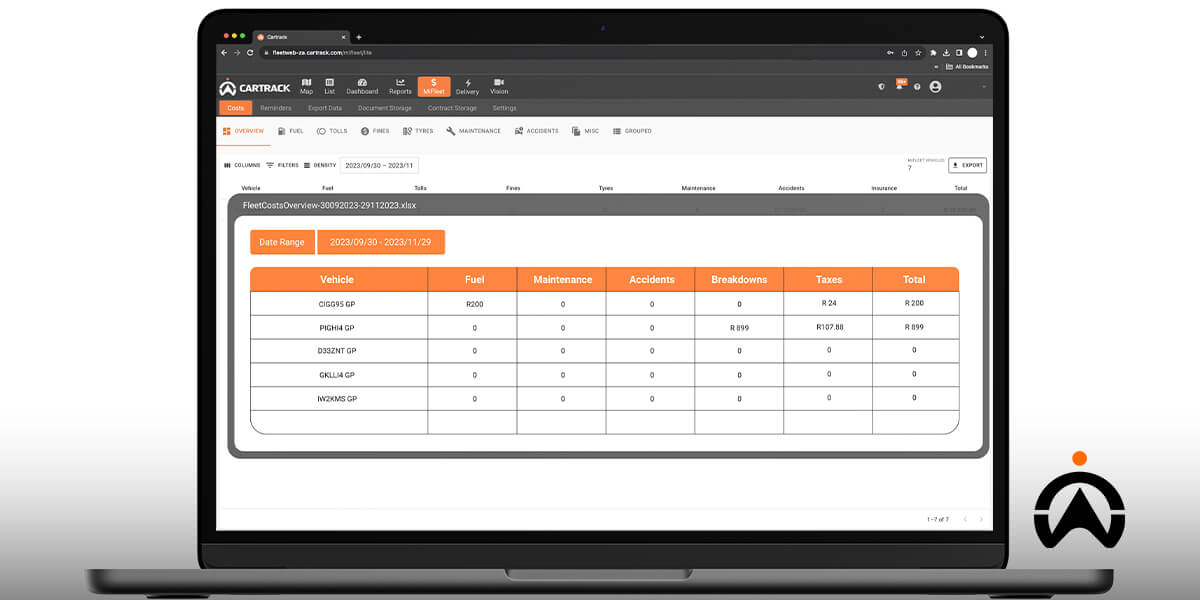
MiFleet is a fleet cost management system that assists in monitoring all fleet costs. It analyses fuel consumption data and overall fuel costs. With access to fuel card transactions, Mifleet can automatically cross-reference your fuel transactions with your vehicle’s telemetry data, and flag possible fuel theft risks.

Vehicle maintenance alerts

Cartrack Malawi provides preventative maintenance alerts, notifying fleet managers of scheduled maintenance and inspections. Timely addressing of these issues helps prevent fuel-consuming problems, such as engine misfires, ensuring vehicles maintain peak efficiency and avoid unnecessary downtime.

Driver training and fleet incentive program

Recognising the pivotal role of drivers in fuel efficiency, fleet managers can implement comprehensive training programs. These programs cover driving techniques contributing to fuel savings, such as smooth acceleration and reduced idle time. Cartrack’s performance monitoring, including driver scorecards, aids in assessing each driver’s performance, enabling targeted training and incentive programs to promote fuel-conscious driving habits.

Case study: How Cartrack helped Calgan Recliners save fuel and money

Calgan Recliners is a South African furniture company that specialises in the manufacturing of recliner chairs and lounge suites. They deliver their products to their customers through their factory or various retailers around South Africa.

They were facing a challenge many companies face — high fuel consumption rates. For a company that depends on their deliveries, this is a big issue, so they searched for a solution. Cartrack Malawi not only offered smart solutions to solve their problem but also experimented to prove fuel savings were possible with their Delivery tool.

Wayne Sholtz, a Cartrack delivery solutions specialist, tackled one of Calgan’s delivery driver’s routes for a day. Shotlz drove from the factory to 15 drop-off points using Cartrack Delivery and its powerful route optimisation tool.

With this, Sholtz completed 167 km, whereas the driver who wasn’t using Delivery and route optimisation drove 195 km, showing a massive 28 km difference, which equated to 7 litres of diesel saved in just one day. If used for the whole month, this could save Calgan Recliners a total of around R3000 in diesel costs per vehicle, monthly.

If that’s what we can do for Calgan Recliners in just one day, imagine what we can do for your business’s fuel cost challenges.

Get a fuel-saving system that definitely works

There’s no need to use unproven fuel-saving tips with Cartrack Malawi by your side. Our smart tools and proven features will help your business successfully optimise its fuel usage habits and save money.

Contact Cartrack Malawi today.

The Best Way To Immediately Prevent Fuel Card Fraud in Your Fleet

Fuel card fraud is a big headache for fleet managers. It leads to massive financial losses and costly operational disruptions.

If you’re starting to notice fuel transactions that don’t align with your employees’ fuel card usage, now might be a good time to look into it before things get out of control.

Ready to tackle fuel card fraud and discover your ultimate fuel card management solution?

In this article, you will:

  • Understand the impact of automated fuel monitoring security
  • Explore the risks associated with fuel theft
  • Identify common types of fuel theft methods
  • Discover how a fleet management system like Cartrack Malawi can enhance security

Keeping tabs on your fleet’s fuel

Many businesses either don’t know that they are experiencing fuel theft or aren’t using fuel monitoring software to properly track and identify instances of fuel card theft in their fleet. If fuel theft is not stopped in time, businesses are at risk of losing thousands in fuel costs monthly. Fuel monitoring and fleet management software are the answers to fuel theft and fuel card theft.

But before we discuss the solutions, let’s explore the basics of fuel theft.

What is fuel theft?

Fuel theft is when someone takes fuel from vehicles without permission. In businesses, this can happen in different ways like syphoning or using unauthorised fuel cards. Businesses with a large fleet of vehicles can experience bigger more frequent fuel theft issues, causing them to lose a lot of money.

Common types of fuel theft

Fuel theft poses a challenge for businesses, and understanding common methods used is crucial for fuel theft prevention. There are several ways criminals steal fuel, here are a few popular trends:

  1. Syphoning 

    This method is one of the most traditional. Thieves use a hose, syphon pump or in some cases, even their mouth to suck fuel directly from the vehicle’s tank into a container. This type of fuel theft is more likely to occur at night or in secluded areas to avoid being noticed.
    ‍

  2. False transactions 

    This type of fuel theft occurs when gas station employees collude with thieves. The employee swipes the fuel card multiple times for a single transaction, resulting in multiple charges on the cardholder’s account. This method is difficult to detect as transactions are coming from a valid fuel card and fuel sensors won’t detect any unusual activity because the tank was empty and needed a refill, justifying the purchase.
    ‍

  3. Fuel card fraud 

    Fuel card fraud occurs when unauthorised individuals obtain and use a company’s fuel card to purchase fuel for their vehicles. This can be done by stealing a physical card, skimming card data at fuel stations, or using stolen card information to create fraudulent transactions online. These cloned cards can then be used to purchase fuel at any filling station.

Common_types_of_fuel_theft

Risks of fuel theft for businesses

Fuel theft can have a significant impact on businesses, affecting various aspects of operations. To put it more into perspective, here are 3 ways fuel theft can hurt a business:

  • Financial losses: Fuel theft can result in significant financial losses for businesses and organisations. The cost of replacing stolen fuel can be substantial, and the administrative time spent investigating and processing fraudulent transactions can be massively time-consuming and costly.
    ‍
  • Damage to vehicles: Syphoning fuel can damage vehicle fuel tanks and lines, leading to costly repairs and downtime. Improper handling of fuel can also contaminate fuel systems, resulting in engine malfunctions and performance issues.
    ‍
  • Safety concerns: Fuel theft often involves tampering with vehicle fuel systems, which can pose significant safety hazards. Leaks or spills can occur, and in extreme cases, the tampering can compromise the integrity of the fuel system, increasing the risk of fire or explosion.

How to prevent fuel card fraud with a fleet management system

Every fleet manager’s priority is to enhance the efficiency of their fleet and keep it running smoothly, but one of their greatest concerns is keeping fuel theft at bay. Every unauthorised swipe of a fuel card can significantly impact your business’s bottom line, making fuel card fraud prevention an essential aspect of fleet management.

A fleet management system can help fight against fuel card theft by implementing various security features and monitoring mechanisms, here’s how:

  1. Real-time alerts and monitoring: Fleet management systems can provide real-time alerts and monitoring of fuel transactions, allowing fleet managers to detect suspicious activities early on and respond quickly.
    ‍
  2. Transaction limits and controls: These systems enable fleet managers to set spending limits, swipe limits, and regional restrictions for fuel cards at affiliated filling stations, preventing unauthorised transactions and limiting fraud exposure.
    ‍
  3. GPS technology and proximity validation: Fleet management systems may use GPS technology and proximity validation to ensure that the location of the fuel purchase matches the location of the vehicle, helping to prevent unauthorised fuel transactions.
    ‍
  4. Tank capacity alignment: This involves synchronising the approved fuel purchase limit with the actual tank capacity of each fleet vehicle. Fleet managers set predefined limits based on the vehicle’s tank capacity. If a transaction exceeds the limit or the tank capacity, it’s flagged for investigation.

As drivers attempt to refuel, the system instantly checks the transaction against these safety features and flags the transaction if it goes against set limits. Implementing these security measures enables fleet management systems to significantly reduce the risk of fuel card fraud and help protect your business from financial losses.

prevent_fuel_card_fraud_with_a_fleet_management_system

Trust in Cartrack Malawi for all your business’s fuel theft challenges

Here are a few ways Cartrack’s fleet management software can help you in your challenge against fuel theft:

Use LiveVision cameras to investigate fuel card theft events

Oursmart cameras can be a valuable tool for fleet managers in investigating fuel card theft events. By providing real-time video footage and advanced analytics, these cameras can help identify potential suspects in fuel card theft or fuel syphoning events, gather evidence, and deter future thefts if criminals see visible cameras on fleet vehicles.

Automatically detect fuel theft with MiFleet

MiFleet is a cost management system that monitors all your fleet’s administration and running costs, including speeding tickets, toll fees, licence renewal dates, maintenance, and of course fuel expenditure. In terms of fuel card theft, MiFleet analyses fuel card transactions and automatically cross-references them with your vehicle’s telemetry data to quickly identify possible fuel theft risks.

What makes businesses love Cartrack’s fuel monitoring system:

  • Its straightforward setup and swift transaction importation eradicate the need for manual administrative tasks. What used to take weeks to process can now be accomplished in approximately five minutes.
    ‍
  • Its automated approach to risk reviews for fuel transactions helps swiftly detect potential cost leakages, effectively eliminating the possibility of human error.
    ‍
  • Its actionable insights directly contribute to reducing the risks associated with fuel theft, resulting in significant operational cost savings.
    ‍
  • Its ability to pinpoint fuel theft, creates awareness among drivers about being monitored, leading to a decrease in future fraudulent behaviour and its associated consequences.

Case study: How Cartrack assisted RichLand Logistics

RichLand Logistics delivers technology, petrochemical, consumer goods, manufacturing, oil and gas, and freight-forwarding services to South East Asia, with over 40,000 monthly deliveries.

Facing the challenge of efficiently tracking their fleet’s fuel usage to reduce operational costs and improve productivity, they turned to Cartrack Malawi.

Our fuel sensors provided valuable insights, allowing managers to identify efficient drivers and vehicles during deliveries. By evaluating l/km per vehicle and addressing unproductive idling and speeding, RichLand Logistics made strategic decisions to significantly cut down operational travel and overall fuel costs.

RichLand Logistics benefited from Cartrack’s expertise and industry-leading solutions, let us do the same for your business. Choose Cartrack Malawi for unparalleled fleet management that ensures success.

Solve your business’s fuel card theft problem with Cartrack Malawi

Increase visibility on your fuel transaction and fuel consumption all with one comprehensive fleet management solution — Cartrack Malawi.

Implementing our security measures will not only significantly reduce fuel fleet costs but will also reduce the risk of fuel card theft.

Take the first step in saving your fuel, contact Cartrack Malawi today.

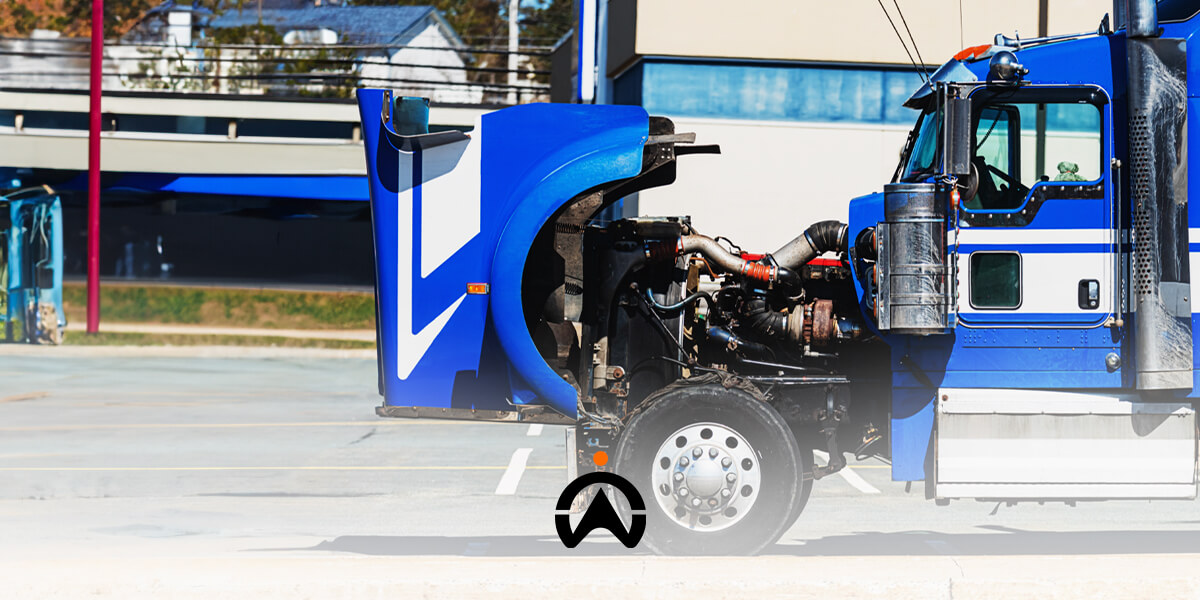
How To Reduce Fleet Vehicle Downtime And Keep Your Business Running

The d-word – downtime, every fleet manager’s nightmare. It affects about 82% of businesses and is a constant concern in the world of fleet management. What are you doing to keep your fleet up and running?

While some vehicle downtime can’t always be controlled, fleet managers need to have solutions in place to ensure unnecessary downtime doesn’t occur so productivity and profits are not impacted.

Here’s how you can keep your fleet downtime-free.

In this article, you will:

  • Learn what vehicle downtime is
  • Discover the factors that cause vehicle downtime
  • Find out how vehicle downtime impacts fleet efficiency
  • Uncover the secret to preventing unplanned vehicle downtime

What is vehicle downtime?

Vehicle downtime is one of the most costly and disruptive issues for fleet managers. It refers to the period when a business vehicle is not available for use for various reasons. While planned downtime is when a vehicle’s unavailability is scheduled at a company’s convenience, unplanned downtime is a lapse in operations that happens outside of a fleet manager’s control. During this period of inactivity, fleet vehicles are unable to fulfil their duties.

What causes vehicle downtime?

Vehicle downtime can be triggered for several reasons, here are a few:

Accidents or collisions: Vehicles involved in accidents may require significant repairs, which ultimately leads to unplanned downtime.

Fuel-related problems: Unexpectedly running out of fuel or encountering issues with a vehicle’s fuel system can cause delays, which can be costly, especially in the delivery service industry.

Lack of maintenance: Vehicle parts wear out and get damaged, causing vehicles to break down. Not adhering to regular maintenance schedules can lead to unexpected breakdowns or failures that could have been prevented with proper upkeep.

Driver-related incidents: Issues caused by driver errors, such as distracted driving, incorrect operation of equipment, negligence, and incorrect handling, can lead to unforeseen vehicle problems and subsequent downtime.

Road conditions: Potholes, rough roads, and debris can cause damage to the vehicle’s undercarriage, suspension, and tyres, leading to unplanned vehicle downtime.

Impact of downtime in fleet management

Downtime affects a fleet in numerous ways, including:

  1. Decreased productivity: Since vehicles are not operational, downtime leads to reduced fleet productivity. This means you are missing deliveries or service appointments, making your entire business fall behind schedule. This delay in operations leaks into customer satisfaction, negatively impacting it and your business’ reputation. While it may seem like rushing to make up for lost time and productivity is the solution, this can lead to compromised safety protocols, increasing the risk of accidents or equipment failure.
    ‍
  2. Overutilisation of other vehicles: When a vehicle is not operational, fleets may opt to use their other vehicles more to make up for time lost. While this may seem like the ideal quick fix, it can end up causing more damage, as using assets beyond the scheduled times can put a strain on their health and longevity.
    ‍
  3. Loss of revenue: Vehicle downtime significantly affects a business’s bottom line. The failure to deliver goods or services on time can lead to a loss of revenue and missed opportunities. This doesn’t just lead to missed deadlines; it also leads to dissatisfied customers who end up taking their business elsewhere. Losing revenue also means you aren’t able to pay your drivers well, which negatively impacts driver morale and retention.
    ‍
  4. Increased costs: Repairing vehicles and managing unexpected downtime can significantly increase a fleet’s operational costs. Unexpected breakdowns aren’t usually budgeted for, so fleet managers may have to dip into other parts of business finances to ensure that the repairs are swiftly attended to.

What are the benefits of reducing vehicle downtime?

Reducing vehicle downtime is beneficial for a range of reasons, including:

  1. Increasing productivity: Reduced vehicle downtime allows for more efficient use of time, enabling vehicles to remain operational and contributing to higher productivity levels.
    ‍
  2. Improving customer satisfaction: Reduced vehicle downtime leads to more reliable service and timely deliveries, which enhance customer satisfaction and loyalty.
    ‍
  3. Promoting cost savings: Reduced vehicle downtime means fewer maintenance-related expenses, lower repair costs, and decreased spending on emergency repairs. This ultimately saves your fleet money.
    ‍
  4. Enhancing safety: Reduced vehicle downtime contributes to safer vehicles, decreasing the likelihood of accidents due to faulty equipment and mechanical issues.
    ‍
  5. Aiding better planning and scheduling: Reduced vehicle downtime allows for more accurate scheduling and planning of routes and services since there are no unforeseen delays. This leads to smoother operations and improved efficiency.
    ‍
  6. Optimising asset utilisation: Vehicles that spend less time out of commission are utilised more effectively, increasing the overall efficiency and profitability of the fleet.
    ‍
  7. Boost driver satisfaction: Vehicles that constantly break down and cause delays negatively impact your driver’s performance and general morale. Reduced vehicle downtime improves their morale and performance since they can complete their tasks with minimal delay.

How can you reduce vehicle downtime in your fleet?

There are a range of solutions that fleet managers can implement to ensure that unplanned vehicle downtime is significantly reduced. These include:

  1. Monitoring driver behaviour: Vehicle downtime can occur due to distracted or dangerous driver behaviour. Safe driver practices, such as gentle acceleration and braking and avoiding harsh turns, reduce wear and tear on vehicle performance. When drivers adhere to these practices, it can lead to decreased stress on critical parts such as brakes, tyres, and the engine.Driver behaviour monitoring ensures that you are aware of all these behaviours, and can implement training to ensure drivers adhere to best driver practices at all times. The result is an extended vehicle lifespan due to optimised vehicle utilisation, improved fuel efficiency, and decreased accident rates.
    ‍
  2. Monitoring fuel consumption: Keeping an eye on your fleet’s fuel consumption helps you identify irregularities or sudden increases in fuel usage. An unexpected spike in fuel consumption could indicate an underlying issue with the vehicle, such as a malfunctioning engine, an issue with tyre pressure, a problem with the fuel system, or fuel theft. Addressing these issues promptly is paramount, as it helps prevent potential breakdowns and vehicle failures that could result in vehicle downtime. Proactive fuel consumption monitoring not only mitigates the risk of serious mechanical issues but also contributes significantly to keeping the fleet operational and minimising service disruptions.
    ‍
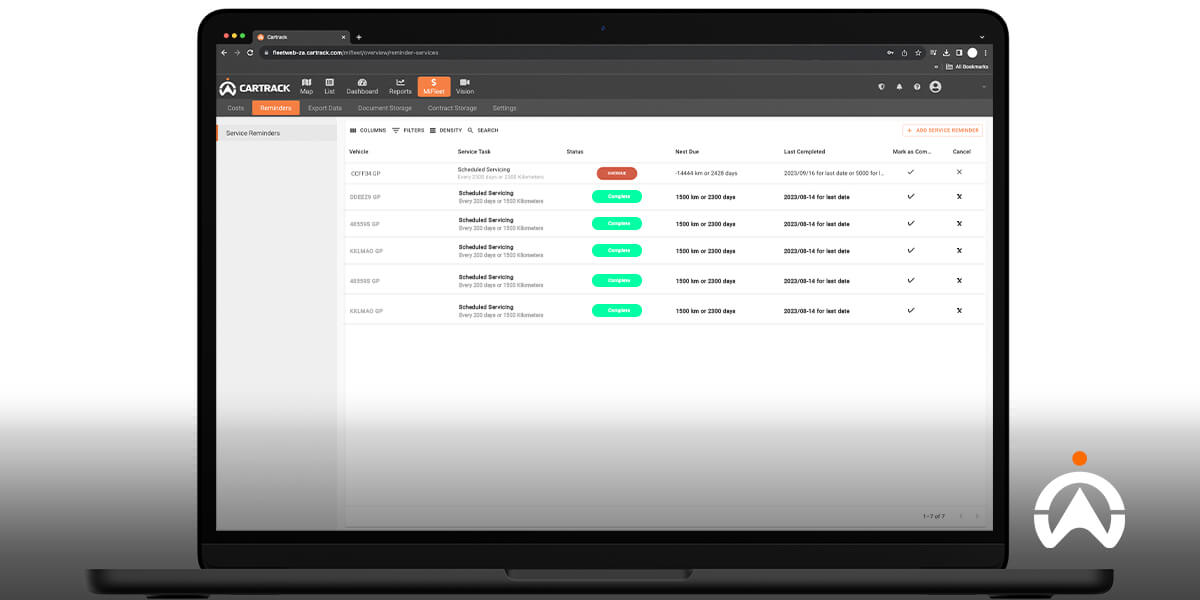
  3. Prioritising fleet maintenance scheduling: Being one of the main causes of vehicle downtime, vehicle maintenance is crucial. Preventative fleet management refers to a proactive approach adopted by fleets to maintain and optimise the safety and longevity of their vehicles. Regular and proactive maintenance is key to preventing unexpected breakdowns and reducing downtime. An example of this is oil changes, a seemingly routine procedure that is important for engine health and functionality. Regularly scheduled oil changes prevent engine wear and potential breakdowns, ensuring smooth operations. By making use of a series of planned actions, inspections, and maintenance procedures, regular fleet maintenance significantly lowers the chances of vehicle downtime.

Of all these factors, maintenance is probably the most paramount, as it is one of the leading causes of vehicle downtime. With this knowledge, many fleets choose to incorporate a fleet maintenance plan into their operations to help mitigate the risks that come with vehicles not being maintained.

What is a fleet maintenance plan?

A fleet maintenance plan is a comprehensive, structured strategy for managing the maintenance and repair of a fleet of vehicles, designed to keep all vehicles and related equipment in safe, reliable, and operational condition. This plan encompasses a range of scheduled tasks that are designed to ensure the optimal operational condition, safety, and longevity of the entire fleet. The plan typically involves the use of fleet management software to help manage vehicle service reminders, create custom schedules (based on the individual fleet), and track vehicle performance.

What_is_a_fleet_maintenance_plan

What is the risk of not having a fleet maintenance plan?

Not having a fleet maintenance plan can result in several risks and implications for businesses that rely on vehicles. These include:

  1. High repair costs: Neglecting regular vehicle maintenance often leads to neglecting smaller issues that can escalate into more significant and costly problems over time. An example of this is a fleet conducting routine checks on its vehicle’s cooling systems. Initially, this oversight might seem inconsequential, but over time, it could lead to overheating, causing damage to the engine components. This leads to higher repair expenses due to neglected maintenance, as minor issues left unaddressed tend to compound and become more severe, requiring extensive repairs. What’s worse, if these issues aren’t quickly repaired, prolonged vehicle downtime becomes a reality.
    ‍
  2. Reduced vehicle lifespan: The consequence of not scheduling regular vehicle maintenance is accelerated wear and tear on critical components. The neglect of routine inspections and timely replacement of worn-out parts such as belts and hoses may lead to premature failure, putting additional strain on the vehicle’s engine and transmission. This strain reduces the overall longevity of the vehicles, leading to premature replacements being required, an unnecessary expense that could have been avoided if a fleet maintenance plan had been implemented in time.
    ‍
  3. Safety risks: Insufficient maintenance can compromise vehicle and driver safety. Neglected issues such as brake problems (which affect stopping power during critical moments), tyre wear (which increases the risk of punctures and tyre blowouts), or engine malfunctions (which compromise vehicle control) can pose significant safety hazards for drivers. This can potentially lead to costly and potentially deadly accidents that could have been prevented with proper maintenance. A proactive approach not only safeguards the well-being of your drivers but also the safety of all road users.
    ‍
  4. Decreased operational efficiency: Unplanned breakdowns disrupt workflow and decrease operational efficiency. It leads to inefficient resource allocation, as fleets need to take time and resources from regular operations to address unexpected maintenance issues, impacting overall productivity and profitability. An example of this is a delivery fleet facing sudden engine failures due to irregular maintenance checks. The subsequent need for immediate repairs halts the regular delivery schedule, which causes delays in customer service and potentially impacts contractual obligations. This interruption in operations demands the reallocation of resources, diverting both time and manpower from routine tasks to address these unexpected maintenance issues. These diversions disrupt the optimal allocation of resources, leading to inefficiencies in the overall workflow.
    ‍
  5. Lack of data-driven insights: Without a maintenance plan, fleets miss out on valuable data and insights regarding their vehicles’ performance metrics, usage patterns, and potential issues. This data provides a comprehensive view of the fleet’s health, helping fleet managers make informed decisions on predictive maintenance, cost analysis, and strategic decision-making to optimise fleet operations. Detailed records of maintenance costs per vehicle can also help fleet managers assess the financial implications of different maintenance strategies, aiding in the development of cost-effective plans.

Make unplanned vehicle downtime a thing of the past with Cartrack Malawi

Telematics can help you reduce vehicle downtime by providing real-time data on the location, speed, mileage, fuel level, engine performance, and driver behaviour of the vehicle. Cartrack Malawi brings telematics technology to you through a wide range of solutions. These include:

Cartrack’s fleet maintenance software:

Keep your vehicles healthy and well-maintained with our fleet maintenance software. By sending real-time alerts to fleet managers whenever vehicle mechanical issues occur, our software quickly informs them about the specific vehicle part that requires immediate repair or replacement. Enable maintenance scheduling that istailored to your fleet’s schedule with our preventative maintenance software, and ensure uninterrupted workflow. If an unforeseen fault is detected, you can immediately notify your drivers and inform them where to take the vehicle in real-time, minimising downtime.

Driver behaviour monitoring:

Manage and improve driver behaviour with Cartrack’s driver behaviour monitoring system. Use our driver scorecards to gain detailed insights into which areas individual driver’s behaviour requires improvement and put an end to vehicle-damaging driving habits (including excessive speeding, harsh acceleration, and idling). Use our Advanced Driver Assistance System to heighten your drivers’ awareness of their surroundings. With real-time audible alerts for potential road hazards and dangerous following distances, drivers can quickly correct their behaviour and prevent collisions. Lastly, gain 24-hour visual access to your vehicles with our Live Vision AI cameras. When in-cabin cameras detect forms of distracted driving (e.g., yawning, smoking, and cell phone use), drivers are alerted in real-time through in-cabin audible alerts, helping them correct their actions in real-time and prevent accidents that could cause vehicle downtime.

Route planning and optimisation

Available on our Delivery app, route optimisation helps you easily determine the safest and fastest routes for your drivers. By making use of GPS tracking and real-time position, the app alerts you of delays and route deviations in real-time, helping you quickly make informed rerouting decisions. By doing so, your drivers can avoid the idling that occurs when they are stuck in traffic. Idling is known to decrease fuel economy and overwork the engine components, leading to premature wear and tear. By making use of route optimisation, you can avoid these effects, further lowering the chances of vehicle downtime occurring.

Fuel monitoring

By making use of Cartrack’s fleet cost management system, you gain access to our fuel monitoring system. This system provides you with automated, real-time tracking and collection of data on fuel consumption, mileage, and engine operating hours. A sudden surge in your fleet’s fuel consumption could be indicative of a mechanical issue with your vehicles, such as malfunctioning fuel injectors, engine misfires, and clogged air filters. This helps you know if your vehicle needs to go in for a maintenance check, taking early preventative measures helps lower the chances of vehicle downtime occurring.

Make_unplanned_vehicle_downtime_a_thing_of_the_past_with_Cartrack

Leave unplanned vehicle downtime in your rear view with Cartrack Malawi

If you’re looking to improve your fleet maintenance and significantly lower your risk of unplanned vehicle downtime, Cartrack Malawi has all the solutions you need, available at the tap of a button.

‍Contact Cartrack Malawi today and overcome unplanned vehicle downtime.

What is a GPS Tracker? Here’s What You Need To Know

How close of an eye are you keeping on your fleet?

GPS tracking is your key to gaining complete visibility of your fleet. This means knowing exactly where your drivers and vehicles are at all times, in real time. With Cartrack Malawi , this process is seamless and hassle-free.

In this article, you will:

  • Learn what GPS is
  • Find out exactly how GPS trackers work
  • Understand the importance of GPS trackers for your fleet
  • Unlock ultimate fleet safety and efficiency with GPS technology

What is GPS?

Before we explore what a GPS tracker is, let’s understand everything about GPS.

GPS, which stands for Global Positioning System, is a satellite-based navigation system that can provide users with precise location, navigation, and timing information. As one of the most innovative inventions of our time, GPS is everywhere, from your car to your smartphone, and even your watch. GPS receivers, which are present in devices such as smartphones, navigation systems, and smartwatches, all make use of trilateration, which measures the time it takes for the signals to travel from satellites to the receiver.

The global positioning system is made up of three segments, namely:

  1. Space segment: This segment is made up of satellites that orbit the earth and work to transmit signals to users based on their geographical position and time of day. The main functions of the space segment are to transmit, store, and retransmit radio-navigation signal messages that are sent by the control segment to GPS receivers on the ground. This enables GPS receivers to calculate their precise location, navigation, and time.
    ‍
  2. Control segment: Also known as the Operational Control System, this segment is essential for the proper operation and management of GPS. Made up of earth-based monitor stations, master control stations, and ground antennas, this segment is responsible for tracking and operating the satellites in space, monitoring signal transmissions, and maintaining the health and accuracy of the GPS constellation. This segment is important in ensuring that satellites are in their correct orbits, that their clocks are accurate, and that the navigation messages are correct.
    ‍
  3. User segment: This segment refers to the equipment used to receive GPS signals from the satellites, including items such as smartphones and telematics devices.

These three sectors work together to empower GPS to decipher distances from various satellites and give users precise, real-time location information, helping them pinpoint the exact location.

What does GPS need to work?

For GPS to effectively function, several key elements are necessary:

  • A satellite network: The satellite network typically comprises of 24 satellites that orbit the earth, acting as the backbone of the GPS.
    ‍
  • A signal transmission: Each of the satellites in the network transmits its orbital position and the exact time of that position on radio frequencies.
    ‍
  • A GPS device or receiver: These are commonly embedded in smartphones, wearable technology (such as smartwatches), vehicle tracking units, and specialised navigation systems.
What_does_GPS_need_to_work

What is a GPS Tracker?

A GPS tracker is a device that makes use of the Global Positioning System to determine and track the location of a specific object remotely. It consists of a GPS receiver that connects to a series of satellites to determine the device’s location. They are portable devices that allow people to track their vehicles.

Passive Versus Active GPS Tracking

GPS tracking can be split into two main categories: active tracking and passive tracking.

  • Active GPS Tracking 

    An active GPS tracking system is a real-time system that automatically sends the information on the GPS to a central tracking portal or system in real-time as it happens. Think of it as your co-pilot, helping you keep a constant eye on your vehicles.
    ‍

  • Passive GPS Tracking 

    A passive GPS tracking system focuses more on recording and storing tracking information, which can be downloaded and utilised at a later stage. This makes it a suitable solution for instances where real-time tracking isn’t essential.

The difference between active and passive GPSs

Here is a detailed table distinguishing the differences between active and passive GPS tracking:

Aspect Active GPS tracking Passive GPS tracking
Data Accessibility Provides immediate access to real-time location data transmission It only records and stores tracking data that must be downloaded periodically
Frequency at which data is stored Sends location updates at frequent intervals Records location data at predetermined intervals
Monitoring capability Live monitoring Retrospective analysis based on stored data
Alerts Real-time alerts No real-time updates or alerts

Why should you use GPS tracking for your fleet?

There are several reasons why your fleet should use GPS tracking, here are five:

  1. It gives you real-time visibility of your vehicles: This advanced tracking system allows fleet managers to pinpoint the exact location of each of their fleet vehicles at any given moment. The continuous, live updates provided empower decision-making, allowing for proactive measures to mitigate risks, and enhance overall fleet performance.
    ‍
  2. It enables smarter route planning: GPS tracking gives you access to past trip reports by making use of location history. This helps fleet managers identify congested routes and find the best roads to take, which helps optimise routes for improved efficiency.
    ‍
  3. It helps prevent unauthorised vehicle use: Real-time GPS tracking helps fleet managers quickly identify if a vehicle is being misused (e.g., for personal use or side jobs).
    ‍
  4. It improves customer service: GPS tracking helps you know exactly how far your vehicles are from their destination. This information helps you deliver accurate estimated times of arrival to your customers so you keep them updated throughout the delivery process. Real-time vehicle tracking helps optimise delivery routes and avoid traffic congestion, ensuring timely deliveries and significant fuel cost savings.
    ‍
  5. It reduces fuel usage: Fuel can be one of the biggest operational expenditures for most fleets. Companies that implement a GPS tracking system have seen their fleet fuel costs reduced by up to 30%. By comparing multiple routes with GPS tracking and historical reports, fleet managers can optimise fuel usage and reduce cost wastage. A GPS tracking system also plays a role in reducing vehicle speed and excessive idling, which both have detrimental effects on fuel consumption.

How accurate is GPS tracking?

The accuracy of GPS depends on various factors, including satellite geometry, signal blockage, and receiver design features.

  • Satellite position and visibility: GPS receivers need an unobstructed line of sight to at least four satellites to determine their position
    ‍
  • Signal quality: The quality of the signals sent by satellites can be affected by various factors, such as atmospheric conditions and human-made interference. This can lead to errors in finding the accurate location.
    ‍
  • Radio interference or jamming: External sources of radio interference, such as cell phone towers or other electronic devices, can cause signal delays.
How_accurate_is_GPS_tracking

Empower your fleet’s efficiency with Cartrack’s game-changing technology

Gain full visibility of your fleet with Cartrack’s live GPS tracking. Our GPS tracking works by integrating the use of tracking units, satellites, and signals to determine a vehicle’s exact geographical location and trip history.

  • Optimise route efficiency: Cartrack’s GPS tracking technology enables the precise tracking of vehicles, which allows fleet managers to optimise routes for optimal efficiency. This not only boosts productivity but also saves fuel by reducing idle times and operational costs. This gives you the ability to monitor and adjust routes in real-time, acting as a proactive response to traffic congestion or accidents, helping drivers keep to delivery schedules and improving customer satisfaction.
    ‍
  • Access your vehicle’s full trip history: Gain access to detailed reports from our easy-to-use fleet platform, so you can see what your drivers have been up to, giving you insights into idle times, fuel levels, engine diagnostics and more. By analysing this data, fleet managers can work to reduce idle times, optimise travel routes, and improve driver behaviour, leading to overall increased fleet efficiency.
    ‍
  • Achieve unparalleled safety: Cartrack’s GPS tracking software offers advanced security and safety for your vehicles. Our cutting-edge tracking devices provide real-time location updates, which play a crucial role in rapid response to vehicle theft or hijacking scenarios. Cartrack’s specialised stolen vehicle recovery service makes use of GPS tracking to locate and recover the vehicle, it’s above 90% stolen vehicle recovery rate increases your chances of vehicle protection.
    ‍
  • Monitor vehicle usage with geofencing: Unlock precise location control with Cartrack’s geofencing feature. Create virtual boundaries around specific areas your vehicles operate in or no-go zones you want drivers to avoid and receive alerts via SMS or email when they enter or exit these set boundaries. This gives you increased visibility of your vehicle’s activity, further enhancing your fleet’s safety and security.

Cartrack’s GPS Tracking Technology In Action

Cartrack Malawi is devoted to providing you with world-class vehicle security, and this is reliant on GPS systems. With an above 90% audited recovery rate, our numerous success stories speak to the efficiency of GPS tracking for fleet visibility and safety.

On August 2nd, 2020, Cartrack’s recovery team was dispatched for the retrieval of a stolen 1975 Toyota Corona, a rare and irreplaceable classic. By making use of GPS tracking technology, Cartrack Malawi was able to pinpoint this vintage vehicle’s location, making it possible for them to recover it within an hour of it being stolen.

Hear more about this success story right from the Cartrack Malawi clients, by watching the video below:


At the heart of our advanced telematics technology lies the innovative power of GPS tracking. This unparalleled precision empowers our 24/7 emergency control room and highly trained stolen vehicle recovery team with real-time visibility, which ensures that we are ready to respond and recover at all times. Our unwavering commitment to innovation and technological advancements places Cartrack Malawi at the forefront of the vehicle tracking industry.

Gain full fleet visibility with Cartrack’s Solutions

Whether you run a small delivery service or work in a high-demand sector like oil, gas, and mining, our solutions are the answer to keeping an eye on your fleet at all times.

Contact Cartrack Malawi today, and enhance fleet safety, improve operational efficiency, and enable faster decision-making.

How To Easily Calculate Fuel Consumption In Your Fleet

When it comes to fuel, every cent counts. With so many factors that guzzle your vehicle’s fuel, are you able to accurately keep track of your fleet’s fuel consumption?

Calculating fuel and successfully managing fuel consumption is vital for any business that relies on their vehicles to perform tasks, and when done correctly, results in massive cost savings.

So, how do you do it – let’s find out.

In this article, you will:

  • Learn what fleet fuel consumption is
  • Find out what factors influence fuel consumption
  • Understand how to conveniently calculate your fleet’s fuel consumption
  • Discover the perfect solution to improve your fleet’s fuel consumption

What is fleet fuel consumption?

Fleet fuel consumption refers to the total amount of fuel used by a vehicle over a specific period. It is a measurement of a fleet’s fuel efficiency, which is typically expressed as the amount of fuel used per distance travelled. This is an important fleet metric for fleet managers because it directly impacts operating costs and fuel efficiency.

What factors influence fleet fuel consumption?

Fuel consumption isn’t just influenced by the distance you drive. There is a list of contributing factors that we fall victim to daily without even realising. Some of these factors include:

Vehicle Condition:

A well-maintained vehicle not only functions at its peak but also consumes less fuel. Vehicle condition factors that impact fuel consumption include:

  • Underinflated tyres: This causes an increase in rolling resistance, which means more fuel is required to maintain speed increasing consumption.
  • Inadequate fluid levels: Inadequate engine oil, transmission fluid, and coolant fluids place a strain on the engine and reduce fuel efficiency.
    ‍
  • Faulty fuel system: Issues with fuel injectors, filters, or pumps lead to inefficient combustion, which also increases fuel usage.

Driver Behaviour:

Driver behaviour doesn’t just impact driver safety, it can also increase the amount of fuel your vehicle is consuming. Some driver behaviour factors that impact fuel consumption include:

  • Aggressive driving: Behaviours such as rapid acceleration or harsh breaking lead to an increase in fuel economy.
  • Excessive idling: When a vehicle remains stationary with the engine running, fuel continues to be consumed. This means more fuel is consumed, even when tasks aren’t being completed.
    ‍
  • Incorrect gear changing: Constantly shifting between gears and selecting the incorrect ones puts a strain on the vehicle’s engine. This strain demands more power, which consequently leads to an increase in fuel consumption.

Road Conditions:

The condition of roads affects the energy that is required to move a vehicle, playing an important role in fuel efficiency. Road conditions that impact fuel consumption include:

  • Road surface conditions: While smoother road surfaces lead to a decrease in rolling resistance, rough and uneven roads increase rolling resistance. This means more fuel is required to keep the vehicle moving, which increases fuel consumption.
    ‍
  • Elevation changes: Ascending inclines require more power which means more fuel will be used.
    ‍
  • Poorly maintained roads: Unsurfaced roads and roads with potholes can decrease fuel efficiency due to increased vehicle vibrations and the energy needed to travel these roads.

Weather:

Adverse weather conditions such as rain, snow, or strong winds lead to increased resistance. More fuel is required to maintain speed and control, leading to an increase in your fleet’s fuel economy.

How to accurately calculate your fuel consumption?

This formula is widely recognised as the standard formula to calculate  fuel consumption. It enables you to assess how efficiently your vehicle uses fuel.

Fuel Consumption (Litres/100 km) = (Litres Used X 100) ÷ Kilometers Traveled

Example:
A vehicle consumes 32 litres of fuel to travel a distance of 250 kilometres. To calculate its fuel consumption in L/100 km:

(32 X 100) ÷ 250 = 12.8 Litres/100 km

This means that the vehicle’s fuel consumption rate is 12.8 Litres/100 km, indicating that it consumes 12.8 litres of fuel to cover a distance of 100km.

While you can manually calculate your fuel consumption costs with the above formula, Cartrack Malawi makes this process even simpler for you with an easy-to-use calculator that helps you estimate the amount of fuel a vehicle consumes at specified distances.

Try it out below and see just how simple it is:

Fuel Consumption Calculator

This calculator helps you do estimated calculations with ease, but to accurately monitor your fleet fuel consumption down to the cent, you need to make use of a fuel management system. A fuel management system measures the fuel usage of a vehicle. In the context of a fleet, it helps you obtain detailed insights into your entire fleet’s fuel consumption and automates the entire process through real-time tracking.

calculate_your_fuel_consumption

The importance of a fuel management system

The data obtained from a fuel management system plays an important role in your fleet’s operation, helping you:

  • Prevent fuel theft: By helping you identify possible fuel theft (from syphoning and fuel card theft to false transactions and fuel card cloning), a fuel management system can immediately and automatically detect unauthorised fuel consumption within your fleet.
    ‍
  • Put a stop to cost-draining driver behaviour: A fuel management system can quickly detect fuel-wasting driver behaviour, such as speeding and harsh braking.
    ‍
  • Optimise your fleet efficiency: By helping you identify fuel-wasting behaviours and improve planning and optimisation, a fuel management system helps you implement strategies that enhance overall fleet efficiency.
    ‍
  • Gain maintenance insights: A fuel monitoring system provides insight into the health of your vehicles. Increased fuel consumption levels can indicate potential maintenance issues, and identifying these issues early helps prevent costly breakdowns and reduce unnecessary downtime.
  • Calculate fuel consumption: A fuel monitoring system can measure your fuel usage by making use of GPS technology and telematics systems.
    ‍
  • Track your fleet’s carbon emission: By accurately measuring the amount of fuel your vehicles burn, a fuel management system simplifies calculating your fleet’s CO2 emissions. This is important knowledge, especially in an industry that accounts for 37% of all CO2 emissions globally.

Why it’s important to calculate fuel consumption

  • Control costs and efficiency: Calculating fuel usage helps you accurately estimate fuel costs. By understanding exactly how much fuel your vehicle consumes, you can budget effectively and identify cost-saving opportunities. Also, the improvement in fuel efficiency translates to lower operational expenses, which contributes to overall fleet success.
  • Performance and driver monitoring: By consistently tracking fuel consumption, you can immediately spot sudden changes. Sudden fluctuations in fuel consumption rates can indicate potential issues, whether it be poor driver behaviour, declining engine health, or tyre pressure issues.
    ‍
  • Data-driven decision-making: Knowing exactly how much fuel your fleet vehicles are consuming is a valuable insight for informed decision-making. This information can help identify the most fuel-efficient vehicles, routes, and driver practices.

Monitor and Improve Your Fleet’s Fuel Consumption With Cartrack Malawi

Harness the power of our industry-leading solutions to simplify monitoring your fleet’s fuel consumption and keep fuel consumption at a minimum. Cartrack’s world-class solutions help you:

  • Improve driver behaviour: Make use of our driver scorecards to monitor high-risk, fuel-wasting behaviour, such as harsh acceleration, braking, and speeding. By pinpointing these behaviours, you gain insights into exactly what areas require improvement to significantly lower your fleet’s fuel consumption.
    ‍
  • Improve fuel efficiency with preventative maintenance: Cartrack proactively monitors vehicle health, helping you schedule maintenance tailored to your fleet’s schedule. This strategy minimises downtime and maximises vehicle performance. With this proactive approach, you can avoid unnecessary fuel consumption surges due to neglected maintenance issues.
    ‍
  • Prevent fuel card fraud and theft: Cartrack’s AI algorithm automatically cross-references your fuel receipts with your vehicle’s location and fuel status. The system automatically flags suspicious fuel cost activity which could be caused by factors like fuel theft, helping you identify any possible fuel cost drainages. By being equipped to spot these drainages early on, you can investigate, resolve and reduce fuel cost wastage.
    ‍
  • Automate carbon emission tracking: Cartrack’s detailed reports give you insights on how much fuel was used during a trip, along with the estimated CO2 emissions, all easily accessible via our fleet platform. This information helps fleet managers pinpoint vehicles with the highest CO2 emissions, facilitate decisions on eco-friendly replacements, and determine appropriate vehicle usage, especially for longer journeys. Tracking carbon emissions over time, understanding how to improve them and understanding the number of trees required to offset emissions are all critical to ensuring a company can make real changes towards net zero.
Monitor_and_Improve_Your_Fleet’s_Fuel_Consumption_With_Cartrack

Fuel Your Fleet’s Efficiency with Cartrack World-class Software

Accurately calculating fuel consumption isn’t just about cost control; it’s a strategic move towards informed decision-making, improved performance monitoring, and data-driven improvements.

Contact Cartrack Malawi today and gain access to unparalleled fuel monitoring and fuel cost savings.

7 Things Every CEO Should Know About Their Fleet

Picture this – a seamless operation where costs are optimised, drivers are well-trained, and technology seamlessly integrates with your fleet’s every move. This isn’t just a picture, it’s reality, and it can be your reality.

Explore the art of fleet management and how it will revolutionise your approach to fleet management forever, all in this blog. 

Let’s dive straight in. 

In this article, you will:

  • Gain an understanding of what it takes to manage a fleet
  • Discover the transformative capabilities of fleet management software
  • Dive into the seven crucial elements of fleet management CEOs should master
  • Explore the value of integrating Cartrack Malawi into your fleet management strategy

CEO’s guide to fleet management

To ensure that a company, along with its fleet tracking, is operating efficiently, CEOs have a huge responsibility to fully understand the ins and outs of fleet management. 

Fleet management is like the behind-the-scenes coordination tool for your fleet. To fully oversee your drivers, vehicles and equipment, you have to understand all the different aspects of fleet management, such as:

  • Vehicle acquisition
  • Asset maintenance
  • Driver management
  • Safety protocols
  • Performance metrics

These are some of the main building blocks to help you improve the way you run your fleet business and ensure your fleet always operates at optimal levels.

CEO's_guide_to_fleet_management

How to get started with fleet management

After delving into the crucial aspects of your fleet and understanding how fleet management can change your fleet for the better, the next step is implementation.

  • Assess your needs:

    Begin by comprehensively understanding the unique requirements of your fleet. Identify its size, type, and the specific tasks you need to manage effectively.
    ‍

  • Choose the right solution:

    With your fleet’s needs in mind, select a fleet management solution tailored to your business objectives. Choose from various options available and opt for one that seamlessly aligns with your business’s requirements and long-term plans.
    ‍

  • Implement your solution:

    After choosing your preferred fleet management solution, it’s time to put your plans into action. This may involve training your staff and making the necessary adjustments to your existing business processes.
    ‍

  • Monitor and improve:

    Once your fleet management software is in operation, allow the system to run for a period, closely observing your fleet and team operations. This allows you to identify any potential issues or areas for improvement, ensuring that everything runs optimally and seamlessly aligns with your evolving needs.

The 7 key elements CEOs should know about their fleet

The fleet management responsibilities we touched on above might seem overwhelming at first, but using a fleet management system that best suits your business will help easily navigate the complexities of managing your fleet successfully.

To put this process into practice, here are 7 things every CEO or fleet manager should focus on when it comes to running their fleet:

  1. Effective cost management

    Get familiar with managing every penny spent within your fleet. This will provide insights into potential areas where costs are higher than they should be and give you a chance tocraft strategies that cut costs without compromising on quality or safety.

    Fuel costs: Implementing a thoughtful fuel management strategy can provide positive change to how you manage fleet fuel costs. Keep a close eye on consumption patterns, optimise routes, and encourage fuel-efficient driving practices through training.

    Maintenance expenses: Develop a preventive maintenance program, negotiate contracts with suppliers for competitive prices, and schedule regular maintenance tasks with qualified technicians.
    ‍

  2. Strategic vehicle lifecycle management

    Get the most out of your fleet by understanding its lifecycle. From acquiring the right vehicles for your business operations to knowing when it is the perfect time to sell or upgrade your vehicles.

    Vehicle acquisition: 
    Choose vehicles that align with your business needs, considering factors like fuel efficiency, reliability, and overall running costs.

    Vehicle utilisation: Optimise fleet efficiency by outsourcing tasks, using vehicles for multiple purposes, and employing telematics systems to keep track of usage.

    Vehicle maintenance: Stick to manufacturer recommendations, plan preventive maintenance, and use qualified technicians to keep your vehicles on the road.

    Vehicle disposal: Develop a solid plan for vehicle disposal, whether maximising resale value or opting for environmentally friendly methods like donation or recycling.
    ‍

  3. Integration of technology

    Embrace the tech wave with fleet systems meant to automate and simplify your fleet processes. They’re not just fancy gadgets; they’re tools to boost efficiency, keep your drivers and vehicles safe, and streamline routes.

    Telematics systems: They can collect valuable data on location, speed, fuel consumption, and more, helping enhance fleet performance, reduce costs, and improve safety.

    Fleet management systems: 
    Gain a holistic view of your fleet’s operation, track vehicle usage, manage maintenance schedules, optimise routes, and generate insightful reports.
    ‍

  4. Compliance and regulatory awareness

    Stay compliant with regulations to avoid fines and legal complications. Missing out on compliance can lead to fines and legal headaches, which can be extremely costly for your business and even dent your business’s reputation.

    Regulatory requirements: Stay on the right side of the law by familiarising yourself with vehicle safety standards, driver licensing requirements, and environmental regulations. Develop policies and procedures to ensure compliance.

    Compliance standards: Adopting industry best practices help keep your operations safe and sound.
    ‍

  5. Prioritising driver safety and training

    Safety first! To ensure driver safety, set up training programs and protocols to reduce accidents and create an all-around safe environment. With heightened safety protocols within your fleet, you can expect fuel efficiency to improve, vehicle longevity to extend, compliance to strengthen and insurance costs to lower, saving you money in the long run.

    Driver training: Equip your drivers with the skills they need for safe driving. Develop and implement driver training programs that cover topics like safe driving practices, best vehicle operation techniques, and emergency procedures.

    Safety protocols: Implement safety protocols, including vehicle inspections, maintenance procedures, and accident reporting. Cultivate a safety-oriented culture within your organisation by emphasising its importance to all employees.
    ‍

  6. Environmental sustainability

    Go green. From choosing the right vehicles to adopting sustainable driving practices, it’s not just good for the environment – it’s good for business too.

    Eco-friendly vehicles: Make conscious choices, such as opting for the right hybrid or electric vehicle, to reduce fuel consumption and emissions.

    Sustainable practices: Incorporate sustainable practices, such as educating your drivers on sustainable driving practices. Reducing risky driving behaviour not only increases safety within your fleet but also reduces unnecessary fuel consumption.
    ‍

  7. Data analytics for informed decision-making

    Invest in data analytics. From fuel use patterns to maintenance records, it’s your secret weapon for smart decision-making.

    Types of data: Gather insights on fuel consumption, vehicle usage, maintenance costs, and driver behaviour. Utilise telematics and fleet management systems to collect this fleet data automatically.

    Using data for decision-making: Let this data guide your decisions. Identify cost-saving opportunities, improve fleet performance, and enhance safety. For example, you can use data to identify vehicles that are not being utilised efficiently or drivers who are performing unsafe driving habits.

Armed with a grasp of these key aspects, CEOs can confidently navigate the intricate landscape of fleet management. Understanding these critical elements is the key to steering your fleet towards success.

key_elements_CEOs_should_know_about_their_fleet

Bonus tip: Why CEOs Choose Cartrack

If you’re a CEO looking to streamline and optimise your fleet operations, then consider integrating a comprehensive fleet management solution like Cartrack’s into your fleet strategy.

Cartrack Malawi goes beyond a mere tool. Our advanced system offers a multitude of top-quality features that will help take complete control of your entire fleet and equip you with all the tools you need to run your business successfully and efficiently.

Here are a few ways our industry-leading software can assist you:

  • LiveVision – Driver & vehicle video monitoring software

    Boost driver and vehicle safety with our AI-powered camera solution. These cameras monitor drivers and audibly alert them in real time when distracted driving behaviour is detected, helping drivers immediately correct their actions and prevent an accident. You also gain access to recorded video footage of these events, so you can help train and make drivers more accountable to further increase fleet safety.
    ‍

  • MiFleet – Fleet cost monitoring and management system

    MiFleet is a fleet cost management system that provides you with detailed information about all your fleet’s running costs, like speeding fines, toll fees, licence renewals, maintenance, and fuel costs. MiFleet can also automatically review all your fuel transactions, match them to your vehicle’s data and highlight any areas of possible fuel theft so you can investigate these and prevent fuel cost wastage.
    ‍

  • ID Tags – Driver authorisation monitoring solution

    Secure, monitor and control driver-vehicle usage with our Driver ID Tags. Equip each driver with a unique tag which requires them to tap on a sensor within the vehicle in order to operate it. This helps you ensure that only authorised drivers use the correct vehicles, increasing the visibility and safety of your fleet.
    ‍

  • Geofence – Vehicle boundary monitoring feature

    Make sure your vehicles don’t travel where they shouldn’t with our geofencing feature. You can see virtual boundaries around any area your vehicles operate in or even no-go zones and receive immediate notifications via SMS or email the moment your drivers enter or exit these areas, so you can accurately track your vehicle activity.
    ‍

  • Delivery – Driver and job optimising tool

    Take any delivery job from do to done fast with Cartrack’s Delivery tool. It automates your processes, giving you full visibility of task progress and allows you to easily allocate jobs to your drivers and optimise them based on the quickest route or by job priority for faster deliveries.

Partner with the fleet management experts

With Cartrack Malawi as your fleet management partner, business owners, CEOs, and fleet managers alike can confidently navigate any challenges their fleet might face.

Integrating Cartrack Malawi into your fleet management strategy is a proactive step towards a more efficient, safer, and cost-effective operation.

Contact Cartrack Malawi to get started.

The Best Fleet Management Software For Your Construction Business

Ever wished for the perfect assistant to effortlessly handle the ins and outs of your construction fleet? Well, meet the ultimate candidate for the job – Cartrack.

Stay tuned as we delve into the features and benefits of fleet management software and find out what makes Cartrack Malawi the ideal co-pilot for managing your construction fleet.

In this article, you will:

  • Uncover the construction fleet management essentials
  • Distinguish between construction fleet managers and project managers
  • Understand the challenges of not having a fleet management tool
  • Learn why fleet management software is a must-have for construction companies
  • See what makes Cartrack Malawi your ideal fleet management solution

What is construction fleet management?

The construction fleet management process involves managing a fleet of vehicles and equipment used for various tasks in the construction industry.

For example, heavy-duty equipment such as excavators and bulldozers are designed to tackle big excavation and earthmoving projects, and smaller vehicles like dump trucks ensure that materials are transported to and from the site efficiently. These are all extremely valuable assets and poor management of them could cause project delays, safety risks or even increased downtime, impacting your construction business’s bottom line.

This is why construction fleet managers play a vital role. They help ensure the safety and efficiency of drivers, vehicles and the construction site itself. To effectively do this, fleet managers need to track their fleet performance on a day-to-day basis so they can identify areas where improvement is needed or where risk concerns should be addressed, and put systems in place to correct these.

Construction fleet manager vs construction project manager

Much like any fleet manager, a construction fleet manager is responsible for coordinating all aspects of the fleet, from route planning and fuel management to vehicle maintenance and repair. They manage the use, maintenance, and operation of construction vehicles and equipment, ensuring that each vehicle receives necessary maintenance to prevent issues or major repairs that could be costly or add to safety risks.

Apart from their vehicles and equipment, they also oversee;

  • Driver training
    ‍
  • Safety protocols on site
    ‍
  • Compliance with industry standards and regulations
    ‍
  • Managing fleet costs

Additionally, construction managers are in charge of coordinating vehicles around the site, deciding on vehicle placement based on the type of project for better efficiency, managing fuel logistics and ensuring operations are streamlined.

Construction project manager

Construction project managers, on the other hand, seem to handle aspects of construction from behind the scenes.

A construction project manager is tasked with organising and supervising all stages of a construction project, ensuring it runs smoothly from start to finish. Their responsibilities include creating project plans, managing budgets and resources, collaborating with contractors, obtaining required permits, and ensuring compliance with regulations. Ultimately, their role is crucial in guaranteeing that projects are completed on schedule, within budget, and meeting specified quality and safety standards.The responsibilities of a project manager overseeing the construction of a new office building for example would include:

  • Creating a detailed project plan and executing it
    ‍
  • Obtaining required permits and approvals from local authorities
    ‍
  • Recruiting and supervising a team of contractors and subcontractors
    ‍
  • Asset usage monitoring
    ‍
  • Tracking project progress and making adjustments as necessary
    ‍
  • Ensuring timely, budget-friendly, and satisfactory project completion

In summary, a construction project manager is the driving force behind the successful execution of complex construction tasks and projects.

Roles and responsibilities for a fleet manager in construction

Fleet managers in construction are responsible for overseeing and managing the company’s entire fleet, including vehicles, equipment, drivers, and cargo. This involves ensuring the efficient operation of the fleet and implementing essential practices for improvement.

  1. Acquiring and liquidating vehicles

    Fleet managers must meticulously assess the company’s requirements when buying new vehicles. Factors such as the nature of construction projects, fuel efficiency, operational conditions like weather and terrain, and budget constraints are all taken into account. When it comes to older assets that are continuously being serviced and are costly to repair, fleet managers are tasked with disposing and upgrading vehicles in a cost-effective and environmentally conscious manner. Options may include auctioning, trading for newer models, or charitable donations.
    ‍

  2. Vehicle maintenance and servicing

    Ensuring the proper upkeep of all vehicles is crucial for fleet managers to sustain optimal conditions and prolong their lifespan. This involves creating and adhering to maintenance schedules, monitoring mileage and usage, and promptly addressing potential issues.
    ‍

  3. Safety

    Prioritising driver and vehicle safety is a paramount responsibility for fleet managers. They institute and execute safety programs, monitor and manage driver behaviour, and ensure vehicles are well-maintained with requisite safety features. Conducting safety audits and inspections to identify and rectify potential hazards is also part of their duties.
    ‍

  4. Monitoring fleet performance

    Fleet managers routinely monitor fleet performance to pinpoint areas for enhancement. This involves tracking fuel and maintenance costs, asset usage, activity and vehicle downtime. Implementation of software for data collection and analysis aids in identifying trends and patterns.

    Beyond these responsibilities, fleet managers also conduct tasks like inventory tracking, material procurement, and coordinating deliveries. They may also supervise the loading and unloading of vehicles and equipment, ensuring proper storage and security for all materials and equipment.

Roles_and_responsibilities_for_a_fleet_manager_in_construction

Why choose fleet management software

Construction fleet management involves managing all equipment and vehicle assets for construction and building projects, including trucks, vans, and specialised construction machinery such as excavators, loaders, and cranes, and being in charge of all this can sometimes be overwhelming. A small oversight might jeopardise either the safety of your drivers or other civilians on sight. This is where fleet management software comes in, it assists construction fleet managers in ensuring there is no stone left unturned.

Which management technologies are needed in a construction company?

There are several fleet technologies out there that can provide a special set of benefits depending on your business model and industry. The needs of the business often determine the specific features that your construction fleet requires. For example, a business that is concerned about safety may want to choose a system that includes camera software like dashcams, while a business that is concerned about fuel efficiency may want to choose a system that includes fuel monitoring software.

Here are a few fleet management technologies that would benefit a construction business:

Telematics: Telematics systems offer detailed insights into vehicle performance and driver behaviour. They can monitor fuel consumption, engine diagnostics, harsh braking events, and other crucial metrics. This information helps pinpoint areas for improvement, provides coaching on safer driver practices, and reduces the risk of accidents or breakdowns.

Geofencing: Construction managers can use geofencing to create virtual boundaries around specific areas like job sites or restricted zones. When a vehicle enters or exits these zones, fleet managers receive alerts. This feature prevents unauthorised vehicle use, ensures compliance with safety protocols, and tracks vehicle movements for payroll or billing purposes.

Dashcams: Mounted on the dashboard or windshield, dashcams record the view in front of the vehicle. This footage serves various purposes, from exonerating drivers in accidents to providing evidence of unsafe driving practices and supporting insurance claims.

Fleet management apps or platforms: These apps empower construction managers to remotely access fleet data from their smartphones or tablets. They can track vehicle locations, monitor driver performance, send dispatch notifications, and receive real-time alerts, enhancing overall fleet management efficiency.

Challenges faced without a construction fleet management tool

Fleet managers in construction face a multitude of challenges in planning, organising, and executing construction projects. Without the use of construction fleet management software, these challenges become even more daunting, potentially hindering productivity, increasing costs, and impeding the overall success of projects. 

Here’s a quick breakdown of the major challenges that construction managers encounter without proper fleet management software:

  • Inefficient vehicle and equipment tracking

    Manual tracking of vehicle and equipment locations can be time-consuming and prone to errors, resulting in poor utilisation of resources and increased downtime. Without real-time visibility into the whereabouts of vehicles and equipment, construction managers struggle to optimise scheduling and dispatching, leading to delays and cost overruns.
    ‍

  • Reactive maintenance practices

    Without predictive maintenance capabilities, construction managers often rely on reactive maintenance, responding to breakdowns and repairs only after they occur. This reactive approach can lead to frequent equipment downtime, unplanned shutdowns, and increased maintenance costs.
    ‍

  • Poor operator management
    ‍
    Manual tracking of operator schedules, timesheets, and performance metrics can be inefficient and error-prone, making it difficult to ensure operators are properly trained, compliant with regulations, and working productively. Inadequate operator management can lead to safety hazards, productivity loss, and increased labour costs.
    ‍
  • Lack of data-driven insights
    ‍
    Without access to real-time data and analytics, construction managers lack the insights needed to make informed decisions about fleet utilisation, maintenance schedules, operator performance, and cost optimisation. This lack of data-driven decision-making can lead to inefficiencies, resource misallocation, and increased project costs.
    ‍
  • Increased safety risks

    Manual tracking of safety incidents and near misses can be ineffective in identifying and addressing safety hazards. Without a safety system in place, construction managers struggle to prevent accidents, reduce injuries, and maintain a safe work environment.
    ‍

  • Limited communication and collaboration

    Manual communication methods, such as phone calls and emails, can be slow and inefficient, hindering communication and collaboration between construction managers, operators, and other stakeholders. This lack of real-time communication can lead to delays, misunderstandings, and missed opportunities for improvement.

For example, a construction manager may not be aware of a change in the project plan, leading to delays and rework if the operators are not informed promptly.

Reactive_maintenance_practices

The best fleet management tool for any construction business

If you’re looking for a fleet management solution for your construction business and prefer a tool that can provide you with real-time GPS tracking, mileage tracking and reports, asset management, and more, all on one platform — then Cartrack Malawi is the solution you’ve been searching for.

Whether your business falls under construction field services, oil and gas mining or the transportation and logistics industry, Cartrack Malawi provides various features, services and packages to perfectly suit your business model.

How Cartrack’s solutions can assist in efficiently managing your fleet

Cartrack Malawi has all the features a construction fleet manager would need to properly run their fleet, no matter the job.

  1. AI cameras

    Enhance your fleet’s safety with AI-powered cameras, featuring up to eight internal and external cameras with in-cabin audio. These help boost the safety of your drivers, vehicles, and cargo, as drivers can receive real-time audible alerts of potential issues, allowing them to quickly rectify risky driving behaviour and prevent collisions. Our cameras also provide video footage for driver accountability during events or accidents, this can also be used to further train and educate drivers.
    ‍

  2. Monitoring sensors

    Cargo door sensors: Monitor the drop point of the delivery and stay informed about cargo security by receiving instant notifications the moment cargo doors open or close. This feature ensures that only authorised persons can access your cargo area, helping to keep your valuable cargo safe.

    Drum rotation sensor: Tailored for cement trucks, our sensors monitor the speed and direction of your truck’s drum rotation. This functionality guarantees that your cement remains well-mixed, meeting the expected quality standard.
    ‍

  3. Asset management

    Cartrack’s asset management allows you to keep track of your asset’s utilisation in real time. Effectively schedule your equipment remotely across various project sites, preventing over or underuse of your assets for optimised fleet performance.
    ‍

  4. ID Tags

    Be informed of who is behind the wheel with our ID tags. A tag is assigned to each driver in your fleet to easily identify which drivers are operating your vehicles. These tags along with our Start Prevent feature ensure that only authorised personnel operate your assets.

    “Using Cartrack’s advanced fleet management we have been able to increase our operational efficiency to deliver a better service to our customers, as well as effortlessly establish a maintenance cycle that reduces our costs and increases our fleet longevity.”
    Gareth Langley, Operations Manager at Concord Cranes

    Concord Cranes faced challenges in precisely logging the operational hours of their cranes, impacting their ability to meet client delivery schedules. This obstacle prompted the search for a more efficient solution.

    We’ve helped Concord Cranes along with +110,000 other businesses in streamlining their construction fleet and optimising productivity, let us help your business.

Trust Cartrack Malawi with your construction fleet management needs

Construction operations are fast-paced, involving various job sites, a range of assets, and mobile crews. Count on Cartrack Malawi to monitor all your heavy equipment from vehicles to powered trailers, and other assets in your arsenal.

Get in touch with the industry experts.

Automated Fleet Management – Proven To Streamline Your Fleet Operations

In the dynamic landscape of modern businesses, managing fleets efficiently has become more critical than ever. Automated fleet management offers a streamlined solution that combines advanced technology and smart systems to elevate the performance and safety of your fleet. 

Let’s plug into what makes automated fleet management the next big thing and how you can benefit from it. 

In this article, you will:

  • Understand the impact automated fleet management has on your fleet
  • Discover the top 5 fuel-saving tips for your vehicle
  • Explore the key components of automated fleet management
  • Find out when it’s the perfect time to automate your fleet
  • Learn how Cartrack Malawi can help you empower and automate your fleet

Introduction to automated fleet management

As technology continues to advance, more fleet managers are increasingly relying on automated fleet management solutions. With a growing trust in the capabilities of technology, there’s a noticeable shift toward integrating automated systems for effective, human-error-free fleet supervision. 

Embracing change can be daunting, especially when it comes to your fleet management. Many hesitate to switch to automated fleet management fearing the complexities of the transition. However, with the right guidance and support, implementing this technology can take your business to new heights and allow it to operate on a far bigger and more profitable scale.

What makes automated fleet management so amazing?

Automated fleet management leverages advanced technologies such as GPS, IoT sensors, telematics devices, and data analytics to your benefit. All these technologies together, help provide real-time visibility, predictive insights, and automated task completion, enabling proactive decision-making and allowing managers to focus more on other vital aspects within their fleet.

Key components of automated fleet management include:

  1. Vehicle tracking: Real-time tracking of vehicle location and movement using GPS technology enables managers to optimise routes, identify inefficiencies, and ensure timely deliveries.
    ‍
  2. Maintenance scheduling: Automated scheduling of vehicle maintenance tasks based on predefined criteria minimises downtime and prevents unexpected breakdowns.
    ‍
  3. Telematics integration: Telematics devices collect and transmit data related to vehicle performance, driver behaviour, fuel consumption, and other critical metrics, providing valuable insights for efficient business decision-making.
    ‍
  4. Fuel management: Most fleet management systems can monitor fuel usage through fuel sensors, detect anomalies or inefficiencies, and provide data-driven recommendations to optimise fuel consumption and reduce fleet running costs.
    ‍
  5. Driver safety and compliance: Be able to actively monitor driver behaviour, promote safe driving practices and ensure compliance with regulatory standards, enhancing overall safety and reducing the risk of accidents.\

When is the perfect time to automate your fleet?

After realising how the switch to automated practices can greatly benefit a business, many business owners choose to make the switch either when their fleet and business begin to grow or when managers can’t keep up with their fleet or daily tasks.The most common issues owners and managers face before implementing automated help include, but are not limited to:

  • Limited visibility into fleet operations
  • Notification overload
  • Trouble managing fleet costs
  • Supply chain disruptions
  • Failed route optimisation
  • Fleet non-compliance issues 
  • Unsuccessful fleet maintenance management

Fleet innovation such as AI, machine learning, automation, and advanced analytics are solutions to all of the above-mentioned issues, as well as others that fleet managers might not be aware of. Fleet management software solutions and these technologies are the keys to improving the way you manage your fleet and run your business.

Essential_services_of_automated_fleet_management

Essential services of automated fleet management

In a world where everything is about speed and efficiency, manual fleet management simply won’t cut it anymore. By embracing the advanced technologies that have been mentioned throughout this blog like GPS tracking, telematics, etc., businesses can gain a comprehensive and real-time understanding of their fleet operations. Managing a fleet is changing fast, with automated solutions leading the way. 

Let’s explore more of these solutions with practical examples of how they can be used to work for your needs. 


Real-time tracking and monitoring:

Imagine having a bird’s-eye view of your entire fleet, tracking vehicle locations, routes, and potential delays, all in real-time. Automated fleet management systems make this a reality, empowering fleet managers to make proactive decisions and ensure timely deliveries.

For instance, during rush hour, fleet managers can identify congested, high-traffic zones that could cause potential delays and reroute vehicles accordingly, minimising disruptions and ensuring on-time deliveries, resulting in prolonged customer satisfaction.
‍

Predictive maintenance:

Say goodbye to surprise vehicle breakdowns and costly repairs. Automated fleet management systems use telematics data to anticipate maintenance needs, schedule routine inspections and address potential issues before they escalate and become more costly. 

By predicting when a vehicle is due for maintenance, businesses can avoid costly downtime and ensure their fleet is always in top-performing condition.
‍

Driver behaviour analysis:

This technology promotes safer driving practices and fuel-efficient behaviour by assessing driver performance and identifying areas for improvement such as excessive idling, harsh braking, or speeding.

For example, if a driver is consistently exceeding the speed limit, the system can generate an alert and trigger targeted training interventions to promote safer driving habits. Reduced speeding incidents mean saving on speeding tickets and fuel, it’s a win-win.
‍

Route optimisation:

Save time, reduce mileage, and optimise fuel consumption fleet Management. Managers can now promptly analyse historical data and current traffic conditions to recommend the most efficient routes for drivers.

If you operate in a delivery company, these systems can assist you in planning routes that avoid traffic congestion, ensuring more timely deliveries and reducing unnecessary fuel costs.
‍

Fuel management:

Gain control over fuel consumption and detect potential fuel theft within your company such as these fuel fraud/theft types.

  • Syphoning: These are events of employees or someone else filling a company vehicle with fuel and then syphoning some of the fuel out into a separate container to use for personal use.
  • Fuel card misuse: When employees use their company fuel card for personal use, such as filling up their car or giving their card to friends or family to use.
  • Canister filling: This is when a driver uses their company fuel card to fill up a canister of fuel for personal use.
  • Fuel card cloning: This is when a criminal creates a fake copy of a company fuel card and uses it to make unauthorised fuel purchases.
  • Multiple transactions: This is when a teller swipes a fuel card multiple times, thinking that the initial transaction failed. This can result in duplicate charges to the company account.

These systems integrate fuel monitoring sensors, providing real-time insights into fuel usage patterns and identifying consumption irregularities.

For instance, if a vehicle is consistently showing abnormally high fuel consumption, the system can flag it for investigation, potentially uncovering unauthorised fuel usage and saving you thousands in fuel costs.

Compliance management:

Stay compliant with regulatory requirements and avoid penalties or fines for your fleet. Maintain accurate records, generate compliance reports, and ensure that vehicles meet safety and environmental standards.

Leave tedious paperwork and embrace the ease of automated emissions compliance reporting. Effortlessly generate reports that demonstrate your compliance with environmental standards, freeing up your time for more pressing tasks.

Automated fleet management systems are not just technological advancements; they are game-changers in the world of fleet management.

Benefits of an automated fleet management system

When it comes to innovations that assist in fleet management, ‘efficiency’ and ‘optimisation’ are not just buzzwords; they are essential for success. In fleet management, the shift towards automated solutions comes with a wide range of benefits that make the transition very appealing for businesses.

  • Streamlined administrative tasks: By automating operations, it simplifies tasks, reducing manual data input and paperwork. This not only cuts down administrative costs but also allows fleet managers to dedicate more time to critical responsibilities.
  • Cost savings: Through predictive maintenance, optimised routing, and reduced fuel consumption, automated systems can significantly contribute to cost savings, minimising both fuel expenses and vehicle downtime.
  • Enhanced safety measures: With automated fleet management, managers can track driver behaviour, stay on schedule with vehicle maintenance and identify potential hazards to improve safety protocols and reduce the possibility of accidents and associated costs.
  • Improved customer satisfaction: By providing real-time tracking updates and ensuring timely deliveries, automated fleet management contributes to enhanced customer satisfaction by communicating realistic ETAs and managing their expectations
Benefits_of_automated_fleet_management_systems

Challenges and solutions in implementing modern fleet management software

Fleet management can bring the numerous benefits mentioned above to businesses, but sometimes, businesses experience difficulties in implementing technology to their daily tasks, these difficulties turn into challenges employees must face before fully accepting the available fleet innovations we often use to run a fleet.

Addressing potential resistance to change can be effectively managed through careful planning, robust training programs, and fostering a culture of adaptability within your organisation.

Here are  practical steps that businesses can take to address the challenges of implementing automated fleet management:

  1. Embracing technological transformation:

    The introduction of AFMS brings about a paradigm shift in fleet management practices. To ensure successful onboarding, businesses must equip their employees with the necessary knowledge and skills to navigate the new system. This requires a comprehensive training program that goes beyond basic user guides.

    Hands-on workshops, interactive tutorials, and personalised support are essential to bridge the gap between theoretical knowledge and practical application.
    ‍

  2. Addressing resistance to change:

    Transitioning to a new system can understandably raise concerns among employees and customers. Addressing these concerns proactively and fostering open communication are crucial steps in mitigating potential resistance. Encourage employees to voice their apprehensions and actively involve them in the decision-making process. Organise team meetings and discussions to gather feedback on the benefits and potential drawbacks of a new system.
    ‍

  3. Safeguarding sensitive data:

    AFMS handles a wealth of sensitive data, including vehicle locations, driver behaviour, and fuel consumption. Protecting this data from unauthorised access, breaches, and cyberattacks is paramount. Businesses must implement stringent data security protocols, including regular data encryption, robust access control measures, and continuous security audits.

    Investing in advanced cybersecurity software and establishing clear data governance policies can further strengthen data protection efforts and soothe customers’ worries about the protection of their data when implementing new technology.
    ‍

  4. Selecting the right technology partner:

    The choice of AFMS provider is critical to the success of the implementation. Businesses should carefully evaluate credible partners such as Cartrack Malawi, and consider these aspects:

    – Scalability: Ensure the AFMS can grow with your business, accommodating future expansion and evolving needs.

    – Integration capabilities: Verify that the system integrates seamlessly with your existing infrastructure and software applications.

    – User-friendliness: The AFMS should be intuitive and easy to use, minimising the learning curve for employees.

    – On-going support: Choose a provider that offers comprehensive support services, including training, troubleshooting, and ongoing updates.

Future trends in fleet management technology

The future of fleet management is brimming with exciting advancements that promise to revolutionise the way businesses manage their vehicles and operations. Key trends include AI-powered predictive analytics, leveraging IoT sensors for real-time data insights, the integration of autonomous vehicles and advanced driver assistance systems (ADAS), the growth of electric vehicles (EVs) and the adoption of mobility-as-a-service (MaaS)

  1. Predictive analytics: Anticipating problems before they arise

    Artificial intelligence (AI) is playing a pivotal role in fleet management, particularly in the realm of predictive analytics. By analysing vast amounts of data on vehicle performance, driver behaviour, and traffic patterns, AI algorithms can identify potential issues before they escalate into costly breakdowns or accidents. This proactive approach allows fleet managers to schedule timely maintenance, improve fuel efficiency, and minimise downtime delays.
    ‍

  2. Harnessing the power of IoT and sensors

    The use of Internet of Things (IoT) sensors embedded in vehicles and infrastructure is generating a treasure trove of real-time data. Fleet managers can leverage this data stream to make informed business decisions about vehicle deployment, maintenance schedules, and driver training. Insights derived from IoT data can optimise route planning, reduce fuel consumption, and enhance overall fleet efficiency.
    ‍

  3. Autonomous vehicles: Transforming fleet operations

    The advent of autonomous vehicles and advanced driver assistance systems (ADAS) is poised to transform fleet operations. Self-driving vehicles will automate repetitive tasks, freeing drivers to focus on more complex aspects of their jobs. ADAS features, such as lane departure warning and automatic emergency braking, will further enhance safety and reduce the risk of human error.
    ‍

  4. Electric vehicle integration: Adapting to the EV revolution

    The growing adoption of electric vehicles (EVs) is driving the development of specialised fleet management solutions tailored to their unique requirements. These solutions will optimise battery management, identify optimal charging station locations, and ensure seamless integration with existing fleet operations.
    ‍

  5. Mobility-as-a-Service: Embracing shared fleet solutions

    The concept of mobility-as-a-service (MaaS) offers businesses the flexibility to access shared fleets of vehicles on demand. This model eliminates the need for individual ownership and maintenance, reducing costs and providing a more adaptable transportation solution.

    These are not the total innovations being created or already in use in more modern businesses but they are the most popular trends that have had the most impact in businesses.

Comparison of different automated fleet management software and providers

There are many different automated fleet management software and providers available, each with its unique features and benefits. Cartrack Malawi is a leading provider of fleet management solutions and one of the most trusted companies in this field according to Hello Peter.

4 Reasons why Cartrack Malawi is a no-brainer for your fleet?

Its software is known for its reliability and performance. Cartrack’s software is more reliable and feature-rich than its competitors’ software, and it is seamless to integrate its easy-to-use system into your fleet.

Interested? Here are some of the advanced features and services we provide to our customers.

  1. Unparalleled visibility and control with our MiFleet cost monitoring system

    MiFleet is the perfect web-based tool that shows managers the exact running costs of their fleet. This data includes items such as speeding tickets, toll fees, licence renewal dates, maintenance, and fuel costs.

    – MiFleet automatically reviews all your fleet transactions and organises them for you for easy access.

    – When it comes to fuel, match your fuel receipts with your vehicle’s telemetry data and highlight areas of possible fuel theft, such as syphoning, fuel card misuse and more.

    – With the insights it gathers, it reminds you of all fleet costs due so you never miss a payment.
    ‍

  2. Enhanced safety and driver coaching with AI cameras

    Cartrack’s AI-powered cameras provide an extra layer of safety for your fleet and its drivers. These cameras detect risky driving behaviours, such as distracted driving, smoking, and fatigue, and provide real-time alerts to help prevent accidents.

    – Distracted or fatigued driving detection: The cameras monitor the driver’s head and eye movements to identify signs of distraction, such as when their attention drifts from the road. This eye movement detection triggers an instant real-time audible alert, warning the driver to refocus on the road and avoid potential hazards.

    – Mobile phone use detection: Cartrack’s AI cameras can also detect signs of phone use while driving, such as holding the phone or manipulating it near the ear. Upon detecting such behaviour, the cameras emit an audible alert, prompting the driver to put away their phone and eliminate this dangerous distraction.

    – Smoking detection: Cartrack’s AI cameras can detect when drivers are smoking in the vehicle, emitting an audible alert to remind them to keep both hands on the wheel and focus on the road ahead. This feature helps to eliminate distractions and promotes a smoke-free environment within company vehicles.
    ‍

  3. Streamlined operations and cost savings

    Cartrack’s comprehensive fleet management solutions help you streamline operations, eliminate unnecessary costs, and boost profitability.

    – Geofencing and alerts: Set up geofences to receive alerts when vehicles enter or exit specific areas, ensuring that drivers adhere to company policies and routes.
    ‍
    – Compliance management: Cartrack Malawi helps you comply with various regulations, such as driver licensing and vehicle safety inspections.

    – Automated reporting and analytics: Access detailed reports and insights into your fleet’s performance, helping you identify areas for improvement and make data-driven decisions.
    ‍

  4. Scalability and adaptability

    Cartrack’s solutions scale seamlessly to meet the evolving needs of your fleet, whether you have a few vehicles or a large fleet.

    – Flexible Cartrack packages: Choose from a range of packages that offer advanced features, especially for your fleet and those that will match your budget.

    – Customisable solutions: Tailor Cartrack’s features and functionalities to align with your unique business needs and industry-specific challenges.

    – Global expertise: Leverage Cartrack’s extensive experience and expertise in fleet management across diverse industries and regions.

Empowering your fleet for the future

Cartrack Malawi is committed to empowering businesses to thrive in the ever-evolving landscape. With continuous innovation and a focus on customer success, Cartrack Malawi is the ideal partner for your fleet’s transition into automation and beyond.

Trust in Cartrack Malawi to lead your business to improved fleet operations, enhance safety, and boost your business to achieve new levels of success.