Breakthrough Technological Innovations In Fleet Management Services

In a world where innovation is key to success, what does the future of fleet management look like?

From telematics to automation, fleet management innovations are what make good fleets, great.

Let’s find out how, and learn more about the breakthrough innovations that are empowering fleet excellence.

In this article, you will:

  • Learn what fleet management is
  • Gain a deeper understanding of a fleet manager’s duties
  • Discover how fleet management services can simplify a fleet manager’s job
  • Uncover the breakthrough innovations in fleet management
  • Find out how Cartrack Malawi gives you access to these innovations

What is Fleet Management?

Before we explore the world of fleet management service innovations, let’s quickly unpack the basics of fleet management. 

Fleet management is a complex and multifaceted process, systems and tools that encompass a wide range of activities designed to optimise the efficiency, cost-effectiveness, and safety of a business’s fleet of vehicles. This process is used to monitor fleet activities that help ensure a fleet remains productive and profitable.

What are Fleet Management Services?

Fleet management services include a wide range of activities and technologies that help businesses optimise their fleet operations. It is a combination of the tools, technologies, and solutions that are used to manage a fleet of vehicles.

Some examples of fleet management services include:

  • Vehicle Tracking
  • Telematics
  • Driver Management and Coaching
  • Fuel Management
  • Maintenance Management
  • Fleet Analytics 

Fleet management services make use of the following advanced technologies:

What Are the Benefits of Fleet Management Services?

  • Improved efficiency and productivity: Simplify administrative tasks, provide real-time data analytics, vehicle tracking, driver behaviour monitoring, and streamline paperwork. 
    ‍
  • Improved fleet safety: Monitor and record driving behaviours, helping fleets prioritise safety.
    ‍
  • Improved vehicle health: Monitor fleet usage, helping you identify which vehicles are under or overutilised. Pair this with preventative maintenance to guarantee fleet health and say goodbye to unforeseen breakdowns. 
    ‍
  • Reduced operating costs: With features such as route optimisation, fuel management, and driver behaviour monitoring, you can reduce fuel consumption.
    ‍
  • Enhanced safety and compliance: Provides real-time vehicle tracking, and driver behaviour monitoring software, and facilitates regular, scheduled maintenance. 
    ‍
  • Improved decision-making through data analytics: Provides valuable insight on driver behaviour, routes, fuel consumption, and more, helping fleet managers make informed decisions that benefit their fleet. 
  • Remote management: Provides real-time insights into vehicle location, status, and performance, all on one platform. 

Benefits of Fleet Management Services

The Importance of Fleet Management

Fleet management is crucial in South Africa for several reasons, including:

  1. Safety and security: Fleet management systems play a crucial role in enhancing fleet vehicle safety by using real-time tracking and anti-theft features.
    ‍
  2. Driver behaviour and road safety: Fleet management systems help fleet managers monitor and improve driver behaviour, which helps reduce the chances of accidents occurring.
    ‍
  3. Fuel prices: Fuel can take up a huge chunk of your fleet budget, but with fleet management systems, you can reduce fuel consumption through improved routing, maintenance planning, and the advanced detection of fuel theft.

Who Uses Fleet Management Services?

Fleet management is important for any organisation that uses commercial vehicles to function. It helps increase productivity, reduce costs, and improve safety.

Examples of organisations that need fleet management include:

  • Construction companies
  • Transportation and logistics companies 
  • Delivery companies
  • Healthcare organisations 
  • Retail companies

We’ve established what types of businesses benefit from using fleet management services. Now, let’s understand why fleet managers are the individuals in those businesses who cannot function without this software.

The Fleet Manager’s Roles and Duties:

A fleet manager is responsible for managing a company’s fleet of vehicles and ensuring that the fleet operates efficiently, safely, and cost-effectively.

Their main responsibilities include:

  • Driver Management
  • Maintenance Management
  • Cost Management
  • Safety Management
  • And more

What Are the Breakthrough Innovations in Fleet Management?

  1. Telematics:

    Telematics technology is an integration of telecommunications and informatics technologies that are used to collect, transmit, and analyse data from multiple vehicles. This has huge benefits for fleet managers, as it helps them track and monitor vehicles, improve safety, and enhance productivity. As a crucial part of fleet management systems, this technology can help fleet managers:

    – Receive real-time updates: Telematics offer real-time insights on vehicle location, driver behaviour, and vehicle performance. This gives you unparalleled knowledge of where all your fleet vehicles are at all times. This real-time awareness improves decision-making (thanks to up-to-date information on vehicle location, driver behaviour, and vehicle performance) and increases efficiency. (Helping fleet managers see what areas need attention immediately, reducing downtime and promoting productivity).

    – Improve fleet safety: By monitoring driver behaviour (telematics can monitor fleet speeds, acceleration rates, and hard brakes) and vehicle performance, telematics can help you track and solve unsafe driving habits, helping you prevent damage to vehicles, and reducing the chances of accidents occurring in the future.
    ‍

  2. Automation:

    Fleet automation is the use of technology to streamline various aspects of fleet management. A fleet automation solution offers cutting-edge technology that offers fleet managers actionable insights into their fleet’s status and performance by combining software, hardware, and data analytics.

    This process can help fleet managers:

    – Improve efficiency: By automating functions such as route planning, dispatching, and fuel management, fleet managers can allocate more time to other tasks by innovating and streamlining their processes.

    – Improve fleet safety: Automation systems can help monitor driver behaviour and vehicle health, which helps fleet managers prevent accidents and unforeseen breakdowns.

    – Promote fleet visibility: Fleet visibility is the ability to track and monitor the location, performance, and behaviour of vehicles in real time. Automation ensures that fleet managers always have an eye on their fleet, which helps them improve driver behaviour, reduce downtime, and make route adjustments as needed.

    – Improve customer service: By providing real-time visibility into fleet operations, automation can help improve customer service by ensuring timely deliveries and providing accurate ETAs.

    – Increase data visibility and analytics: Fleet automation software compiles and analyses a wide range of data from vehicles, drivers, customers, routes, schedules, fuel consumption, and maintenance records. By employing advanced analytics and reporting tools, this data is converted into actionable insights that can help fleet managers make more informed decisions about their fleet operations.
    ‍

  3. Remote Fleet Management

    This involves the use of advanced software systems and innovative technologies to enable remote monitoring and management of fleet assets, including fleet vehicles while staying connected with drivers. This process can help fleet managers:

    – Track their vehicles in real-time: Remote fleet management allows fleet managers to track their vehicles and assets in real-time, from anywhere, at any time.

    – Improve communication: Remote fleet management solutions allow fleet managers to communicate with their drivers from anywhere, anytime, making it easier to delegate tasks and work orders and discuss potential delays.

    – Improve fleet safety: Remote fleet management helps fleet managers monitor driver behaviour in real time and proactively identify safety hazards from anywhere, at any time, allowing you to increase driver safety from wherever you are.
    ‍

  4. IoT (Internet of Things)

    This technology revolutionises fleet management by delivering real-time data and insights to boost fleet efficiency. It connects devices and sensors to the internet, facilitating data sharing and communication. In fleet management, IoT is used to provide real-time information on the location and status of vehicles and address their fuel usage challenges.

    This information can be used to optimise schedules, select the perfect routes, monitor driving habits, reduce fuel consumption, and improve fleet safety. This is done through:

    – Route optimisation: IoT data can be used to optimise fleet routes, which has a positive impact on fleet efficiency and fuel consumption.

    – Cargo tracking: IoT sensors can be used to track the location and condition of cargo. This can help prevent cargo theft and ensure that these goods are delivered safely and on time.

    – GPS tracking: GPS (Global Positioning System) is a satellite-based navigation system that provides you with real-time location information about your vehicles. By having this real-time knowledge of your entire fleet, you can reduce fuel costs, improve fleet safety, and improve route planning.

    – Driver behaviour monitoring: IoT-enabled sensors can monitor real-time driver behaviour, including speeding, harsh braking and acceleration. This helps fleet managers identify areas for improvement, provide feedback to their drivers and enhance driver safety.
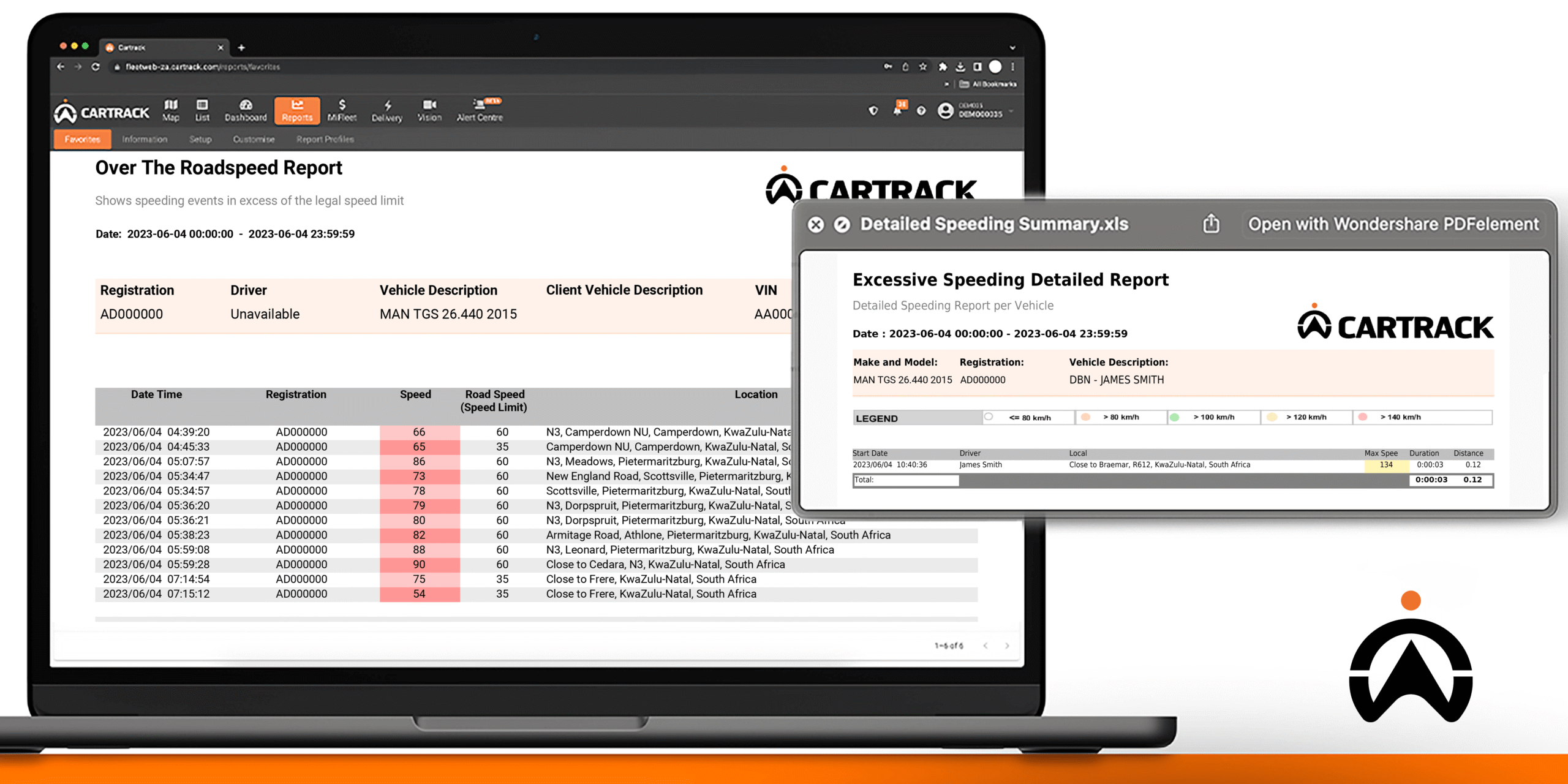
Breakthrough_Innovations_in_Fleet_Management

3 Steps to Innovate Your Fleet With Cartrack‍

Managing a fleet can be extremely stressful, from monitoring drivers to keeping an eye on fuel consumption. Cartrack Malawi understands this and aims to simplify your entire fleet operation, bringing you a vast range of solutions that help ensure your fleet makes innovation its standard. 

Here is how:

  1. Aiding data-driven decision-making with actionable insights

    Not knowing what’s happening with your fleet vehicles and drivers is a risky game to play, as this leads to a lack of visibility, inefficient routes, poor driving behaviour and high maintenance costs. But with us, you get this data at the tap of a button.

    Actionable insights, defined as data and information about a business can be used to make strategic decisions to achieve business goals, leading to improved employee productivity and business growth, making it a crucial part of fleet success.

    With actionable insights that are designed to help optimise fleet operations, reduce costs, and improve fleet efficiency, fleet managers are equipped to make accurate decisions regarding cost-saving strategies. These strategies can decrease idle time, optimise routes, and improve fleet fuel consumption.
    ‍

  2. Simplifying preventative maintenance

    Vehicles can break down at any moment, and the unpredictability of this can lead to operation disruptions and financial stress. But with us, breakdowns will never catch you by surprise. Preventative maintenance helps fleets schedule and track vehicle maintenance, reducing downtime and extending vehicle life. By using vehicle utilisation hours and the time of the last service, it provides predictive analytics that helps you plan maintenance, resulting in cost savings, reduced downtime, and a prolonged vehicle lifespan.

    This also helps businesses utilising electric vehicles avoid low battery surprises with real-time battery monitoring. Additionally, it can also help you know when your electric vehicle is charging, how long it will take to fully charge, and how much mileage you will get from a full charge.
    ‍

  3. Enabling real-time fleet tracking

    Manually keeping track of your whole fleet can be a hassle for fleet managers. The need to constantly call drivers to inquire about their locations, adds to their workload. This makes it an inconvenient and time-consuming task. But with Cartrack, real-time tracking can happen from any smart device.

    Cartrack Malawi provides fleets with live GPS tracking technology and real-time alerts to gain complete control and visibility of their fleets through our easy-to-use platform. Fleet operators are empowered to streamline their entire operation by making use of real-time vehicle location information. This simplifies route optimisation, which limits delays and reduces expenses at the hands of fuel wastage. This also helps improve customer service and satisfaction, as you can provide accurate ETAs to customers.

Make Innovation Your Businesses Standard

Discover the fleet management system trusted by global enterprises and elevate your entire fleet operation with our breakthrough technological innovations. 

Contact Cartrack Malawi today, and drive your fleet to new heights of efficiency.
Fuel Management Systems – The Ultimate Guide For Any Business

Fuel — one of the most important variable fleet costs. 

Research shows that most businesses spend about 24% of their fleet budget just on fuel. While you can’t control the price of fuel, you can have systems in place that help you optimise your fleet’s fuel efficiency. 
Let’s jump right in and find out just how you can start slashing those fuel costs.

In this article, you will:

  • Learn what a fuel management system is
  • Find out how a fuel management system works
  • Discover the benefits of a fuel management system for your fleet
  • See how Cartrack’s fuel management solutions help boost fleet efficiency and profits

What is a fuel management system?

A fuel management system is a system that measures the fuel usage in vehicles. As part of a fleet management system, this system makes use of hardware and software components, known as telematics, to offer automated solutions for the monitoring, controlling, and optimising of fuel usage. 

By giving you precise insights into your fleet’s fuel economy, this system helps fleet managers take the guesswork out of manually tracking fuel consumption data by providing an automated, real-time tracking system that helps them effectively manage all fuel-related activities.

How does a fuel management system work?

Fuel management systems are designed to provide operational insights to fleet managers.

The system automatically tracks fuel consumption levels and also notes the speed at which the fuel is burned.

The system makes use of telematics to gather vehicle data and translates it into simple information, compiled on a fleet platform. This is done by making use of:

The information typically gathered for optimum fuel efficiency includes:

  • Vehicle speed
  • Full trip history of vehicle usage
  • Vehicle routes travelled
  • Idle time
  • Driving behaviour
  • Fuel level data

The Risks of Not Having An Effective Fuel Management System

The repercussions of not having a fuel management system can be detrimental to a fleet’s success, including:

  • Increased fuel costs
  • Fuel theft
  • Inefficient travelling and delivery routes
  • Fuel-wasting driving behaviour 
  • High maintenance costs
  • Decreased productivity

All these fuel-wasting costs add up, but with a good fuel management system, you can easily identify them and start saving.

The-Risks_of_Not_Having_An_Effective_Fuel_Management_System

The importance of fuel monitoring systems

Fuel monitoring systems are important for fleets because they allow fleet managers to collect and analyse fuel consumption data in their fleet. This data is a crucial part of fleet success, as it yields a wide range of benefits, including:

  1. Improved driver behaviour:

    Identifying and addressing driver behaviours that lead to unnecessary fuel usage is crucial to fleet success. Fuel management systems can help reduce fuel costs by identifying driver behaviour that is causing unnecessary fuel usage. These behaviours which include excessive idling, speeding, harsh braking, and cornering, all significantly contribute to increased fuel consumption.
    ‍

  2. Improved fleet efficiency:

    Fuel management systems can use information on their fleet’s fuel consumption to better plan for future trips. For example, by knowing how much fuel a typical delivery will take, unexpected delays can be avoided, which positively impacts workflow.
    ‍

  3. Improved planning and optimisation:

    Fuel management systems help provide real-time data and insights. By analysing fuel consumption data, fleet managers can identify the most fuel-efficient routes and make adjustments to less efficient routes.
    ‍

  4. Fuel theft prevention:

    Fuel management systems help fleet managers identify possible fuel theft with real-time fuel capacity, ensuring that unauthorised fuel consumption is immediately detected. Common methods of fuel theft include syphoning, fuel card fraud, fuel card cloning, and false transactions.
    ‍

  5. Accurate vehicle running costs insights:
    ‍
    Fuel management systems help monitor and record the amount of fuel each of your fleet vehicles is consuming. This data is crucial in helping you know when you need to change your fleet vehicles. It also gives you insights on which vehicles are more efficient so you can use the most fuel-efficient vehicles for more fuel-demanding trips.
    ‍
  6. Reduction of human error:

    Fuel management systems automate the collection of vehicle and driver data, eliminating errors caused by human input. Before these advancements, fleet managers and drivers would have to manually record vehicle and driver data, which would result in inaccuracies that would negatively affect fleet efficiency.

Without an effective fuel monitoring system, fleets can experience an increase in expenses and cost wastages, which can be detrimental to any business’s general operations and bottom line. 

However, with software that enhances operational efficiency, reduces costs, and ensures proper and secure usage of fuel within a fleet or organisation, these problems can turn into money-saving solutions.

How Can We Help Improve Your Fuel Management? 

If you’re looking to reap the benefits of a fuel management system, then look no further than Cartrack Malawi. Its industry-leading solutions simplify fuel cost data capturing and its valuable tools help you gain a comprehensive understanding of fuel consumption and leakages, providing you with actionable insights that can be used to improve your fleet’s fuel consumption.

Here are some key ways our solutions help save fuel costs:

  • Monitoring and Improving Driver Behaviour:

    Cartrack’s fuel monitoring software helps you see how much fuel has been put into your vehicles and helps you identify the driver behaviours that negatively impact fuel consumption. Research shows that idling consumes between 0.76 to 2.65 litres of fuel an hour, while harsh braking has been shown to increase fuel consumption by approximately 40%. Our driver scorecards monitor high-risk behaviour such as speeding, harsh accelerating, cornering or braking, which helps you know exactly what areas require improvement so you can drastically lower your fuel consumption.
    ‍

  • Promoting Preventative Maintenance:

    A critical aspect of fuel efficiency lies in vehicle maintenance. Neglected issues such as worn-out tires, engine damage, or low coolant levels can lead to increased fuel consumption. Cartrack Malawi takes a proactive stance with preventative maintenance. We monitor your vehicle’s health. This allows you to schedule maintenance that suits your fleet’s schedule, minimising downtime and optimising vehicle performance. Now you can ensure your fleet operates at peak efficiency while minimising unexpected fuel consumption spikes associated with maintenance neglect.
    ‍

  • Simplifying Admin with Automated Reports:

    Monitor fuel usage and expenses with Cartrack’s automated reports. When integrated with fuel level sensors, these reports give you access to critical data points, including total fuel consumption, initial and final fuel levels for trips, average fuel consumption, unauthorised vehicle usage, and fuel-draining incidents such as excessive engine idling. These reports are promptly delivered to your inbox, ensuring you have the information where and when you need it.
    ‍

  • Mitigating Fuel Card Fraud and Theft:
    ‍
    Cartrack’s intelligent algorithm goes beyond traditional measures to address fuel card fraud and theft, with examples including syphoning and fuel card cloning. By automatically cross-referencing fuel receipts with your vehicle’s location and fuel status, it instantly flags any suspicious activities. This proactive approach empowers you to identify abnormal spikes in fuel consumption promptly. Moreover, trip reports with fuel sensor data provide an additional layer of security, helping you take immediate action against any discrepancies.
The_Solution_for_World-Class_Fuel_Management

Is It Beneficial to have a Fuel Management Software for Businesses of All Sizes?

You would think software solutions like this would only be suited for larger businesses, but they’re actually super beneficial for businesses of all sizes and in all industries.

Small businesses: Small businesses typically have limited resources, making it important for them to find ways to save money and improve their efficiency. A fuel management system can help small businesses do both by tracking fuel usage and identifying areas where fuel can be saved. Since small businesses will typically have one vehicle for deliveries, this enables them to optimise routes and helps ensure that there are no delivery delays.
Medium-sized businesses: Medium-sized businesses have more complex fleets than small businesses, making them require more stringent compliance requirements, which fuel management systems can help them achieve.

Large businesses: Large businesses often have massive fleets with hundreds or even thousands of vehicles. Fuel management systems can help them manage their entire fleet efficiently and comply with all applicable regulations in all provinces and countries where they operate.

What’s more? Implementing these solutions results in the automation of manual business processes, helping you free up resources, minimise paperwork, and speed up productivity.

The Solution for World-Class Fuel Management

Effectively improving your fleet’s fuel management needs a system that closely monitors fuel consumption, aids driver training programs,  and adopts fuel-efficient technologies. The answer? Cartrack’s world-class solutions give you all the tools you need to say farewell to fuel stress and welcome enhanced productivity and efficiency. 

Contact Cartrack Malawi and unlock the endless benefits of fuel management. 

How to Prevent Fuel Theft – 7 Instant Tips to Protect Your Fleet

Fuel theft is becoming increasingly worrisome for fleet managers and business owners, particularly in the face of ever-fluctuating fuel prices. It’s no secret that as diesel and petrol prices go up, the threat of fuel theft often follows.

Fortunately, there are several ways to protect your fleet against fuel theft and excessive fuel usage.

Ready to unpack valuable information and seven clear tips to help protect your fleet from fuel theft and excessive fuel usage?

In this article, you will:

  • Understand the impact fuel theft has on your fleet’s operations and budget
  • Familiarise yourself with potential fuel-theft signs within your fleet
  • Gain insights into measures and tips to protect your fleet from fuel theft
  • Explore the benefits of preventing fuel theft in your fleet business
  • Learn how Cartrack’s solutions can help identify and prevent fuel theft

Understanding the Impact of Fuel Theft

Fuel theft can have a significant impact on businesses, especially those that rely on a fleet of vehicles for their operations. This can present several challenges for businesses, including financial losses that can impact the company’s overall profitability. 

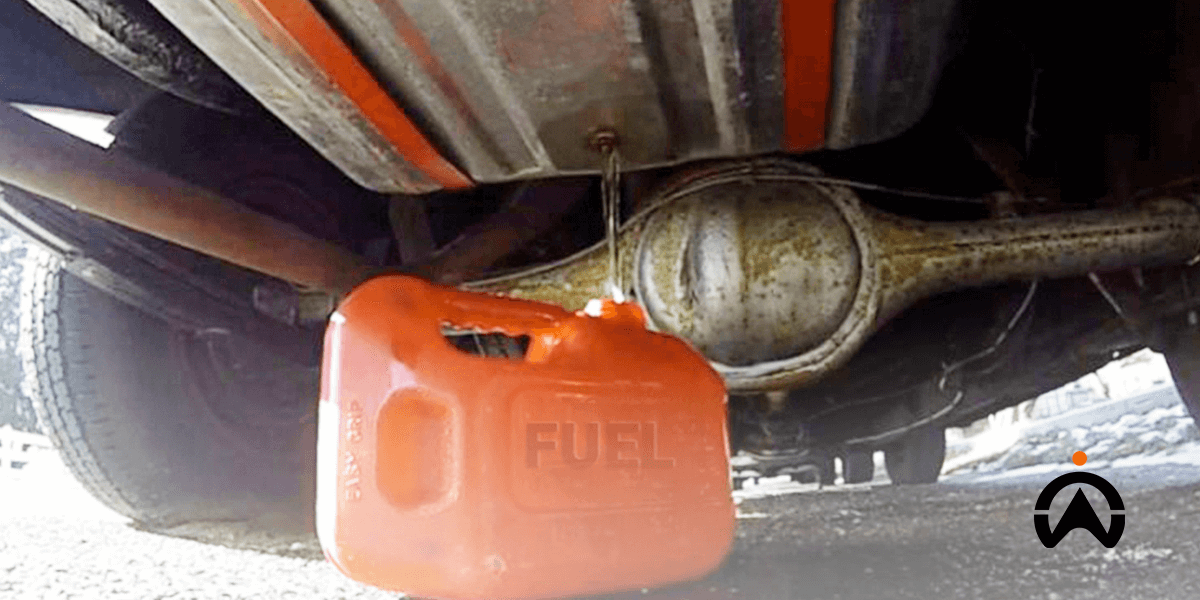
Additionally, it can lead to operational disruptions, causing unexpected delays in deliveries and vehicle downtime. This activity can result in damage to the vehicles themselves, adding more to fleet maintenance costs, with potential issues such as punctured fuel tanks or other forms of tampering. 

Overall, fuel theft poses significant safety risks, especially if it involves meddling with vital components of the vehicle, potentially jeopardising the safety of drivers and other motorists if the driver is unaware of the potential vehicle damage through fuel theft and continues to operate their vehicle.

Signs of fuel theft

Thieves throughout South Africa have been actively seeking inventive methods to steal fuel from vehicles and filling stations alike. Surprisingly, most fuel theft incidents don’t occur by criminals. We’re not saying criminals don’t play a part but the majority of fuel theft frequently happens from the inside. Yes, you guessed it — your employees. 

This is referred to as skimming, it involves employees syphoning a small amount of fuel from a vehicle’s tank for their personal use, thus saving money on their fuel expenses. Coincidentally, ‘skimming’ or ‘shimming’ can also mean a form of fuel card fraud.

So, how do you know that there’s fuel theft occurring in your business?

The signs of fuel theft can include:

  • Sudden drops in fuel levels without reasonable explanation
    ‍
  • Gaps between fuel purchase records and actual usage
    ‍
  • Unexplained high fuel expenses
    ‍
  • Evidence of tampering with fuel tanks or petrol cap locks 
    ‍
  • Unexpected changes in fuel consumption patterns
    ‍
  • Unexplained variations in vehicle routes
    ‍
  • Unauthorised vehicle activity during off-hours
Signs_of_fuel_theft

7 profit-saving tips to protect your fleet from fuel theft and excessive fuel usage

Guarding your fleet against fuel theft and unnecessary fuel expenses is a key component in maintaining a successful operation. Implementing proactive measures can ensure the security of your fuel and the optimisation of your fuel resources.

With this in mind, here are 7 valuable tips to assist you in minimising fuel theft and wastage:

Tip 1: Improve your tracking system

Invest in an advanced tracking system like Cartrack’s to closely monitor your fuel consumption and track vehicle movements in real time. It will help you instantly identify any fuel usage irregularities, solve causing issues and save money.

Tip 2: Secure fuel tanks

Employ robust locking mechanisms on your fuel tanks to deter potential thieves. Anti-siphoning devices can further fortify your defences against unauthorised fuel access.

Tip 3: Regular audits

Conduct frequent audits to oversee fuel usage meticulously. Identifying any inconsistencies early on can help address potential fuel theft issues before they escalate.

Tip 4: Educate your drivers

Educate your drivers on fuel-efficient driving practices, including maintaining consistent speeds, minimising idling time, and planning optimal routes to reduce fuel consumption. Driver data like this can be easily accessible to managers through Cartrack’s driver behaviour reports, ensuring you have the tools you need to train drivers on responsible driving habits.

Tip 5: Utilise fuel monitoring software

Implement user-friendly fuel monitoring software integrated into your fleet management system. This technology enables you to monitor fuel levels and promptly detect any suspicious activities.

Tip 6: Install surveillance systems

Consider installing visible surveillance cameras at fueling stations and parking areas. Not only do they act as a deterrent to potential theft, but they also serve as concrete evidence in case of any attempted fuel-related crimes.

Tip 7: Establish clear guidelines

Develop and enforce transparent fuel usage policies within your organisation. Clearly define procedures for fuel card usage, refuelling protocols, and reporting any unusual activities, fostering a culture of accountability and responsibility.

Benefits of saving every litre of petrol

Every drop of stolen fuel is a loss that adds up over time. Fuel theft can result in increased vehicle repair costs, which are usually much more expensive than the stolen fuel itself. 

By recognising the various benefits associated with preventing fuel theft, fleet managers can elevate the overall performance and safety of their operations. 

Here’s what you can gain from solving your fuel theft problem:

Cost savings: Efficient fuel management helps reduce fuel wastage and prevents unauthorised fuel usage, resulting in significant cost savings over time.

Enhanced operational efficiency: By closely monitoring fuel usage, you can optimise routes, reduce idle time, and improve overall fleet efficiency, leading to better productivity and timely deliveries.

Maintenance optimisation: Effective fuel management can contribute to the proper maintenance of vehicles, ensuring that they operate at their optimal level and reducing the likelihood of unexpected breakdowns.

Improved accountability: Implementing measures to prevent fuel theft fosters a culture of accountability among drivers and employees, promoting responsible behaviour and discouraging fraudulent activities.

Regulatory compliance: By maintaining accurate fuel records and preventing fuel-related irregularities, you can ensure compliance with industry regulations and avoid potential legal issues.

Sustainability: Efficient fuel management practices contribute to a more sustainable approach to resource utilisation, reducing the environmental impact associated with excessive fuel consumption and wastage.

Enhanced fleet security: Preventing fuel theft not only protects your financial assets but also enhances the overall security of your fleet, ensuring the safety of both your vehicles and your drivers.

Managing your fuel effectively isn’t just about saving money; it’s about protecting your bottom line and keeping your fleet running smoothly. By implementing proper fuel management practices, you not only prevent fuel theft but also ensure that every drop of fuel is utilised efficiently.

Fuel theft trends

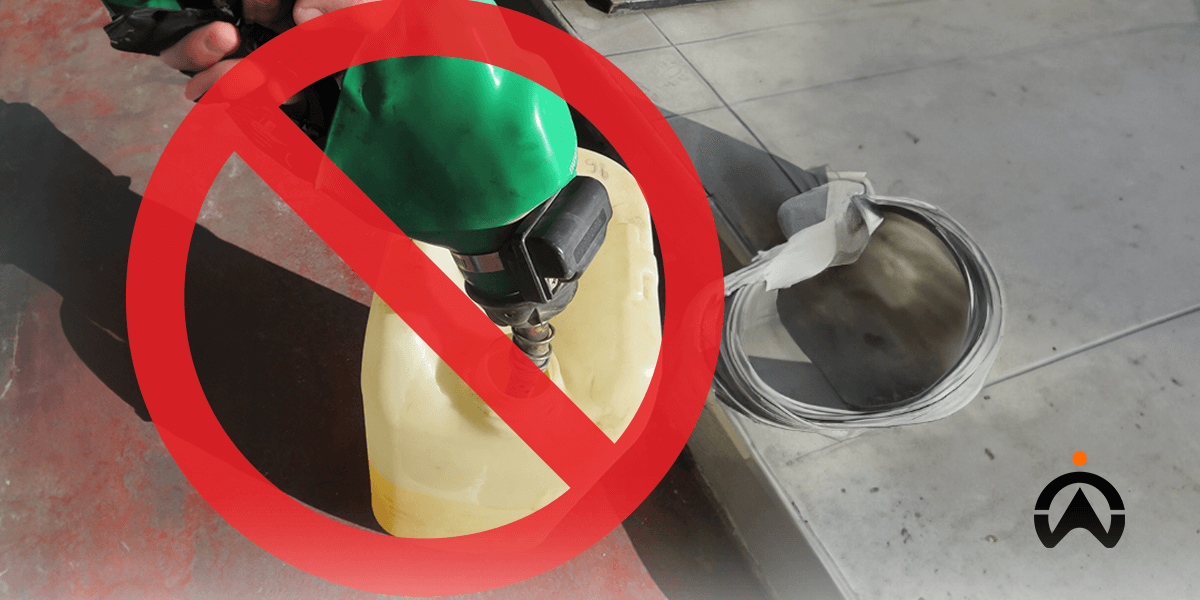
There are many tactics criminals use when stealing fuel from a vehicle, you might be familiar with syphoning, the traditional method of fuel theft where criminals use plastic tubing to syphon fuel from work vehicles and pour it into a petrol can for personal use, but you might not know the other popular methods of fuel theft such as:

  1. Fuel tank puncturing: There has been a growing trend of thieves puncturing fuel tanks, particularly in businesses with parked car fleets overnight. This technique allows for quicker fuel extraction in larger quantities but often results in considerable vehicle damage and costly repairs.
    ‍
  2. Damaging fuel caps and fuel lines: Criminals might resort to breaking petrol caps or cutting fuel lines as another means of gaining access to the fuel within the tank.
    ‍
  3. ‍ Misuse of fuel cards: Employees may sometimes swipe the business card for personal use or lend their fuel cards to friends or family resulting in unauthorised transactions. Tellers may also swipe fuel cards more than once reflecting in duplicate transactions and double the fuel costs. 
    ‍
  4. Cloning of fuel cards: Similar to credit card cloning, fuel cards can be duplicated, often going undetected by banks until it’s too late.
    ‍
  5. ‍ Illegally accessing pipelines: In more complex scenarios, criminals may illegally tap into fuel pipelines to syphon off significant volumes of fuel. This is a technique commonly seen within the oil and fuel industry.
Fuel_theft_trends

How Cartrack’s fleet management solutions can help

Cartrack Malawi is a global provider of data analytic solutions, specialising in mobile asset management, asset recovery, and workforce optimisation. Our comprehensive fleet management platform encompasses essential features including vehicle tracking, driver behaviour monitoring, cost breakdown analysis, and fuel management. 

Our industry-leading fleet cost monitoring system — MiFleet is the perfect web-based tool that shows managers the exact running costs of their fleet. This data includes items such as toll fees, licence renewal dates, maintenance, and most importantly, fuel costs. 

MiFleet automatically reviews all your fuel transactions, matches your fuel receipts with your vehicle’s telemetry data and highlights areas of possible fuel theft. Fleet managers can easily import fuel transactions, flag fuel risks and stay updated with all fuel costs, helping them prevent fuel cost wastages and save money.

Besides MiFleet, Cartrack Malawi also provides various solutions that can assist in identifying and stopping fuel theft:

Fuel theft identification: Cartrack Malawi efficiently accesses trip reports with fuel sensor data, effectively validating any suspicions of fuel syphoning. This capability empowers you to take necessary action promptly and effectively.

Fuel consumption visibility: With Cartrack’s comprehensive fuel monitoring system, you can seamlessly track your fleet’s real-time fuel consumption. This clear visibility allows you to promptly identify sudden or unusual fuel level changes, triggering alerts for potential fuel theft or misuse.

Reducing fuel waste: Cartrack’s advanced fuel monitoring system provides detailed metrics on fuel consumption per kilometre travelled and per job completed for every driver and vehicle. These valuable insights help pinpoint areas that need attention, enabling you to proactively prevent fuel wastage.

Driver behaviour tracking: Cartrack’s state-of-the-art technology enables close monitoring of driver behaviour, including driving speed, abrupt braking, and prolonged idling, all contributing to fuel waste. By closely monitoring and addressing these behaviours, you can actively promote fuel-efficient driving practices and significantly reduce fuel consumption.

Fleet tracking: Leveraging Cartrack’s GPS tracking feature allows you to effortlessly keep tabs on your fleet vehicles’ precise positions. This critical function serves as a robust defence, instantly detecting any potential instances of unauthorised vehicle use, thus effectively combating fuel theft and unapproved usage.

Receive long-term fuel security and fleet protection with Cartrack Malawi

With Cartrack Malawi, you can proactively protect your valuable fuel resources, mitigate losses, and ensure that every drop of fuel is used optimally. Don’t let fuel theft drain your resources and disrupt your operations. Contact Cartrack Malawi today.

5 Fleet Management Challenges: How to Overcome Them and Save Money

Think we can all agree that money makes the world go round. Much is the same for the business world — except here, it’s profits that keep it going round, especially in the fleet industry.

Boosting profits often means overcoming challenges to run your business operations more smoothly, identifying and minimising any areas of profit drainage.

Fleet management is no different.

Are you experiencing fleet management-related challenges that you’d like to overcome and boost profits in the process? We’ve mapped out the perfect solutions for the most pressing problems right here for you.

In this article, you will:

  • Learn more about fleet managers’ responsibilities
  • Identify five crucial fleet management challenges
  • Find innovative solutions for these challenges
  • Understand how to save money on fleet-related challenges
  • Discover how you can conquer these challenges with Cartrack Malawi

Fleet managers wear many hats: Here’s what they do

Many hats mean many responsibilities, and a fleet manager oversees everything involving the business’s commercial vehicle fleet. Adding to that, each hat is linked to a range of management skills and abilities. These are some of the tasks fleet managers tackle daily:

  • The vehicle management hat:

    Managing a fleet of vehicles, no matter how big or small, requires a dynamic and strategic approach. Keeping track of and managing fleet vehicles includes:- Maintenance
    – Handling compliance
    – Recording fuel usage and mileage
    – Vehicle tracking, and more
    ‍

  • The driver management hat:

    Driver management incorporates but is not limited to managing and supervising a fleet of drivers to ensure they execute their tasks safely and successfully. This includes:- Monitoring operations
    – Checking regulatory compliance
    – Conducting performance assessments
    – Providing general assistance
    ‍

  • The admin management hat:

    The admin management hat is a tough one for fleet managers as these tasks can be extremely tedious and time-consuming. Admin management duties include:- Preparing and maintaining vehicle records
    – Regulatory reporting and filing
    – Keeping records of insurance claims, and
    – Preparing fleet-related reports
    ‍

  • The operations management hat:

    While tasks like vehicle and driver management naturally fall under operations management, it’s worth singling out this multifaceted hat and looking at it in more detail. Fleet managers’ operational duties include but are not limited to:

    – Planning
    – Managing
    – Coordinating
    – Directing
    – Supervising programs for vehicle assignment
    – Maintenance
    – Utilisation
    – Repair
    – Disposal

Tough job? You bet. Manageable? Yes — If you have the best solutions.
‍

Fleet_managers_wear_many_hats_Here’s_what_they_do

Five key fleet management challenges with five innovative solutions

With fleet management being quite a hefty task involving many subtasks and responsibilities, there will always be challenges on the road to success. The key to advancing your fleet-based business is to identify the most pressing challenges and pinpoint solutions that work for your business.

So, how do you overcome fleet management challenges? While fleet-related challenges can range from a variety of tasks, one of the most important uniting factors is costs. We’ve got some of the most common and important issues lined up, as well as some inventive ways to transform these issues into money-saving success stories.

  1. Vehicle acquisition and management

    Ensuring your fleet stays in tip-top shape while expanding with suitable vehicle additions is essential for avoiding unnecessary downtime and optimising production, but it can pose significant challenges.

    Some complication-causing factors are too many insurance claims, vehicle cost inflation, and vehicle maintenance efficiency and costs. For example, with the new vehicle markets slowing down significantly and second-hand inflation even more due to interest rate hikes, finding ways to prolong current fleet vehicle health and usability has become a rising concern.

    How to make vehicle acquisition and management a cost-saving breezeThe best way to make informed choices for future vehicle acquisition is by having all the information available about the state of your current fleet vehicles, including maintenance reports, diagnostics tools, driver behaviour reports, and a proactive maintenance schedule to minimise downtime and increase fleet longevity.

    The ultimate solution is a fleet-oriented telematics system that allows you to monitor and automate as many of these processes as possible while receiving smart updates and reminders that support proactive fleet management. These tools are invaluable for putting a stop to profit drainage and managing how you spend money on your fleet.
    ‍

  2. Driver safety and productivity

    In a fleet environment, driver safety is an integral part of workplace safety, and a safe environment also lays the foundation for happy and productive employees. However, ensuring driver safety comes with some hurdles, like ensuring drivers are adequately trained, monitoring risky driving behaviour, optimising driver schedules, and providing your fleet with the quickest and most effective routes.

    Doing all this while wearing different hats can be very challenging. Luckily, there are ways to optimise, update, and speed up processes.

    Conquer safety and productivity challenges like this to start saving

    With advanced AI technology and live streaming now a reality, one of the most valuable tools for monitoring driver behaviour lies in camera-based tools you can use in your fleet vehicles. Knowing which behaviours you need to address helps drivers stay safe and on the road and keeps training materials updated and relevant.

    Additionally, a SaaS fleet management systemthat offers detailed trip reports can pinpoint other unwanted behaviours like harsh braking, accelerating, and other actions cameras cannot capture. Using the latest tech to ensure your drivers stick to economic driving best practices allows you to see significant fuel and maintenance savings.
    ‍

  3. Admin management

    While admin is essential to productive fleet management, most fleet managers and business owners do not see it as a core business activity. Yes, ensuring your fleet-related admin is in order can be a mountainous task, but if not tended to regularly, can snowball and become a costly inconvenience.

    Critical elements include:

    – Preparation and maintenance of accurate vehicle records
    – Insurance and regulatory reporting and filing
    – Prepping and filing trip reports
    – Coordination of vehicle maintenance and repairs
    – Data sorting and analysis

    How to make your admin and budget work harder for you

    A range of SaaS-based tools are available to help you automate some of the most tedious admin processes and ensure you’re keeping everything that requires filing, sorting, and updating as organised and current as possible.

    By specifically looking for and adding a fleet management cost-accounting system to your set of tools, you can simplify processes like prepping and maintaining accurate vehicle records and make your fleet admin work for you.

    As a result, you’ll have more time available to attend to crucial tasks without having to hire dedicated admin staff, allowing you to put that money to better use.
    ‍

  4. Regulatory compliance

    Supply chains and other fleet-based businesses have to adhere to vehicle-specific and other compliance requirements essential for running a successful and productive company. These regulatory and compliance requirements can range from vehicle inspections, license and registration renewals, and fines.

    The challenge lies in making sure all of these requirements are met when they’re due to avoid penalties and other issues linked to non-compliance. The due dates for these different requirements are usually scattered across a fleet manager’s calendar of things to do, which can cause unnecessary stress and complications.

    Staying effortlessly compliant while saving is easier than you thinkThere’s undoubtedly a wide range of smart fleet management software available. Looking specifically for one that offers timely reminders for critical compliance-related tasks like license and registration renewals and routine vehicle inspections will help solve any issues you may have with costly late renewals and registrations the uncomplicated way.
    ‍

  5. Driver retention and shortages

    Once a driver is employed and fully trained, they become potential investments for your business as they learn the ropes and gain experience. According to the IRU’s 2022 Driver Shortage Global Report, driver shortages have become a serious global issue, while driver retention is also a widespread problem in the fleet industry.

    When it comes to fleet drivers, shortages and poor retention are due to a low pay range, the demanding nature of the job, and a lack of training and communication. Not to worry, though, there are ways to improve the job experience and retain more drivers for a strong, well-trained, and experienced fleet that remains loyal.

    Here’s how to keep your drivers happy while saving money

    Being a fleet driver is undoubtedly challenging; however, there are viable, cost-reducing solutions. Drivers who know they’re appreciated tend to stay and grow with companies instead of looking for greener pastures. Using technology like real-time analytics, audible alerts, and driver scorecards to communicate, improve, and recognise productive behaviour are invaluable retention tools.

    By simplifying your drivers’ everyday tasks with solutions like route optimisation and accurate shift tracking times, you ensure fair and reasonable shift times, resulting in happy drivers, and a lower staff turnover.

fleet_management_challenges_with_five_innovative_solutions

Turn your fleet management challenges into profit with Cartrack’s solutions

Fleet-related challenges usually have financial implications which is why businesses prioritise saving money wherever they can. Using technology to your advantage is a smart way to take control of fleet management challenges, boost management KPIs, and convert them into money-making opportunities.

Here’s how Cartrack Malawi can help you wear all the fleet management hats with ease and have the money to maintain or buy new ones:

  1. Make every cent and second count with MiFleet. It’s a fully customisable cost management system that analyses and adapts trip-related data like cost per km, maintenance costs, and more, giving you intelligent automated reporting and actionable insights to proactively make cost-saving decisions.
    ‍
  2. Gain complete control and visibility with industry-leading fleet management telematics technology. Our live GPS tracking, detailed trip reports that indicate harsh braking and excessive idling, and route optimisation software for enhanced productivity help you keep your drivers safe, fleet efficient, and trips optimised.
    ‍
  3. Reduce fuel costs and gain critical insights with advanced LiveVision streaming technology. Our in-cabin system lets you monitor and communicate with drivers in real time so you can identify inefficiencies like unproductive on-and-offloading or bad driving behaviour, helping increase task efficiency and vehicle longevity.
    ‍
  4. Stay compliant with our smart temperature monitoring system. Specialised sensors let you know in real time the moment your cargo’s temperature changes, helping you to inform drivers and reduce the loss of perishable goods. With us, you’ll deliver fresh every time, saving you money and maintaining crucial customer satisfaction.
Turn_your_fleet_management_challenges_into_profit_with_Cartrack’s_solutions

Get the fleet management solutions you need at Cartrack

Contact Cartrack Malawi today to kickstart significant savings by conquering your fleet-based challenges the smart way.

When Is The Perfect Time To Change Your Fleet Vehicles

If you have a fleet of vehicles, this one’s for you. 

Did you know that keeping your fleet of vehicles too long can lead to excessively high repair costs, exceeding their resale value? Replace them too soon, and you might be throwing money down the drain. 

So when is the perfect time to upgrade your fleet?

The answer to that question is a guessing game, if you don’t have the correct asset-tracking software. With it, you can spot clear signs of exactly when to upgrade your fleet, a vital tool to help you keep your fleet reliable, cost-effective and safe. 

From top to bottom, here’s everything you need to know about vehicle replacements. 

In this article, you will:

  • Uncover the importance of understanding your fleet’s life cycle
  • Find out the benefits of a vehicle replacement plan
  • Learn how to calculate your vehicle replacement timeline
  • Spot clear signs of when it’s time to replace your vehicles
  • Discover some extra useful tips for upgrading your fleet
  • Uncover how Cartrack Malawi helps you easily replace your vehicles

Understanding your fleet’s life cycle

Say goodbye to cost-draining vehicles and hello to a new and efficient fleet.

The first step is to record and understand your fleet’s lifecycle or lifespan. 

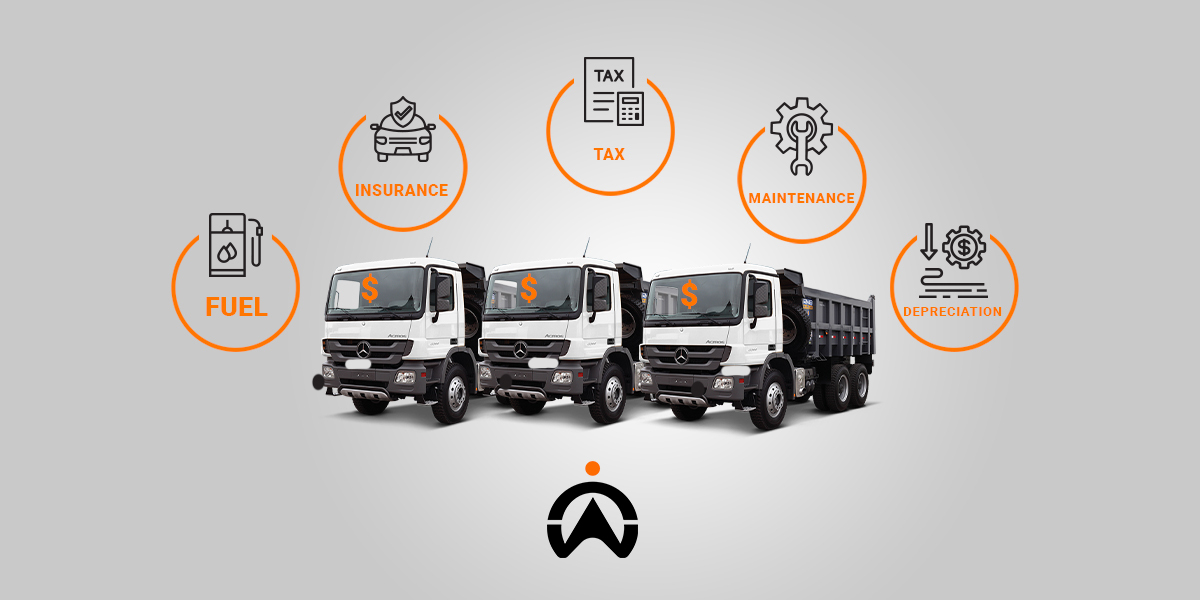
This includes tracking and managing various factors about your vehicles such as acquisition costs, cost of insurance and maintenance, optimisation and efficiency, breakdown and downtime risks, disposal, and resale prices. 

Why is this crucial?

You need to know exactly where you stand with your vehicles to sell them at the most appropriate time. 

Asset depreciation is also the single largest fixed cost in a fleet. That’s why you’ve got to maximise your fleet’s lifecycle, performance and utilisation, to get the most out of it. 

You can also quickly spot inefficiencies, such as constant breakdowns and repairs and then upgrade before it costs you too much. 

Since maintenance and servicing costs count for at least 7% of vehicle expenses, you’ll need up-to-date maintenance records to keep tabs on this.

There is also great value in having a good replacement plan and schedule to assist you along the way. 

Check out these benefits: 

Understanding_your_fleet’s_life_cycle

Perks of a vehicle replacement plan

  • Avoid major repairs: When you replace vehicles at the right time, you can prevent spending excessively on maintenance and repairs, and also reduce the likelihood of major breakdowns and downtime that affects business productivity.
    ‍
  • More equipped vehicles: Newer vehicles often have the latest technology for better fleet safety such as automatic emergency braking or in-cabin warning signal features.
    ‍
  • Fuel savings: Save on fuel by removing vehicles from your fleet that are increasing your fuel costs dramatically, and more than they should.
    ‍
  • Higher resale value: With a strategic replacement plan, your vehicles will be in well-maintained and decent condition, which will enable you to sell them at a better price.
    ‍
  • Safer, happier drivers: Keeping your fleet safe through regular safety upgrades, shows that you care about the well-being of your drivers. This helps increase their morale and productivity.

Ready to sell and cash out? We’ll help you put a plan into action:

When is the perfect time to sell your vehicles?

This depends on multiple factors and can vary for each fleet. It all comes down to the right timing for a fleet owner. 

These could be assessing the age of the vehicles, mileage, makeup, size, use, maintenance costs, and technological advancements on the market.  

A good “go-to” indicator is to find the point where the vehicle’s cost price and operating costs exceed buying and maintaining a brand-new vehicle. 

From the get-go and for more accuracy, you can create a replacement timeline for your vehicles, using advanced data from Cartrack’s fleet management system. 

Let’s head to the drawing board, for a standard 5–7-year-old vehicle:

How to calculate your vehicle replacement timeline

Year 0: Gather the purchase price, fixed costs, and any taxes and licensing fees that come with the vehicle. Then, record the day-one mileage, maintenance, and fuel costs of the vehicle, if it is not new.

Year 1: Record mileage regularly and the costs incurred in the first year to understand the asset’s utilisation. Cartrack’s software can help with this. This includes calculating the TCO (total cost of ownership) or total costs to operate a vehicle and its CPK (cost per kilometre).

Generally speaking, the total cost to operate a fleet vehicle is about 40% of expenses, which includes the initial purchase price, depreciation (the decrease in value over time), insurance, registration fees, licensing, financing, or leasing costs. Fuel costs are between 15% and 30% of a fleet’s total expenses. 

That’s why you need to keep a record of this from day one. It will help you clearly see if you’re crossing any cost boundaries.  

Be better prepared for the next year, with an estimate of maintenance costs. This will allow you to make cost changes if needed.

Year 2 and so on: Gather mileage and costs as well as calculate the TCO and CPK compared to the previous year. As the TCO and CPK fluctuate, you can begin to gauge whether an asset’s overall value is increasing or decreasing. As a vehicle ages, you should assume that costs will increase.

When to replace: If the TCO and CPK significantly fluctuate with each year or at a certain mileage benchmark, it might be time to replace that vehicle.

Additionally, if you’ve been managing your fleet for a while, then you’ll begin to see trends or signs of your assets declining.

7 sure-fire signs it’s time to replace your vehicle

  1. Breakdown after breakdown: And cost after cost, on maintenance repairs. If this is happening often, then keeping the vehicle is not worth it. The reduction in repair costs and downtime will help you save money, making the investment in a new vehicle worthwhile.
    ‍
  2. Too much fuel usage: On average, a fleet vehicle consumes around 30 or 40 litres of fuel for every 99km travelled. Fuel is one of the biggest expenses for fleet managers. With the ever-rising fuel costs, it might be much better to opt for newer or adequate vehicles with better fuel economy to help cut fuel costs.
    ‍
  3. Over 100 000 km: Vehicles with more than 100,000 km may be considered “middle-age”, which is the point at which maintenance costs start adding up. Mileage is always an indication of wear and tear. If it’s too high, it might need some major repairs. However, as we already know, we shouldn’t assess a vehicle’s age in isolation but look at other factors such as the vehicle’s condition, maintenance history and service records. This helps give a more accurate assessment of a vehicle’s long-term viability and endurance.
    ‍
  4. Excessive age: Even if a vehicle’s mileage is still relatively low, fleet vehicles that are five years or older should be considered for a replacement. This is because most vehicle warranties have expired and repairs will become more expensive.
    ‍
  5. Unhappy drivers: Your drivers will be the first to tell you if your vehicles are not in good condition. Any scepticism from them should be one of your primary concerns. Especially, because you want to keep your drivers and fleet super safe, avoiding costly medical claims and hospital bills due to injuries, as a result of an unsafe fleet.
    ‍
  6. Outdated technology: Having the latest technology helps keep your fleet running at peak performance, and reduces the risk of accidents, so your employees and cargo are extra safe. This could include built-in GPS navigation systems that assist drivers with directions for safer deliveries or there could be rear-view backup cameras and bumper sensors, for additional safety.
    ‍
  7. Vehicle condition: If a vehicle has extensive exterior damage and has your company’s branding on it, it could reflect poorly on your reputation and be costly to fix. In this case, it might be better to sell it and get something that portrays a more professional image of your company.
7_sure-fire_signs_it’s_time_to_replace_your_vehicle

7 extra tips for upgrading your fleet

  1. Have a plan

    We know that you need a vehicle replacement plan, so you don’t rush into changing all your vehicles and effectively spread out costs and timing. You also want to match the correct vehicle to the job. You need to know what vehicles to look for to ensure it meets your requirements. For instance, if you are transporting heavy materials, then the correct vehicle size is needed to handle the required loads and cargo. The same goes for choosing specific vehicles that are more suitable for tar or gravel roads, as a result of your service and fleet requirements.
    ‍

  2. Price of buying and selling.

    Your vehicle’s value starts depreciating the moment you drive it off the showroom floor. To leverage its value better, you can compare the purchase price with the long-term operational costs in line with inflation, and strike the right balance. Spending too little could leave you with endless maintenance issues and downtime. Spending too much, and you could end up with an expensive asset that you don’t need. And when the time comes to sell your vehicles, you’ll need to research the market value of similar vehicles to find a fair selling price.
    ‍

  3. Look at different funding methods

    Weigh out your options. Leasing vs financing vs paying cash. There are pros and cons for each. However, leasing is becoming increasingly popular. Leasing fleets are found to be 10 -15% more cost-efficient than owning the vehicle, considering all other fleet expenses. With this option, you can upgrade your fleet every few years for minimal cost and fuss, allowing you to preserve your cash flow and return the vehicle when you’re done with it. In the case of financing, it’s best to look at the most cost-effective options.
    ‍

  4. Maintenance history and repairs

    You want a vehicle that will give the least amount of problems. It’s important to check out the maintenance history of the vehicle you want to buy. Everything from the vehicle’s fuel consumption, performance, repair history and costs of replacement parts, to the manufacturer’s reputation, should be on your vehicle assessment list. Good background checks can save you from costly repairs in the long run.
    ‍

  5. Check out the associated costs

    Look beyond the initial purchase price of the vehicle and budget for other extra costs. This could be maintenance and service expenses, insurance, and tax costs associated with certain models. Additionally, consider the resale value of the vehicle, as some vehicles retain their value better than others over time, and see if it is a worthwhile fit.
    ‍

  6. Must-have vehicle specs

    You want to know if what you’re buying is actually equipped to carry out your fleet activities successfully. Your fleet of vehicles should have the best specs possible, to keep your fleet safe, productive and efficient. For example, does it have an advanced driver assistance system to help reduce the chance of major crashes and keep your drivers safe? Or why not look at other features, such as partition walls, shelving, or drawers, to have a more organised vehicle for daily tasks?
    ‍

  7. Be prepared to answer questions

    Something not to forget is to consider your whole team when planning vehicle upgrades, as it could affect their productivity. They will need to know how it will be rolled out and how long it will take to get done. You could send out an email or document to your employees, outlining the changes that will be taking place, and how they impact everyone.

7_extra_tips_for_upgrading_your_fleet

Experts reveal that 60% of companies aren’t aware of the possibilities of using rich data to improve their operations. 

No wonder you need a bunch of data insights, to create a replacement cycle too. 

A lot to take in? Don’t worry, Cartrack Malawi’s technology does it all.

Say hello to a perfectly-timed upgraded, safe and efficient fleet

Second-guess yourself less and plan more. Understand your vehicle’s lifecycle with these top Cartrack Malawi features:

  • Maintenance tracking: Check the health and performance of your vehicles, to know when they are below par, with maintenance history reports. Service your vehicles at regular intervals and keep them in good condition, with maintenance alerts. Use this to maintain your vehicle’s warranty, and maximise its lifespan.
    ‍
  • Asset utilisation rates: This helps you monitor vehicle usage and their functioning capacity, and see if they are being used correctly. If they are underutilised, then there might not be a need for them, so managers can sell them and invest the money which will give them a better return. If they are overworked, then they might have more maintenance issues, or you might need to purchase another vehicle for your fleet.
    ‍
  • Fuel consumption reports: Use these to assess if your vehicles are using more fuel than necessary. This could mean that they are inefficient, outdated, have maintenance issues or there is fuel theft. Replacing such vehicles with newer and fuel-efficient models can help you save on fuel. You can also take this data and make vehicle comparisons, so you can choose vehicles with better fuel economy. Sudden fuel spikes could mean possible fuel theft, which means there is no need to replace your vehicles, but rather open an investigation.

Take this data from Cartrack Malawi and create the best vehicle replacement plan out there. Walk away as a super equipt fleet manager, with everything you need to manage your vehicle upgrades, from the ground up.

What is Smart Fleet Management? 5 Eye-Opening Things You Need to Know

Every fleet is unique and has its own, personalised way of managing fleet operations smoothly. Despite every business having its own fleet management style, there’s one thing they have in common – the need for smart technology to optimise operations.

In this article, you will:

  • Find out how IoT plays an integral role in smart fleet management
  • Discover answers to the most frequently asked questions by fleet managers
  • Learn about the most eye-opening benefits of smart fleet management
  • Get the inside scoop on how to identify the right fleet management system for you
  • Find out how Cartrack Malawi can help make your fleet management operations smarter

What is smart fleet management?

You’re in for a treat if you haven’t used a smart fleet management system yet. The software, devices, and advanced analytics give you an intelligent experience. Smart fleet management software provides you with advanced tools for optimal fleet vehicle management. It allows you to download the complete data of your fleet and keep track of crucial fleet management components like route management, vehicle maintenance, fuel consumption, cost per kilometer  and more. 

Ultimately, this innovative approach assists in making cost-effective decisions to make fleet management more productive.

What do fleet managers need to know? Find all the answers below

Whether you’re personally managing your fleet or not, there is some basic information that everyone in fleet-based businesses can benefit from.

Who can benefit from smart fleet management tools?

While managers primarily work with smart fleet management technology, a range of individuals experience increased benefits:

  • Smart fleet management technology is a fleet manager’s best ally. It saves valuable time on admin that could take hours, allowing managers to focus on more pressing issues that need immediate attention and support swift decision-making with accurate, real-time data.
    ‍
  • Whether directly or indirectly involved in fleet management, operations managers need to know what’s happening to increase the effectiveness of a business’s overall functioning. Smart fleet management technology collects and stores trip-related, driver-behaviour, and other valuable data for easy retrieval.
    ‍
  • To make all the most critical decisions, the business owner should be on top of everything happening in different departments. Neatly stored and accurate fleet data helps reduce time-consuming information searches and simplify decision-making.
    ‍
  • Drivers who receive constructive feedback from their managers using detailed drivers’ reports are likelier to stay with one company and help improve fleet longevity with responsible driving habits.

What are smart fleet management tools mainly used for?

Intelligent fleet management software is primarily used to improve fleet efficiencies and costs. And, once you understand how smart fleet management tools improve fleet efficiencies and related fees, a whole new world opens up.

Here are some of the primary uses of smart fleet management technology:

  • Reviewing costs with cost management software
    ‍
  • Analysing behaviour with AI-powered surveillance
    ‍
  • Improving sustainability with trip reports
    ‍
  • Keeping tabs on vehicle health with scheduled maintenance notifications
    ‍
  • Identifying risks with all of the above
How_IoT_paved_the_way_for_smart_fleet_management

How IoT paved the way for smart fleet management

IoT describes a network of things or physical objects that employs software, sensors, and other technologies to connect and exchange data with systems and devices across the Internet. As we’ve become accustomed to using IoT or the Internet of Things in many of our daily tasks, it’s normal not to notice how it allows technology to work for businesses in many ways, including fleet management telematics. 

IoT poses specific benefits for fleet management technology, as it employs the following:

  • RFID or asset-tracking technology, 
  • GPS or Global Positioning Satellite technology, and 
  • OBD or On Board Diagnostic technology to automate and streamline fleet operations.

RFID, GPS, and OBD empower you to collect real-time data and gain many benefits.

Greater visibility

IoT allows smart fleet management systems using GPS tracking to collect data from different sources, allowing fleet managers to use the data for different purposes. Attaining greater visibility is one of the main perks, and when managing a fleet, having as much visibility as possible to monitor drivers, vehicles, routes, and other relevant components. 

Rapid decision-making

With lightning-quick communication between a range of devices and technologies, IoT-powered fleet management technology instantly affects fleet efficiency. Rapid knowledge collection and sharing enable managers to make immediate changes and have real-time improvements. 
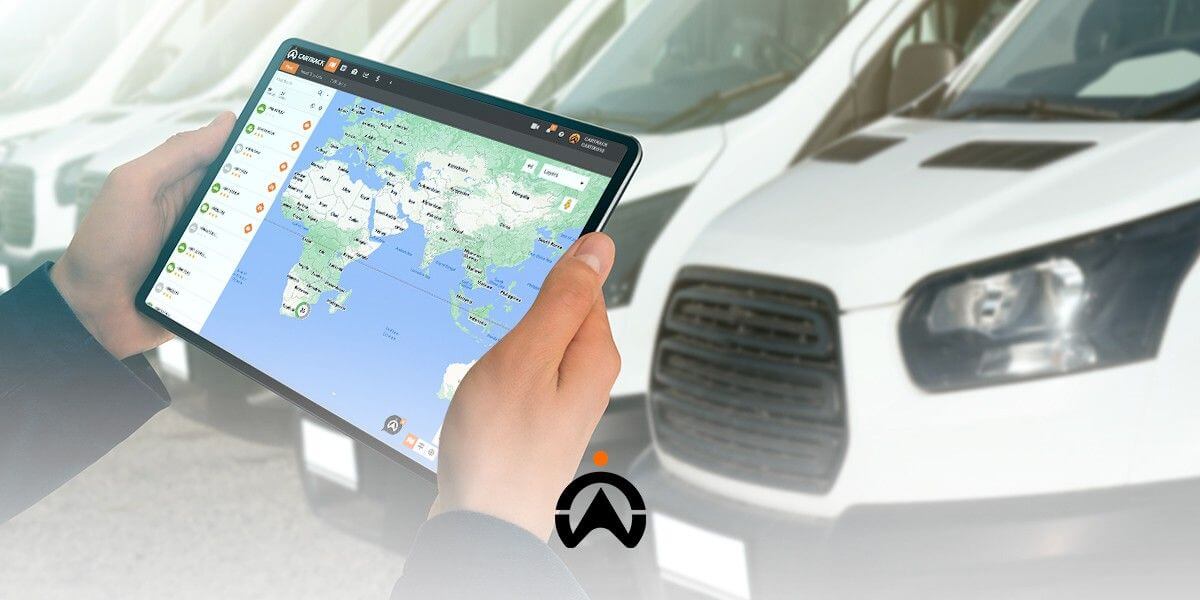
Actionable big data

Fleet operations require enormous amounts of data to be recorded and put at fleet managers’ disposal. This data includes fuel consumption, kilometres travelled, speeding, and a range of vehicle usage-related data. Before smart fleet management software was available, fleet managers had to gather data manually, which was highly time-consuming and prone to human-error. Today, telematics-based systems that process and store big data enable users to easily find an incredible variety of data-based insights that lead to efficient problem-solving.  

Asset loss prevention

Reducing the number of insurance claims and other fleet-related losses form the foundation of asset loss prevention. Asset loss can mean many things in fleet management, including vehicle accidents, vehicle and cargo theft, employee injuries, and related compensation claims. 

To run a well-organised fleet, maintenance and loss prevention are matters every fleet manager should be concerned with. With an IoT-based fleet management platform, you have tracking and surveillance tools at your disposal that reduce and control asset losses.

Discover 5 eye-opening benefits of smart fleet management

If you’re not convinced of smart fleet management’s capabilities up to this point, looking at its benefits for your business will also be an eye-opening experience and one you may wish you had sooner. Not to worry, though — there’s no time like the present to plunge into the fantastic world of smart management software and how it can improve all aspects of your fleet operations

Here are some of the main benefits you can look forward to:

1 – You make more money

Every company intently focuses on improving its profitability, and the secret to achieving this lies in optimising every department in your business. With smart fleet management, the fleet department meets this criterion by relying on solid data that reduces costs and helps your business increase its revenue.

2 – You don’t drown in admin

The drastic admin reduction is often stressed as a smart fleet management benefit, and for good reason. One of the biggest challenges in effective fleet management is time constraints, and considering the wealth of data fleet management software provides, estimated admin time and costs manually dealing with all of that data is almost unimaginable. Being able to retrieve what you need in seconds significantly impacts efficiency.
3 – You live on the optimised side of life

Fleet technology is all about optimisation to get better, faster. And, apart from having access to all of that data, smart fleet management software helps streamline essential processes that may have taken much longer and cost much more to do before. Who wouldn’t want innovative software to supercharge their processes and workflows?

4 – You make the world a safer place

Master risk management and compliance by making sure your business is a safe environment for your employees and the general public. With smart fleet management technology by your side, you have the power to curb harmful emissions and identify and prevent potential safety hazards.

5 – You’re known for good service delivery

Delivering orders and services on time is crucial to running a successful business, whether in the logistics, cold chain supply, or any other industry, and smart telematics technology helps you achieve this. Keeping customers happy helps a business improve customer retention and profitability, boosting its reputation for good service delivery.

Discover_5_eye-opening_benefits_of_smart_fleet_management

Ask yourself these important questions to find the best fleet management system for your business

As a business owner or fleet manager, it’s necessary to think not only about your current fleet but to envision the growth you have in mind. Understanding how this growth translates into the type of smart fleet management product you want to invest in helps you find the best product for your fleet. Asking yourself five basic questions will help you identify the best product for your business.

  1. Which fleet-management issues need to be addressed?

    While most fleets require a similar approach regarding vehicle maintenance, Fuel costs and usage patterns, driver training, and route tracking, companies typically have different fleet management-related issues to focus on. Identifying your specific issues supports informed decision-making when considering what fleet management systems or features you need.
    ‍

  2. Is the software sturdy and reliable?

    Checking the software quality and performance you’re eyeing for your business may seem routine. Still, it’s a vital step considering you’re making a long-term investment. Making sure you’re investing in a robust product will save you future issues that you’d want the product to solve in the first place.
    ‍

  3. Is the software user-friendly?

    Putting fleet managers through time-consuming training to master fleet management software is unnecessary if there are products that simplify things with a user-friendly intuitive interface. The best smart fleet software technology should offer the full package, including an effortless user experience.
    ‍

  4. Does the software prioritise security?
    ‍
    Regardless of industry, you should ensure the technology you’re using is airtight and takes the necessary measures to secure the data you’re collecting. Airtight security is crucial for protecting your business’s and customers’ information, making airtight security a must-have.
Ask_yourself_these_important questions_to_find_the_best_fleet_management_system_for_your_business

Enter a smarter world with state-of-the-art fleet management software

Smart fleet management technology has revolutionised how companies manage their fleet operations, and Cartrack Malawi’s advanced platform is a leading product in the fleet management market for good reason.

Here’s how we help your business make smart fleet management decisions:

  1. We understand the value of simplifying complex processes. Our fleet management platform offers real-time GPS vehicle tracking and valuable trip-related alerts – helping you optimise routes while keeping tabs on driver behaviour and location. Ensure your drivers take the fastest, safest routes while tracking real-time trip performance.
    ‍
  2. Managing a fleet effectively is a time-sensitive task. Our smart reports give you more information to create fully-customisable tasks with real-time status updates. Use the Cartrack Delivery app to assign drivers to specific deliveries and receive notifications when complete or if the driver is unable to complete the task so that you can act accordingly.
    ‍
  3. We know how important context is in fleet management data analytics, and that’s why our software provides contextualised metrics — helping you continuously improve running costs and prevent unnecessary profit drainage. With our MiFleet cost management system, you’ll know whether it’s poor driving or unauthorised vehicle usage pushing up your fleet costs.
    ‍
  4. The Cartrack delivery app facilitates real-time communication with drivers via instructions and real-time chats, helping you stay on top of all active trips. Need a driver to reroute? Map it out and let them know in real time so your fleet always stays on time and on track.
Enter_a_smarter_world_with_state-of-the-art_fleet_management_software

With Cartrack Malawi, tomorrow’s world is right here

It’s impossible to run a fully-efficient fleet without smart technology, and the continuous development of new systems means constant evolution for fleet management. As the global leader in smart fleet management, Cartrack Malawi offers an all-in-one solution, allowing you to experience tomorrow, today. 

‍Contact Cartrack Malawi today for intelligent solutions that will exceed your expectations.

Workforce Management Software: 8 Unique Ways To Optimise Your Fleet

An optimised workforce is like the beating heart of a business. 

It takes sophisticated technology and data to ensure that staffing levels meet the demands of customers, meet task deadlines and stay within budget.

Fleet managers need workforce workforce solutions to help them manage their drivers and activities at any time of the day.

Let’s dive into how workforce management software can help you optimise your workforce and get the most out of your fleet. 

In this article, you will:

  • Learn the definition of workforce management and fleet optimisation, and why it is important for your business profits
  • Uncover the five core functions of workforce management software
  • Identify the common challenges in workforce management so you can correct these
  • Find the top eight benefits of workforce management solutions for your business
  • Learn how to improve the workforce management in your fleet, using Cartrack’s software platform

What is workforce management?

This involves optimising and tracking your organisation’s most important resource – people.

To achieve successful workforce management, employers should strive to strategically allocate their people and resources, track staff attendance and comply with workplace laws and regulations that change. This will optimise the productivity of their workforce and reduce various risks, such as paying employees less than what they should be paid due to mismanagement.

In addition, businesses can improve customer service and overall turnover, because they are not hiring unnecessarily, but rather optimising the processes for retaining their existing employees, saving them extra money on recruitment costs. This will also save them time spent on admin so they can free up time to focus on better ways to meet their customer’s needs and grow their business. 

In addition, Workforce management contains processes that are well-integrated, especially if an organisation has multiple departments with many employees, which could make it more difficult and complex to manage these employees. They need to be in sync and communicate well together to get the work done. 

This is where a good work management software solution comes into play but how can we apply this to a business? 

What is an example of effective workforce management software?

In the fleet management industry, a software solution that offers work log reports and driver ID tags, such as Cartrack’s, can help a fleet manager improve his workforce and easily manage his drivers on the road.

The technology makes it compulsory for drivers to tap the tag sensor in the vehicle or machine in order to start or stop operating it. This unique tag can, in turn, indicate their actual working hours. These times are then fed through to the fleet platform where a fleet manager can pull up a report with all the vehicle activity data, and even receive alerts letting them know when drivers clock in or out. This gives them full visibility of driver attendance and fleet activity, which helps them pay wages more accurately, and improves employee accountability.

Another reason fleet managers love Driver ID tags is the control it gives them. They can assign drivers certain tags that only work for certain vehicles. This helps them prevent any unauthorised usage of vehicles or equipment, helping them protect and manage their fleet. It’s also a great time saver. All this data and activity is recorded so managers don’t need to manually do this, which frees them up to focus on more pressing tasks.

What_is_an_example_of_effective_workforce_management_software

Why is workforce management important?

If you choose a workforce software solution, there are many ways it can benefit your business. Here are just a couple of key examples why it is important and how it can make your operations more productive, cost-effective and compliance-friendly.

  • Reduced compliance violations: Easy tracking of employee attendance ensures that companies are on top of their payroll and are complying with the state labour laws.
    ‍
  • Less workplace safety incidents: More safety violation alerts will ensure that you manage environmental health and safety incidents more effectively.
    ‍
  • No staffing shortages: Processes for existing staff allow them to be more productive, reducing the costly need to hire new staff.
    ‍
  • Cost management: With a workforce more optimised, businesses can retain their staff better, and they won’t incur additional costs hiring new staff, helping them reduce unnecessary recruitment costs.
  • Efficient processes and workforce: Staff will naturally be more productive as business tasks are organised and allocated more strategically.

Most businesses need a quick and easy solution that include these basic examples, which is why workforce management software is a great option, no matter what industry you’re in.

Here are the top eight benefits of workforce management solutions

Now that you know some common pitfalls in workforce management, here’s how a software solutioncan help address those challenges.

  1. Control staffing costs

    Software technology will enable employers to know exactly how much labour is needed to complete all their tasks. It will give them a better overview of tasks to meet business demands and will help them easily pinpoint where staff is over and under-resourced, so they allocate staff accordingly. If there’s overstaffing and excessive overtime is being used, businesses can incur major unnecessary costs in cases where staff and overtime are excessive, so just being able to identify and rectify this can save a business money.
    ‍

  2. Effective payroll

    There’s a way for you to have a more reliable payroll system in place, with the right software, which will automatically analyse hours worked, pick up overtime and will then calculate how much employees need to be remunerated. This will eliminate repetitive data entry and manual calculations, in turn minimising human errors and payroll inefficiencies.
    ‍

  3. Easily compare with competitors

    Software helps businesses create benchmarks against other competitors in a similar industry or size, especially when it comes to attendance data and productivity levels of their employees. If their workforce isn’t measuring up to competitors, a business has the tools to take action. This is important because if they don’t, competitors can provide better service and dominate the market by being more efficient.
    ‍

  4. Measure the productivity of your workforce

    A software platform will help you create key performance indicators and task schedules for your staff. You can also analyse their progress with tasks, using reports from the platform. This will help you see if they are being productive. You can also analyse if schedules are effective and see if changes are needed for your workforce to meet business objectives.
    ‍

  5. Create smarter schedules

    With real-time data, employers can easily see which shifts need to be filled, so they can immediately fill them before they face a staff shortage. They can also create schedules by location, department or job for improved scheduling in the company.
    ‍

  6. Minimise compliance risks

    Easily manage leave balances and employee benefits that comply with state laws, using a software system that has automated workflows that track this data. A system can also have integrated online recordkeeping and documentation for compliance. This is helpful if there’s ever an audit by a government agency or if there is a potential breach of compliance as your business will have the data to mitigate the situation and avoid putting the company’s reputation at risk.
    ‍

  7. Empower your employees

    Use workforce software to improve communication with your employees, so you can make them feel more informed and help them reach your business standards easily. This will make them feel more empowered and motivated at work. You can also empower your employees further, by creating fair schedules that help them also meet their personal obligations, while still meeting the demands of the business. For example, they can have a say in their schedules with self-service features to update availability, swap shifts, request time off, and pick up extra shifts.
    ‍

  8. Fewer errors and less admin

    Automate the attendance of your employees to minimise any human errors. A system can accurately calculate how many hours an employee has worked and automatically send that through to payroll. This creates less admin for HR because they won’t need to manually call the employees regarding hours worked or if there are any changes in the system.

If you are a fleet manager, optimising your workforce is important to improve the logistics, driver behaviour standards, and bottom-line costs of your fleet. We’ll give you further insight into workforce management software that can help you manage your workforce better so you can improve the processes in your fleet.

Here_are_the_)top_eight_benefits_of_workforce_management_solutions

Five core functions of workforce management software

According to Garner Inc, these are five principle functions that are found in a typical workforce management solution. Next time you’re shopping around for a solution to optimise your workforce, make sure you tick these five crucial boxes.

  1. Labour scheduling: A software system should give you the insight to see how many employees are required for a particular job at any given time. You will then be able to strategically divide the labour in your workforce and ensure that the workload is evenly spread out, the demands of customers are met and all skill sets are used at optimum.
    ‍
  2. Data collection: You will need data and detailed information from a platform so you can create reports, compare processes driven by data, and make decisions, to assess if your workforce is working for you, or if there are areas that are lacking.
    ‍
  3. Leave and absence management: An automated leave management system makes it easy to track, approve, or deny employee leave requests so you comply with leave regulations.
    ‍
  4. Task and activity management: Maximise productivity with your staff members by giving them the software tools they need to perform duties, which includes task management scheduling, enabling employees to be assigned to the right activities so they are updated on company tasks.
    ‍
  5. Attendance and payroll: A system will help you ensure attendance data is captured easily and accurately and that staff are paid for the hours they work, ensuring that there are fewer payroll errors.

We could quickly give you all the solutions to help you better manage your workforce but it will be way more beneficial if you understand the challenges first.

What are the challenges of workforce management?

If you answer “yes, that’s my challenge” to any of these, it is a good indication that you are in need of a software platform that can help in one or more of the following ways.

Employee time attendance and tracking

If your employees have to manually log their hours when signing into work, it could cause more errors when tracking their hours worked, create unnecessary paperwork, and take longer for management to process their working hours. This challenge can easily be solved with an attendance-tracking software solution.

Scheduling and rostering

You might require your employees to work different shifts scheduled for different parts of the day, and you might require more staff depending on project demands during certain periods. Paper-based rostering for this would take up too much time and create inefficiencies, which is why work automation will help managers face the challenge of employee rostering.

Managing absenteeism

Unplanned absences can test a business due to the extra costs of covering the absences and the losses incurred while the absent employee is replaced. It will be challenging for a business if they cannot manage absences, especially with a large workforce, where they will need immediate replacements to fill important roles, such as in a pressurised sales environment.

Employee self-service

Employee Self-Service solutions allow employees to view their rosters, swap shifts, request absence or annual leave, and view their information. Unfortunately, it will not be possible to accommodate everyone’s requests at the same time and it is often necessary to get through these requests to ensure the company still functions fully. If this information is not stored digitally, information can get lost, which can cause issues with labour compliance and create a potential admin crisis.

Why workforce optimisation and management should be a priority

Fleet optimisation means making the most effective use of your fleet, cutting costs, maximising productivity and ensuring best practices for your operations. It’s also about getting the most out of your vehicles or assets for less.

Basically, better managed and more optimised fleet means more productivity, deliveries, satisfied customers, revenue and profit. And that means, less costs, mileage, fuel usage, emissions released and drivers, and vehicles needed – every fleet manager’s dream.

Why_workforce_optimisation_and_management_should_be_a_priority

How to improve your workforce and fleet with Cartrack’s software 

Here’s how a telematics software platform from Cartrack Malawi can help you take your fleet from good to great.

  • Create driver schedules and communicate effectively with your drivers

    Schedule drivers to jobs or deliveries easily. Use Cartrack Delivery to view driver statuses and assign jobs in real time to your nearest available drivers. Drivers can also accept or reject tasks and review their schedules ahead of time. This allows them to communicate with managers via the mobile app, and notify them on the progress of deliveries, just by tapping the status buttons on the app. Managers can also view driver statuses to easily assign tasks to their nearest available drivers, and use the magic optimising tool to ensure the quickest and safest routes are taken for faster delivery turn-around times.
    ‍

  • Enhance driver training with data insights

    You can receive detailed, automated driver behaviour reports for each driver from the Cartrack Malawi platform. These reports can show you where your drivers are speeding, braking harshly, idling excessively and cornering fast. You can then use these insights to help grow your workforce by showing drivers where they need to improve, making them more accountable, and creating a safer, more efficient driving culture in your business.
    ‍

  • Keep your whole workforce connected

    Seamlessly connect your drivers on the road with your team in the office, keeping everyone up to date with the latest fleet activities. When your drivers are assigned jobs, they can automatically keep you updated on their progress in real time, allowing your office staff to see the status and progress of every job. If a vehicle breaks down or is delayed, fleet managers can immediately view and use the insights from Cartrack’s GPS tracking software to assist their drivers.
    ‍

  • Accurate and easy fleet payroll

    Give each of your drivers ID tags that require them to tap the sensor on the vehicle or equipment in order to start and stop using it. Fleet managers will receive automated log reports, indicating the exact hours spent on a job. You can use these reports to help accurately pay staff wages – eliminating payroll errors and any wage disputes.
    ‍

  • Increase driver safety and productivity

    Use AI-powered and live-streaming camera technology to track driver behaviour. These cameras are designed to audibly alert drivers in real time when it detects forms of dangerous driving gestures like fatigue, smoking, cell phone use and more, allowing your drivers to quickly rectify their behaviour and prevent a possible collision. This technology makes drivers more aware and accountable for their actions, which in turn makes them more productive and professional when on duty.

Drive your workforce to optimum success with Cartrack Malawi

When it comes to finding the best workforce management tool for your fleet, Cartrack Malawi is miles ahead of the game. With over 15 years of experience in providing businesses of all sizes with industry-leading telematics software, let Cartrack take your fleet’s workforce from average to optimal.

Chat with Cartrack Malawi today.

Fleet Risk Management: Secrets Revealed To Make Your Fleet Thrive

Are you ready to discover the hidden ingredient that separates successful fleets from the rest? Successfully identify, assess, and mitigate potential issues in your commercial fleet that can impact your organisation’s goals and objectives with fleet risk management.

How can risk management achieve all this? Let’s get started.

What makes a fleet safe? — Risk management

You’ve probably heard of the saying “better safe than sorry”. It’s the principle behind risk management. Fleet risk management is the secret weapon companies use to ensure their drivers, other employees, and vehicles are always safe and secure.

We know life happens, so having a backup plan is important to mitigate those risks. This is where your plan B or risk management comes in. This hidden gem helps you foresee and prevent bad things from happening, like accidents, breakdowns, or theft. But effective risk management isn’t just about avoiding problems, it’s also about creating value. 

How? Well, if you own or manage a fleet of vehicles, you want to make sure they’re operating at their best and ultimately working hard for the business, right? Managers must minimise the risk of breakdowns or accidents, to avoid expensive repairs and downtime. By implementing safety policies, conducting driver training, and maintaining vehicles regularly, you’re not just reducing risk, you’re also improving performance and cutting fleet costs in the long run.

What is the role of a fleet risk manager?

The fleet risk manager plays a crucial role in overseeing and managing risks associated with operating a fleet of vehicles. They are responsible for identifying potential risks and implementing strategies to mitigate them.

Their duties may include:

  • Developing and implementing safety policies and procedures to promote driver safety and minimise the risk of accidents.
    ‍
  • Conducting driver training to improve skills and ensure compliance with safety policies and regulations.
    ‍
  • Monitoring vehicle performance and maintenance to reduce the risk of breakdowns and improve fleet efficiency.

    ‍
  • Implementing telematics technology to track driver behaviour and vehicle performance, using gathered data to identify areas for improvement.
    ‍
  • Managing insurance and claims processes to minimise financial risk.
    ‍
  • Staying updated with industry regulations and best practices to ensure compliance with the latest laws.

Fleet managers work tirelessly to protect their fleet at all times. They not only safeguard their vehicles and the business’s bottom line but also prioritise the safety of their employees. After all, the drivers are the ones behind the wheel, interacting with customers, delivering services, and moving assets from one location to another.

What_is_the_role_of_a_fleet_risk_manager

Unlock the hidden benefits of proper fleet risk management

See immediate results within your fleet with risk management. Unlike hidden secrets that take ages to reveal their benefits, risk management delivers instant advantages from the moment it’s implemented.

Reap the benefits:

1. Increased returns on investment: By keeping your fleet in top shape, you can avoid unexpected downtime and other costly issues, ultimately leading to higher returns on your investment. This can help you save money and invest in other important areas of your business.

2. Lower insurance premiums: When you manage fleet risks, you show your insurance company that you’re committed to safety. This can lead to lower insurance premiums, which can ultimately save you money.

3. Reduced business liability: If one of your drivers causes an accident, it could spell disaster for your business. By taking steps to reduce risk and improve safety, you can protect your business from legal battles and maintain a positive reputation in the market.

4. Heightened work focus: When you prioritise fleet safety, you create a culture that encourages your employees to take extra precautions with their tasks. This can help keep everyone in your organisation safer and more focused on the task at hand.

5. Less guesswork: With a risk strategy in place, you can predict and prevent potential issues before they happen. This helps you make more informed decisions leading to better outcomes for your business.

Why is fleet risk management important?

It’s reported that the risk management software market was valued at USD 27.80 billion just two years ago, in 2021, and is now projected to reach USD 86.53 billion by 2030. Many businesses are falling in line with investing in their fleet’s safety.

If you’re not yet convinced that your business needs a fleet risk manager, here are a few key aspects that could have you rethink your approach. Risk managers help:
‍

Reduce costs – By preventing accidents, vehicle downtime, and legal issues, fleet risk management can save your business money in the long run. It also helps you optimise your resources and allocate them to other priorities.

Remain compliant – Compliance with local, provincial, and federal regulations is essential for any business operating a fleet. Failing to comply with regulations can result in hefty fines and legal issues that can damage your business’s reputation and harm your budget.

Improve driver safety – Fleet risk management helps you promote a safety-first culture in your organisation, reducing the risk of accidents and injuries. This can also lead to reduced insurance premiums and a more favourable risk profile.

Improve productivity – By minimising operational interruptions, fleet risk management can improve your fleet’s performance and productivity, leading to increased savings and better resource allocation.

Why_is_fleet_risk_management_important

 Areas focused on by risk management

Fleet risk management covers a wide range of areas related to operating a fleet of vehicles. Here are five areas fleet risk management covers:

  1. Driver safety

    This involves implementing safety policies and procedures to promote driver safety and reduce the risk of accidents. This can include driver training, monitoring driver behaviour and implementing telematics technology to track driver performance with AI cameras and audible alerts.

    Monitoring drivers via telematics data can provide behavioural insights such as tailgating, late braking, or speeding. This can then be addressed through coaching safe driving and result in dramatically improving fleet and driver safety.

  2. Insurance and claims management:

    Fleet risk management includes managing insurance policies and claims processes to minimise the business’s financial risk. This can include working with insurance providers to ensure adequate coverage and managing claims processes to minimise downtime and costs.

    Fleet managers regularly review their policy terms with insurance providers to ensure the fleet’s insurance coverage is up to date, and aligned with business needs. This helps to explore opportunities for optimising coverage while minimising costs.

  3. Compliance and regulations

    One of the biggest headaches fleet managers experience is keeping up with the rules that govern commercial fleet operations and the related paperwork.

    Fleet vehicles should be fit for purpose, inspected regularly, and follow a planned maintenance schedule. All drivers should be fully trained to operate their assigned vehicles, be fully aware of the company’s safety policies and know the broader compliance regulations that it operates under. Plus, drivers should be in good health and hold a valid driving licence to drive.

  4. Fleet maintenance

    Maintenance is a vital part of fleet risk management as it directly affects driver safety and fleet efficiency. Fleet risk management involves developing and implementing maintenance schedules, monitoring vehicle performance, and conducting regular inspections.
    With fleet technology, managers can efficiently maintain their vehicles by monitoring engine data, tyre pressure and braking systems, this ensures optimal fleet performance and increases vehicle longevity.

  5. Asset management:

    Fleet risk management involves managing fleet assets, including vehicles, equipment, and facilities. This can include developing asset management plans, monitoring asset performance, and implementing strategies to reduce asset loss or damage.

    Take a construction company for example, managers oversee a fleet of excavators, bulldozers, loaders etc and can accurately track the usage of each piece of equipment, and identify unusual idle times or underutilised assets.

  6. Telematics and GPS technology:

    The use of telematics and technology can help fleet managers identify potential risks, monitor driver behaviour, and improve overall fleet performance. This includes GPS tracking, driver scorecards, and real-time monitoring of vehicle data.

    Fleet managers can use this type of technology to improve equipment visibility, seeing the real-time location of their assets without depending on their drivers to inform them of their whereabouts. 

Daily fleet risks

In the world of mitigating risks, every day brings its own set of challenges. From unexpected accidents to rising fuel costs, being aware of these day-to-day risks is the first step towards developing strategies that can overcome these challenges.

Here are some potential fleet risks you can encounter:

  • Vehicle collisions and other accidents
  • Costly vehicle repairs
  • Driver and motorist injuries and fatalities
  • Legal, medical, and other liabilities
  • Property and asset damage
  • Fines and other penalties for violating regulations
  • Vehicle theft and highway robberies
  • Vehicles getting caught on fire (e.g., when carrying highly flammable items)
  • Cargo loss and damage
  • Theft and vandalism
  • Insurance and liability

This long list still doesn’t cover the full extent that fleet risk managers have to oversee and control. Depending on specific industries such as food and pharmaceuticals, risk managers are faced with unique elements they have to take care of to ensure everything runs smoothly daily. 

Luckily, fleet management systems are equipped to help.

Daily_fleet_risks

How fleet management systems keep risks under control

Advanced technology such as Cartrack’s smart telematics has given fleets the ability to leverage millions of data points to make better decisions in risk management. Managers can employ a variety of telematics to lower risk and make operations safer and more efficient.

Fleet management can be an effective solution to keeping fleet risks under control for several reasons:

Telematics: Telematics technology uses GPS tracking and other sensors to collect data on vehicle performance, driver behaviour, and other key metrics. Fleet managers can use this data to identify areas of risk, such as speeding or aggressive driving, and implement strategies to improve driver behaviour and reduce accidents.

Data-driven decision-making: Fleet management relies on data to make informed decisions about risk management. By collecting and analysing data on driver behaviour, vehicle performance, and other key metrics, fleet managers can identify areas of risk and develop targeted solutions to address them, as well as track improvements over time.

Proactive approach: Fleet management takes a proactive approach to risk management, which means that potential issues are identified and addressed before they become major problems. By implementing preventive maintenance programs, driver safety training, and other proactive measures, fleet managers can reduce the likelihood of accidents and breakdowns.

‍Compliance: Fleet management solutions can help fleet managers ensure compliance with regulatory requirements related to vehicle safety and maintenance. By staying up-to-date with the latest regulations and implementing strategies to meet these requirements, fleet managers can reduce the risk of fines, penalties, and other legal issues.Additional devices include:https://www.youtube.com/embed/QyJhhPzy-UA

Additional devices include:

  • GPS tracking devices offer real-time location tracking and other vehicle data on both powered and non-powered assets. They also support better route decisions based on the latest road, weather and traffic condition information
    ‍
  • ELDs (Electronic Logging Devices) give fleets the ability to collect and transmit reports that are needed to meet compliance mandates
    ‍
  • Dash cams offer real-time images/footage of what is happening both inside and outside a vehicle
    ‍
  • Fuel cards give managers control over when and where fuel is purchased and by which driver
How_fleet_management_systems_keep_risks_under_control

The ultimate secret revealed: Cartrack fleet technology

With the ever-increasing number of vehicles on the roads, fleet risk management has become more difficult to manage. 

Cartrack Malawi provides technology and services designed to help fleet managers ease through this process with their fleet solutions.

Real-time monitoring: With installed tracking units and Cartrack’s fleet management platform, vehicle tracking technology allows fleet managers to stay connected to their fleet at all times with accurate vehicle location and instant notifications. Cartrack Malawi also offers a Geofence feature that allows you to set virtual boundaries around areas and receive real-time alerts whenever your vehicle enters or exits these areas.

Driver behaviour analysis: Cartrack’s technology also includes driver behaviour analysis through driver scorecard reports that indicate unsafe driving behaviours like harsh speeding, braking and turning, and AI cameras with in-cabin audio alerts that go off when drivers show signs of fatigue or distraction. This can help fleet managers provide targeted training and coaching to those unfocused drivers, ultimately improving driver safety and reducing the risk of accidents.

Maintenance tracking: Cartrack’s fleet management system keeps track of each vehicle’s mileage, engine hours, and time intervals between services to help ensure that vehicles are properly maintained and serviced on schedule. Managers are informed of the on-coming vehicle service through auto-generated reminders when a vehicle reaches its maintenance threshold. This can reduce the risk of breakdowns and other issues leading to downtime.

Accident management: In the event of an accident, Cartrack’s telematics technology can detect sudden impacts or collisions and instantly send a notification of the event to fleet managers while their tracking units further help by quickly locating the vehicle and prompting a quick response to send emergency personnel to the incident. This can help save the driver’s life and reduce the risk of damage to other motorists and your vehicle.

Remain compliant:Easily manage and automate your regulatory compliance throughout your operations with these Cartrack Malawi tools:

  • Time tracking: This enables tracking of driver work and break times, preventing vehicle operation if the driver doesn’t take their full break time, ensuring drivers get the necessary rest periods.
  • Automated compliance management: Automate regulatory compliance and track fleet requirements such as insurance, permits, and contracts through Cartrack Malawi reminders.
  • Real-time risk alerts: Prevent violations with Cartrack’s fleet compliance software that provides real-time alerts about compliance or operational risks and prevents unauthorised vehicle or machinery usage until the risk is handled.

Specialised sensors: Cartrack Malawi offers a range of specialised sensors that cater to diverse industries. With sensors such as CANBus vehicle diagnostics, cargo door monitoring, temperature monitoring, and seat pressure sensors, Cartrack Malawi empowers various industries like transportation, logistics, construction, security and perishable goods to enhance efficiency, security, and safety.

All these smart features and services from Catrack, help fleet managers become more vigilant to potential risky events and alleviate or at least lessen their daily stresses with top-notch fleet management solutions that can help identify and mitigate risks and keep their fleets running safely and efficiently.

A fleet management company that can reduce fleet risks

Looking for a reliable solution to help manage and mitigate fleet risk? Cartrack Malawi offers a comprehensive suite of telematics and fleet management services that can help keep your vehicles, drivers, and assets safe and secure.

Contact Cartrack Malawi today to learn more about how we can help your business! 

What is Fleet Management?

The global fleet management industry is growing rapidly, in a fast-paced and emerging technology landscape. 

The more fleet managers know, the better. That’s why 75% of fleet managers rely on fleet management tools, to manage their vehicles, cargo, operations, and drivers. 

Successful fleet management will help you optimise and improve your operation’s efficiency, and gain a competitive edge in the market. 

After reading this blog, you will know more about fleet management, and walk away with more knowledge to keep your fleet productive, efficient, and profitable. 

With this in hand, you’ll be equipped with all the tools to manage your fleet confidently and successfully.

Ready to jump straight in?

What is fleet management? Here is Everything You Need to Know

A “fleet” is a group or collection of vehicles, ships, and aircraft which are used for purposes such as transportation, logistics, or commercial operations. 

Fleet management refers to all the actions needed to run a fleet operation efficiently, at the lowest costs and highest profits possible. 

It involves an array of tasks such as driver monitoring and management, administration, cost control, fleet compliance, and much more. 

If you rely on your vehicles, drivers and machinery to provide a product or service successfully, then you need fleet management. 

Why is fleet management important for fleets?

Let’s say you’re in the construction industry. Your operation needs to be as efficient and cost-effective as possible for it to remain successful, profitable and competitive. 

One way of doing this is having a fleet management system in place to track, manage and improve how your construction vehicles and equipment are being used, to maximise the utilisation of your assets. If certain equipment, such as cement mixers are underutilised, it may be more cost-effective to rent or sell them rather than letting them waste away in your fleet.

In addition, cement plays a vital role in the completion of construction projects, and should be delivered on time with proper route planning. The timely delivery of cement ensures that the concrete mixture maintains its quality, which is necessary to complete projects.  

A fleet system in place also helps you ensure that your equipment is well-maintained and serviced at regular intervals, which will prevent breakdowns and unexpected downtime. This is vital to help complete projects on time and meet customer expectations. 

It also allows you to optimise your operations, manage your employees, plan routes effectively, prevent fuel and vehicle theft and enhance safety and compliance, so you keep your business booming.

There are just a few examples of why fleet management is needed in the construction industry or any industry for that matter:

  • Excessive fuel consumption and fuel theft
    ‍
  • Low driver retention, or risky driving behaviour
    ‍
  • An increase in asset theft or lack of effective asset utilisation
    ‍
  • Poor vehicle maintenance, increased unexpected breakdowns and downtime
    ‍
  • Poor customer service and delayed delivery times due to inefficiencies such as failed route planning

Every one of these seems pretty important, right? But, there is one aspect of fleet management that should be at the top of your list.

What is the most important aspect of fleet management for companies?

The first thing on your priority list should be keeping your fleet as safe as possible. This includes maintaining your vehicles, promoting safe driving practices, and enforcing compliance with safety regulations. 

This helps keep your drivers, cargo, and other road users safe by preventing accidents, injuries and fatalities and also reduces unnecessary expenses and disruptions. 

Without insights and data, managing a fleet is almost impossible. With data, you know exactly where improvements need to be made in your fleet, and how to take action and can accurately analyse your progress.  

Now that you have a better idea of what the most important aspect of fleet management is, what does a fleet manager actually do? 

Let’s quickly unpack a few of the day-to-day tasks they face.

What does a fleet manager do?

  • Managing, overseeing, and supervising fleet operations
    ‍
  • Hiring quality drivers and monitoring driver behaviour and performance
    ‍
  • Educating drivers, monitoring and boosting team morale
    ‍
  • Creating and managing driver job tasks and schedules to maximise productivity
    ‍
  • Ensuring the fleet remains compliant and avoids unnecessary setbacks
    ‍
  • Implementing fleet management strategies to reduce fleet costs and increase productivity
    ‍
  • Creating and using detailed reports
    ‍
  • Organising paperwork and administration
    ‍
  • Ensuring regular vehicle maintenance for operational efficiency and minimising downtime
    ‍
  • Meeting client expectations and ensuring a high level of client satisfaction
    ‍
  • Excellent leadership and decision-making skills

Fleet management is a complex process that involves multiple players working together, allowing you to manage your fleet effectively. 

So, who are these key role players?

Which key role players make fleet management possible for businesses?

  1. Fleet management software providers: Telematic solution companies like Cartrack Malawi provide solutions for businesses to track and manage their vehicles and drivers in real time.
    ‍
  2. Drivers: The people in a business who are responsible for operating a vehicle to transport products, passengers or services from one point to another.
    ‍
  3. Vehicle manufacturers: Companies who are in the fleet management space by offering their own telematics and fleet management solutions.
    ‍
  4. Fleet leasing and rental companies: Give businesses access to fleets of vehicles on a lease or rental basis, and often offer additional services such as maintenance and insurance.
    ‍
  5. Fleet consulting firms: Specialise in fleet management, and provide companies with advice and guidance on how to optimise their fleet operations, reduce costs, and improve efficiency.
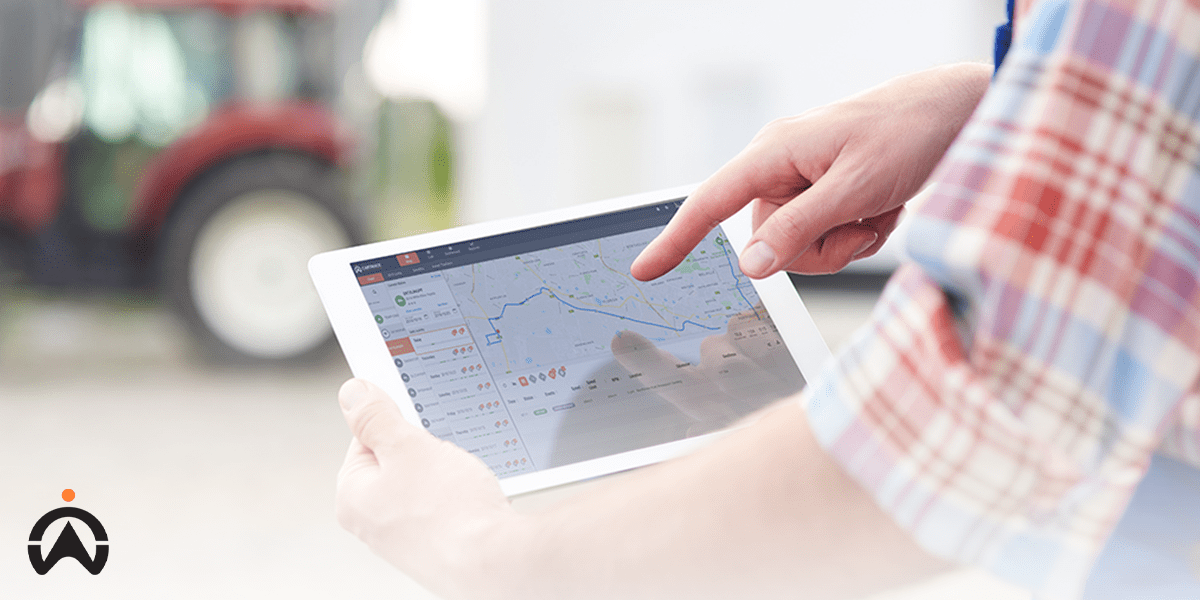
    ‍
  6. Insurance companies: Offer asset protection coverage for fleet vehicles, and some offer risk management solutions to reduce collisions and  accident claims.
    ‍
  7. Compliance and safety providers: Specialise in providing solutions to help businesses comply with regulations and improve safety because running a fleet can be risky.

Fleet managers are the main players in a fleet. To manage and build your fleet, you need to understand and excel in each fleet component. 

What are those components that will help you boost your business? Here are 10 of them:

9 important building blocks of fleet management

  1. Vehicle acquisition or procurement

    Before you maintain and manage the lifecycle of your vehicles, you need to make an informed purchase. You’ll need to go through a process of selecting, purchasing, and financing vehicles for your fleet, and consider some data factors. The first thing is the initial cost of the vehicles. Many dealerships have a special division for fleet sales, and then it’s up to you to negotiate the best deal possible. Then you need to decide if you want to lease or buy them. Leasing has lower up-front costs but offers less flexibility for customisation. Buying, on the other hand, requires a larger up-front capital investment but offers greater flexibility. You can explore the options and pitch this to upper management.
    ‍

  2. Maintenance and repairs

    Once you have purchased your vehicles, it is important to make sure they remain in good condition with a preventative maintenance plan in place. This includes having easy access to all your vehicle’s onboard diagnostics, such as oil leaks, water fluctuations, engine faults, worn brake pads, and more. So if parts fail, you will know and then can quickly replace them. You should also know when to service your vehicles at regular intervals, to prevent unexpected breakdowns.
    ‍
    Another part is keeping a history report of your vehicles’ maintenance, to know which vehicles perform better than others, so you have the right vehicles in your fleet. This historical data also helps you predict when a particular part may fail in advance, so you can be more prepared for downtime. Ultimately, having a healthy fleet will increase the longevity of your vehicles, increase uptime and will improve maintenance and fuel costs too.
    ‍

  3. Asset management

    Apart from maintenance plans, a question you need to ask is how effective are your assets being used? Whether it be your equipment or vehicles, are you getting the most out of them? A vehicle sitting for days with no load is a waste of money. Equipment not being used properly can cost you more money on maintenance and fuel. This is why effective asset utilisation is needed. It includes monitoring asset usage patterns and utilisation rates, so you can assess productivity levels. For example, if a piece of equipment is underutilised, you will need to find out the reasons behind it. It could be that it requires repairs or maintenance, or it may not be the most suitable equipment for the specific task at hand. The operator could not be using it efficiently, causing excessive idling. You will need to find out why it’s not as productive.

    Another important part is overseeing the entire lifecycle of all your assets, and typically which assets are the most valuable. You will need to decide when to sell old vehicles and buy new ones, and at the best time. You can do this by analysing data related to routine maintenance, repairs, and delays due to breakdowns. Next, you can calculate the cost of buying new vehicles, and find the best point in a vehicle’s life cycle to trade it in for a new one. This will also be good for your brand image, no business wants their brand name on a tattered-looking vehicle.
    ‍

  4. Driver management

    This includes taking all the possible measures to ensure that your drivers operate your vehicles safely and reduce accidents and harsh driving. To achieve this, you will need to set safety standards for your organisation in line with compliance and regulations and then take steps to monitor your driver’s behaviour. One way to do this is to offer driver training on safe driving and uncover areas where they are not following the safety standards, and then empower them to rectify their mistakes and take accountability. Drivers should also have licenses and certifications to use certain vehicles, as ill compliance with these rules can lead to fines, legal issues, and reputational damage.
    ‍

  5. Fuel cost control

    According to experts, up to 30% of a fleet’s expenses or costs can go toward fuel spend. With petrol prices at a record high, it’s no wonder why fuel control is an important part of fleet management. All steps should be taken to minimise fuel consumption, costs and address factors that waste fuel. Some possible reasons for fuel spikes could be speeding and driving methods, idling in traffic, low tyre pressure, poor vehicle maintenance and route optimisation as well as fuel theft. You should control fuel consumption in your fleet with data insights into driver efficiency, vehicle optimisation, route planning and fuel trends.
    ‍

  6. Fleet admin

    What about all the paperwork tied to your vehicles and drivers? If this goes unnoticed, your business could face hefty fines and compliance breaches. No fleet manager has the time for avoidable and costly headaches, which is why you would need a plan that helps you manage the admin part of this. Everything from license renewals to insurance, maintaining commercial licenses for drivers, and hazmat placards (display of what kind of goods are being transported) — should be on your admin to-do list.
    ‍

  7. Policy development

    Your business should have ethical policies in place, so you have a guideline and benchmark for making important decisions, which prevents you from making costly mistakes.

    Here are examples of some of the points these policies cover:

    – Are drivers allowed to idle the vehicle when they stop to rest?
    – Where can drivers refuel?
    – How many speeding tickets can drivers get before facing disciplinary action?
    ‍

  8. Risk analysis

    Another part of the job is predicting and mitigating risks. You should create a risk audit, to assess what areas of the business pose risks and if your business’ policies address these risks — then see if your employees are complying. For example, if one of your drivers is not following the correct driving methods, there could be risks of collisions or accidents, causing damage to your assets and cargo. In this case, you could retrieve driver behaviour reports and conduct a risk assessment on the overall driving methods of all your drivers, and then calculate the probability of such risks.
    ‍

  9. Environmental and sustainability management

    The transportation sector ranks as one of the most polluting industries for emissions. This is why you need to try to make your fleet greener and more eco-friendly. It involves being socially conscious of the impact your fleet has on the environment and where possible, trying to reduce your fleet’s carbon footprint. This could include improving fuel consumption through eco-driving methods, fleet maintenance, and route planning, to cut the emissions released from your fleet.

    Another part of fleet sustainability is ensuring that your business is paperless, where you can use digitised and automated processes. It also helps make fleet management successful and reduces the admin load in your business.

    Do any of these appeal to your business? Don’t worry about where to start, Cartrack’s powerful fleet management system does it all for you.

    Here’s a glimpse of everything it can do and how it can help you.

What does a fleet management system do?

A fleet management system is a software and telematics solution that gives you increased visibility of all aspects of your fleet 24/7, so you can streamline and manage your operations efficiently. 

It uses powerful GPS technology to collect and analyse data from your vehicles, drivers, and assets in real time, so you can monitor their movements, prevent delays, make quick decisions, and eliminate unnecessary guesswork in your business.

Benefits of Cartrack’s fleet solution for fleet managers

Instead of juggling various fleet tasks at once, Cartrack Malawi can help you with everything fleet-related, giving you tools to handle the building blocks of fleet management.

Get the following features and more:

  • Know the performance of your vehicles and assets. Get asset utilisation rates and insights so you can maximise the usage of your assets, and sell underutilised assets.
    ‍
  • Receive real-time vehicle diagnostics and maintenance alerts. This will allow you to service your vehicles regularly and keep your fleet healthy, to prevent downtime so you can keep your business productive.
    ‍
  • Get driver behaviour insights and reports. Use these reports to monitor driver performance, educate drivers on good driving methods and cultivate a safe driving culture in your fleet.
    ‍
  • Keep control of your fuel costs under control. Get data insights into the fuel consumption levels in your fleet, to prevent excessive fuel wastage and save on fuel costs. Easily detect fuel siphoning, fuel card fraud, and fuel theft which could be causing high fuel usage.
    ‍
  • Digitise your operations and reduce admin in your business. Receive relevant reports, automated alerts, insights, and analytics tailored to your business needs, to avoid spending excessive time on paperwork and spreadsheets.
    ‍
  • Keep your fleet sustainable. Get insights into reducing your fleet’s fuel consumption, which will result in fewer emissions and pollution.
    ‍
  • Create ethical business standards and policies. With a fleet system, you can effectively monitor and improve the various activities within your fleet, allowing your business to operate with higher ethical standards and compliance. Get valuable insights and tools to optimise vehicle fleet performance, enhance driver accountability, and make informed decisions that align with ethical business practices.
    ‍
  • Prevent risks in your fleet with live alerts.  Use data alerts and vehicle tracking insights from the system to stop potential problems and risks in real-time, before they cause damage to your business.

And, this is just the tip of the iceberg, you’ve got to see for yourself…


Get powerful data you need to manage your fleet and business costs with Cartrack Malawi

No matter your industry and what you want to achieve in your fleet management company, Cartrack Malawi gives you cutting-edge tools and an all-in-one fleet solution. Gain more control over your vehicles, drivers, admin, and cargo today with Cartrack Malawi.

How Cartrack helps digitise fleet management administration

Fleet administrators work in offices overloaded with stacks of paperwork and data that they need to compile, keep and search through manually. Thanks to digitisation, this chaos and confusion can simply be solved! 

The emergence of fleet management software has allowed for the shift from manual to digital fleet management. Fleet administrators can now say goodbye to browsing through heaps of paperwork by streamlining the entire fleet operation and using data analysis to ensure smooth fleet operations. 

Firstly, what is vehicle fleet management?

Fleet management is a term of paramount importancefor any business that relies on commercial vehicles to operate – whether it be cars, buses, vans, or trucks. This is because fleet management refers to the measures taken to manage all fleet vehicles and assets to operate a fleet business efficiently, in a timely manner, and within set budgets and profits. 

The fleet management process ensures that a fleet business reduces operating costs to increase profits, improves its reputation by improving efficiency and customer satisfaction, and ensures fleet compliance.

Fleet management is therefore purposeful because it allows the fleet businesses to maximise productivity and profits with minimal associated risks and operational costs. Effective fleet management is achievable through the combination of vehicle or GPS tracking, fuel consumption management, monitored driver behaviour, and vehicle maintenance – all this is in the hands of a fleet administrator or manager. 

Let’s take a moment to step into the shoes of a fleet administrator.

 What a typical fleet management administrator job looks like

A fleet administrator is an individual responsible for overseeing a fleet business’s vehicles and operations. Fleet administrators possess the ability to ensure fleetbusinesses reduce fleet operation costs while increasing profits. This is an essential and critical role as the success or failure of a fleet business lies in the hands of a fleet administrator’s ability to effectively manage the fleet. 

Although the precise job description of a fleet administrator varies based on the business industry, size, and type. Below is a list of some of the tasks a fleet administrator is responsible for:

  • Fleet analysis, reporting, and optimisation
  • Ensuring driver and vehicle safety
  • Ensuring vehicle maintenance and services
  • Managing and organising business admin and reports
  • Monitoring fuel consumption
  • Controlling and managing operation costs
  • Assigning tasks and ensuring timely delivery

Challenges faced by modern fleet administrators.

With all the demands and responsibilities, fleet administration management requires managers to ‘wear many hats’ in their role. As a result, this is accompanied by challenges encountered on a daily basis, such as: 

  • Fuel management: One of the biggest operational cost challenges for fleet administrators is managing fuel consumption. Both internal factors such as driver behaviour and external factors such as fluctuations in the fuel market price affect the ability of fleet administrators to manage fuel costs and consumption.
  • Vehicle maintenance and driver safety: It is the responsibility of a  fleet administrator to ensure the safety of both vehicles and drivers. It can be challenging for a fleet administrator to keep up with each fleet vehicle’s maintenance, and monitor each driver’s behaviour- whether it is for one or 100 vehicles and drivers.
  • Admin overload: Whether big or small, fleet operations generate a lot of data. Searching through large amounts of information can be time and energy-consuming, and runs the risk of misplacing or losing important information. 

Luckily, there is fleet management software that helps fleet administrators overcome these challenges by digitising and automating the fleet management processes. 

Fleet-Manager-with-calculator-and-pc-/-laptop
What a typical fleet management administrator job looks like

Digitise vehicle fleet management with fleet management software

Fleet management software is the technology that helps fleet administrators gain an overview of the entire fleet operations to efficientlycomplete fleet-related tasks in a productiveand timely manner.The purpose of fleet management software is to maintain an accurate and up-to-date overview of vehicle and asset GPS location, vehicle diagnostics, and identifying risky or unsafe driver behaviour while simultaneously reducing manager workload and admin.

With fleet management software, fleet management has never been more simple! Fleet administrators can now track, monitor, and manage:

  • Vehicles, assets, equipment, and drivers
  • Vehicle maintenance and repair
  • Fuel consumption and operation costs
  • Driver behaviour and road safety
  • Tasks, driver routes, and completion rates
  • Fleet compliance 

Fleet administrators are therefore able to save time, money, and energy while collecting fleet-related data that is converted into easy-to-understand and easy-to-use reports and actionable insights.Fleet managers use this information to make informed decisions regarding the fleet operation, coordinate the fleet operation and reduce operational costs while ensuring maximum safety, efficiency, and compliance with fleet regulations. 

Fleet management software also ensures that drivers are rewarded and recognised for their good work ethic and safe driving habits. With data stored on a cloud-based platform and easily accessible in real time, fleet administrators can use it anytime whether to reward, train or expedite employees. 

Fleet-manager-trucks-vehicles
Digitise vehicle fleet management with fleet management software

5 advantages of fleet management software for fleet administrators

Digitisation has had a positive impact on fleet management. With the use of fleet management software, fleet administrators can:

  1. Improve driver and vehicle safety

Safety is a priority in fleet management, luckily vehicle and driver safety have improved thanks to digitisation. Fleet management software helps fleet administrators tackle safety concerns such as accidents, driving in unsafe areas, and unsafe driver behaviours. Fleet management software enables fleet managers to plan maintenance in advance and take vehicles that are at risk off the road, reducing the chance of breakdowns and potential accidents.

  1. Improve driver efficiency

One of the main benefits of the switch from manual fleet management to fleet management software is that it has improved fleet efficiency. With a birds-eye view of driver routes, fleet administrators can inform and instruct drivers to follow certain routes that lead to the safest and quickest deliveries while using the least amount of fuel- bravo! 

This results in cost savings that can increase profitability and gives the business a competitive reputation.

  1. Monitor operation costs and fuel consumption

Typically, fuel costs account for most of the operating costs in a fleet business. The excessive use of fuel even in small amounts, add up quickly and steal from the business profits. Fleet management software has helped fleet administrators ensure that no drop of fuel goes to waste.

  1. Get alerts on vehicle maintenance

Using fleet management software to track and stay up-to-date on vehicle maintenance such as routine oil changes or tire rotations simplifies the job as fleet administrators can receive real-time alerts on when a vehicle inspection is due –  leaving less room for downtime and more for work time.

  1. Track vehicles and assets

Telematics fleet management allows for GPS tracking of fleet vehicles and assets, and route optimisation so it is easier for fleet administrators to track assets and vehicles. This not only saves the fleet administrator time and guesswork but also saves fuel costs by reducing the chances of drivers getting lost and wasting fuel and time.

How Cartrack Malawi helps digitise fleet management administration 

Cartrack Malawi is a software-as-a-service (Saas) platform that helps small, medium, and large businesses digitise fleet management to optimise fleet utilisation, driver and vehicle safety, risk management, as well as workforce optimisation while using data to grow the business. 

Following are some Cartrack Malawi fleet management software and solutions that a business can use to shift from manual to digitised fleet management: 

Fleet-manager-tablet-map-geofence
How Cartrack helps digitise fleet management administration

Web-based software

Cartrack’s easy-to-use and all-in-one platform empowers fleet administrators or managers to streamline the entire fleet operation from team and task management to controlling operation costs. With fleet telematics software, fleet administrators can track the current and historical location of fleet vehicles and assets from anywhere and at any time. Fleet administrators not only save time and energy on admin but also never lose data thanks to Cartrack’s web-based platform that stores data and gives access to historical data.

Reports and actionable insights

Cartrack’s fleet management system has a powerful onboard telemetry device that is responsible for monitoring the vehicle and driver behavioural patterns according to predefined settings, including GPS positioning. This data is obtained by the fleet management system and is designed to accurately and efficiently assist fleet administrators in managing  fleet vehicles, driver behaviour, completion rates, and even fuel consumption. Fleet administrators have the option to select from a range of over 40 standard reports including mileage, driver scorecard, speeding, and productivity reports. 

Automated and real-time alerts 

With Cartrack, fleet administrators can pre-set vehicle violations such as driving over the road’s speed limit, driving over the vehicle’s set speed limit, harsh braking, cornering, acceleration, and entering and exiting geofences or no-go zones and receive real-time alerts when any unauthorised violations occur. 

Fleet maintenance with MiFleet

MiFleet is Cartrack’s easy-to-use administrative and vehicle cost accounting software that can efficiently manage fleet vehicles, drivers, and operating costs. Fleet administrators enjoy the full benefits of MiFleet when tracking devices are installed in fleet vehicles. However, this software can be used for fleet management whether or not the fleet is equipped with telematics technology. One of the great advantages of MiFleet is fuel consumption monitoring. This enables fleet administrators to reduce fleet running costs by quickly detecting any discrepancies caused by fuel theft or uneconomical driving.

Routing 

Routing is a software application that allows fleet administrators to easily set and manage predefined routes for drivers to follow. Fleet administrators receive alerts in real time of any route deviations. Keeping vehicles on their planned routes reduces wastage in operating costs and ensures that drivers are sticking to the task at hand and all cargo stays on the correct course.

Contact Cartrack and digitise fleet management administration

Cartrack Malawi is committed to providing solutions that make fleet management as simple as possible while in-turn empowering fleet operations to run smoothly and successfully. 

Contact Cartrack Malawi today and get in control of your fleet.