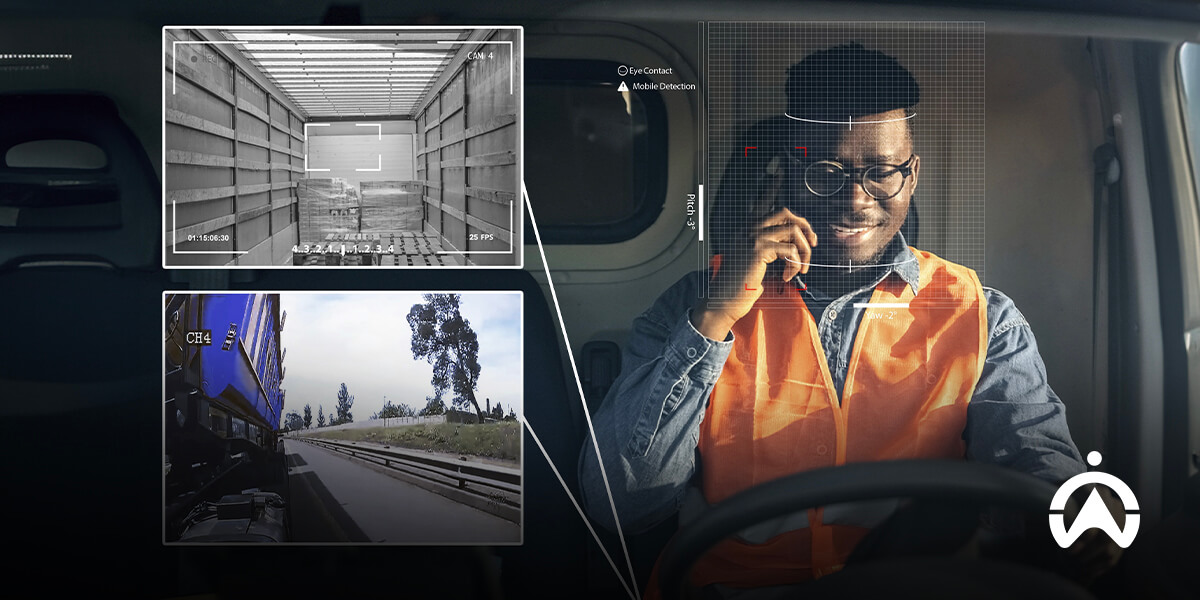
Camera Video Telematics: Reducing Driver Negligence for Safer Fleets

Many various factors, including human behaviours, cause road accidents. Risky behaviours such as speeding, using mobile phones while driving, and overtaking other vehicles can have serious consequences.

When fleet drivers engage in these behaviours, it can significantly impact the business, resulting in costly accidents and operational downtime. To mitigate these risks, fleet managers can integrate video telematics into fleet management strategies to gain valuable insights into driver behaviour and vehicle performance.

This article explores how camera video telematics work and how they enhance fleet safety and efficiency. We also discuss how Cartrack’s solutions can help reduce driver negligence, leading to safer fleets.

In this article, you will:

  • Understand how driver negligence affects fleet safety
  • Learn how camera video telematics reduces driver negligence
  • Explore how Cartrack can help improve driver and fleet safety with camera video telematics

How Driver Negligence Affects Fleet Safety

Drivers can be negligent in many ways, from engaging in risky driving to neglecting basic vehicle maintenance checks. Driver negligence could result in dire consequences such as vehicle breakdowns, costly repairs, legal issues, and potential company reputation harm. Let’s have a look at the types of driver negligence that a fleet manager needs to be on the lookout for.

Types of Driver Negligence

To ensure fleet safety, it’s important to understand the different types of driver negligence.

These can be categorised as follows:
‍

On-road negligence

  • Speeding: When a driver exceeds the recommended speed limit for a particular road or area.
    ‍
  • Distracted driving: Driving while texting, talking on the phone, eating, smoking, or engaging in any other distracting behaviours.
    ‍
  • Tailgating: Following another vehicle too closely.
    ‍
  • Failure to obey traffic laws: This includes ignoring traffic signals, disobeying road signs, and violating other essential traffic rules.
    ‍
  • Driving in hazardous conditions: Driving too fast or recklessly in rain, snow, fog, and other hazardous conditions.

Vehicle safety negligence

  • Neglecting regular inspections: Failing to conduct pre- and post-inspections, such as checking tyre pressure, and ignoring any mechanical issues the vehicle may have.
    ‍
  • Ignoring warning signals: Disregarding dashboard alerts, like low oil and brake system warnings, which require immediate attention to maintain vehicle safety.
    ‍
  • Delaying repairs: Postponing necessary repairs or ignoring signs of wear and tear, such as slippery brakes, which could compromise the vehicle’s ability to function safely.

Driver health and wellness negligence 

  • Fatigued driving: Driving while tired, sleepy, or exhausted.
    ‍
  • Drunk driving: Driving under the influence of alcohol or other substances.
    ‍
  • Driving under the influence of medication: Driving while taking medication that impairs driving ability.
    ‍
  • Driving with a medical condition: When a driver fails to disclose or manage a medical condition that affects driving ability.

Behavioural negligence

  • Driver complacency: When a driver is too relaxed behind the wheel, they tend to become less focused and fail to make the right decisions on the road. This complacency makes drivers more vulnerable to road hazards and increases the risk of accidents.
    ‍
  • Aggressive driving: Driving aggressively, such as overtaking and weaving in and out of lanes.
    ‍
  • Road rage: Engaging in angry or violent behaviour while driving.

Consequences of Driver Negligence

Driver negligence can result in severe repercussions for businesses; let’s explore some of them in more detail.

  • ‍Financial consequences
    Driver negligence can lead to significant financial consequences for businesses. Repeated claims due to unsafe driving often result in higher premiums. If your company car is in an accident, you will face costly repairs, medical expenses, lawsuits, and property damage.

    Beyond these direct costs, accidents can cause lost productivity, as injured drivers may require time off, and vehicles may be out of service. This downtime disrupts operations, which ultimately affects the company’s profitability.
    ‍

  • ‍Reputational consequences
    Accidents or incidents caused by driver negligence can harm the company’s reputation and brand image. This will also lead to a loss of customer trust and loyalty towards the company’s brand; they will question the company’s ability to deliver goods or services safely.
    ‍
  • ‍Legal consequences
    Companies may face lawsuits and will have to pay exorbitant legal fees, penalties, and fines when a driver is found to be negligent. Negligent driving is a criminal offence that will affect the driver personally as a legal individual.
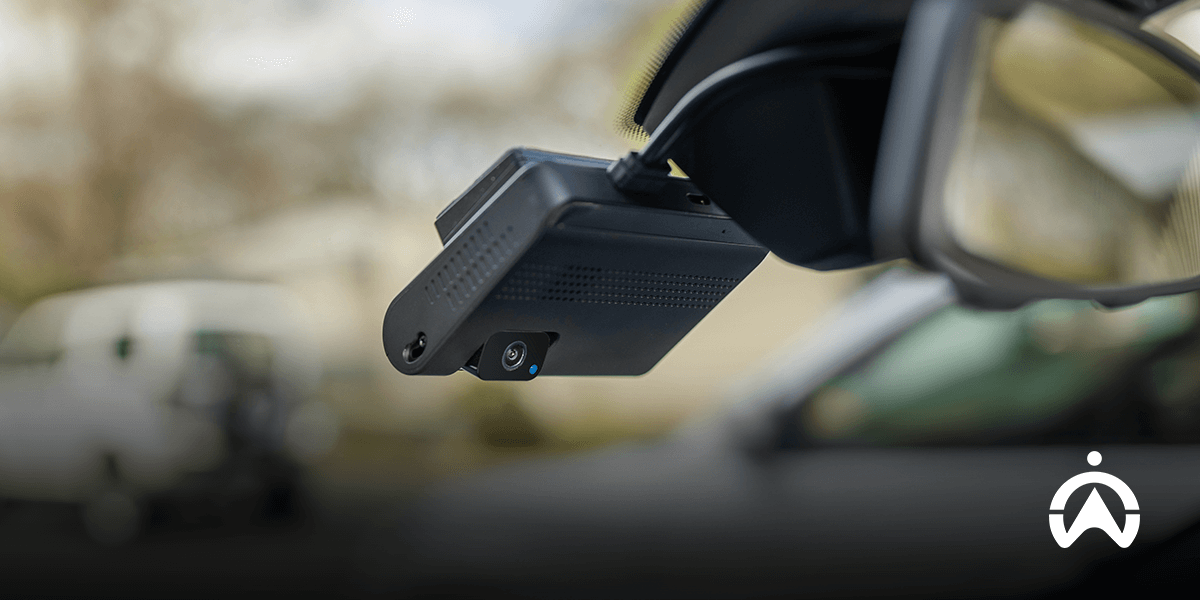
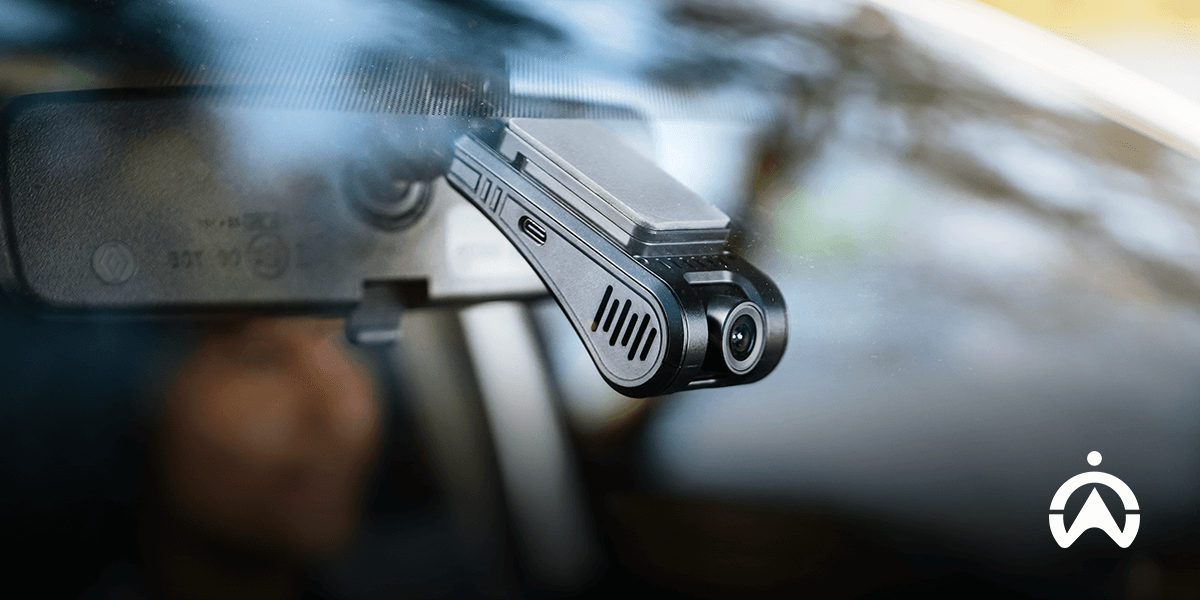
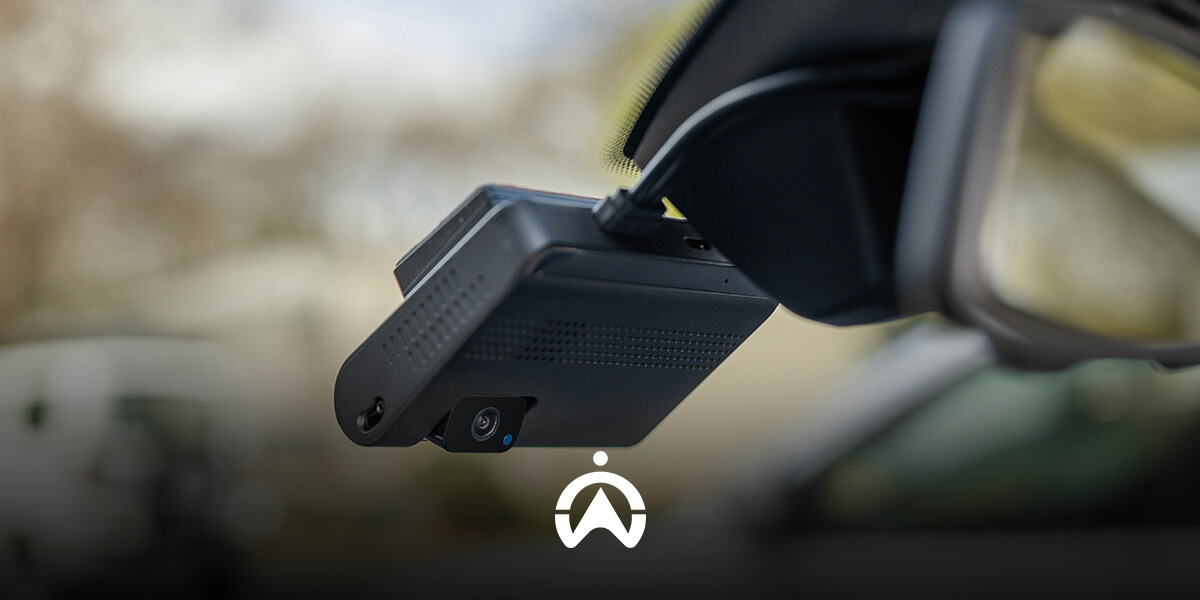
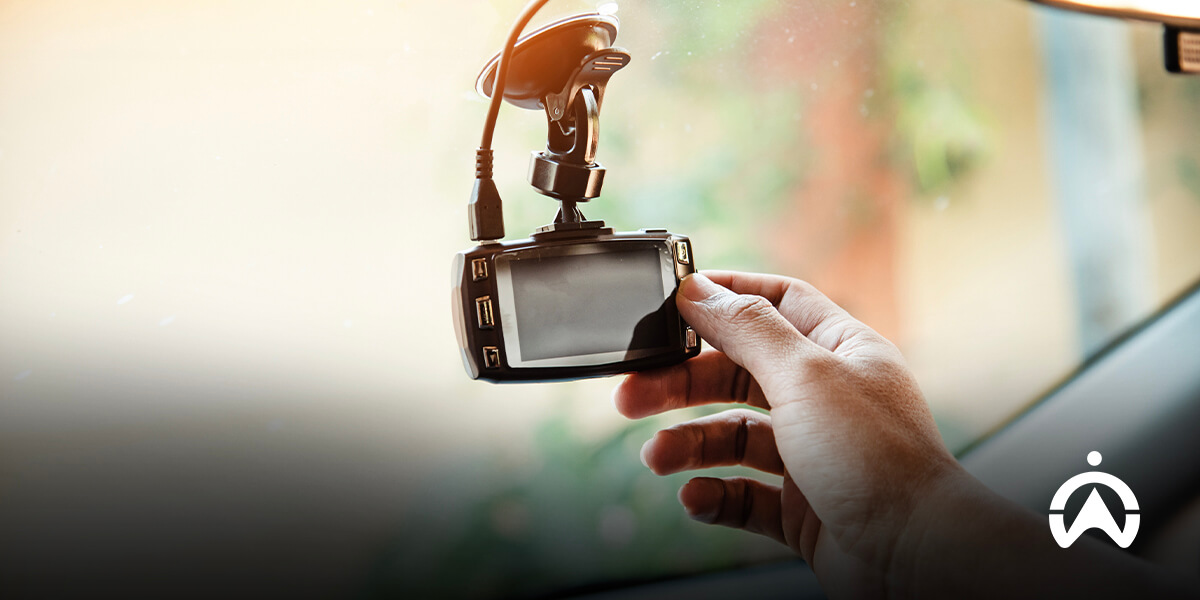
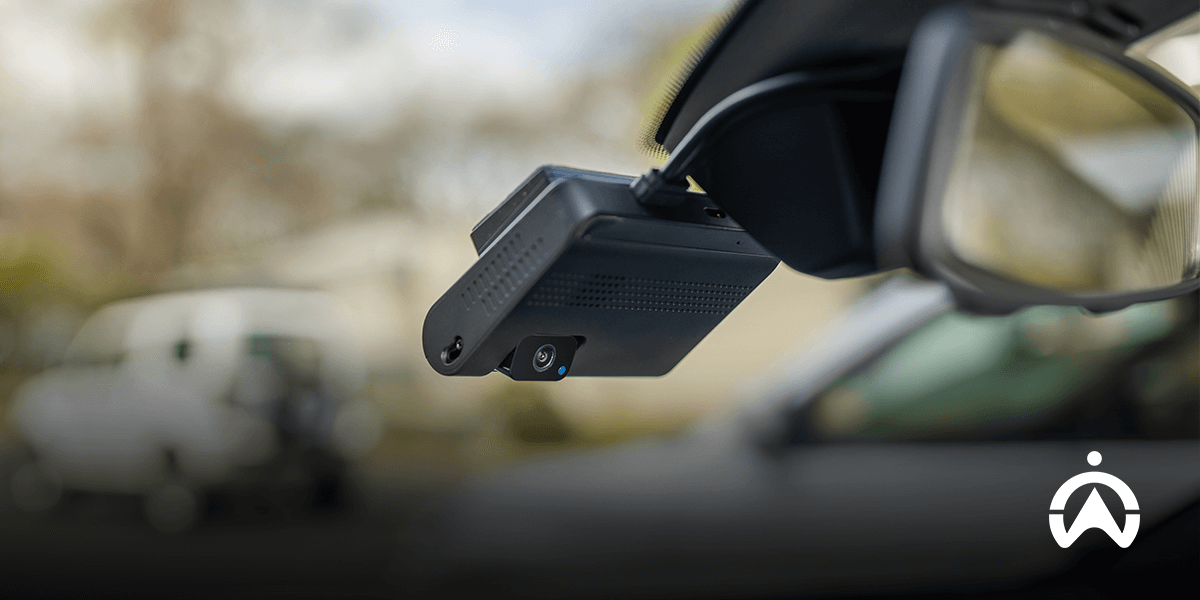
A mounted Cartrack dashcam, capturing the view through the windshield, with a blurred background of a vehicle and trees outside.

How Camera Video Telematics Reduces Driver Negligence

Not all camera video telematics systems are the same. Some have very basic capabilities, and simply record footage, while others are more advanced and equipped with AI technology. The latter can greatly reduce driver negligence by detecting risky driver behaviour such as cellphone use, speeding, harsh braking, and tailgating. It can also identify signs of fatigue and safety belt violations.

Here’s how businesses can benefit from implementing this technology:

Real-Time Monitoring and Feedback

Advanced telematics systems send immediate alerts to drivers when these risky events are detected, enabling them to correct their actions immediately. This prompt feedback helps reduce accidents and encourages safer driving practices.

Event Recording for Accountability

The recorded footage plays a crucial role in identifying and addressing driver negligence. In the event of an accident or safety violation, managers can analyse the footage to determine the cause and take appropriate action.

Businesses that invest in advanced camera telematics systems can use this data for driver training or to enforce necessary disciplinary actions.

Choosing the Right Camera Video Telematics Solution for Your Fleet

When choosing a camera video telematics solution for your fleet, consider features such as storage capacity, video quality, the installation process, real-time alerts, night vision capabilities, and integration with the existing fleet management systems.

Here are some key features to look for when choosing camera video telematics that suit your fleet’s needs:

  • Video quality: The video footage has to be clear to allow fleet managers to see what’s happening on the road and also to see the driver. High-resolution footage provides clarity and ensures that important details are not missed, especially in accidents.
    ‍
  • Storage capacity: Ensure that the system offers cloud storage for easy retrieval of video footage and data. Cartrack’s AI multi-vision cameras have up to 1 terabyte of storage.
    ‍
  • Real-time alerts: Systems that offer real-time alerts can significantly improve driver behaviour. In-cabin alerts will notify drivers of risky behaviours so that they can immediately correct themselves.
    ‍
  • Easy installation: The installation of these cameras must be conducted by a trusted service provider to ensure they function optimally and do not interfere with the vehicle’s wiring. At Cartrack, all our installations are done by a qualified technician to ensure that the dashcams are mounted correctly.
    ‍
  • Compatibility with fleet management systems: Look for solutions that allow easy access to video footage and telematics data from a single platform, such as a fleet management system web interface or app. This will enable easy access to analytics and reports.
    ‍
  • Cost considerations: Cost is an important factor to consider when looking at investing in fleet cameras. There are different prices for different packages, depending on your fleet’s scalability and needs.

How Cartrack Can Help Improve Driver and Fleet Safety with Camera Video Telematics

Cartrack’s camera video telematics offer powerful tools to enhance both driver and fleet safety. With a combination of AI-powered cameras, real-time alerts, and driver performance monitoring, our solutions provide a comprehensive approach to reducing driver negligence and preventing fleet accidents.

We achieve this through the following solutions:

AI-powered cameras

Our AI-powered cameras detect risky events and provide real-time alerts to drivers, including the following:

  • Distracted driving: When a driver does not look forward for more than 3 seconds.
    ‍
  • Mobile phone usage: Holding or using a phone while driving.
    ‍
  • Fatigue: Yawning or other signs of drowsiness.
    ‍
  • Smoking: Triggered when a driver has long objects on the lips, which could indicate smoking in the vehicle.
    ‍
  • Tailgating: Following other vehicles too closely.
    ‍
  • Not wearing a seatbelt: When there is no visibility of the seatbelt across the driver’s body.
    ‍
  • Not facing the camera: Detected when a driver isn’t looking forward.

Drivers receive in-cabin alerts to correct actions immediately, helping to prevent accidents and improve road safety.

With up to 8 internal and external cameras, fleet managers will be able to access live footage, giving them full visibility into fleet operations.

In the event of an accident, this footage can help prove the driver’s innocence, ensuring that they do not get blamed for causing the accident. The video evidence can help expedite the insurance claims process, resulting in quicker payouts and eliminating the need for legal battles. This will not only save the company money but will also help retain drivers and foster a positive working environment since drivers will be confident that they are protected at all times.
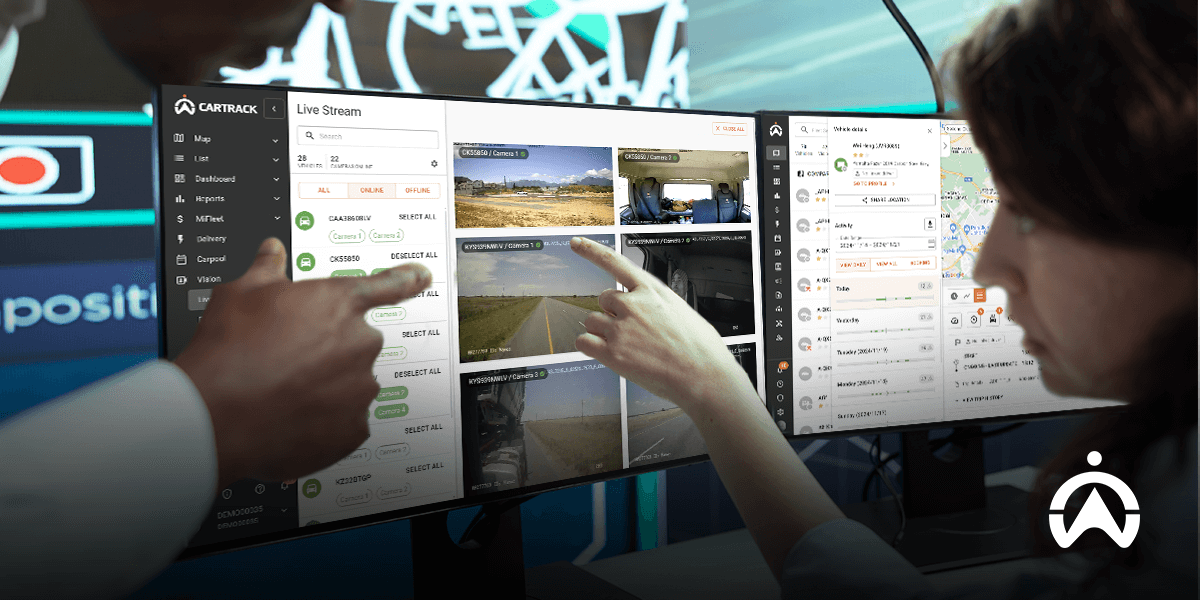
A user navigates Cartrack's live streaming interface on a monitor, showcasing multiple camera feeds and navigation options.

ADAS (Advanced Driver Assistance Systems)

Cartrack’s Advanced Driver Assistance System (ADAS) enhances fleet safety by using AI to detect potential hazards. Features like lane departure alerts, forward collision warnings, and automatic braking help drivers avoid accidents.

By integrating real-time GPS data, ADAS ensures optimal driving speeds and provides collision prevention warnings, offering fleet managers the tools to reduce driver negligence and improve overall safety.

ADAS key features include:

  • Forward Collision Warning: Alerts drivers when they are approaching another vehicle or obstacle too quickly, helping prevent rear-end collisions.
    ‍
  • Blind Spot Detection: Informs drivers of vehicles in blind spots, reducing the chances of accidents when changing lanes.
    ‍
  • Automatic Emergency Braking: Detects imminent collisions and automatically engages the brakes, reducing the impact or preventing the crash altogether.

By incorporating ADAS into fleet management, Cartrack helps prevent risky driving behaviours that could lead to accidents, downtime, and increased costs.

Driver Coaching

After reviewing the footage, managers can refer drivers to our coaching platform, which automatically logs all high-risk behaviours. The platform tracks how often drivers repeat offences and receive coaching.

All sessions are logged with timestamps and comments to ensure drivers are coached in accordance with company policy and provide the necessary evidence required in case of any disciplinary hearings.

In conclusion, reducing driver negligence is key to strengthening fleet safety, lowering operational costs, and maintaining a strong reputation. Cartrack’s AI-powered camera video telematics solutions provide a holistic approach to improving driver behaviour and minimising risks. Implementing these tools helps fleet managers promote safer driving habits, prevent accidents, and protect business operations.

Contact us today to find out how you can empower your drivers and improve your fleet’s safety.

Frequently Asked Questions about Camera Video Telematics

Q: Is it possible to get a custom report from Cartrack’s camera system?

A: Yes, Cartrack offers customisable reporting features. Fleet managers can generate specific reports on driver behaviour, harsh events, and overall fleet safety performance, tailored to the business’ needs and operations.

Q: How do managers ensure that these cameras do not invade driver privacy? 

A: To protect driver privacy, managers should establish clear guidelines for camera use. They should only allow authorised personnel to access footage and must ensure that these cameras are used solely for their intended purposes, such as monitoring driver behaviour and safety.

Q: Can camera video telematics be used for all types of vehicles?

A: Yes, fleet managers can install camera video telematics in cars, trucks, buses, and vans to reduce driver negligence and improve safety on the road.
Driver Incentive Programs: How Dashcams Can Help You Coach Your Drivers

When running a fleet business no other resource matters more than your drivers. Managing them requires efficiency and good planning, this is what allows for safer travel and optimised delivery of goods and services. For this efficiency and optimisation to happen, drivers must perform at their best at all times.

A good way to encourage better driving practices and behaviour is by implementing a driver incentive program. One way of doing this is by using dashcams to record trips and overall driver performance.

This blog will discuss how driver incentive programs and dashcams can help improve driver safety through coaching.

Let’s get into it.

In this article, you will:

  • Learn about driver incentive programs
  • Find out what role dashcams play in driver coaching
  • Discover how to implement an incentive program
  • Understand the legal considerations of using dashcams
  • Learn how Cartrack’s dashcams can work for you and your coaching program

What Are Driver Incentive Programs

An incentive program is a reward-based method to motivate someone to complete an action. These programs leverage the power of rewards to align behaviour with business goals. When incentives are used in a work setting as part of a formalised system with business goals, it’s called an incentive program.

The goal of an employee engagement program is to improve workplace performance and culture while retaining employees with rewards and recognition. One of the biggest benefits of incentive programs is their flexibility as they can be tailored to suit the goals of the company, with enough room for occasional adjustments.

There are many types of incentive programs, each with its own process and reward structure. Here are some types of incentives offered:

  • Monetary bonuses: The most common incentive program is bonuses for good or outstanding performance. This comes in the form of a cash reward usually based on a percentage of the driver’s salary.
    ‍
  • Recognition: Getting official recognition is another popular incentive that employers use. This could be an award given at the end of the year or any other public declaration of the driver’s great performance. The most common version of this is an Employee of the Month program that rewards a driver monthly for meeting or exceeding company goals.
    ‍
  • Career development: Creating a reward structure that promises high performers a chance at career development is a very effective incentive program. This offers a clear path for drivers to see how to progress in their careers, this progression can be in the form of a promotion or skills development.

These incentive programs benefit both companies and drivers as they offer reduced costs, increased morale, and better customer service overall.

The Role of Dashcams in Driver Coaching

When it comes to monitoring driver behaviour only a few other technologies work as well as dashcams. They offer comprehensive recordings of trips, offering alerts for distracted driving and other offences. Let’s learn more about modern dashcams in a business setting.

How dashcams provide insights into driver behaviour

As a fleet manager, monitoring drivers as they perform their deliveries is important, this is why the use of dashcams is highly advised. They offer real-time video recordings of the journey and give the fleet manager insight into how the route usually goes, providing areas of improvement.

Modern dashcams offer a range of AI-powered solutions that assist in reducing accidents. One of these is event-triggered alerts that inform the driver and fleet manager on specific behaviours such as smoking and distracted driving.

The use of AI for analysing driving patterns is now an industry standard for most fleet management software. Key features of AI-powered dashcams include:

  • Real-time behaviour analysis: This feature identifies incidents of distracted driving, driver fatigue, and forward collisions.
    ‍
  • In-cabin alerts: Gives instant feedback to drivers to avoid an incident or an accident.
    ‍
  • Data integration: They have integrated connectivity with fleet management platforms to enhance organisational procedures.

Why use dashcams for coaching and training drivers

Dashcams are reliable mechanisms that have been in use for a number of years now. Using them for coaching and driver training is ideal as they provide objective feedback that can not be easily disputed. The biggest benefit of using dashcams for driver training and coaching is that they help in identifying areas of improvement. These can often be hard to figure out and spot without actual footage of the incident. Some common types of incidents you may want to respond to in coaching include:

  • Smoking
  • Fatigue
  • Forward collisions
  • Camera cover or tampering
  • Cellphone use
  • Seat belt compliance
  • Distracted driving

Monitoring these incidents and using them as a source for coaching is highly beneficial as it gives drivers real-world context. Failing to adhere to the rules leads to drivers getting demerits that can accrue over time. This is useful not only for the drivers but the business as well as it will have a comprehensive catalogue of offences that most drivers commit. When done correctly this can lead to safer trips overall. There are three main occasions when it is best to coach drivers, these include:

  • Onboarding new employees
  • In response to incidents
  • Ongoing scheduled basis

Following this process is useful as it will assist in reducing liability and incident frequency. Additionally, this footage can help lower insurance claims costs, and help protect your brand. Dashcam footage can also significantly expedite and simplify the resolution of disputes arising from traffic incidents. By offering an objective, first-hand account of the events leading up to an accident, these devices can help establish fault and facilitate fair compensation for the parties involved.

Dashcam attached to a car's windshield with blurred background.

How to implement Dashcam-Based Coaching Programs

In order to maximise on your dashcam footage and create incentives, a coaching program needs to be put in place. This will serve as a system to encourage better driving and make the overall management of drivers easier. This coaching program can be administered during the journey, after a trip and even during performance review sessions. The goal is to encourage better driving habits from drivers and improve fleet performance holistically.

Here is a step-by-step guide on how to create the right program for you and your drivers.

Step-by-step guide on how to implement a dashcam-based coaching program:

  1. Selecting the right dashcam solution for your fleet.
    The first step is choosing the best dashcam solutions for your business. This must be a solution that aligns with the goals of your company and the program you are setting up.

    You must consider whether you will need just one camera or more; whether it will have AI-powered features; and how much storage and recording capacity it will have.
    ‍

  1. Integrating dashcams with fleet management systems.
    In order for this process to run smoothly the dashcams should be able to be integrated with whichever fleet management system your business has in place. This is essential as it will simplify the monitoring and reporting process. The tools in the system should support the features in the dashcam solution so that there is a seamless integration of the two.
    ‍
  1. Developing clear coaching and feedback protocols.
    Once the system is integrated the next step is to establish clear coaching and feedback protocols. This means drivers will need to know how and when the coaching happens, from whom it will come, and how to give feedback on the coaching. This will assist in measuring incentives and determining who to award them to.
    ‍
  1. Aligning coaching sessions with incentive programs.
    The goal of the coaching sessions should be clearly stated, aligning with how the incentive program will run. This could mean explicitly stating which goal leads to which incentive or creating a points system that accumulates over a certain period of time. A driver should find it easy to understand where the coaching intersects with specific rewards from the incentives program.

Tips for a Successful Coaching Program

In order for the coaching and rewards program to work successfully there are some vital things to consider. Consistent feedback is essential for coaching, especially when people’s careers are on the line. The feedback should not just be in one direction, drivers should be able to give feedback on their coach’s performance as much as coaches do.

This leads to the next component to consider fairness. A program like this requires transparency so that drivers do not feel that there is bias or favouritism in how the coaching works and how incentives are given. It is this fairness that will keep drivers engaged in the program, unfairness will lead to disgruntled drivers and a drop off in performance.

Celebrating improvements is equally as important, not just celebrating the top achievers. This kind of recognition will make all the participants in the program feel seen even when they are not receiving rewards from the incentives program.

Future Trends in Driver Incentives and Dashcam Technology

There are many emerging advancements in dashcam technology sweeping the fleet management industry. The most prevalent of them all is AI integration in camera systems. This involves development in other areas such as machine learning and cloud storage capabilities. All these elements work together to form Advanced Driver Assistance Systems (ADAS) which aim to enhance driver safety.

Integration with telematics and predictive analytics is where the industry is going, with most fleet management systems already using these technologies. This is especially true for dashcams and driver behaviour monitoring.

The development of these technologies has made it easier to implement and run driver incentive programs. The evolving role of incentive programs in companies is a sign of how many drivers prefer it. Most driving job offers now include this as part of the employment package, making it a deciding factor for many in a competitive market.

Person in a hi-vis vest working on a laptop with security camera feeds displayed on the monitor.

Cartrack’s Dashcams and Coaching Solutions

At Cartrack we offer a variety of camera solutions where you get to monitor your fleet with road and cabin-facing AI dashcams. You can get up to 8 internal or external cameras to help keep your drivers, fleet, and cargo safe.

This solution comes with preventative in-cabin voice alerts that let drivers know about potential safety violations so they can correct them immediately. Our event-based footage instantly gives you the exact footage you need, when you need it. Our AI-powered cameras analyse internal and external surroundings, allowing you to detect and alert drivers in real-time about any high-risk behaviour so they can avoid accidents. All footage of any incidents is stored on our cloud platform and can be used to coach drivers on how they can improve their driving behaviour.

You will have no more wasted hours spent going through hours of footage hoping to find what you’re looking for. You can live-stream the recordings for any active vehicle using Android, Apple or Huawei. View categorised event-based footage for any safety events captured, request footage based on a time and date or live-stream footage for any active vehicle.

As we move into a new technological era in fleet management it is advisable to make use of the tools currently available, such as dashcams. Combining driver incentive programs with dashcam-based coaching is one of the ways in which you can optimise your business and increase overall driver safety.

If you are looking for a reliable and trustworthy dashcam and AI-powered camera system, then make sure to contact us to learn more about our offering.

FAQs

How much does it cost to implement dashcams in a fleet?

Contact us at Cartrack to get a quote on our range of dashcams and cameras.

Are there privacy concerns with using dashcams in Malawi?

There is no specific law clarifying their legality or how the footage can be used. This means that recording people in public without their knowledge could potentially raise privacy issues, especially if the footage is shared without proper justification; however, dashcams are generally considered legal to use when recording public spaces such as roads.

What types of incentives work best for drivers?

The most effective incentive programs are cash bonuses and career development opportunities. These two options provide actual benefits to drivers that can positively impact their lives.

How quickly can results be seen after implementing these programs?

This will depend on the type of reward structure in place, but it is typical to see results in the first month after implementation.

How Dashcams Reduce Accidents

There are approximately 15 road crashes daily in Malawi, highlighting the urgent concern of road safety. In 2022 alone, Malawi recorded 5,553 road crashes, with 919 classified as fatal, resulting in 1,068 deaths. According to the Director of Road Traffic and Safety Services, human factors like speeding, reckless driving, distracted driving, and the use of open vehicles are significant contributors to these accidents. Distracted driving often involves mobile phone usage, while driving under the influence of alcohol or drugs remains a pervasive issue.

This is why you need an extra set of eyes on the road for an added layer of protection, and dashcams do exactly that. In this blog, we will discuss how dashcams can help reduce accidents and be useful in case of one.

In this article, you will:

  • Know what dashcams are and how they work
  • Find out how dashcams can help reduce accidents
  • Learn how to choose the right dashcam
  • Explore suitable Cartrack solutions for your needs
  • Find out extra information about dashcams on the Frequently Asked Questions(FAQ)

What are dashcams and how do they work?

Dashcams are small cameras usually installed on the vehicle’s dashboard or windshield. While the most common dashcams are road-facing, some can face multiple directions; on the road, in-cabin and in the rearview mirror.

Dashcams record everything that happens on the road as soon as the ignition is on and stop when the ignition is off. Some dashcams can record a few extra minutes after the ignition is off.

Overall, dashcams serve as invaluable tools for enhancing road safety by providing continuous monitoring, promoting responsible driving behaviours, and offering you peace of mind in various situations.

How Dashcams Can Help Reduce Accidents

Dashcams come in handy when it comes to accidents. Not only do they provide proof during an accident, but they can also hold you accountable when driving. When you know you are being recorded, you are most likely to drive cautiously by following the rules of the road. This ultimately helps reduce accidents.
‍

Here are other ways in which dashcams can help reduce accidents:

  • Enhancing your awareness of the road: Dashcams with wide-angle lenses can boost your awareness while driving. They give you a better view of blind spots and potential hazards, which comes in handy in unexpected situations—like when another driver suddenly changes lanes or a pedestrian steps onto the road.By capturing these moments, dashcams make it more likely that you’ll have important footage if something goes wrong. This can help prove evidence in case of accidents or disputes. So, having a dashcam means you’re better prepared for whatever comes your way on the road.
    ‍
  • Provides insights post-accident: If you find yourself in an accident, having a dashcam can be a game-changer. You can easily review recorded footage to understand what led to the incident and spot any unsafe behaviours that may have contributed to the accident. This not only helps you piece together what happened but also gives you the chance to see where you or other drivers might have made mistakes. Ultimately, this promotes safer driving habits.
    ‍
  • Encourages Responsible Driving: Having a dashcam encourages responsible driving as knowing that you’re being recorded as you drive motivates you to adopt safer habits, such as maintaining a safe distance from other vehicles and obeying traffic laws.

What are the other benefits of dashcams

Dashcams have many other benefits beyond reducing accidents, investing in a dashcam is a good decision for any driver looking to protect themselves and their vehicle. Let’s look at what these extra benefits are:

  • Expedite insurance claims: Since dashcams record pre and post-accident events, your evidence will help speed up your insurance claims process and ensure your vehicle is quickly repaired.
    ‍
  • Theft-deterrent: When thieves see a dashcam in your vehicle they may be hesitant to break in since they know they will be recorded.
    ‍
  • Document road rage: If you ever get involved in a road rage incident, the recorded footage can be submitted to law enforcement and may help reduce instances of aggressive driving.
    ‍
  • Prevent fraud: Some motorists are now scamming unsuspecting drivers by staging accidents and falsely claiming damages from previous incidents. This tactic pressures victims into paying for damages they didn’t cause. Dashcams provide crucial evidence that can protect you from such scams.

Learn more about how dashcams can prevent insurance fraud and scams.

Person asleep in vehicle with smartphone displaying security camera footage next to them.

How to choose the right dashcam

When comparing dashcam models, consider features such as video resolution, storage capacity, and additional functionalities such as GPS tracking and night vision capabilities. However, it is important to choose the right service provider first.

You should choose a reputable service provider not only to ensure that you get the best dashcam for your vehicle but also to have access to customer service if you have any questions or need assistance. Imagine you get a dashcam from an unreliable company, and you later notice that it wasn’t recording the whole trip; you phone to enquire about this but no one answers. Ultimately, you are stuck with a dashcam that doesn’t function properly, which defeats the purpose of owning one.

Fortunately, you do not have to look further because Cartrack has exactly what you need. Our vision solution provides you with two dashcam options: Road Vision (with one road-facing camera) and Dual Vision (with two cameras, road and in-cabin facing).
‍

Let’s look at a few key factors to keep in mind when choosing a dashcam that best fits your needs:

Video Quality

The video quality plays an important role in dashcams because the footage has to be high resolution. High-resolution footage provides clarity and detail necessary for identifying key elements during incidents, enhances performance in various lighting conditions, and ensures that recorded evidence is reliable and usable.  Investing in a dashcam with good video quality will give you peace of mind on the road, knowing that your footage will come out clear.

Our road-facing cameras have 1080p, ensuring you can see road signs, billboards, license plates, etc.

Low light Conditions

Cartrack Dual Vision dashcams have infrared technology that can capture clear footage in low-light areas, even at night. Cameras automatically switch between night vision and day vision, meaning you always have an extra set of eyes no matter the time of day.

Easy Installation

Our dashcams are designed for easy installation. We will send a qualified technician to install them safely for you. Having a qualified technician handle the installation means that the dashcam is mounted correctly, ensuring that all wiring is neatly tucked away to maintain the vehicle’s interior aesthetics and prevent any interference with airbag systems or other critical components.

Upon successful installation, Cartrack provides a certificate that can be presented to your insurance provider. This certification may help in fulfilling specific policy requirements. Insurers often recognise the value of dashcams in reducing fraudulent claims and enhancing overall safety, making this document beneficial for drivers.

GPS Capabilities

At Cartrack, we understand the importance of safety and accountability on the road, this is why our dashcams come equipped with telematics capabilities. By integrating GPS technology, our dashcams not only capture good-quality videos but also provide driving behaviour analysis. This means you can monitor speed, acceleration, and braking patterns, helping you identify areas for improvement and promoting overall safe driving habits.

Cost Considerations

When purchasing a dashcam, it’s important to consider the price in relation to your specific needs. Cartrack offers options that accommodate various budgets—ranging from basic road-facing dashcams with limited features to more advanced models equipped with motion sensors and additional functionalities. By choosing a dashcam that aligns with your needs, you can make a more informed decision without overspending. Whatever your needs and budget, Cartrack has got you covered.

Mobile App integration

Check if the dashcam comes with a mobile app that allows you to easily access footage, adjust settings, and receive important updates. The Cartrack App allows you to request footage and even livestream your dashcam’s view. Imagine your son, a fairly new driver, takes your car for a ride. You can live stream his trip; this allows you to coach him later to enhance his driving skills and help him stay safe on the road.

This integration not only enhances user experience but also allows for real-time monitoring, ensuring that drivers are informed about their vehicle’s status at all times.

Storage Capacity

The dashcam’s storage capacity is important, as it determines how much footage can be recorded before old files are overwritten. Our cameras have a storage capacity of 128GB, allowing for approximately 6 hours per day at high resolution.

In conclusion, dashcams aren’t only there to provide you with evidence during an accident, they are there to give you peace of mind while driving, knowing that you are prepared to face any challenges on the road. It’s even better when you have Cartrack’s advanced technology dashcams; you can confidently navigate the roads, with a fresh set of eyes.

A dashboard camera mounted inside a vehicle, overlooking the windshield.

Elevate Your Road Safety with Dashcams

Gain peace of mind on the road knowing that you have a second set of eyes, that not only encourages safe driving but also provides crucial evidence in the event of an accident.

Contact us today to learn more about how our dashcams can enhance your driving experience and safety!

Frequently Asked Questions about Dashcams

Q: How do I service my dashcam?

A: Our Dashcams have a year warranty. Additionally, you can purchase Cartrack’s lifetime warranty, ensuring that you never have to worry about any damage to the hardware. If you would like to purchase a lifetime warranty, please contact our Client Services Department on  +265 999 971 972.

Q: How do you clean dashcams?

A: Always keep the lens clean by wiping the lens with a microfiber cloth. Do not use harmful chemicals that may damage plastic components.

Q:  Do dashcams use car batteries?

A: Yes they do use car batteries, however, they are designed to turn off automatically when the car’s ignition is off. Some dashcams may stay on for an extra 5 minutes after the ignition is off, but this is typically not enough to drain the battery significantly.

Fleet Cameras: Striking the Right Balance With Driver Privacy

Drivers are the backbone of any fleet business, so it is important to keep them safe. Many businesses use driver-monitoring systems like cameras to help protect drivers. These tools offer real-time insights into driving behaviour and vehicle conditions. They can help prevent accidents and improve efficiency. It’s all about finding the right balance between monitoring and privacy because when drivers feel safe and respected, they can focus on doing their jobs well.

Fleet cameras can be used responsibly to encourage a safe environment and build trust with drivers. Let’s examine how fleet cameras work and their role in enhancing safety.

In this article, you will:

  • Know what fleet cameras are
  • Learn about the benefits of fleet cameras
  • Understand the best practices for ensuring driver privacy with fleet cameras
  • Find out how Cartrack’s camera solutions can help your business
  • Know the future trends in fleet camera technology and privacy protection

What Are Fleet Cameras?

Fleet cameras are video recording systems designed for commercial vehicles. They have more advanced features than regular dashcams. These features help keep fleets safe, improve operations, and provide valuable insights into driver behaviour and vehicle performance. Investing in these cameras improves safety and productivity, resulting in happier customers.

Benefits of Fleet Cameras

  1. Improved Driver Safety: Fleet cameras act as an extra eye on the road. The footage can be used as evidence in the event of an accident. This can come in handy when false claims are made against drivers.
    ‍
  2. Increased Accountability: The driving behaviour recording makes it easier for fleet managers to hold drivers accountable and better coach them.
    ‍
  3. Improved Fleet Management: Integrated with GPS tracking, the fleet manager can see the vehicle’s location in real-time, detect the speed at which the vehicle is going, and see how drivers behave. This helps fleet managers plan better routes, save fuel, and improve the business’s overall performance.
    ‍
  4. Lower Costs: Reduce fuel costs, maintenance and insurance premiums through real-time driver coaching and alerts that address behaviours leading to unnecessary wear and tear.
    ‍
  5. Better Driver Training: Fleet managers can use the recorded footage as a training tool to improve driver skills.
    ‍
  6. Deter Criminal Activity:  Fleet cameras can deter criminals, discouraging them from attempting vehicle theft or break-ins.
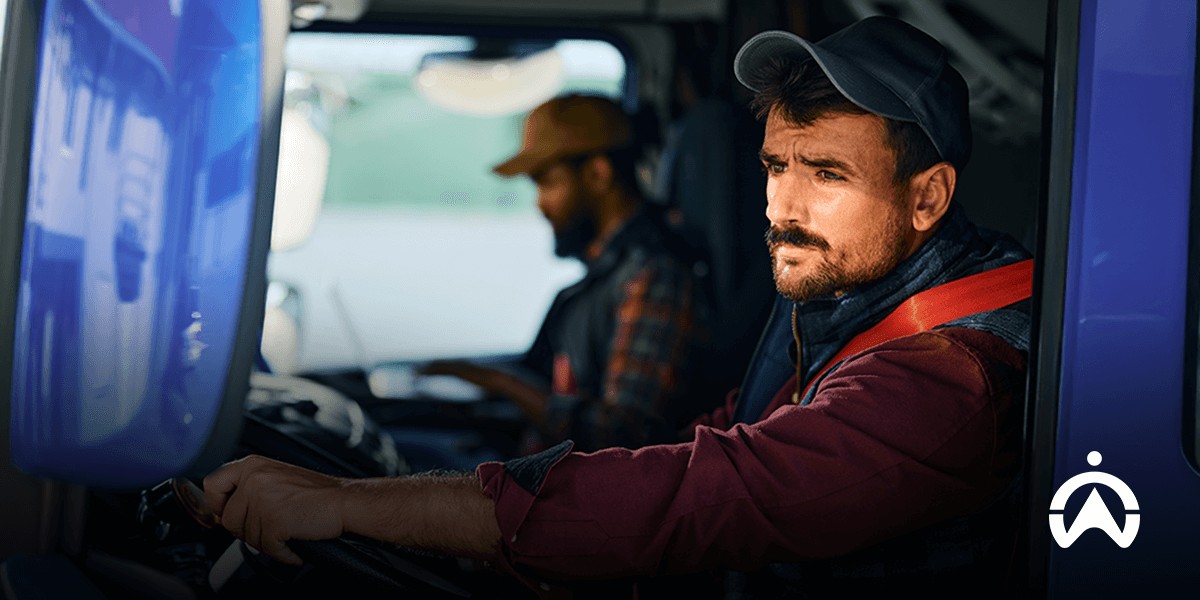
Two truck drivers in a cabin, one holding the steering wheel.

Best Practices for Ensuring Driver Privacy With Fleet Cameras

Whether fleet cameras benefit the overall business or the drivers, it is still important to make sure that the drivers are comfortable with their use. Cameras can sometimes make people uncomfortable, making them feel like they are constantly being watched and self-conscious. To avoid this and maintain trust, it’s advisable to follow best practices to protect driver privacy.

Here are some key strategies to guarantee driver privacy while using fleet cameras:

  1. Ask for Consent
    Let the drivers know the purpose of fleet cameras. Explain how they will be used in your business and have drivers sign a consent agreement. Open discussions can build trust and ensure everyone is on the same page.

    In South Africa, employers can have security cameras in the office or property to protect their business. However, placing cameras in private areas such as the bathroom, is considered a violation of privacy. However, the employees must be notified about the intended use.
    ‍

  1. Inform Passengers
    Make use of visible signage so your passengers know they are under surveillance.
    ‍
    The Protection of Personal Information Act (POPIA) emphasises the importance of obtaining consent when collecting and using personal information, including audiovisual recordings and film.

    POPIA recognises that there may be circumstances where recording or filming without consent is necessary, such as law enforcement activities, security surveillance, or journalistic purposes. However, these exceptions must be balanced with individuals’ privacy rights, and any use of personal information without consent should be carefully justified and within the confines of the law.

    Even with these exceptions, customers may feel betrayed that they are being recorded without their knowledge. So, by having these signs, you are essentially building trust with them.
    ‍

  1. Create a Privacy Policy 
    Have a written privacy policy that outlines how footage will be recorded, stored and used. Indicate who has access to the footage and for what purpose. This will help protect sensitive data and avoid misuse.

    Not having a policy in place on how this sensitive information will be handled, will pose a risk for the company. For example, the footage can be leaked to social media platforms, further violating the drivers’ privacy and potentially harming the company’s reputation.
    ‍

  1. Limit Access
    Make sure that the camera footage is used by authorised personnel only. This reduces the risk of unauthorised viewing and ensures data is handled properly. Allowing all employees of different ranks access to sensitive data, such as this footage, can lead to issues within your company, including potential bias in how employees are treated.

    Imagine a group of employees viewing footage that captured a colleague making a mistake while driving or exhibiting poor behaviour. Instead of using this information constructively, some employees might use it to unfairly criticize that colleague. This could foster a biased environment where individuals are judged harshly based on isolated incidents rather than supported in their professional development.

    Customise Camera Settings
    Customise the camera settings, such as turning off audio recording during private conversations. If a driver and another employee are travelling somewhere and they are having an intimate discussion about their personal lives, they need to be afforded that privacy.

  1. Compliance with Regulations
    See to it that the fleet camera system adheres to privacy regulations, such as the General Data Protection Regulation (GDPR). This helps defend sensitive information and ensures that data is only used for authorised purposes.
    ‍
  1. Regularly Review Practices
    Technology is always evolving, so make sure to regularly conduct assessments and update privacy practices. This will ensure that you are on par with the law.
    ‍
  1. Training Sessions
    Organise training sessions to educate drivers on how camera systems work. Address any issues and questions they may have so they’re comfortable with them. When drivers are constantly trained on these systems, they will adopt better driving habits which will minimise accidents and increase the vehicle’s longevity.
    ‍
  1. Encourage Driver Feedback
    Allow drivers to share feedback on their experiences and suggestions about the camera system. This will foster a positive work environment and lead to higher employee satisfaction and retention rates, as drivers feel valued and supported.
    ‍
  1. Highlight Success Stories
    Share scenarios with your drivers of how the camera system has helped improve safety, reduce accidents, or enhance operational efficiency.

    This will further enforce the benefits of these camera systems and encourage drivers to constantly strive for improvement.  This will also be a great opportunity to celebrate the drivers’ efforts, contributing to positive work environment.

These best practices can ensure that your fleet camera system helps improve safety while respecting driver privacy.

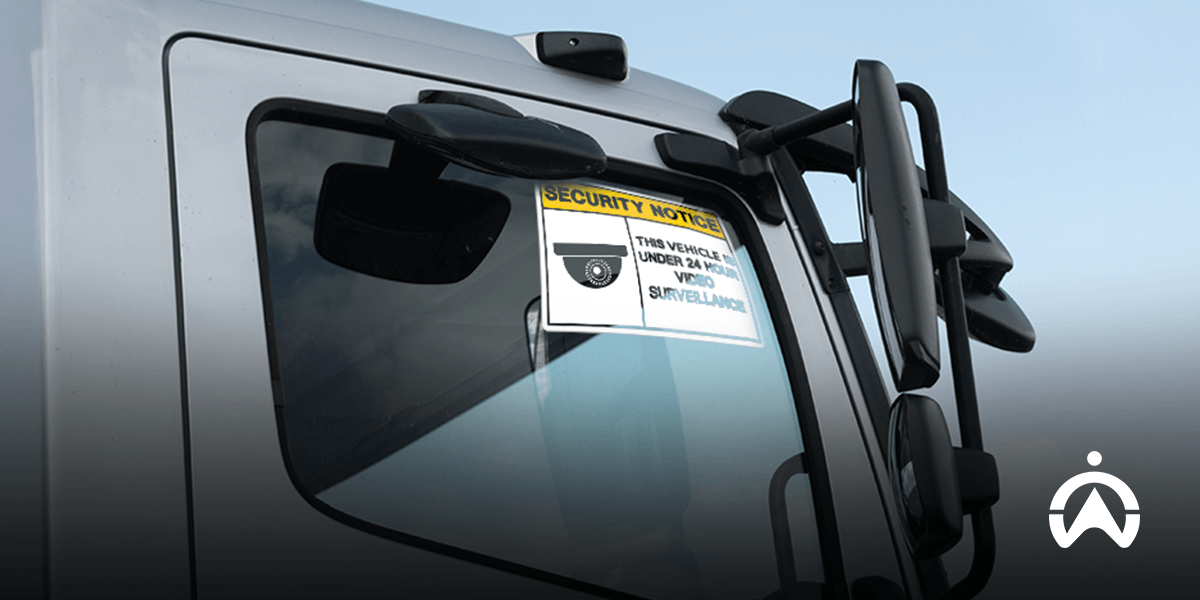
A security notice on a vehicle window stating "This vehicle is under 24-hour video surveillance."

How a Company Can Protect Driver Privacy with the Right Technology

Companies must ensure that in as much as they use cameras to protect the overall fleet, they must also protect the privacy of their drivers. Having policies in place will ensure that drivers do not feel violated. Furthermore, having rules and regulations surrounding the handling of this footage will let the drivers be at ease that they are protected — the footage will not be used carelessly. This will foster trust between yourself and your employees and create a harmonious working environment.

Are You Ready To Improve Your Fleet With The Best Camera Solution?

If you’re looking to keep your fleet, drivers, and cargo safe, look no further. Cartrack offers an AI-powered solution with up to 8 cameras (internally and externally), all equipped with built-in telematics.

Cartrack’s AI-powered cameras notify the driver of risky driver behaviours such as distracted driving, smoking, fatigue, or speeding. This allows drivers to correct their actions in real-time and helps create a safe driving culture reducing the risk of accidents.

Contact us today to find out how our camera system can meet your fleet’s needs!

Frequently Asked Questions About Fleet Cameras and Driver Policy

Q: How do you maintain fleet cameras?

A: Regular maintenance includes checking lenses for any damage, updating software, and reviewing footage storage. This will ensure that everything works correctly.

Q: Do fleet cameras record in poor lighting or at night?

A: Yes! Cartrack fleet cameras have night vision or infrared technology to capture clear footage in low-light areas and at night.

Q: What if a driver refuses to consent to fleet cameras?

A: If a driver refuses to consent to being recorded then the company must follow their internal policy. In many cases, however, consent is required as part of employment. The company can also consider alternative safety measures if consent is withheld.

Car Dashcam: Why You Need One

In Malawi, there are 20 traffic accidents each day and over 1,000 fatalities from traffic accidents annually. With congested traffic, potholes, reckless drivers, and unpredictable conditions, having an extra set of eyes on the road is more important than ever.

Here’s where a dashcam can help. Whether you’re commuting to work, running errands, or hitting the open road for a weekend adventure, having a dashcam can give you peace of mind. Think of it as having a trusty co-pilot always ready to capture those unexpected moments—be it a fender bender or a breathtaking view.

Acting as a silent witness, a dashcam captures every moment on the road. It creates a detailed record that can be vital in the event of an accident or dispute. While practising defensive driving is essential, the presence of a dashcam ensures that should anything go wrong, there is clear evidence to explain exactly what happened.

Let’s find out more about dashcams and the key benefits they offer.

What is a Dashcam?

A dashcam, short for ‘dashboard camera,’ is a small camera mounted in your car that records everything that happens on the road as you drive.

These devices come equipped with a variety of useful features. For instance, many modern dashcams have high-definition recording, GPS capabilities, and night vision.

Some models even have advanced features like parking mode, motion detection, and dual-camera systems that can record both the front and rear views of the vehicle simultaneously.

Dashcams are more than just a tool for recording accidents. They serve as deterrents to reckless driving, fraud, and vandalism. Whether you’re driving through busy city streets or isolated country roads, your dashcam acts as an impartial observer, documenting everything that happens.

Investing in a dashcam can offer more security and confidence while driving if you’re a daily commuter or a long-distance traveller.

The Benefits of Having A Dashcam

Maybe you’ve heard about dashcams, and it’s left you wondering whether they’re a worthwhile investment. Let’s look at the top reasons why an increasing number of drivers are choosing to invest in these valuable devices.

Your Guardian Angel in Accidents

Imagine driving along when suddenly—BAM! You’re in a collision. In this unlucky but all too familiar scenario, having a dash cam can be invaluable.

It provides indisputable video evidence of the incident, eliminating the ambiguity often associated with accident claims.

This footage can clearly show who was at fault, protecting you from the stress of “he-said-she-said” scenarios and potentially safeguarding you from increases in your insurance premiums due to false claims.

Installing a dashcam in your car brings a sense of security. Knowing that there is a reliable witness recording everything that happens while you drive allows you to focus on the road ahead without unnecessary worry.


Keeping Your Family Safe

One of the best things about having a dashcam is how it helps keep your family safe while they’re driving your car. As a parent, it’s such a relief to know that you can keep an eye on your kids when they’re behind the wheel.

This kind of monitoring not only holds them accountable but also encourages them to be more responsible on the road since they know their actions are being recorded. Plus, if the unfortunate happens and there’s an accident, having that footage means you’ll have solid evidence to help clarify what happened. It’s a great way to protect your loved ones from any potential liability issues!

Deterring Car Break-ins and Vandalism

A dashcam can serve as a powerful deterrent against car break-ins and vandalism. Criminals don’t like an audience. Just the presence of a visible dash camera is often enough to make wrongdoers think twice before targeting your vehicle.

Learn from Your Driving (No Judgment!)

The truth is, we could all use a little coaching when it comes to our driving habits. Your dash cam footage can be a great teaching tool. Review your drives to spot areas where you could use some fine-tuning.

For example, you might notice that you’re not constantly checking your blind spots or that you’re following too closely to the car in front of you.

Once you’ve identified these areas for improvement, you can start making changes to your driving habits. This could involve taking a defensive driving course or simply practising safer driving techniques.

Fraud Buster: Your Dashcam Defense

Insurance fraud is a growing concern, with some individuals staging accidents to exploit unsuspecting drivers. A dashcam acts as a deterrent against scammers and their fraudulent activities.

Should a staged accident occur, the recorded footage can expose a fraudster’s deceitful tactics, protecting you and your insurance provider from unwarranted claims.

Insurance Incentives On The Rise

Did you know that having a dashcam may positively impact your auto insurance premiums? Insurance companies in Malawi are becoming more open to offering favourable premiums to drivers who use dashcams, as they provide concrete evidence that can expedite insurance claims. By presenting clear footage of an incident, you can support your case and avoid lengthy disputes.

Peace of Mind on the Road

Let’s face it: driving can be stressful. Between rush hour traffic, unpredictable weather, and that one driver who apparently thinks turn signals are optional, hitting the road can sometimes feel like entering a war zone.

Ultimately, having a dash cam installed in your vehicle offers reassurance. Knowing that there is a reliable witness recording everything that happens while you drive allows you to focus on the road ahead without unnecessary worry.

Capturing Memorable Moments

Not all road trips are high stress of course. Sometimes, you might come across breathtaking scenery or hilarious highway antics. Your dash cam helps to capture the road ahead and these moments, too, preserving memories you might have otherwise forgotten. In this way, your dashcam acts as a personal videographer for your road trip adventures.

How To Choose The Right Dashcam For You

With a variety of models available, each equipped with unique features, selecting the right option might seem a little overwhelming.

Here are a few of the key factors to keep in mind when choosing a dash camera that best fits your needs.
‍

Video Quality

One of the most important aspects of a dashcam is video quality. High-resolution cameras produce clear, sharp footage that captures essential details, such as license plates, road signs, and faces.

Low-quality footage may not provide enough clarity, especially in fast-moving or low-light conditions, which may be a problem if you need the footage for insurance claims or legal disputes.

Lowlight Conditions

Cartrack dashcams are designed to perform effectively in low-light conditions. This capability allows them to capture clear and reliable footage even in darker environments.

Easy Installation

Installing a dashcam in your vehicle should be a simple, hassle-free process. With this in mind, Cartrack has developed an innovative dash camera solution.

Our dashcam product offers a plug-and-play functionality. This user-friendly design ensures that you can seamlessly integrate a video recording system into your vehicle without any confusing procedures or specialised knowledge.

GPS Capabilities

Dashcams with built-in GPS can track your location and speed, adding valuable context to the footage. This feature can be handy when disputing speeding tickets or providing evidence in case of an accident.

Cost Considerations

When deciding to purchase a dashcam, cost is a crucial factor to evaluate. Prices can vary widely based on the camera’s features and brand. It’s essential to strike a balance between the features you require and your budget.

However, keep in mind that investing in a quality aftermarket dashcam is often worthwhile. It not only provides an added sense of protection while driving but can also save you money in the long run if you need to file an insurance claim or face a legal dispute.


Improve On-Road Protection with Cartrack’s Vision Cameras

Dashcams have become an essential tool for drivers in South Africa, offering an extra layer of protection against accidents, fraudulent insurance claims, and theft. With advanced features like night vision, GPS tracking, and parking mode, modern dashcams provide a comprehensive safety solution for today’s drivers.

With Cartrack’s  Road Vision Camera, we offer a high-quality dashcam solution that will cater to all your needs. Whether you’re looking to protect your car, reduce your insurance premiums, or simply capture memorable road moments, our innovative AI-powered dashcams have you covered.

Invest in the peace of mind that comes with having a reliable witness in your car. Contact us today to learn more.

FAQs

What are important safety considerations when using a dashcam?

While dashcams can be invaluable for recording events on the road, there are several safety considerations to keep in mind. Firstly, ensure that the dashcam does not obstruct your view of the road, as this can be hazardous and may also violate local regulations.

Always set up the dashcam to automatically start recording when the vehicle is turned on to minimise distractions. Avoid adjusting or interacting with the dashcam while driving; if adjustments are necessary, do so when the car is safely parked.

Regularly review recordings, especially if your dashcam has features like parking mode or motion detection, to ensure it is functioning properly.

Can I use dashcams for my business vehicles?

Yes, dashcams for business vehicles and fleet management are a vital way to monitor your assets and save money.

Cartrack offers an AI-powered solution with its innovative Cartrack Visions Camera and app.

This provides valuable first-hand footage and data for accidents, improved driver safety, and reduced insurance costs.

How do I know if a dashcam is compatible with my vehicle?

Most dashcams are designed to be universally compatible with any vehicle. However, feel free to contact Cartrack Malawi for more information and advice about dashcam installation.

Will using a dashcam affect my vehicle’s battery life?

Our dashcams are designed to have minimal impact on a vehicle’s battery. They usually operate efficiently and shut down automatically to prevent unnecessary drain.

Do dashcams require regular maintenance? 

Though dashcams are generally low-maintenance, periodically checking their functionality is always a good idea. Ensure the lens is clean for clear recordings, and check the memory card has sufficient storage space.

Replace the memory card if it shows signs of wear, and periodically update the dashcam’s firmware to make sure it continues to operate at optimal levels.

Car Insurance Fraud: How A Dashcam Will Protect You and More

Vehicle owners in Malawi are always at risk of theft, hijackings, accidents, vehicle damage from bad weather such as flooding or hailing, or even their car being intentionally vandalised by someone else, and that’s why many people opt to get car insurance and tracking devices to protect and secure them when unexpected things happen.

Sometimes drivers can also become victims of fraud and scams that put not only their lives at risk but also their pockets and car insurance.

Car insurance fraud is on the rise in Malawi, and Cartrack vision cameras are the one onboard tool you need to protect yourself and your business from such scams.

In this article, you will:

  • Find out more about dashcams and what they do
  • Discover how dashcams protect you and your loved ones from car insurance fraud
  • Delve into how dashcams protect fleets
  • Unpack the Cartrack Vision Camera solutions and the benefits of these dashcams
  • Finally have the best answers to frequently asked questions about dashcams

How dashcams protect you from car insurance fraud

Car insurance fraud is not a new type of scheme, as vehicle owners and sometimes pedestrians have been known to cook up scams to either reduce their insurance premiums or receive a larger claim payout from the insurer. In Malawi, some pedestrians also cook up scams to claim from the Road Fund Administration for personal injury.

According to a Business Tech news article on car insurance fraud, it is estimated that approximately 32% of insurance claims are false. RFA has also reported that they prevented fraudulent claims to the value of almost R2.7bn over the past three financial years. This also points to the problem of car insurance fraud.

There are different types of car insurance fraud that motorists and other pedestrians may attempt, including

  • False claims
    ‍
  • Faking car theft
    ‍
  • Staged vehicle or personal accidents
    ‍
  • Faking injuries from an accident

But how would a dashcam protect you from such car insurance fraud? Let’s find out.

 How a dashcam can save you from false claims

Imagine you are driving back home after a long day of work and are stuck in bumper-to-bumper traffic due to the robots not working because of load shedding. You’ve noticed this one menacing driver recklessly switching and shifting between lanes when they suddenly jump ahead of you and abruptly stop, causing a rear-end collision. Still, thankfully, the damage isn’t too bad, as both cars just have a slight dent. You and the other driver stop to assess the damage and decide to exchange insurance information and resolve the matter later.

After the legitimate accident, the other driver’s insurance claim now includes more serious damages to the body of the car, the windows, and the side mirror. The other driver swears you were at fault in the accident and caused the vehicle damage, but you are not even certain about this, because you don’t remember the driver’s rear-end lights braking before. This is one of the most common insurance fraud scams: a staged car accident.

In such an incident, an onboard camera like Cartrack’s vision camera for individual vehicle owners would help you and protect you from car insurance fraud through video evidence of the events of that day of the accident. With access to this footage, you could still prove your innocence, assess the extent of the damage, and see whether you are the victim of a staged vehicle accident or car insurance fraud.

Cartrack’s Vision Camera: Capture everything

Cartrack’s vision camera is a user-friendly road-facing recording camera. Users can request footage based on date and time, and download the footage on the Cartrack app. Parents of young teen drivers can watch over their teens by live-streaming from the Cartrack app to ensure they arrive safely every time. Remote retrieval with these cameras is a powerful way for drivers to protect themselves from all sorts of car insurance scams and even reject car insurance claims.

This feature-rich and easy-to-install camera provides users with

  • Live-stream video with audio
    ‍
  • Remote footage retrieval after events via the Cartrack App
    ‍‍
  • Live GPS tracking for information on vehicle location

Dashcams can help you not only protect against fraudulent insurance claims, but also:

  • Provides valuable evidence in the event of an accident in your vehicle.
    ‍
  • Capture pedestrian scams, like trying to jump in front of your vehicle.
    ‍
  • Continuously record activity around your vehicle including attempts to vandalise your car and other damage to your vehicle.
    ‍
  • Provide evidence for other drivers and activities you witness.

For businesses, the more advanced AI detection technology which comes with our SmartCabin cameras doubles the protection from car insurance fraud and other problems.

Let’s unpack this dashcam technology better suited for business vehicles below:


How dashcams protect your fleet from car insurance fraud

With live GPS fleet tracking, you gain increased fleet visibility to see your driver’s location, performance, and activity, but when your fleet is out on the road, there is no way of telling what happens between your driver, other motorists, and pedestrians.

For example, was your driver distracted by their cell phone while driving and so failed to see the vehicle switching into their lane, or did the other motorist cut too close to your truck driver while changing lanes, causing the accident?

Without any evidence, your driver-truck accidents become he says versus she says, which is difficult to prove to insurers or investigative officers and increases costs for you. This is only one example of an event where a fleet manager will never know if their drivers are being honest about events when something bad happens, like an accident, or whether someone is attempting to scam your driver.

Yes, it is true. Your drivers are also vulnerable to scams and car insurance fraud risks while out on the road, which is why Cartrack offers solutions designed to help you navigate these tricky situations with ease.

Cartrack’s Vision SmartCabin Camera: See everything to protect your fleet

A fleet dashcam is a perfect solution to protect your drivers and business fleet, but it’s not just your vehicle’s front view that is important; with an in-cabin camera, you can also get a cabin-facing view to ensure your driver’s safety.

The Cartrack SmartCabin is a dual road-facing and in-cabin-facing camera equipped with the following features:

  • Forward collision warning sensors: Help prevent possible collisions by audibly notifying the driver of an obstacle ahead of them.
    ‍
  • AI-detected events (in-cabin camera): This smart camera detects dangerous driver behaviours such as distracted and fatigued driving, mobile phone, and smoking detection to warn the driver to quit dangerous actions.
    ‍
  • Livestream video with audio: Fleet managers can livestream drives to carry out spot checks and check their activity to enforce responsible and compliant behaviour.
    ‍
  • Auto-answer in cabin mic and speaker: Facilitate two-way communication between manager and driver, or the Cartrack command centre to address any issues.
    ‍
  • Remote footage retrieval: Fleet managers can request footage or download footage after events based on date and time.

A dashcam can protect your business from car insurance fraud on your fleet.

Protect drivers

In the case of a legitimate accident, that was not the driver’s fault. You can safeguard your driver by using event-based footage and other driver telematics information to help prove your driver’s no-fault and help them avoid unfair claims against them.

Improve driver performance and accountability

Camera footage can be used to train drivers, help them improve their performance, and increase accountability. Alternatively, by spot-checking drivers and live streaming their activity, fleet managers can ensure productive and responsible working hours.

Expedite Insurance Claims

Video recording and footage give an account of the events before and after an accident, and this helps speed up your insurance claims process and ensure your vehicle is repaired faster so you can avoid vehicle downtime.

Choosing the best dashcam: The top five features to look for

Dashcams can protect you and more, but it’s important to choose the right dashcam with these 5 top features to look for when you decide to add this extra layer of security and protection.

#1 Good battery life and reliable storage

Car insurance fraud scams don’t happen every day, but your dashcam records every journey you take. Imagine if your camera storage was full on the fateful day you or your fleet driver were involved in an accident. A good battery life and enough storage space are the top features to look out for with a dashcam.

#2 Video image quality and night vision

Not all dashcams are made equal; some have poor video quality; you cannot see the number plate of the vehicle or other details. Buying a dashcam with good video quality is important, especially for live streaming.

#3 Camera affordability

Car cameras are a security investment worth making, but that does not mean your business should go bankrupt by purchasing a camera. The affordability of the camera is something you must consider for yourself and your businesses too.

#4 Easy set-up and sleek design

Setting up a dashcam should be easy. For example, Cartrack has a plug-and-play option for rental cars, so there is no vehicle damage caused by camera mounting and hardware installation in the vehicle.

#5 GPS connectivity

An in-built GPS tracker adds some extra functionality to your dashcam and improves its reliability, especially when it comes to car insurance fraud.


Enhance on the road safety with Cartrack’s Vision Cameras

Vehicle dashcams are the protective tool you, your loved ones, and your fleet need to prove your innocence and avoid car insurance fraud and other scams.

Cartrack’s vision camera solutions are designed to enhance everyday road safety and protect you.

Contact us for a demo here.