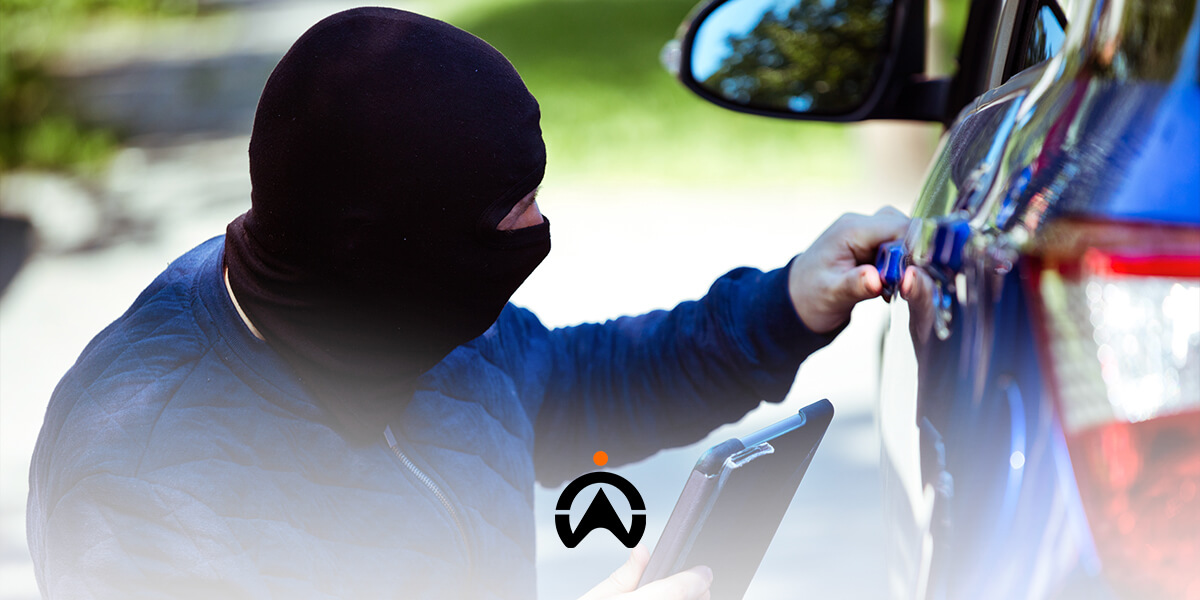
Vehicle Tracking at Its Best 24/7 – The Complete Solution

Whether your vehicles are used in your business to transport materials, perform in-field services, or are mostly used for personal trips and daily commutes, you want to ensure they are always protected no matter what they are used for.

While all roads don’t actually lead to Rome, all advanced safety and fleet management methods will lead you back to vehicle tracking. So, let’s take a deep dive to see exactly how this essential technology works.

In this article, you will:

  • Discover the importance of advanced vehicle tracking for businesses and individuals
  • Understand the technology behind vehicle tracking
  • Learn why vehicle tracking services are essential for businesses
  • Find out how Cartrack stands out in the vehicle tracking industry
  • Read a case study of how Cartrack’s technology benefited a business

Advanced vehicle tracking: A must-have for businesses and individuals alike

Various industries use vehicle tracking tools to track their vehicles’ locations while on the road. From hospitals monitoring their ambulances to security companies tracking their patrol vehicles, This tiny device plays a big part in ensuring schedules are followed, vehicles are safeguarded, tasks are completed, drivers’ work hours are tracked and more.

Private vehicle owners will also be happy to know that GPS technology is not reserved just for businesses and their fleets but has some solid pros for them as well.

While businesses use this technology more extensively to better their fleet and streamline operations, everyday drivers use vehicle tracking more to always know their vehicle’s whereabouts, to keep their loved ones safe and to have peace of mind regarding their vehicle safety.

‍The technology behind vehicle tracking

Like many connectivity IoT gadgets we use, including smartphones and connected cars, vehicle tracking technology is powered by telematics technology, a global positioning system (GPS), a cellular network or radio frequency signals, and ground stations to work and track assets, vehicles and people in real time.

Use GPS’s network of satellites orbiting the earth to determine the positioning of receivers like tracking units and pinpoint the exact geolocation of your assets.

In conjunction with telematics technology, you can receive in-depth information such as:

  • Distance travelled
    ‍
  • Trip history
    ‍
  • Travelling speed
    ‍
  • Mileage
    ‍
  • Vehicle status
    ‍
  • Date and time
    ‍

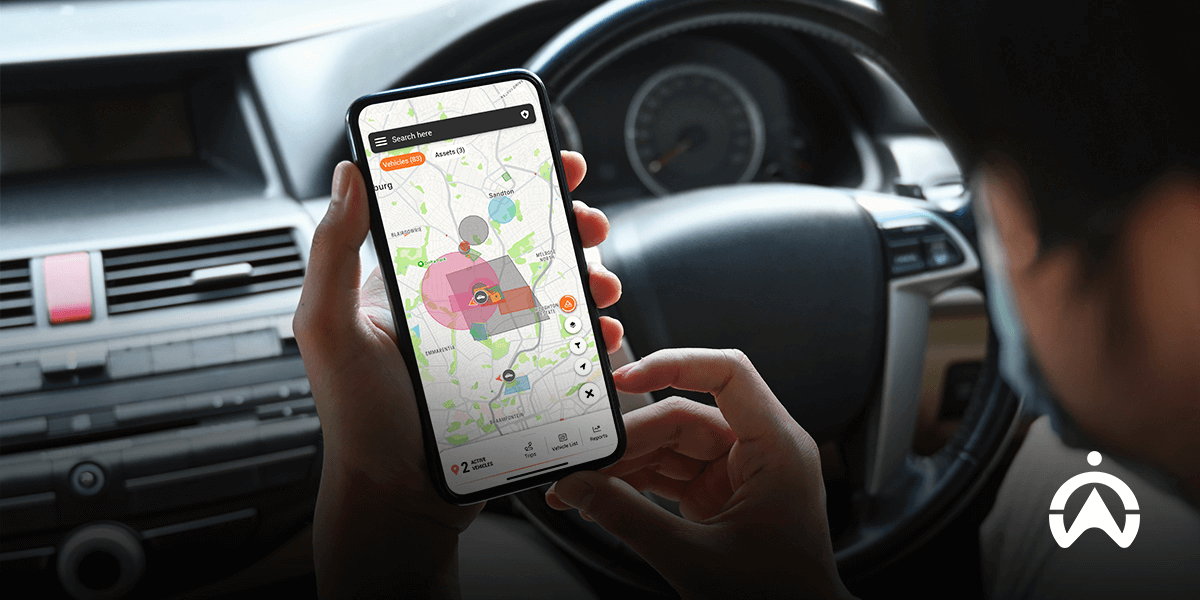
This data is transmitted using a cellular or wireless network to a cloud-based platform, where the end-user (fleet manager, business owner or everyday driver) can access it on any communication device (mobile phone, tablet or laptop) by visiting a website or installing an app.

Why your business needs vehicle tracking services in Malawi

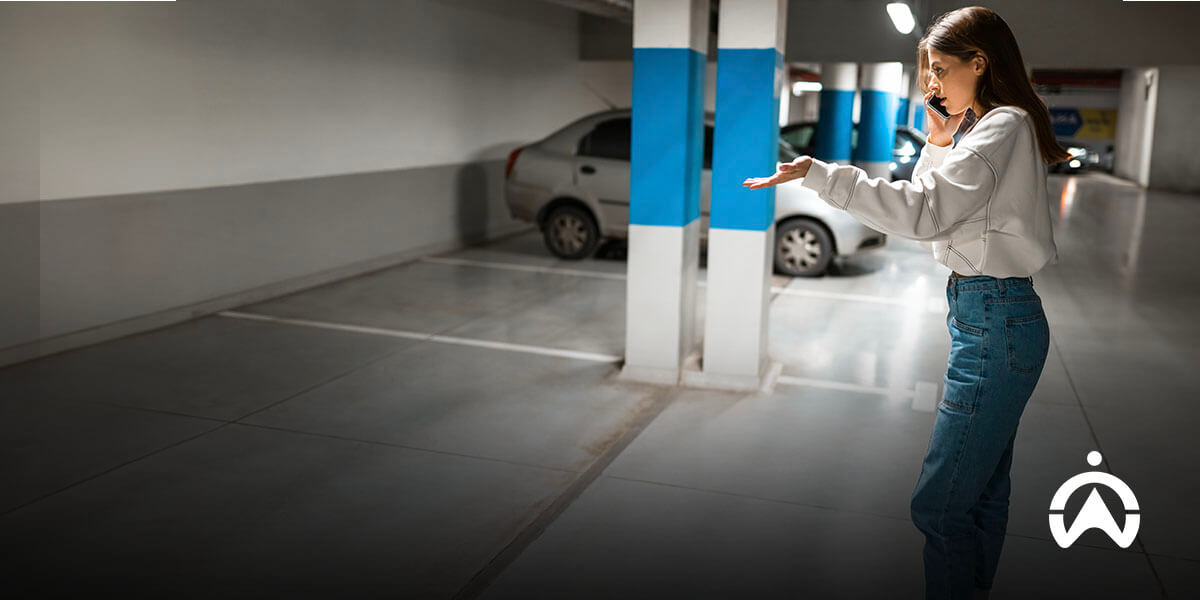
Let’s face it: Losing one of your vehicles or machinery due to theft or asset downtime is a big blow to your operations and costs. As vehicle theft is a big concern in Malawi, business owners have to consider the safety of their mobile assets and invest in solutions that safeguard them before it’s too late.

A tracking service gives fleet managers the peace of mind they need to boost operations, streamline fleet management, enhance fleet management and more.
‍

Here are some reasons why your business needs vehicle tracking that you can’t ignore.
‍

1. Security and theft prevention

As vehicle theft is one of the top challenges for businesses in South Africa, vehicle tracking technology and stolen vehicle recovery services are features that might be very enticing for businesses. Vehicle tracking services provide an added security measure by allowing for quick recovery in case of theft.
‍

Unfortunately, if you find your vehicles are not where you last parked them, the ability to track them might not be enough. Fleet owners need proactive steps like tracking and recovery services for their assets.
‍

In the long run, a stolen vehicle might cost the business more than buying a new vehicle, with:

  • Increased insurance premiums
    ‍
  • Lost profits due to unavailable vehicles
    ‍
  • Cost of purchasing a new vehicle
    ‍
  • Cost of renting another vehicle to take over activities of stolen vehicle

2. Fleet management

Vehicle tracking makes managing a fleet that much easier. By knowing the location of their mobile assets, managers can monitor vehicle usage, monitor driver behaviour, efficiently optimise routes and reduce travel time for better fuel efficiency.

This is a huge benefit for fleets that operate in logistics. With vehicle tracking, they can reroute deliveries based on traffic conditions or other obstructions and keep to the schedule, ensuring no lost time due to delays and upholding timely deliveries.

3. Improved driver safety

Driver safety and well-being are also top concerns. Vehicle tracking systems can monitor driving patterns and behaviours, informing managers of issues that require monitoring, such as speeding, abrupt acceleration after a complete stop, sudden hard braking and harsh cornering.

Managers can focus their driver training on these areas of concern and reduce the risk of accidents, ensuring the safety of their drivers and other motorists on the road. This can be most useful for fleets that spend most of their time on the road, such as transportation companies, promoting a culture of safety within the fleet.

4. Reduced insurance premiums

Besides the added safety these devices come with, insurance companies use them to offer motorists and businesses enticing incentives.
‍

Insurance companies offer lower premiums to individual drivers and businesses who have vehicle tracking devices installed on their vehicles as it shows a proactive approach to risk management and a commitment to keeping their vehicle safe as they offer a higher chance of recovery if it is ever stolen, which is good news for them as they won’t have to pay out.

5. Increased productivity

Without checking on the whereabouts of your fleet, you have more time to focus on other aspects of fleet management, enhancing overall productivity. Real-time updates on fleet location allow for more precise scheduling and quicker response times to customers.

For a courier company to be able to give you ETAs on your scheduled deliveries, they need vehicle tracking technology showing vehicle location, travel speed and distance. This allows them to update delivery status to the T and efficiently manage customer expectations, ensuring satisfied service.

6. Increased visibility

No more overusing some vehicles while others are left being underused. Vehicle tracking enhances fleet visibility and provides better control and management over your fleet’s activities. This allows for informed decision-making, balanced vehicle usage across your fleet, and updated maintenance needs.
‍
A company such as a rental business can use this feature to stay on track with their vehicle usage to prevent misuse and ensure timely returns and healthy vehicles to get leased out.

7. Compliance

Being informed of vehicle usage, vehicle health, and driver working hours helps the business comply with Malawi transportation regulations and avoid penalties or fines.
‍

One missed maintenance appointment can leave a vehicle vulnerable to potential breakdowns or accidents or even render it unroadworthy. Without keeping track of working hours, you could overwork your drivers for a few hours. Both of these would render you non-compliant with set rules and regulations. Vehicle tracking can save you from these scenarios and costly fines that can accumulate.

There is more to vehicle tracking than meets the eye. Incorporating vehicle tracking services into your operations can greatly streamline your fleet, enhance efficiency and provide cost savings, making them a jack-of-all-trades (and master of all) technology that is invaluable for any business with a fleet.

Discover the power of Cartrack’s versatile technology by learning more about our smart fleet management solutions


Beyond vehicle tracking: What other features make this technology the complete solution for fleet management?

Simply being able to view the live status and location of your vehicles in real time is a huge win, but that’s not where it ends. The technology has evolved over the years to now offer business and fleet owners much more bang for their buck.
‍

Now, fleet managers have the technology to see not only their vehicles’ whereabouts but also their fuel consumption rates, maintenance needs, safety and overall vehicle health and performance.

  1. Fuel management
    While vehicle tracking can inform you of how much fuel is being consumed per trip, Cartrack and its fleet management solutions can take it a bit further by providing real-time fuel readings with their fuel sensors and mileage with CANBus integration.
    Combined with our MiFleet cost management tool, you can track your fleet’s fuel consumption rate, ensure early fuel fraud detection, and better manage how much your fleet spends on fuel by matching fuel slips with fill-up locations, timestamps, and fuel card transactions.

    ‍All this helps you get a clearer picture of your fleet’s fuel economy and budget.

  1. Route planning and optimisation
    If your fleet is always swamped with orders or scheduled deliveries to multiple places around the city and they waste time and fuel struggling to get to every location on time, then Cartrack Delivery can assist.
    This task management tool makes it easier to manage your field service or delivery operations accordingly. Plan your fleet’s routes and efficiently order jobs to streamline each driver’s shift.  Ensure your drivers follow protocol with a digital quality control checklist that includes a customer signature as proof of job completion. These tools combined help reduce travel time and fuel consumption while increasing customer satisfaction.
  1. Driver behaviour monitoring
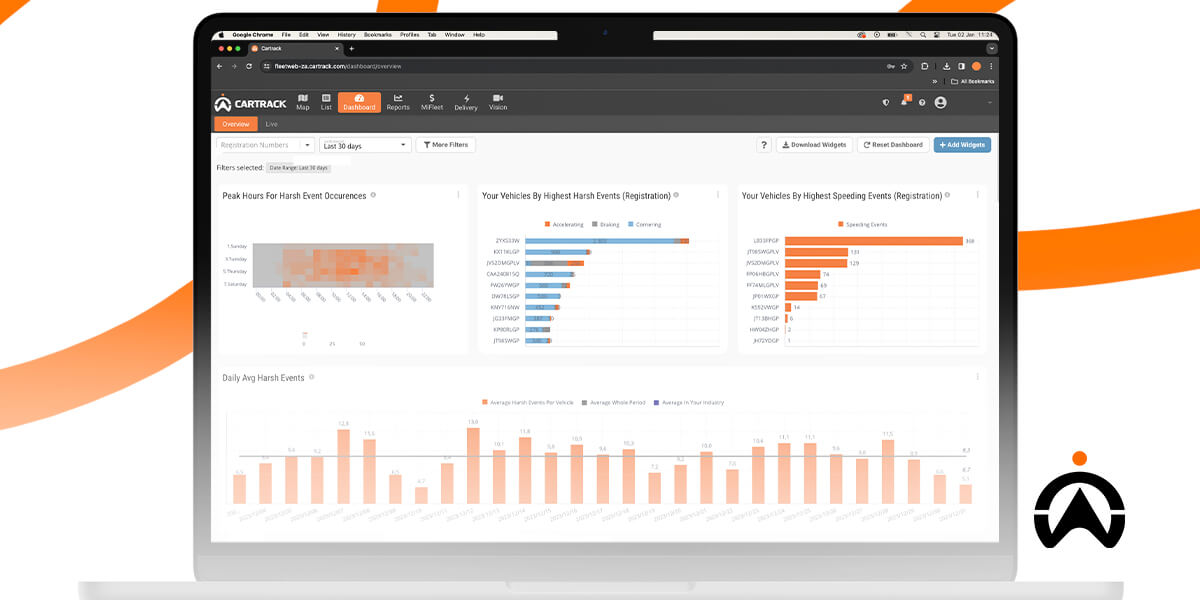
    Monitor your driver’s actions and driving habits on the road and encourage safe, fuel-efficient driving habits. With vehicle tracking and Cartrack, fleet managers can use trip reports to see how often their drivers practise risky driving behaviour such as harsh cornering, braking, speeding or excessive RPMs and use the driver-specific data for more effective coaching.
  1. Fleet maintenance scheduling
    Running a fleet, you can easily lose track of which of your vehicles need service, which needs small repairs and which parts need to be replaced. Vehicle tracking can provide automated reminders for regular maintenance for all your vehicles.
    For a more hands-on approach, you can use Cartrack’s preventive maintenance and start regularly performing maintenance checks to detect and stop issues early before they grow, become costly and cause breakdowns that lead to vehicle downtime.

Every essential feature a manager needs to run their fleet, all in one Cartrack platform efficiently.
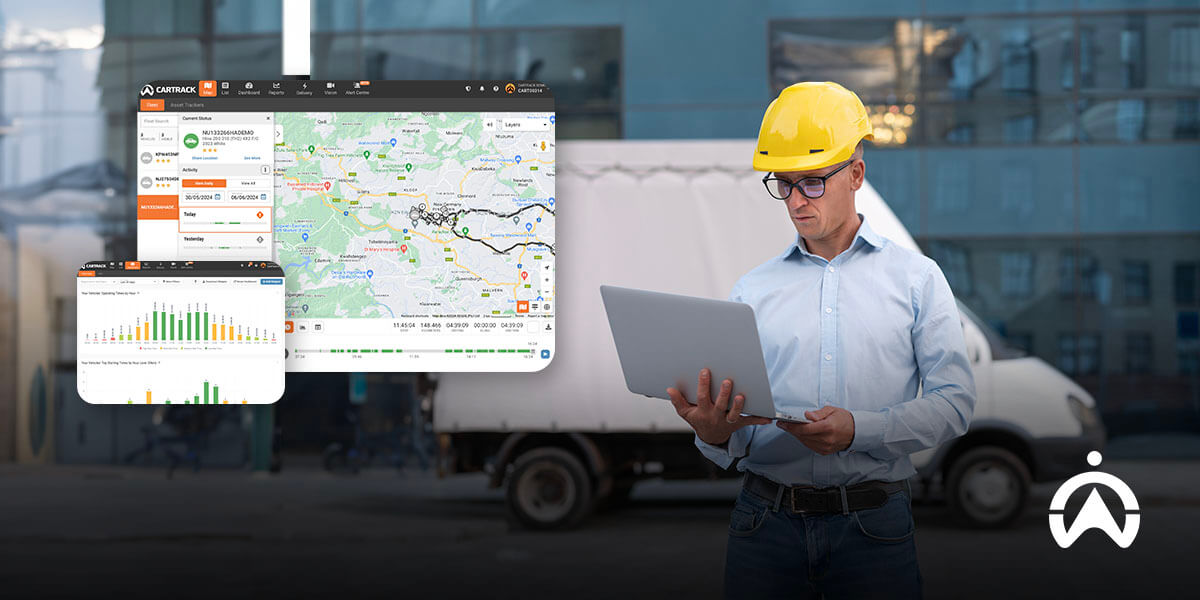

Cartrack: The complete vehicle tracking solution in Malawi

There seem to be as many vehicle tracking companies as there are vehicles. Motorists are spoiled for choice when it comes to companies that can provide this service. How does Cartrack stand out?

Cartrack is a leading provider of vehicle tracking technology and fleet management solutions. We boast an impressive over 90% stolen vehicle recovery rate, one of the highest in South Africa, and we are voted the most trusted vehicle tracing company on HelloPeter.

Cartrack provides more than just your vehicle’s location. We have various fleet management solutions that use vehicle tracking data to assist in improving and optimising any fleet.

  • Smart cameras
    ‍
  • Alerts
    ‍
  • Reports
    ‍
  • MiFleet
    ‍
  • Delivery
    ‍
  • Preventative maintenance

Individual motorists are also catered to with premium vehicle safety features and service to ensure their four-wheeled prized possession is always safe whether parked in the garage or the side of the road:

  • 24/7 control room assistance
    ‍
  • Skilled on-the-ground and air recovery agents
    ‍
  • CarWatch
    ‍
  • GeoFence

The Salt Block & Deli case use of Cartrack’s vehicle tracking technology

The Salt Block & Deli and Baron’s Meat Co. specialise in transporting fresh meat and produce to their clients, for that to be possible, they need trusted vehicle tracking for their fleet.
‍
With Cartrack’s vehicle tracking and route optimisation solutions through Delivery, The Salt Block & Deli achieved on-time delivery and enhanced overall productivity


“[With Cartrack] we can plan our routes, and when we go back and look at the history, we can see exactly how long it took from one area to the next,”

Leriche Beneke, CEO of The Salt Block & Deli and the Baron’s Meat Co.

Take control with 24/7 vehicle tracking solutions

Experience premium vehicle tracking at an affordable price and enjoy peace of mind over the safety of your vehicle(s). We offer free vehicle tracking device installation, no matter the number of vehicles, and we come to you for your convenience.

‍Contact Cartrack Malawi and start today.

The Most Dangerous Countries in the World

While there are beautiful places in the world, some countries have made their way to the list of the top 10 most dangerous countries in the world. Based on the latest research this blog will show you just which countries are the most dangerous.

We’ve also compiled a list of the most dangerous countries by region based on the likelihood of robberies, thefts, hijackings and other crimes. So whether you are planning a holiday for your family or researching potential business risks globally, this list will pique your interest.

Bonus:  Cartrack solution for protecting your loved ones and assets in a ‘dangerous country’.

In this article, you will:

  • Get a list of the top 10 most dangerous countries in the world
  • Understand what makes these 10 countries dangerous
  • Get a list of the most dangerous countries by region
  • Have a look at South Africa and understand the dangers here in a country case study
  • Explore the top Cartrack’s solutions for individuals and businesses in South Africa
  • Get answers to FAQs

‍Top 10 most dangerous countries in the world

The World Population Review lists the following countries as the most dangerous based on their crime rate results (from worst to least):

This crime rate is based on the number of crimes reported per 100,000 people. To calculate the crime rate, the World Population Review divide the number of crimes of any type by the total population of the country and multiplies this by 100,000 people.

But what exactly makes each of these countries dangerous?

  1. Venezuela‍

The number one contributor to the high crime rate in this South American country is government corruption, the poor justice system and sentencing for crimes and the lack of respect for the rule of law. The crime index in this country is 83.76 which is the highest of any country in the world.

  1. Papua New Guinea 

This country is known for being one of the most diverse countries in the world, with residents speaking over 800 different languages. Unfortunately, it’s also known for violent crimes fueled by rapidly changing political, economic and social changes in the country, the corruption and gang-related activity in the country. Bringing this diverse country to the second most dangerous country in the world.

  1. Afghanistan

Over the years, this country has been known for its constant political instability and conflict in the area, which all contribute to its high ranking. Afghanistan suffers from various crimes that include corruption, kidnapping, money laundering and other crimes such as robbery and assault.

  1. Haiti

The Caribbean country of Haiti has struggled with political stability, increasing gang warfare, and economic challenges. The biggest contributor to its high rank is the increasing number of homicides over the years, either from violent conflicts or intergang violence.

  1. South Africa

With a crime index rate of 75.5, unfortunately, our beautiful rainbow nation makes its appearance as one of the top 5 most dangerous countries. South Africa has a notably high rate of assaults, rape, homicides and other violent crimes, which all contribute to our rank on this list.

  1. Honduras

In 2012, Honduras was reported to have experienced about 20 homicides per day due to gang violence. Today, the country is still inflicted with violent crime caused by gangs, drug trafficking and almost nonexistent law enforcement to control the country’s notorious reputation of lawlessness.

  1. Trinidad and Tobago

This state faces several challenges caused by increased crime from gangs and drug-related crimes, which the government struggles to address. It takes the 7th spot on this list, and visitors to this country can become victims of pickpocketing, assault, theft and fraud.

  1. Syria

The conflict in Syria has led to increased crime, widespread corruption, and bribery, putting this Middle-Eastern country at 8th place on this list. It’s also become known for violent crimes such as kidnapping, assault, carjackings, and robberies.

  1. Guyana

The Northern South American country is small, sparsely populated, and Anglo-Caribbean. Due to the high murder rate, lack of law enforcement support for domestic violence, and frequency of armed robberies, this country has a high crime rate of 68.74. It ranks 9th on this list.

  1. Peru

Homicides, corruption, domestic violence, pickpocketing, and petty crimes have landed Peru at the 10th spot on this list of the most dangerous countries. Over the years, the crime rate in Peru has decreased, and with each year, they report decreasing rates of crime.

Are there any countries you were surprised made the list or some countries that did not make the list?

One thing we’ve noticed about this list is that as much as there are differences in crime rates among these countries, the crimes also vary by severity in each of these countries. This list of the 10 most dangerous countries above is not an entirely reliable guide on places you should not be or should not take your company to but is a useful starting point.

We’ve compiled a list of the most dangerous countries by region based on the likeliness of hijacking, robbery and theft, which are the most common crimes tourists and business travellers experience.

Get A Tracking Device Now

The most dangerous countries by region

Some of the countries on this list may be a few kilometres away from you, while others require you to cross borders or even take a flight to witness the dangers.

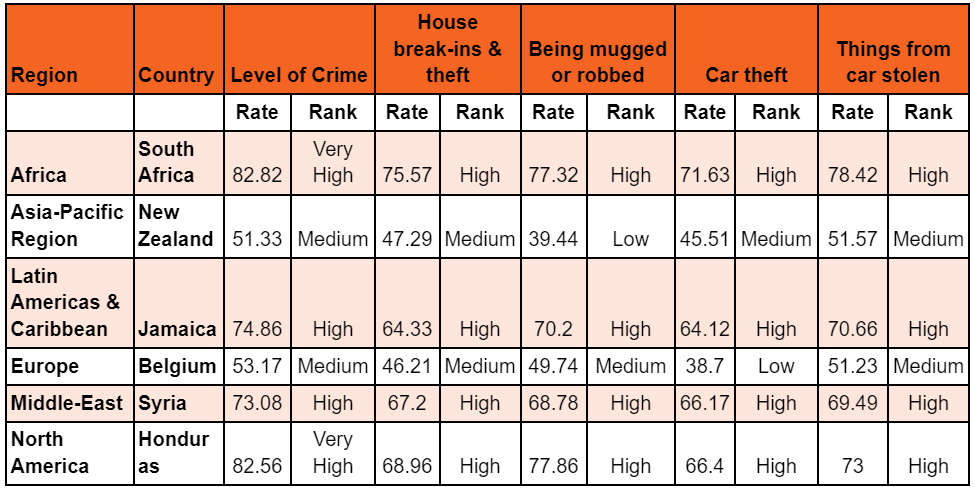
Our selected list of the most dangerous countries in the world is given by region and is based on the likeliness of theft crimes and the fear of theft crimes within the country. We use the Crime Index, and Safety Index from Numbeo as a data source.

Crime index – an estimate of the crime level in a given city or country. The rate is based on a survey of the general perception of crimes, safety levels, and concern about specific crimes. The rate also considers property crimes and violent crimes in the country. The higher the crime index, the more risk is perceived in the country, and the lower the index, the less crime is perceived and experienced.

Safety index – an estimate of how safe the city or country is, the higher the safety index, the safer a country is perceived to be.

We’ve focused on the level of crime and worries about different crimes, such as house break-ins, robberies, car theft and other thefts in these countries.

List of countries highest crime and dangerous

South Africa: The most dangerous country in Africa

Crime Index: 75.44

Safety Index: 24.56

South Africa has landed the number one spot for the most dangerous country on the continent based on the likeliness of theft. According to research by MSN News, Cape Town, Port-Elizabeth, Durban, Johannesburg, and Pretoria are the top five most dangerous cities in Africa. This is due to crimes such as theft, house break-ins, petty crimes, carjackings, and smash and grabs.

New Zealand: most dangerous country in Asia-Pacific Region

Crime Index:  47.72

Safety Index: 52.28

The rate of theft stats show that New Zealand reported the most thefts in 2020 among the island countries, and the number of victim-reported thefts increases annually. Petty crimes and theft are the most common types of crime in the country, and in cities like Auckland and Canterbury, vehicle theft has also been particularly high.

Jamaica: most dangerous country in Latin American & Caribbean Countries

Crime Index: 67.57

Safety Index 32.43

Jamaica is often believed to be unsafe because of the high homicide rates. In 2023 this country reported 60,9 murders per 100,000 people. These rates are largely due to gang violence and drug-related crimes. Petty crimes and a lack of police and law enforcement also make the country quite unsafe for tourists and travellers.

Belgium: most dangerous country in Europe

Crime Index: 49.49

Safety Index: 50.51

According to Statista, Latvia has the highest homicide rates, and this has landed Latvia in the first position as the most dangerous country in Europe. But a more recent statistic based on crime theft places Belgium, particularly the capital Brussels, as the city with the highest crime theft rate in Europe. Petty thefts, purse snatching and pickpocketing are the most common crimes in Belgium. In 2021, however, there was an increase in stolen bike and car theft crimes.

Syria: most dangerous country in Middle-East

Crime Index: 68.61

Safety Index: 31.39

This region is known for having the lowest theft crime rates compared to other countries in the world because of strict law enforcement measures and extreme penalties for crime. However, Syria has topped the list of the most dangerous countries in the region.

Honduras: most dangerous country in North America

Crime Index: 73.11

Safety Index: 26.89

Honduras has one of the world’s highest murder rates, making it one of the most dangerous countries. Crime such as armed robberies, carjackings, trafficking, and even bus jackings have also grown as an area of concern in the country. Government crime prevention tactics against gang violence and other organised crime have had little to no impact over the years, making it one of the countries with the lowest safety index.

Country Focus: Understanding the dangers in South Africa

South Africa is one of the most beautiful places in the world but somehow lands on the list of the most dangerous countries in the world. This might not be a shock to many of us, as we have become more fearful of crime in our country.

According to StatsSA, since 2021, South Africa has witnessed an increase in the number of household crimes such as house break-ins, home robberies, and vehicle theft. For businesses, the sudden increase in the number of cargo thefts and fuel thefts from trucks has also become a concern. The South African Police Services (SAPS) crime stats confirm the increase in these types of crimes.

But what are some things we could do to protect ourselves now that we know we live in one of the most dangerous countries?

Get A Tracking Device Now

Top tips for safe living in South Africa

  1. Secure your home

There are several services and products you can purchase in South Africa to protect the things you care about. For example, get insurance to protect your devices, such as TVs and cell phones. When your devices are insured   your insurance company will pay out a certain amount to you to help you recover your loss and avoid suffering from a household crime or petty crime.In addition, adding an alarm system or aiming to live in a safer area is   another way to add security to your life.

  1. Secure your vehicle

Add another level of security to your vehicle insurance. GPS tracking and stolen vehicle recovery (SVR) services from a company like Cartrack can help you get your car back. With carjackings and hijackings increasing every  year, this is the best security you can get for your vehicle.

  1. Don’t be a target—be vigilant

Whether you are driving or simply walking down the street, avoid displaying your valuables, such as jewellery, cameras, and mobile phones so you are not the target of petty crime and other theft. Keep your handbag or  backpack while driving or when parked to avoid a smash-and-grab.

Our top tips for doing business in South Africa

Running a fleet company in South Africa may seem a bit more tricky now. Here are two quick tips to secure your fleet in South Africa.

  1. Prevent fuel theft with fuel monitoring solutions

Fuel theft has become a growing concern in South Africa, and more businesses have reported concerns about fuel theft in their fleet. Businesses in transportation, mining, and manufacturing have also revealed decreasing fleet profitability and efficiency due to fuel theft. Cartrack’s fuel monitoring solution is one of the most strategic ways that you can protect your fleet from fuel theft, increasing expenses and other challenges relating to your business.

  1. Safeguard your drivers with GPS tracking 

With GPS tracking and telematics, you can monitor your fleet and other company vehicles to protect drivers while they are out on the road. One of the latest innovations from Cartrack is a panic button for drivers to alert us and managers of any emergency or security issue.

For example, if there is an accident at one of your remote sites, your driver can use the panic button to alert our control room of the incident, and Cartrack can take action immediately.

Don’t live on the edge safety-wise. Let Cartrack Malawi give you peace of mind.

If you live in one of the most dangerous countries in the world, you are constantly worried about your safety.

There is global concern over increasing crime, but Cartrack has been committed to ensuring vehicle safety and fleet security since 2004.

Contact us here for our innovative tracking solutions.

Police Impersonation and Extortion: Why a Tracking Device Is Important

Scams have become one of the easiest ways criminals get money out of people, from fake shopping websites to fake police trying to make money out of a terrible situation.

Criminals are now using the trusting nature of everyday roadgoers like me and you to extort money by creating fake recovery stories. The upside, though, is that families and car owners can protect their vehicles with GPS tracking solutions. 

This blog explains how police impersonation scams work and the steps you can take to avoid them and protect your ride.

In this article, you will:

  • Find out what police impersonation is and how to identify it
  • Unpack the psychological factors that contribute to police impersonation and crime
  • Learn tips to help you avoid extortion from fake police officers
  • See how a tracking device can help you recover your vehicle
  • Protect yourself with Cartrack GPS tracking units

Police impersonation and extortion 101

Remember when you used to play cops and robbers as children? Robbers are now pretending to be cops to extort money from vehicle owners in exchange for the release of their vehicles. Impersonating an officer of the law is one crime, and extortion is another that can be used to lure victims into providing information and giving away their hard-earned money.

Bogus officers with fake stories date back as far as the 18th Century, when criminals would pretend to be police officers so they could raid and extort innocent civilians. In our technologically advanced age, little has changed, unfortunately; criminals are still scamming people by disguising themselves as police officers and often using the anonymity of the internet and smartphones to their advantage. The hotspot for these crimes appears to be Johannesburg and surrounds, so if you reside in this area, be extra vigilant when receiving a call from a police officer.

Police impersonation: Wolves in sheep’s clothing?

Most people love a costume party where they can dress up as what they’ve always wanted to be but when that turns into criminal activity, it leads to chaos. The legal term for this is impersonation—the act of pretending to be another person for entertainment or fraud—which goes beyond a costume for a party.

Many people have fallen victim to this act mainly because they do not want to get into trouble by arguing or resisting cooperating with police officers. Historically, police officers have always been viewed as individuals the general public can trust because their job is to uphold the law, so stealing from an innocent victim by pretending to be law enforcement is one of the ultimate betrayals and may cause serious damage to the trust relationship between the victim and the police, as well as other law enforcement.

Police impersonation: Wolves in sheep’s clothing?

Extortion through police impersonation

Extortion is the practice of obtaining something, like money, using force or threat. In recent trends, criminals are impersonating police officers to hijack and force people to empty their bank accounts for their gain. This extortion can be done in two different ways, a hijacking happens, and a bogus officer pretends to have found your vehicle and calls to demand money for the vehicle’s release. Another way these fake coppers get away with scamming you is by implementing fake roadblocks. They pretend to be police officers, and they use this authority to try and take your vehicle.

Imagine leaving friends after a great braai and catch-up session, and you’re suddenly stopped by a vehicle with blue lights similar to a police van. If the person stepping out of that vehicle turns out to not be a real officer, your car and even your life may be in danger.

These criminals take you hostage and drive your vehicle to the nearest ATM. This is where the extortion comes in, they force you to enter your bank pin to access your account and withdraw all of your money. This is essentially what extortion is, a way for criminals to get a vehicle and money at the same time.

Impersonation here, impersonation everywhere

This phenomenon is not only popular in South Africa; police impersonation and extortion have gone global. India, for example, reports criminals impersonating police officers in an attempt to extort money by getting hold of a victim’s details and calling them to tell them that a package with illegal substances arrived at a police station and that a police case would be opened against the victim. Honduras also has a problem with criminals impersonating law enforcers and committing crimes. The security officials in Honduras have introduced uniforms with chips that contain the police officer’s information. These chips are hard to duplicate and make it easier to spot fake police officers.

Why are police impersonations a popular crime?

The motives behind different crimes can vary even if the main objective remains some kind of monetary or material gain. For example, some individuals are driven towards crime due to poverty, while others may just be looking for the thrill of the chase and the enrichment they get from it. Some of the main psychological reasons for extortion are:

  • Power and control: Criminals enjoy the power they have in these situations because they not only feel in control but they can get what they want by taking advantage of their victim’s fear.
    ‍
  • Greed: Gluttony can somewhat drive criminals to want more out of a situation. They know that their victim might have a lot of money so they extort more amounts.
    ‍
  • Intimidation: Some criminals like instilling fear in people by intimidating them. This is a personal psychological issue that can only be treated by professionals.

While these reasons may not apply to every perpetrator, they shed some much-needed light on why these criminals tend to act the way they do from a deeper level. No matter the reason behind these criminals’ actions, though, there is no doubt that they always cause pain and trauma to victims.

Conquering undercover deception: How Sam lost his SUV and got it back

If you’re wondering how the day of a police impersonation and extortion victim goes, it may not be that different from yours.

For example, a typical day for Sam starts with him stopping by the mall to do some errands and get his wife a cappuccino. However, on one fateful day, he noticed that he was being followed by a suspicious vehicle right after pulling out of the mall’s parking lot, and the assailants took his vehicle. Sam rushes to the nearest police station with the help of a Good Samaritan, who picks him up just outside the mall parking lot and gives him a lift.

After opening a case of vehicle theft at the police station, Sam receives a call from another fake police officer claiming to have found his vehicle, telling Sam he has to meet the officer to pay for the release of his car. Sam was starting to feel uneasy about the situation and, after smelling a rat, informed Cartrack of the incident. Cartrack used their GPS tracking to locate Sam’s vehicle, and he was able to recover his car safely and expose the police impersonators with the help of Cartrack’s recovery team and the police.

Cartrack’s advanced GPS tracking to the rescue

Sam’s situation is one of smart moves and quick responses from Cartrack. The GPS tracking device that Sam had installed was the main champion in locating his vehicle and avoiding extortion from fake police officers. The use of Global Positioning Systems (GPS) allows Cartrack to locate your vehicle through satellites that calculate where your vehicle has travelled and where it stops. This can save you from having to pay criminals pretending to be police officers to extort money from you. Contact Cartrack to have a GPS tracking device installed in your vehicle and stop criminals from using you as their meal ticket.

Cartrack Malawi: Safety for your vehicle and wallet

Our state-of-the-art vehicle tracking features are designed to help you combat theft in a country where it poses a very real threat. Whether your car is stolen, hijacked, or gone due to an attempted fraudulent police encounter, Cartrack Malawi has the tools to enhance your vehicle’s safety.

  • CarWatch
    CarWatch is essentially the vigilant eyes you need when you’re not near your vehicle. The CarWatch feature detects unauthorised movements, letting you know about any suspicious vehicle activity. You can easily access CarWatch on the Cartrack App, and the Cartrack 24-hour control room will contact you immediately upon receiving an unauthorised movement alert. For the general safety of your vehicle, CarWatch is a feature you can’t go without.
    ‍
  • Geofence
    The geofence feature uses GPS to trigger alerts when your vehicle leaves the geographical boundary you created to keep track of your vehicle’s movements. For example, if you want to take extra security steps to know your car’s movements, you can use geofencing to create specific zones and get an alert when your vehicle enters or exits these areas. Cartrack’s GPS tracking device works with geofencing to help you get alerts of your vehicle’s movements, increasing our control room’s proactive response to suspicious activity.
    ‍
  • Vehicle recovery
    Locating and recovering stolen vehicles is one of our areas of expertise. Our GPS tracking system allows our vehicle recovery team to locate your vehicle even when it has crossed the borders of South Africa. Our tracking device is also tamper-proof and discreetly installed to ensure thieves and hijackers don’t locate it while being chased by one of our dedicated recovery teams.

    Cartrack Malawi is your superhero when it comes to vehicle tracking and recovery. A GPS tracking device from Cartrack Malawi, along with CarWatch and Geofence, can help you recover your vehicle when you are in danger of being extorted by police impersonators.

Cartrack: Safety for your vehicle and wallet

Get the ultimate protection with Cartrack Malawi

Contact Cartrack Malawi for a free quote and to find the best package for your vehicle and needs.

Tips to avoiding being extorted by a criminal impersonating a police officer

Let’s face it, crime is an ever-existing phenomenon in South Africa, and it is nearly impossible to run away from. Knowing your rights as a driver when pulled over by the police—fake police in this case—can help you determine the danger of the situation. Here are some tips that can help you escape from fake police:

  1. Assess the situation: Check the police officer’s uniform to see if it looks professional. There may be telltale signs like not wearing a full uniform and the absence of identification. For your safety, you may ask for their identification to determine if they are indeed employed by the South African Police Services.
  2. Do not stop at deserted areas to make a phone call: This might not seem like an issue, but thieves can see a deserted area as an opportunity to take your vehicle and extort money from you because there wouldn’t be any witnesses.
  3. Drive to your nearest police station if you are stopped or followed by a suspicious vehicle. This will allow you to get to safety if criminals are pursuing you quickly. These guys are unlikely to follow you into a police station!
  4. Press that button: Cartrack’s Panic button enables the emergency control room to contact you when you are in danger and directly communicate with Cartrack response teams along with local police to ensure a quick response.

Save your vehicle and yourself from extortion with a GPS tracking device from Cartrack Malawi. Contact Cartrack Malawi to have this device installed in your car and know where your car is at all times.

Why Aggressive and Careless Driving Will Slowly Destroy Your Fuel Economy

The ultimate survival skill in the South African economy is being business savvy, especially in the fleet business with climbing fuel prices. One of the hidden culprits of fuel wastage is aggressive and careless driving, and if you leave it unchecked, it will slowly destroy your business’s fuel economy.

What if I told you that your driving “style” is crucial in how often you have to refill? Let’s look at what you can do to improve your fleet’s fuel economy.

In this article, you will:

  • Learn about fuel economy
  • Delve into which driving habits increase fuel consumption
  • Get tips on how to improve your driving habits
  • Find out how careless driving effects the environment
  • Discover how Cartrack’s solutions help combat a decrease in fuel economy

What is fuel economy?

Fuel Economy refers to the distance a vehicle can travel given the fuel volume, and is measured by the litres of fuel per 100km. The higher the litres per km you can travel, the better your vehicle’s fuel economy. Some of the most important components to consider in terms of fuel consumption and economy are driver behaviour and whether the vehicle is well-maintained. There’s nothing like sudden acceleration and faulty or worn parts to kickstart a fuel-guzzling bonanza that can cost you a fortune.

What can be classified as careless/aggressive driving?

Any driving behaviour will naturally affect your vehicle’s longevity and lead to expenses but what makes careless driving different is just how much more fuel it wastes and the increase in damage it can cause in a shorter space of time—not to mention safety concerns. To avoid careless or aggressive driving, you first need to know what these behaviours are, so let’s take a look:

  • Sudden or harsh braking: Harsh braking can lead to vehicles using up to 30% more fuel. How? The vehicle’s transmission shifts to a lower gear to regain the lost momentum, which then takes up more fuel.
    ‍
  • Excessive idling: Letting the engine run while the vehicle is stationary for just a minute can consume up to 21.1g of fuel for a heavy goods vehicle; these are the results of a study done by the Transport Research Laboratory. Idling when you don’t have to can also cause greater wear and tear over time.
    ‍
  • Rapid acceleration: Accelerating your vehicle from a lower speed to a higher speed in a short period requires more energy than steady acceleration, leading to rapid drops in fuel levels instead of your fuel being used economically.
    ‍
  • Revving the engine: Drivers tend to warm up the car in colder weather by revving the engine. As the vehicle is not moving towards a destination, the fuel used to rev the engine is wasted and can build up to significant fuel expenses over time.
    ‍
  • Driving while carrying a heavy load: Sometimes, we tend to squeeze more stuff into our vehicles to limit our trips, whether it’s cargo meant for dispatch or luggage when we’re en route to a well-deserved vacation. Overloaded vehicles not only become fuel-guzzlers of note, but they are also safety risks on the road, as the driver will find it more difficult to apply an emergency brake, and cargo is more prone to fall off in transit.Additionally, overloading a vehicle lowers tyre pressure, making the tyres run hotter. This leads to higher fuel costs, as under-inflated tyres can lower fuel mileage.
    ‍
  • Ignoring maintenance warning signs: Ignoring vital signs on your dashboard, such as the oil signal, will cause the engine to work harder because it lacks lubrication. This will result in higher fuel consumption, which will require you to fork out more money for fuel costs.

Driver misbehavior is bad for your business. It revs up fuel costs, poses a danger to other drivers, and potentially increases fleet downtime with increased accidents, maintenance, and repairs.

How_does_careless_driving_damage_your_vehicle_and_shorten_lifespan

How does careless driving damage your vehicle and shorten lifespan?

As we all know, you get the most value from your fleet when vehicle longevity is soaring. Careless driving increases the wear of crucial vehicle components such as the engine, transmission, brakes, and suspension. Regular maintenance alone is not enough to keep a vehicle running smoothly. Vehicles will need more replacements as aggressive driving goes on.

Why do people drive aggressively?

We need to remember that fleet drivers are human. Every job comes with its pressure, and drivers face the pressure to make on-time deliveries while driving through traffic. This is why fleet managers must plan less time-consuming routes so delivery deadlines can be easily met.

The impact of aggressive driving on the environment

I’m sure you’ve found yourself saying “the weather” never used to be like this. According to the International Energy Agency (IEA), road transport accounts for 15% of global carbon emissions. Burning fossil fuels like petrol and diesel releases carbon dioxide into the atmosphere. Carbon dioxide (CO2) and other greenhouse gases, like methane, are causing the earth’s atmosphere to be warm, causing the climate change we are already starting to see.

‍Net Zero Emissions

Net zero means balancing the amount of greenhouse gases we emit with the amount we remove. According to the United Nations Climate Action, the Earth is currently 1.1 ° C warmer than it was in the 1800s, and we need to keep it no more than 1.5°C. To reach this goal, global net emissions of CO2 need to reach net zero by 2050, while emissions need to be reduced by 45% by 2030.

As we now know, aggressive driving burns fuels faster and is a major contributor to harmful emissions. Not only will bad driving habits drain your fuel, but they will also have a devastating effect on our climate.

Healthy driving for better fuel economy

As they say, “old habits die hard,” but it becomes easier once you understand these changes’ benefits for your fleet’s fuel economy. Here are the simple changes you can introduce to your daily trips:

  • Keep a safe distance in trafficA safe distance during traffic congestion helps you avoid sudden braking and acceleration. You will also get the hang of the traffic flow and improve your hazard anticipation.
    ‍
  • Regular vehicle maintenanceWith a detailed vehicle maintenance plan, fleet managers can avoid possible breakdowns in the long run and save fuel. For example, using the manufacturer’s recommended grade of motor oil, your mileage can be improved by 1% – 2%.
    ‍
  • Choose the most efficient routeA well-planned trip means effortless travelling, possibly with less traffic, reduced idling and less time spent on the road. Many fleet managers use fleet software to avoid unnecessary miles, which also helps prevent road rage incidents that trigger aggressive driving.
    ‍
  • Maintain a steady speedDriving above the legal speed limit can cause accidents, wear out tyres, and waste fuel. Drivers must accelerate slowly and keep a constant speed to help minimise fuel consumption.
    ‍
  • Avoid excessive revvingOnce you start your vehicle, move immediately instead of revving to “warm up” the engine. Even when driving, unnecessary revving wastes a lot of fuel and increases wear and tear on the pads and engine, meaning there will be more expenses in the long run.
    ‍
  • Check tyre pressureLow tyre pressure causes too much of the tyre to touch the ground, causing friction and increasing rolling resistance, making the engine work harder. Drivers must keep tyres properly inflated and maintain the correct tyre pressure. Remember that nothing lasts forever, so you must know when to replace the tyres.
    ‍
  • Manual drivers – use gears wiselyDrivers should stay in the highest gear possible for most journeys. Moving up one gear at a time faster results in more fuel going to waste. Also, when going downhill, it is always advised to switch to the lowest gear.
    ‍
  • Get a fleet management system to help you monitor driver behaviour and fuel consumption.Last but certainly not least, get a fleet management system that will help plan all the routes, see everything your drivers get up to, monitor transactions on your fuel card, and help you schedule your vehicles for maintenance. A sound fleet management system will give you insight into all things related to your fleet so you can make more informed decisions and train drivers if need be.
The_best_fleet_management_platform_for_your_fuel_economy

The best fleet management platform for your fuel economy – Cartrack Malawi

Here’s how Cartrack Malawi can help you save fuel, costs, lives, and the planet. We have a fleet management system with features that allow you to keep track of fuel costs and driver behaviour.

  1. Advanced Driver Assistance Systems (ADAS)Using camera-based sensors, intelligent algorithms, and artificial intelligence(AI), ADAS helps drivers maintain a safe following distance by monitoring the distance between vehicles. This will high key come in handy when the goal is to avoid harsh braking and accidents.
    ‍
  2. Fuel MonitoringUsing Cartrack’s fuel monitoring tool, you can monitor your fleet’s fuel levels and see when sudden changes in fuel usage occur. Combining fuel monitoring with MiFleet’s fuel validation, fuel fraud/theft detection system, and driver scorecards, you’ll be able to pinpoint whether the cause is harsh driving, fuel theft or fraud.
    ‍
  3. AI LiveVisionWith Cartrack’s AI LiveVision cameras, you get 24-hour access to your fleet. Drivers will also receive real-time audible alerts whenever distracted driving, such as cell phone use and fatigue, is detected. The cameras also detect speeding, harsh cornering, and harsh braking.
    ‍
  4. Driver ScorecardsGet an overview of each of your drivers’ behaviour with Cartrack’s driver reports and scorecards. This will help you pinpoint specific areas of improvement and offer coaching to enhance their skills and create safer and more fuel-efficient driving habits.

Introduce a culture of mindful driving with Cartrack Malawi solutions

Cartrack’s innovative solutions help you put money back into your pocket to sustain your fleet and optimise your operations the way you need to.

‍Contact us today and make bad driving habits a thing of the past.

Road Rage: How to Instantly Protect Yourself, Your Fleet, and Your Drivers

Everyone gets annoyed on the road. It’s one thing to get annoyed by someone overtaking you, but it’s another to rudely or even violently retaliate. This is road rage, labelled “one of Malawi’s biggest killers”. As common as it is, it shouldn’t be your reality.

There are steps you can take to prevent, avoid and deal with road rage. For fleet managers, the solution to protecting your fleet and drivers is a fleet management system from Cartrack.

In this article, you will:

  • Fleet operations depend on keeping drivers safe – especially since road rage sparks countless violent incidents annually across Malawi
  • Staying calm can defuse a tense moment with an angry driver
  • If something happens on the road, AI cameras inside vehicles quietly record what really happened
  • Stay calm and change your mindset; your life isn’t worth being right

What is road rage?

‘Road rage‘ is a term used to describe aggressive and sometimes violent road behaviour that’s often caused by reckless driving. Things that can trigger road rage include:

  • Speeding
  • Tailgating
  • Running a red light
  • Changing lanes without indicating
  • Harsh weather conditions
  • Traffic congestion

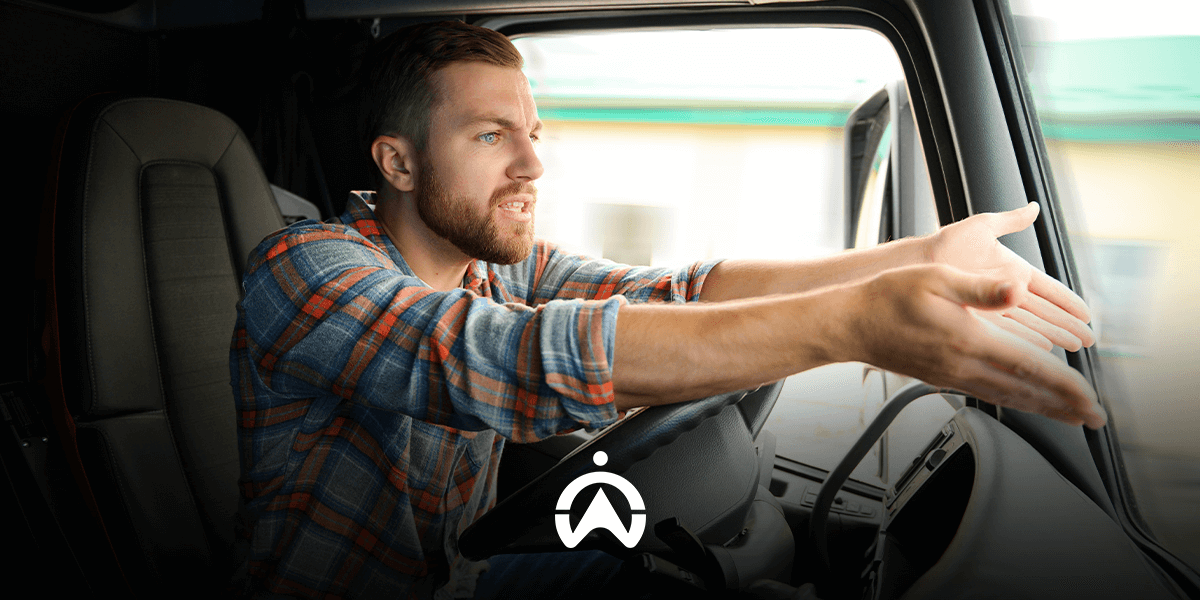
This less-than-friendly behaviour is more than just a feeling of frustration or a mean look, as it is displayed in different forms, including:

  • Yelling at other drivers
  • Making vulgar gestures
  • Physical violence

These behaviours endanger the lives of those involved and other road users. But just how common is it on Malawian roads?

What exactly causes road rage?

Driving recklessly, slowly or inconsiderately is usually met with an aggressive response from other drivers, aka, road rage. Factors like traffic, tailgating, driving while using the phone, weather conditions, aggressive driving and driving slowly are all quite common causes of road rage.

  1. Traffic jams:
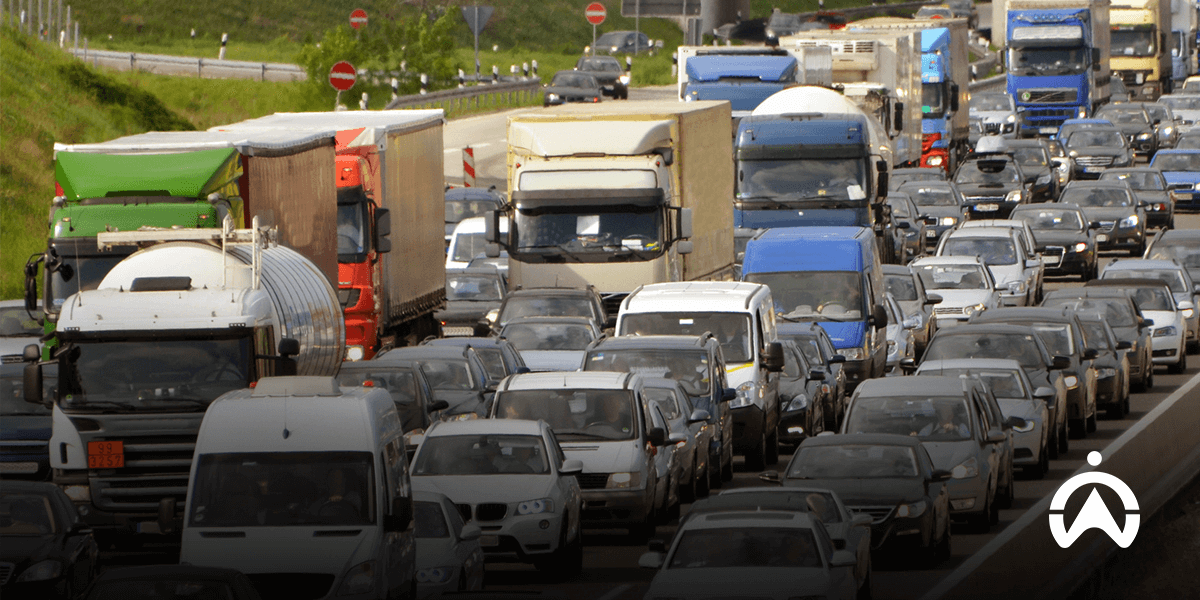
    When you’re stuck in bumper-to-bumper traffic and you’re already running late, it can cause you to drive recklessly in an attempt to get to your destination on time. However, all this does is make you and other drivers frustrated and annoyed, triggering road rage.

    Look at Thando, for instance; she’s about to miss a very important meeting because of traffic. So now she’s becoming impatient and starting to hoot, flash her lights and shout at other drivers to move out of her way and to move faster.
    ‍

  2. Weather conditions:
    Driving is already quite a stressful task. Add harsh weather conditions, and now it’s basically an extreme sport. When you’re feeling extremely stressed and nervous on the road, other drivers driving recklessly can cause you to be more agitated than usual.

    Now look at Brent, who’s caught in a severe rainstorm. Even though he’s making sure to drive cautiously and follow all the rules of the road, the person behind him is driving recklessly, overtakes him and causes him to brake harshly. Now Brent is upset and starts aggressively hooting and shouting at the other driver.
    ‍

  3. Aggressive driving:
    Aggressive driving is one of the most common causes of road rage. When someone is tailgating or brake-checking you, it can easily make you feel frustrated or angry, causing you to retaliate.

    Winston is speeding and tailgaiting anyone in front of him. Now this is causing other drivers to become angry at him and potentially react in a negative way.

This shows us that road rage is usually triggered by feeling unsafe and being inconvenienced while driving. Here’s what you can do to ensure that these actions don’t lead to road rage. What we can see from this is that road rage is usually provoked by feeling unsafe and being inconvenienced while driving. Here’s what you can do to ensure that these actions don’t lead to road rage.

What_are_some_common_causes_of_road_rage

7 Pro tips for avoiding road rage

Feeling frustrated on the road is normal, especially when you have somewhere to be or have had a long & draining day. Preventing road rage is impossible because you can’t control the next person, but you can take certain steps to avoid it yourself. Let’s check out 7 tips to help you avoid road rage.

  1. Drive safely:
    Cutting off drivers, driving in and out of lanes, and forcing yourself in front of another vehicle with the nose of your vehicle are irresponsible driving behaviours that trigger road rage.
    ‍
  2. Avoid unnecessary speeding:
    Did you know that tailgating increases the risk of being in a car crash by 13% to 14% compared to safe driving habits? This is because it makes you look impatient, a common trigger for road rage.
    ‍
  3. Avoid speeding:
    You should try to avoid speeding when possible. We all want to get to our destination but when you speed, especially when the weather is less than ideal, you’re putting your life and the lives of others at risk. And that’s exactly why it can lead to road rage, because your actions are risking everyone else on the road.
    ‍
  4. Plan your journeys:
    Delays and running late all cause you to behave more irrationally on the road. It’s recommended to plan your trips in advance so you’ll have extra time for possible delays, and you’re more likely to stay calm while you’re driving.
    ‍
  5. Don’t interact with angry drivers:
    STOP! Don’t pull that finger out to respond to that irate driver in his brand-new bakkie. Rather ignore him and get away from the situation as quickly and safely as possible.
    ‍
  6. Don’t drink and drive:
    Alcohol makes you irritable and short-tempered. This means it will make you more likely to behave aggressively behind the wheel, increasing the risk of road rage.
    ‍
  7. Watch out for the “L”:
    You have to be patient with learner drivers. They’re most likely not going to drive fast, as they’re already anxious on the road, and if you’re impatient, it can cause unnecessary road rage.

And even though these may not entirely protect you from experiencing road rage, they can significantly lower the chances of it affecting you.

But what if you’re the one having road rage?

What if you are the one exhibiting road rage?

When you’re on the receiving end of road rage, it simply requires you to disengage. But what do you do if you’re the one that’s exhibiting road rage? Let’s check out a few tips that can be helpful to you:

  • Take a deep breath:
    Road rage increases tension in your body, which simple breathing exercises can help relieve. This is because the more oxygen your blood has, the easier it is to calm down, so when you feel yourself about to have road rage, take a few deep breaths.
    ‍
  • Stay in your lane:
    Rather, stay focused on your journey instead of reacting to other drivers being reckless. When you let what other drivers do affect you, it’s easy to get upset and escalate the situation and make it take a potentially dangerous turn.
    ‍
  • Think before you speak:
    We’ve all seen or heard about the recent road rage incident that ended up with one person dead, one on trial and another in hospital. Think before reacting. Is your life worth fighting with someone who cut you off?

But what if you have a fleet? How do you stop your drivers from being involved in road rage incidents, and can you prevent road rage? Let’s find out.

What is a fleet management system?

A fleet management system helps you keep track of driver activities, ranging from where they are in real-time to whether they’re practising safe driving. Think of an FMS as your eyes and ears, from anywhere, anytime, at the tap of a screen.

But what role does it play in reducing road rage?

How does a fleet management system prevent road rage?

A fleet management system can help you prevent road rage in its ability to promote safer driving practices. Curious as to how? Let’s show you exactly how next-level technology does this:

  1. Driver behaviour monitoring:
    The root of road rage is dangerous driver behaviour. If you’re managing or are responsible for multiple vehicles, you can’t be in the passenger seat of each of them at all times to monitor driver behaviour. This is where a fleet management system comes in, providing you with solutions that help you detect and prevent harsh driver behaviour.
    ‍
  2. Recorded video footage:
    Road rage can lead to costly accidents, and in the unfortunate event that this does happen and your drivers aren’t at fault, you can use recorded footage to help prove their innocence. Having access to the exact footage you need helps you defend your drivers from any false claims to support exoneration.
    ‍
  3. Real-time analytics:
    Road rage can quickly spiral into a potentially dangerous accident. Should this happen and your drivers not be responsible for it, a fleet management system can help you see exactly where your drivers were and how they drove. This protects your drivers from false claims and legal costs you may incur due to road accidents.
    ‍
  4. Route optimisation:
    As we looked at earlier, traffic congestion is one of the major causes of road rage. When your drivers are short on time and a delivery is about to be late, tension begins to rise, which can lead them to drive dangerously.

    Our route optimisation feature looks at all the tasks your drivers need to complete and finds the best order to complete them in the most efficient, time-saving way. With a tool like this, your drivers are less likely to end up in situations that may lead to road rage and dangerous driving.
    ‍

  5. Advanced Driver Assistance Systems:
    We’ve established that tailgating is another major cause of road rage, and fleet management tools can help eliminate this too. This system makes use of smart technology to inform drivers of any obstacles or vehicles they’re tailgating.

Sounds incredible, right? We have the key to activating these benefits for your fleet; it’s Cartrack’s world-class fleet management system.

What_if_you_are_the_one_exhibiting_road_rage

Keep your fleet road-rage-free with Cartrack

If you’re tired of road rage running rampant in your fleet, you need a fleet management system, and who better to give this to you than Cartrack? Let’s see what features make us the ideal choice for your fleet:

AI Live Vision cameras

Bid farewell to distracted and dangerous driving with Cartrack’s AI Live Vision cameras. Powered by artificial intelligence (AI), this cloud-connected management solution uses in-cabin cameras to continuously monitor driver behaviour. This enables it to detect different forms of distracted driving, including:

  • Cellphone use
  • Smoking
  • Yawning and other telltale signs of fatigue

But this solution does more than just monitor the behaviour; it also triggers in-cabin audible alerts, immediately notifying your drivers and allowing them to correct their behaviour in real-time. Distracted driving plays a massive role in road rage, and our high-tech solution helps eliminate it.

ADAS

Keep your drivers completely aware of their surroundings with our Advanced Driver Assistance System. Powered by camera-based sensors, intelligent algorithms, and AI, ADAS takes a preventative approach to driver safety. One way it does this is by monitoring the distance between vehicles to help your drivers maintain a safe following distance.

By providing your drivers with real-time alerts when they drive dangerously close to another vehicle, this system can help prevent tailgating, a major contributing factor to road rage.

Driver scorecards

Monitor individual driver behaviour with our driver scorecards. These offer comprehensive ways to evaluate driver performance in great detail and rate each driver on how safely they drive. By monitoring high-risk behaviours that can lead to road rage in your drivers, you can provide specific training to improve driver behaviour behind the wheel, subsequently decreasing the risk of road rage.

These behaviours include:

  • Frequent and unnecessary speeding
  • Harsh braking and cornering
  • Aggressive acceleration

Route optimisation with Cartrack Delivery

Looking to simplify and automate your delivery solutions? Then get the most efficient routes with Cartrack’s Delivery solution. If your business has a fleet dedicated to delivering goods, you understand the implications of late deliveries on your brand’s reputation and its effect on productivity.

When your drivers are running late, it can cause them to behave irresponsibly on the road so that they can still make their delivery deadlines. This means they’re going to be speeding, turning harshly, or ignoring road signs. These actions can trigger road rage in other motorists.

Now with our Delivery app, you can put a stop to this. It will identify the most efficient order and routes so your team are able to complete all of their delivery tasks. Helping you keep your delivery operations running on time with little to no delays.

Real-time GPS tracking

Even if you’re not managing a fleet, you can still rely on Cartrack’s technology to help you avoid road rage by gaining total visibility of your vehicle with Cartrack’s live GPS tracking.

Our GPS tracking software does more than simply track your vehicle. It gives you access to your trip history with a route replay function, helping you to easily spot patterns of risky driving. With this information, you can then pinpoint actions that trigger road rage. This way you can stay safe and responsible on the road.

These solutions give your drivers ultimate road rage protection by helping foster a culture of safety and responsible driving. Let’s see what the experts have to say about this and what other tips they can give you for your operation.

Some tips from the fleet experts themselves

Although you have a fleet management system, it doesn’t take away from your general responsibilities as a motorist to be as safe as possible on the road. We’ve got your back, though, because we’re bringing you some road rage tips from one of our experienced Cartrack branch managers:

  • Always leave for your destination early. By allowing for enough travel time that takes traffic and other delays into account, you can keep calm knowing there’s no need to rush.
    ‍
  • Plan your routes. By knowing exactly which route you’ll be taking, you can avoid any delays that can trigger road rage.
    ‍
  • Play your favourite music, as this can help you remain calm.
    ‍
  • Always remain calm and courteous, and don’t get provoked when you encounter drivers with road rage. Allow them to pass and avoid eye contact.
    ‍
  • When you encounter a road rage incident, do not sound your horn, flash your lights, or start gesturing.
    ‍
  • If you are a victim of road rage and want to report the matter to the SAPS, record the aggressor registration and the location of the incident.

Safeguard your fleet and its drivers from road rage with Cartrack’s solutions

With a wide range of solutions to tackle nearly every cause of road rage, Cartrack is just what the road rage doctor ordered for your fleet safety needs. ‍Contact us today and make road rage a thing of the past.

FAQs

 Which is the most common form of road rage?

There are 5 common forms of road rage; these are:

  1. Tailgating: deliberately driving close to someone to intimidate them
  2. Verbal abuse: screaming, swearing or shouting
  3. Obscene gestures: making rude hand gestures
  4. Hooting: excessive, angry and continuous hooting
  5. Blocking: intentionally blocking another driver from changing lanes

Does a history of “harsh driving” alerts affect insurance premiums even if no accident occurs?

Yes, some insurance providers provide usage-based insurance. This means they don’t wait for an accident to happen to adjust your rates; they look at the probability of one occurring. This is why it’s important to have telematics in your fleet so you can provide fleet management data to prove that your drivers are well behaved on the roads.

What is the “Post-Incident Protocol” for a driver who has been a victim of violence?

When a driver has been a victim of violence, the “Post-Incident Protocol” requires you to shift from monitoring to support & evidence gathering. It should include:

  • Safety instructions for your driver
  • Immediate reporting to the Malawi Police Service (MPS)
  • Pulling camera footage for evidence and details
  • Providing support and counselling for your driver
  • Ensuring that a formal case is opened

Signal-Jamming Detection: Cartrack’s Advanced Technology Has Got You Covered

Losing signal while using GPS technology can be incredibly frustrating. Now imagine if someone jams these signals on purpose to steal your car. What can you do?

Signal jamming detection technology can be the difference between finding your car where you left it or reporting it stolen.

Find out exactly how advanced signal jamming technology can help keep you and your vehicle safe from theft and hijackings.

In this article, you will:

  • Learn more about signal jamming and signal jamming detection
  • Become acquainted with how signal jamming works
  • Establish why this technology exists and what it’s used for
  • Find out what you can do to avoid car theft and hijacking and stay safe
  • Discover Cartrack’s advanced jamming detection and anti-theft technology

What is signal jamming detection?

Imagine you’re trying to listen to your favourite song on the radio, but suddenly, someone cranks up static at full volume. That’s what signal jamming does at a basic level – it disrupts communication by blasting out interference. The effects of signal jamming can be irritating and dangerous, which is why signal jamming detection technology exists as a countermeasure.

Is it possible to fight back against this silent but powerful disruptive power? Yes, and the solution is signal jamming detection. Signal jamming detection technology monitors targeted frequencies for suspicious noise that indicates interference.

Ultimately, signal jamming detection picks up when these disruptions happen, acting like a security guard for the radio waves used to lock cars, use smartphones, or track vehicles’ movements to prevent or at least pick up sinister activities related to these signals.

By catching jamming attempts early on, it helps keep everyone connected.

What_is_signal_jamming_detection

The definition of signal-jamming technology: What does a signal jammer do?

Have you ever been in that frustrating situation where your phone inexplicably loses signal? It could be more than just bad reception. Signal jammers are devices designed to disrupt wireless communication, and by using one of these, criminals can cause the same signal-blocking effect on smartphones and even vehicle-tracking devices.

In a world where communication happens through frequencies, signal jammers are the ultimate party crashers. Imagine radio signals as voices trying to be heard in a crowded room. A jammer acts like a speaker, blasting loud music on the same frequencies used by cell phones and GPS devices. This interference drowns out the legitimate signals or voices, preventing normal communication.

In 2023, the SAPS recovered stolen vehicles and apprehended several vehicle syndicate thieves as the popularity of using signal-jamming technology to steal and hijack cars increased.

Why does signal-jamming technology exist?

Unfortunately, the reason for signal jammers’ existence is quite sinister, as we strongly suspect they were not created for the greater good of mankind. They have very few uses that are considered legitimate or above board, as their main function is to muddle and disrupt means of communication and the exchange of information.

  • Signal jamming usage is largely based on military activity, including overriding or obscuring a target signal and confusing enemy communications or radar.
    ‍
  • Signal jammers are also a popular tool used in several different crimes as they are effective prevention techniques for blocking calls and internet access, which can disrupt emergency response and communication with authorities.
    ‍
  • Criminals also use it to conceal their location by messing up vehicle tracker signals to evade capture.

All in all, signal jammers can cause chaos by disrupting personal and public communication while affecting logistics and business activities, which is why they are illegal and considered dangerous in most parts of the world.

How signal jamming is used in vehicle theft and hijackings

It is when a remote device is used to block or jam the locking device of a motor vehicle. When you press your vehicle’s remote, the prospective thief presses a different remote button simultaneously, effectively blocking the signal from your remote to your vehicle.

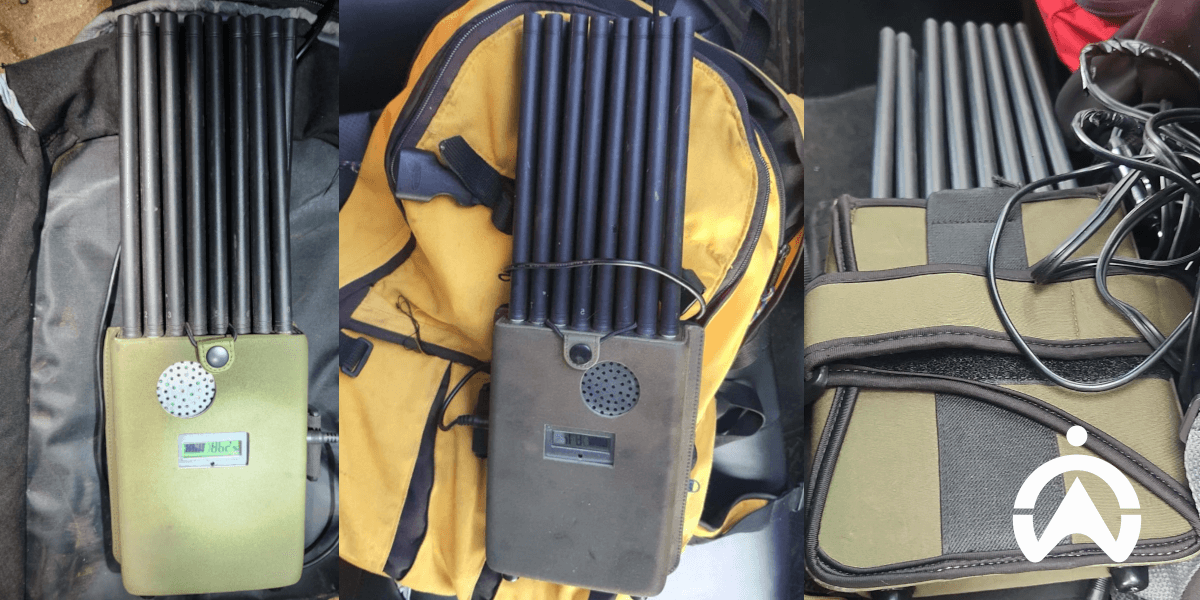
These devices can be small, hand-held, or large, industrial briefcase-size jamming devices. Certain jamming devices are simply plugged into the vehicle’s cigarette-lighter jack socket, blocking all tracking signals. This results in the control centre losing contact with the vehicle, where the tracking system merely shows the vehicle’s last position before the signal is lost.

Examples of common signal-jamming-related theft or hijacking event

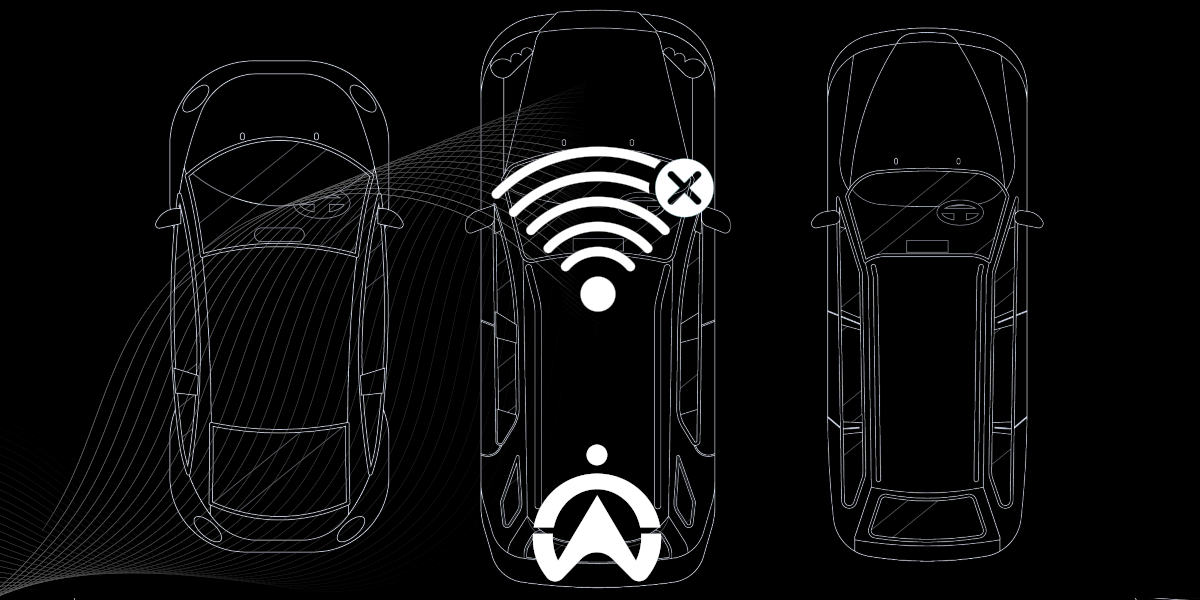
Criminals use GSM and GPS signal jammers to get tracking and recovery teams off their scent during and after hijacking operations. Signal jammers can prevent a vehicle’s telematics or tracking device from communicating its location to its service provider.

Cartrack’s jamming detection helps alert the control room of this activity, and in the event of a thief or hijacker using a jamming device to block communication between the tracking system and the cellular network, Cartrack Malawi can switch to RF frequency, which allows continued communication with the vehicle.

Your most burning questions about signal-jamming technology-related crimes answered

Do you have some questions about signal jamming and signal jamming detection? You’re not alone — here are the most frequently asked questions plus detailed answers to help you understand the concept and how the technology is used.

1. Can a car tracker be jammed?

Yes, a jamming device can block the signal from a vehicle tracking device. GPS jammers produce a white noise radio signal transmitted at around the same frequency as the GPS satellites used by the GPS, blocking out the signals to GPS tracking devices and navigation systems.

2. Can a GPS tracker signal be blocked?

Yes. A tracker’s GPS signals can be blocked by a variety of objects, including aluminium foil, plastic containers, and even wet trees. These are examples of more cost-effective options, but criminals use signal-jamming devices because they are more effective than aluminium and plastic and, as you can imagine, are easier to come by and transport than wet trees.

3. How do you prevent signal jamming?

In most cases here in South Africa, we’re looking at signal jamming incidents related to preventing you from locking your car, leaving it vulnerable to theft, or criminals jamming your tracker’s signal in the event of hijacking to deter recovery teams from tracking and recovering your vehicle.

4. Is signal-jamming prevention expensive?

Purchasing a signal-jamming detector can be pricey depending on your budget and how you plan on using the device. However, some companies like Cartrack Malawi offer jamming detection as a value add-on or product feature, making it more affordable and convenient for that unforeseen day when you may end up needing it.

Apart from using a jamming detector, you can also do some things to ensure criminals don’t just get away with car theft and other crimes scot-free, and proper preparedness is the first step towards prevention.

signal_jamming_technology_related_crimes

5 Top tips that help you avoid falling victim to vehicle theft

There’s a lot you can do when it comes to preventive measures, so we’ve chosen some of the smartest options that help you deter vehicle theft and track down those involved.

  • Use a steering wheel or gearbox lock

    Sounds so last century, doesn’t it? However, criminals’ hacking skills are never too far behind the invention of the latest technology. Returning to physical barriers like steering wheel and gearbox locks will make it incredibly inconvenient for criminals to steal your car quickly.
    ‍
  • Stash it, don’t flash it 

    A campaign launched by the CCID or Cape Town Central City during the 2018 festive season urged holiday-goers to keep their valuables out of sight to avoid theft and robbery. In a country with a high crime rate that includes vehicle theft and smash-and-grab incidents, this remains valuable advice. Always ensure your wallet, phone, and other valuables are safely stashed away and not visible to passers-by.
    ‍

  • Vigilance is key 

    Assessing your surroundings while parking and before leaving your vehicle behind can give you a good idea of whether the environment you’re leaving your car in is generally safe. Trust your gut, and don’t think twice about your safety. If it doesn’t look or feel right or if there are suspicious-looking individuals on the scene, the best option will always be to get back into your car and drive to a location where you feel more secure.
    ‍

  • Show us your vehicle’s VIN

    Etching your vehicle’s VIN on all your major car parts is like putting a unique identifying tattoo on each of your limbs. While your dismemberment is highly unlikely, it’s terrifyingly likely that your car might be after a theft or hijacking event. Putting a tracking component on your vehicle parts is an invaluable tool for following the tracks of criminals in car theft syndicates long after incidents of theft, providing invaluable leads for law enforcement and helping stop multiple incidents of vehicle theft.

How Cartrack’s safety-first technology keeps you in control of your car’s location

Cartrack Malawi offers state-of-the-art signal jamming detection technology to ensure our control room agents can keep tabs on your tracker despite signal jamming attempts. On top of that, we provide other features that add extra layers of protection against vehicle theft and hijacking for your vehicle or fleet:

Stolen Vehicle Recovery: With dedicated air and ground recovery operations, the Cartrack Stolen Vehicle Recovery team leaps into action the moment your vehicle is reported stolen. With advanced signal jamming detection technology, we have the tools to access your vehicle’s location even when car thieves attempt signal jamming.

CarWatch: Keep an eye on your car even when you’re not there. CarWatch is an early warning system conveniently located on the Cartrack app. With the push of a button, you’ll know the moment your vehicle moves without your consent and alert our stolen vehicle recovery team.

Protector: Have complete peace of mind in case of an emergency with Cartrack’s Protector feature. Get instant access to premium medical, roadside, and legal assistance to ensure your safety fears of ever being left stranded and vulnerable are a thing of the past.

Driver ID and Start Prevent: Control who can drive your fleet vehicles by assigning Driver ID Tags. Combined with our Start Prevent feature, assigned drivers can only start fleet vehicles with your authorisation, ensuring optimised security and a decreased risk of vehicle theft.

‍Limited Stolen Vehicle Recovery Warranty: In the unlikely event that your vehicle has been stolen and cannot be recovered by Cartrack’s dedicated recovery team, you can claim R150 000 cash back with Cartrack’s Limited Stolen Vehicle Recovery Warranty. *Cartrack’s Recovery Warranty Terms and Conditions apply.

Combat signal jammers and maximise vehicle safety with Cartrack Malawi

With Cartrack Malawi on your side, there’s nothing to lose except the risk of vehicle theft. Contact us today to find out more about different Cartrack Malawi packages and how they can help you increase vehicle safety.

Truck Accidents: How To Shield Your Drivers And Protect Your Fleet

Truck drivers transport cargo on our roads daily, making truck accidents a real risk fleet managers must mitigate.

But don’t hyperventilate yet; there are smart solutions and software that can help you optimise your fleet operations and increase your fleet safety.

Ready to start dramatically decreasing truck accidents in your business?

Let’s dive straight in.

In this article, you will:

  • Learn more about the causes of truck accidents
  • Determine if and how fleet accidents can be prevented
  • Wise-up on top tips to avoid and minimise truck accidents
  • Understand the importance of driver wellness
  • Get insights on driver safety that help reduce the risk of trucking accidents
  • Discover how Cartrack can help you dramatically reduce truck accidents

Why it’s essential to protect your fleet from truck accidents

Automotive road accidents have disastrous consequences with potential injuries and even fatalities.

However, there are other influential factors from a fleet management perspective. The fewer truck accidents, the more improved and consistent your fleet’s performance and confidence will be. You’ll also see a notable reduction in maintenance costs as fewer vehicles need to be repaired or replaced and a visible increase in ROI.

Why_it’s_essential_to_protect_your_fleet_from_truck_accidents

The top trending causes of commercial vehicle accidents

  • Speed: According to the United States Department of Transportation’s National Highway Traffic Safety Administration, speed contributes to a concerning one out of three fatal truck accidents in the US. While this may be related to the systematically rising speed limits in several states.
    ‍
  • Distracted driving: Another trending cause of commercial vehicle accidents is distracted driving, and the statistics are concerning. According to the International Transport Forum’s Road Safety Annual Report, South Africa has one of the highest road accident rates in the world, and around 25% of those crashes are caused by using mobile phones while driving — a classic example of distracted driving.
    ‍
  • Driver fatigue: Traveling hundreds of kilometres doing a monotonous task like long-distance driving takes its toll on the body and mind and can cause serious deterioration in the required alertness and concentration. According to Arrive Alive, 41% of road accidents are fatigue-related, while 39% of problems truck drivers experience are fatigue-related.

Discover the most pressing FAQs about truck accidents

1. How do truckers protect themselves?

Prevention is most definitely better than cure, and in long-distance truck driving, it’s the best way to avoid potentially devastating accidents that may cost truckers and other motorists their lives.

There’s also the issue of trucks being prime targets for commercial vehicle hijackings precisely because of the commodities they’re transporting. In these cases, the following precautions can help keep truckers, vehicles and cargo safe on the road:

  • Sticking to pre-planned routes,
  • Staying in regular contact with your dispatcher,
  • Keeping the vehicle locked at all times,
  • Only parking in well-lit areas,
  • Avoiding picking up hitchhikers, and
  • Only stopping at official truck stops

2. How can truck accidents be prevented?

Like all fleet vehicle accidents, truck accidents cannot be a hundred per cent prevented. To ensure a fleet is prepared for any situation on the road, fleet managers can implement various strategies and technological solutions to minimise the risk of accidents and increase efficiency.

Cartrack’s fleet management solutions provide a range of options to help increase driver safety and simplify the tracking of driver behaviour and risky driving with automated fleet admin.

3. How do I protect myself from other drivers?

If there’s one thing professional truck and other fleet drivers are well aware of, it’s that you can never presume the behaviour of another driver while on the road. So, it’s crucial to practise defensive driving techniques like:

  • Anticipating and predicting the behaviour of other motorists, whether they’re pedestrians, drivers, or cyclists.
  • Obeying traffic rules with no exceptions
  • Practising caution
  • Maintaining a safe following distance. Training your drivers to have a defensive driving mindset is crucial to setting a gold standard for safety and reducing the risk of accidents and injury on the road

Lower the risk of accident with these 4 top tips

Monitor and reward safe driving

Using a reward system or positive reinforcement strategy is a viable way to improve road behaviour and compliance linked to driver safety and reduced accident risk. Driver reward system efficiency is well-researched, and by getting to know your drivers’ behaviour more intimately with a driver monitoring system, you can create a solid base for relevant assessments that offer rewards your fleet drivers will value, fostering motivation and team workplace compliance.

The link between motivation and compliance is essential to ensure safety and reduce truck accidents. Keeping tabs on driver behaviour with telematics technology helps keep your fleet safe and motivated.

Use advanced tech to your advantage

The good old dashcam can help you identify key causes of trucking accidents, road conditions, traffic issues, and driver behaviour. However, even more advanced cameras andSaaS-based technology are available to optimise fleet driver protection and reduce truck accident risks.

  1. A fleet management performance tracking system uses telemetry data to track different components of a fleet’s performance, including trip reports, risky driver behaviour like excessive braking and speeding, and whether drivers stick to their allocated route to help fleet managers effectively pinpoint areas of concern for effective training and improved driver safety.
    ‍
  2. With smart cameras, live stream technology, and face recognition, you’ll always know who’s in your driver’s seat. So, if there are incidents on the road with our drivers, you’ll have the video footage to help you settle any disputes and insurance claims.
    ‍
  3. If you don’t want your fleet vehicle to move, technology allows you to disable it remotely, significantly contributing to roadside safety for your fleet and other motorists. Controlling fleet vehicle movement can prevent accidents caused by driving under the influence, unauthorised vehicle usage, fatigued driving, and increased road safety.
    ‍
  4. Fleet management technology that allows streamlined reporting on driver behaviour is also a key contributor to tailor-made driver training by allowing fleet managers to pinpoint exactly where drivers are going wrong and focus on their improvement.

Encourage regular rest and breaks

Driving, especially long-distance driving, requires quick-wittedness and a healthy mindset. Studies have found that poor sleep quality negatively impacts truck drivers’ job performance, with a high percentage of drivers reporting sleepiness during the day. Software created to accurately monitor drivers’ working hours plays a vital role in making sure drivers are not overworked and minimising potential truck accidents caused by fatigue.

Getting a good night’s sleep and stopping regularly to freshen up on long routes makes the world’s difference in your truck drivers’ mental capabilities and drastically reduces the risk of having a truck accident.

Prioritise fleet vehicle preventative maintenance

Preventative maintenance has so many advantages that it’s difficult to imagine effective fleet management operations without it. From increasing fuel efficiency to saving on costly vehicle breakdowns, preventative maintenance also has a notable effect on reducing truck accidents.

By ensuring fleet vehicles are in peak working condition, you’re taking an essential precaution to protect your fleet and other drivers on the road against preventable accidents. A fleet should operate like a well-oiled machine, and it all starts with the health of your vehicles’ gearboxes, brakes, tyres, and lights.

Conduct regular driver training

With the right fleet management technology, you can monitor drivers closely and create a custom-made training programme vital to address your fleet’s flagged behaviours. Overall, it’s important to instil a defensive driving mindset, which creates a solid platform for responsible driving habits. Consider the following defensive driving tips:

  • Always be prepared for an emergency
  • Watch out for those blind spots
  • Keep enough following space
  • Communicate with other drivers
  • Make slowing down the default
Encourage_regular_rest_and_breaks

How Cartrack’s advanced software can help keep your drivers safe

With Cartrack, we design our products with your fleet’s safety in mind. By implementing advanced telematics-based fleet management and camera-based technology, you can help prevent truck accidents and optimise your business’s safety with the following state-of-the-art tech:

  1. LiveVision cameras for increased driver safetyHave 24/7, real-time access to driver activity in fleet vehicles with a flexible, user-friendly vehicle video system. This live-streaming system allows the improvement of driver safety, reduces driver liability by pinpointing and addressing unproductive behaviour, assists with insurance claims, and ultimately keeps drivers safe and compliant.
    ‍
  2. AI camera technology to address distracted driver behaviourEnsure increased driver awareness and concentration with advanced in-cabin AI technology that detects distracted driving behaviour. By sending audible, real-time alerts to drivers for behaviours like yawning, smoking, phone use and more, so your drivers can rectify mistakes in real time to prevent accidents and boost overall fleet safety.
    ‍
  3. Driver behaviour reports for effective, personalised driver trainingIdentify risky driver behaviour like speeding, harsh braking, cornering and more, and use these detailed driver behaviour reports to train drivers on where improvements need to be made, allowing you to instil a safer driving culture and boost fleet safety in your business.
    ‍
  4. Driver ID tags so you’re sure the right person is behind the wheelBeing able to choose who can and cannot start your fleet vehicles helps put you in control of your fleet’s safety. You can stop unauthorised vehicle usage by giving each driver a unique driver tag, which they need to tap against a sensor to start their fleet vehicle, helping you increase driver safety and reduce the risk of accidents.

Discover how Cartrack empowers Diraro Group to minimise truck accidents

At Cartrack, we aim to take the guesswork out of long-distance commercial trip safety and help you reduce fleet incident rates.

Here’s how we helped Diraro Group reduce fleet accident risks and increase driver security:


Get Cartrack and boost truck driver safety in your business

Contact us today to discover how Cartrack puts you in control of your fleet’s safety.

Keyless Car Theft – Which Keyless Cars Are the Most Stolen Now?

Keyless cars provide an easy, breezy lifestyle. Gone are the days of having to insert keys or press key remotes to access and drive vehicles. While this sounds appealing, unfortunately, the keyless system can and is being easily hacked by car thieves.

But don’t worry, there’s technology out there designed to outsmart criminals and protect your vehicle.

Let’s get straight into it.

In this article, you will:

  • Explore keyless entry systems and the vulnerabilities that lead to theft
  • Identify common hacking tactics used by criminals for keyless car theft
  • Understand the most targeted keyless cars and factors influencing risk
  • Discover prevention measures to protect your keyless entry car
  • Explore the tools and technologies offered by Cartrack Malawi to combat keyless car theft

Keyless entry cars? Let me explain

Imagine strolling up to your car with no jingling keys in hand, touching the door handle and voila — your door magically unlocks.

Welcome to the world of keyless cars, where simply having your car key in your pocket or using an app is all you need to gain seamless access to your vehicle.

Most of us still remember the days of having to insert and turn an actual metal car key into a vehicle’s door to unlock it. Sounds pretty old-school when you put it like that, but those days are gone. Today, you can open and start most cars with a key fob, card, or even an app.

Modern vehicles have moved from the conventional, bulky key to a compact, advanced fob. This fob emits a unique signal that the car identifies when nearby and unlocks or locks the doors, giving you hassle-free access to the vehicle and allowing you to start the engine with a simple push of a button and be on your way.

It’s convenient, futuristic, and can sometimes feel like magic.

What is keyless car theft?

Sometimes magic comes at a cost. While car theft might conjure images of smashed windows and hotwiring, a modern method has emerged: keyless car theft. This sophisticated technique exploits vulnerabilities in keyless entry systems, allowing thieves to steal vehicles without breaking a sweat.

Common hacking tactics used for keyless cars

While keyless cars offer convenience, their advanced technology can also make them vulnerable to sophisticated criminals.

Understanding common hacking tactics is crucial to protecting your vehicle and outsmarting criminals who seek to exploit its vulnerabilities.

1. Relay/replay theft:

Criminals use relay devices to amplify and capture the key fob signal, even inside the owner’s home.

Steps:

  • One thief holds a device near the car, mimicking its signal.
    ‍
  • The other thief holds a device near the key fob (often near your home), relaying the signal to the car.
    ‍
  • The car is tricked into thinking the key fob is nearby, allowing the thieves to unlock and start it.

2. Signal jamming:

Imagine a radio tuned to static, not music. That’s what jamming does. Thieves use signal jammers to block communication between the key fob and the car, preventing it from locking and leaving the car vulnerable to theft.

The big question: Which are the most targeted keyless cars?

While any car with a keyless entry system can be of interest, some are more targeted than others. Factors like the security protocols of the specific system, the complexity of the signal encryption, and the availability of aftermarket equipment for specific manufacturers can influence the risk.

In recent years, carjackings in Malawi have been slowly increasing.

While the reported hijackings prove motorists should be fearful of their keyless vehicles being stolen, the numbers don’t specifically show how many of the cars were keyless entry vehicles.

Which_are_the_ most_targeted_keyless_cars

Are keyless cars stolen more?

There has been a surge in keyless car theft since 2022, and slowly but surely, more modern keyless cars are on the road than there are conventional key cars. But besides the vehicle being a keyless car, there are other factors criminals consider before hijacking vehicles.

Other vehicle types that are most at risk are:

High-value vehicle targets:

  • Luxury SUVs: These plush rides often come equipped with the latest technology, including high-end keyless entry systems. Their value and popularity make them tempting targets for professional thieves.
    ‍
  • Premium hatchbacks: Combining sporty performance with modern tech, popular hot hatches are attractive to a wider range of criminals, from joyriders to professional thieves.
    ‍
  • Full-size sedans: Spacious and luxurious, these often family-friendly vehicles can be attractive targets for organised crime rings, especially models with advanced keyless features.

Additional vulnerability factors:

  • Push-to-start ignition: Vehicles with push-button start systems are generally more vulnerable than ones requiring a key, as simply unlocking the car grants access to the ignition.
    ‍
  • Car model/era: Generally, newer models with more advanced keyless systems are less vulnerable and certain older models still on the road may have known security flaws exploited by thieves. However, the more advanced vehicles are the ones that are sought after, despite having higher security protocols like alarms and car trackers.
    ‍
  • Popularity: Cars that are in high demand from thieves due to their resale value or ease of dismantling parts are more likely to be targeted.

Hijacking can be a dangerous and traumatic experience for the victims. If your vehicle falls under the factors listed above, there are a few things you can do to make yourself less of a target:

  • Install an alarm system and tracking device
    ‍
  • Avoid driving in high-crime areas
    ‍
  • Be aware of your surroundings and take precautions to avoid being targeted

Why get keyless vehicles?

Like any vehicle, keyless cars can’t guarantee 100% security from car thieves, but they are still gaining popularity among motorists. Why? Well, there are several reasons:

Convenience

No more standing by your vehicle while digging through your pockets and bags for your keys. Keyless cars offer a seamless and secure experience with effortless entry, push-button starts, and remote trunk access. This not only makes life smoother but also ensures added safety, sparing you from vulnerability, especially for those juggling groceries and kids.

Security

With automatic locking and potential alerts if your car moves without the fob, keyless cars provide an added layer of security. All keyless cars have advanced technology that makes them resistant to traditional theft methods like manually jamming the window down with a wire to lift the door locking knob or breaking the door to get inside and sparking the wires to start the car.

Modernity

Owning a keyless car feels like stepping into the future, with features like remote trunk access and walk-away locking adding a touch of modern ease to everyday driving.

Besides criminals copying the fob and running off with your ride, other aspects can leave your car vulnerable, like a lost or dead fob. This can leave you stranded, unable to lock your vehicle after parking and leave it unprotected if it’s unable to lock. Always have a backup plan or spare fob handy.

Prevention measures to protect your keyless entry car

Before we dive into the list of security measures you can take to protect your car, let’s quickly look at a vital one you can practise before you even leave your car.

When stepping away, don’t just rely on your vehicle automatically locking behind you, always manually check if your vehicle has locked. If not, lock it manually, then scan the immediate area for anyone hanging around.

Here are other protection methods you can use to protect your vehicles against car theft:

  • Steering wheel locks: Physical deterrents can prevent theft even if the keyless system is compromised.
  • Car alarms and tracking devices: Install aftermarket security systems for added protection.
  • Distance your keys from your car: When at home, keep your car key (and the spare) away from the car, doors, and windows. Another option is to turn off the signal on your key fob. If you don’t know whether your key’s signal can switch off or not, search through your vehicle’s manual for the answer.
  • Faraday pouches/signal blockers: Invest in signal-blocking pouches or Faraday cages to prevent your key fob from transmitting a signal when not in use.
  • Physical barriers: Keep your car keys in a metal tin or aluminium foil to create a barrier that blocks electronic signals.
  • Consider additional security measures: Install aftermarket alarms, immobilisers, or GPS tracking devices for extra protection.
Prevention_measures_to_protect_your_keyless_entry_car

How Cartrack Malawi helps businesses and everyday motorists combat keyless car theft

While traditional methods like alarms and steering wheel locks still have their place in vehicle theft prevention, when it comes to fleets, fleet management solutions and trusted vehicle tracking companies like Cartrack Malawi offer a more powerful counterpunch against modern vehicle theft techniques.

Cartrack’s anti-theft solutions for fleets

  1. Real-time tracking: Imagine your car disappears. Panic sets in, replaced by immediate action as you access Cartrack’s fleet management platform. A map illuminates, pinpointing your stolen vehicle in real-time, its every twist and turn is clear to see. This is the power of real-time tracking, guiding our 24-hour recovery team directly to your stolen vehicle.
    ‍
  2. Geofencing: Build a virtual fort surrounding any area, such as high-risk zones, to help counter vehicle theft. Every time your vehicles enter or exit these geofenced areas, it triggers an alarm, alerting you to quickly inform authorities of potential theft before the thieves vanish with your vehicle.
    ‍
  3. Driver ID Tag: Equip each authorised driver with a unique tag that requires them to tap on a sensor to start the vehicle. This swiftly informs the manager of which driver is behind the wheel of their vehicles, ensuring vehicle safety, accountability and transparency.
    ‍
  4. Start Prevent: Be able to disable and enable a vehicle through the fleet management interface. The vehicle immobilisation will activate only when the ignition is off, ensuring safety for both the vehicle and the driver, as there’s no abrupt halt. This feature provides a safe security measure whenever vehicle theft or unauthorised driving occurs.
    ‍
  5. Smart camera software with live streaming: Experience complete visibility by gaining full access to both interior and exterior views in real time. This provides enhanced tracking capabilities for fleet managers and authorities in cases of vehicle theft.

Cartrack Malawi features that protect everyday drivers’ cars from hijackings

At Cartrack, we offer more than vehicle safety solutions for business, we also provide trusted technology that can assist everyday drivers in hijacking events.

When you call us for assistance, here’s what to expect:


In the face of rising keyless car theft incidents, Cartrack Malawi offers robust solutions to safeguard your vehicle:

  • Ultimate vehicle protection: Use our stolen vehicle recovery services (SVR) in the unfortunate event of theft or hijacking. Once a vehicle has been reported, our 24/7 control room and recovery teams leverage GPS tracking technology to locate and recover your vehicle swiftly. With a remarkable average recovery rate of 90%, giving you total peace of mind.
    ‍
  • CarWatch: This is like your personal digital car guard, an early warning system that customers can activate at the touch of a button through our mobile app. It notifies Cartrack in advance if your parked vehicle is moved without your knowledge.
    ‍
  • Protector: Cartrack Protector offers 24/7 professional roadside assistance at the push of a button on the Cartrack mobile app. It provides assistance in battery jumpstarts, tyre changes, car towing, and even emergency and accident services whenever needed, like in the unfortunate event of being hijacked and being harmed as the outcome.
    ‍

Count on Cartrack Malawi as your trusted ally, especially in the face of rising keyless car theft concerns. Face keyless car theft worries with these Cartrack Malawi solutions.

Outsmart car thieves with Cartrack’s advanced vehicle tracking solutions

Whether you own a sleek new ride with keyless entry capabilities or a reliable classic vehicle, Cartrack Malawi has your back! Our vehicle monitoring and tracking solutions are tailored to protect your investment, providing a safety net for every journey. Safeguard your vehicle today, contact Cartrack Malawi.

G-force – The Remarkable Science Of Monitoring Harsh Driver Behaviour

Harsh driving behaviour is one of the biggest challenges faced by fleets, but do you know how it is measured?

The short answer? G-force. No, we’re not talking about the movie with cute guinea pigs that work as secret agents; we’re talking about gravitational force. But how does it work exactly, and why does your fleet need to be conscious of it? Let’s find out.

In this article, you will:

  • Learn exactly what g-force is
  • Discover the crucial role g-force plays in measuring harsh driving behaviour
  • Find out what damage harsh driving can cause your fleet
  • Understand the importance of a driver monitoring system
  • Unlock unparalleled safety for your entire fleet with our driver monitoring system

What is g-force?

A g-force, often referred to as a gravitational force, is defined as a measure of acceleration. In simpler terms, it is how much you are pushed or pulled when you accelerate, brake, or turn. When we stand on the ground, the weight and force that prevent us from floating away are equivalent to one “g.” This measurement serves as a metric to quantify any form of acceleration, making it important in various fields, including aviation, the military, and the fleet industry.

What is harsh driving?

Harsh driving can be defined as any sudden change in the direction or speed of a vehicle or truck going at a steady rate. It is often noted as sudden changes in g-forces that can be monitored by an accelerometer, a device that measures changes in the speed or direction of a moving body (in this instance, a vehicle).

When an accelerometer is at rest, it measures one g-force, which is the force of gravity acting on it. When the accelerometer is in motion, it measures the difference between the force of gravity and the force of acceleration acting on it. The accelerometer measures acceleration in meters per second squared (m/s²), and this can be converted to g-force by dividing the acceleration by the acceleration due to gravity (approximately 9.81 m/s²).

Accelerometers are widely used in transportation, including in airbags, where they detect sudden changes in a car’s speed, signalling an imminent collision, and trigger an electric circuit that makes the airbags inflate.

How does g-force relate to harsh driving?

Harsh driver behaviour is typically expressed in terms of g-force due to its role in monitoring the behaviour. This is done by measuring the magnitude of acceleration and deceleration a vehicle experiences. Due to harsh driving that subjects a vehicle to abrupt changes in speed, direction, or both, a sudden increase in g-force experienced by the driver, passengers, and the vehicle itself is a key indicator of harsh driving.

Harsh driving is expressed in terms off g-force, due to it playing a crucial role in measuring the magnitude of acceleration or deceleration that a vehicle experiences.

What are the different forms of harsh driving?

Harsh driving is a broad term used to describe a range of driving behaviours. Here are the four most common forms of harsh driving:

  1. Harsh braking: Harsh braking is when a driver uses more force than necessary to stop a vehicle. While there are some understandable instances where hard braking cannot be avoided (such as stopping to prevent an accident), unnecessary hard braking may suggest distracted driving, as it is a common effect of drivers failing to maintain a safe following distance. This increases the chances of a rear-end collision, as there isn’t enough following distance to allow for sudden yet safe deceleration.
    ‍
  2. Harsh acceleration: Harsh acceleration is when drivers use more power than necessary to move their vehicle after coming to a stop. Frequently seen when drivers are waiting at a traffic light and slam the accelerator to get moving as quickly as possible, when drivers quickly accelerate in an attempt to beat a red traffic light, or when drivers aren’t paying attention to traffic flow and have to speed off from a stop line, harsh acceleration can be indicative of distracted driving. It often suggests a lack of focus, impatience, or an attempt to compensate for lost time while not paying attention to traffic signals or the surrounding environment.
    ‍
  3. Harsh cornering: Also referred to as sharp cornering, harsh cornering is defined by a driver accelerating through a turn, which causes them to turn the corner too fast. This is quite dangerous, as it puts more force on the vehicle’s tires. This means a driver can lose control of the vehicle entirely, leading to accidents with other vehicles. On top of that, it puts top-heavy vehicles at risk of flipping. It also leads to limited visibility of the road beyond the bend, which puts drivers at risk of encountering obstacles.
    ‍
  4. Lane drifting: Lane drifting is defined by a driver unintentionally drifting out of their lane and crossing into another lane or onto the shoulder of the road. When a driver diverts their attention away from the road, even momentarily, their likelihood of lane drifting is greatly increased. This is dangerous, as it increases the likelihood of collisions with adjacent vehicles and poses a risk to oncoming traffic. It can indicate distracted driving, as taking your eyes off the road can cause you to drift. It can also indicate a lack of proper following distance, increasing the risk of rear-end collisions.
What_are_the_different_forms_of_harsh_driving

How does harsh driving impact fleets?

Harsh driving can have significant negative impacts on fleet vehicles that not only affect safety but overall fleet efficiency. Here’s how:

  1. It reduces fleet vehicle lifespan:Harsh driving significantly impacts the longevity of fleet vehicles in the following ways:- It increases tire wear:Harsh acceleration forces the tires to grip the road intensely, leading to an increase in friction and heat generation. This excessive stress leads to premature tire wear, which reduces tread life and compromises the tire’s structural integrity. Harsh braking can also cause uneven wear patterns on their tires, diminishing their lifespan and necessitating more frequent replacements.- It increases brake system strain:

    Frequent harsh braking leads to increased wear on brake pads, and this intense friction results in decreased brake pad lifespan, which compromises vehicle safety.- It increases suspension system strain: Harsh driving puts a strain on the vehicle’s suspension parts, such as shocks, struts, and bushings, which reduces their effectiveness. These components are important for maintaining vehicle stability and proper functioning of the steering system, which makes your vehicles more susceptible to mechanical failures.
    ‍

  2. It increases your fleet’s fuel consumption:Harsh driving has been shown to increase the amount of fuel your vehicle burns in the following ways:- It increases fuel consumption due to downshifting: Harsh braking has been shown to drastically raise your vehicle’s fuel consumption, thereby diminishing fuel mileage. When a driver brakes harshly, a vehicle’s transmission downshifts to the lowest gear. While this downshifting is necessary to compensate for the sudden decrease in speed, lower gears require more engine revs to maintain movement, which means more fuel is burned. Tests have indicated that aggressive driving can increase fuel consumption by approximately 40%.- It diminishes fuel mileage: The increased fuel consumption resulting from harsh driving negatively affects your fleet’s fuel mileage. A study by the Oak Ridge National Laboratory indicated aggressive driving can reduce fuel economy by 15%-30%.
    ‍
  3. It reduces tire performance:Harsh driving can have the following negative impact on your vehicle’s tire performance:- Causing uneven wear: Harsh driving contributes to uneven resistance on the tires. Harsh acceleration causes tires to struggle against intense friction, unevenly wearing the tread down. Harsh braking also forces the tires to work against the road surface, resulting in uneven wear patterns that diminish tire life.- Causing flat-spotting: Harsh braking can lead to flat-spotting, which occurs when tires skid or lock up, causing them to slide across the pavement. This wears down specific parts of the tire tread more rapidly than others, creating uneven wear patterns and reducing the tire’s effectiveness and life span.

    – Increasing heat build-up: Harsh driving generates excessive friction, which leads to increased heat build-up in tires. Tire overheating accelerates the deterioration of tire rubber compounds and makes them more susceptible to blowouts and structural damage.
    ‍

  4. It increases the risk of collisions:Harsh driving increases the risk of vehicle collisions in the following ways:- Increasing risk of rear-end collision: Harsh driving reduces the safe following distance between vehicles, decreasing the driver’s ability to respond to sudden changes in traffic flow, and increasing the risk of collisions- Reducing response times to potential hazards: Harsh driving compromises a driver’s ability to respond promptly to unforeseen situations, such as a vehicle suddenly changing lanes, pedestrians unexpectedly crossing the road, or obstacles on the road. This reduction in response times increases the likelihood of accidents as the driver doesn’t have enough time to avoid potential road dangers.

    – Compromising vehicle stability and control: Harsh driving destabilises a vehicle, which affects its handling capabilities. This makes it more difficult to manoeuvre safely, especially in emergencies where drivers need to quickly adjust their driving and take sudden actions. This compromised control significantly increases the risk of accidents.
    ‍

  5. It increases fleet maintenance costs:Harsh driving increases your fleet’s maintenance costs by:- Increasing wear and tear on vehicle components: Harsh driving behaviour places strain on critical vehicle parts such as brakes, tires, suspension systems, transmission, and engine components. This leads to premature strain being placed on these components, causing them to wear out sooner than planned. This means fleet managers need to allocate more time and resources for frequent servicing, part replacements, and repairs, which leads to unplanned vehicle downtime and increased maintenance costs.
    ‍
  6. It harms driver performance:Harsh driving affects your driver’s performance in the following ways:- It reduces their response time: Harsh driving behaviour diminishes a driver’s ability to quickly react to unexpected situations, leading to delayed reactions that increase the likelihood of accidents.- It increases their stress levels: Harsh driving has been shown to induce physiological stress responses, which heighten driver anxiety and tension. This increase in stress not only affects driver’s mental well-being but also impairs their cognitive function, which affects decision-making abilities and reaction times.

    – It increases fatigue: The physical strain caused by harsh driving, such as harsh acceleration, braking, and steering, can increase driver fatigue. Over time, this constant strain contributes to increased exhaustion and reduced focus, especially during long-distance journeys. This decreases your driver’s situational awareness and impairs their judgement, heightening the potential for accidents.

To pick up on harsh driving, you need to keep a close eye on your fleet driver’s behaviour. While this may seem like a challenge, a driver monitoring system is your key to simplifying the entire process.

What is a driver monitoring system?

A driver monitoring system is an advanced vehicle safety technology that combines hardware and software to consistently track and assess driver behaviour, attentiveness, and overall condition while they’re behind the wheel. This cutting-edge technology combines sensors, cameras, and advanced data processing mechanisms that work to conveniently give you unparalleled access to fleet driver behaviour. The primary objectives of this safety-focused system are to enhance safety, prevent accidents caused by driver distraction or fatigue, improve overall driver performance, and boost overall fleet efficiency.

How does driver monitoring work?

Driver monitoring systems are very intricate, utilising a wide range of components that work together to effectively monitor driver behaviour. These components include:

  1. Cameras: Cameras are the foundation of driver monitoring systems. By making use of driver-facing cameras that are equipped with infrared light-emitting diodes, the systems can track the driver’s head position, eye movements, and facial expressions. These cameras are also equipped with advanced AI algorithms that work to continuously analyse driver behaviour, and pick up on signs of distraction, drowsiness, or impairment.
    ‍
  2. GPS tracking: GPS tracking is another crucial component of driver monitoring systems. By leveraging GPS tracking, fleet managers gain access to data on driver routes, stop locations, and the real-time location of their vehicles. This comprehensive video of a vehicle’s movements provides valuable insight into driver behaviour, such as speeding, idling, or unauthorised detours.
    ‍
  3. Driver Scorecards: Driver scorecards are comprehensive performance evaluation tools that can assess driver behaviour within a fleet. These give fleet managers detailed insights into individual driver behaviour, encompassing factors such as speed compliance, harsh braking, and adherence to designated routes.
    ‍
  4. Data processing and analysis: Data processing and analysis are integral to effective driver behaviour monitoring. By collecting and presenting a wide range of data related to driving patterns, vehicle movements and location, this system helps fleet managers detect patterns, easily identify instances of harsh driving,

What are the benefits of a driver monitoring system?

While the main reason for implementing a driver monitoring system could be to eliminate harsh driving, this system yields a wide range of benefits that positively impact your entire fleet operation. These benefits include:

  1. Improving fleet driver safety: Driver monitoring systems provide a combination of hardware and softwarethat monitors driver behaviour around the clock. This advanced software works to detect signs of distraction, drowsiness, and fatigue, which makes it crucial to prevent accidents from occurring, as these behaviours can significantly increase the risk of accidents.
    ‍
  2. Reducing the risk of accidents: A driver monitoring system helps prevent potential accidents by identifying and alerting drivers about their distracted or fatigued behaviour while they’re behind the wheel. These behaviours significantly increase the risk of collisions and loss of vehicle control. When these signs are detected, the system can issue alerts to the driver, prompting them to refocus their attention.
    ‍
  3. Lowering fleet maintenance costs: By promoting smoother and safer driver habits, driver monitoring systems help reduce wear and tear on vehicle components. Extending the lifespan of brake components, suspension systems, and tires, directly translates to a decrease in maintenance and repair costs.
    ‍
  4. Improving fleet fuel efficiency: Driver monitoring systems work to detect and alert drivers to various fuel-wasting driving behaviours, such as excessive idling, harsh acceleration, and speeding. This helps drivers promptly fix their behaviour, playing a significant role in improving your fleet’s fuel efficiency. This contributes to cost savings by reducing fuel consumption across your entire fleet.
    ‍
  5. Improving overall fleet efficiency: Driver monitoring systems significantly reduce accidents, which means decreased downtime. Decreased downtime due to accidents or breakdowns allows for uninterrupted fleet operations, which ensures the timely completion of tasks, deliveries, or services. This leads to increased customer satisfaction and loyalty, improving overall fleet efficiency.
What_are_the_benefits_of_a_driver_monitoring_system

Gain unparalleled insights into driver behaviour with Cartrack’s driver monitoring system

Cartrack Malawi is here to bring a world-class driver behaviour monitoring system right to your fleet. Equipped with a wide range of technologies that help you take your driver behaviour to the next level, our system is just what you need to improve your fleet driver’s behaviour and reap the benefits of safe fleet functioning. These include:

  1. ADASKeep your drivers aware of their surroundings with Cartrack’s Advanced Driver Assistance System (ADAS). This is a technology that is designed to enhance fleet safety and efficiency. By alerting your drivers to potential road hazards, detecting and responding to obstacles, and helping them maintain a safe distance from other vehicles, ADAS works to heighten your drivers’ awareness of their surroundings.These functionalities are made possible through the integration of camera-based sensors, artificial intelligence, and intelligent algorithms, which all work together to provide driver assistance features that enhance driver safety. These include:- Data processing
    – Driver assistance features, including:
    Automatic emergency braking: This feature quickly identifies potential collisions and automatically engages the vehicle’s brakes. This helps to either minimise the impact or prevent the collision entirely.
    Forward collision warning: This feature quickly alerts your drivers when their vehicle is approaching an obstacle or vehicle too quickly, which can help them prevent rear-end collisions.
    Blind-spot detection: This feature quickly alerts your drivers to vehicles that are in blind spots, helping them reduce the risk of lane-changing accidents.
    ‍
  2. Live Vision AI camerasGain 24-hour visual access to your fleets with Cartrack’s Live Vision AI cameras, an AI-powered, live streaming technology. This cloud-connected video management solution makes use of AI analysis to give you access to driver behaviour monitoring and real-time alerts. This technology can also detect various forms of distracted or dangerous driving, including:- Speeding
    – Smoking
    – Fatigue
    – Cell phone useWhen any of the above behaviours are detected, audible in-cabin audio alerts are triggered, immediately notifying your drivers. This helps them correct their actions in real time, preventing potential accidents from taking place. What’s more, fleet managers can also receive these real-time alerts and access the footage via a livestream feed, which helps them ensure that preventative action is immediately implemented.
    ‍
  3. Driver scorecardsGet an overview of each of your drivers and their behaviour with Cartrack’s driver scorecards, helping you determine how safely they drive. This is done by keeping track of any high-risk behaviours, such as- Harsh acceleration
    – Harsh braking
    – Excessive idling
    – Excessive speedingThese scorecards help you identify the specific areas drivers need coaching in. They help you provide them with specific training to help them improve their behaviour behind the wheel. This is a very crucial part of an effective driver monitoring system, as it helps you pinpoint specific indicators of harsh driving, along with the drivers who perform these behaviours.
    ‍
  4. Fuel monitoringKeep track of your vehicle’s fuel levels and quickly spot harsh driving with Cartrack’s fuel monitoring system. Our real-time fuel level monitoring makes use of advanced sensors installed inside fuel tanks, which enable the live monitoring of fuel consumption through our fleet management platform. By helping you conveniently monitor fuel levels as changes occur, you can quickly identify sudden spikes in fuel consumption, which could be indicative of harsh driving, with behaviours such as excessive idling, speeding, and harsh braking contributing to increased fuel consumption.
    ‍
  5. Crash detectionEnsure your drivers receive immediate assistance in the event of a car crash or accident with Cartrack’s crash detection. As much as your drivers can implement safe driving strategies, this doesn’t guarantee that other drivers will exercise the same vigilance and safe driving habits on the road. By making use of our smart device that detects a crash or accident by making use of special g-force sensors and AI algorithms, we can detect and pinpoint the exact location of accidents in real time. This enables us to quickly contact you and dispatch emergency services to your driver’s live location if they are involved in a car crash or accident.

Let Cartrack Malawi help you streamline your driver behaviour monitoring today

Are you ready to establish a safety-first driving culture in your fleet? Embark on the journey to improved driver safety with Cartrack Malawi and gain access to world-class technologies.

‍Contact us today, and embrace improved driver safety for your fleet.

5 Simple Ways To Protect Your Car From Hackers

Gone are the days of smashing the window of a car to break into it. In today’s world, a laptop and a signal device are all that hackers need to drive away with your vehicle.

While technology has improved the driving experience, it has also simplified car theft and introduced new digital vulnerabilities. Just in the first three months of 2023, a total of 5 119 cars were hijacked in South Africa.

This article will delve into easy methods you can take to protect your car from hackers.

Let’s get straight to it.

In this article, you will:

  • Learn 5 ways to safeguard your car against hackers and prevent theft
  • Gain insights into the common methods hackers use to steal your car
  • Discover which vehicles are more prone to being hacked
  • Understand how Cartrack’s technology enhances fleet and vehicle safety

Vehicle Safety in the Digital Age

In our tech-driven world, cars have become more than just a way to get from one point to another. They’ve evolved into sophisticated machines, bringing convenience and connectivity to our fingertips. Yet, as we embrace this digital revolution on wheels, it’s crucial to recognise that our vehicles are now vulnerable to a new kind of threat — car hackers.

5 Easy Tips To Prevent Being Hacked

Cars today are more than just engines on wheels; they are equipped with an array of technology and features like remote park assist, wireless connectivity and proximity parking alerts that all rely on software, Bluetooth, and data connectivity. These tech-savvy motors have even become motorists’ biggest assets!

To ensure your prized possession remains safe and sound, whether on the road or wherever it’s parked, here are five effective strategies to shield your car from cyber threats:

  1. Strengthen Your Digital Defences:

    Just as you secure your computer or smartphone, your car’s onboard systems need protection too. Ensure that your car’s software is up-to-date with the latest security patches and updates. Manufacturers often release software patches to address vulnerabilities and protect vehicles against potential hacking threats.
    ‍

  2. Hack-Proof Your Key Fob:

    Your key fob is the gateway to your vehicle’s systems. To prevent fob attacks, store your key fob in a Faraday pouch, or even in aluminium foil, to block its signal and keep hackers at bay. If applicable, some brands allow you to turn off your key fob’s wireless signal.
    ‍

  3. Secure Wireless Communication:

    Many modern cars have features like Bluetooth connectivity and remote access that rely on wireless communication. Secure these wireless communication channels using strong, unique passwords and enabling encryption to prevent hackers from intercepting signals and gaining unauthorised access.
    ‍

  4. Be Cautious with Third-Party Devices:

    When adding aftermarket devices or accessories to your car, ensure they’re from reputable sources and have been thoroughly vetted for cybersecurity. Some devices might introduce vulnerabilities if they’re not properly secured.
    ‍

  5. Manage Remote Access Wisely:

    If your car offers remote access features, like starting the engine or unlocking doors through a smartphone app, disable these functions when you’re not using them. This minimises the window of opportunity for hackers to exploit potential vulnerabilities in the remote access system.

Easy_Tips_To_Prevent_Being_Hacked

How Cybercriminals Hack Your Car

These days, almost every car you see on the road is equipped with remote keyless entry (RKE) systems. These cutting-edge setups grant drivers the convenience of unlocking, locking, and even starting their cars without the need to physically press the key itself. The only requirement? The key remote, also known as the key fob, needs to be close by.

Hackers have mastered the art of stealing a car in a matter of minutes. From the moment you lock your car and walk away, criminals have already started the process of riding off with your wheels.

Let’s dive into their playbook and witness their moves:

  • CAN bus intrusion: Armed with a smart device, hackers slip into a car’s inner workings through entry points like headlights or wires. Blink, and you might miss it. Once inside, they’ve got the power to unlock the car and bring the engine to life.
    ‍
  • Signal jamming technology: This involves interference with radio frequency signals, such as those used in keyless entry systems. By jamming the key fob signal, attackers can prevent the vehicle from receiving the legitimate unlock command, making it more vulnerable to theft.
    ‍
  • Relay attack: This typically involves two attackers working together using relay devices, with one attacker standing near the targeted vehicle, while the other stands near the owner’s key fob. The criminals intercept the signal between a key fob and the car and pass on or transfer messages through the signal to unlock and start the car, even if the key fob is not physically present.
    ‍
  • Replay attack: Either than the relay attack, this one simply needs the thieves to capture legitimate data transmission from the key fob when you lock or unlock your car and play the signals back later to trick the car into believing the keys are close by and simply unlock.

Which Vehicle Can Be Hacked?

The simple answer to this question is – all of them. Unfortunately, any car with a computer system or connected to the internet is vulnerable to getting hacked. However, some cars are more prone to being hacked and hijacked than others. In no order, here are some examples of cars that have been identified as being more prone to being hijacked in South Africa:

  • Toyota (including the Hilux, Fortuner, and Rav 4)
    ‍
  • Volkswagen (including the Polo and Golf)
    ‍
  • Ford (including the Ranger and F-150)
    ‍
  • Nissan NP200

It’s important to note that these are just examples, and any vehicle, whether used for personal or business purposes, can be vulnerable to hacking and theft. It’s recommended to take precautions to protect your vehicle, such as using advanced vehicle technology provided by Cartrack.

How Cartrack’s Advanced All-in-One App Can Help

Whether you’re behind the wheel of a brand-new automobile or one that’s been your trusted companion for years, equipping your vehicle with Cartrack’s cutting-edge tracking unit can mean the difference between spending money and starting over in the event of theft or swiftly reclaiming your prized possession with Cartrack’s remarkable stolen vehicle recovery and other services.

Cartrack offers several services and features that can help protect your car from getting hacked and stolen.

Here are some of the ways:

  1. Real-time vehicle tracking: With Cartrack’s GPS vehicle tracking system, you can keep a close watch on your car’s whereabouts in real-time. In case of theft, this feature enables you to pinpoint the exact location of your vehicle, assisting law enforcement in swift recovery efforts.
    ‍
  2. SVR (stolen vehicle recovery): Customers receive immediate assistance if their vehicle gets stolen. After it’s stolen and you inform Cartrack Malawi of the event, Cartrack’s on-the-ground and air recovery teams will be dispatched and immediately start searching for your vehicle. Our SVR rate of over 90% is trusted by over 1.7 million customers.
    ‍
  3. CarWatch: This is an early warning system like a virtual car guard that activates at the touch of a button and notifies Cartrack Malawi in advance if your vehicle is moved or tampered with without your knowledge. This allows Cartrack to proactively send a recovery team to increase the chances of recovery.
How_Cartrack’s_Advanced_All_in_One_App_Can_Help

Cybersecurity Tips for Fleets

Businesses relying on vehicle fleets are navigating a new realm of opportunities, but they are also not safe from hackers. The connectivity and efficiency brought by fleet management systems have undoubtedly streamlined operations, but they have also introduced the same vulnerabilities to commercial vehicles.

Cartrack Malawi fleet management software offers several features that can help protect against cyber threats:

  • Compliance monitoring: Cartrack’s fleet management software offers compliance monitoring that instantly alerts admins of any compliance or business risks in real-time. This can help prevent unauthorised machinery or vehicle usage and ensure that your fleet is operating per regulations and best practices.
    ‍
  • Fleet visibility: Cartrack’s fleet management software provides full visibility of your vehicles, drivers, and cargo, so managers can actively identify any potential security threats.
    ‍
  • Live monitoring and alerts: Cartrack Malawi offers live GPS positioning, geofence monitoring of no-go and operational zones with vehicle entry, and exit alerts, and live task monitoring. All of these assist in fleet monitoring in real-time for potential security threats.
    ‍
  • Stolen vehicle recovery (SVR): Cartrack Malawi tracking units provide 24-hour security, vehicle tracking, and stolen vehicle recovery services. This can help you locate and recover stolen vehicles, minimise the impact of car theft incidents and avoid costly vehicle replacements.

By using Cartrack’s fleet management software and taking advantage of its features, you can help protect your fleet against cyber threats and improve overall cybersecurity awareness.

Elevate Vehicle Safety with Cartrack’s Expertise

Level up the security of your entire fleet or personal vehicle with Cartrack’s advanced vehicle tracking device. Our impressive recovery rate exceeding 90% and reliable solution puts you in full control of your vehicles, increases their visibility, and bolsters the safety of your valuable assets through top-notch security features.

Give your vehicles protection you can trust. Discover the peace of mind that comes with our cutting-edge technology. Explore Cartrack Malawi now.