How Much Does a Car Tracking Device Cost Now?

If you’ve ever searched online for a car tracker, you probably know that there are many options at different prices. But how much does a tracking device cost now, and how much is a good price for what you’re getting?

Join us as we explore this topic and provide the latest details about the top car trackers and prices.

In this article, you will:

  • Learn how much car trackers currently cost
  • Find out why investing in a car tracker right away is worth it
  • Understand which car tracker is your best choice
  • Discover Cartrack’s affordable tracker solutions
  • Learn how investing in Cartrack now will give you peace of mind

So, How much does a car tracking device cost now?

It is always wise to make an educated decision on whatever you buy. One way to inform yourself is to find out if different car trackers come at different prices. Learning if there are various packages and a “cost” range for car trackers in Malawi will also help you make the right choice.

Do some vehicle trackers cost more than others?

Vehicle tracking costs vary, and there are several reasons why. So, before establishing how much a vehicle tracker costs now, let’s look at which components play a role in determining how much they may end up costing and why some are more expensive than others.

  • Hardware quality:
    A device installed in a vehicle must be durable externally and internally to withstand everyday wear and tear caused by extreme temperatures and other environmental factors. Using quality materials can affect the tracker’s price, but it also ensures that you don’t end up having constant issues that need repairs.
    ‍
  • Compatibility:
    The more advanced and compatible the device, the more likely it will reflect in its price. This will not necessarily make a huge difference, but tracking companies can put a premium on their device because it is suitable for most makes and models.
    ‍
  • Connectivity:
    The better the connectivity, the higher the price is likely to be, as the tracker can provide more accurate data. And what’s the point of a tracker if the data you’re getting is not up to date?
    ‍
  • Features:
    Does the tracker you’re eyeing provide added features, or is it just vehicle tracking? Additional perks can increase a product’s value, making some products cost more.

Of course, a car tracking provider doesn’t need to make their product unaffordable because it’s a quality product, so looking at the prices of different trackers is a great way to figure out which are affordable and offer value for money.

Why investing in a car tracker is more than worth the money

Car trackers benefit anyone, especially Malawians—they are worth the investment! Read the following to understand why:

Lower insurance costs

Insurance companies tend to provide lower premiums for people who install car trackers. Reasons for this include:

  • Concerning car theft rates, Malawi’s increasing car theft rates are likely causing many stolen vehicle insurance claims, which means that insurance companies will have to pay out more. These companies will likely add more restrictions to claims to lower costs or premiums on stolen cars. This way, they can reduce payouts. One of these strategies is risk profiling of car security.
    Risk profiling analyses how likely you are to pay insurance claims based on many factors. For car insurance, this can include driving experience, age, marital status, and the likelihood of your car being stolen.
    ‍
  • Car security: An approved tracking device is one of the many parts of car security. Others include a car alarm or wheel locks. Car security means that your vehicle is more likely to be recovered in the event that it is stolen or hijacked. This means that even if, in the unlikely event, your car is not recovered, insurance companies are more likely to pay out due to your investment in car security.
    ‍
  • Cartrack Insurance Agency:  Our insurance agency will help you find the perfect insurance company to provide the best and broadest coverage for you and your needs.

Go that extra mile and invest in your loved ones

Your loved ones are priceless, so it’s wise to invest in a car tracker. After all, some hijackings can escalate…

  • An increase in extreme hijackings: Hijacking statistics in February 2024 by the National Anti-Hijacking Police stated, “Hijackings are becoming more violent…”

How to know which car tracker is worth your time and money

  • Quality: Quality is essential because a quality car tracker will last longer, work better, and save you money in the long term. Quality car trackers are well-hidden and include a long battery life and real-time tracking. At Cartrack, not only is our battery reliable, but we also provide a backup battery that turns on when your battery dies or disconnects. With GPS tracking, we can track your car in real time. On top of all this, we have advanced fitment techniques, making trackers borderline undetectable.
    ‍
  • Company reputation: Reputation is essential to your choice of car tracker. It is gained from positive and negative experiences with the company and indicates the company’s general quality of service.
    ‍
  • Refund and return policies: Refund and return policies mean the company is so confident in its service that it’s willing to risk giving back the money it earned. Cartrack’s devices come with a 12-month warranty, during which we will repair them at zero cost.
    ‍
  • Easy to use: A user-friendly device creates less stress and takes less time to implement its intended function.
Discover Cartrack’s affordable car tracker solutions

From R99.00 per month, Cartack’s vehicle tracking solutions provide safety for you and your loved ones, real-time visibility of your car, trip histories, and replays and risk reports you can use to improve your driving. We have a dedicated Stolen Vehicle Recovery team ready to spring into action the moment you report, or we detect that your car is stolen.

GPS vehicle tracking solutions

Cartrack offers superior tracking solutions for only R99.00! Let’s explore the unique features we offer to give you peace of mind.

  • GPS Tracking: Locate and track your vehicle in real time with the power of GPS tracking.
    ‍
  • CarWatch: To use CarWatch, you can use the Cartrack App to connect to the device we install in your car. Activating CarWatch on the app can detect any movement and send you a push message notification.
    ‍
  • Cartrack Limited Recovery Warranty*: If, in the rare event your stolen car is not recovered, you can claim up to R150,000. *Terms and Conditions apply.
    ‍
  • Protector: Protector is also available on our application. We offer 24/7 legal assistance, emergency services, or roadside assistance.
    ‍
  • Logbook: This solution is excellent for business people. You categorise each trip as business or personal. The logbook then records and logs your trips, automatically putting together a SARS-ready report. You can then download this report.
    ‍
  • Crash Detector: If you have an accident, our control room will notify you and send you the needed help.

All our services and solutions are designed to keep you and your vehicle safe and sound.

Invest in a Cartrack tracking device to avoid the consequences of “Now-Now’’

At Cartrack, we realise that time is money, so our Stolen Vehicle Recovery and 24/7 Control Room are included in all our solutions. Your peace of mind and time are precious to us. 

Give up your pizza for just one night. This will give you long-term and cost-effective security. Choose wisely and contact Cartrack Malawi today.

Frequently Asked Questions (FAQs) about car trackers and costs

Q: Which car tracker company is the best in Malawi?  

A: You should consider Cartrack the best car tracker company in Malawi for various reasons. One reason is that we hold the highest SVR rating in the country due to our high average vehicle recovery rate of over 90%.  More than that, our Hello Peter trust rating is higher than all other tracking companies in the country.

Q: How much does it cost to install a car tracker? 

A: Every company differs in installation prices, but the amount can be pretty pricey. Some packages include monthly instalments separate from the monthly payments.

As mentioned, our affordable fittings are advanced and provide as much certainty as possible that thieves won’t be able to find or turn off the device.

Q: Can you track your car with your phone? 

A: Most car tracking companies provide a phone application with many features, such as the ability to follow the tracking device.

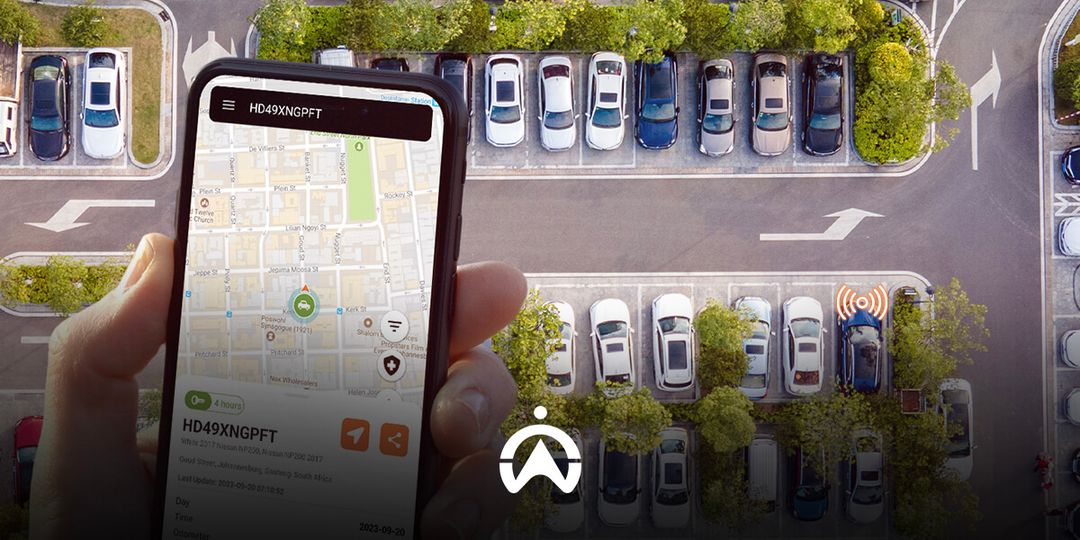
Our accessible mobile application shows you exactly where your vehicle is, has GPS tracking, and keeps a recorded history of its whereabouts – these are only some of its features and benefits.

Q:  Can a car with a tracker be stolen?

A: Understandably, you want to spend money on a car tracker that makes you feel safe. However, car trackers do not provide one hundred per cent protection.

That said, they certainly significantly increase the protection of your car.

At Cartrack Malawi, our advanced car trackers, devices, features, and teams enhance your protection tenfold.

‍Contact us to find out more about our affordable tracking solutions.
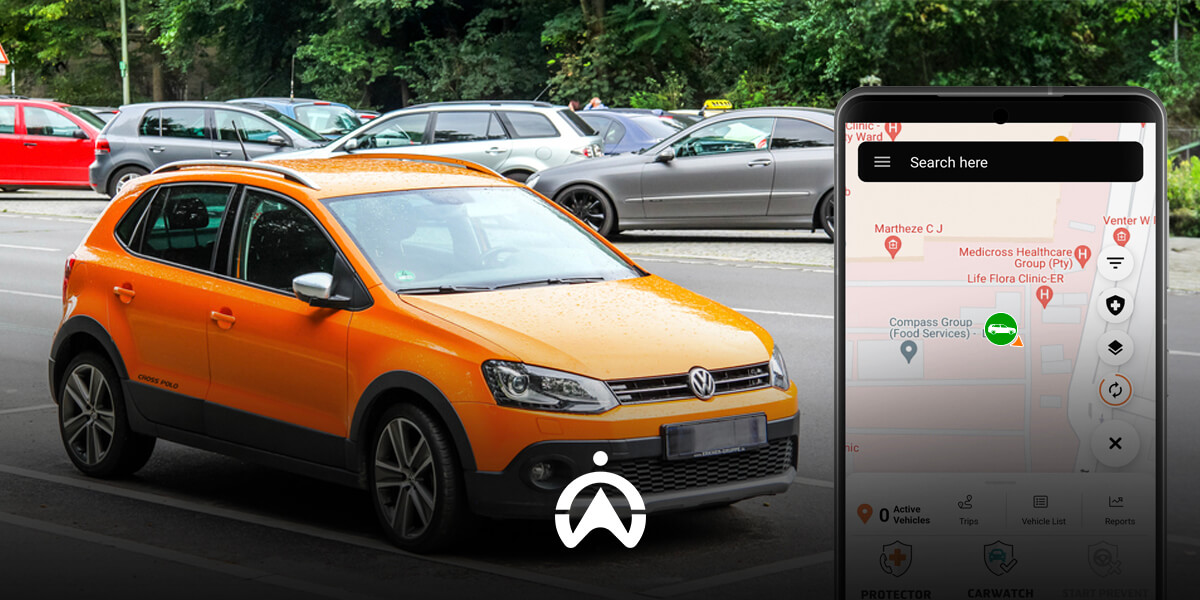
Are Car Trackers Worth the Money?

Imagine you’re driving a quiet scenic route to George: it’s green everywhere. The hills, the farms, the plants next to the road, all different shades of green. You’re so focused on admiring your surroundings that you miss one of the sharp turns the George Pass is so well known for.

The next moment, you’ve lost control of your car, and your coffee that turned cold hours ago is everywhere.  Finally, you comes to a standstill, and you’re still alive! But, wait—no one knows where you are. There weren’t any cars behind you to witness your accident and offer help. If only your car had a tracker…

Compelling story, isn’t it, but are car trackers really worth the money? Let’s find out.

In this article, you will:

  • Find out what a car tracker is
  • Get a better understanding of why you need a car tracker
  • Get an idea of what your options are if you do not want a car tracker
  • See the benefits of having a Cartrack unit
  • Read a case study on how Cartrack helped Calgan Recliners save fuel

Are car trackers worth the money? Let’s start by looking at what a car tracker is

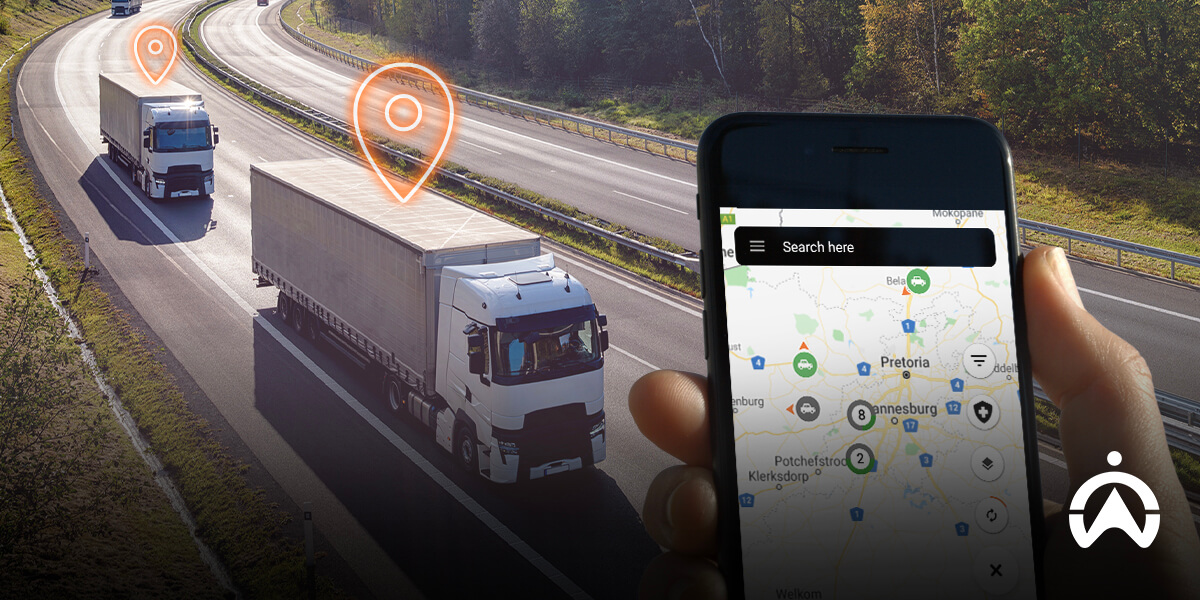
A car tracker is a small GPS telematics device used to monitor your vehicle’s location in real time. In other words, if you forget where you parked your car in the maze called the mall parking lot, don’t worry about it—you can use your vehicle’s tracking unit to locate your car.

A telematics tracking device can also be used to track your vehicle’s telematics data such as whether the ignition is turned on/off, and whether the driver committed any harsh driving offences such as speeding or sharp cornering.

Why you need a tracker in your car

Having a tracker in your vehicle poses a great number of benefits, and some of these include:

  1. Preventing your vehicle from falling victim to car thieves:
    A total of 5,937 carjackings took place from October to December 2023 according to the 2023/2024 third quarter report. A GPS tracker can stop thieves in their tracks because it can be integrated with other vehicle safety measures such as alarms that blare when your vehicle is being tampered with.
    ‍
  1. Increased chance of recovering your vehicle: 
    When our vehicles get stolen we all go through the 7 steps of grief:
  • Shock: “My car. My Sweet Suzi (the name of your car in this scenario) was just here. 10 minutes ago Sweet Suzi was just here. Where is she?”
    ‍
  • Denial: “No no no. My car is not stolen. I just forgot where I parked (*starts turning in maddening circles trying to locate Sweet Suzi*).”
    ‍
  • Pain: “My favourite sweater was in my car. And my brand new Stanley Cup. My brand new expensive Stanley Cup.”
    ‍
  • Anger and bargaining: “When I find the guy who stole my Sweet S…”
    ‍
  • Depression: “I’m never getting Sweet Suzi back again. Ever.”
    ‍
  • Reconstruction: “It’s okay if I don’t get Sweet Suzi back again. And it’s okay if I tear up every time I see a beat-up white Suzuki Swift.”
    ‍
  • Acceptance and hope: “I lost Sweet Suzi but I can still get her back.”

Your chances of getting your vehicle back once it has been stolen are much higher when it has a car tracker installed. The reason for this is that the recovery team, whether it’s the police or a tracking company’s recovery team, can use the GPS function of the tracker to locate your vehicle and retrieve it. So, you never have to worry about never driving Sweet Suzi again.
‍

  1. Increase your safety:
    Have you ever driven down a secluded road and thought, “If I get into an accident right now, I will surely not make it because there’s no one around.” Your chances of being safe can increase exponentially when you have a vehicle tracker.
    The reason for this is that most trackers have telematics functions that can detect when your vehicle abruptly stops or collides with something. In instances like these, the system can contact you, your emergency contact and emergency services to provide you with immediate assistance.
    ‍
  1. Keep an eye on your loved ones’ safety with real-time vehicle location monitoring: Traveling or moving to a new city can be quite daunting and your loved ones often worry about your safety. To give them peace of mind, you can share your live location and even create geofences to notify them when you’ve reached a specific location.
    ‍
  2. Lower your vehicle insurance premiums:
    Your vehicle insurance premiums can drop like a penny down a well when you have a car tracker. Insurance companies oftentimes offer discounts for members who have car trackers because it reduces the chances of their vehicles being stolen, and if it does get stolen, the recovery rate is much higher.
    ‍
  1. Your vehicle’s fuel efficiency at its best:
    We all know that we have a couple of… shortcomings… when it comes to driving, whether that is driving, by pure accident of course, 160km/h in the 120km/h lane or driving 40km/h in the 100km/h, or imagining we’re Usain Bolt, and zooming between the lanes by revving and braking at neck break speeds. We all have our habits. Which isn’t always good for our fuel efficiency. A car tracker’s telematics unit can gather the data to show what our individual shortcomings are, allowing us to work on improving those habits so that we can get the most out of our fuel per month.

You have other options when you don’t want to use a car tracker… at your own risk

In the instance that you wish not to get a car tracker, which we don’t recommend, you have other options at your disposal when keeping yourself and your vehicle safe:

  • Car guards can keep an eye on your car: There is at least one car guard at any shopping centre, store or office. However, let’s look at it from their perspective: they offer their services on the premise that they aren’t going to get paid because most of the time they aren’t. And if they are, it’s not a lot. They also don’t get the necessary training of have the tools to defend your vehicle when it gets stolen. Is it your best option? You decide.
    ‍
  • Neighbourhood watch can do patrols: Another alternative to using a car tracker is neighbourhood watches. You and the people in your street can create shifts to drive around the neighbourhood at night to ensure that no one tries to steal the vehicles that are not securely parked. However, your car will not always be in the vicinity of your neighborhood watch patrol, and these patrol officers are often fatigued unalert as they have to stay up into the early morning hours.
    ‍
  • Parking your vehicle in a secure location: You can park your vehicle in a gated area however that’s not always an option as not all stores or complexes have gated parking lots.
    ‍
  • Use your cellular device’s GPS tracking: You can also use the GPS function on your mobile phone while you are in the vehicle; however, if you get out of your vehicle, it will no longer have a GPS tool to track it if it gets stolen.

Why choose Cartrack as your tracking partner?

  1. Location tracker: Our tracking devices monitor your vehicle’s location in real-time and show data such as whether it’s, driving, idling, or turned off. This will allow you to have the peace of mind in knowing that the moment your vehicle gets stolen or you get hijacked we can see your live location and send out a team to find you and your vehicle.
    ‍
  2. Stolen Vehicle Recovery (SVR): Cartrack’s specialised Stolen Vehicle Recovery teams use the GPS tracker in your vehicle to locate it and recover it as quickly as possible. It’s also reassuring to know that our stolen recovery rate has been holding a steady position of over 90% for several years now.
    ‍
  3. Limited Recovery Warranty*: In the event that your vehicle gets stolen, and Cartrack is unable to recover it, you can claim up to R150 000 from us. This option does however come with *Ts&Cs.
    ‍
  4. Risk alerts: You can get alerts on your mobile app when your vehicle is about to enter a high-risk area for instances such as popular hijacking zones. This can give you the option of not entering the area or being extra vigilant when you do decide to enter the area.
    ‍
  5. CarWatch: You can get a personal digital car guard that notifies you when your vehicle moves without your knowledge and/or authorisation.

Case study: A baby, a stolen vehicle, and the relief of having a Cartrack

Alicia Lamprecht was visiting with one of her friends in Observatory (residential area in Johannesburg) when her car was stolen with her baby still in the back seat. Luckily, she has a tracking unit in her vehicle and was able to monitor the location of her vehicle in real-time on her Cartrack mobile app while she got in contact with Cartrack’s control room. With the help of Cartrack’s SVR team, they were able to find her vehicle but her baby was not in it anymore. Luckily, the vehicle’s location gave them a starting point to search for her baby.


Still wondering if car trackers are worth the money? Don’t wait for your most precious possession to get stolen to find out you need one! Contact us today and keep them safe with Cartrack Malawi.

Frequently Asked Questions about Car Trackers

  • Is it worth putting a tracker to my car?
    Yes, it is worth getting a tracker in your vehicle. Having a tracker in your vehicle has various benefits such as a higher rate of vehicle recovery if your vehicle gets stolen, lower insurance premiums per month, and being able to see your vehicle’s telematic data which can help you lower your fuel costs per month.
    ‍
  • Which car tracker is best in South Africa?
    There are a couple of really good car trackers in South Africa at the moment. But the best fit for you will depend on your needs. Cartrack’s telematics unit is designed to fit most makes and models, old and new, and offers an extensive range of tracking, recovery, and safety services.
    ‍
  • Is it important to have a car tracker?
    Having a car tracker in your vehicle can be important. Especially with the rising vehicle theft statistics in South Africa, having a tracker in your car can help recover your vehicle if it gets stolen.

When Is the Right Time to Sell Your Car?

One of the hardest things to do in life is letting go. Yet, holding on for too long only makes things even more difficult for you in the end, and in terms of cars, the longer you take to sell it, the less profitable it will probably be, right?

So, when exactly is the right time to say goodbye to your precious car? Let’s have a look.

In this article, you will:

  • See the things you should look at when thinking of selling your car
  • Find out the pros and cons of trading in, selling privately, or to a dealer
  • Discover the benefits of a Cartrack device, even when selling your car
  • Read more about other Cartrack features for your car
  • Get the answers to some car-selling FAQs

What to look at to determine the best selling time for your vehicle

Here are several factors that you should look into when trying to decide on the best time to sell your car:

  • The value
    This can be done using an online tool to calculate the value of your car so you have an estimate of how much it is worth, set a fair price and don’t get ripped off. When using this tool, enter the truthful condition of your car so the price range can also be realistic.
    ‍
  • Age and mileage
    ‍In one of our previous blogs, we mentioned how the age of the and its mileage play crucial roles for those looking to buy, so if you want to attract potential buyers, this is what they will look at first. A good mileage is about 15 000 to 20 000 kilometres a year. So a four-year-old car, for example, should have 60 000 to 80 000 km.
    A good age to sell your car should be around its second or third year because, by that time, the depreciation rate should have slowed down and the vehicle is still fairly new.
    According to Edmunds, the second steep depreciation comes around the fourth year so if your car is pre-word then it’s advised that you sell it before it hits another big drop in value. The next drop comes in its eighth year, so try selling your car in between these drops to get the best value.
  • Time of year
    Most people buy cars around the spring or summertime as that’s when they are getting ready for road trips, plus it’s when salary bonuses are out and people want to make it count. TimesLive mentioned in one of their articles that new vehicle manufacturers issue incentives to sell more units around the end of the year to avoid carrying inventory into the next year. This means more trade-ins and available vehicles on the market, making the end of the year a good time to buy and the beginning of the year a good time to sell.
    ‍
  • Vehicle make or model
    Do a bit of research and check if your vehicle model is on the list of cars that are currently in high demand so you can cash in once yours is on that list.
    ‍
  • The state of the economy
    A car isn’t a purchase one can make impulsively in this country, given the rate of inflation. Interest rates are forever fluctuating, and fuel prices are at an all-time high, causing people to be more value-conscious so they can get the most out of their money. In most cases buying a car is done out of the need for a new everyday mode of transport and not a luxurious treat. With that said, a tough economic time might be beneficial for you because most people cannot afford to buy brand-new cars so they’d rather opt for used ones.
    ‍
  • Warranty
    People looking to buy will check if the vehicle warranty has run out or not, to see if they can still claim if the car gets a mechanical breakdown. They also want to see the full service history so they know what they are getting themselves into. While you still have the car, make sure you take good care of it because it will make a big difference when it’s time to sell.

Are you trading in, selling privately or opting for a dealership? Here’s what you need to know

You have the option of selling your car to a dealer, and instead of paying cash, they can use the money to settle your payment if it’s under finance or deposit it towards buying a new car at the same dealer. This is called “trading in” a car. It is a quicker way to sell and replace your vehicle, but the trade-in price might be lower than retail value.

Selling to a dealership or privately?

Dealerships are always looking to buy cars and are probably the quickest option for car selling. The good thing about this is that they take care of the paperwork for you and you will get your money immediately. The downside is that the price might be lower than trading in or selling privately.

Selling your car privately puts you in control and will actually get you the most money but it takes time to find a buyer, requires a lot of admin and might get scammed in the process.

A word of advice

If it no longer meets your needs, costs more to keep it running than what it’s worth, or is too expensive to maintain, then those can also be considered signs that you need to sell it. Remember, it’s always better to sell when you want to than when you need to so that you are not desperate and taking any offer.


How Cartrack is beneficial even if you are selling your car

As mentioned before, a car can still be seen as an investment, and if you’re looking into selling it one day then you need to take care of it and keep it safe. One of the main things you need to get to ensure safety is a GPS tracking unit, such as Cartrack’s. Your car will always have someone watching over it and in the unfortunate event that it does get stolen then you’ll be more at ease knowing our skilled air and ground teams are always on standby ready for your call.

Additionally, once you decide to sell your car, you can inform us so we deactivate your device and install a different one into your new car, then you can continue with us as per usual. That is not all, if your car buyer wants to keep the unit in the vehicle you sold, then we will simply change the details of ownership and start the buyer on a new payment plan.  Old car, new car, next car, we go with you everywhere.

The benefits of an already installed tracking unit when selling your car

Increased security for the buyer: The new owner will be delighted by the fact that the car comes with a GPS tracking unit already installed, insurance premiums will be lower due to the added safety feature, so this also gives you an opportunity to charge a bit more for the vehicle because of the extra cool benefits.

More Cartrack features for your car’s safety

Here are some additional features that will give you and your vehicle an extra layer of security:

  • Carwatch
    Get alerted wherever your parked car moves without your permission by switching on Carwatch on your Cartrack mobile app. Carwatch is a virtual car guard that you’ll get access to at the flick of a button.
    ‍
  • Protector
    Gain 24-hour access to emergency services such as roadside and medical assistance so you are not left stranded in the middle of nowhere. At the push of a button, one of our call centre agents will contact you immediately and get you the assistance you need.
    ‍
  • Crash detection
    If you’re in an accident, our control room will instantly detect it and will instantly contact your loved ones to determine the kind of help you need.

We are with you every step of the way, anywhere and everywhere

Cartrack has a stolen vehicle recovery rate of over 90% and 2 million subscribers. They trusted us and so should you. Contact us today.

Have a look at some frequently asked questions relating to making a car sale

At what point is it best to sell a car?

A car depreciates quicker in the first 2-3 years, the fourth year, and the eighth year. So selling it in between those years will get you a better value.

What months are best to sell a used car?
Around spring or early summer.

What is the best month for car sales?
According to Auto Trader, the best months to buy a car are usually October, November, and December, as dealerships usually have sales during this period to help them meet their annual target.

What is the best time to trade in your car?

At the break-even point, this is when your trade value is in line with the settlement amount owed to the bank it’s financed with.

Car Insurance Fraud: How A Dashcam Will Protect You and More

Vehicle owners in Malawi are always at risk of theft, hijackings, accidents, vehicle damage from bad weather such as flooding or hailing, or even their car being intentionally vandalised by someone else, and that’s why many people opt to get car insurance and tracking devices to protect and secure them when unexpected things happen.

Sometimes drivers can also become victims of fraud and scams that put not only their lives at risk but also their pockets and car insurance.

Car insurance fraud is on the rise in Malawi, and Cartrack vision cameras are the one onboard tool you need to protect yourself and your business from such scams.

In this article, you will:

  • Find out more about dashcams and what they do
  • Discover how dashcams protect you and your loved ones from car insurance fraud
  • Delve into how dashcams protect fleets
  • Unpack the Cartrack Vision Camera solutions and the benefits of these dashcams
  • Finally have the best answers to frequently asked questions about dashcams

How dashcams protect you from car insurance fraud

Car insurance fraud is not a new type of scheme, as vehicle owners and sometimes pedestrians have been known to cook up scams to either reduce their insurance premiums or receive a larger claim payout from the insurer. In Malawi, some pedestrians also cook up scams to claim from the Road Fund Administration for personal injury.

According to a Business Tech news article on car insurance fraud, it is estimated that approximately 32% of insurance claims are false. RFA has also reported that they prevented fraudulent claims to the value of almost R2.7bn over the past three financial years. This also points to the problem of car insurance fraud.

There are different types of car insurance fraud that motorists and other pedestrians may attempt, including

  • False claims
    ‍
  • Faking car theft
    ‍
  • Staged vehicle or personal accidents
    ‍
  • Faking injuries from an accident

But how would a dashcam protect you from such car insurance fraud? Let’s find out.

 How a dashcam can save you from false claims

Imagine you are driving back home after a long day of work and are stuck in bumper-to-bumper traffic due to the robots not working because of load shedding. You’ve noticed this one menacing driver recklessly switching and shifting between lanes when they suddenly jump ahead of you and abruptly stop, causing a rear-end collision. Still, thankfully, the damage isn’t too bad, as both cars just have a slight dent. You and the other driver stop to assess the damage and decide to exchange insurance information and resolve the matter later.

After the legitimate accident, the other driver’s insurance claim now includes more serious damages to the body of the car, the windows, and the side mirror. The other driver swears you were at fault in the accident and caused the vehicle damage, but you are not even certain about this, because you don’t remember the driver’s rear-end lights braking before. This is one of the most common insurance fraud scams: a staged car accident.

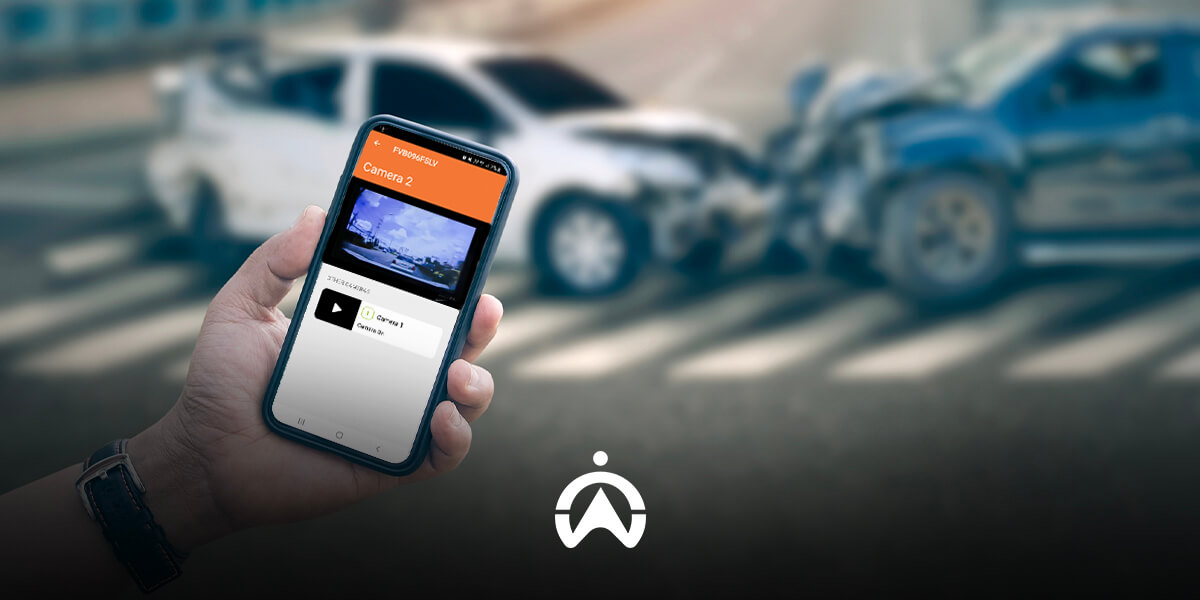
In such an incident, an onboard camera like Cartrack’s vision camera for individual vehicle owners would help you and protect you from car insurance fraud through video evidence of the events of that day of the accident. With access to this footage, you could still prove your innocence, assess the extent of the damage, and see whether you are the victim of a staged vehicle accident or car insurance fraud.

Cartrack’s Vision Camera: Capture everything

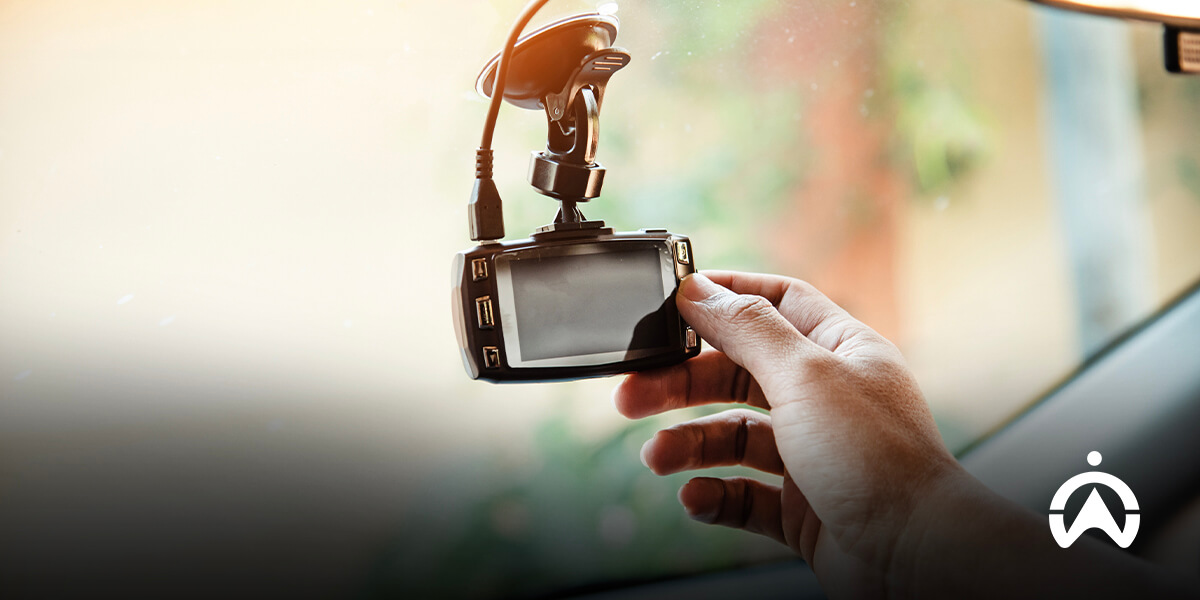
Cartrack’s vision camera is a user-friendly road-facing recording camera. Users can request footage based on date and time, and download the footage on the Cartrack app. Parents of young teen drivers can watch over their teens by live-streaming from the Cartrack app to ensure they arrive safely every time. Remote retrieval with these cameras is a powerful way for drivers to protect themselves from all sorts of car insurance scams and even reject car insurance claims.

This feature-rich and easy-to-install camera provides users with

  • Live-stream video with audio
    ‍
  • Remote footage retrieval after events via the Cartrack App
    ‍‍
  • Live GPS tracking for information on vehicle location

Dashcams can help you not only protect against fraudulent insurance claims, but also:

  • Provides valuable evidence in the event of an accident in your vehicle.
    ‍
  • Capture pedestrian scams, like trying to jump in front of your vehicle.
    ‍
  • Continuously record activity around your vehicle including attempts to vandalise your car and other damage to your vehicle.
    ‍
  • Provide evidence for other drivers and activities you witness.

For businesses, the more advanced AI detection technology which comes with our SmartCabin cameras doubles the protection from car insurance fraud and other problems.

Let’s unpack this dashcam technology better suited for business vehicles below:


How dashcams protect your fleet from car insurance fraud

With live GPS fleet tracking, you gain increased fleet visibility to see your driver’s location, performance, and activity, but when your fleet is out on the road, there is no way of telling what happens between your driver, other motorists, and pedestrians.

For example, was your driver distracted by their cell phone while driving and so failed to see the vehicle switching into their lane, or did the other motorist cut too close to your truck driver while changing lanes, causing the accident?

Without any evidence, your driver-truck accidents become he says versus she says, which is difficult to prove to insurers or investigative officers and increases costs for you. This is only one example of an event where a fleet manager will never know if their drivers are being honest about events when something bad happens, like an accident, or whether someone is attempting to scam your driver.

Yes, it is true. Your drivers are also vulnerable to scams and car insurance fraud risks while out on the road, which is why Cartrack offers solutions designed to help you navigate these tricky situations with ease.

Cartrack’s Vision SmartCabin Camera: See everything to protect your fleet

A fleet dashcam is a perfect solution to protect your drivers and business fleet, but it’s not just your vehicle’s front view that is important; with an in-cabin camera, you can also get a cabin-facing view to ensure your driver’s safety.

The Cartrack SmartCabin is a dual road-facing and in-cabin-facing camera equipped with the following features:

  • Forward collision warning sensors: Help prevent possible collisions by audibly notifying the driver of an obstacle ahead of them.
    ‍
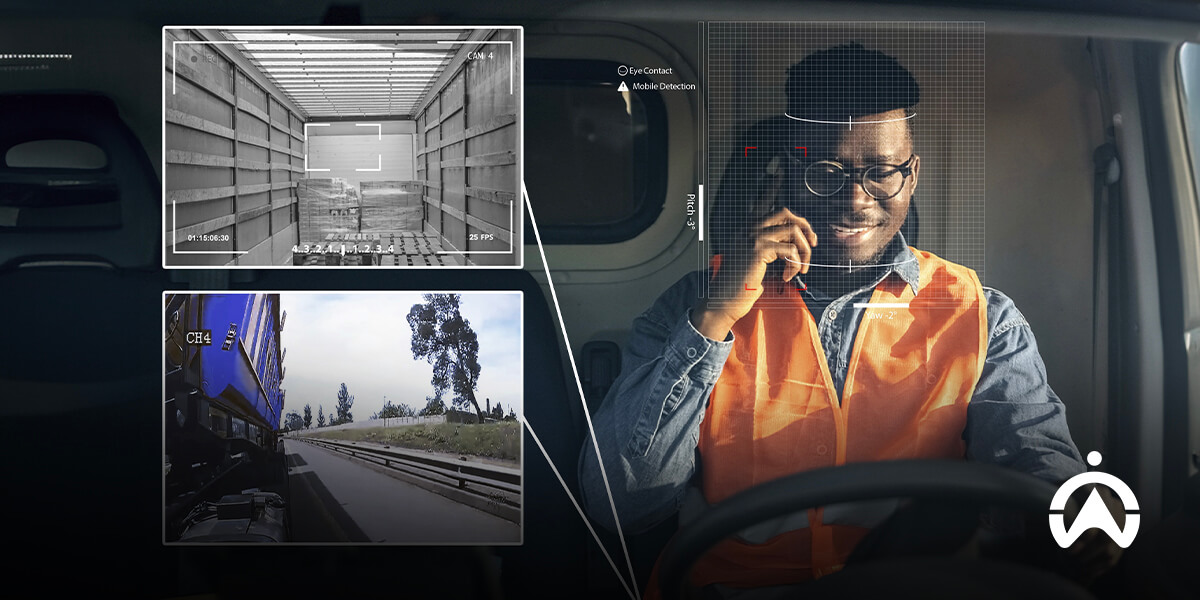
  • AI-detected events (in-cabin camera): This smart camera detects dangerous driver behaviours such as distracted and fatigued driving, mobile phone, and smoking detection to warn the driver to quit dangerous actions.
    ‍
  • Livestream video with audio: Fleet managers can livestream drives to carry out spot checks and check their activity to enforce responsible and compliant behaviour.
    ‍
  • Auto-answer in cabin mic and speaker: Facilitate two-way communication between manager and driver, or the Cartrack command centre to address any issues.
    ‍
  • Remote footage retrieval: Fleet managers can request footage or download footage after events based on date and time.

A dashcam can protect your business from car insurance fraud on your fleet.

Protect drivers

In the case of a legitimate accident, that was not the driver’s fault. You can safeguard your driver by using event-based footage and other driver telematics information to help prove your driver’s no-fault and help them avoid unfair claims against them.

Improve driver performance and accountability

Camera footage can be used to train drivers, help them improve their performance, and increase accountability. Alternatively, by spot-checking drivers and live streaming their activity, fleet managers can ensure productive and responsible working hours.

Expedite Insurance Claims

Video recording and footage give an account of the events before and after an accident, and this helps speed up your insurance claims process and ensure your vehicle is repaired faster so you can avoid vehicle downtime.

Choosing the best dashcam: The top five features to look for

Dashcams can protect you and more, but it’s important to choose the right dashcam with these 5 top features to look for when you decide to add this extra layer of security and protection.

#1 Good battery life and reliable storage

Car insurance fraud scams don’t happen every day, but your dashcam records every journey you take. Imagine if your camera storage was full on the fateful day you or your fleet driver were involved in an accident. A good battery life and enough storage space are the top features to look out for with a dashcam.

#2 Video image quality and night vision

Not all dashcams are made equal; some have poor video quality; you cannot see the number plate of the vehicle or other details. Buying a dashcam with good video quality is important, especially for live streaming.

#3 Camera affordability

Car cameras are a security investment worth making, but that does not mean your business should go bankrupt by purchasing a camera. The affordability of the camera is something you must consider for yourself and your businesses too.

#4 Easy set-up and sleek design

Setting up a dashcam should be easy. For example, Cartrack has a plug-and-play option for rental cars, so there is no vehicle damage caused by camera mounting and hardware installation in the vehicle.

#5 GPS connectivity

An in-built GPS tracker adds some extra functionality to your dashcam and improves its reliability, especially when it comes to car insurance fraud.


Enhance on the road safety with Cartrack’s Vision Cameras

Vehicle dashcams are the protective tool you, your loved ones, and your fleet need to prove your innocence and avoid car insurance fraud and other scams.

Cartrack’s vision camera solutions are designed to enhance everyday road safety and protect you.

Contact us for a demo here.

Tracking Devices: The One for All

There are many different kinds of tracking devices, each serving a significant function. These smart technologies are everywhere, and a common factor is how they make our lives easier.

‍Cartrack offers vehicle and asset tracking for various industries such as transportation, construction and agriculture. Let’s look at how this interesting technology works.

In this article, you will:

  • Understand what a tracking device is
  • See the different kinds of tracking devices and their functions
  • Learn how an IoT device connects with other devices
  • Find out how Cartrack solutions cater to your tracking needs

What is a tracking device, and what does it do? 

A tracking device is exactly what the name says: an electronic device that helps you monitor the location of an object or person. There are many different types of tracking technology, all depending on what you need them for.

Knowledge is power: understand the different types of tracking technology

To help you understand the different types of tracking technology and how each one works, here are some examples of the most commonly used tracking systems:

  • Radio Frequency Identification: Also known as RFID, this is an asset-tracking technology that uses radio waves to track assets equipped with tags. It requires three main components to work: a reader, an antenna and a tag. The tag is connected to the antenna, which sends and receives radio signals from the reader.
    This sort of device is used in various industries such as retail, manufacturing, and healthcare for inventory management or access control. In the fleet management industry, RFID technology is used for driver identification.
    ‍
  • Near-field communication: This one has turned many shopaholics because you don’t have to think twice. All you need to do is tap your phone or credit card, and voila, payment is done! NRC technology is another form of RFID and is found on most smartphones. Over the years, this has become very popular due to the modern-day demand for contactless payment systems. This sort of technology only works when devices are in very close proximity to each other.
    ‍
  • Barcode:  This is an easy and effective way for businesses to track data related to inventory or physical assets. All that’s needed is a barcode label and a reader. It enhances the accuracy of the inventory management process and is a must-have for last-mile deliveries or tracking shipments.
    ‍
  • WiFi: Wi-Fi-based asset tracking uses an existing Wi-Fi network to track the location of vehicles or equipment that are indoors or frequently travel in and outdoors, where signals may have trouble passing through. Examples are refrigerated trucks and warehouse inventory.
    ‍
  • GPS tracking: Short for Global Positioning System, GPS is one of the most well-known and widely-used forms of tracking technology. It is a constellation of 31 satellites orbiting the Earth, with each satellite emitting signals that enable receivers, through a combination of signals from at least four satellites, to determine time and location. GPS technology is used on cell phones and other devices for navigation but has many other benefits such as the real-time location of vehicles and other assets such as a generator.
  • Geofence: Geofencing is based on either GPS or RFID systems. The only difference is that it does not consistently report location data but rather uses location data to set up invisible boundaries in an actual geographical area. When an object moves into or out of the virtual fence, a violation is reported through a transmitter.
    This kind of technology can be used to mark no-go areas, or you can put it around the workplace to let people know when vehicles enter or leave the building.
  • Cellular: This particular system can work with GPS but mostly relies on the presence of cellular towers to transmit location and asset information. Although not as effective as GPS, the system takes advantage of existing cell towers, which can be helpful for fleet management and equipment monitoring in remote areas.
    ‍
  • Bluetooth Low Energy (BLE): A Bluetooth low asset tracker is a wireless solution that combines location accuracy and effective battery usage. BLE tags or beacons are attached to assets and Bluetooth-enabled devices like smartphones or getaways to give real-time updates on the location of equipment that is used. It helps track equipment within a restricted distance, typically reaching a maximum of 100 meters, which can be found in the construction and agricultural industries.

The IoT device, or should we call it the One-For-All?

Imagine some of the powerful tracking systems mentioned above working with one unit to give you the best accuracy on the location of your vehicles and equipment, as well as data that will help you make better decisions. You don’t have to imagine, actually, because that’s basically what an IoT device does.

Formally known as the Internet of Things, IoT devices are specialised hardware such as sensors, actuators, and appliances that connect to wireless networks to collect and exchange data.  They access the Internet via a physical area network such as Wi-Fi, Bluetooth, GPS or cellular connectivity and can be installed in vehicles or assets for every major industry.

Tracking device solutions and equipment for individuals and fleets—the Cartrack way

Now that you know how all these devices work, here’s how Cartrack uses them to simplify your daily work and home routines:  

  • Stolen Vehicle Recovery:
    Cartrack has a recovery rate of more than 90% and over 2 million subscribers, so you can rest assured that our tracking unit will give your vehicle the security it needs. Our highly-trained air and ground recovery team is always on standby, ready to return what’s rightfully yours.
    ‍
  • CarWatch:
    As an extra layer of security, you can switch on CarWatch on your mobile app right after you’ve parked your car. You’ll be alerted if it moves. Think of it as your virtual car guard.
    ‍
  • Protector:
    Vehicle tracking technology does not just end up finding your car when it has been stolen. Sometimes, you just need other services like roadside or medical assistance. At the push of a button on your Cartrack mobile app or website, a call centre agent will contact you immediately and get you the assistance you need.
    ‍
  • Geofence:
    Using Cartrack’s geofencing feature, you can set virtual fences around areas of your choice. This feature alerts you whenever your vehicle enters or exits the area and works not only for vehicles but also for other equipment fitted with tracking devices. If your machinery suddenly grows feet and “walks out” of the geofenced premises, you’ll get an alert, too.
    ‍
  • Asset tracking:
    Know where exactly your equipment is at all times using Cartrack’s asset track feature. With this feature, you will receive real-time alerts whenever a fault code is set off or when your machinery needs servicing.
    ‍
  • Temperature monitoring:
    Keep your refrigerated cargo fresh with our temperature monitoring solutions. These sensors give you immediate alerts when temperature changes in refrigerated trucks or trailers so that cargo such as food and pharmaceuticals can reach its destination in perfect condition.
    ‍
  • Driver ID tags:
    Cartrack’s DID tags use RFID technology to help you immediately identify who drove which vehicle. You can ensure only authorised operators use your machinery, or only authorised drivers use those particular vehicles. This feature also allows you to monitor driving habits so you can see who needs more coaching.
    ‍
  • Delivery:
    Our delivery software helps streamline operations for you and your drivers. It allows you to find the best order to complete tasks to reduce fuel expenses and track delivery progress in real time. Customers are also notified of any changes that might occur.

Trust the industry leaders of tracking technology—trust Cartrack Malawi

We could go on and on about the many benefits of tracking technology because, with Cartrack Malawi, the list is endless. Just contact us to find out more.

Let’s answer some FAQs

  • Which one is the best tracker in South Africa?
    Cartrack holds the highest trust rating on Hello Peter among all tracking companies in South Africa. With an outstanding stolen vehicle recovery rate of over 90%, Cartrack proudly holds the highest SVR rating in South Africa.
    ‍
  • Where can I find tracking devices on cars?
    For safety reasons, the location of a tracking device is never disclosed, not even to the person driving.
    ‍
  • How much does it cost to have a tracker fitted to your car?
    A Cartrack device costs as little as R99 per month and comes with free installation.

Stay on track with Cartrack. Contact us today.

Truck Hijacking: See the Latest Stats and Prevention Tactics

Imagine suddenly receiving an alarming call. One of your fleet vehicles has been hijacked! Your heart immediately sinks as you realise you may have lost clients and revenue, all while putting your drivers in harm’s way.

It’s time to empower yourself and prevent these horror stories from coming to life. We can learn the numbers, prevention tactics and then fuse Cartrack’s advanced and stolen vehicle recovery into the blend.

This is a powerful mix, so let’s get stirring!

In this article, you will:

  • Come to terms with the reality of hijacking
  • Learn about the effects of truck hijacking on businesses
  • Gain knowledge of recent truck hijacking statistics in South Africa
  • Find out how to protect your drivers and trucks with hijacking prevention methods
  • Learn more about Cartrack’s safety-driven solutions

But it could never happen to me…

We all have this strange idea that we are unique and free from all the worst experiences. Of course, this is far from the truth. Many people in industries that rely on fleets are painfully aware of the hijacking crisis in South Africa. For this reason, always being emergency-ready is part of every fleet manager’s job.

Statista Research Department confirmed this collective fear in its “Number of truck hijackings in South Africa FY 2009-2023” report. It stated that in South Africa’s 2023 fiscal year, there were just under 2000 truck hijackings–a jump from the previous year. In fact, since 2012’s fiscal year, these hijackings have increased more than twofold, with that year recording 821 events.

The effects of hijacking on businesses

Some issues in life have a domino effect, and hijacking has a “not-so-great” chain reaction that negatively affects business owners, drivers, profits, and customers.

One perfect way to fight against these possible future disasters is by educating yourself! Let’s find out more about what companies may experience from this crime.

Profit Loss

Freight hijackings have a devastating habit of turning supply chains all the way upside down. In January 2023, the Transported Asset Protection Association shared that, within 546 days, R577 million in goods were stolen from supply chains due to hijackings. These hijackings cause companies to lose their goods and services, which they now can’t sell to buyers. Given the soaring number of hijackings in this country, this loss in sales would put a solid dent in returns. The seller likely has to raise their delivery costs because there is more risk. More risk means using more money for these dangerous journeys.

If the business’s fleet experiences ongoing hijackings, it may lose frustrated customers forever!

In a 2020 TimesLive Article by Mpumzi Zuzile titled “‘These people are killing our business’: hijackers target trucking industry,” the writer discussed this challenge. He stated that 1000 fleet vehicles were singled out throughout South Africa in the previous financial year.
‍

Gavin Kelly, the Chief Executive of the Road Freight Association, expressed: “Our members lose goods. They have vehicles damaged. They have drivers threatened. They incur financial losses on top of COVID-19 losses. Their premiums increase, and their drivers become reluctant to drive unsafe routes or times.” 

He stated, “There is a continual drain on their ability to earn revenue, and they continue to operate in a continual state of fear and uncertainty.”
‍

With Cartrack’s advanced telematics-based fleet management system along with state-of-the-art technology, you can mitigate these risks and optimise proactive safety.

Driver safety

Truck accidents are a massive issue on South African roads. A 2023 article in Creamer Media’s Engineering News stated that in 2022, trucks were linked to a mind-blowing 60% of accidents on the N3 toll route. Being constantly alert of possible hijackings can contribute to heavy driver fatigue.

Companies can install our panic button and tracking device to provide drivers with some peace of mind. The panic button can be a comforting friend, always there if the driver is ever in need. It is also a way for businesses to help save their drivers and goods!


South Africa’s recent hijacking statistics

Compared to the rest of the globe, South Africa is known for many things–our diverse culture, our passion for rugby, and the beauty of our many landscapes and provinces. Tragically, crime forms part of that list — hijackings included.

In fact, according to the 2024 World Metrics report, the Rainbow Nation’s truck hijackings are among the highest in the world. Roughly 30 to 35 occur weekly. Other statistics they shared showed that most of these truck hijackings occur in the Gauteng province—70% of them, to be exact. The report shared that, according to the National Council for Road Safety, black trucks are at a 70% higher risk of being hijacked compared to white trucks, while the reason for this is unknown.

These scary figures point to a broader nationwide crisis. That said, in February 2024, the National Anti-Hijacking Police actually shared some positive numbers. They stated that the year-on-year hijacking digits had grown smaller. Sadly, they claim 66 vehicles are still stolen every single day throughout South Africa.

Hijacking prevention tactics for your company’s truck drivers

While these statistics spark fear, there are always ways to prevent or fight against these terrifying experiences. Great minds have come up with strategies for hijackings. Meanwhile, Cartrack has developed technologically-driven solutions crafted for driver safety. Using Cartrack’s solutions and anti-hijacking tactics together, you have an effective shield to protect you, your drivers and your business. 

Expand your knowledge

Learning about the different types of hijackings can help you prepare yourself or your fleet for the absolute worst.  Educate yourself by reading a list from Arrive Alive of the many kinds of hijackings:

  • Freight hijackings: These hijackings focus on the goods in the vehicle or truck. The culprits want to steal whatever the vehicle is carrying.
    ‍
  • Showmanship hijacking: This hijacking, usually violent or threatening, stems from gang members attempting to show off.
    ‍
  • Transport hijacking: This is when the cars hijacked are reused for illegal purposes such as dealing drugs and robberies.
    ‍
  • Syndicate hijacking: These are highly organised hijackings connected to syndicates.
    ‍
  • Operational hijacking: These hijackings are performed by an organised group that steals and sells vehicle parts.

How to prevent hijacking?

When tackling a problem, we must confront it from where it is standing. It could be a possibility in the future, a present situation, or we could be dealing with the future. Here are some tactics from Arrive Alive that tackle hijacking from all angles — with some of our efficient services and solutions sprinkled throughout.

What preventative measures can we take in case of hijacking?

This is your best bet: avoid it as much as you can. Caution and awareness are your new best friends.

You can develop this friendship by practicing caution around every turn: parking anywhere or entering a driveway is the best time to remain aware, as this is when your vehicle or truck is slowly approaching a standstill. You are also about to open your door–a simply perfect opportunity!

That said, you should always ensure that your doors are closed and locked and your windows are rolled down. Hijackers tend to pounce around traffic lights and intersections. Stay aware.

Cartrack’s Vision solutions and GPS Tracking are perfect for this early-on type of prevention.

What procedure should be followed in a hijacking situation?

If the worst has happened, you or your truck drivers don’t have to feel hopeless. There are tactics you can employ. Firstly, always remain calm. If you are still only suspicious that someone is following you, you can always drive into a busy area.

If, however, the worst occurs, it is sometimes possible to simply drive away quickly to get as far as possible in the shortest period from the hijackers. While doing this, you should also hoot loudly. 

Cartrack’s panic button can be a lifeline for your truck drivers if they encounter this terrifying situation.

What actions should be taken after a hijacking?

The driver must receive medical attention immediately and go to the police station. The company should also report the incident and handle the insurance.

If you have experienced this kind of traumatic event, you should consider going to a mental health professional to help you process and deal with any distress it may have caused you.

Cartrack is dedicated to your safety and security

Cartrack is a safety-driven company. We provide many services and products geared toward keeping you and your vehicle out of harm’s way. Let’s explore the specifics of some of the products mentioned and how they can ensure truck and driver safety:

  • Multi-approach tracking solution: Our tracking software includes GPS tracking, real-time vehicle tracking, and recovery. Control room support is also available throughout the day and night.
    ‍
  • Panic button: The panic button is perfect for a trucker in the midst of a hijacking. It has four options: medical emergency, accident, breakdown, and security alert. This button instantly lets our 24/7 control room know something is wrong, and they are always ready to take immediate action.
    ‍
  • Cartrack Vision: Our vision solution includes AI-powered live-streaming cameras installed in different areas of your truck, including a driver-facing, in-cabin camera, for increased visibility. Apart from allowing fleet managers to witness the event in real time, the technology also allows you to request footage covering a specific date and time for evidence and insurance claims.
    Different problems require different Vision solutions, and multiple fall under this umbrella. A great approach to hijacking is Cartrack’s Multi Vision solution. AI cameras are installed to view the road, cabin, a chosen internal part of the truck like the cargo, and an external place to destroy blindspots. It’s the closest you’ll ever come to a magic pill for hijacking.
    ‍
  • MiFleet: This solution, found on the Cartrack App, can be used to track various costs, such as fuel, tolls, accidents, and insurance. You can also export this information via PDF or Excel. This means you can understand where you’ve lost revenue from a hijack or general operations.

Cartrack keeps your business out of hijackers’ way and on the road to growth

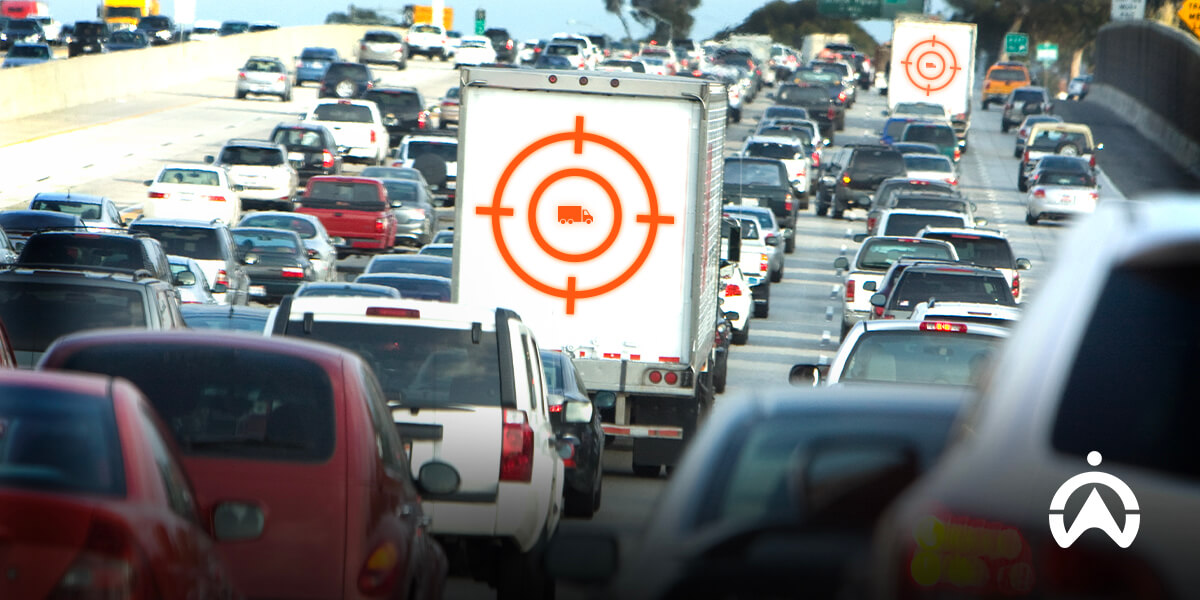
Our services and products will leave hijackers wondering why they even thought about targeting your company. Contact us today to rip that bull’s eye off your back.

FAQs to help you fight crime

  • Where do most hijackings take place in South Africa?
    According to the previously mentioned National Anti-Hijacking Police statistics, the Eastern Cape, Western Cape, Kwazulu Natal, and Limpopo’s hijacking digits reduced year over year.
    At the same time, the Northwest’s hijacking statistics increased significantly, with a 14.1% increase and a 13.5% spike.
    ‍
  • Do hijackers have a new target in South Africa?
    In May 2024, Business Tech claimed that delivery vehicles are considered the ‘new target’ in South Africa. A significant number of hijackers began moving on from what was the go-to hijacking scheme — when these criminals targeted everyday vehicles, usually spotting those considered high-end or popular and stealing and selling the parts.
    ‍
  • What are the trucking problems in South Africa?
    Beyond hijacking, truckers encounter many problems every day. These include poor road conditions, a lack of skills, corruption, and fatigue from being on the road too long.
    The trucking industry faces many challenges as an overall business. These include the high and constantly rising fuel prices in South Africa, a lack of skilled workers, road safety, and environmental concerns.
    ‍
  • Is trucking a good business in South Africa?
    The trucking business faces a mountain of obstacles.  However, it can still be an incredibly well-paid investment. This is if you can navigate a highly competitive and challenging industry and secure the needed funding.

Cartrack Malawi is wholeheartedly committed to the safety of your fleet, goods, and drivers. Return this commitment and secure your business — contact us today.

Used Car Mileage vs Age: What’s More Important When Buying a Car?

Buying a car can be quite stressful, especially when it’s your first. You don’t know what to expect, and all the advice you’re given might be overwhelming. For example, both age and mileage affect the depreciation rate, but which of the two matters the most?

No one wants a car that is always in need of repairs, so let’s have a look at what you need to know about used cars and how Cartrack Malawi can help make your experience better.

In this article, you will:

  • Understand the difference between mileage and age
  • Find out the best mileage for a used vehicle
  • Learn the pros and cons of a used car
  • Discover all other things you should consider when buying a used car
  • See how Cartrack Malawi makes the aftermath of vehicle purchasing less worrisome

Car mileage vs age: Which is better?

An older car with lower mileage or a newer one that has travelled more kilometres? Let’s start with the meaning of both so we can better understand.

What is mileage?

There are two meanings to the word mileage:

  1. It refers to the number of kilometres a vehicle is going to run per litre of fuel.
    ‍
  2. The number of kilometres the vehicle has covered in its lifetime. (Which is what we will be focusing on today).

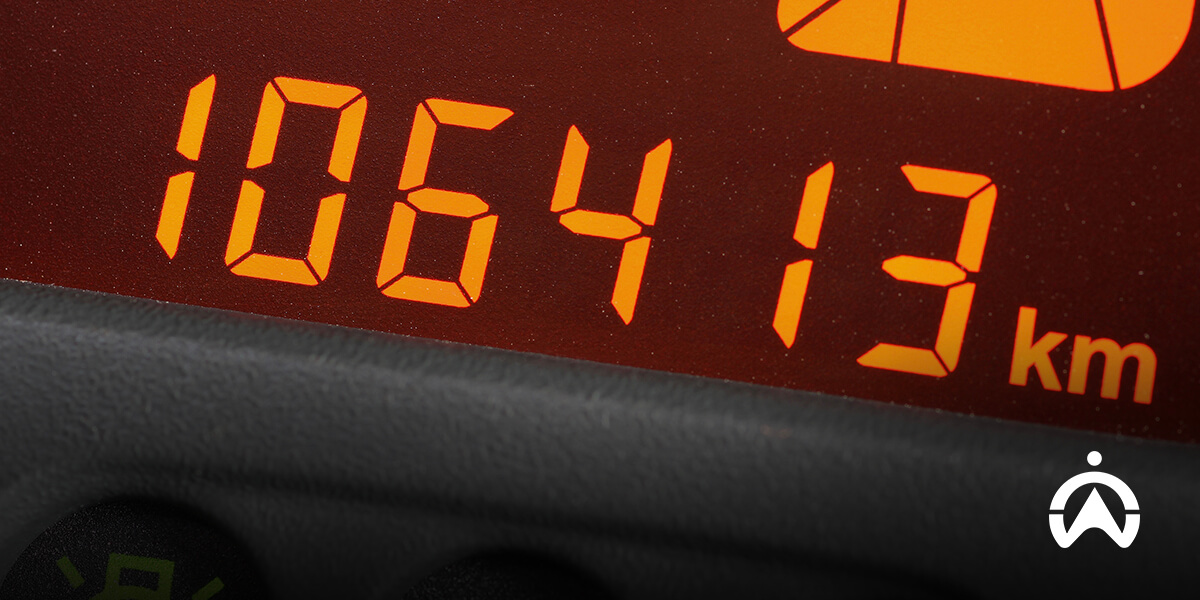
Mileage is visible on the dashboard and is an essential indicator of the vehicle’s condition, like the amount of wear and tear it has sustained over time. The more kilometres on a car, the more likely it has worn parts if they have not been replaced. However, lower mileage isn’t always better because, hey, aren’t cars made to be driven? This means that certain vehicle parts are designed to self-lubricate and stay functional while the car is on the move, so a car sitting in your garage for months won’t help either, as it will deteriorate faster.

Does age matter? The importance of vehicle age

Well, yes…and no! The older the car, the more likely it is to have been driven. In most cases, when it comes to age, the newer, the better. What matters more is the mechanical condition of the vehicle; an older car that has been well taken care of will give you fewer problems than a new one that wasn’t cared for. However, modern-day safety, fuel efficiency and connectivity features may not be available.

An older car’s warranty coverage may also be expired or limited, leaving you, as a buyer, responsible for repair costs. When it comes to financing, some banks do not finance a vehicle older than five years, which can leave you in a purchasing pickle.


The best age vs the best mileage for used cars

So, what is the estimate for a good age or a good mileage?

  • A reasonably good mileage on a used car should be about 15,000 km—20,000 km per year. For example, a three-year-old car should have used around 45,000 km to 65,000 km, and a five-year-old should have used around 75,000 km to 100,000 km. Anything beyond that is considered high mileage.
    ‍
  • A good age for a used car is between 2 and 5 years because, by that time, the steep part of the depreciation curve has passed while the vehicle can still be considered fairly new.

Does a good mileage depend on the vehicle’s make?

Motorway suggests that good mileage depends on the vehicle’s make, model and maintenance history and that the general rule of thumb is to look for mileage under 12,000 miles a year (19312,128 km) for a petrol car and approximately 10,000 miles (16093,44 km) for diesel vehicles.

Beyond mileage: Additional factors to consider

Mileage and age aren’t the only things you should consider when buying a used car; here are some other factors that are just as important and will help round up your final choice:

  • Service Records
    Think of these as medical records for a car. Service records give you a history of the car’s health. They should give you information on the previous owner if the car were taken in for routine maintenance and repair records, which show you what repairs were performed on the vehicle; the records should also have dates. If this information is missing, then it could indicate vehicle tampering or fraud.
    ‍
  • Pre-purchase Inspection
    Get a trusted mechanic to tag along with you to inspect the vehicle you’re interested in. There are a lot of things that you might not notice that a mechanic will do, such as repairs done but not mentioned to you. This will also confirm that you’re not being ripped off and that the car history given to you is correct.
    ‍
  • Value for money
    The vehicle you buy should make you happy and fulfil its purpose, so you must do your research. TransUnion’s monthly Auto Guide lists vehicles in alphabetical order in terms of their original retail price compared to how the value has depreciated. This helps you ensure that you’re not being ripped off by buying a vehicle that is way above book value.
    ‍
  • Finance
    Interest rates for used vehicles are usually higher than those of brand-new ones. Some banks have an age and mileage limit for vehicles they are willing to finance. Prepare your deposit, have your documents ready, make sure your credit score is still in good condition and most importantly, make sure you can truly afford the overall monthly costs of the vehicle, as purchasing a vehicle is not only about the instalment.
    ‍
  • Warranty coverage
    Do you know the difference between a warranty, an extended motor warranty, a service plan or a maintenance plan? According to Subaru Africa, a warranty covers defects in materials or workmanship, and a maintenance plan covers the cost of routine maintenance tasks. A service plan, however, covers regular maintenance tasks, while a maintenance plan can cover both routine maintenance and more significant repairs and replacements. An extended motor warranty can be purchased once the manufacturer’s warranty has reached the end of its life plan.
    A warranty typically covers mechanical breakdowns such as the transmission system, engine, fuel and ignition system, steering, cooling system, and suspension. A service plan covers the costs of scheduled services at approved dealerships. Then, a maintenance plan covers almost everything, including wear-and-tear items such as tyres, clutchplate and brake pads. A maintenance plan is highly recommended for a young vehicle with high mileage.
  • Previous driving conditions
    A vehicle that was mostly driven in the city may have a higher mileage but be in better condition than one mostly driven on the highway. The city is always busy, and most of the time, commuters are in heavy, slow-moving traffic. The stop-start driving, speed bumps, and potholes result in wear and tear, while the constant braking and acceleration will negatively impact fuel efficiency. The vehicle’s service records should include all of this information.
    ‍
  • Reputation of the dealership
    Some dealerships are shady and just outright scam people. Make sure you check online reviews of the dealership and see what other people are saying about it on social media. The Retail Motor Industry of Malawi can give you information on local car dealerships that are members of the National Automobile Dealers Association (NADA).
    ‍
  • Verify that it is not a stolen vehicle
    Whether you are buying the vehicle privately, which sometimes is cheaper, or at a dealership, it’s important that you know where the vehicle comes from and ensure that it is not stolen. You can see the status of a car through its Vehicle Identification Number (VIN), which can be found on a copy of the National Traffic Information System(NaTIS), otherwise known as a vehicle registration certificate. The VIN is also visible on various locations inside the car like the lower left side of the dashboard or the front of a car frame, near the windshield wash container.
    ‍
  • Accident history
    You need to know how many times the vehicle was involved in an accident and where the repairs were done. With this information, you can then inspect the quality of the repair and make an informed decision based on that. In an article written by TimesLive, TransUnion Africa auto information solutions division sales manager Hennie Strydom told the news outlet that customers need to give consent to dealerships purchasing their vehicles for their information to be accessed. A vehicle with no information on accident history should be marked as a red flag, as the previous owner might be hiding something.

Pros and cons of buying a used car

Here are several advantages and disadvantages of buying a used car:

Pros Cons
Lower price Higher interest rate
Depreciates slower than a new car If on a finance plan, the value depreciates while you’re still paying
More choices available/vehicle make variations Potential issues/wear and tear and a lot of unknowns
Lower upfront price and negotiable The vehicle might not be worth the price

3 things that will enhance your purchase experience

Here are a few more essentials you should put into mind so you can be more at ease after making your big purchase:

  • Insurance: The insurance premium of a used car isn’t always cheaper than that of a new one. This is because the vehicle might no longer be manufactured, making it difficult to outsource vehicle parts and therefore increasing the cost of repairs and replacements. Another thing you need to know is that insurance premiums are mostly based on risk factors such as the driver’s age, experience, location and how often you’re on the road.
  • Fuel efficiency: Fuel prices are always on the rise, and if this vehicle is for everyday use, you will definitely spend a lot on it. Getting an estimate of how much fuel the vehicle will need monthly will prevent you from exceeding your budget. Fuel-efficient driving habits will also come in handy, as they not only save you money but the planet, too.
  • Vehicle tracking unit: After purchasing your vehicle, you need to make sure that it is protected. You didn’t spend all that money just for the car to “disappear”. A GPS tracking unit is a must for all vehicles. This also may lower your insurance premiums, which is another bonus.

Ultimately, it all depends on your budget, intended use and preference. Once that is out of the way, Cartrack Malawi is here to give your vehicle the security it needs.

Boost the safety of your pre-loved vehicle with Cartrack Malawi

Your new car needs to be watched over so you can get the most out of it. Here are some of Cartrack’s features that will get rid of all your worries:

Stolen Vehicle Recovery:

Cartrack has a 90% recovery rate, so with us, you can rest assured that should your precious pre-loved vehicle go missing, we will find it. In the unfortunate event that your vehicle is not found, you can claim up to a R150 000 cashback limited recovery warranty (Ts & Cs apply).

Carwatch: 

Our Carwatch feature gives you an alert every time your car moves without your permission so you can have one less thing to worry about while running your errands.

Cartrack Insurance:

So you finally chose which vehicle you want and are not sure which insurance to go for? We’re here to help. Cartrack Insurance gives you the best quotes based on your needs and budget.

Protector:

You might never know the full history of your second-hand vehicle. Breakdowns can happen at any time, but with Cartrack’s Protector, you’ll get 24-hour access to emergency roadside assistance, so you won’t have to wait too long.

Purchasing a vehicle for business use needs measures put in place to save fuel and maintenance costs. Here’s how we can help:

  • Mifleet
    Get an easy-to-use cost management tool to help you monitor company expenses such as tolls, fuel, fines, tyres and maintenance. With this, you also can detect suspicious activity such as possible fuel theft and fraud.
    ‍
  • Preventative maintenance
    A newly purchased used vehicle needs to be well maintained to avoid unexpected breakdowns and accidents. Cartrack’s preventative maintenance feature alerts you of engine faults, such as worn brake pads or oil and water fluctuations, so you know which vehicle needs servicing.
    ‍
  • Driver monitoring
    As mentioned before, the way a vehicle is driven will affect its longevity. Driving habits such as excessive idling and harsh braking contribute towards greater vehicle wear and tear, bringing about more maintenance costs and vehicle downtime. Cartrack has a driver monitoring system with vast solutions that will help you keep track of driver behaviour. Here are two examples:
    ‍
  • Advanced Driver Assistance Systems (ADAS)
    Comprising camera-based sensors, intelligent algorithms, artificial intelligence, and machine learning. ADAS helps heighten driver awareness by giving real-time audible alerts whenever blind spots are detected. It also gives forward collision warning. This promotes safety on the road and helps prevent sudden braking.
    ‍
  • Driver scorecards
    Ensure your vehicles are taken care of on the road with Cartrack’s driver scorecards. Drivers will get rated based on events such as speeding and harsh cornering, this will allow you to see who needs coaching plus you get access to reports which give you better insight on the issue.
    ‍
  • Route planning
    Another way to save fuel, cut costs, increase productivity and get the most out of your fleet vehicles is to plan routes precisely. Cartrack’s route planning platform assists you in choosing the best order to complete tasks, helping you avoid unnecessary delays and ensuring your deliveries are made on time.

We protect all vehicles, old or new

Cartrack Malawi will help you take good care of your vehicle so you have one less this to worry about. Contact us today.

Here are some frequently asked questions regarding vehicle age and mileage

  • What matters more, age or mileage?
    This depends on your budget, preference, and intended use, but if a car has high mileage, the wear-and-tear could cause bigger problems than a well-maintained, low-mileage car. Not all cases are the same, but mileage is a bigger factor to consider than age.
    ‍
  • What is the best age and mileage to buy a used car?
    The best mileage for a used car is 15,000 km per year.
    ‍
  • What mileage is good for a second-hand car?
    A good mileage for a second-hand is about 15 000km – 20 000km per year.
    ‍
  • Is it advisable to buy a car with high mileage?
    In most cases no, because most high-mileage vehicles come with wear-and-tear issues, but the service records should give you all the information you need to be sure.

High mileage or not, Cartrack Malawi is here to protect the choice you make. Contact us today.

Get The Best Car Panic Button When You Need It

Whether we’re on our way to work or making a delivery, roads are a dangerous place. So, can we dispute the necessity of an in-vehicle panic button in such an environment?

Our major highways and quieter roads are both tainted with the risk of hijackings and a sky-high accident rate, so having help at the touch of a button can be that extra lifeline you never knew you needed.

Find out how you can protect yourself and your fleet with this smart technology.

In this article, you will:

  • Distinguish between a panic button and alarm system
  • Find out about different car panic buttons
  • Discover the benefits and downsides of car panic buttons
  • Learn about safety tips to use with car panic buttons
  • Get the best car panic button solutions with Cartrack Malawi

The difference between a panic button and an alarm system

Panic buttons sound pretty straightforward, right? With so many types, though, it’s worthwhile familiarising yourself with this lifesaver of a tool. An easy way to understand how a panic button works is to compare it to an alarm system. Nearly all makes and models now come equipped with alarm systems, and aftermarket options are also available for those who don’t have this as a standard feature.

Some alarm systems can be activated by pushing a button—similar to a panic button. However, the key difference between an alarm system and a panic button is that, upon activating an alarm, it makes a loud sound with the aim of deterring criminals and alerting passers-by of suspicious activity. When pushing a panic button, you activate a silent alert to authorities, a security control room, or other authorised personnel who can assist with dispatching the appropriate emergency services when you need them most.

Panic buttons can alert management or security personnel using Bluetooth, WiFi, or cell phone networks, making them conveniently mobile and user-friendly.

Are all panic buttons the same? Discover the best car panic buttons

While all panic buttons are designed to alert someone when you urgently need help, there are several types you can choose from, depending on how accessible you want them to be, where you want to place them, and when you’re most likely to use them. Here are some examples of panic button types, where you’d find them, and the type of scenarios they’re most often used in.

The mobile panic button

With a mobile panic button, it’s all in the name, and this handy personal security alert system goes everywhere you do beyond your vehicle. These panic buttons are usually found on security apps, so you’d need to have your phone with you if you want to use them. Once pressed, the alert will go to the specific security company or control room to which the panic button is connected, so you’re unlikely to find a panic button pre-installed or as part of the factory settings on your mobile phone.
‍

Here are the main details you need to know about how a panic button works:

  • It’s usually a small button or icon on your mobile phone’s screen.
    ‍
  • When pressed, it will alert a preselected emergency contact or designated control room.
    ‍
  • The panic button alert can include your mobile phone’s GPS location to help you be found in an emergency.
    ‍
  • Some panic buttons also sound an audible alarm as an initial deterrence tactic, in addition to contacting a control room or emergency contact.

In Mzansi, the private security industry is thriving, and most companies that provide personal patrolling home security services in conjunction with an alarm device will also have an app with a mobile panic button.

Designed to be quick and easy, specifically for high-stress situations, the mobile panic button has many perks. However, one of its downfalls is that it can still be a hassle to activate. Most people’s phones now have passcodes or require a fingerprint or face scan to unlock. Then, you’ll need to navigate to the relevant app, and only then can you push the panic button.

These few seconds can change your life, so finding smart ways to navigate this potential hassle, like making sure the app is on your home screen, etc., helps make the mobile panic button a good option for the everyday citizen on the go.

Built-in panic button

For those of us who travel extensively, especially as part of our jobs, having a built-in, hidden panic button in our personal or company vehicle just makes a lot of sense. This safety feature is designed to help alert authorities and loved ones in the event of an emergency and is usually connected to a dedicated control room or monitoring centre. If you or your drivers often travel at night or in notoriously dangerous areas, the built-in version is a great way to offer peace of mind and an extra layer of security. Here’s a quick look at how in-vehicle panic buttons work:

  1. Signalling the alarm: First and foremost, someone needs to know that you’re in trouble, so sounding that alarm is the crucial next step.
    ‍
  2. Alert transmission: Along with sounding the alarm, the technology that comes with the panic button sends important information like your exact location, and it can send further helpful data like the identity of the individual who triggered the alarm and the time of the incident.
    ‍
  3. Response: The point of the exercise is to get a response as soon as possible, which is up to the control room. The control room will contact the individual in distress and dispatch help to the received location.

Installable panic button

If your car doesn’t come out of the factory with a panic button, don’t worry! After-market options are available to help you get peace of mind. Installables are also popular among fleets, with staff constantly on the road, as nobody will argue that South African roads are dangerous workplaces. These function a lot like a built-in panic button, as, after they’re installed, the user won’t be able to move them around or simply take them out of the vehicle.

These panic buttons work exactly the same as a mobile panic button in the sense that, once pushed, a control room or emergency agent will be contacted. However, the installable panic button is not mobile, so it stays in one place, usually a discreet one, and only the driver should know its location, so you have that extra backup if you happen to be in danger.

The importance of smart panic button placement

When placing an after-market panic button in your vehicle, smart placement is key. Think not only hidden but accessible in an unobtrusive location, where the driver can reach out and press the button without taking their eyes off the road.

It’s also important to ensure the driver is aware of the panic button’s presence, especially if it’s hidden from plain sight.


Benefits and downsides of panic buttons

Can there be downsides to having a panic button in your vehicle? Like many other pros and cons, it depends on the situation. Don’t worry, though; being aware of the benefits and downsides can help you navigate these situations to make sure you get the most out of your panic button.

The most obvious benefit of an in-vehicle panic button is its convenience and direct access to help and safety. It can be placed on the dashboard, the steering wheel, or even on the driver’s car door for easy access that could potentially save lives.

The main downside, however, is closely linked to the main benefit, as having the panic button readily available for the driver might not be the best scenario for other passengers who may need to use it. Imagine children or elderly travellers who, without the driver’s knowledge, are experiencing an emergency but may not be able to reach the panic button or communicate their need for help. While this scenario is unlikely from a fleet perspective, it can be considered a drawback.

Apart from that, panic buttons don’t have many drawbacks for fleet or commercial drivers and can be a most valuable layer of security when a driver cannot reach any other means of communication in an emergency situation.

Safety tips to help you avoid panic button situations

Whether you’re on a private trip or doing a delivery, safety is key. If you can take measures to avoid getting yourself into a situation where you need a panic button, it’s even better. Stay safe by taking a look at some of the SAPS’s top vehicle safety tips:

1. Keep those doors locked and windows up

It’s easy to forget about and leave a window open after parking and getting out of your car. Modern models auto-lock after parking, but doing it yourself immediately after you exit your car is a great way to keep yourself accountable for your vehicle’s safety as well as your own by practicing vigilance.

2. Don’t trust unknown people who want to “help you”

Good Samaritans are rare, so when someone tries to indicate that you have a flat tyre and you can’t actually feel the wobbly sensation while driving, don’t stop. Even if something feels off with your vehicle due to possible road spiking, drive on as far as you can to a petrol station or away from the individuals before you inspect your vehicle to avoid being robbed or hijacked.

3. Keep your stuff in the boot

Don’t leave eye candy like laptops, shopping, and other valuables on your car seat. Stow them away safely in your boot so you don’t attract the attention of unwanted eyes, long fingers, and possible situations where you might need to use your panic button.

4. Don’t pick up strangers

Picking up strangers on the side of the road is a common habit of trucks and other long-distance drivers. However, it can pose many dangers and end in tragedy. So, whether you’re en route to your favourite vacation spot or transporting precious cold-chain goods, staying on your route and making sure there are no unwanted passengers in the car can save you from having to push that panic button.


Get the best car panic button and additional smart features from Cartrack Malawi

With safety and your peace of mind as our main concern, we’ve developed state-of-the-art panic button technology and support smart technology to help you avoid these types of high-risk situations, theft, and loss. Let go of your stress, knowing that we have several lifelines to keep you safe on the road.

On-camera panic button

Cartrack’s Smart Vision camera solution offers state-of-the-art AI-powered safety alerts to ensure your drivers are notified of risky behaviour that can lead to accidents. It also comes with a convenient on-camera panic button, which is easily reachable during emergencies and allows immediate assistance alongside the visibility offered by this advanced solution.

In-vehicle panic button

Have a discreetly placed lifeline when you need it most with Cartrack’s in-vehicle panic button. Providing instant assistance from our dedicated Control Room, our agents are able to contact you and your emergency contacts and send help to your exact location.

Crash Detect

Cartrack’s sophisticated telematics devices can detect sudden changes in gravity, including collisions with other objects. On impact, the smart device alerts our control room of the incident, enabling us to dispatch emergency medical response to your exact geographical position.

Cartrack Protector

Have emergency roadside, medical, legal assistance, and more at your fingertips with Protector, conveniently located on the Cartrack App. Our staff are standing by to provide you with the help you need when you’re stranded or need emergency assistance—all at the push of a button.

Let Cartrack take the panic out of daily travels

Are you ready to remove the word “panic” from your fleet’s vocabulary? Contact Cartrack Malawi today for superior panic button technology and other features that help you proactively up your fleet’s safety game.

Don’t panic! We answer all your panic button FAQs:

Are panic buttons worth it?

Your working environment can be considered high risk if you’re in a vehicle and on the road every day, and even if you’re just using your car to go and buy milk at the corner shop! With hijackings and other road-related crimes prevalent on South African roads, having an in-vehicle panic button is like having emergency services on speed dial. It helps you do your daily job with ease and without fear, knowing that you have the support you need when you’re experiencing an emergency situation.

What’s the point of a panic button on car keys?

Panic buttons on car keys can have different functions. They can easily be confused with a vehicle alarm system, which is usually found on car keys; however, it is possible for car keys to have a panic button, and this can come in very handy, regardless of whether it is an older version of a car key or a more modern key fob. Consider the following scenario:

  • You’ve just parked your car, placed your mobile phone in your pocket or bag, and got out when you’re being confronted by a group of threatening individuals. Your mobile phone is too far to reach, but as the key fob is in your hand, you can easily push the panic button that will either make a very loud noise or send a message that you need help. This, in turn, will deter the suspects, giving you time to get back into your car, lock the doors, and drive away or get help.

When should a panic button be used?

If you don’t want to end up like the boy who cried “wolf,” you need to make sure that you use your panic button only in emergency situations where you have no other way of calling for help, and your life may possibly be in immediate danger.

Where is the best place to put a panic button?

With thieves constantly looking for the latest spots where we tend to hide in-vehicle panic buttons, there’s no set place. The best advice will always be to make sure it’s both completely hidden and as accessible as possible, which can be a challenge but one well worth it.

Don’t panic about in-vehicle emergency situations. Contact Cartrack Malawi today to get the protection, peace of mind, and support you need.

Most Reliable Car Brands: What About Security?

There’s a time and place for you to think about whether your car is reliable, safe, and secure. But when you or your driver are stranded on the side of the road because of a vehicle breakdown, that is definitely not the right time.

So, let’s do this. What makes a car reliable? Our answer is simple: safety and security.

Get insights on the most reliable car brands here, but more than that – get the information you need on how to improve your vehicle’s safety and security with the best Cartrack features.

In this article, you will:

  • Find out what the most reliable car brand is
  • Learn more about what makes a car reliable
  • Understand why vehicle security is important
  • Learn how vehicle maintenance helps you improve the reliability of your car
  • Discover Cartrack’s vehicle safety and security products

What is the most reliable car brand

According to a recent article in Business Tech, Asian car brands are regarded as the most reliable car brands. This list of the most reliable car brands is based on a Consumer Report (CR) based on the experience of over 330,000 vehicle owners with vehicles as old as 23 years. Asian car brands are followed by vehicles from European automakers, and American vehicle brands are on the list of most reliable brands.

It’s not surprising that car brands like Toyota, Honda, Mazda, BMW, Kia, Hyundai, Nissan, Audi and more would pop up on the Business Tech list of most reliable car brands. These are also some of the most popular car brands around the country, but with new car ranges available, the demand for entry-level and budget-friendly cars, and innovations regarding built-in security features for vehicle and driver safety, reliability is about more than popularity.
‍

So, what made these cars score high in the car reliability index? Here are a few contributing factors:

  1. Frequency of major and minor engine issues
    Engine durability is critical for vehicle owners, and more customers are concerned about the engine’s lifetime. The engine is one of the most expensive car parts to replace and repair, especially when there is significant engine damage. A car is more reliable if there aren’t any frequent engine problems. Vehicle owners who participated in the CR survey have reported that they experienced fewer to no engine problems with these top car brands.
    ‍
  1. Vehicle fuel system and overall emissions
    The engine system also affects efficiency, so producing a fuel-efficient engine that reduces overall emissions has been a top priority for many car manufacturers over the years. These cars were considered to be more fuel-efficient on the list of most reliable car brands. Of course, the type of vehicle also determined where these car brands landed on the list. Sedans, hatchbacks, and wagons were determined to be the most reliable vehicle types.
    ‍
  1. Ease or difficulty of car body damage in an accident
    A scratch here and chipped and scuffed paint there may not be major indicators for car reliability, but how the vehicle fares in a crash is a major concern for vehicle owners. The IIHS vehicle testing evaluates cars based on crashworthiness and the in-built crash avoidance and mitigation technology. The 2024 car brands that faired quite well include the Hyundai, Mazda, Toyota, and Subaru for small and mid-sized vehicles. In addition to these, car brands such as Kia, Lexus, Ford, Jeep and VW have made the list for small SUVs, Midsize Luxury SUVs and Large SUVs. etc.
    ‍
  1. Frequency of vehicle brakes, suspension, and steering problems
    Bad brakes, damaged suspension, or shaky steering can be catastrophic or cause a serious accident. This is why the frequency of these problems is a major concern for vehicle owners. Even though repairing and replacing brakes, shocks, and struts is relatively easy and less costly compared to an engine, frequently having these problems can be alarming.
    ‍
  1. Ease or difficulty of fixing car parts and other maintenance issues. 
    It can be inconvenient to have a vehicle part repaired or replaced after an accident or when a problem is identified while servicing your vehicle. These car brands scored high for how much easier it is to fix/replace a damaged car part or attend to the vehicle’s maintenance issues.

Whether a car is reliable depends on how it fits the vehicle owner’s needs for personal or business use. Plenty of car reliability surveys are available online. If you are looking for a new car or adding vehicles to your fleet for business purposes, then ease of maintenance, fuel consumption and efficiency, and vehicle security are important aspects of car reliability for you.


Benefits of choosing reliable car brands for business and personal use

In our view, car reliability really comes down to vehicle maintenance and fuel consumption. These two things can determine how long you enjoy your car or how much return there is on your investment.

Reliability and maintenance

Regular servicing and maintenance make a car more reliable. Your vehicle (s) should easily be maintained and serviced without breaking the bank or experiencing vehicle downtime. This helps you reduce the likelihood of your loved ones or drivers being stranded on the side of the road or unnecessary vehicle downtime due to a breakdown.
‍

Through regular maintenance, businesses and individuals can:

Avoid major vehicle repairs: Routine maintenance helps you quickly identify and address minor issues, such as worn brake pads, before they quickly turn into major issues, like complete brake failure, which puts your drivers and other people on the road at risk. Brake failure is also a more expensive problem than simply replacing your brake pads.
‍

Extend your vehicle lifespan: Well-maintained vehicles simply last long and often perform at their optimal performance, as if they were purchased just yesterday. By sticking to your vehicle’s service plan, you can help your fleet vehicle’s engine, transmission, and other systems wear out much more slowly and prolong your vehicle’s lifespan so your drivers enjoy a smooth driving experience.
‍

Improve your vehicle safety: keeping up with your maintenance ensures critical safety systems in your fleet vehicles, like brakes, tyres,  and lights, are all in working order for your drivers. This helps reduce the risk of breakdowns and accidents.

Reliability and Fuel Economy

The words reliable vehicle and fuel-efficient go hand-in-hand. Although fuel consumption doesn’t directly impact your vehicle’s reliability, if your vehicle guzzles petrol, it increases the likelihood of you or your drivers being stranded because of fuel issues or having to refuel frequently.
‍

Whether you are planning to buy a new car or add vehicles to your fleet, focusing on fuel efficiency can also mean better vehicle reliability.

Lowering fuel costs: Choose more fuel-efficient vehicles to improve your fleet’s fuel economy. This will increase your vehicle’s reliability because you can go further with less petrol. You can also reduce your business’s fuel expenditures.
‍

Enhancing productivity: Fuel-efficient vehicles can travel further on a single tank, but you can also improve your fleet’s fuel efficiency through route optimisation. Route optimisation helps you ensure your drivers carry out deliveries or tasks in the most efficient way possible.


What about security?

Knowing your vehicle is reliable is one thing, but knowing your vehicle is secure is another.

With the rise in vehicle thefts in Malawi and the significant increase in vehicle costs, it’s become very important for everyone to protect their vehicles.

We’ve designed hundreds of products and features over the years to help you and your loved ones and your business protect your vehicles.

Cartrack’s vehicle security products

Different car brands have attractive and reliable in-built security and safety features, such as car alarm systems, safety hazard lights, seatbelts, and open-door warnings. Reliability goes hand in hand with security, but sometimes, you need to add additional vehicle security products to ensure your car is returned to you if it is stolen or your family or drivers are safe and assisted in an emergency.

Here are a few of our products for your safety and security:

  1. GPS live vehicle tracking
    Don’t underestimate the power of a simple GPS car tracker. Our tracking system not only helps you see the live location of your vehicle but also enables us to rapidly recover your vehicle in the event it is stolen. What’s more, this system also provides you with vehicle diagnostics that help you know how your car is being driven, the vehicle’s condition, and previous activity.
    ‍
  1. CarWatch
    This anti-theft feature is activated with one touch from the Cartrack app. It is an early warning system that alerts Cartrack if your parked vehicle moves without your knowledge. Cartrack notifies you and sends its recovery team if necessary.
    ‍
  1. Crash detection
    Our smart device can detect a crash or accident using AI and G-force technology. Cartrack is alerted in the event of a car accident, allowing them to send emergency help to your exact location.
    ‍
  1. Protector
    This feature is also available through the app and provides you with access to emergency ambulance, medical, roadside, and legal assistance at the touch of a button. In an emergency, Cartrack can send help directly to you, no matter where you are, ensuring you are always safe when it matters most.
    ‍
  1. Geofencing 
    Protect your vehicles and assets by marking virtual boundaries around no-go zones or high-risk areas and receiving real-time alerts when your vehicles enter and exit these zones. This helps you prevent hijacking and vehicle and cargo theft.

Are you more interested in the Cartrack security features that are available to businesses? Have a look at this case study from one of our satisfied customers.

Case Study for Businesses: Diraro Group

Leading logistics companies like Diraro Group must pay attention to their fleet’s vehicle reliability to better deliver the quality and service they promise businesses and other customers. Diraro Group transports bulk supplies and commodities across South Africa and beyond its borders with a fleet of over 120 high-load capacity vehicles.

Their biggest challenge when approaching Cartrack was the lack of visibility over all their fleet vehicles. They needed a telematics system that would help them monitor, manage, and control their fleet more accurately. Their fleet transports valuable commodities, so they also wanted to see exactly how drivers used their vehicles and get live footage to help reduce incident rates and give their drivers more security.

Cartrack assisted Diraro Group with driver monitoring solutions that provide them with insights on the frequency of driver speeding, harsh braking, abnormal periods of idling, fuel consumption, kilometres travelled, and details on their fleet vehicle’s exact location.

Diraro Group also used our advanced AI-powered and live-streaming camera solutions to boost their fleet’s security. This camera provides live streaming so fleet managers can monitor their drivers’ trips live with visuals, audio, and access to remote footage retrieval for fleet managers after events. The AI cameras use facial recognition to monitor drivers in-cabin and give an audible alert to drivers when they detect dangerous driving, such as fatigue, distraction, or drowsy driving.

The camera system makes it possible for Diraro to take the guesswork out of their fleet management and any driver incidents. They can take every trip with their drivers and use driver footage for driver training and coaching or in the event of an accident liability dispute.
‍

The Group HSE Manager, Loue Reikert, said this about Cartrack:

“ When you have actual live footage, it takes the guesswork out of an incident. Our incident rate has decreased with the awareness that we have access to footage”. 

Security is crucial for fleet-based companies, and there are plenty of ways for businesses to improve not only their fleet vehicles’ security but also their reliability. Here are a few helpful examples:

  • Invest in your fleet’s fuel economy by acquiring economic vehicles, including more fuel-efficient heavy-duty trucks.
    ‍
  • Prioritise fleet maintenance, which can save you a fortune in the long run.
    ‍
  • Integrate Cartrack’s fleet management software to manage and maximise your vehicle utilisation.
    ‍
  • Improve your driver’s performance with training to stop harsh driving that wears out your vehicles and increase the vehicle lifetime of your fleet.

By implementing some of these strategies, logistics companies can enhance their fleet vehicle reliability by reducing the number of vehicle breakdowns and improving their overall fleet operations and performance.

Get the best protection for the most reliable brands with Cartrack Malawi

Cars can be geared up with even more security features that help you ensure your family or business vehicles are protected.
‍

For more information on the Cartrack Malawi products and features, contact us today to discover more.

Quick answers to top FAQs about car reliability

Which car has the highest security?

It comes as no surprise that larger bakkies and off-road vehicles are regarded as the most secure vehicles in Malawi.

Which car brand is best for safety?

Some car brands just step safety and security up a notch by offering more than the standard security features like alarms and central locking systems.

What vehicle brand has the highest safety rating?

The #SaferCarsforAfrica crash test results for 2024 revealed that this car is the safest. Although we wish we could name-drop here, here is a hint instead: it rhymes with “zahindra XUV300”.

What is the safest and most reliable car brand?

Here’s a clue: it’s the car brand your grandfather and father would recommend; in fact, every generation of men would recommend this brand. If that’s not a good clue, it starts with a T and ends with an A.

Road Spiking: Sudden Huge Increase and How to Protect Yourself and Your Vehicle

Watch out! The number of vehicles falling victim to spikes on the road has been increasing. Criminals are constantly developing new ways of setting traps for motorists, and as they’re developing their techniques, we need to wise up to stay safe.

Here’s a closer look into this new trend and some tips on protecting yourself.

In this article, you will:

  • Learn about road spiking
  • Get tips on what to do should your wheels get spiked
  • Find out which highways are mostly targeted
  • See how you can avoid road spikes
  • Discover how Cartrack can help you in this situation

What is road spiking?

Road spiking involves placing spikes disguised to look like plastic bags or clothing on the road, usually when it is dark. This causes motorists to drive over them unsuspectingly, thinking it’s harmless. These “spikes” are mostly made out of nails, wood or even big stones.

Where on the road are the spikes placed?

Richard Brussow from the National Hijack Prevention Academy told eNCA that the thieves usually work in groups of two. One places the spiked object on the road, particularly the fast lane, while the other hides 300m-400m further down the road, waiting for the vehicle to come to a standstill. In most cases, the thieves are on foot, but there have been other cases where they drive behind the spiked vehicle till it stops, then attack.

The motive behind vehicle spiking

The aim is to damage the vehicle’s tyres, forcing you to pull over and assess the situation. Once you’re out of the car, the thieves come out of “nowhere” to rob you of your possessions. In some cases, this, unfortunately, does not only end with just getting robbed, as there have been several incidents where motorists were kidnapped and only released after all the money in their accounts had been withdrawn.

Calling all motorists: Targeted highways you should know about

What used to be reported once or twice a month has now risen to several incidents a week, with most incidents happening in Pretoria and surrounding areas.  In the third week of May, 10 suspects were arrested in Pretoria in connection with road spiking. The Motor Industry Staff Association (MISA) has since provided a list of hotspots, most of which are on highways around Gauteng:

  • The N4 from Mpumalanga to Pretoria between the Soloman Mahlangu and Watermeyer off-ramps
    ‍
  • The N4 from Pretoria to Mpumalanga between the Bronkhorstspruit and Balmoral off-ramps
    ‍
  • The N1 and N4 Mpumalanga interchange in Pretoria
    ‍
  • The N4 to Rustenburg between R80 Mabopane freeway and Britz Plaza tollgate Golden Highway
    ‍
  • The R21 freeway from OR Tambo International Airport to Pretoria
    ‍
  • The R562 in Olifantsfontein
    ‍
  • The N12 in Witbank, under the Merridale bridge
    ‍
  • The N12 between Klerksdorp and Potchefstroom
    ‍
  • The N3 between Leondale and Barry Marais Road
    ‍
  • The N17 between Rondebult and Heidelberg Road

Other highways in South Africa can still be targeted, as this is a growing trend, so stay vigilant!


Is there a way to avoid road spikings? Our top tips

Here are some tips on how steer clear of the spikes:

  • Avoid driving at night: It is difficult to see objects at night while driving, especially on roads that do not have enough lighting. Criminals take advantage of that, which is why most of these incidents happen at night or in the early hours of the morning. So, if you can, avoid being the night rider.
  • Have a good following distance: Create a safe space between you and the vehicle in front of you so that you can manoeuvre out of situations.
  • Do not stop for any objects on the road while driving: This is how they get your attention, which leads to you stepping out of the vehicle. If you spot an obstacle ahead of you, move into the emergency lane or the grass if the highway allows.
  • Reduce speed: Travel at a reasonable speed and try not to go over 80km/hr if you know you’re in a dangerous area. This increases your chances of seeing obstacles on the road. Thieves mostly target the fast lane because they know that by the time motorists realise that there’s something on the road, it is too late.
  • Stay in the middle: If circumstances allow, drive in the middle of two lanes, with two wheels on one side and two wheels on the other side. This may help you miss spikes placed in the lane, and it also makes it easier to swerve left or right. Remember, this is not in line with the rules of the road and should only be done in an absolute emergency, like when suspecting that you’re being targeted by spikes on the road.
  • Change lanes just before passing under a bridge. It is usually dark under a bridge, which makes it a hotspot for placing spikes.

So, let’s say you fall into the trap. What’s your next move?

These are some of the things you can do to get yourself out of the sticky situation unharmed and possibly dodge the entire situation:

  • Drive slowly and as far as possible: Your rims can handle more than you think. They can take you a few kilometres further, so long as you drive slowly. The goal is to get as far away as possible from the perpetrators, who are most likely on foot. Run-flat tyres also come in handy as they are built to keep your wheels running even with little or no pressure.
  • Do not brake: Most victims hit the brakes out of fear once the car falls in the direction of the damaged tyre. When you brake, you transfer all the weight of the vehicle to the front. Try as much as you can to keep the steering wheel straight and keep going, as the goal is to get as far away from the attackers as possible.
  • Don’t stay in the car: If your vehicle comes to a standstill, run out of the car as far as possible and hide while calling for help. Staying in the vehicle is what the thieves are hoping for because they want all your valuables, including your cell phone and bank card, so they can empty your bank account. This will also help you avoid getting kidnapped.
  • Send your live location: Make sure someone can track your whereabouts. This will be very helpful in getting you assistance faster, and should the thieves or any other potentially dangerous individual get to you, someone will be able to trace you using your last known location.

What to do should they get to you

If you were unable to run away from the thieves then the only thing that’s left to do is to comply. Here’s how:

  • Lift both hands up: If your hands are hidden or in your pocket, the thugs might think you are trying to call for help or take out a weapon to protect yourself, which can aggravate them and make the situation worse.
  • Do as you are told: At the end of the day, your life is worth more than whatever they are robbing you of. Do not try to fight them; instead, do as they say because everything is replaceable except your livelihood.
  • Take note of the little details: Without staring too much, try to take note of the little details so you may be able to give the police solid leads once you report the incident.
  • Keep calm: As hard as it is, try to remain as calm as possible. Panicking or making unexpected movements can intimidate the thieves and worsen the situation.

Additional safety precautions that’ll come in handy

Better safe than sorry! These are the daily safety measures that you can instil to help you from other dangers that you could come across on the road:

  • Always be in contact with friends/family
    Someone should know where you are at all times. Try to let your loved ones know your whereabouts as much as you can by always sending messages, making a call before you go, or sharing your live location with someone every time you’re on your way somewhere.
  • Pay attention to the people or objects around your vehicle
    If it is not road spikes, it might be police impersonations or other unusual objects that distract you and force you to stop and get out of your car. There might even be a car waiting not too far from your gate or in public spaces like drive-throughs to close you in. The bottom line is that you should always check your surroundings and be aware.
  • Get a GPS vehicle tracking device
    With a tracking device installed in your vehicle, your location will always be visible, making it that much easier to find should there be an incident like your wheels getting spiked.

Choose a GPS tracking system that is specially tailored for your safety: Choose Cartrack Malawi

These new tactics criminals use require you to be protected in all ways possible. Your vehicle’s location might be your saving grace should your wheels get spiked. If you get stranded, Cartrack is here to help. We offer advanced technological services for any outcome.
‍

Here are some Cartrack’s safety must-haves:

  • Crash Detection
    This feature alerts our control room services when a collision is detected from your vehicle. If our control room can’t reach you, they will attempt to reach your provided emergency contacts or contact emergency services.
  • Panic button
    Get a panic button discreetly installed in your vehicle so you can call for help the instant you need it. The panic button sends a silent alert to our 24-hour control room service, which will attempt to call your emergency contacts, assisting in getting you help, should you not have enough time to reach for your phone after your wheels are spiked.
  • Protector
    This emergency medical and roadside assistance feature is available 24 hours a day and can be accessed on the Cartrack App at the touch of a button.
  • Geofence
    As an extra vehicle safety precaution, you can set virtual boundaries around areas of your choice so you are alerted whenever your vehicle enters or leaves them.
  • Stolen Vehicle Recovery (SVR)
    There are different motives behind criminals distracting you on the road; they may want what’s in the car or the car itself. It is, therefore, crucial that your car is protected at all times. Should the worst-case scenario be that your vehicle gets stolen, you will be more at ease knowing that Cartrack has your back. We have a 90% recovery rate, so that surely means you can trust us, and in the unlikely event that your vehicle is not recovered, you have a R150 000 recovery warranty that you can claim. Ts&Cs apply.
    ‍
  • Cartrack Insurance
    Your car will need repairs after a road spiking incident, and the wheels will need to be replaced. Cartrack is also here to help you find an insurance quote that best suits you so you have fewer worries should you ever need to claim for repairs.

Cartrack goes beyond recovering your vehicle

We are an all-around company that specialises in vehicle safety and goes the extra mile for your personal safety. Contact us today and step into a realm of ease.