Boost driver safety and empower fleet drivers to improve their driver behaviour

From the products we deliver to the drivers who transport them, discover actionable fleet safety tips and efficient ways fleet managers can empower drivers to drive safer.

For many fleet businesses, drivers are instrumental in keeping everything up and running. Safety affects the entire business, so how drivers behave can have a huge impact on a business’s finances,  reputation and even customer relationships.

It is the responsibility of your fleet managers to follow safety regulations set out by the business. To develop a solid safety culture throughout the business you need the right fleet system and process to ensure your drivers are productive, safe and compliant.

Drivers and their place within a fleet

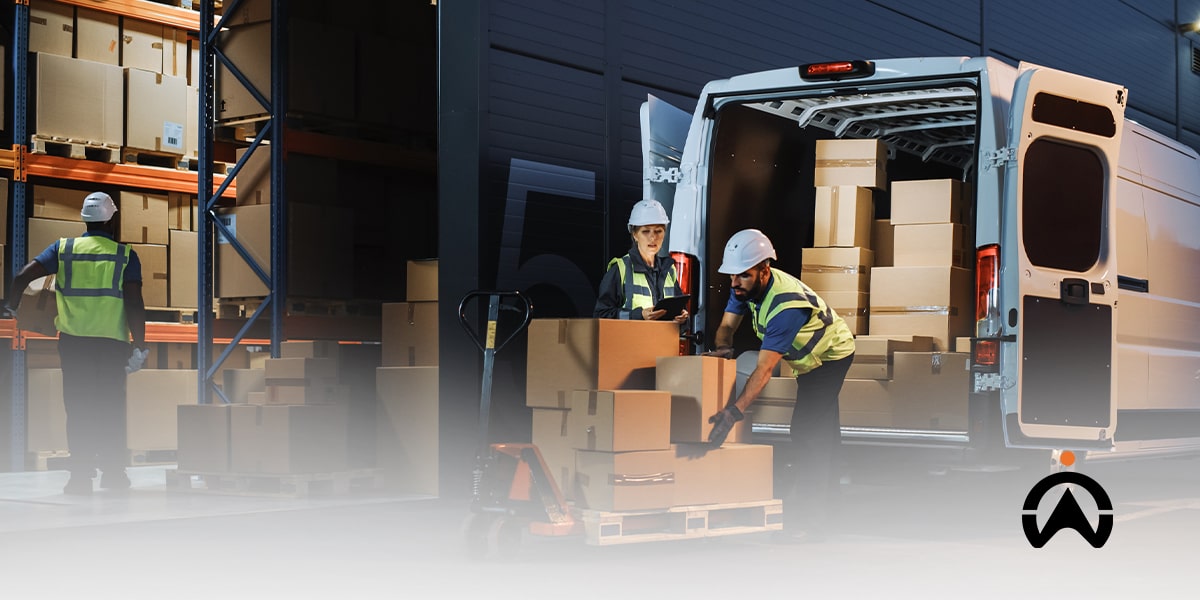
If you’ve ever wondered ‘who is a fleet driver and what is their purpose?’ Well, their skills are sought-out and contribute to the business like every other employee. Fleet drivers work to keep the business running and are often the middleman between the business and customers. They are employees who drive cars, trucks, or other vehicles, picking up and dropping off cargo, people, various items or raw materials within a factory, site or on the road.

To be eligible to transport items, the following qualifications are required:

  • Valid driver’s licence (depending on vehicle type)
  • Clean driving record
  • Optimal customer service skills
  • Proficient defensive driving techniques

While transporting, drivers can become distracted, practice unsafe driving behaviour or face many challenges that might hinder or delay delivery. These issues could be anything from dealing with vehicle maintenance problems, like tyre punctures, or unforeseen criminal activity that puts the driver’s life, other motorist and cargo in possible danger.

This brings up the age-old question asked throughout the transport industry: How do we keep our drivers safer?

 Fleet management software and safety within the fleet

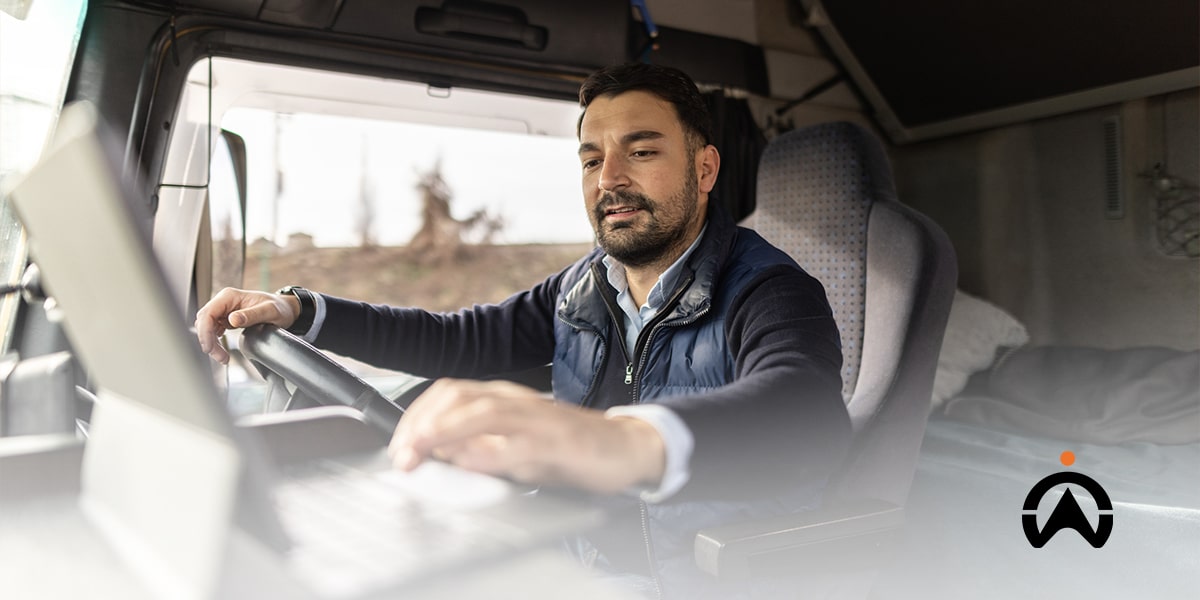
Effective driver management through fleet systems can save your company considerable time and money, all while modernising your fleet with some technological help. While fleet systems are mainly targeted at bettering a manager’s daily responsibilities, it’s important to also use technological innovations to positively impact fleet drivers. 

Fleet management software can be seen as a driver management tool that has the power to not only optimise delivery workflow but also improve driver skills, awareness and behaviour on the road, all benefits drivers can use to better their driving performance.

‍

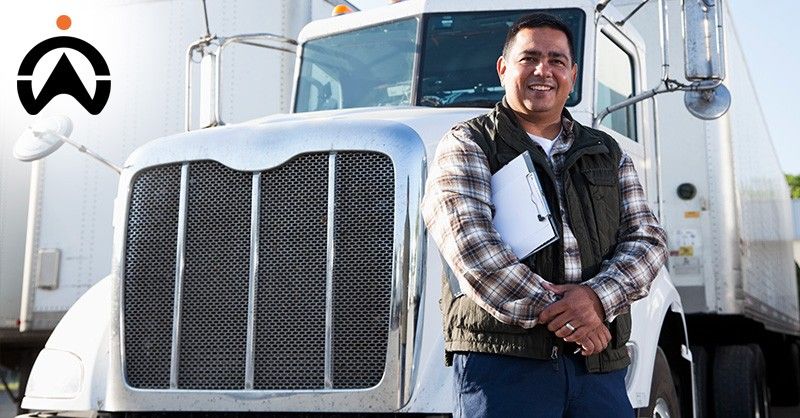
Fleet owner trucks Driver Behaviour & Driver Safety
 Fleet management software and safety within the fleet
‍

Which driver management technique is best for managing fleet drivers?

As a fleet owner or a fleet manager, it’s important to protect your fleet – namely, your drivers and vehicles. To do this, you need to know exactly which behaviours to address; and which technique you can use to help improve them.

Here are four useful techniques to help fleet managers better manage their fleet: 

1. Learning management system (LMS) 

This prepares drivers with basic course materials for all circumstances aligned with driver safety, including how to handle traffic, road law compliance and weather conditions. Fleet drivers occupy more time on the roads than average commuters, so fleet management is needed to maintain safety measures for the sake of the drivers, vehicles in use and the transported items.

2. Fleet management systems (FMS)

This is known as a fleet manager’s no.1 method of managing operations. It can help you optimise and streamline your entire operations. It provides advanced data and insights that help managers monitor and enhances driver behaviour, vehicle safety and good maintenance practices. This results in a more efficient, higher-performing fleet that can continue to grow as a business.

3. GPS vehicle tracking

Asset monitoring systems play an integral part in your driver management and make keeping track of fleet vehicles that much easier. This system uses GPS location technology to help you pinpoint your vehicles and give you driver and vehicle behaviour insights. Most Industry-leading vehicle tracking systems can automatically present this information on a user-friendly interface, which fleet managers can view via desktop, tablet and mobile.

4. Fleet driver safety programs

These are often the first steps in improving driver behaviour and implementing road safety practices. Safety programs are available through in-house personnel or subcontracting third-party references through accredited institutions. The purpose of these programs is to foster morale and instil mandatory driver training skills.

5 key elements of effective fleet management

To avoid losing money in the case of accidents or general poor productivity, businesses should invest in a fleet management system and a fleet safety program. The long-term investment of this pays off through better accountability, improved fleet safety, and promotes fewer collisions which all result in reduced operating costs.

These are a few key elements that contribute to an effective fleet safety program:

1. Hiring responsible drivers

An effective fleet safety program begins with the driver recruitment process. Start by finding the right drivers that meet the business’s fleet driver standards. Having a skilled driver with experience in driving fleet trucks would be beneficial.

The idea is to build a reliable and safe team of skilled drivers who understand the importance of fleet safety and prioritise it as much as possible. Hiring drivers who are like-minded in terms of work ethic, attitude and driving skills might result in having a low fleet driver turnover rate.

2. Having a comprehensive driver training program

After assembling a team of safe and reliable drivers, the next step is to train them.

Cartrack has a fleet management training course for fleet managers looking to maximise productivity, as well as offers training facilities for drivers to better improve their driving skills and behaviour.

The training of drivers not only reduces the possibility of accidents on the road but also sets a standard for safe driving among the fleet, ensuring smooth operations. 

3. Monitoring driver performance and behaviour

Effective fleet safety programs require the use of high-end fleet management software that allows fleet managers to efficiently monitor all fleet activity. Regular monitoring of driver performance and driver behaviour ensures all drivers are following the fleet safety guidelines and driving safely.

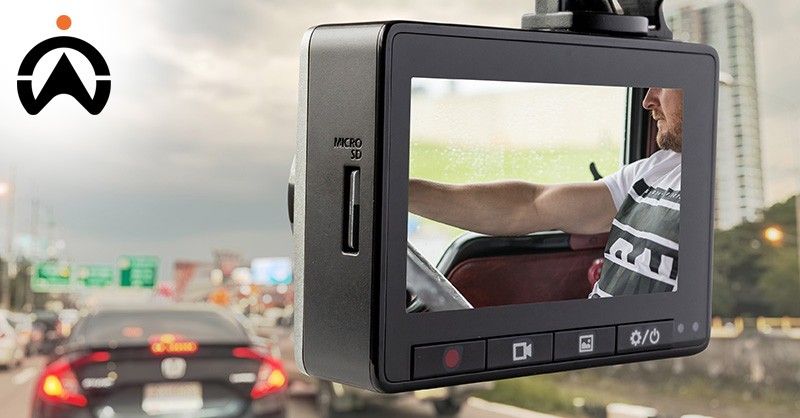
As a Cartrack customer, you’d have the benefit of using an AI-powered camera system that monitors drivers while on the road. With this, you could get a full view of your drivers, vehicles and cargo in transit, and receive alerts on any risky driving behaviour or possible collisions. 

You can also use driver scorecards to review their performance, which makes it easier for fleet managers to identify drivers who require further coaching.

4.  Vehicle maintenance

Having routine inspections of fleet vehicles is also an essential part of proper fleet management. Now that you’ve trained your drivers to exercise safe driving behaviours, you need to equip them with vehicles that are in tip-top shape.

This will help prevent unforeseen breakdowns and accidents that result from faulty equipment or poorly maintained parts. Plus, regular vehicle monitoring will lower maintenance costs.

5. Keep a continued focus on fleet safety

The importance of overall fleet safety needs to be repeated regularly. With constant use of safety procedures, this idea will become the norm and integrate itself into the business’s culture.

Sharing important fleet safety metrics with your drivers, fleet managers, and safety officers frequently is also recommended. Seeing the benefits that the safety program brings will validate the effectiveness of the fleet safety program. The habit will continue and be properly implemented into the training programs of new drivers.
‍

Delivery vehicle Driver Behaviour & Driver Safety
5 key elements of effective fleet management
‍

Why is improving fleet driver behaviour important?

Your drivers are the most valuable assets of your fleet business. How they behave on the road is a direct reflection of your business culture. Bad driving paints a negative picture for potential customers driving alongside the branded vehicle. And bad customer service does the same thing since drivers are often the first interaction customers receive from a business after ordering/partnering with them.

So, if you wish to streamline your operations and take your business a step further, you must improve fleet driver behaviour first through driving behaviour monitoring and training.

For this, you need to know exactly which behaviours to address; this way, you can adjust your coaching accordingly, and be effective in instilling a safe driving mindset among your employees. This will be most effective if you remember that not all drivers struggle with the same thing and learn at different paces.

How do you create better driving within your fleet?

By putting driver safety and empowerment at the centre of training programs!

A successful training program results in fleet drivers who can recognise their risky driving behaviours and can swiftly correct them. Taking initiative puts fleet drivers in the best position to help keep their fleet on track during challenging times and gives their managers one less thing to worry about.

This long-term investment pays off through: 

  • Better accountability
  • Promotes fewer collisions
  • Reduced operating costs

Safety needs to begin with fleet managers, implementing a few techniques will help to improve performance and create safer drivers:
‍

  1. Identify driver behaviours

The more a driver is distracted while on the road, the more likely an accident will occur. Though driving for hours on end all day might be tiring, a self-aware, conscious driver is always better than one who isn’t.

Identify the drivers’ distractions accordingly, whether it’s dangerous actions like cell phone use, fatigue etc. With Cartrack’s smart AI-powered cameras, these behaviours can be quickly identified and help: 

  • Prevent accidents
  • Improve driver behaviour
  • Provide video proof for incidents 
  1. Improve performance

The key to creating better drivers is to improve performance. A fleet management system can store driver information, enabling easier reporting on accident rates and behaviour, which helps identify risk and reduce costly repairs, vehicle downtime and insurance premiums. 

Having a system in place that enables you to understand the causes of safety challenges means a better chance of finding and implementing possible solutions. Fleet driver management software keeps your driver records up-to-date, organised and easily accessible for these purposes.

  1. Communicate better

A good management system doesn’t just help to inform you about your drivers’ live locations, it also helps by cutting the middleman out and communicating directly with drivers.

In the past, manager-to-driver communication was inefficient and mostly required manual communication through calling/texting. Luckily fleet management software has upgraded this process to GPS live locations, instant communication and other benefits that include:

  • Easily assign jobs to drivers according to proximity to the client
  • Optimise delivery routes for fast delivery and cut costs
  • Receive live alerts when jobs are completed
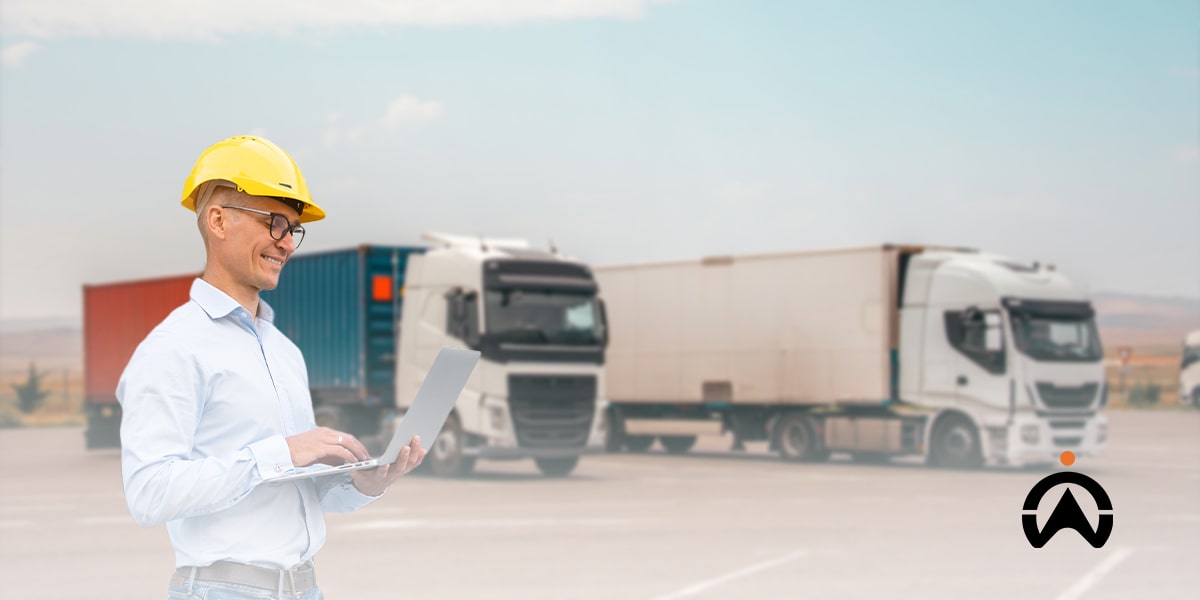
Fleet manager with laptop/device Driver Behaviour & Driver Safety
How do you create better driving within your fleet?
‍

Work and reward method

Sometimes, something as simple as rewarding drivers who practise safe road behaviour is all the motivation needed to encourage self-awareness and improvement.

Just telling your crew to drive safely is sometimes not enough to improve fleet driver behaviour. Aside from instructions, you should also consider instilling good driving habits that can be measured up to notable results. Then, reward good driving habits.

A reward program that provides incentives or bonuses for their commitment is an effective way of attracting and retaining motivated, engaged, and high-performing drivers.

Just keep in mind that change doesn’t occur overnight, improving your fleet drivers’ behaviour needs patience from both sides. 

To that end, a vehicle management system, which is based on telematics technology, like Cartrack’s complete fleet management solutions, can make all the difference. This can bring real-time insights that can help you develop a driver safety training plan and so much more.

Focus on safety with Cartrack

Cartrack gives you the opportunity to focus its provided fleet management features towards driver safety and empowerment.

Fleet managers can get more out of Cartrack by taking part in their fleet management training program and gaining the necessary skills to better manage and improve their fleet. 

Visit Cartrack Malawi for more information.
6 ways to improve driver behaviour and driving skills with fleet telematics software

Do you need data insights to train your drivers on the dos and don’ts? Are your fuel costs through the roof due to poor driving behaviour? 

No matter your challenge as a fleet manager, there are ways to monitor driver behaviour with the help of telematics software. 

This article is all about what you can do to empower your drivers and improve driving behaviour in your fleet – all of which give numerous business benefits you can’t overlook. 

On top of that, you will discover some factors that affect driver behaviour and driver assessments that can assist you in ensuring you hire the right drivers. 

Do you need data insights to train your drivers on the dos and don’ts?

What is driver behaviour?

Driver behaviour can be defined as the actions a driver performs while operating a motor vehicle. It’s essentially driving methods and a driver’s characteristics, either intentional or unintentional. Typically, driver behaviour is characterised on a spectrum from normal to risky and aggressive.

If you are a fleet manager, it’s useful to understand the factors that can influence your driver’s driving methods, as they can affect your driver’s ability to assess risk and make decisions on the road.

Take a look at some pointers: 

Factors that affect driver behaviour 

  • Distractions: Any action that takes your driver’s eyes off the road is considered a distraction. A common distraction is the use of smartphones for text messages and calls while driving. 
  • Reckless driving: Actions such as speeding, going through a traffic light, changing lanes without indicating, or driving too fast can put other road users at risk, all of which is considered reckless driving.
  • Fatigue: Apart from the actual dangers of falling asleep on the roads, even a tired driver may have slower reaction times than an alert driver, making it more difficult to respond to sudden road hazards.
  • Age and experience: There is a weight of evidence that proves that age and experience have effects on crash risk. For example, studies consistently found that teenage drivers had dramatically higher crash rates than older drivers, particularly drivers older than 25.
  • Driving under the influence: Drunk driving causes nearly half of all fatal accidents and numerous crash injuries every year. In South Africa, 50% of all accidents that occur on the roads involve a member who is over the legal alcohol limit. However, alcohol is not the only substance that can impair a driver’s ability to operate a vehicle. Prescription medications, illegal narcotics, and over-the-counter medicines can all cause confusion, drowsiness, and poor decision-making.

Now that you understand the factors that influence driver behaviour, there’s more you can do to ensure you hire the right drivers for your fleet.

Assessing a driver’s abilities and attitudes to driving can significantly help the employee and employer. The qualities of a good driver are derived from attitude, skills, and knowledge. 

You can consider conducting driver assessments to analyse behaviour and attitude together, after all, they are interconnected.

Here are some, so you can understand your drivers before they hit the road. 

Types of driver behaviour assessments 

  • The driver behaviour questionnaire (DBQ)

Drivers are asked questions about how they drive daily, and can indicate on a scale (0 = never and 5 = nearly all the time) how often they performed each driving behaviour on the list. 

  • Attitudes toward traffic safety scale (ATTS)

Here they asked questions about their views on road safety, which will give a fleet manager an idea about their behaviour and how they approach traffic laws.

  • Driver behaviour transactional analysis (TA)

This test will help you understand how your drivers react under pressure, and their working styles. This model will help you find out information about how they organise their work and time and communicate with each other. 

Types of driver behaviour assessments

 6 ways to improve driver behaviour and safety 

  1. Establish safety policies

Companies should create policies, procedures and safety expectations for drivers to follow. These should be signed by managers and drivers and reviewed regularly to show how committed your company is to reducing traffic-related crashes, injuries, and death. And these policies can be shown to drivers during training sessions, for example, your no-distraction policy.  

  1. Check driver records 

Check driving records and history before bringing new drivers on board. You can filter out those with poor driving history, to avoid future incidents. 

  1. Train drivers 

The best way to instil safe driving methods is to educate your drivers on safety protocol. Show them the consequences of risky driving behaviour, over-speeding, distracted driving, and more. You could also send them on a driver behaviour course to better equip them.

  1. Motivate your drivers 

Training your drivers will motivate and encourage them to perform better, as it creates a space for growth and to develop their skills. Empower your employees with the right set of values for success, creating positive practice.

You could also create incentive programs where they are rewarded for driving well, to enhance their good driving habits. 

Actionable data from a fleet management platform can be used to show your drivers the best way to drive. For example, you can pick up if one driver is idling more than others, and then you can let these drivers know. If others are following safe driving procedures, this can help motivate other drivers to reach that level too. 

  1. Maintain vehicles 

If your vehicles are maintained well, you’ll have a safer fleet overall. They will run better where you can prevent road accidents and protect your drivers. In real time, you can get alerts if there are any engine faults, worn brake pads, oil and water fluctuation, and other diagnostics, so you know when you need to service your vehicles. 

  1. Use vehicle telematics software 

Use the smart data from a fleet management platform to get the insights about driving behaviours and methods you need. You’ll be able to pick up events such as speeding and harsh braking, and put systems in place to stop these incidents in their tracks.

Here’s more on how telematics software can help you monitor the drivers in your fleet. 

6 ways to improve driver behaviour and safety 

How to improve driver behaviour through a fleet telematics management platform

As we know, there is a benefit in identifying unsafe driving methods. Insurance companies always look for ways to reduce insurance claims and road accidents by monitoring safe driving habits on South African roads. 

We also know that safe driving impacts the longevity of a fleet and can help cut costs.

Here’s how a fleet platform can help you improve driver behaviour:

  • Driver behaviour reports

Get driver scorecard data reports from a fleet platform and get the driver insights you need to pick up idling, aggressive driving, speeding, and more – all of which are costly to a fleet. 

Also get detailed reports for each behaviour. Say for instance, speeding is an ongoing trend with one of your drivers, then pull up a detailed speeding analysis. It could have detailed locations, duration and distance travelled over maximum speed limits, so you can get the full picture of a speeding incident. Or maybe your fuel costs spiked, get an excessive idling report to see if this is the cause. 

On-demand trip reports can also be retrieved if you want to analyse and compare all your vehicles, and the drivers using those vehicles. 

These reports will help fleet managers take real-time measures to mitigate issues.

  • Driver behaviour alerts and reminders

With all the daily tasks a fleet manager faces, a fleet platform will help with its alerts and reminder features. Managers can customise driver behaviour alerts and receive the info they feel is necessary. So they can create a trigger alert for when the ignition is on and off, and choose where they want the alert to go, i.e. email. Or get alerts in real-time when safety rules aren’t followed, and correct this immediately. 

Drivers can get preventative in-cabin alerts in real-time too, so they know when they are breaking the rules of the road or safety violations. For instance, if they are not leaving a proper distance from the other vehicle.  Also create reminders for certain events, so for example, maybe you want to be reminded to check a certain route a driver is taking, to see if speeding persists. 

  • AI-powered cameras

Get up to eight internal or external cameras to help keep your drivers, fleet, and cargo safe. These cameras can pick up all sorts of detection including front collision warnings, smoke detection, distracted driving, yawning, and more. Smart In-cabin screens keep your drivers safe and they can get visibility of their blind spots, and the cameras alert them in real-time of any dangers or issues. With the footage, you’ll also be able to protect drivers from false accident claims. In the event of poor driving, fleet managers can also use the footage to bring up the incident with the driver in question. 

Benefits of improving driver behaviour monitoring system

Choose Cartrack’s software and GPS tracking system and you’ll get these benefits: 

  • Reduce costs as poor driver behaviour will be picked up and accidents can be prevented
  • Ensure compliance with the law in your company
  • Identify harsh driving methods to ensure safety compliance on the roads and to protect your fleet
  • Protect your drivers as they will be notified in real-time if they are not driving correctly
  • Provide accountability with driver ID tags or identification
  • Save on running costs such as fuel and maintenance, and increase your vehicle’s longevity

Make your fleet and driver’s behaviour as safe as possible, with fleet management software from Cartrack. 

Get in touch with us today.

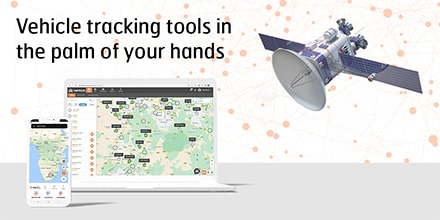
Vehicle tracking tools in the palm of your hands

With today’s technology, having to worry about your fleet is old-school. Vehicle tracking systems have created a world where fleet management has been made easier. Get peace of mind with vehicle tracking from dispatch to delivery, all in the palm of your hand.

Technology continues to make our lives easier. Today, smartphones give us access to the online world and even our household appliances like washing machines. One of the tech creations that has completely transformed the fleet industry, is GPS tracking! Fleet companies are now in the know of their entire operations from beginning to end. 

The real question is, how do you get the best vehicle tracking software with so much to choose from? By the end of this blog, you will know exactly what GPS vehicle tracking is, what to look for in vehicle tracking software and how your fleet business will benefit from vehicle tracking.  

What is a vehicle tracking system?

A vehicle tracking system is software used to determine the exact location of a vehicle at any given time. To receive real-time insights on the geographic position of a vehicle, a vehicle tracking device is connected to the vehicle and uses GPS technology.

How exactly does GPS tracking work?

Okay, let’s break it down: GPS, which stands for Global Positioning System, is a satellite constellation supporting high accurate positioning, navigation and timing (PNT) measurements worldwide. While one of the first satellite positioning systems was initially developed in the 1960s for military purposes, GPS became available for public use in 1983. 

Today, GPS has various uses in agriculture, marine surveying, and even fleet management where it is used to determine when, where, and how vehicles are being used, including driver behaviour, maintenance alerts, and more. This is done using the Global Navigation Satellite System (GNSS) network which comprises satellites that are in communication with GPS tracking devices providing information on the location, route, time, and speed of vehicles. 

How do you know you need GPS fleet tracking? 

Let’s unpack fleet tracking a bit more. Fleet tracking refers to a management system that uses GPS to monitor not just a fleet, but also tracked assets. 

Fleet tracking uses telematics technology to collect real-time data from the fleet so fleet managers can monitor and efficiently manage the entire fleet and make strategic operational decisions. 

These are some indications that your fleet business needs GPS fleet tracking:

  • A fleet manager is unable to manage drivers’ tasks and completion rates
  • There is poor visibility over your fleet and drivers, and poor task progression
  • A fleet manager is unable to assign and communicate important tasks in the event of an emergency 
  • A fleet business has poor customer experience due to the inability to reach high customer expectations 
  • Paperwork and signed proof of delivery (POD) get misplaced

4 benefits of fleet tracking 

On the flip side, effective fleet tracking translates to the smooth operation of a fleet business, regardless of the fleet size. In turn, productivity increases, saving the business time and money, and overall, improving the customer experience which is great for any business’s bottom line.

Here are 4 benefits of vehicle tracking for fleet businesses:  

  1. Driver visibility and asset tracking: Previously, fleet managers had no way of knowing the exact geographical location of the fleet and even the completion rate of the deliveries. Now, GPS tracking systems allow fleet managers to create, assign and monitor drivers’ tasks.
  2. Reduced operational costs: Whether it is reducing money or time, GPS tracking allows fleet managers to efficiently manage a fleet, increase productivity and reduce late and incorrect deliveries.
  3. Good customer experience: With vehicle tracking, customers can get real-time tracking of their cargo every step of the way from dispatch to delivery. Upon delivery, customers can sign an electronic POD and receive a delivery confirmation email.
  4. Reduced admin: Vehicle tracking allows fleet managers to reduce admin burdens with the ability to assign tasks, track drivers and fleet, and store electric PODs, all in one place. 

But with so many tracking systems to choose from, how do you know which one is best? Let’s find out. 

How to spot a good GPS tracking software

Vehicle tracking tools come in a variety of shapes and sizes from plug-ins, to hardwired, and battery-operated.  Here’s how to choose the best fleet tracking software: 

  • Find an easy-to-use platform: Simplicity ensures fleet companies don’t exhaust additional time, resources, and energy. Find tracking software that provides everything you need for your fleet in one platform so that fleet managers can focus on expanding the business.
  • Get real-time tracking: Efficiently managing a fleet operation entails having access to the right information at the right time, when it is needed. Get real-time vehicle tracking, including HD video footage, and AI-powered cameras, so fleet managers can use data received to make strategic operational decisions.
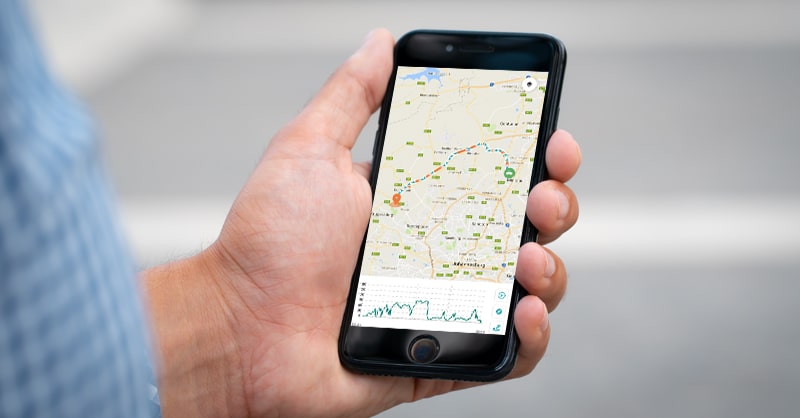
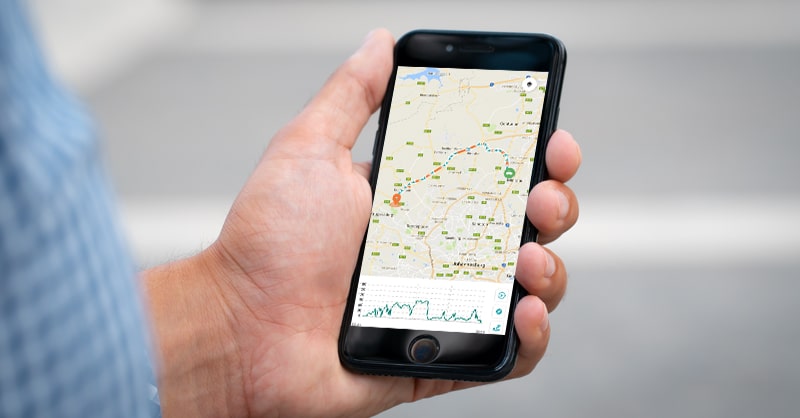
  • Mobility is a must-have: The ability to get visibility of the fleet and communicate with drivers from anywhere is essential for a fleet to operate smoothly. This way, you can manage the whole business operation (from assigning tasks to routing and dispatching, to the delivery) in the palm of your hands. 

Get vehicle tracking in the palm of your hand with the Cartrack App

Cartrack provides an easy-to-use vehicle tracking and fleet management platform. Cartrack’s vehicle tracking software puts fleet managers in complete control of your fleet, drivers, and assets.
Let’s take a look at some of the most popular features from Cartrack’s all-in-one fleet management software: 

Live-vision and AI-powered cameras: Cartrack’s easy-to-use video system provides real-time visibility of your fleet, cargo, and drivers. This AI-powered and live-stream camera technology has up to eight internal or external cameras to ensure the safety of your drivers, fleet, and cargo and includes event recording, giving fleet managers insights into driver behaviour. 

Geofence: With an accurate GPS positioning functionality alongside route histories on comprehensive street-level mapping, fleet managers can set up predefined areas (geofences) and receive notifications via SMS and email when vehicles enter or exit these areas.  

Protector: Protector is a Value-Added Service by Cartrack. At a push of a button provided on the Cartrack App or website, drivers can get medical, roadside and car hire services assistance, making their work experience as comfortable as possible. 

MiFleet: MiFleet is an easy-to-use software that can efficiently manage fleet-related operating costs. With MiFleet, fleet managers can easily import fuel transactions, highlight all fuel risks, get informed on possible fraud and investigate ways to save fuel, money, and reduce admin. 

Stolen Vehicle Recovery (SVR): If a vehicle is stolen, Cartrack’s stolen vehicle recovery uses an advanced tracking device to track and recover vehicles. With the support of a highly-trained response team, 

Get peace of mind with Cartrack

Fleet managers’ lives are made easier with Cartrack’s vehicle tracking and telematics platform, and fleet administration system which provides security, safety and control, anywhere, anytime. .  

Contact Cartrack Malawi today for peace of mind in the palm of your hand.

How vehicle tracking works and why you’ll benefit from it

To operate a successful fleet business, vehicle tracking is essential! Vehicle tracking has provided telematics technology to efficiently and successfully operate a fleet business. Let’s find out how it works and why your business will benefit from it.

The development of vehicle tracking systems began in the 1960s. Today, vehicle tracking gives fleet managers and businesses more control over their fleet. Truck, taxi, logistics and car service industries depend on vehicle tracking systems to operate efficiently. However, vehicle tracking goes beyond more than merely determining the exact geographical location of vehicles. Let’s discover what more there is to vehicle tracking.  

vehicles need a tracking system

Why do vehicles need a tracking system? 

The name says it all, a vehicle tracking system allows you to track the geographical location of your vehicle(s) in real-time. Thanks to innovation, vehicle tracking systems now go beyond just determining the exact location of a vehicle at any given time to collecting data and providing detailed reports on driver behaviour, vehicle maintenance, vehicle trip history, and even vehicle fuel consumption and management. 

For vehicle tracking to work, a GPS tracking device is required. This is a small, portable unit that is installed on a vehicle (or even asset for tracking) enabling you to track the exact location of the vehicle or asset and receive information about when, where, and how your vehicles are being used. 

Sounds similar to in-car navigation systems, right? But there are highlighting differences. On the one hand, GPS navigation systems show your location on a digital map and give you directions from point A to point B. On the other hand, GPS tracking devices use telematics technology to determine a vehicle’s exact geographical location and trip history, and further store this data in a computer, smartphone, or tablet. 

 Let’s dive into how this smart device works? 

How a GPS vehicle tracking system works

GPS which stands for Global Positioning System, is a satellite constellation supporting high accurate positioning, navigation and timing (PNT) measurements worldwide. GPS tracking systems use the position of three or more satellites from the Global Navigation Satellite System (GNSS) to determine an exact geographical location.  

There are different ways that a GPS vehicle tracking system can work. Active or commercial tracking systems provide real-time view of the geographical positioning of a vehicle while passive tracking systems or GPS loggers do not offer real-time tracking. Instead, they simply collect and store a vehicle’s GPS location and data on trips based on specific events to be viewed at a later time. 

Although both active and passive vehicle trackers are the same GPS devices, they have different functions. Fleet managers use active tracking systemsto monitor drivers ’ real-time locations and drivers’ behaviour. Whereas passive tracking systemsprovide fleet managers with data and information on the fleet vehicles’ geographic locations, driver behaviour, and other vehicle insightswhenever they need access to the information and data. 

How can vehicle tracking systems be used?

Because there are different vehicle tracking devices, there should be different ways vehicle tracking systems are used. Let’s explore the different scenarios in which vehicle tracking systems can be used:

  • To track a fleet: You are a fleet manager and you want to know the exact geographic location of your drivers and fleet. To make matters worse, customers are unsatisfied with the business’ services; complaints include late or no deliveries and missing or damaged assets. And if that’s not enough, you have piles of paperwork to deal with, including missing and unsigned proof of deliveries (PODs). 

In this case, fleet managers often use GPS tracking to monitor the whereabouts of the vehicles. With vehicle tracking, fleet managers have a simplified and uncomplicated way to manage and oversee vehicles. Fleet managers receive information on where drivers and vehicles are at any given moment, where drivers have travelled throughout the day, the deliveries that have been completed as well as electronic PODs. 

  • To keep an eye on your car: You are a car owner and need peace of mind that you will find your car exactly where you parked it. You want to have fun, live life, shop and have lunch with friends without having to worry about the security of your vehicle every second. 

You can use GPS tracking to stay informed about the exact geographic location of your vehicle at any given time, receive notifications in the suspicion of idling, and if yourvehicle is stolen it can be tracked and recovered.  

  • To access data and information when needed: You are a fleet manager and you are looking for an affordable tracking system that will provide you with the information and data you need to increase productivity, increase customer service, and effectively manage and maintain vehicles.

In this scenario, vehicle tracking is used to monitor vehicle mileage for the fleet businesses, access data and information that will assist in improving driver behaviour and reducing the misuse of vehicles. 

3 fleet management challenges solved by fleet tracking 

The purpose of fleet tracking is to collect data about a fleet using telematics technology. Fleet managers can use fleet tracking to help solve fleet management challenges. The following are three common fleet management problems that can be solved with fleet tracking:

  1. Driver accountability: Accountability can be defined as the willingness to accept responsibility or to elucidate one’s action. Fleet managers need the ability to confirm that drivers have completed tasks as expected, at the time specified and location. Real-time GPS tracking is the solution to this problem. Fleet tracking helps fleet managers set clear expectations for drivers and allows them to focus on achieving their goals and tasks.
  2. High customer expectations: With efficient delivery options such as one-week, one-day or even same-day, customer expectations have risen over the years and so have competitors. However, vehicle tracking systems have made it easier to meet high customer expectations. With vehicle tracking, fleet managers can optimise routes for drivers ensuring that deliveries are made on time and track assets from dispatch to delivery.
  3. High operational costs: From fuel usage to vehicle maintenance, vehicle theft, and even time, fleet-related operation costs can get extremely high. Vehicle tracking provides fleet managers with the information needed to monitor fleet operation costs and efficiently manage the fleet to reduce operational costs.  
benefits of vehicle tracking

9 benefits of vehicle tracking

The obvious benefit of vehicle tracking is that it provides real-time tracking of vehicles, this is a basic function that makes way for more benefits of vehicle tracking. There are more reasons why your business will benefit from vehicle tracking, here are nine: 

  1. Full visibility of drivers, fleet and assets: Previously, fleet managers had no way of knowing the exact geographical location of the fleet and even the completion rate of the deliveries. Now, GPS tracking systems allow fleet managers to create, assign and monitor drivers’ tasks all in one platform. The ability to oversee your entire fleet operation puts you in control of productivity, service delivery, and costs. 
  2. Reduced operational costs and increased profits: Whether it is reducing money or time, GPS tracking provides actionable insights about how the fleet business’ time, money, and resources are used. This way, fleet managers can analyse operating expenses and reduce unnecessary costs, time wastage,, and increase profits.
  3. Decrease vehicle downtime: Fleet vehicles are either on the road everyday (whether for long or short distances) or in some instances not in use for long periods. Whatever the case may be, vehicles cannot curb the need for regular maintenance or else they suffer from damages such as wear and tear and engine faults. 

With vehicle tracking, fleet managers receive diagnostics and alerts to ensure that potential vehicle damages are identified and vehicles get maintenance regularly. This information reduces vehicle downtime and the risk of vehicles breaking down while the drivers complete tasks and deliveries. 

  1. Increased customer satisfaction: Vehicle tracking does not only increase customer satisfaction by increasing productivity through clear task allocation and task progression tracking but it also enhances the customer experience by involving customers every step of the way. With vehicle tracking, customers can get real-time tracking of their cargo from dispatch to delivery. This allows both fleet managers and customers to communicate and stay informed on any emergency changes to the delivery. Customers can further efficiently sign electronic PODs and receive a confirmation email.
  2. Theft prevention: Another reason why fleet businesses benefit from vehicle tracking is that it provides the ability to retrieve stolen vehicles. Vehicle tracking systems help reduce vehicle theft-related crimes by making it easy and accessible to track the whereabouts of vehicles, this saves financial and resource losses that could be incurred from vehicle theft.
  3. Seamless fleet management: With vehicle tracking, fleet managers don’t only get a birds-eye-view of the whole fleet operation in real time, but they can further seamlessly create, assign and track tasks. The ability to easily assign and track tasks leads to higher productivity, a reduction in incorrect or late deliveries, and reduced operational costs.

    A game-changing benefit of vehicle tracking for fleet management is the ability to communicate efficiently in case of an emergency. When unexpected situations occur fleet managers can communicate changes with drivers, quickly decide which vehicles to send where, or decide on the best alternative routes for drivers.

  4. Minimise paperwork and admin: Managing hand-written paperwork can be stressful and time-consuming. With vehicle tracking there is no need to manually create timesheets, create receipts to record payments, or fill out and search through piles of paperwork. Vehicle tracking allows fleet managers to reduce admin burdens with the ability to assign tasks, track drivers and fleet, and store electric PODs all in one place.

The cut-down of paperwork and admin boosts employee productivity as it lifts the paperwork and admin burdenfrom employees and allows them to fully focus on completing tasks. 

  1. Increase driver accountability: The ability to seamlessly create, assign, and track tasks ensure that there are clear expectations of tasks and work ethic. With access to information and data on the accurate geographic location of vehicles, vehicle trip history and driver behaviour each employee can be held accountable for their work ethic whether good or bad. This way, vehicle tracking can foster a culture of accountability, integrity and honesty, and reduce internal and external conflict.
  2. Improved driver safety: Driver safety should be a major priority for fleet businesses as the success of the business is dependent on the drivers’ ability to efficiently and safely complete tasks. Road safety risks on the other hand can lead to accidents, driver injuries, legal issues as well as financial losses.

There are many ways vehicle tracking enhances driver safety. Some of the ways include route optimizationallowing fleet managers to create the most cost-effective, time-saving, and safe route for drivers no matter the size of the fleet business, camera solutions to monitor driver behaviour as well as driver assistance in case of emergency. Vehicle tracking tools can also allow fleet managers to monitor poor driver behaviour such as speeding, harsh braking and acceleration. 

Why you need a tracking device for your car

Regardless of being a fleet manager or a fleet business owner, getting a vehicle tracking device is beneficial as it allows you to personally monitor the geographical location of your car, at any given time. 

Here are some reasons why you should get a vehicle tracking device for your car: 

  • To ensure the security of your car at all times. 
  • To be alerted if your car is being tampered with or is stolen. 
  • To remotely deactivate your car’s ignition to prevent theft. 
  • To get quick assistance in the event that your car is stolen.
  • To recover your stolen vehicle.  
  • To receive reports on maintenance, driver behaviour, and vehicle trips.

This may sound like a whole lot of admin but it isn’t. All the above can be done remotely, on your smartphone, with the Cartrack App. 

Boost your business with Cartrack GPS features

Boost your business with Cartrack GPS features ‍

Cartrack provides an easy-to-use platform that allows fleet managers to oversee the entire fleet operation all in one place. Cartrack features ensure that fleet managers run the fleet as best as possible at the lowest costs, ensuring that your business reaps the rewards.  

Below are some Cartrack features that allow fleet managers to monitor fleet vehicles, driver behaviour, fuel usage, and more: 

  • MiFleet: With MiFleet, fleet managers can manage their fleet, drivers, and fleet-related costs efficiently. MiFleet is easy-to-use software which allows fleet managers to monitor fuel transactions, be alerted on fuel risks, get informed of possible fraud, investigate ways to save fuel and money, and reduce admin. 
  • Geofence: Geofence uses accurate GPS positioning to set boundaries on certain areas that vehicles are restricted from crossing. With this Cartrack feature, fleet managers can monitor when vehicles enter or exit the pre-set geographical boundaries by receiving a notification via SMS and email. 
  • AI-powered cameras: Cartrack’s easy-to-use vehicle video cameras provide fleet managers with real-time visibility of their fleet, assets, and drivers. With this AI-powered and live-stream camera technology fleet managers get event recordings as well as information and data that provide critical information to improve driver behaviour and productivity. 
  • Routing: This is a Cartrack feature that allows fleet managers to easily set, optimise and manage predefined routes for fleet vehicles to reduce wastage in operating costs. In the case of route deviations, fleet managers receive real-time alerts. This way, fleet managers can ensure that drivers are sticking to their tasks. 
  • Stolen Vehicle Recovery (SVR): SVR is a Cartrack feature that can save fleet business financial losses from vehicle theft.

Get 24/7 vehicle tracking with Cartrack ‍

Cartrack offers fleet businesses and car owners a variety of packages with various vehicle tracking features. This way you can find a package that is best for you based on your personal or business needs.

‍Contact Cartrack Malawi today!

How to react in the event of a hijacking

Navigate the unexpected

The prospect of being targeted in a hijacking is frightening. It’s a scenario that you hope to never find yourself in. Unfortunately, despite our best efforts, the reality is that it could happen to any one of us. That’s why it’s important to have the appropriate knowledge that will allow you to safely navigate this unfortunate event. 

Here are some tips on how you should react in the event of a hijacking:

1. Don’t resist and do as you’re told

While your first instinct may be to retaliate when your life and possessions are threatened, avoid this reaction at all costs. Yes, it’s your car and you’ve worked hard to own and drive it, but hopefully it’s also insured, so unlike your life, it can be replaced, along with your other possessions inside the vehicle. 

The best way to handle the situation is to not threaten or challenge the hijackers in any way, especially if they are carrying a weapon such as a gun or a knife. 

Calmly just leave all your valuables in the vehicle, surrender your car and move away from it as quickly as possible without making any sudden moves. Always try your best to place as much distance as possible between yourself and the hijackers.

2. Don’t make any sudden movements

As previously mentioned, trying to be a hero is a move criminals expect from the people they’re stealing from, so the hijackers are more likely to be startled by any sudden movements and they may perceive it as a threat. Their response could be to panic which could result in them retaliating aggressively. 

Keep your hands clearly visible at all times, preferably in the air. “The safety belt can put you at risk of getting shot at,” a hijacker told Independent Media in an interview. “When you reach to unclick your seatbelt, we might panic and think that you are reaching for a weapon, and that is when you get shot.”

Lift both your hands up and spread your ten fingers wide apart to show you’re not holding anything, which sends a message that you are not a threat to the hijacker, advises Derek Kirby, Ford South Africa’s advanced and defensive driving expert.

Avoid making eye contact with hijackers and speak slowly and calmly so as not to further aggravate the hijackers.

3. Subtly gather information

Instead of looking for a way out of the situation by challenging the hijackers, use the time in which you’re being told to give up your car to gather as much information as you can without posing a threat to the hijackers. 

It’s a stressful situation but taking note of small and important details that will be useful to police at a later date helps when making a statement which will help hopefully get your car back. This information includes:

  • How many hijackers are involved in the crime
  • General descriptions of the hijackers and the clothes they were wearing
  • How many firearms or weapons were used and what they look like
  • The type of language and accent they used
  • The direction they drove off in after taking your car
  • All the belongings left in your car at the time of the hijacking

What to do after the hijacking

As soon as you are safe, you must borrow a phone and call the South African Police Service on 08600 10111. SAPS should arrive on the scene and dispatch medical services if required. Should you require any other emergency numbers, you can phone 112 on any cellular network.

1. Activate your tracking device

If you have an active tracking device from Cartrack, immediately alert Cartrack’s control operations room by phoning 0861 111 564.

Vehicle tracking has become an important technology for the safety of not only fleet vehicles but also for the individual driver. With the extensive range of optional extras offered by Cartrack, you will be covered for almost every eventuality, including a hijacking.

2. Don’t panic, push the button

When you tap the Protector button on the Cartrack app, it unleashes a world of tools that come to your rescue, managed by highly-trained control room operators: 

  • Our team will contact you to determine what kind of assistance you need 
  • The closest, most appropriate provider will be dispatched to your exact location
  • Help will arrive based on real-time analysis of the GPS and satellite technology embedded in your installed device

Cartrack’s Protector feature is an additional, optional service that is available on all Cartrack’s packages. Our emergency control room teams are always ready to support you in the unfortunate event of vehicle theft or hijacking. They will communicate directly with our private response teams and local police to ensure a rapid response.

3. Sound the alarm

“Install apps on your phone that friends and family can use to track your location should you not arrive on time,” says Herbert. The Share Location feature on the Cartrack app allows drivers or individuals to share their exact location from anywhere. This comes in handy when hijackers are driving off with your car, leaving you stranded. Sharing your trip before hitting the road is ideal to get the best of this feature.

Another great feature is geofencing, to alert you when entering a predefined high-risk area. “Investigate high-risk areas,” advises Herbert.  “This is not to say you shouldn’t drive in those areas, but knowledge of this information can help you make the best decisions for your safety.”

Near or far, we’ll watch your car

A Cartrack tracking unit in your car ensures that no matter how far you go or who illegally dispossesses you of your car, there will always be a team of experts ready to come to your rescue. Contact us today for ultimate peace of mind and find out why #DriversLoveUs

SECURITY SERVICE INDUSTRY

Security teams require a quick and easy way to ensure that they can monitor their assigned assets with a minimal amount of hassle.

Here are some of the ways that they can accomplish this goal:

  • Tracking and Reports: real-time tracking enables you to be aware of your asset locations and your status information.
  • Geofencing and Notifications: fences can be digitally set so that objects are restricted to a prescribed geographic region.