How Do Delivery Companies Use GPS Technology to Plan the Fastest Routes for Drivers?

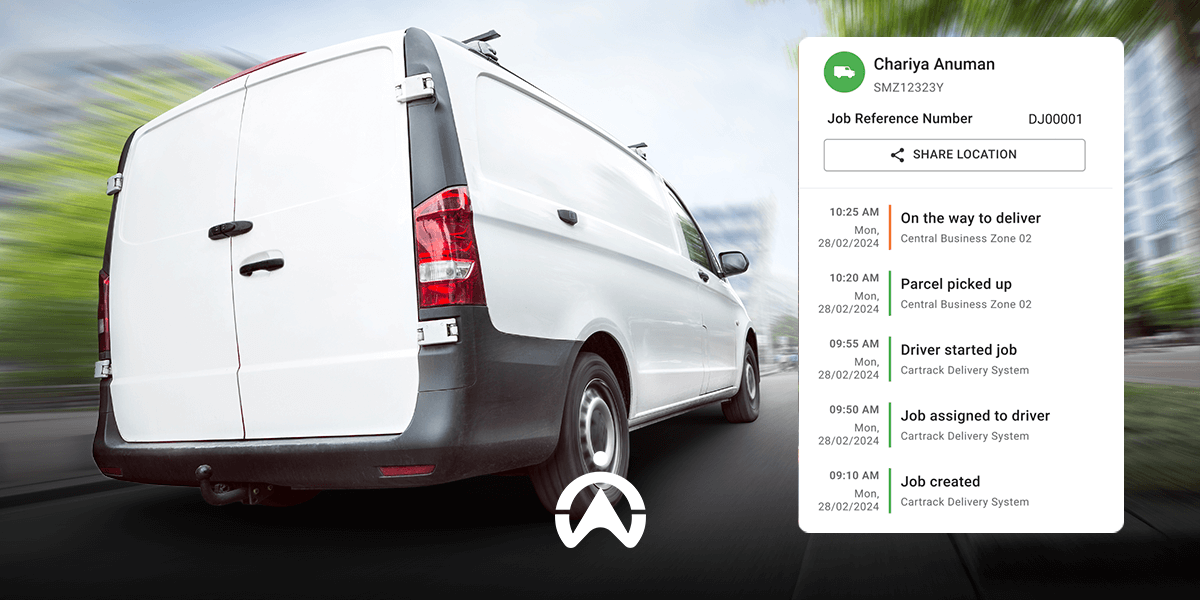
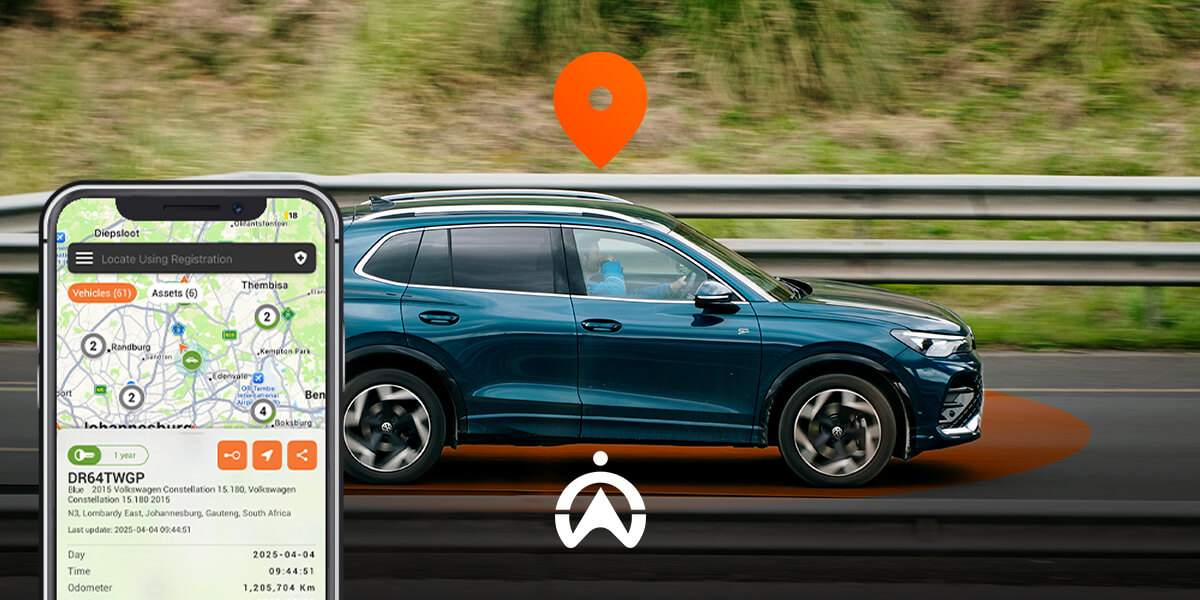
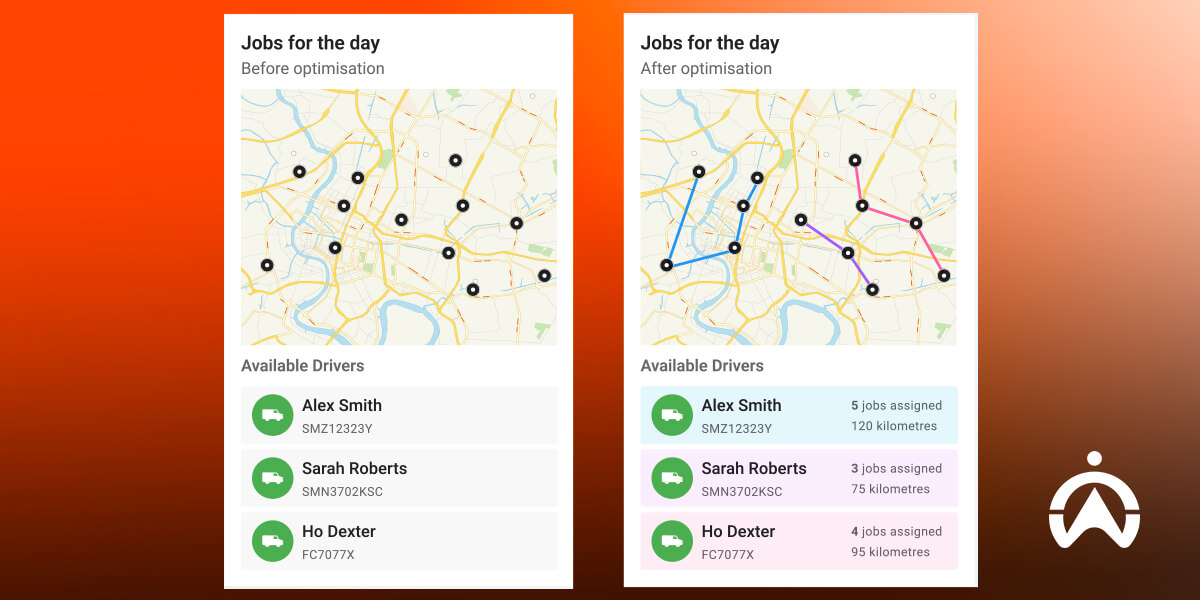
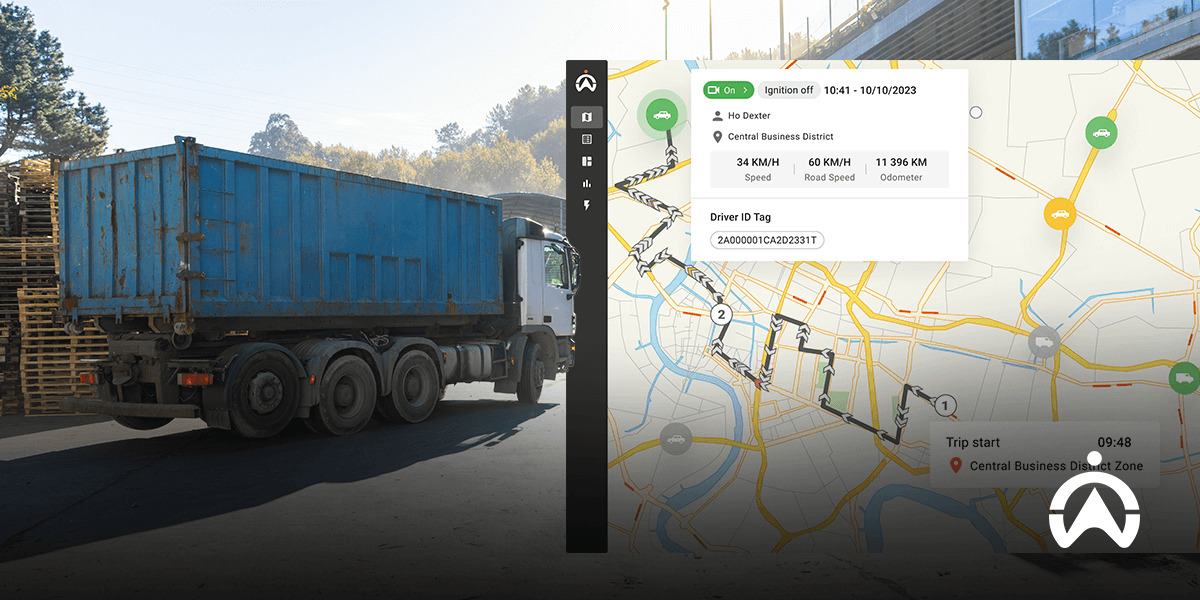
Delivery companies use GPS technology to optimise their routes by identifying traffic conditions, pinpointing a vehicle’s location, and calculating the quickest route. AI technology has further enhanced GPS technology, helping drivers and companies save on fuel and optimise their delivery times.

According to COVER Magazine, AI route optimisation is becoming popular to make deliveries faster and cheaper. It looks at traffic, vehicle performance, and even the weather to help companies save fuel and reduce emissions. At Cartrack, we lead the way in intelligent route optimisation through GPS technology in the form of our Delivery solution. Here’s how we did it.

How does GPS technology improve delivery efficiency ?

GPS technology improves delivery efficiency in Malawi by finding the quickest routes based on traffic and road conditions. It does this in real time, so it’s always up to date on the analysis. This helps your drivers avoid delays on their deliveries, as well as cut down on wasted fuel. 

Drivers can make more deliveries in less time, keeping your business more competitive. We all deal with potholes, traffic jams, and roadblocks. The obstacles have an impact on companies that rely on delivery for profit. However, they can be avoided with the right GPS-integrated software.

There are 4 main ways Cartrack’s GPS software can help YOUR delivery company become more productive and efficient in the delivery sector. With our Delivery solution, these include:

  1. Avoiding traffic congestion and recent accident scenes
  2. Navigating rural areas where traditional maps may not be updated
  3. Reducing fuel costs by always calculating the most optimal route
  4. Enhancing customer satisfaction by completing more deliveries faster

How can GPS technology help avoid traffic congestion?

GPS technology helps you avoid traffic congestion by showing live traffic updates. From here, it reroutes drivers between & around busy roads. In cities, this means faster deliveries during high-traffic periods. By guiding your vehicles through smoother routes, you save time, reduce stress for your drivers, and minimise fuel costs.

Wondering how many obstacles GPS technology can help your drivers avoid? Here’s a quick overview:

Obstacle How GPS helps Benefit
Traffic jams Shows live updates and gives new routes Saves time
Road works Warns about blocked or slow roads Keeps trips smooth
Accidents ahead Alerts drivers to crashes Avoids long delays
Busy city roads Finds quieter side streets Faster deliveries
Weather issues Suggests safer routes in storms or floods Protects drivers
Wrong turns Gives clear step-by-step directions Reduces stress
Fuel waste Picks shorter and smoother routes Cuts fuel costs
Cartrack courier GPS technology with woman tracking delivery on laptop using GPS technology.

Is GPS route optimisation beneficial for rural deliveries?

Yes, GPS route optimisation is absolutely beneficial for rural deliveries, because it maps out the best paths through areas with fewer-to-no road signs, or areas with poor connectivity. It also helps your drivers avoid unnecessary detours, saving them time and fuel. This makes it easier for you to serve rural customers and grow your reach.

How does GPS reduce fuel costs for delivery companies?

With Delivery from Cartrack, delivery companies can reduce fuel costs by guiding drivers on the quickest, shortest routes, while limiting time spent idling in traffic, which uses up fuel. Fuel is expensive; even small savings per trip add up. Your drivers can complete more deliveries using less fuel, cutting expenses and reducing harmful emissions from their vehicles.

Quick note: Combining GPS technology with some of Cartrack’s other fuel-saving solutions further enhances your fuel savings and can even help you prevent fuel fraud. Read here (10 reasons why you’re failing at fuel management).

How can GPS technology enhance customer satisfaction?

GPS technology enhances customer satisfaction by giving accurate delivery times. Your drivers also get to make MORE deliveries, which means better profits for you. It also allows customers to track their parcels in real time. For consumers, this builds trust because your customers know exactly when to expect their orders. So what happens? They ordered again!

When you’re competing in a market that relies on deliveries, this puts you way ahead of the competition. As your reputation for reliability grows, you’ll begin to grow your customer base—slowly but surely. Using Delivery from Cartrack will give you the edge over your competition and help you grow from strength to strength!

How does GPS technology protect your company’s assets?

GPS technology further benefits fleet and delivery companies by protecting their vehicles as well as their drivers. GPS is the backbone of vehicle recovery. Tracking devices are installed on your vehicles, helping our team to recover stolen or hijacked vehicles on time. GPS also helps you track drivers who might be lost or in trouble.

Together with other technologies from Cartrack, GPS also provides other benefits. If any of these appeal to you, be sure to get in touch with us today:

Risk How GPS and other solutions can help Benefit
Vehicle theft Tracks location at all times Makes it easier to recover vehicles
Driver misuse Monitors routes and stops Protects company resources
Fuel theft Shows fuel use and refills Reduces money loss
Lost goods Records trip history Helps find missing cargo
Unsafe driving Sends alerts for harsh driving Keeps vehicles in better shape
Fake claims Provides trip and event proof Protects the company from false costs
Delays Gives live traffic updates Keeps deliveries on time
Poor planning Finds the best routes Saves fuel and reduces wear
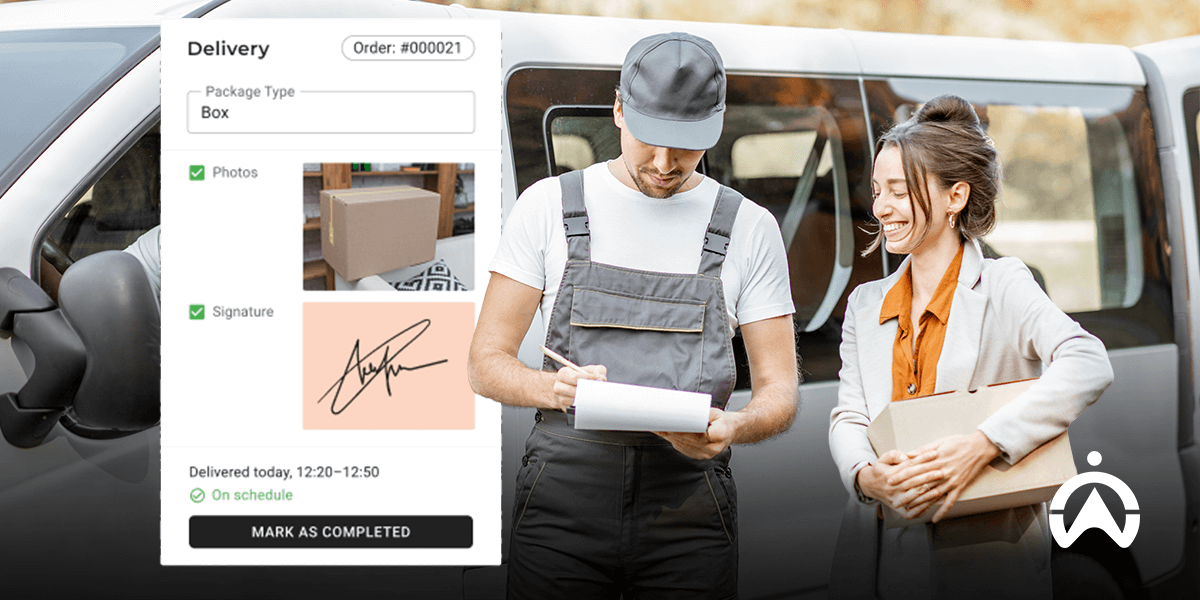
Cartrack courier GPS technology enabling delivery person to confirm package handover with GPS technology.

What software works well with GPS to enhance delivery services?

For delivery companies, the Delivery solution from Cartrack is the most advanced software that works to enhance your delivery business. It works with GPS technology to optimise drivers’ routes, update their assignments, and automate your customers’ notifications. You’ll also be able to check in real-time how your deliveries are progressing to each of your customers.

Looking at the Delivery solution in full view, we notice that it includes a lot more. Here’s everything you can expect:

  • Paperless process: Delivery also helps you to skip paperwork and capture everything digitally. Everything is archived within the app itself, giving you an automated system where you can check invoices, delivery orders, times, products, etc.
    ‍
  • Last-mile delivery: Last-mile delivery means getting your goods from a hub branch straight to the customer’s door. Cartrack helps your business manage this final step with tools like route planning, GPS tracking, and proof-of-delivery. You’ll see where your drivers are in real time, cut costs, speed up deliveries, and give customers AMAZING service!
    ‍
  • Low-data or offline mode: Got a low internet connection? Cartrack’s Delivery lets you keep working even when your network is weak or temporarily non-existent. It comfortably handles low-data or offline mode by storing key information locally on your device. Routes, delivery details, and customer data are saved so drivers can continue working without a live connection.
    ‍
  • Instant job updates: The Delivery solution provides you with new tasks, cancellations, or changes right away. You don’t have to memorise or keep track of individual delivery jobs, because the app does it for you!
    ‍
  • Digital proof of delivery: You can collect e-signatures from customers, and even photo proof of your deliveries all in one place. This makes for easy confirmation and proof that your deliveries were completed.
    ‍
  • Automated customer notifications: What if your customers could receive clear updates and delivery times every time they ordered from you? Well, that’s what they’d get if you used the Delivery app from Cartrack. Your customers are always kept up to date, which keeps them happy and encourages them to order again.
    ‍

Does GPS integration require additional infrastructure in Malawi?

The obvious question is, “Can Malawi’s infrastructure accommodate the connectivity to keep high-tech GPS working optimally?” The answer is yes. Why? Because GPS works through satellites and mobile networks. Most fleet management systems only need your vehicles’ GPS tracking devices and a basic data connection. This makes it simple to adopt, whether you manage a small or large fleet.

What company has the most advanced GPS technology for fleets?

At this point in time, Cartrack is still leading the fleet management arena. Our software is the most advanced when it comes to delivering real-time updates that make a difference to drivers and fleet managers. By combining many of the other solutions we offer, you can grow your fleet and reduce risks across your organisation.

Speak to one of our experts about how our Delivery solution can enhance your company, its assets, and your profits.

Frequently Asked Questions about how delivery companies use GPS technology

What GPS do delivery drivers use?

Delivery drivers often use GPS apps like Google Maps and Waze, as well as fleet systems such as TomTom or Garmin. However, larger, more serious delivery and courier companies achieve scalability by utilizing advanced systems, such as the solutions offered by Cartrack. That’s because this software is designed to enhance the efficiency of their delivery services.

How does GPS work so fast?

GPS works fast because it uses satellites that send signals to your phone or device within seconds. These signals are processed quickly, showing your exact location on the map. With mobile data, your GPS updates in real time, so you get instant routes, traffic updates, and accurate directions.

Do traditional GPS devices always give you the fastest route?

No, traditional GPS devices don’t always give you the fastest route. They typically rely on preloaded maps and don’t always update traffic conditions in real-time. This means you might still get stuck in traffic. More advanced GPS software from Cartrack is way more accurate in helping you (or your drivers) avoid time-consuming obstacles.

How do I plan a route on a GPS?

To plan a route on GPS, you simply open the app or device, type your start point and destination, and press go. For delivery companies, routes are also planned out by the fleet managers using advanced software. This helps delivery vehicles synchronise their routes so that all of them are at peak efficiency.

How has technology improved delivery speed in delivery courier services?

Technology has improved delivery speed by using GPS route optimisation, live traffic tracking, and real-time driver communication. Courier companies now avoid busy roads, save fuel, and deliver way faster. Using Delivery software, your customers also get updates on when their parcels will arrive, which makes the whole delivery process smoother and more reliable.

Learn more about Delivery from Cartrack. Get in touch with us TODAY and let us show you how you can grow your delivery business.
AI Camera System: 5 best features to look for your fleet business

AI Camera System: 5 best features to look for in your fleet business

AI camera systems are used in fleets to monitor drivers, record vehicle data, and manage logistics remotely. Any company that takes its fleet seriously needs a comprehensive way to manage that fleet as affordably and efficiently as possible. Now that AI is being integrated into these camera systems, they’re better than ever!

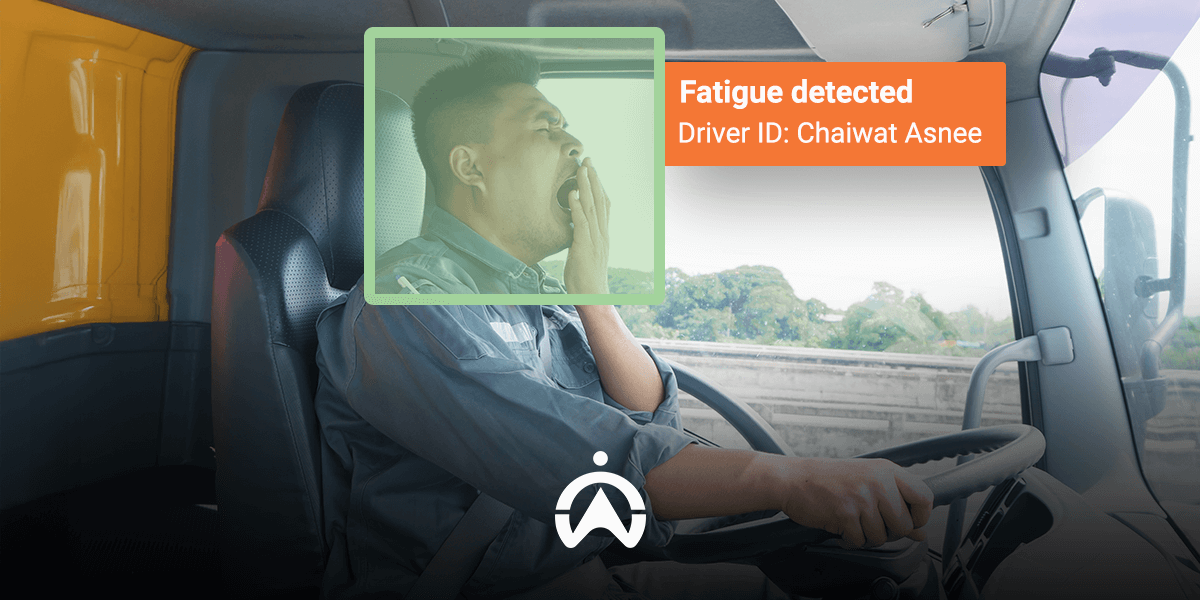
Driver fatigue is one of the leading causes of fatal crashes. But what if fleet managers could detect fatigue before it became a risk? And beyond fatigue—what about other accident causes? Could those be prevented, too?

This is why Cartrack has covered the 5 best features of AI camera systems in fleet management. This technology not only saves your organisation a large percentage of your profits, but also protects your assets, your drivers, and your long-term growth. Let’s explore how.

Top 5 AI camera features for fleet managers

If you’ve been wondering if your current vehicle dashcams are worth replacing with AI camera systems, check out this brief overview:

Feature What it Does Why it Matters
Driver fatigue detection Detects when the driver is tired Helps prevent accidents
Dual-Camera with ADAS & DMS for Collision warning Alerts when a crash risk is high Gives drivers time to react
GPS-linked route optimisation Finds the best route Saves time and fuel
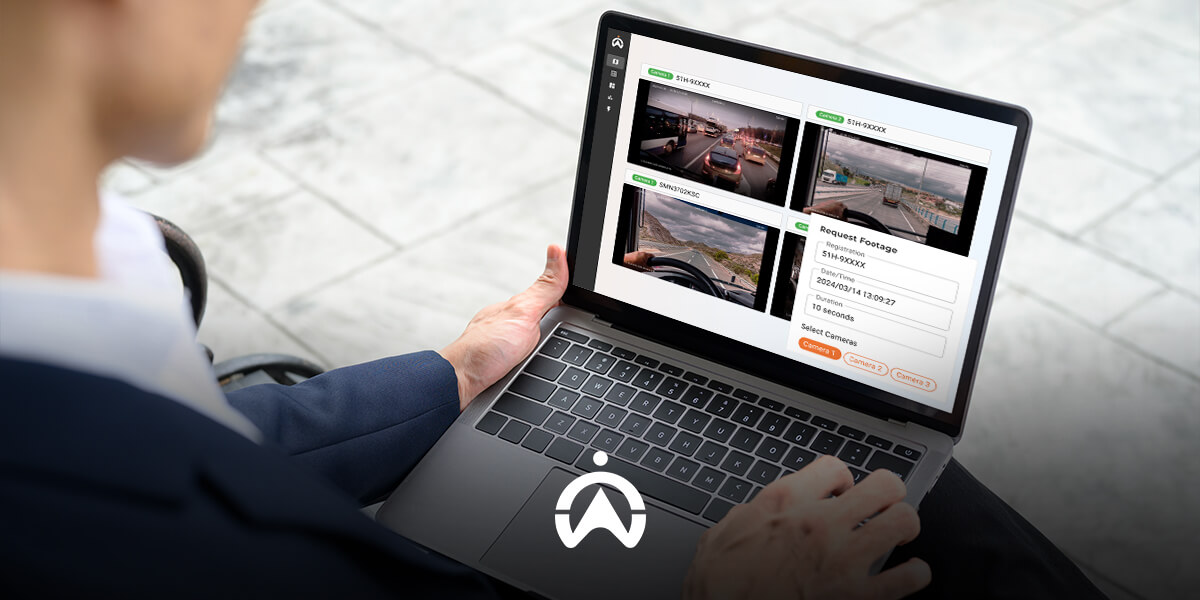
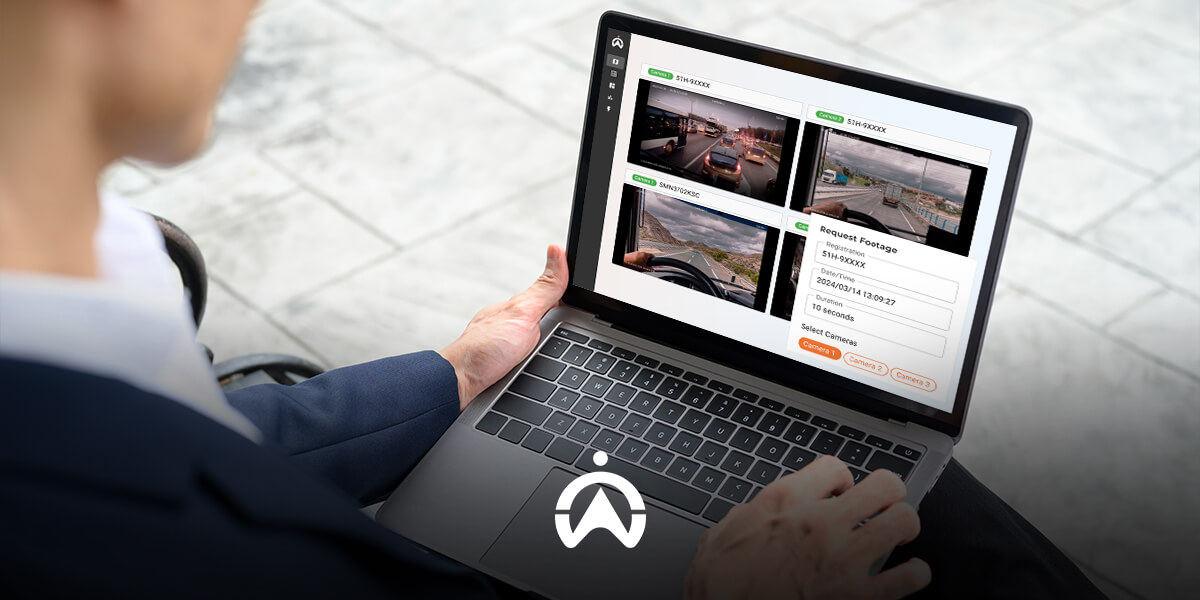
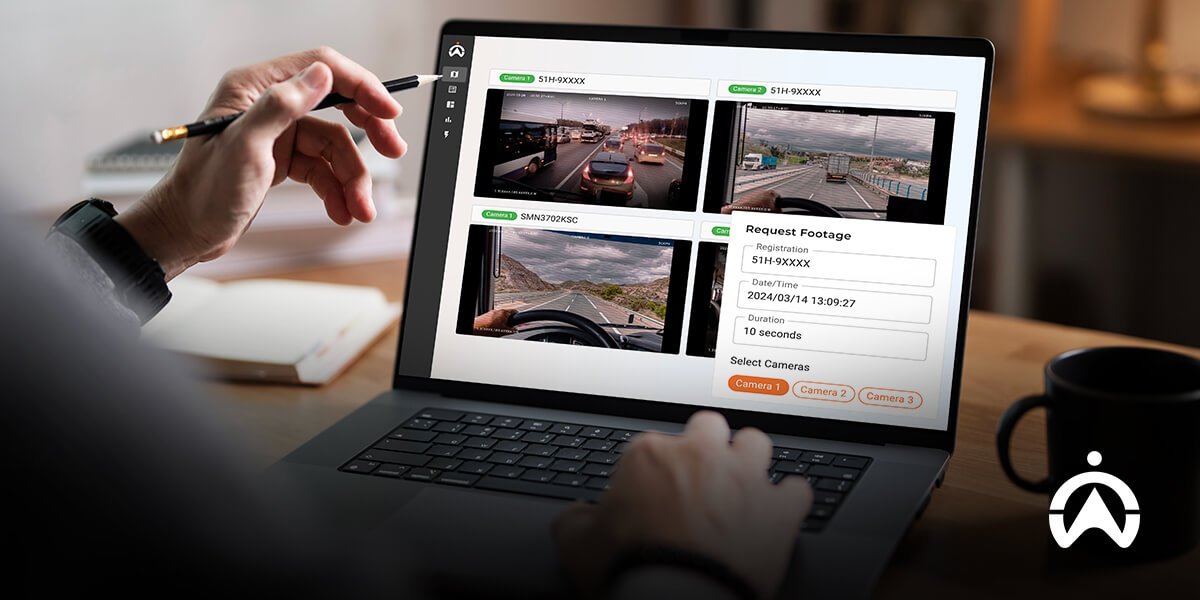
On-demand footage retrieval Let’s you access video when needed Useful for checks and proof
Automatic driver scoring Rates driver behaviour Supports training and safety

Now let’s look at each one more in-depth.

1. AI in-cab alerts

One of the best features of an AI camera system is the software’s ability to detect potentially dangerous driver behaviour. This includes:

  • Distraction (looking away instead of ahead)
  • Fatigue (yawning, eyes closing, etc)
  • No seatbelt
  • Smoking or vaping
  • Tampering with the camera

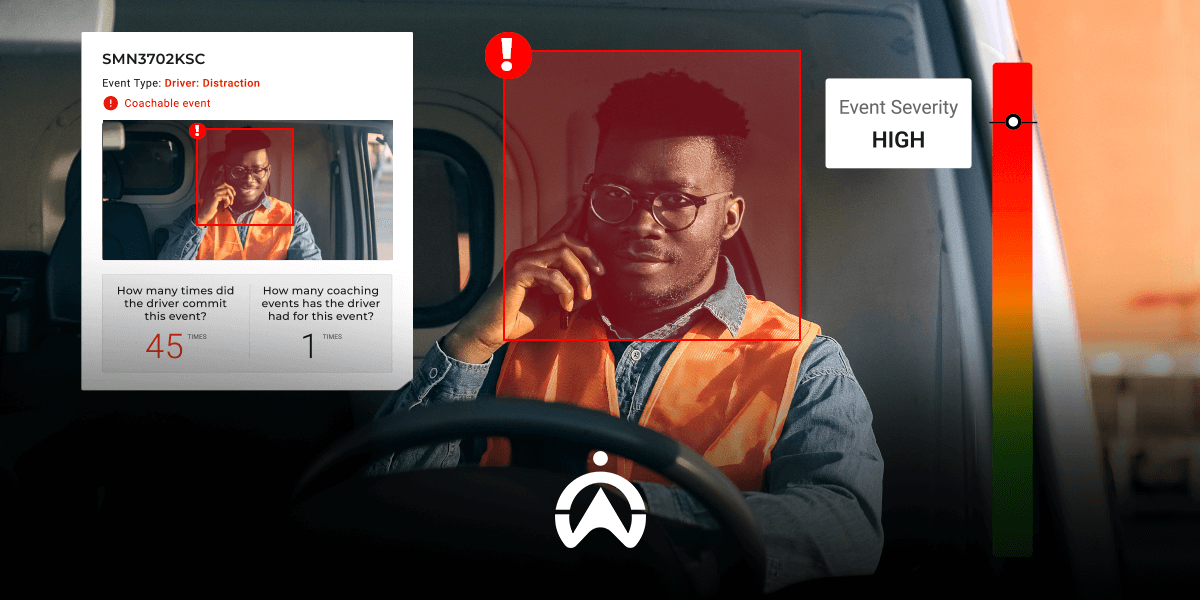
These behaviours can have a devastating impact on your driver and your vehicle. Getting notified of these behaviours helps you to better manage your fleet, because you’re never in the dark. Alerts will be sent to you and/or your fleet manager in real time, so you’ll always have a sense of control even when your drivers are far away.

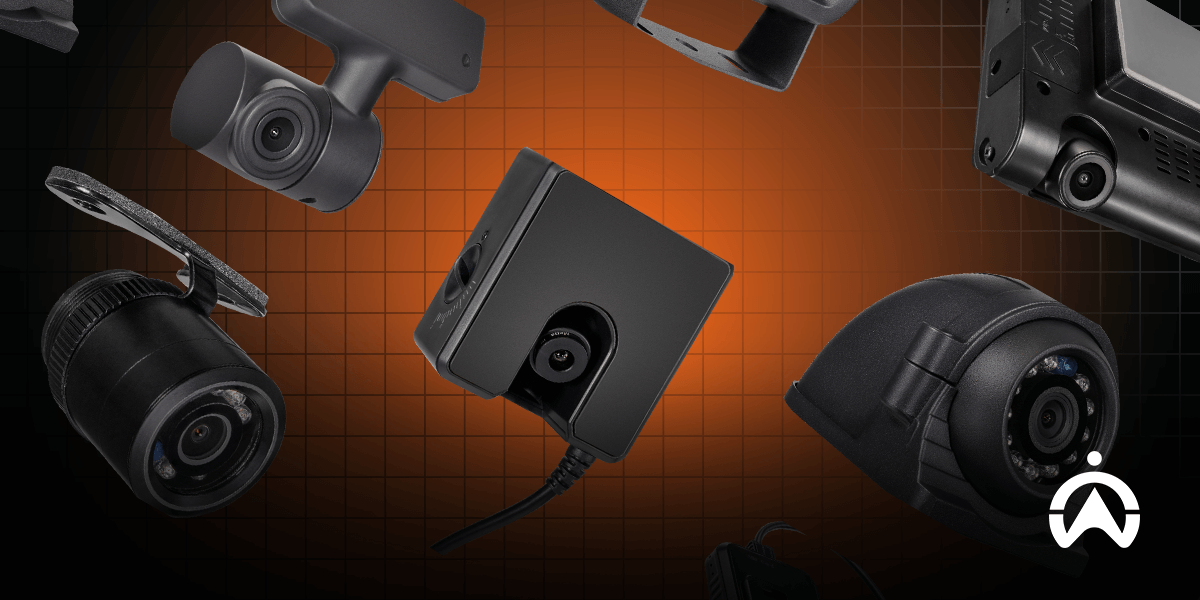
Cartrack AI Camera System with black car cameras and accessories on orange background.

2. Dual-camera with ADAS & DMS

Regular dashcams are usually forward-facing. The AI camera systems at Cartrack provide forward and driver-facing (known as in-cab) cameras that monitor the driver and the driving compartment.

But what’s so special about that, and what role does AI play in these camera systems? Well, these cameras have ADAS (Advanced Driver Assistance System) and DMS (Driver Monitoring System) features. DMS is what we covered in the previous section.

However, ADAS is much more advanced, because this is where the AI really proves its worth to you and your driver:

  • Advanced Driver Assistant System: This is software that steps in when your driver needs it most. The AI-powered ADAS has some of the most advanced capabilities, including:
    • Forward Collision Warning (FCW) – alerts if a crash risk is detected
    • Automatic Emergency Braking (AEB) – applies brakes if the driver doesn’t react in time
    • Lane Departure Warning (LDW) – warns if the vehicle drifts out of its lane
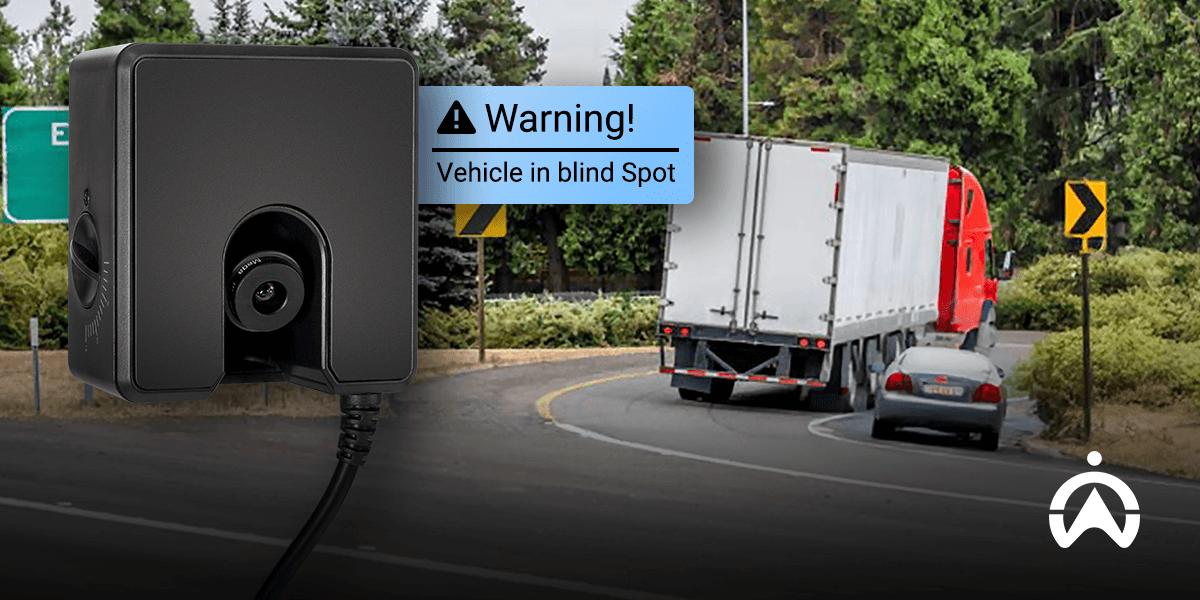
    • Blind Spot Detection – monitors and alerts for vehicles in hard-to-see areas
    • Adaptive Cruise Control (ACC) – automatically adjusts speed to keep a safe following distance

3. Cloud and event-based footage

Further to receiving the event-based alerts mentioned above, AI camera systems also allow you to view live footage of your driver and the surroundings of your vehicle. What you may not know is that when one of those alerts is sent, it triggers the recording software and intelligently decides what important events to archive for later viewing.

This means that every time something out of the norm happens during the driving process, your AI camera system will record and keep that footage for:

  • Insurance purposes
  • Driver accountability and feedback
  • Fuel fraud investigations
  • Driver complaints
  • Disciplinary processes and labour law compliance

4. GPS integration & telematics

“GPS & Telemetry Integration for Contextual Oversight…” might sound technical, but it’s easy to grasp. It simply means that your AI camera system uses GPS to track the vehicle’s exact location, and then pairs this with telemetry data, like speed, braking, and fuel use.

Together, this data gives fleet managers a clear picture of what was happening and where. As you can imagine, this makes it easier to understand incidents, coach drivers, and improve operations.

5. Scalability and coaching tools

It’s nice to know that you and your fleet managers can access pertinent footage whenever you need it. But what about storing all of this information? Together with intelligent technology, AI camera systems also come with a cloud storage infrastructure that allows you to archive a large amount of footage for later use.

As footage ages, you can delete it or simply purchase more storage space. This allows you to retrieve footage when necessary, but these systems also track and record driver scorecard data. This never gets deleted, because you’ll need it to rate, train, and commend your drivers. 

How are AI camera systems different from standard dashcams?

AI camera systems can be distinguished from standard dashcams primarily through their ability to detect pertinent activities. 6 more features worth mentioning include:

  • Real-time analysis vs. passive recording
  • Automated event uploads
  • Alerts and driver coaching
  • Multi-sensor integration
  • Risk scoring and reporting
  • Theft prevention and compliance support

Because all of this data is recorded and stored via cloud-based storage systems, you get an archive of relevant information that regular dashcams wouldn’t provide.

Let’s compare your regular dashcam to the AI camera systems Cartrack offers in terms of these six features.

Real-time analysis vs. passive recording

Automated event uploads

  • ‍Regular dashcam: Video files will stay stored on a memory card until you or your managers remove them. If an incident occurs, managers must manually download and review the footage.
    ‍
  • ‍Cartrack AI cameras: Important events are automatically uploaded to the cloud. This ensures incidents are captured, stored safely, and left ready for you to review them whenever you’re ready.

Alerts and driver coaching

  • ‍Regular dashcam: Standard dashcams can’t warn your drivers or help them improve their driving habits. They’re no more than a record of what happened AFTER it’s already happened.
    ‍
  • ‍Cartrack AI cameras: The system gives you real-time alerts for risky behaviour like harsh braking or fatigue. Drivers receive instant feedback to improve their performance. This also helps you to identify patterns and deal with them preemptively.
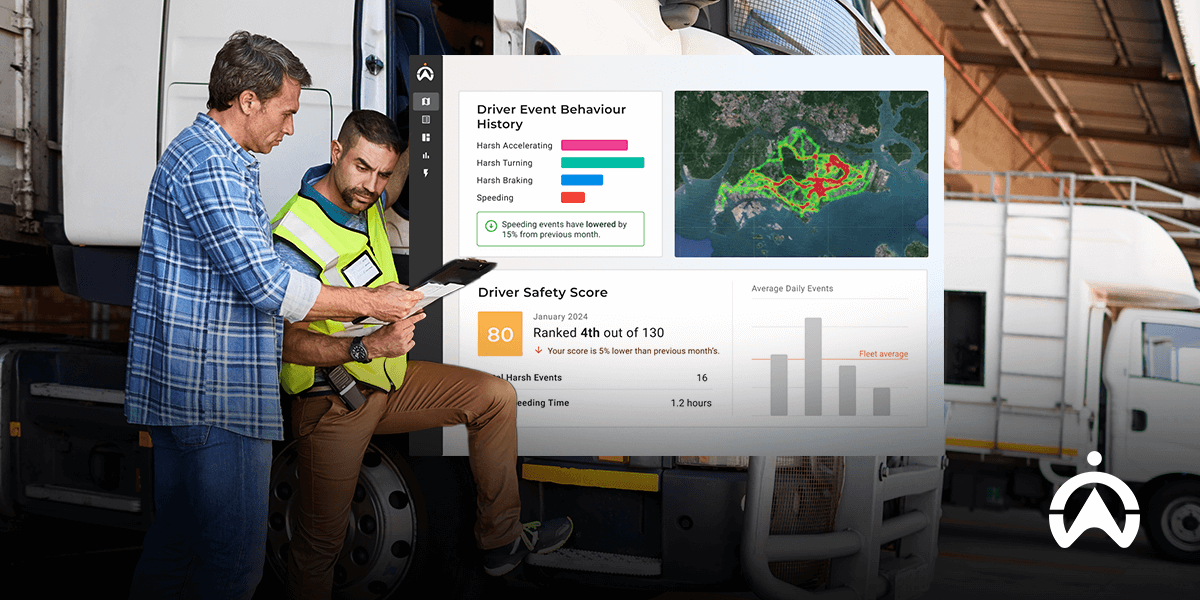
Cartrack AI Camera System showing driver behaviour analytics and safety scores on digital dashboard.

Multi-sensor integration

  • ‍Regular dashcam: Traditional dashcams rely only on video footage and can’t connect with the systems of your vehicles. This limits the data they can ultimately provide to you and your fleet managers.
    ‍
  • ‍Cartrack AI cameras: These connect with GPS and CANbus to combine speed, braking, fuel use, and video data. You’ll get a complete view of each vehicle as well as your drivers’ activities.

Risk scoring and reporting

  • ‍Regular dashcam: A standard dashcam doesn’t calculate the respective riskiness of your drivers. It also can’t generate reports. You and your managers must rely on manual reviews of video clips, which can be tedious and time-consuming.
    ‍
  • ‍Cartrack AI cameras: The system scores drivers based on behaviour and provides clear reports. This helps you to identify trends and take action quickly.

Theft prevention and compliance support

Where can you get the best AI cameras for your fleet?

At the forefront of AI camera technology for fleets is Cartrack. We’ve pioneered the industry and developed devices and systems that make your job easier when it comes to managing your vehicles and drivers.

You might be considering dashcams for your fleet. Perhaps you’ve already got them. Replacing them with AI camera systems is the best way to evolve your fleet and give you the data you need to grow as an organisation.

Contact us today to get a tailored quote on your own fleet’s AI camera solution.

AI camera systems frequently asked questions

What are “harsh event” detections?

Harsh event detections are alerts triggered when your driver brakes too hard, takes sharp turns, speeds suddenly, or drives in a risky way. Your AI camera picks these up in real time. This helps you spot unsafe habits early and improve both safety and fuel efficiency across your fleet.

How do AI cameras enhance legal defense and claims processing?

AI cameras give you clear video proof of what happened before, during, and after an incident. This reduces false claims and helps speed up insurance processing. Your business saves time, avoids unnecessary costs, and has stronger evidence to protect drivers and your company’s reputation if disputes do arise.

Are AI camera systems tamper-proof?

Yes, most AI camera systems are built to resist tampering. However, no system is fully foolproof. They use locked mounts, secure storage, and cloud uploads to keep your footage safe. If someone tries to interfere, alerts can be sent to you so that action is taken quickly.

Can AI camera systems withstand rugged terrains?

Yes, AI camera systems are designed to handle Malawi’s tough roads and weather conditions. They’re built with durable parts that resist dust, vibration, and heat. This makes sure your footage stays reliable whether your trucks are driving on highways, dirt roads, or mining routes.

How long do cameras continue recording when the ignition is off?

Most AI cameras keep recording for a set time after the ignition is switched off. This is usually powered by backup batteries or low-voltage connections. It means your vehicles remain protected while parked, helping you to capture footage of theft attempts or damage even when no one’s driving.

Curb expenses, monitor your fleet, and avoid mishaps with Cartrack’s groundbreaking AI camera system.

Car Tracking Services and Solutions

The need for car tracking services has increased over the years. This is due to various factors such as the rising concerns over vehicle theft, the growing demand for advanced technology that enhances driver safety, the growth in the fleet management industry, and the convenience of it all.

There are many car tracking services and solutions available in Malawi, but finding the right one can be quite the challenge. Today, we look at the various car tracking services and solutions that we have to offer and also give you insight into how they work. Let’s dive into it!

In this article, you will:

  • Get a detailed explanation of what car tracking services do
  • Find out the benefits of car tracking services
  • Discover what to expect from a tracking service provider
  • Learn about our car tracking solutions

Car tracking services explained

Car tracking services refer to companies that offer GPS and cellular technology for users to monitor their vehicles in real-time. The GPS is primarily responsible for determining the vehicle’s exact location, while the cellular network systems are used for precision, quick data transmission, and other information such as speed and direction.

GPS tracking technology continues to thrive due to its advancements, new features, and functionalities. Cartrack is listed as one of the leading companies in the African vehicle tracking system market. Let’s explore the different types of car tracking services and why you need one.

Exploring the different approaches to car tracking

Not all vehicle tracking systems work in the same way. Some offer live updates, others store information for later use, and some use radio signals instead of GPS. Here’s a short breakdown:

  • Passive tracking (data loggers): Passive tracking systems act like logbooks. They record GPS locations, speed, and the direction in which the vehicle is moving and then store the information. The data can later be retrieved by connecting the device to a computer.
  • Active tracking: Active tracking, on the other hand, gives vehicle data updates such as location, direction, and speed in real time. This is made possible through cellular technology, satellites, and a cloud platform.

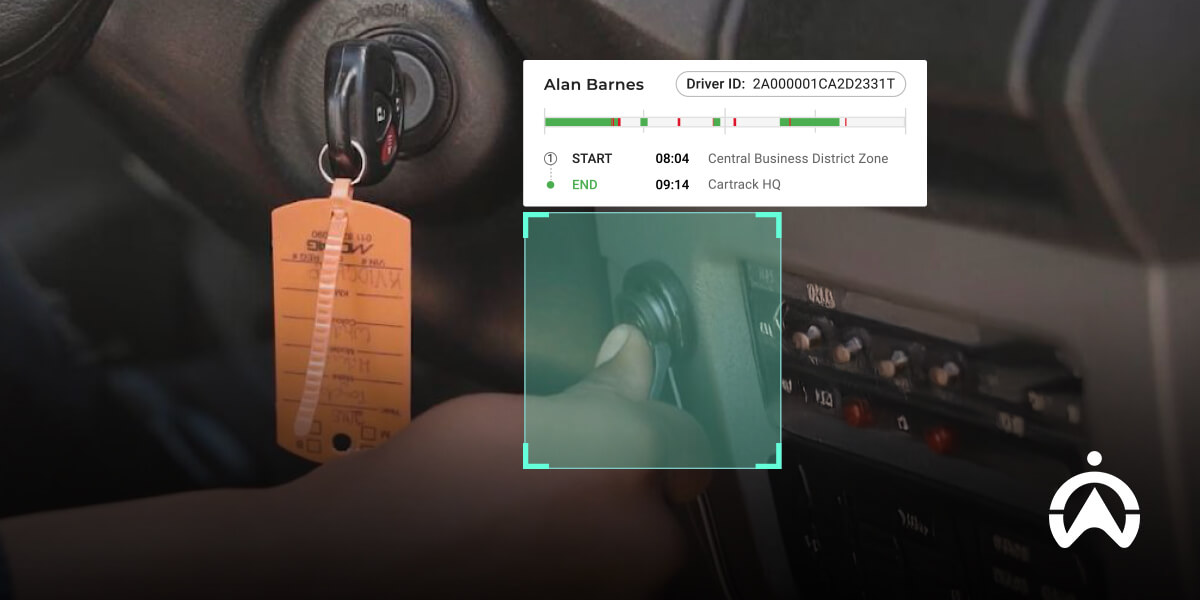
Although GPS trackers are the primary devices used in vehicle tracking, there are various other types of tracking technology that can be used depending on the purpose. A good example of this is Radio Frequency Identification (RFID). This is a wireless tracking method that uses radio waves to identify and track objects automatically. In the fleet management industry, RFID technology is used for driver identification.

The real benefits of using car tracking services

There are many benefits to having a vehicle tracking service, including:

  • Enhanced vehicle security and theft recovery
    It’s no secret that vehicle theft is a growing concern in Malawi, with criminals constantly devising new methods to steal vehicles and cargo, making vehicle security the top benefit of having a car tracking service. Through this service, you get theft recovery benefits as well as other tools that will help prevent theft from happening.
  • Safer driving habits
    GPS tracking devices usually have IoT technology. This powerful technology is what allows the device to go beyond providing location information. IoT-enabled devices can detect driver behaviours such as speeding or sudden braking. Through this, businesses and individuals can see which driving habits they need to improve on, therefore encouraging safer driving.
  • Fuel efficiency
    Fuel accounts for one of the most costly expenses of fleet operations. Every drop of fuel saved makes a huge difference, especially during this time when fuel prices are constantly fluctuating. Using a GPS tracker with telematics capabilities, you can monitor driving habits that increase fuel consumption, such as idling and speeding. A tracking device with telematics capabilities can also detect mechanical issues that increase fuel consumption, such as engine inefficiencies.
  • Proactive maintenance
    Speaking of vehicle wear and tear, telematics devices can also detect issues with the engine and give fleet managers alerts that assist in vehicle health checks, such as service reminders, battery warnings, and engine diagnostics. This prevents unexpected breakdowns, as fleet managers will address potential issues before they escalate.
  • Insight into driver routes and behaviour
    Vehicle tracking services help fleet managers monitor driver routes in real-time. Through this, fleet managers can see when drivers are deviating from the planned routes or when they are making too many unplanned stops.
  • Potential insurance discounts
    Insurance premiums are determined by how much of a risk you pose to the broker. Without a tracking unit, your car stands a greater risk of being stolen and not recovered. For this reason, insurance companies might charge you more for your monthly premiums or refuse to cover your vehicle. Additionally, frequent insurance claims result in premiums going up. With safer driving encouraged by tracking data, you are likely to make fewer claims, therefore reducing the chances of prices going up. 
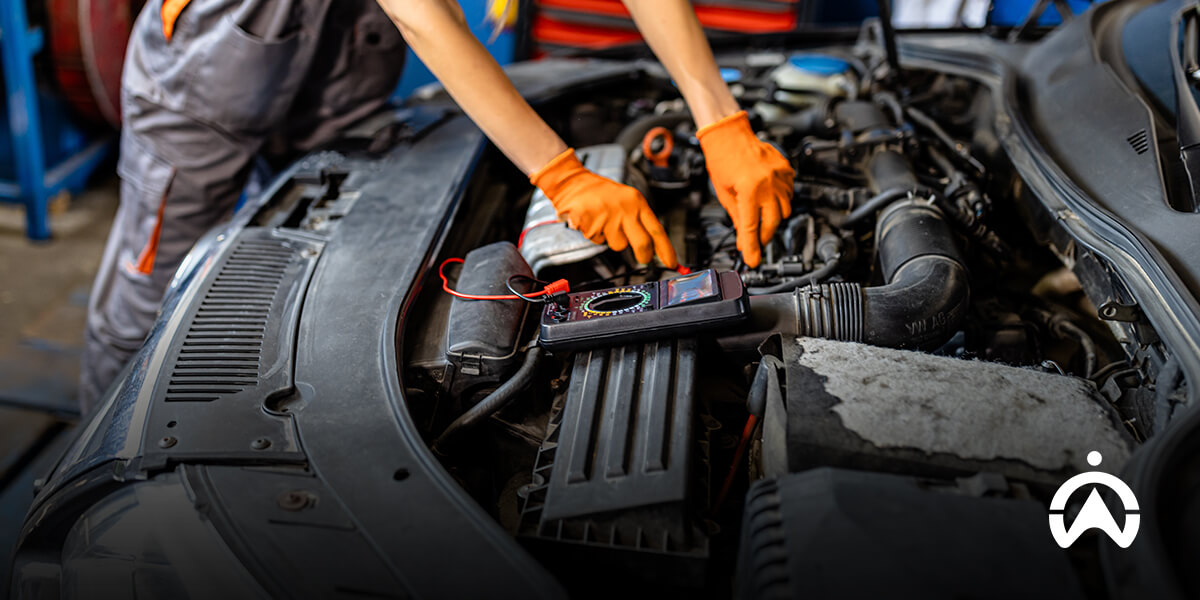
A mechanic in orange gloves uses a multimeter to diagnose a car's engine, focusing on underlying components.

Who can benefit from car tracking solutions?

A vast range of users can gain from these services. From private car owners to small businesses, e-hailing drivers, construction companies, and, of course, those in the business of logistics. Have a look at these two examples that showcase the perks of having a vehicle tracking service:

  1. Parents monitoring young drivers: If you are a parent to a teenager, a car tracking service will help you check their location at any time. You will know when they’ve reached their destinations, as well as see if they are driving responsibly.
  2. Delivery business: Delivery companies can significantly benefit from GPS tracking services. The technology eliminates time-consuming procedures such as the constant phone calls to check where drivers are and reduces the amount of paperwork. Fleet managers can use the software to optimise routes in order to find the best way to get to a delivery destination and get accurate delivery ETAs. This reduces fuel costs and promotes a better customer experience.

Costs, installation, and what to expect from a tracking provider

  • Cash vs rental
    It’s important that you know the payment options that a company has to offer. At Cartrack, we have cash and rental options. With a cash contract, you pay for the device up front, get full ownership, and lower monthly service fees. A rental contract, on the other hand, is a more budget-friendly option that offers flexible payments with lower upfront costs. Your budget and purpose of use will determine which payment option is best for you.
  • Stolen vehicle recovery (SVR)
    Not all tracking services include stolen vehicle recovery, so it’s vital to confirm whether your provider offers this essential service. This means you only get access to viewing the location of your vehicle, but should it be stolen, no recovery team will help you retrieve the car. It is important that you know the exact details of what your package entails to avoid signing up for a service that does not cover the basics of vehicle tracking.
  • Installation
    A smooth and professional installation is what you should look for. Some providers offer self-installation kits; however, an installation from a skilled technician ensures that it is done correctly, reduces the chances of vehicle parts being damaged during the process, and ensures that the device works optimally.
  • What tools do you get access to?
    When signing up for a GPS tracking service, you should expect to have access to a mobile app and a website to simplify the monitoring of vehicle movements in real time. The features should include real-time location sharing, trip replay, vehicle health reports, and ratings based on driving habits. The software should also give you historical data that allows you to review past trips, so you can identify areas of improvement. Furthermore, you should be able to set up alerts that inform you of safety concerns, such as when vehicles have gone over restricted areas.
    ‍
  • Warranty and support
    Ensure your service provider can be trusted and is reliable. There should be customer support readily available for all your queries. Moreover, there should be a device warranty to ensure your unit is fully functional and will be repaired or replaced should there be any faults.

How to choose the right tracking solution for you

  1. Purpose
    Having a clear outline of your vehicle tracking needs will make it easier for you to find the best solution for you. Ask yourself what the most important activities you’ll be using it for are. Do you just want the service for vehicle security, or will you need additional features to manage a fleet? Once you understand your specific requirements, you can identify the solutions that would best suit you or your business.
  2. Cost
    Evaluate the upfront costs and subscription fees. Go through the terms and conditions to get a better understanding of any costs you might encounter along the way. Whether budget-friendly or high-end, the price you pay must be worth the service you will get. There should be a good return on investment.
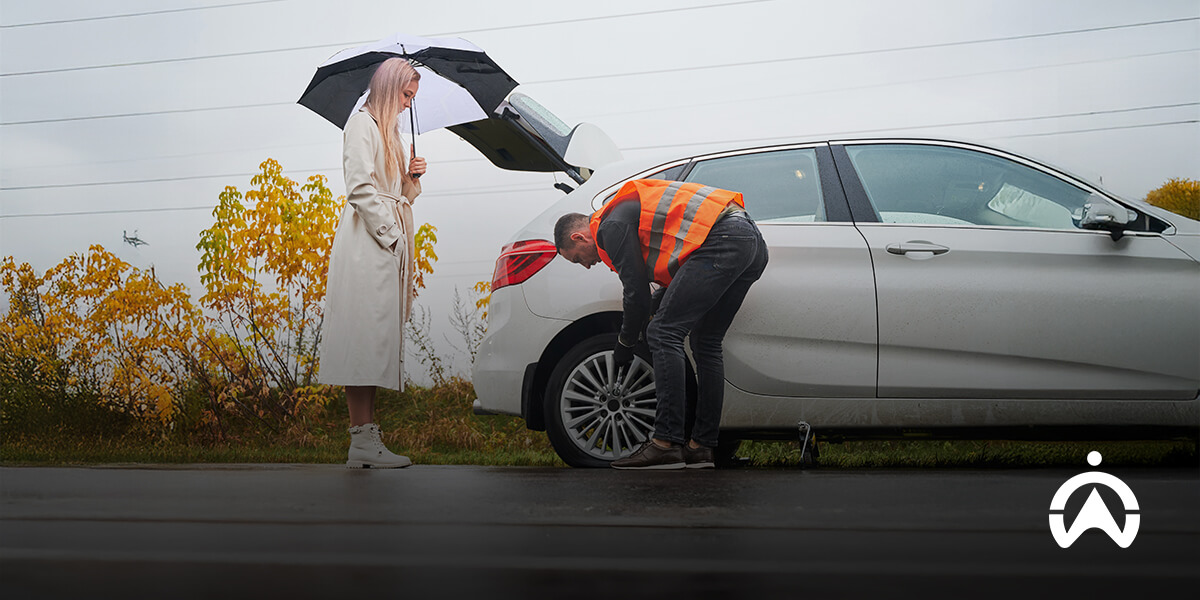
A person in a safety vest fixes a car tire while another individual holds an umbrella, surrounded by autumn foliage.

Why choose Cartrack for your vehicle tracking needs

Cartrack is a trusted vehicle tracking company that has been around for over 20 years. We offer budget-friendly options that give individuals and business owners peace of mind. Our key features include:

  • Real-time tracking
    Track your vehicle’s location in real-time on the Cartrack mobile app or website. Get satellite views and smart-map overlays to get a view that best suits you. Access a full trip history and replay the journeys, and know the distance and duration of every trip.
  • Stolen Vehicle Recovery
    The Cartrack control room service is available 24/7. We have nationwide coverage and a highly trained recovery team that is always on standby, ready to get your car(s) back to you.
  • Crash detection
    We have technology that automatically detects collisions. When this happens, we will call you or a loved one to find out what’s happening and immediately send help. This speeds up the process of emergency services getting to you, as we will have your exact location. The service comes as a value-added service.
  • Breakdown assistance
    To ensure that your car is never left stranded on the road, Cartrack has a value-added service called Protector that provides roadside assistance in the event of a vehicle breakdown. Once again, help will get to you sooner since we will already have access to your live location.
  • A virtual car guard
    As an extra layer of protection against vehicle theft, Cartrack has a CarWatch value-added service. All you have to do is click on the option after parking your car and you will get an alert if it moves without your permission.
  • Driver behaviour insights
    Our IoT-powered devices allow individuals and fleet managers to monitor aggressive driving habits such as excessive acceleration, harsh braking, harsh cornering, and speeding. This encourages driver accountability and safer driving habits.

    Furthermore, through the use of RFID tracking technology, we have driver identification tags that fleet managers can use to immediately identify who is driving which vehicle. This ensures that the business remains compliant by assigning certain types of vehicles to qualified drivers and makes monitoring driving habits easier, as you will know which driver needs training.

  • Route optimisation
    Using historical traffic patterns, travel trends, and real-time data, our route optimisation tool suggests the most efficient routes your vehicles can take. This reduces the long routes that increase fuel costs and improves delivery times.

Let us cater for your car tracking needs

Car tracking services are essential for every motorist, and as one of the leading vehicle-tracking service providers in Malawi, we pride ourselves on giving you solutions that cater to all your vehicle needs. Reach out to us and see why we provide one of the best vehicle tracking services and solutions.

Fleet Management for Cash-in-Transit Operations

One of the most important components in Malawi’s financial infrastructure is a resilient cash cycle.

‍Cash-in-transit services play a crucial role in this, as they ensure the secure handling, movement, and protection of cash and other high-value assets throughout the country. However, this essential service comes with the risk of theft, which may result in casualties, as recent news has shown.

So, how do you protect millions without compromising on safety? The straight-up answer is a good fleet management software. Let’s look into the difference an advanced fleet management system can make for cash-in-transit operations.

In this article, you will:

  • Find out the unique demands of cash-in-transit fleets
  • Learn the main ways a fleet management system transforms CIT operations
  • Discover the Cartrack solutions that are specially tailored for CIT services

What are the real demands of cash-in-transit fleets?

Running a fleet that is responsible for moving large sums of money presents several challenges that go far beyond those of typical logistics operations, such as the following:

Extreme security risks

Safety is the primary concern for CIT services. Cash-in-transit heists are often very calculated, with some of the robberies involving explosives, posing the threat of physical harm to CIT officers and civilians. A single heist can result in the robbers getting away with millions, making it a highly lucrative business for criminals.

Time restrictions

Due to the security risk and the need for cash, CIT officers have stringent time restrictions. They need to perform their duties as quickly as possible and make sure they meet deadlines to avoid cash-flow disruptions. However, while doing so, vehicle operators need to practise safe driving habits while on the road, which means they cannot compromise by speeding. Cautious driving practices are also crucial for the safety of the high-value cargo.

Regulatory compliance & auditing

CIT services must adhere to strict regulations that are set by regulatory bodies such as the Reserve Bank of Malawi (RBM), the Malawi Police Service (MPS), the Ministry of Homeland Security, and the Department of Registrar General. These compliance authorities cover things such as security protocols, how many CIT officers should be in one vehicle, and how to reduce the risk of theft and violence.

Insurance specifications

Insurers require CIT companies to meet specific standards to qualify for coverage. Some of the insurance specifications include GPS tracking systems and alarm systems. Any cash flow disruptions and an increased risk of theft might result in higher insurance premiums. It also causes operational inefficiencies due to improper resource allocation and rescheduled stops.

Vehicle specialisation and maintenance

A non-negotiable standard when it comes to CIT vehicles is their need to be able to withstand explosive attacks. These vehicles, which are designed for security and protection in various environments, require regular inspections and servicing to maintain structural integrity and functionality for optimal performance. However, the complex builds of CIT vehicles require specialised care and attention, but due to the busy schedules and tight deadlines, fleet managers might end up missing service dates, which then leads to unexpected breakdowns.

Route and schedule variation

To ensure that everything moves quickly and runs smoothly, dispatch coordinators must plan schedules and choose routes. The selected routes must be secure and change daily to prevent criminals from predicting movements. This presents a great challenge, as there might be limited options, and the task can be time-consuming. In addition, there needs to be constant monitoring to ensure that drivers are following the stipulated routes. 


How to build an efficient CIT fleet with smart technology?

So, what does it take to build an efficient and secure CIT fleet beyond the bulletproof glass and locks?

An advanced fleet management system has many short-term and long-term benefits for CIT operations. This technology allows you to manage your fleet all on one platform, so you can make more informed decisions. It also enhances the safety of drivers and high-value cargo. Here are the main ways in which a fleet management system improves cash-in-transit operations:

Live monitoring and control

It’s important that you always know where vehicles are at all times. A GPS tracking system gives you real-time visibility so you can check where drivers are and see how much time they take at pick-up and drop-off spots.

Fleet routing software

Route optimisation software helps you plan routes and minimise time and risk exposure while maintaining punctuality. This technology uses predictive analytics and historical route data to help determine the most efficient route for cash deliveries.

Telematics

A GPS tracking device with telematics capabilities allows you to see how drivers use vehicles. Through this technology, you can see when vehicle operators are speeding, taking sharp turns, rapidly braking, or accelerating excessively, which could indicate that they are trying to get away from criminals or practising unsafe driving habits.

Immobilisation

Through fleet management software, you also have the option of remotely disabling parked vehicles, ensuring there is no unauthorised vehicle movement.

Vehicle cameras

Over the years, numerous videos capturing CIT ambushes have surfaced online and gained widespread attention.

Cameras allow operation centres to respond quickly to threats. They also give managers a closer look at what CIT officers are doing so they can identify safety hazards or inefficiencies. Video footage can also be used for incident investigations.

Vehicle cameras that are integrated with telematics software are highly recommended, as they typically come with advanced features such as AI technology that can trigger alerts when certain rules are broken. This allows fleet managers to pinpoint areas where drivers need to improve so they can be trained on proper procedures and how to respond in various situations.

How can a fleet management system improve your CIT operation’s bottom line?

Like any business, CIT companies must manage costs and boost profits. A fleet management system supports this in the following ways:


Enhancing security through Cartrack’s fleet management software

Cartrack is one of the leading security and fleet management service providers in Malawi. Partnering with us ensures your fleet remains protected and that all operations are streamlined. Here’s what we have to offer for your cash-in-transit services:

  • AI-powered cameras
    Our AI Multivision camera solution gives you internal and external visibility of your fleet so you can check up on drivers at any time and quickly respond to high-risk scenarios.

    The in-cabin AI-powered technology also ensures that drivers remain vigilant on the road, as it can detect distracted behaviours such as driver drowsiness, fatigue, seatbelt usage, smoking, and cellphone use. Once identified, drivers will receive an audible alert, allowing them to quickly correct their actions.
    ‍

  • Live tracking
    Equip your fleet with our live GPS tracking features. With this, you can access the locations of your fleet vehicles at any time from anywhere through our website or mobile app.
    ‍
  • Stolen Vehicle Recovery
    We have recovered over 100,000 vehicles in the last decade, which means there is a high chance of us finding your vehicle should the unfortunate happen. Our skilled recovery teams are always on standby, with nationwide coverage, and we have a 24-hour control room service that is always ready for your call.
    ‍
  • Route optimisation
    Ensure your CIT officers are using the most cost-effective and secure routes to get to their delivery and pickup locations. Our advanced route optimisation software makes use of historical route trends to determine the best way for drivers to get to their destinations, reducing fuel wastage and mileage and improving delivery times.
    ‍
  • Driver behaviour alerts
    Use our telematics system to monitor driver behaviour. Through this, you will get alerts of risky driving habits such as speeding, excessive acceleration, and harsh braking. This ensures that your drivers are always cautious on the road, avoiding fatal accidents.
    ‍
  • Geofence
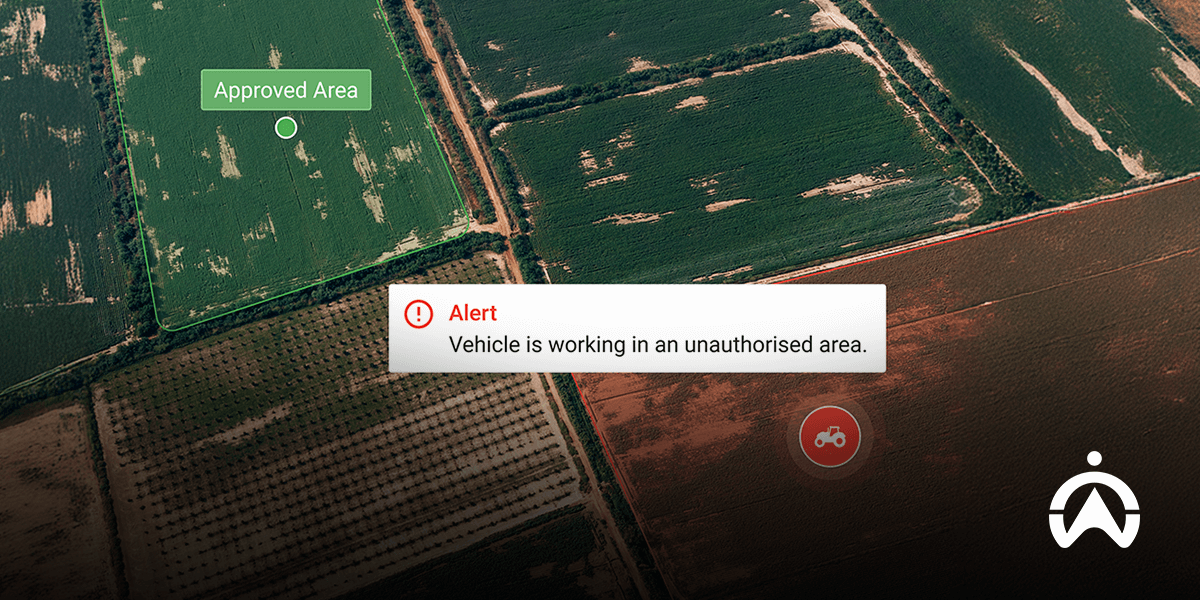
    Ensure your CIT vehicles are never where they shouldn’t be. The Cartrack geofence feature allows you to create block-out zones around areas of your choice. If a vehicle enters or leaves that area, you will get an immediate alert.
  • Cargo door sensors
    These sensors enhance high-value cargo safety by informing you when doors open and close, helping you see if drivers are following protocol.
  • Panic button
    In an emergency, a driver can press our panic button; it will instantly send a silent alert to our control room service, and an operator will respond to assist.
  • Start Prevent
    Immobilise and re-mobilise fleet vehicles via our fleet management platform. This system enhances vehicle safety by disabling the engine so it does not start without any authorization.
  • Preventive maintenance
    The Cartrack preventive maintenance system gives you alerts on vehicle health issues such as engine conditions, water and oil fluctuations, and worn-out brake pads. Helping you automate maintenance schedules to avoid unexpected breakdowns and delays.

Why Cartrack is the smart choice for CIT fleet management

Modern fleet management is no longer just an operational tool; it’s a key line of defence in CIT operations. Our high-tech solutions are tailored to enable safer, smarter, and more compliant cash-in-transit operations. Contact us today and invest in technology that will transform your business.

Frequently asked questions about cash-in-transit services and fleet management

What is fleet management in transportation?

Fleet management in transportation involves the use of different technologies to oversee a company’s vehicles. The main objective for using these smart tools is to improve operational efficiency, reduce costs, and enhance safety. To achieve this, fleet managers must use the technology to monitor various aspects of the fleet, such as vehicle maintenance, fuel consumption, driver behaviour, and route planning.

What is a cash-in-transit policy?

A cash-in-transit policy is a type of insurance that provides coverage for the loss of money or valuable items while they are being transported. The policy protects CIT companies and other businesses that handle high-value items, such as banks and retailers.

What’s the Best MDVR Camera System?

The best MDVR (Mobile Digital Video Recorder) camera system helps you capture events in high quality while integrating advanced video telematics technology. It combines features like AI capabilities, secure data storage, and integration with fleet management platforms. This ensures you can act proactively to prevent incidents, instead of only reacting once they happen.

Cargo theft, driver safety, accident disputes, insurance fraud, and compliance are just some of the core pain points that fleet managers have to address regularly. That’s why MDVR camera systems have quickly become a non-negotiable part of modern fleet safety strategies. In fact, video telematics solutions are growing fast.

Through this article, we’ll show you what makes an MDVR camera system ‘the best’ for you and your business, and why Cartrack is one of the leading choices in delivering one of the best MDVR Camera Systems that give you full visibility, control, and safety that your fleet depends on.

In this article, you will:

  • Learn what makes an MDVR camera system the best for fleet operations
  • Understand why MDVRs are becoming essential for modern fleet safety and efficiency
  • Identify the must-have features to look for in an MDVR system
  • Discover how Cartrack delivers a market-leading MDVR solution to protect drivers, cargo, and your bottom line

How do MDVR camera systems work?

MDVR (Mobile Digital Video Recorder) camera systems work by capturing high-quality video footage through various angles around a vehicle. This type of camera solution makes it more advanced and innovative than a standard dashcam. An MDVR camera system offers features that serve as the perfect solution for risk management and downtime prevention.

Cameras are typically positioned to record:

  • The road – observing traffic movement and potential unsafe incidents
  • The driver – monitoring the driver’s actions and encouraging safe driving practices
  • The side and/or rear views – observing cargo areas and movements around the vehicles

Usually, the assets that incorporate MDVR camera systems are fleet vehicles, including public service, logistics, and commercial vehicles. Typical examples include:

  • Logistics and delivery vehicles: courier vans, semi/semi-trailer trucks, and refrigerated trucks
  • Public and passenger transport services: minibus taxis, shuttle services, trains, buses, and school buses
  • Emergency service transport: fire trucks, ambulances, and some police cars
  • Construction, hazardous, and heavy-duty vehicles: cranes, mining assets, excavators, and fuel tankers

In addition to 360-degree views, MDVR camera systems typically feature intelligent functions that assess driver behaviour and identify potential risk patterns in real-time. As a result, the system presents an immediate reflection of potential and measurable ROI. Not only do MDVR systems record, but they also maximise safety and boost productivity.

MDVR camera system

How to choose the right MDVR camera system for your fleet

Choosing the right MDVR camera system for your fleet means looking beyond the standard dashcam features. It’s also about recognising what functions and perks will have the most positive outcomes for your fleet and the real-world conditions it will face.

These are the features you should consider:

HD video quality and a wide-angle lens

High-definition video quality is the key to managing disputes. Wide-angle lenses contribute to this clear quality by capturing more of the area and reducing the issue of blind spots. Night vision gives clearer footage during the evening or when there’s low light.

Multiple camera angles

Catching the view of a vehicle from every angle is necessary for complete asset and driver safety. This is especially helpful for vehicles that carry cargo or make up part of a logistics fleet. Multiple camera angles give you complete visibility and an overview of your assets, adding an additional layer of safety.

Real-time remote viewing

This feature is the most important for quick responses. Should any issues need an immediate and informed response, such as cargo tampering or a collision, then fleet managers (and fleet management companies) can react immediately and appropriately.

AI-powered capabilities and alerts

Lately, modern MDVR camera solutions will include AI capabilities as part of their solutions. These capabilities identify risky driver behaviours like fatigue and distraction, as well as road-facing risks like forward-collision (which determines safe following distances). This results in preventative and corrective measures being taken before they turn into costly mistakes.

Integration and data syncing

We’ve covered real-time remote viewing, but to begin to even enjoy this feature, you’ll need a single platform that comfortably integrates with your MDVR camera system. Smooth integration and data synchronisation are the foundations for driver behaviour analysis, trip reports, and route optimisation tools.

Secure data storage

Having constant, high-quality recordings means footage will need to be stored safely and be easy to access. MDVR camera systems that can be stored on these devices themselves lend to quicker retrieval (especially for important cases like audits or insurance claims). Additionally, if there are options to download or back up that footage, that’s a bonus.

This also prevents your footage from being easily tampered with and gives you the power to decide who has access to the footage.

Durable hardware

Fleets can venture into some intense environments and encounter rough terrain. A strong, tamper-proof, and shockproof MDVR unit is non-negotiable to ensure the system performs to the best of its ability – no matter the conditions.

Common Mistakes to Avoid When Choosing an MDVR Camera System

Always assess every aspect of your MDVR system checklist. You don’t want to overlook warranties and support, or forgo a system that has enough storage space. Aim to avoid these mistakes:

  • Solely looking at price instead of overall value: Always prioritise a system that puts safety, productivity, and return on investment first. Consider these foundational features over upfront costs.
    ‍
  • Choosing systems with limited storage or connectivity: These will make saving and retrieving footage very difficult. Choose a system that gives you the room to save as much footage as you need.
  • Not checking fleet management platform integration: Ensure that your fleet management platform integrates well enough with your camera system so you can avoid cross-platform confusion.
    ‍
  • Overlooking support and warranty: Keep your camera system performing to the best of its ability. Be mindful of the warranty and after-sales support so you can prevent downtime.

Why does your fleet need the right MDVR camera system?

You achieve an extra layer of security and control with the right MDVR camera system. You’re investing in your fleet by cutting operating expenses and ensuring a long-term return on investment, in addition to preserving your drivers and assets.

Rewards for real-world scenarios include:

  • Better compliance and training for drivers
  • Accident and conflict settlement
  • Deterrents against theft and tampering
Cartrack MDVR camera system

How Cartrack delivers the best MDVR camera system for your fleet

Cartrack’s MDVR camera solutions are designed to cater to every fleet. With our Vision options, you’re given a selection of camera solutions that give you clear camera quality (from various angles) and plenty of secure storage space. You’ll also get other AI-powered solutions to ensure you’re truly getting value for your money.

Here’s exactly what Cartrack can offer you:

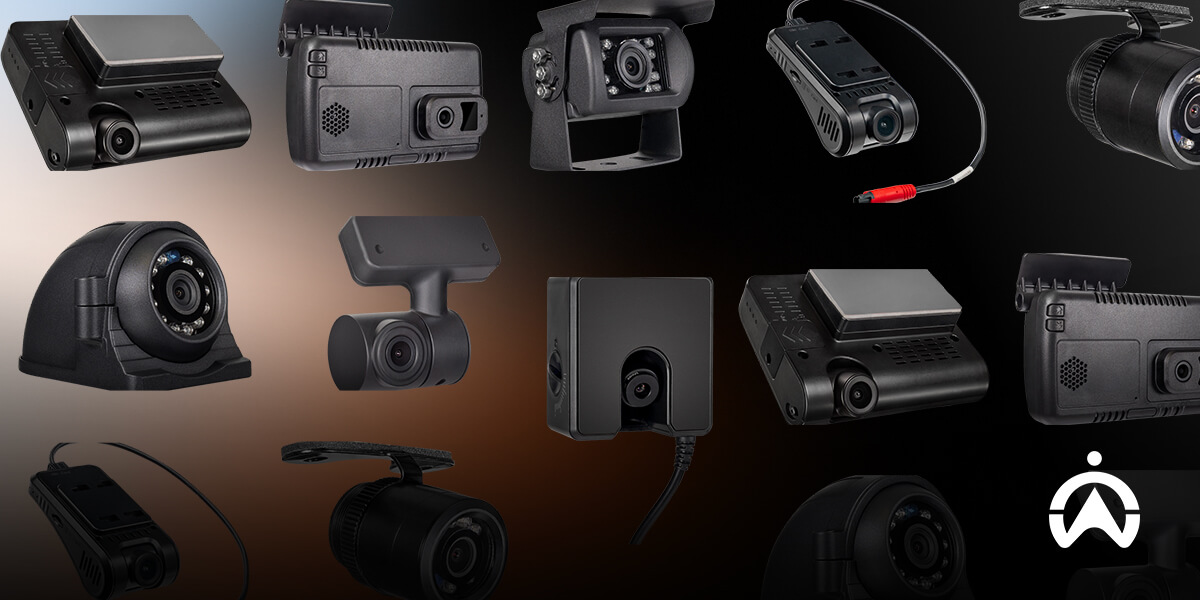
  • Multi, AI Dual, and AI Multi Vision cameras: These camera solutions offer numerous capabilities and safety features that could work perfectly for your fleet. They aren’t the only camera solutions available, but they’re the options that include additional features.
    • Multi Vision: Doesn’t have AI capabilities or in-cab calling, but offers up to 4 cameras, 194 hours of storage, various hardware features, and recording quality at 1080P.
      ‍
    • AI Dual Vision: Has AI capabilities and in-cab calling while also offering a dual (road and cabin-facing) camera, 72 hours of storage, a Smart Cabin feature, and recording quality at 1080P.
      ‍
    • AI Multi Vision: Has AI capabilities but no in-cab calling; it also offers up to 8 cameras, 291 hours of storage, various hardware features, and recording quality at 1080P.
      ‍
  • Easy installation: Cartrack technicians can fit the cameras and hardware into your assets at a scheduled time, meaning you get a quick and professional installation with minimal downtime.
    ‍
  • Standalone option: All Cartrack vision solutions can be taken as a standalone solution, because they have full telematics capabilities.
    ‍
  • Vision seamlessly connects with Fleetweb: Every Vision solution integrates seamlessly with Fleetweb, Cartrack’s fleet management platform. This connects your video footage with key features like telematics data, trip reports, and driver behaviour feedback.
    ‍
  • Live streaming: Any of the cameras can be live-streamed from Fleetweb or the mobile app, ensuring you have full visibility and control at all times. Each camera has a flat refresh rate of 10 seconds (although AI Multi Vision provides event-based tracking).
    ‍
  • LTE connectivity: This kind of connection ensures that the MDVR solution is always connected and transmitting, even in low-signal areas. Cartrack also offers data packages when limitations are reached. Each camera solution includes 2GB per month, but any additional data must be bought at your own expense.
    ‍
  • Secure storage: all footage is saved and stored on an SD card or SSD, ensuring secure storage and easy access via Fleet pages or the mobile app.
    ‍
  • Stolen Vehicle Recovery (SVR) support: SVR capabilities are built into Fleetweb, which means quicker asset recovery times and an added layer of safety. When paired with Cartrack’s MDVR camera system, SVR can track and visually verify a vehicle’s location and situation in real time. This is especially true for action/on-camera panic buttons.
    ‍
  • Durable hardware designs: Cartrack has solid, tamper-proof designs for the hardware available. You don’t have to worry about your footage easily being accessed by unauthorised people or rugged and demanding operational environments compromising the integrity of your equipment and its performance.

The road ahead with the right MDVR camera system

The right MDVR camera system is a critical layer of security that your operations and fleet management strategy needs. Combined with the power of smart monitoring, you can guarantee greater safety, better cost management, and the prioritisation of the well-being of your drivers. The result? Smoother day-to-day operations and measurable growth for your business.

Keep in mind that when you choose Cartrack, you’re choosing complete visibility, real control, and peace of mind. Our Vision solutions offer the best tools for you to effectively and safely manage your fleet.

Are you ready to see how the right MDVR camera system can revolutionise your fleet? Contact an expert at Cartrack today, and let’s secure your road ahead.

FAQs

Q: Is a single or dual camera system better?

A: The dual camera system is often the better option, as it records footage of both the road and the driver, giving greater context in any potential incident. A single camera usually only records road-facing. That being said, it ultimately depends on the type of vehicle, business, or reason for the camera system.

Q: What is the difference between a dashcam and an MDVR?

A: A dashcam is usually a standalone, single/road-facing camera with limited storage space that’s used in a private vehicle. On the other hand, an MDVR is a camera system that includes multiple cameras, supports remote viewing, and integrates with telematics. It’s often used for fleets that typically include logistics, public, and construction vehicles.

Q: Can MDVR cameras record without internet?

A: Yes, MDVR camera systems can record footage and keep it stored internally on the device’s storage cards. An internet connection is only required for remote viewing and live vision. Basic functions like recording and playback are still operational without internet use, and the internet is only necessary for remote viewing.

Q: Is MDVR footage admissible in legal disputes?

A: Yes, this is one of the greatest features of implementing MDVR camera systems for businesses. Footage can be used as evidence in insurance claims or accident matters, so long as the footage provided is unedited and relevant to the legal dispute. The footage must also be clear enough for the court or legal panel to interpret.

Q: How quickly can Cartrack install and activate the MDVR camera system?

A: Cartrack can install and activate an MDVR camera system quickly and efficiently. The exact time depends on the size of your fleet and the type of solutions you’re looking for. All you have to do is schedule a booking, and a Cartrack technician will be available to complete the installation within a few days.

What’s the Best MDVR Camera System?

Protect your fleet with the top MDVR camera system. Discover how AI-powered MDVRs boost safety, cut costs, and protect your drivers – and why Cartrack leads in fleet camera solutions.

Speak to an Expert: +265 999 971 972

How a GPS Tracker with a Temperature Sensor Is the Best Way to Monitor Your Perishables

The quality of perishable goods, such as fruits and dairy products, can spoil quickly without proper storage and transport. This makes them unsafe for use and will cost your transportation business a fortune due to a loss in customer trust and compliance fines.

Managing these goods effectively involves understanding their unique characteristics and implementing suitable storage and transportation practices. Businesses must guarantee safe storage and traceability during the transportation stage to prevent deterioration. To achieve this, there must be a fleet management solution that can monitor the temperature of these perishable goods in transit.

The combination of GPS technology, telematics, and temperature sensors makes this possible, and today, we discuss how it all works and why it’s the best way to monitor your perishables.

In this article, you’ll discover:

  • What a temperature tracker is and how it works
  • The most effective way to monitor temperature-sensitive cargo
  • The risks involving poor management of temperature-sensitive goods
  • The industries that benefit from GPS trackers with temperature sensors
  • The Cartrack solutions for better temperature control

What is a GPS tracker with a temperature sensor?

A temperature sensor with a GPS tracker is a device that’s used to monitor temperature readings over time. In cold chain logistics, it’s used to record the temperature conditions of your cargo during transit. This is done through the integration of IoT (Internet of Things) technology, GPS tracking technology, and sensors.

How does the system work?

  1. Temperature sensors are usually installed in areas inside refrigerated trucks or trailers. The sensors then measure the temperature of that environment, often at frequent intervals (e.g., every 5 minutes).
  2. Temperature readings are then transmitted to the telematics device for processing, and the device conveys the information to a cloud-based platform in a way that’s easy to understand. This is where fleet managers get notifications of temperature fluctuations.
  3. The fleet management platform securely stores all temperature-related data for an extended period, giving fleet managers detailed reports that show sensor readings, times, and locations.

What’s the best way to track temperature during transit?

The best way to track the temperature of goods during transit is by using a remote temperature monitor that works in conjunction with a GPS tracking system. This setup offers significant advantages compared to traditional methods, which rely heavily on manual procedures. Such methods are prone to human errors, such as using thermometers and temperature strips.

A GPS tracking system that’s paired with temperature monitors offers real-time temperature alerts with high precision, which minimizes variations. Some sensors are placed in different compartments of the storage unit, which allows multi-point monitoring.

They also give location insights and historical data analysis, which encourages accountability. Furthermore, fleet managers can easily access the data through user-friendly dashboards on desktops or mobile phones.

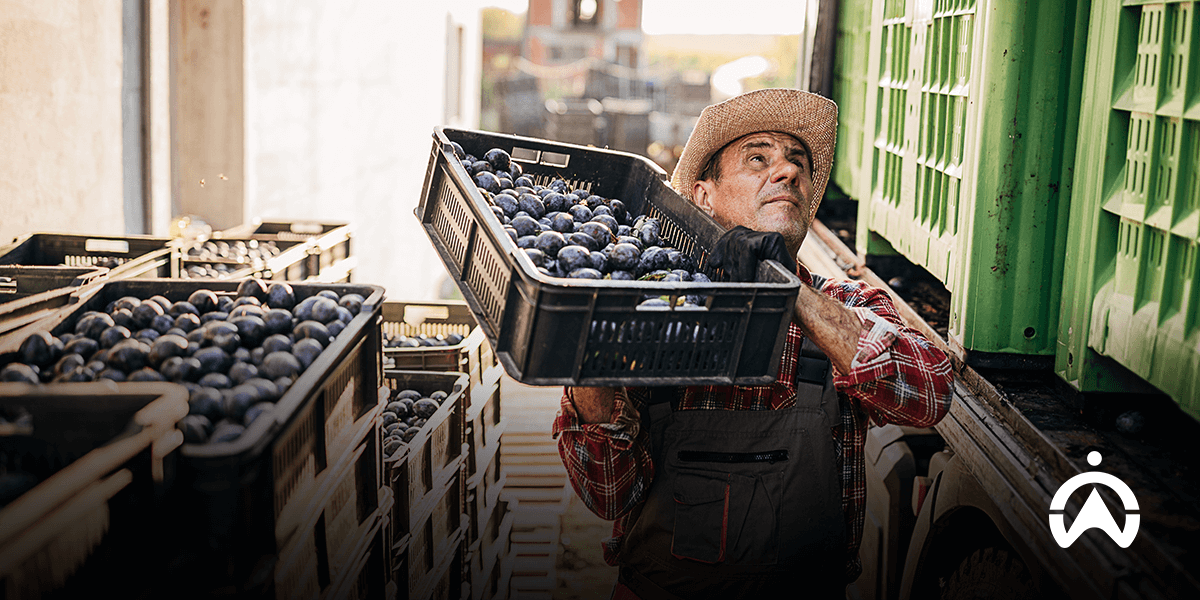
Farmer harvesting plums with Cartrack GPS Tracker with Temperature Sensor for optimal freshness

Why is it important to check the temperature of perishable goods during delivery?

Malawi has an alarming food waste crisis; among the factors contributing to this is the food supply chain industry during the post-harvesting process. This is an alarming challenge, because approximately 28% of the analyzed population is expected to face high levels of acute food insecurity (IPC Phase 3 or above), according to a report on Knowledge for Policy. 

Perishable goods such as meat and vegetables have a limited shelf life and must reach retailers in the best quality possible. Storing such goods at incorrect temperatures is one of the most common food safety risks in the cold chain logistics industry, as it can result in bacteria forming, leading to spoilage and food poisoning.

The spoilage of these goods can bring your transportation business significant financial losses and can damage the company’s reputation, potentially leading to product recalls and regulatory fines.

There are dangers and implications of poor temperature monitoring during the transportation stage.

Other industries that benefit most from GPS trackers with temperature sensors?

For most of this article, we’ve spoken about food, but other industries also require temperature monitoring systems, such as the following:

  • Pharmaceutical supply and vaccine distribution: Medicines such as tablets, capsules, and vaccines require strict temperature control to maintain their effectiveness. Any temperature fluctuations that occur during transit can alter the chemical structure of these products, making them ineffective or potentially dangerous.
  • Floral and nursery: Flowers respond almost immediately to a change in the environment. Some plants and flowers require near-freezing temperatures to survive, while others require warmer temperatures. The floral and nursery industry also uses temperature monitoring systems to maintain temperature ranges during the transportation stage to preserve the quality of flowers and plants.
  • Museum and art preservation: Artwork is often sensitive to changes in temperature because of the materials that make up the pieces. For example, a canvas (used for paintings) is made up of natural materials such as cotton or linen. The materials can shrink or expand depending on temperature and humidity, causing permanent damage to the painting. As a result, temperature monitoring during the transportation of valuable artwork is an aspect that shouldn’t be overlooked.
  • Funeral services: From hearses to ambulances, it’s important that these vehicles follow safety regulations to ensure slow decomposition, maintain dignity, and avoid health risks while transporting the deceased. Temperature sensors are usually placed inside the coffin compartment of the hearse, and the vehicles usually have GPS trackers for location and timestamps.

How to ensure proper temperature control during transportation

Proper monitoring of perishable cargo involves a collaboration of various technologies, such as the following:

Pre-cooling trucks

It all starts with the type of vehicle you get for the job. Vehicles that transport refrigerated goods have their specifications. It’s vital to pre-cool the storage compartments to the right conditions before loading the produce. That’s why pre-cooling trucks is a must for most businesses in this industry.

Temperature sensor calibration

Sensor calibration refers to the process of adjusting and setting sensors to measure temperatures accurately. This is done through testing the accuracy of the sensors and adjusting them before placing them into vehicles. Over time, they can give inaccurate readings due to ageing, so they need to be regularly checked and adjusted. Also, make sure the sensors are placed in different zones of the cargo area to get the true conditions of the storage compartment.

Route planning

Another key component in the transportation of perishable goods is planning and choosing routes that minimise travel time to avoid delays that may expose the cargo to risks. The best way to do this is to invest in route optimisation software.

Real-time monitoring setup

Set up alerts for fleet managers, coordinators, dispatchers, and all relevant stakeholders so they receive notifications of any temperature changes or route deviations along the way.

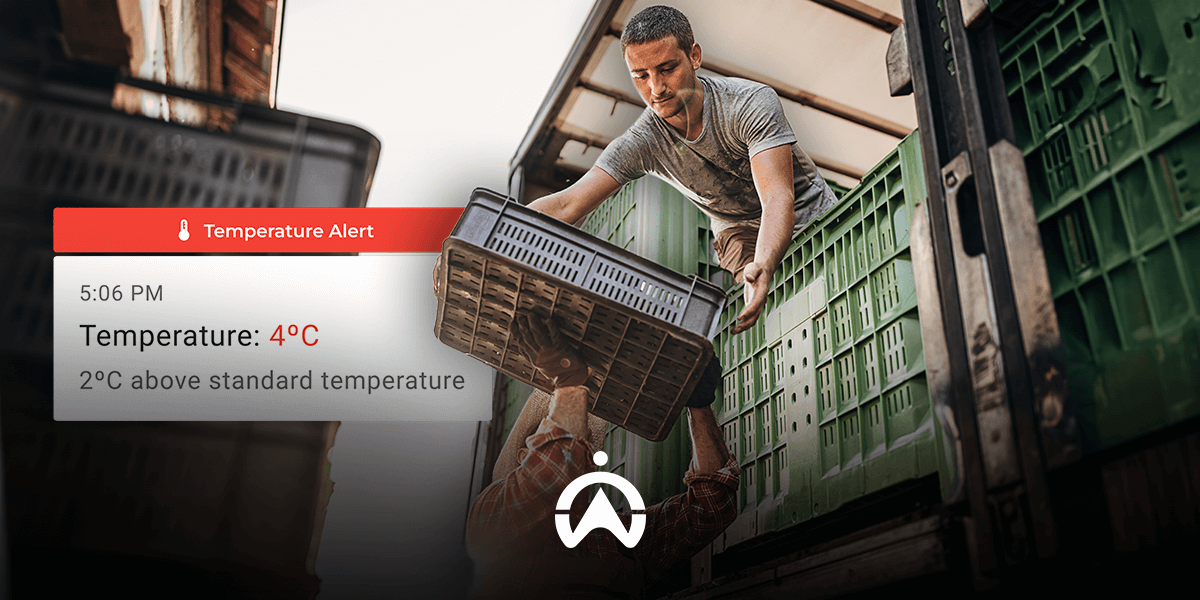
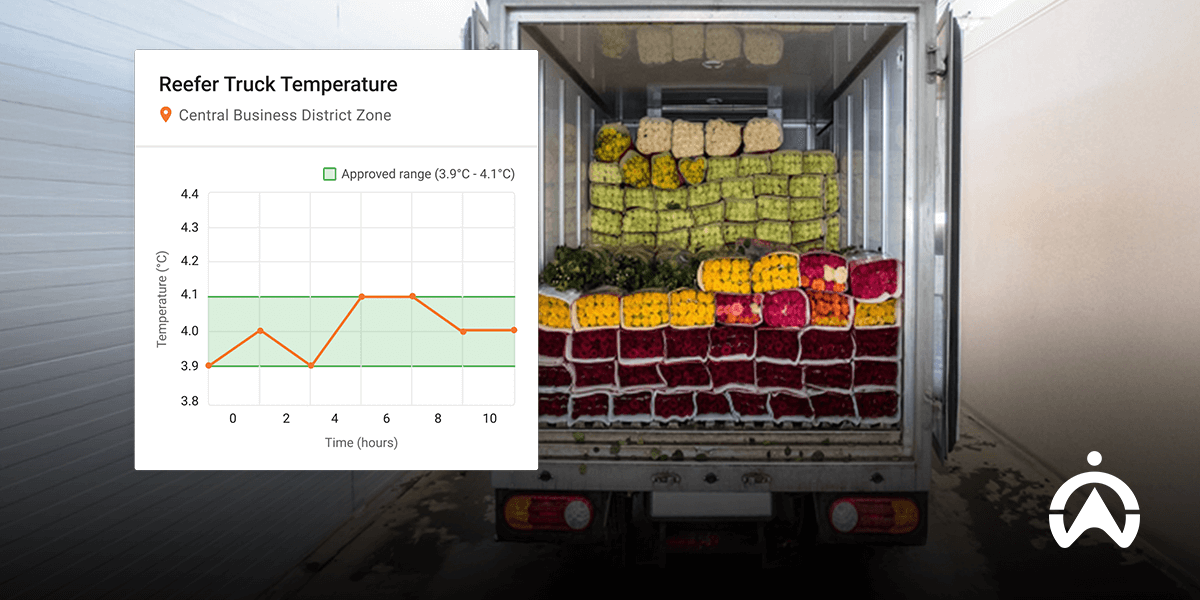
Cartrack GPS Tracker with Temperature Sensor monitoring refrigerated truck flowers at 3.9°C–4.1°C

Keep a close eye on your temperature-sensitive goods with Cartrack

Have a look at the features we have in store for your business:

  • ‍Temperature sensors
    Get up to four temperature sensors to remotely monitor the temperature of your cargo. Receive alerts on any temperature fluctuations and detailed reports. If there are any client complaints, you can use this data to show them that temperatures remained within the compliant range while in transit.
    ‍
  • Cargo door sensors
    The frequent opening and closing of cargo doors also contributes to temperature fluctuations and can lead to spoilage. Our cargo door sensors instantly detect when doors open and close. From there, you’ll receive alerts so you can see when drivers do it more often than required, or when doors are open for too long during the offloading stage.
    ‍
  • Live GPS tracking 
    All businesses in the logistics industry need to invest in a GPS tracking system. Our vehicle tracking system gives you smart map views of your vehicle location, so you always know where they are. You can also spot detours that could cause delays. If drivers are in one spot for too long, you can call to check what’s happening and quickly attend to the matter.
    ‍
  • ‍Route optimisation software
    You must plan efficient routes for transporting your perishable cargo. Our advanced route optimisation software factors in historical traffic patterns, road closures, distance, driver availability, and time. This gives you the best route for each of your deliveries. It ensures that your temperature-sensitive goods arrive on time and in good condition, while helping your business cut back on fuel costs.

Protect your perishable goods with Cartrack’s smart solutions

The integration of GPS technology, telematics, and temperature sensors proves to be an effective way for many businesses in the cold chain industry to monitor their refrigerated cargo.  By investing in our preventative solutions, you ensure that all your goods remain in optimal condition from the pickup stage to the drop-off. Keep your cold chain unbroken; contact us today!

Frequently Asked Questions about monitoring perishable goods

How can I monitor temperature remotely?

To monitor temperature remotely, you can use wireless temperature sensor technology that’s integrated with a fleet management platform like MiFleet from Cartrack. This allows you to connect to your fleet’s data from anywhere, whether using a mobile phone or a desktop.

How accurate are temperature sensors?

The accuracy of a temperature sensor depends on the type of sensor it is. Most fleet management services offer BLE (Bluetooth Low Energy) sensors, which are known to be highly accurate. However, like any other gadget, temperature sensors may wear out and lose accuracy over time if not properly maintained.

What device can detect temperature in a cargo truck?

Several devices can detect temperature in a cargo truck. The most common ones include:

  • RTDs (Resistance Temperature Detectors): Commonly used in cold chain logistics and conditioning systems.
  • Infrared sensors: These work for things like automatic doors and camera motion detection.
    ‍
  • Thermistors: They are used for monitoring the temperatures of oil and coolant in vehicles to ensure reliable engine performance.

What Are the Fleet Data Metrics You Should Be Tracking

Data plays a critical role in modern-day fleet management. It gives you all the insights you need for smooth fleet sailing, forecasting, and improving the bottom line. As a fleet manager, you must know which metrics to track to get the most out of your fleet.

To simplify this, we have gathered our top essential fleet management metrics that should align with your business objectives and help you improve operational efficiency.

In this article, you will:

  • Discover the importance of fleet metrics data
  • Find out the top fleet data metrics to track
  • Learn how fleet software simplifies data metrics
  • Uncover the Cartrack solutions that will provide you with all the data you need

Why do fleet metrics matter to your business?

Fleet data metrics provide insight into how well your fleet is performing. This information helps you manage your vehicles more easily and increase your profits. By focusing on the most critical metrics, you can establish goals to ensure your operations run smoothly. This data also helps you make smarter decisions, like saving money, improving safety, and following all the rules and regulations.

Top fleet data metrics you should be tracking

Here are the key metrics to focus on for better, more efficient fleet operations:

Operational metrics that impact efficiency

Vehicle utilisation rate

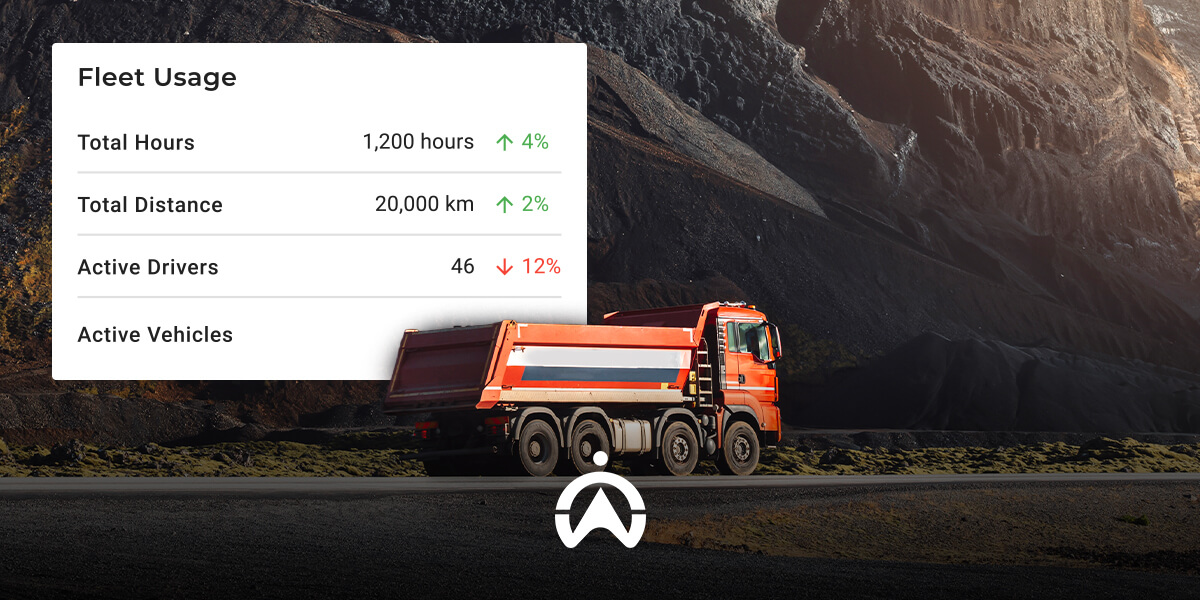
You must track the average hours of use for each vehicle per day, the kilometres given, and the idle time. Know how frequently and effectively each vehicle is being put to work to identify those that are underused or overused. Through this, you will pick up if you need more vehicles or need to size down. Monitoring the utilisation rate of vehicles also helps avoid the issues of certain vehicles being more prone to wear and tear, which reduces their lifespan.‍

Driver behaviour

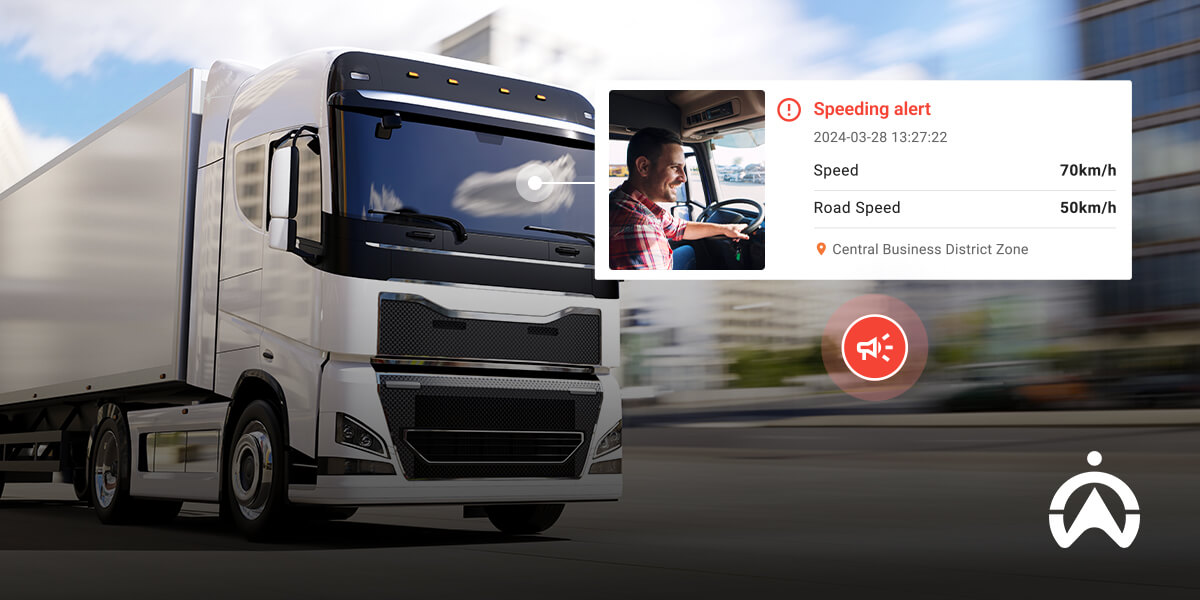
Monitoring driver behaviour contributes to a safer fleet, better fuel usage, compliance with regulations, and reducing wear and tear. This can be done through telematics, where you can use the technology to see when drivers are practising risky driving habits, such as harsh braking and speeding or wasting time and fuel by idling for too long. The key is to get reports that show how often these incidents occur so you can notice patterns, train drivers, and reduce the incidents.

Route and delivery efficiency

Route efficiency directly impacts the overall fleet operations. Without proper planning, there is a higher risk of increased fuel consumption and delivery delays. Find out how many drivers use the recommended routes versus deviations. In doing so, you will see how effective the planned routes are and how much fuel is going down the drain through detours.

Evaluate how reliable and prompt deliveries are by checking the on-time delivery rate or service completion rates, as this is vital for customer satisfaction. Review the number of missed or redirected deliveries and analyse the data to notice patterns which could indicate greater concerns relating to delivery efficiency.

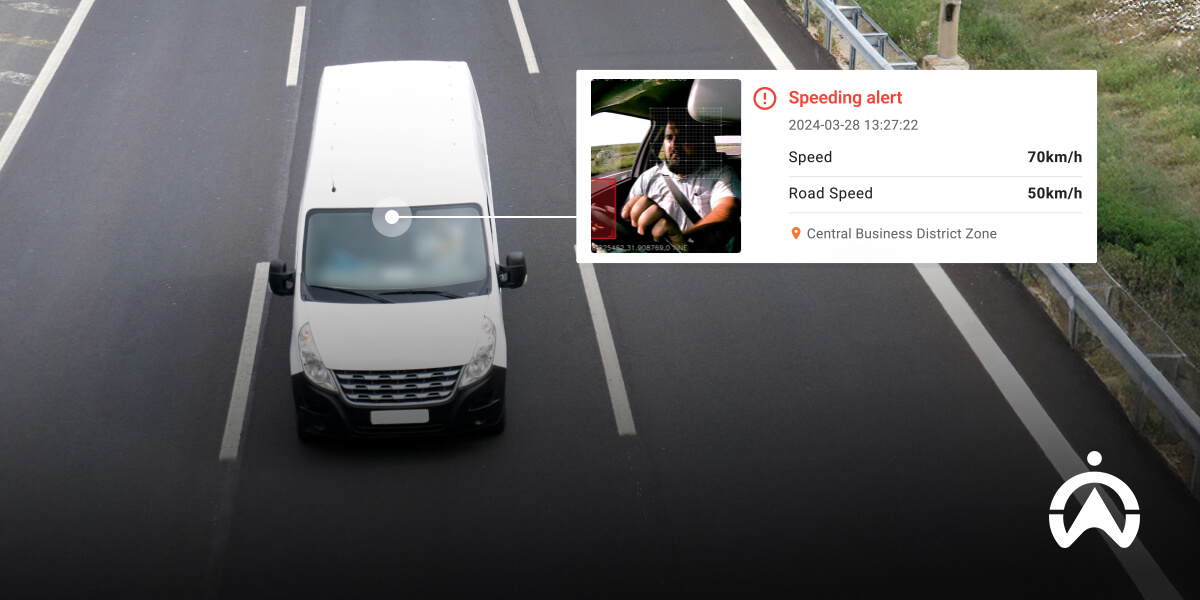
A large white truck is in motion on a city street, with a notification displaying a speeding alert and relevant details.

Maintenance and reliability metrics

Preventive maintenance compliance

Preventive maintenance refers to performing regular inspections and following regular maintenance schedules to ensure that vehicles remain in top condition and to reduce the chances of unexpected breakdowns. Planned maintenance is key, as unplanned repairs can increase expenses through towing costs, waiting for vehicle parts, overtime for technicians, and operational disruption.

Unplanned downtime and repair turnover

Measuring downtime shows the productivity and operational efficiency of your drivers. Through this, you can identify the root causes of vehicle unavailability. Various reasons, such as repair issues, maintenance delays, and limited availability of vehicle parts, cause downtime. By monitoring this, you, as the fleet manager, can identify patterns that prolong downtime.

‍Diagnostic and health data

Another preventative maintenance measure is to invest in a telematics system that can detect maintenance issues such as oil and water fluctuations, worn brake pads, and a faulty engine. This ensures that you know of vehicle issues before they escalate.

Financial metrics for cost control

Fuel Consumption and Efficiency

Fuel efficiency is a critical Key Performance Indicator for fleet management as it highly impacts the operational costs of any fleet. With fuel prices constantly fluctuating due to global factors, closely monitoring consumption using the right technology is the best way to ensure that overall spending is not significantly deviating from the initial budget.

You should know the average litres of fuel each vehicle uses per kilometre as well as the cost per route, per vehicle. A fuel management system makes this possible through telematics technology that automatically calculates these key points for you, providing a detailed analysis of where your fuel is used. Moreover, you can integrate the fleet management software with fuel cards to verify transactions and quickly spot theft and fraud.

‍Total Cost of Ownership (TCO)

A 2024 study by KPMG, using customer fleet data, reveals that commercial fleet owners and managers are better off performing a closer examination of their total cost of ownership (TCO). The total cost of ownership provides a complete view of all expenses associated with owning and operating fleet vehicles over their entire life cycle. It includes factors such as the initial purchase price, registration fees, maintenance costs, insurance, depreciation, resale value, fuel costs, toll gates, licenses, taxes, and all other expenses of the vehicles between buying and selling them.

To calculate TCO, you must add all vehicle operational costs to the acquisition cost plus the finance interest rate and then subtract the resale value.

‍Utilisation vs cost balance

One van being used every day for deliveries might seem more cost-effective, but if that van is constantly breaking down, then it’s costing you more in repairs and lost time. Then again, underused vehicles will still cost you a lot of money in terms of insurance, storage, depreciation, and lost sales opportunities.

Monitoring how often each vehicle is on the road and for how long will help you strike the right balance between costs and efficiency, which in turn increases your return on investment and fleet lifespan. Ensure that you track the average kilometres each vehicle travels per day; this makes it easier to keep up with maintenance schedules and helps sustain the fleet size.

Compliance, safety & risk metrics

Licensing and regulatory compliance

Compliance costs, such as those related to safety regulations and emissions standards, also contribute to the overall expenses. It is essential to factor in the costs associated with vehicle inspections, safety training, environmental regulations, licences and permits, as well as taxes. Always know which licences are soon expiring and the number of permits that must be renewed to avoid penalties.

Safety incident tracking

One of the most important aspects of fleet management is safety. Monitor the frequency of accidents, near-misses, the number of injuries, as well as the amount of road violations such as driving over the speed limit. As a fleet manager, you should also measure the average cost per incident to further evaluate the loss in revenue.

Insurance claims and risk exposure

How frequently is your fleet business making insurance claims? The more you claim, the higher the premiums, as insurers see you as a higher risk. Know the root cause of insurance claims and pinpoint trends such as problematic locations or driving habits, and assess the effectiveness of safety programmes.

Environmental and sustainability metrics

Emissions data

It is important that you analyse the amount of carbon dioxide (CO₂) emissions per vehicle, per trip, or per fleet. This impacts the goal towards sustainability, which could result in higher carbon taxes. It is every fleet business’s responsibility to ensure it emits as few greenhouse gases as possible. Ensure that you choose a fleet management system that can help you calculate carbon emissions.

Fuel type and energy efficiency

The most sustainable fuel option is an EV (electric vehicle) fleet, as these vehicles generate zero tailpipe emissions, reducing greenhouse gases. Petrol and diesel engines have higher carbon footprints compared to hybrids. Whichever category your fleet falls under, ensure that you track its progress towards sustainability goals.

A person using a laptop to request vehicle camera footage, with traffic and road images displayed on the screen.

Turning fleet data into action

The only way to keep up with all aspects of your fleet is by investing in an advanced fleet management system. Through this, you will get all the information you need about your fleet so you can reduce costs and streamline operations.
A fleet management platform gives you a detailed analysis of your fleet in the form of reports, graphs, and other data visualisations, making the information easier to interpret and take action on.

What makes a good KPI in fleet management?

A good Key Performance Indicator for fleet management should be SMART (specific, measurable, attainable, realistic, and time-bound). This will allow you to see where you are performing well and where you need improvement. The KPIs should be based on overall objectives of the fleet, such as cost reduction, safety improvement, and operational efficiency.

How Cartrack helps you track and optimise fleet metrics with ease

Here’s how you can track fleet data metrics with ease using our powerful fleet management system:

  • ‍Live tracking 
    Always know where vehicles and drivers are using our powerful GPS tracking system. This ensures that you see what drivers get up to daily and empowers you with the ability to spot fuel-wasting inefficiencies or when drivers are in one place for too long, which could mean possible delays.
    ‍
  • MiFleet
    MiFleet is a cost management tool on our fleet management platform that provides data analysis for different fleet categories. It promotes decision-making, reduces manual administration, and helps improve the overall running costs. With MiFleet, you can:

    1. ‍Validate fuel transactions
      The system 
      automatically reviews all your fuel transactions and matches them with telemetry data, alerting you of any possible fuel theft or fraud.
      ‍
    2. ‍Get detailed odometer reports
      An odometer summary based on trip data and a report with CO2 emissions based on distance travelled. It also outlines the cost per kilometre for a specific period.
      ‍
    3. Track other fleet operational costs
      This powerful tool further assists in keeping track of other costs such as contracts, fines, licences, toll gate costs, insurance, and maintenance. You will get automated reminders of any upcoming expirations or payment dates so you avoid late payments and out-of-date paperwork.
      ‍
  • ‍‍Telematics reports
    Our telematics devices collect information on driving behaviours such as speeding, long idling, harsh braking, and rapid acceleration. Through this, you will receive alerts and know which driver needs more training on practising safer, more fuel-efficient driving habits. The reports on driver events can be grouped into different categories and seen in various ways, such as the following:

    • ‍Graphical risk report
      Provides a graphical risk overview based on acceleration, braking, idling, turning and speeding events.
      ‍
    • ‍Idle report summary
      Provides a summary of excessive idling incidents.
      ‍
    • ‍Speeding detail
      Provides a detailed report of location, duration, and distance travelled over the set maximum speed limit.
      ‍
  • ‍Driver identification tags
    Cartrack’s driver identification tags encourage driver accountability, as you will instantly know who is operating which vehicle. If you have a mixed fleet, you can use the tags to ensure that each driver is assigned a vehicle that they are authorised to use, ensuring the business remains compliant. Furthermore, the tags can also be used to effortlessly differentiate between business and private trips to reduce fuel misuse.
    ‍
  • ‍AI cameras
    With our AI camera solutions, you can remotely monitor driver behaviour. The AI technology enhances driver safety by detecting behaviours such as not wearing a seatbelt, drowsiness, cellphone use, and smoking. The camera then sends an audible alert to the driver, allowing them to quickly correct their actions and prevent possible accidents.
    ‍
  • ‍Logbook
    Our digital logbook allows you to easily track your drivers’ hours of service, helping keep your fleet compliant and your drivers well-rested. Monitoring the Hours of Service (HOS) restricts the number of hours a driver can operate without taking breaks. This ensures that all drivers get enough rest, reducing the risk of accidents and fatalities.
    ‍
  • ‍Preventative maintenance
    Get reminders of maintenance schedules and receive alerts of engine faults, worn brake pads, or water fluctuations to avoid unexpected breakdowns and downtime. This ensures that business operations remain unaffected by maintenance issues and further reduces costs.
    ‍
  • ‍Route optimisation 
    The Cartrack route optimisation feature is software that helps you plan more efficient routes. It factors in things such as road conditions and historical traffic trends to help you find the best way for drivers to get to their destinations. Through this, you get faster deliveries and less fuel wastage.

Track all the important fleet data from one platform with Cartrack

Cartrack specialises in all things fleet management; you can trust our reputable system to give you all the information you need to improve your fleet operations. Reach out to us, and speak to a fleet representative.

Truck Dashcam for Fleet Safety and Monitoring

Dashcams have become a staple for most company fleet vehicles because they offer several significant benefits. For a fleet of trucks, dashcams are essential for performance monitoring and safety.

Video-based monitoring is becoming more crucial in fleet management due to its ability to increase security and reduce overall operational costs. According to Verified Market Research, the African fleet dashcam market is expected to experience gradual and consistent growth over time. This is because of a growing emphasis on road safety.

Today, you’ll read about how truck dashcams go beyond simple video capturing, and we’ll show you what you should expect by investing in them.

In this article, you will:

  • The core function of a dashcam
  • The reasons behind the need for fleet dashcams
  • Must-have dashcam features
  • How dashcams fit into your broader fleet management strategy
  • Cartrack’s dashcam solutions to best suit your fleet

What’s the purpose of a fleet dashcam?

The purpose of a fleet dashcam is to prevent and mitigate accidents, promote road safety, and emphasize driver accountability. Fleet dashcams are designed to provide fleet managers with a comprehensive view of what vehicle operators do daily. Modern-day truck dashcams come with GPS technology integration, which enables fleet managers to also verify location with the footage provided.

Driving a truck is not for the faint-hearted; no matter the years of experience, mistakes such as missing a blind spot are inevitable. The amount of weight your drivers add to the severity of an accident is high. Here are some of the ways dashcams mitigate potential driving errors:

Incident evidence and liability protection

Truck dashcams are now commonly referred to as silent witnesses. In instances where there’s no one to back up the driver on their version of events, dashcams become that backup.

Nowadays, many fleet dashcam videos showcasing hijackings, reckless driving, accidents, and cargo theft go viral on social media platforms.

Insurance savings

Dashcams encourage driver accountability because they know they’re being watched. This reduces the chance of reckless driving habits, which in turn decreases the number of claims, making your fleet less of a risk to insurers and therefore resulting in lower premiums. Most insurance companies now require your fleet to invest in dashcams for better pricing as well as claims backup.

Real-time visibility

As already mentioned, modern-day truck fleet dashcams come with GPS telematics capabilities. Telematics enables fleet managers to monitor and verify vehicle locations and keep an eye on driver behaviour.

The system collects vehicle data on various things, including driving habits such as sudden braking, long idling, harsh cornering, speeding, and rapid acceleration. With this, fleet managers are not only able to see what drivers are up to but also get data to prove the extent further.

Operational accountability

Through the evidence provided by video footage and telematics data, fleet managers can notice trends in the entire fleet and notice each driver’s patterns. They can then address specific issues with drivers and send them for coaching.

Fleet-wide performance benchmarking

Fleet managers can use the information from video footage and telematics reports to identify and reward top performers, as well as to set Key Performance Indicators to drive improvement in the overall business operations.

Return on investment (ROI)

The cost for your truck dashcam system should ultimately pay for itself in the long run. So how exactly does the right fleet management software give you a return on your investment? The best truck dashcam will always ensure:

  • Fewer accidents: lowers the cost of unexpected repairs.
  • Accurate camera footage: helps you to resolve accident liability much faster, meaning less downtime.
  • Improved driver behaviour: reduces wear and tear, increases fuel efficiency, and results in fewer penalties and legal disputes due to violations.

This proves investing in dashcams brings significant financial benefits to the business compared to the cost of dashcam solutions.

A smartphone displays Cartrack truck dashcam feed showing vehicles on a road.

Features that matter in a commercial fleet dashcam

There are many truck fleet dashcam options out there. As a fleet manager, you need to know which type would best suit your fleet’s needs. Here are the top features to look out for when shopping for commercial fleet dashcams:

Dual-facing vs. outward-only cameras

For a vehicle as big as a truck, you need a dashcam that faces both the road and the interior. The interior camera should also show a bit of the rear end to give you a complete video of the vehicle and its surroundings. Single-channel dashcams (road-facing only) are only recommended for smaller, personal vehicles, not trucks.

High-definition video quality

The whole point of a dashcam is to capture as much detail as possible. The higher the resolution, the clearer the imagery. This makes it easier to see finer details such as license plates, road traffic signs, and billboards from a distance. Ensure that you get fleet dashcams with good video resolution so you can get crystal clear views.

AI or Advanced Driver Assistance Systems (ADAS)

A 2022 report from Cartrack Malawi notes that human factors like speeding, reckless driving, and distracted driving are major causes of accidents in the country. The Malawi Police recorded 5,553 road crashes in 2022, resulting in 1,068 deaths, underscoring the urgent need to address these issues.

One of the greatest innovations of modern-day fleet dashcams is artificial intelligence. This powerful technology enhances fleet safety by providing real-time alerts when it detects distracted or unsafe driving habits such as cellphone use, fatigue, or smoking. This ensures that drivers constantly keep their eyes on the road. A dashcam with AI features is a must-have in the trucking industry because drivers are on the road for long hours and might get tired or distracted along the way.

AI camera technology takes driver safety a step further by detecting high-risk situations outside the vehicle (such as blind spots) and giving warnings so drivers can avoid accidents.

Integration with GPS and telematics platforms

As already mentioned, dashcams with GPS and telematics are a must-have! These dashcams combine video recording with GPS tracking, wireless connectivity, and sensors to provide your fleet managers with a comprehensive view of the vehicle as well as driver behaviour. Dashcams for trucks should be able to integrate with your fleet management software platform for reporting, analysis, and coaching.

Night vision

How is your camera view at night or in low light conditions, like when your truck goes through a tunnel? Ensure that the dashcams you get for your fleet of trucks can capture clear and detailed footage in low-light conditions. To achieve this, the camera needs to have sensors and lenses that can detect low-light environments.

Cloud storage

The type of storage a dashcam possesses is directly related to the features you receive. For example, a dashcam with cloud storage allows for real-time access to the footage through LTE or Wi-Fi connectivity. This means you can live-stream from anywhere at any time. Many basic entry-level dashcams lack these advanced connectivity options and therefore don’t support remote access.

Common concerns about dashcams and how to address them

With every large purchase or investment for your business, there are inevitably some reservations. Let’s break down your concerns about truck fleet dashcams and see if we can help you address them:

Driver privacy

In one of our articles, we discuss the importance of ensuring your drivers are comfortable with the use of cameras and striking the right balance between monitoring and privacy. The best practices for this include:

  • asking for consent,
  • informing passengers,
  • creating a privacy policy,
  • limiting access to only authorised personnel,
  • customising camera settings,
  • encouraging driver feedback,
  • and sharing success stories.

Data management

Effective data management and access control are crucial for fleet dashcams. This ensures company privacy, security, and that you meet compliance standards. To achieve this, fleet managers must develop and implement policies that restrict unauthorised access to footage and outline the procedure for securely storing the data.

Cost

The cost of a fleet dashcam service might seem like adding more expenses to your business’s operational costs. However, in the long run, installing dashcams will save your organisation a significant amount of money in the negotiation of accident repair costs, insurance costs, fuel costs, and legal fees. With your costs down, you’ll gain the flexibility to safely add more trucks to your fleet and grow your organisation.

Cartrack AI truck dashcam displaying a warning for a vehicle in blind spot.

How dashcams fit into a broader fleet management strategy

Dashcams are mainly designed to enhance driver safety, provide evidence, and boost vehicle security. They can also strengthen and support other fleet management strategies, such as the following:

  • Fuel management: The GPS and telematics capabilities from fleet dashcams highlight driving behaviours such as long idling, rapid accelerations, and detours. These all increase fuel consumption, so by investing in a dashcam, you reduce the frequency of these fuel-draining habits.
  • Maintenance tracking: Aggressive driver behaviour also increases the chances of vehicle wear and tear. By investing in fleet dashcams that are powered by telematics, you’ll get reports of these tendencies and address them, resulting in proactive maintenance planning. 
  • Coaching: Driver training is a very important aspect of running a successful fleet. As a fleet manager, you can use the video footage to highlight your concerns with each driver and send them for training on how to improve.
  • Reward programs: You can use the information from the camera reports to highlight, recognise, and reward drivers who are showing improvement. This boosts employee morale and helps reduce driver turnover.

Common dashcam questions and how to address them

From data privacy to ease of use, business owners often worry when a new gadget is introduced. Here’s how to move past those common concerns:

  1. Do dashcams work when the engine is off? 
    Yes, some fleet dashcams can be set up to record when the engine is off. This feature is called “parking mode”. It requires a certain type of hardwiring to the vehicle battery or an external power source to be activated. All you need to do is ask your service provider if you have the option to do so.
  1. Is my data secure?
    Ensure that you choose a dashcam service provider that prioritises business privacy to protect your business. Find out about their data-handling processes, security measures, and transparency. Make sure you go for a reputable company that has years of experience in all things related to fleet management.
    ‍
  1. Can I manage video footage across all vehicles easily?
    Yes, with the right dashcam solution, managing video footage across your entire fleet should be possible. This is because of the software’s integration with fleet management platforms, allowing you to access footage remotely, download clips, search and filter footage by date and time, and receive alerts.

Enhancing fleet oversight with Cartrack dashcam solutions

We have camera solutions for fleet vehicles of all sizes. Our dashcams come with standard GPS and telematics solutions, cloud storage, and high video quality. They also work well with other fleet management-related packages. Here are the top solutions we have to offer for your truck operations, as well as other key features you can expect to enjoy with Cartrack’s truck dashcam solutions:

AI Dual Vision

The Cartrack AI Dual Vision camera is both road- and interior-facing. It’s also AI-powered, meaning it can detect distracted driving behaviours such as drowsiness and cellphone use. Once detected, the cameras will give your driver audible real-time alerts so they can immediately correct their actions and focus on the road ahead. Our AI cameras can also detect blind spots and provide your drivers with early forward collision warnings, helping them to avoid accidents.

Coaching

We have a feature on our platform that focuses explicitly on driver coaching. It helps with improving the skills and behaviour of each driver. The Cartrack Coaching solution collects all information from recorded camera and telematics incidents. Then it turns it into understandable data where you can spot the trends among different departments, easily identifying the patterns of each driver.

From there, you can address your concerns with each driver and book them for additional training. The software will show repeated offences as well as the notes left from the previous coaching session to enforce accountability.

Driver Scorecards

As already mentioned, fleet managers need to reward good driving habits. Cartrack has a driver scorecard program that tracks incidents such as speeding and harsh cornering, giving each driver a rating based on the frequency of these incidents. You can use this system to reward drivers with the best ratings, which can help motivate them.

Invest in the Cartrack dashcam solutions for fleet safety and cost reductions!

Dashcams offer more than just extra safety. They also provide valuable insight that can improve overall business operations. With Cartrack, you get a fleet management integrated camera solution all in one platform, making things easier for you. Contact us today and see the difference our camera solutions will bring to your fleet.

The Top Fleet Safety Solutions

Fleet operations in Malawi face challenges each and every day; from long hours to unpredictable driver conduct, the risks are ever-present.

Fleet safety shouldn’t be reactive, though – it’s all about strategic risk management. This is why top fleet safety solutions, including aspects like driver monitoring, live alerts, and predictive maintenance, are the driving force behind holistic safety for your fleet.

Through this in-depth review, we’ll let you in on the tools and strategies necessary for strengthening fleet safety and what Cartrack can do to help you and your business achieve your safer and smarter business goals.

In this article, you will:

  • Explore the top fleet safety solutions critical to modern operations
  • Learn how to choose the right tools for your fleet’s needs
  • Understand why businesses that partner with Cartrack are better equipped to reduce risk and improve performance

What are fleet safety solutions?

Fleet safety solutions are tools designed to manage and mitigate road and driver risks, as well as prevent accidents across a fleet. These tools include innovations, practices, and systems that are made to not only protect staff and assets but also give fleet managers better control.

As part of fleet strategies, hardware and software combinations are implemented to provide a comprehensive, layered, and proactive approach to safety. From dashcams to telematics platforms and coaching programmes, these are the major tools behind fleet safety solutions.

Cartrack is a solid example of bringing all of these components together through a seamless and streamlined platform, helping you confidently manage your fleet’s safety.

What are your fleet’s essential safety toolkit solutions?

The most effective and well-maintained fleets are the ones that ensure a proactive and layered approach; they have combined technology, the data produced, and other important tools to minimise risks and protect drivers.

These are the key ingredients of a modern fleet safety toolkit:

Driver behaviour monitoring

  • Monitors unsafe driving habits that include harsh braking, sudden acceleration, and speeding.
  • Allows driver coaching so that dangerous driving patterns don’t develop into actual incidents.
  • Because of resources like driver coaching, driver accountability is increased, and accidents/downtimes are decreased.
  • Delivers driver reports, trip summaries, and immediate alerts.

Live vehicle GPS tracking and route safety

  • Giving full and consistent vehicle visibility from anywhere and everywhere, constantly.
  • Consistent visibility lends itself to quicker response times when it comes to emergencies, meaning improved levels of safety for drivers.
  • Route efficiency planning is supported through regular recorded trips, which help avoid areas with intense traffic.
  • Identifies any unauthorised movements.

Dashcams and video monitoring

Maintenance alerts and vehicle health monitoring

  • Prevents malfunctions and other costly emergencies through preventative maintenance.
  • Ensures compliance and road safety standards are met by staying on top of the necessary protection measures.
  • Keeps any damage from use in check.

Geofencing and alerts

  • Creates virtual safe zones and no-go areas, with alerts being sent if vehicles enter or exit these zones.
  • Helps prevent theft or misuse of fleet assets and their cargo.
  • Encourages adherence to safety and company protocols.

Driver identification and access control

  • Restricts vehicle use to authorised drivers only.
  • Tracks unique driving behaviour by ID tag or app certification.
  • Prevents misuse and improves driver accountability.

Why safety-focused fleets perform better

Being safety-focused goes beyond just meeting legal and compliance standards – it’s about prioritising the safety and optimisation of your staff and assets. Ultimately, investing in fleet safety means receiving a return on investment. Here’s how:

  • Lower accident rates mean a decrease in insurance claims and lower premiums.
  • Safer fleets have higher uptime and fewer delays or avoidable incidents through preventative maintenance.
  • Boosted driver morale and retention through a workplace that prioritises their overall health and well-being.
  • Stronger customer trust in the business through a record of safe and secure operations.
  • Backs ESG goals through cautious driving; fewer accidents and lower emissions help meet the standards.

How to choose the right safety solutions for your fleet

The key to getting the most effective safety tools and resources for your fleet is about understanding what your business needs and pinpointing the problem areas. Once you’ve identified the challenges, you’ll be able to target them directly.

Cartrack covers every base, servicing fleets of every size and bringing together safety and performance.

Consider these safety solutions during your evaluations:

  • Integration and scalability: Always consider scalability and integration into existing systems; will the system be able to easily accommodate the growth of your company?
  • Notifications and immediate alerts: Look for live alerts and automated reporting features to stay notified about any damage, hazards, or other vehicle issues so that you’re able to respond proactively.
    ‍
  • Analytics: Quick and immediate access to insights makes it easier to spot certain patterns, look at the standing of your business, and optimise your operations.
  • Asset compatibility: If applicable to your business, ensure system compatibility with both light- and heavy-duty vehicles.
  • Ongoing support: For the best-performing operations, consistent and reliable support should be at the foundation.

Fleet safety as your competitive advantage

Fleet safety can give you an edge and strengthen your business, ultimately setting you apart from your competitors. A secured fleet shows customers a sense of reliability that inspires confidence, typically benefiting from:

  • Greater returns: Reduced costs from fewer incidents lead to lower insurance costs and less downtime from unexpected breakdowns.
    ‍
  • Favourable driver records: Keeping drivers accountable while also highlighting the importance of safety culture means a better performance on the roads.
    ‍
  • Greater customer trust: If a business displays reliability and responsibility in its operations, clients and customers are more likely to build partnerships.

Why Cartrack is the leading choice for safer fleets

Cartrack has proven itself to be a leader in fleet safety and innovative solutions. We’re ready to provide the technology you need to ensure the protection of your fleet – no matter the size.

Here’s why Cartrack would be a beneficial partner to you and your business:

  • Suite of safety tools: All the safety technologies you’d need, through both hardware and software, are covered. Getting access to these insights and data is simple thanks to Fleetweb, our streamlined platform.
  • AI and advanced tech integrations: Cartrack combines AI with features such as video analysis, location tracking, and maintenance to successfully manage risks before they become massive expenses. This is reflected through our Vision and Coaching options, preventative maintenance measures, and route optimisation insights.
  • Scalability: Your fleet size isn’t and shouldn’t be a concern – we’re able to meet your safety needs regardless. What’s more? If your business expands and your fleet grows, or even changes in structure, our platform is ready to accommodate those changes.
  • Alerts and reports: Our platform ensures that you get immediate notifications and detailed reports so that you can make educated decisions regarding the improvements of your business.
  • Reliable support: Cartrack offers local support and expertise while also providing 24/7 customer service and emergency response.

Smarter safety starts now

Taking the safety of your fleet and its drivers seriously is, without question, a smart business move. With the right resources and a proactive approach, you can stay ahead of potentially costly business moves, execute a more efficient operation, and ensure the safety of your people and vehicles.

If you’re trying to invest further into the safety of your fleet, consider what Cartrack has to offer. With us, there’s no need to stress about cross-platform confusion or whether your assets are truly well surveilled; we guarantee real-time monitoring, a comprehensive platform, and many more additional features – all in one place.

Protect your people and assets. Contact a fleet expert at Cartrack today and explore the safety features on offer.

FAQs

Q: What are fleet solutions?

A: Fleet solutions are tools designed to manage and mitigate road and driver risks, as well as protect vehicles or assets. These tools combine systems, procedures, and innovations designed to implement this protection while also providing fleet managers with greater control.

Q: What’s the difference between fleet safety software and traditional vehicle tracking?

A: Traditional vehicle tracking just focuses on tracking, while fleet safety software goes the extra mile – it tracks assets but also provides notifications and insights, maintenance schedules, and much more.

Q: How can I tell if my fleet needs better safety systems?

A: Typical indications would point to high management costs, frequent accidents and insurance matters, and poor vehicle health or consistent breakdowns. Definitely consider implementing fleet safety solutions if you’re dealing with one or more of these issues.

Q: Is fleet management worth it?

A: Definitely; fleet management can only improve your operations, as an effective strategy directly contributes to better business performance.

Q: How does Cartrack help reduce my accident-related costs?

A: Cartrack is more than just tracking – it’s technological innovation at the forefront of fleet management. We can help you with features like live tracking and monitoring, immediate notifications, and detailed insights, so you can focus on business uptime and improved fleet operations.