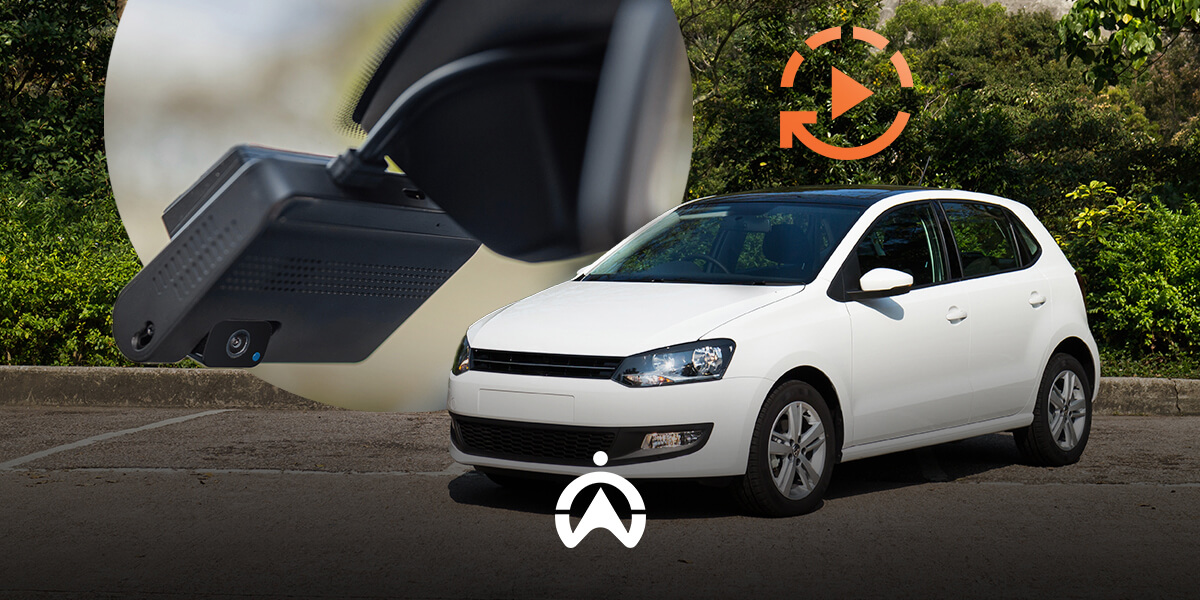
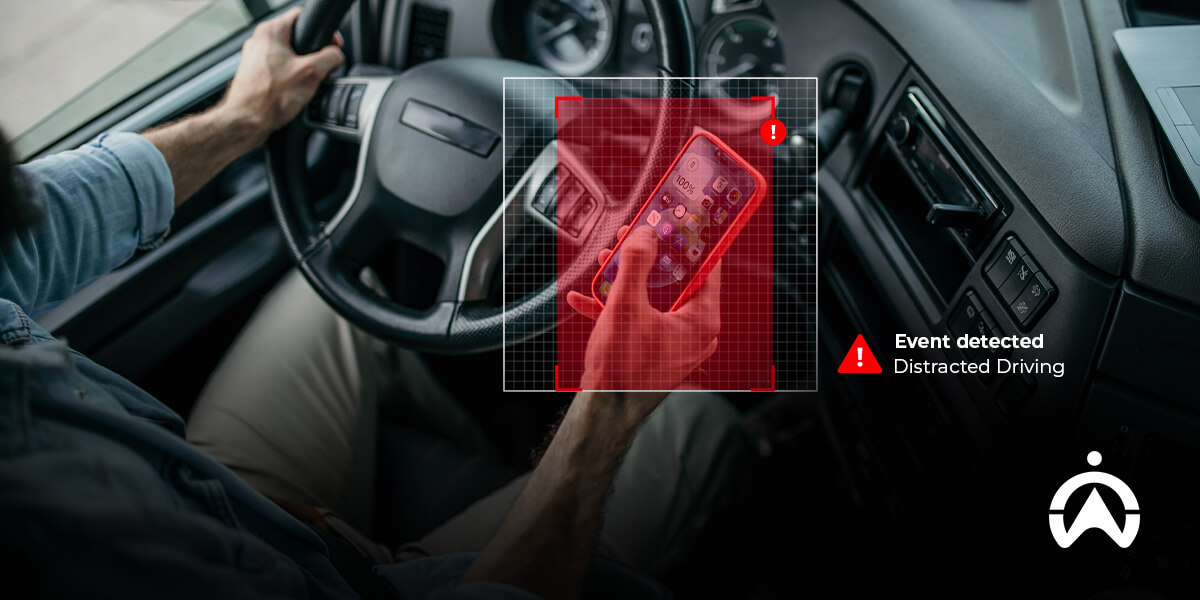
Does a Dashcam Record When the Car Is Off?

No, most dashcams turn off with the ignition, so they stop recording once the car is off. But some advanced units have systems that can detect movement or impact and will record even when the car is off. This means it’s possible to get more security for your car when it’s most vulnerable.

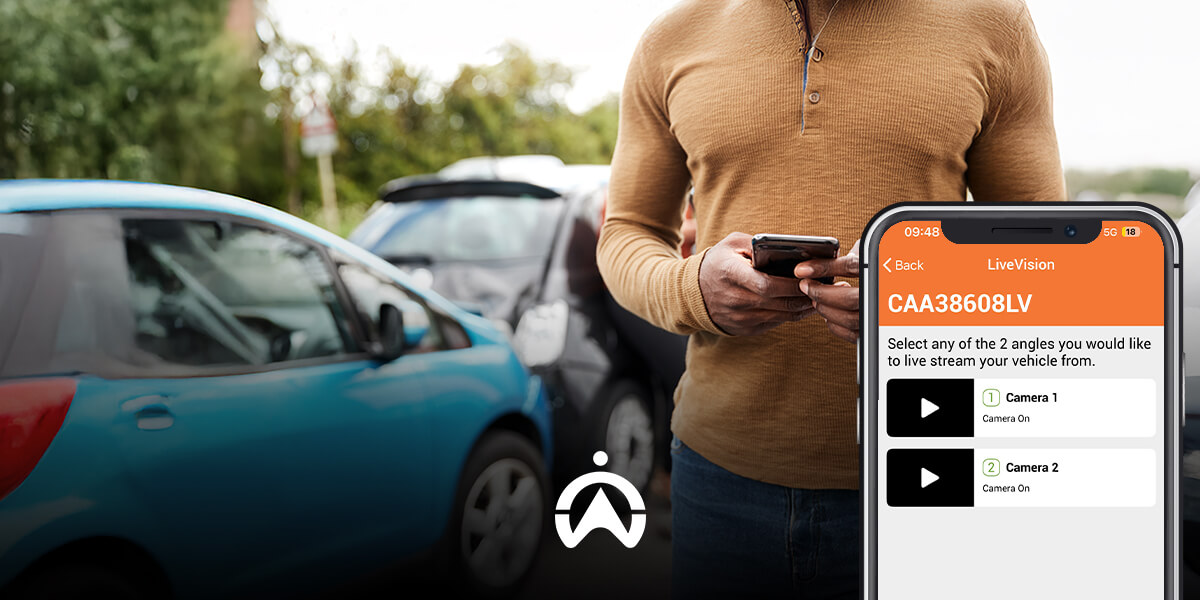
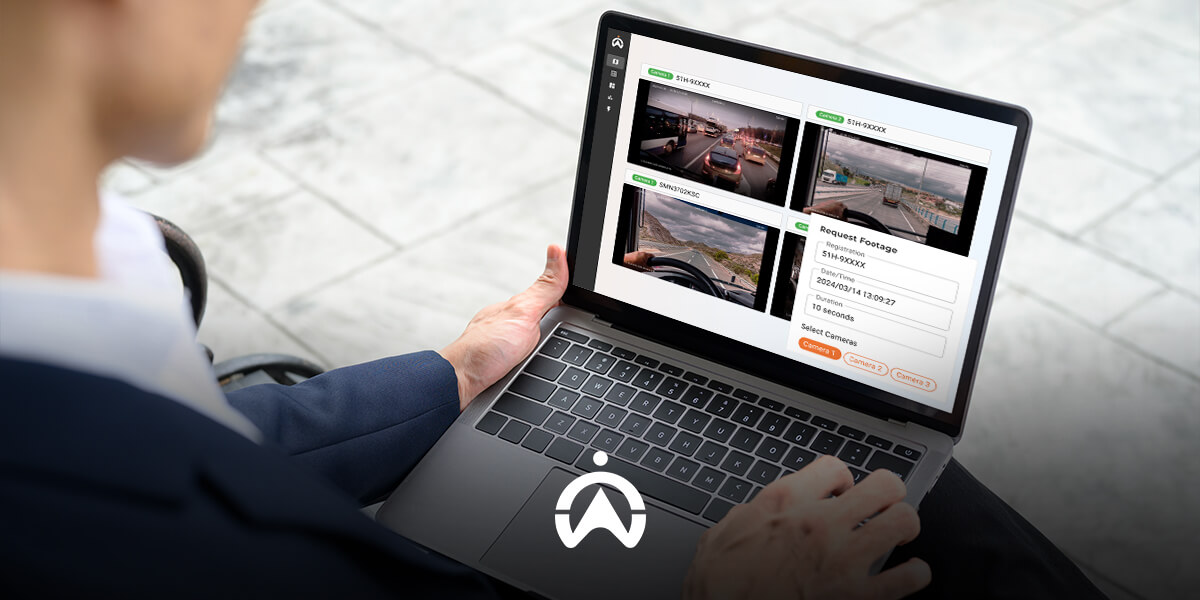
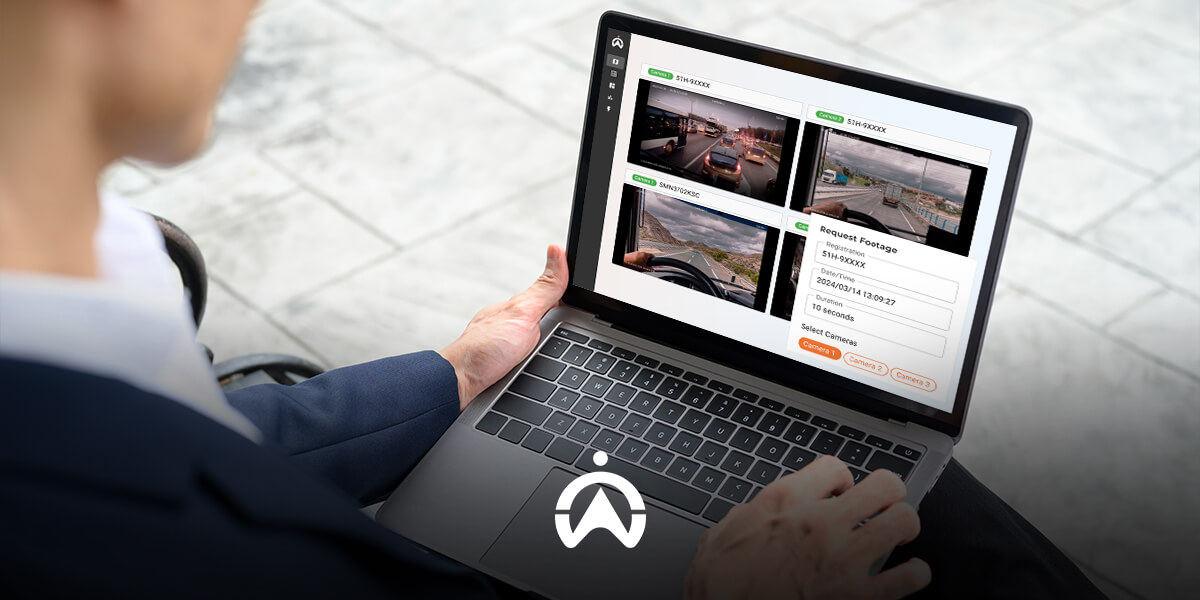
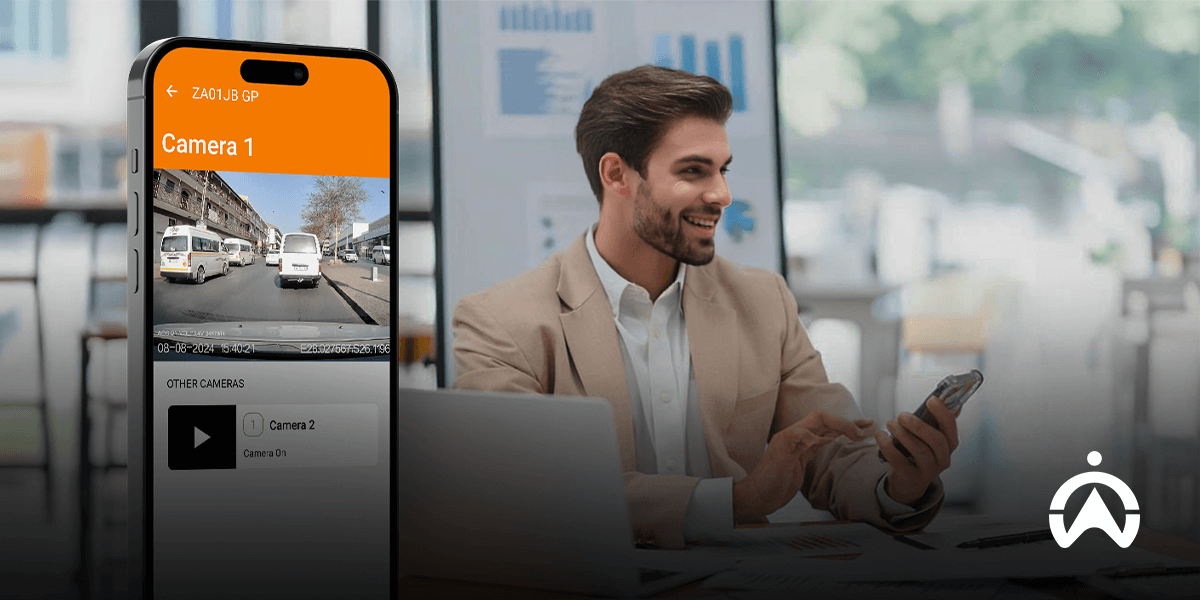
Cartrack’s dashcam solutions give you the peace of mind you need. While our cameras don’t record continuously when the vehicle is off — typically for only up to five minutes — they remain in standby mode for up to two hours after the ignition is switched off. During this time, you can access your mobile app and switch the camera on to livestream, so you know your car is still protected while parked. You can also request footage if necessary.

Can dashcams keep recording when your car is off?

Although most dashcams don’t record unless the car is in motion, yes, some dashcams with advanced features can keep recording when your car is off. These features essentially draw on motion or G-sensors (gravity sensors) to capture triggering events, like motion or collision. Captured events make sure your car is extra protected, even when you’re away from it.

Keep in mind that there are some limitations. Dashcam recording while the car is off relies on the power of your car battery, putting a drain on it. This means that recording is limited by power and storage capacity.

How do dashcams work when the car is on?

When the car is on, dashcams work by either recording continuously while driving or recording only when triggered by an event, such as motion or collision.

Here’s a bit more about how dashcams work:

  • Power source: Dashcam systems are usually connected to the car through hardwiring, though there are portable wireless options too. Hardwired systems are directly connected to the car and its battery, or connected via the 12V socket. The 12V socket is also known as the cigarette lighter or auxiliary power socket.
    ‍
  • Storage: Footage is stored on SD or SSD cards. SD stands for Secure Digital, which is the standard memory card type. SSD stands for Solid-State Drive, which is a larger and faster memory card. Some dashcams support cloud storage as well.

How long does a dashcam record when the car is off?

The amount of time your dashcam can record when the car is off depends on a few factors that include battery capacity, storage limits, and the dashcam type.

Let’s break this down:

  • Battery capacity: Portable dashcams with internal batteries won’t last as long as hardwired systems, which can record for far longer.
    ‍
  • Storage limits: SD or SSD card capacity typically won’t have as much space as cloud storage. The amount of space dictates how much footage can be stored before it’s overwritten. Cartrack’s camera footage is stored on the SSD/SD card; only manually requested footage is stored on the cloud.
    ‍
  • Type of dashcam: Standard dashcams have shorter recording times or are typically event-triggered devices. While some professional cameras or MDVR (mobile digital video recorder) solutions are designed for long-term recording, Cartrack solutions prioritise efficiency and safety, with cameras remaining online for up to two hours after the ignition is off.

Cartrack dashcam solutions strike a perfect balance between strong protection and powerful efficiency. Storage space—and therefore recording time—differs depending on the camera system, but you can rest assured that key incidents will be captured.
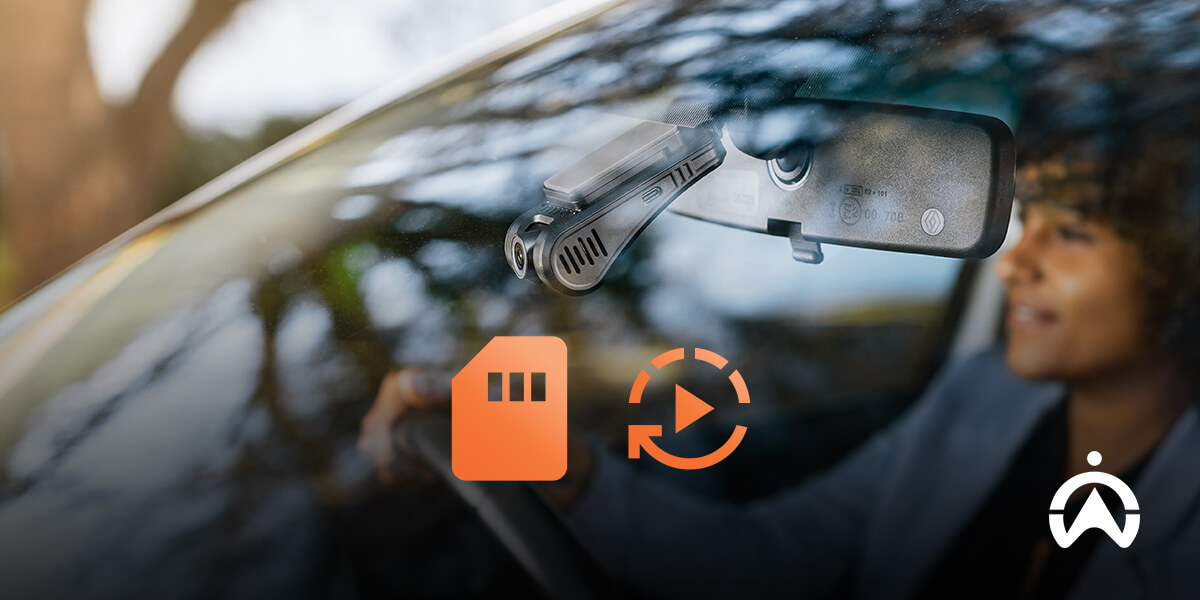

Dashcam features that enable recording while parked

Dashcam features that enable recording while parked include motion detection, impact sensing, battery power, and recording and storage management. These features are designed to work hand in hand to keep your car as protected as possible, especially when you don’t have eyes on it.

Take a closer look at each of the features:

  • Motion detection: This is when your dashcam automatically starts recording when movement is detected near the car. Motion detection can catch any criminal and theft attempts on your car, or even small bumps in the parking lot.
    ‍
  • Impact detection/G-sensor: This is when the G-sensor is triggered by a collision or rough impact. The camera records automatically once that event has been detected.
    ‍
  • Battery pack or hardwiring: Keeping a camera running can drain your car battery.  External power options can help prevent car battery drain, although this option is far more niche. Hardwired options are a little more common. Standard or entry-level dashcams typically switch off with the ignition.
    ‍
  • Loop recording and storage management: Dashcams will usually overwrite the oldest footage when the storage gets full. This is how your dashcam continuously records without losing footage or having you delete footage manually.

At Cartrack, we don’t use external battery packs. Instead, we provide transparent safety measures, like the Power Extension Form, so you know exactly how extended recording could impact your vehicle’s battery.

Dashcam battery drain explained: What happens when your car is off?

When your car is off and the dashcam is recording, it drains your car battery. Your dashcam relies on your car’s battery for power, so if it runs too long, it can eventually weaken it. However, most modern dashcams do have some safety features in place to ensure your battery isn’t compromised.

These are some general safety features you might expect from advanced camera solutions:

  • Hardwired options: This dashcam connection links directly to your fuse box. It typically switches the dashcam off as a safety precaution if the voltage becomes too low.
    ‍
  • External battery packs: This connection type is still quite niche, but it is slowly making its way into the market. This is a completely separate power source that doesn’t rely on your car battery.
    ‍
  • Low-voltage warnings: This is one of the more common safety precautions. This measure ensures that your dashcam is switched off before the integrity of your car battery is compromised or so drained that your car won’t start.

Our Cartrack tip? Always make sure your dashcam is installed by a professional to avoid any damage to your car’s battery. Partner with a provider that’s clear and transparent about battery drainage and any other potential effects a dashcam may have. At Cartrack, we have the Power Extension Form, which ensures you’re fully aware of how extended recording may affect your vehicle’s battery.

How to choose the right dashcam for consistent recording

To choose the right dashcam for consistent recording, consider a few key factors to look out for:

  • Resolution
  • Smart features
  • Battery solution and
  • Storage type

Always remember that it’s more than just the brand or price. Getting the right mix of features is the key to achieving absolute protection for your car.

Here’s a little more on each of these key factors:

Resolution

A higher resolution means that events are captured in crisp video quality. This is important for key details in potential accidents or insurance matters, like clearly capturing number plates. Keep in mind, though, the best quality is usually from saved, recorded footage; livestreamed footage will typically be lower quality.

Smart features

See if the camera solution has any motion detection or AI features. If available for personal vehicles, they can be great add-ons that provide extra security.

Battery

Understand what the camera solution uses as a power source. Ask your potential provider what safety precautions are in place for your car battery and how they’re willing to help you in this regard.

Storage type

Find out what type of storage your provider offers with their dashcam solution. You’ll typically have to choose between an SD card, an SSD card, and/or cloud storage.

Why consider Cartrack as your provider choice? Cartrack has a dashcam solution for every kind of driver. Some of our dashcam solutions allow for recording when the car is off, with up to 2 hours of standby and livestreaming protection.
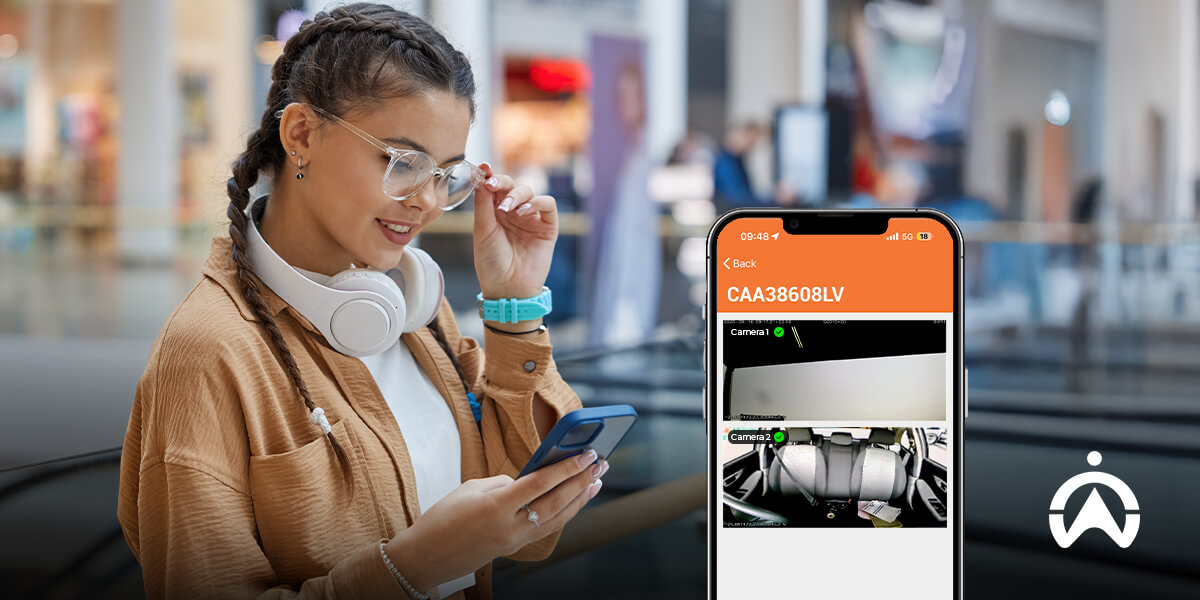

Why Cartrack is the top choice for overall dashcam protection

With Cartrack, you and your car remain protected at all times—whether you’re on the road or in the parking lot. Our dashcams are built to tend to your unique needs and record all the crucial events, meaning that you can have peace of mind even when you’re not around.

After the ignition is switched off, the cameras will continue to record footage for five minutes. All cameras are online (in standby mode) for two hours after the ignition is off to enable you to request footage and livestream. Remember, this isn’t two hours of continuous automatic recording — it’s availability for requests or streaming.

Manually requested trip footage is uploaded to the cloud once the car is back on. This is the only footage stored on the cloud, and it’s accessible to you via the mobile app. 

If you’d like the camera to continue recording for longer than five minutes, you can request this. To remain transparent and effectively manage battery strain, we have a Power Extension Form. This acknowledges that you’re aware that extending the duration will drain the vehicle’s battery.

Trusted by individuals and businesses alike, you can turn to Cartrack for your complete safety and security.

Keep your vehicle protected with Cartrack

A good dashcam can keep recording even when your car’s off, giving you extra peace of mind while it’s parked. Cartrack’s smart dashcams bring together advanced detection, reliable and extended protection, and professional installation, so it’s easy to keep your car safe.

Don’t leave your car unprotected. Explore Cartrack’s range of smart dashcams today and experience premium security at your fingertips. Contact us to check out our dashcam solutions.

FAQs

Q: Do dashcams record conversations when parked?

A: Most dashcams don’t record conversations when parked, although a few models do capture audio. Typically, dashcams will only record audio when the car is in motion. If this feature is important to you, check with your provider to see if those specifications are offered. Cartrack dashcams are designed to focus on video for your security rather than audio recording.

Q: Can a dashcam damage the car battery if used for 24-hour recording?

A: Yes, a dashcam can damage the car battery if used for 24-hour recording, though it’s usually only the case if there are no precautionary measures in place. Some providers might offer external power sources or use a hardwiring kit, but typically, low-voltage measures are there to prevent battery compromise.

Q: How do I know if my dashcam is recording when parked?

A: You know that your dashcam is recording when parked if there’s a blinking/on light or notification via the connected mobile app. On the other hand, you can look for motion alert notifications that’ll let you know your camera is working.

Q: Are there dashcams that work for long-term parking security?

A: Yes, some dashcams work for long-term parking security, and these are dashcams that offer what’s usually referred to as ‘parking mode’. Cars that require long-term surveillance use a hardwiring kit to connect to your car’s fuse box. This lets them draw power safely and prevents the battery from draining too much, thanks to built-in voltage cut-off protection.
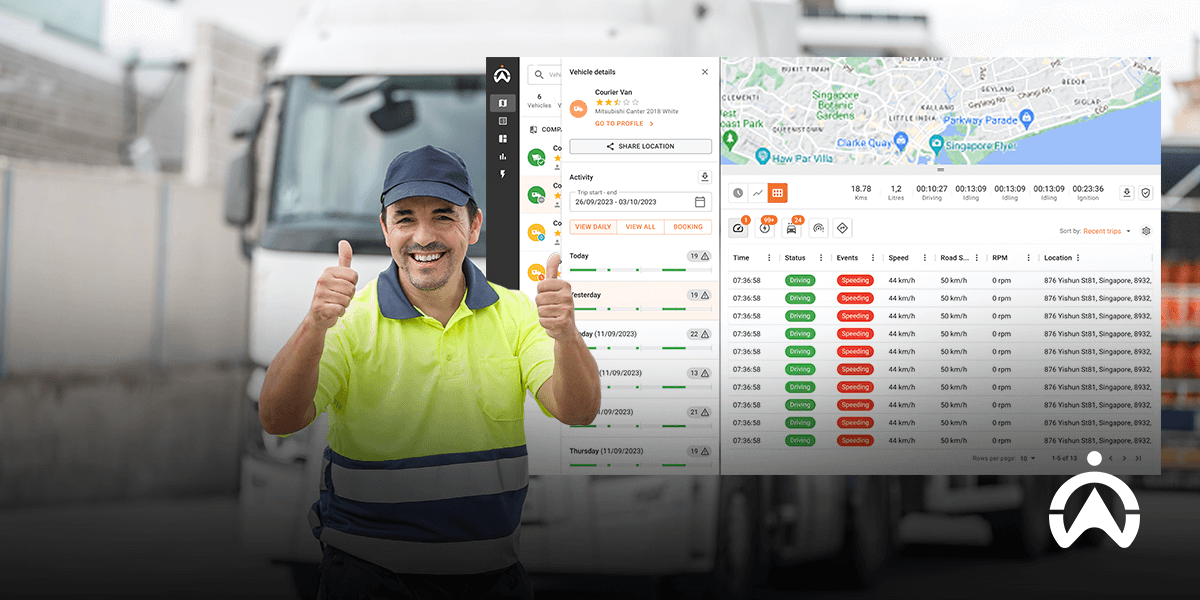
9 Ways to Stop Your Fleet Drivers from Speeding

To prevent your fleet drivers from speeding, you need to adopt a dynamic approach that incorporates strict company policies, advanced technology, and comprehensive training. This method will promote safer driving habits, thus improving overall fleet running costs and enhancing safety.

Speeding is one of the most common causes of road accidents. It also consumes more fuel, causes vehicle damage, and could lead to reputational damage for your company. This sort of driving behaviour will, in the long run, result in higher fleet operational costs. In today’s article, we give you 9 simple ways to reduce the speeding habits of your vehicle operators.

9 Effective strategies to reduce speeding in your fleet

Speeding is a huge concern on Malawi roads, and for a business, it can result in higher operational expenses. With the right strategy, your business can overcome this issue with ease. Here are 9 ways to stop your fleet drivers from speeding:

1. Implement real-time speed monitoring

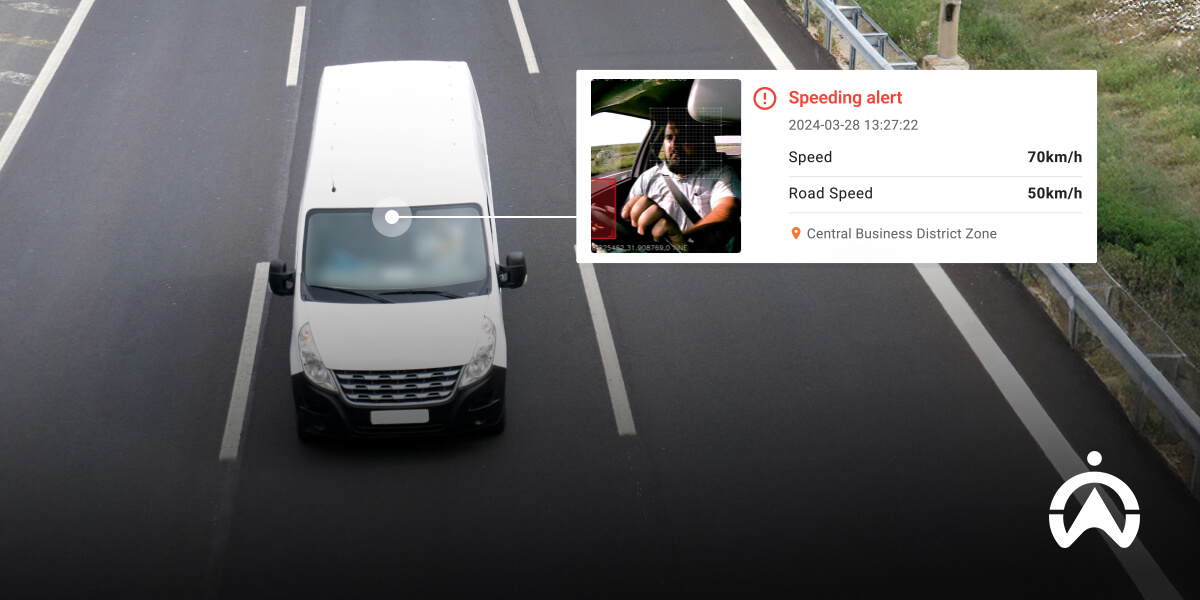
Technological solutions are the key to curbing the issue of speeding. As a fleet manager, you must invest in a vehicle telematics system, as it gives you a full view of how drivers behave on the road. You’ll get instant alerts of speeding incidents and extensive reports.

2. Find the root cause

It’s always better to know why speeding incidents happen in the first place. Are the schedules too tight? Is it poor route planning? Or is it more of a company culture issue? These are the questions you should be asking to find the root cause and make amends.

3. Set clear rules on speed limits

Don’t assume all drivers know the law. Create company policies that clearly state the maximum speed allowed in different areas or road conditions. For example, drivers need to slow down at least 10 km/h below the speed limit when it rains. Put this in your policies and communicate it to them so they know what’s expected of them in those situations. Make sure every driver understands the rules.

4. Give drivers regular feedback on their driving

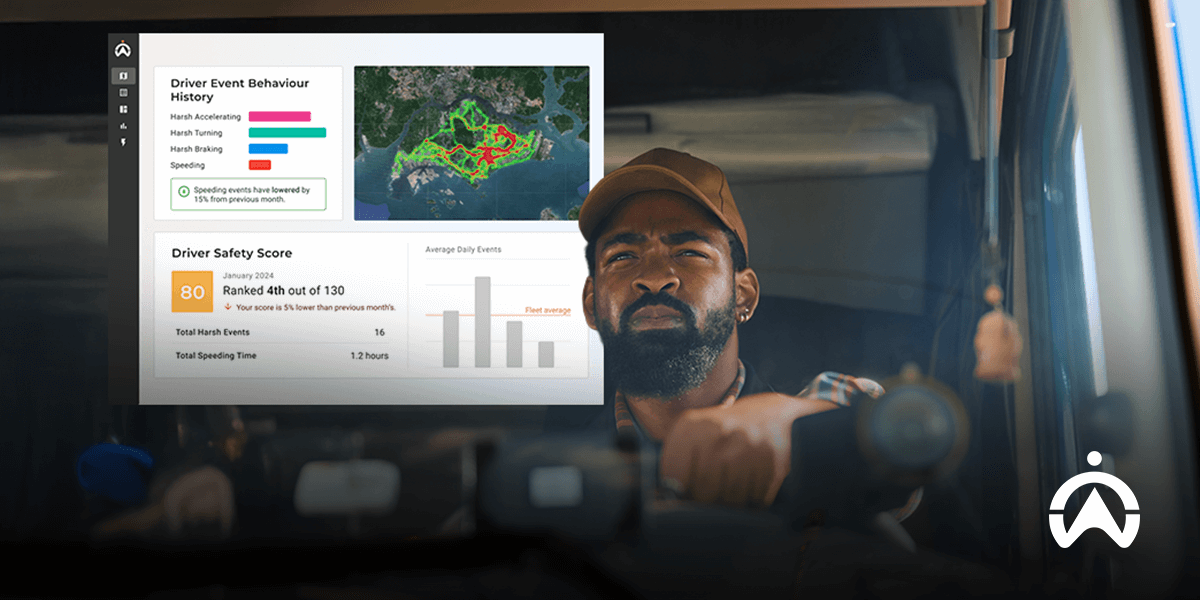
Use the telematics system and fleet management platform to generate reports for each driver. The report should include things like how often they speed, when, and where. You might discover that some drivers only tend to speed on a certain route and therefore need training on a better way to go about it. Sharing reports is an opportunity to communicate with drivers, encourage safer driving, and reward improvements.


5. Offer ongoing training

Ensure that drivers are regularly upgrading their driving skills. You can offer defensive driving courses or use each incident as an opportunity to send the driver for coaching. A good fleet management system should already have a coaching system in place to make it easier for you.

Accidents are the worst, as they could turn fatal. Drivers must understand the impact speeding has on a business beyond collisions. Educate them on the effects of speeding. Point out how it increases fuel costs and repair expenses, and makes the business a higher risk to insurers. 

6. Reward safe driving

Every employee needs to be motivated, and rewarding good behaviour is one way to keep morale up. Give public recognition to drivers, like naming them “driver of the month” and putting them in newsletters. You can also give incentives such as gift cards, bonuses, or an extra break time.

7. Reduce distractions using in-cab cameras with AI features

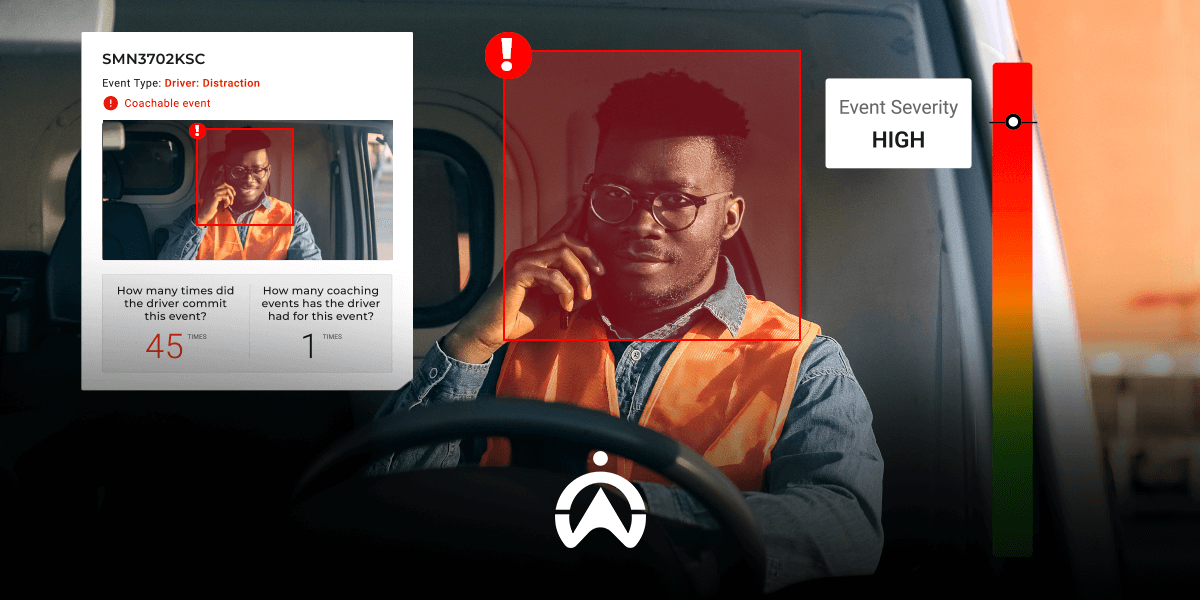
In some cases, drivers end up speeding because they’re distracted by something else and are therefore not paying attention to the speed limits. It’s important that you install dashcams with AI capabilities, as these can detect when drivers are not paying attention to the road.

The cameras will give drivers alerts to change their behaviour, ensuring that they avoid accidents. You will also get reports on each distracted driving incident and can then review the footage with drivers to help them improve.

8. Avoid schedules that force drivers to rush

Unreasonable deadlines make drivers more likely to speed. As mentioned in one of our previous points, tight schedules and poor route planning might be one of the reasons drivers feel the need to speed. Use route optimisation software tools to perfectly plan routes and delivery times that allow safe driving.

9. Lead by example

Safety is a priority for everyone in the company. Therefore, managers and supervisors who use company vehicles should also follow the same safety rules. Setting this example helps create a culture where safe driving is taken seriously across the whole team.

Facts about speeding

Speeding inevitably increases the likelihood of road accidents. It may also result in injuries and fatalities! According to the World Health Organisation (WHO), road traffic injuries are the leading cause of death for children and young adults aged 5–29 years. They also state that approximately 1.19 million people die each year as a result of road traffic crashes.

It’s also important to note that insurance premium rates are based on risk, and since speeding increases the chances of accidents, it also means an increase in insurance claims (and higher premiums).  Traffic fines WILL affect your insurance rates. 


The Cartrack solutions that help keep your drivers within speed limits

At Cartrack, we have various solutions for you to reduce speeding and improve driving behaviour. Here’s what we offer:

  • The Cartrack telematics device: Our GPS tracking units have telematics capabilities. This means they monitor vehicle activities and detect when drivers are engaging in unsafe driving habits such as speeding, harsh cornering, and harsh acceleration. You’ll then get reports on each incident, indicating the number of “violations”. You can also view this information in the form of a chart, so it’s easier to understand.
  • AI cameras: We have AI-powered cameras that were solely designed to enhance driver safety and give you a full view into the activities of each driver. Our AI Dual Vision dashcams can spot and give audible alerts when drivers are using their cellphones, yawning, or smoking. As mentioned, such behaviours could distract the drivers from focusing on speed limits, so minimising them helps a lot!.
  • Coaching platform: You also have the option of adding our coaching platform to your package. The Cartrack coaching platform keeps a record of each incident from every driver. From there, you can use this to see trends in your team and the events of each individual, and send them for training based on their specific needs. This feature also allows trainers to leave notes for each session so they know what was discussed with each driver in previous sessions.

Using a mix of technology, fair rules, and a positive safety culture is the best way to improve overall driver conduct. Investing in our fleet management technologies is the first step to reducing risky driver behaviour. It also gives your business a stronger reputation and saves costs. Contact us today to see how we can help you curb speeding in your fleet.

Frequently Asked Questions about Speeding

Are incentives more effective than penalties when trying to stop truck drivers from speeding?

Yes. Positive motivation, such as incentives, works better in the long term compared to penalties. When drivers feel punished, they tend to experience stress or fear, which can lead to them hiding violations or engaging in unsafe shortcuts to avoid consequences.

How can fleet managers train their drivers on the job?

Fleet managers can train their drivers on the job by using GPS telematics systems and cameras. This ensures that they always have a close eye on behaviours such as speeding, harsh braking, or distracted driving. From there, they can provide feedback after trips or during scheduled coaching sessions.

What are driver scorecards, and how do they work?

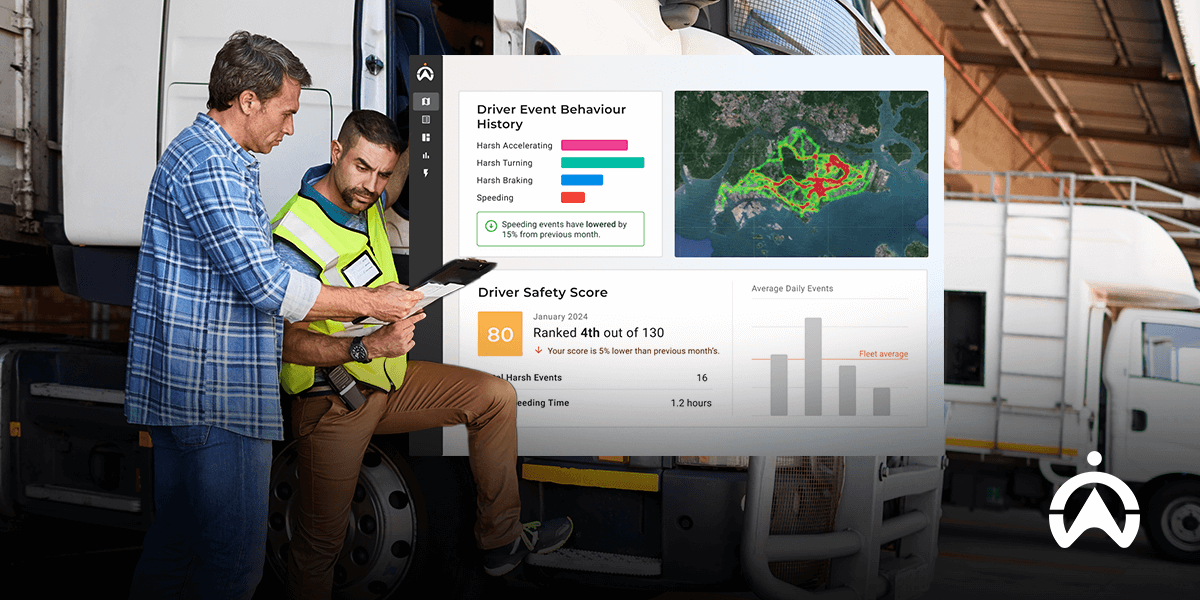
Driver scorecards evaluate a driver’s performance based on telematics data. The system rates each driver on how they behave on the road. It monitors each trip and scores it according to the number of incidents. In doing so, drivers and fleet managers will know if they’re good or if they need more training to practice safer driving.

Cut costs, improve safety, and protect your company’s reputation with our solutions. Reach out to us.

Get a Car Camera for Complete Safety and Visibility

Imagine being equipped with backup vision and achieving complete safety and visibility while navigating the chaos of the streets – this is precisely what car cameras can offer you. You get a second set of eyes on the road and total protection when you need it most.

As a driver, smash-and-grabs, hijackings, insurance fraud, and collisions are just some of the looming threats you may face. This is why having a car camera is the smart choice. It protects you, your vehicle, and your passengers by helping prevent escalations and capturing clear evidence of dangerous incidents.

In fact, the global dashboard camera market is projected to reach USD 5.40 billion by the end of 2025, growing at a compound annual growth rate (CAGR) of 10.50% and reaching USD 8.89 billion by 2030, indicating a growing global need for these devices.

As that demand continues to grow, choosing the right cam becomes a necessary investment. Cartrack’s revolutionary car camera technology is there to support you, ensuring that every journey is covered and giving you more confidence every time you get behind the wheel.

How do car cameras improve your safety and visibility?

Car cameras improve your safety and visibility by acting like another set of eyes while you’re on the road. You can record what’s happening in and around your vehicle in clear quality, even eliminating blind spots with the help of multiple angles. These are particularly helpful for daily driving, especially when dealing with traffic or manoeuvring tight spaces.

Although road-facing and dual (road and cabin-facing) cameras are the most common options for personal or passenger vehicles, those are not your only choices:

  • Rear-facing cameras: These face the back of the vehicle and capture footage from that angle.
    ‍
  • Interior cameras: These are located inside the vehicle and give you passenger visibility. Though more of a niche, interior cameras are typically used for ridesharing vehicles (Uber/Bolt) or for parents who just want to keep an eye on their driving teens.

Car cameras also tend to work in different modes, depending on what works best for you:

  • Parking mode: This mode leaves the car camera recording even when the car is stationary and the ignition is off, protecting it from theft and other incidents. The recording is usually triggered by someone bumping or touching the car when it is stationary.
    ‍
  • Continuous recording: This mode records your entire journey, but only while the car is on. It might extend to parking mode if it’s a hardwired car camera, though that’s a less common setup.
    ‍
  • Event-triggered: This mode automatically saves snippets of footage when there’s detection of risky or abrupt driving behaviours, like collisions or sharp swerving.

Car cameras also help you fight against real-world threats. Scam insurance claims or staged collisions can be proven false with clear camera footage. Even more, the presence of a car camera can make criminals think twice about violent acts like hijackings or smash-and-grabs.

Cartrack car camera capturing attempted car theft on urban street.

Why does every driver need a car camera?

Every driver needs a car camera to reduce the overall stress of navigating the roads. There’s so much uncertainty every time you get behind the wheel. Because of the roads’ unpredictability, a car camera can be a game-changer in so many ways. Consider these factors:

  • Lower stress: A car camera can be an invaluable device, especially when you’re faced with the stresses of intense traffic or crime hotspots. The extra layer of security can keep you calm, especially when something could potentially go wrong.
    ‍
  • Extra security: As mentioned, the extra layer of security can be massively reassuring. Whether you’re a rideshare driver picking up passengers daily or just a person wanting to keep one of their most valued assets safe, this added layer can give you total peace of mind.
  • Faster insurance processing: With evidence in the form of clear footage at hand, insurance processes can happen more quickly. The immediate evidence means you can potentially eliminate back-and-forths and long disputes.
    ‍
  • Protection in disputes: It’s unfortunate, but as a driver, you could face the risk of being falsely accused of causing a dangerous road incident. But with a car camera, you have all the proof necessary to back up your case in a potentially costly dispute.

How to choose the right car camera for your needs

Choosing the right car camera is about recognising the key features that would make having an in-vehicle cam worth your while. Features like clear recordings, safe and sufficient storage, and easy installation all contribute as deciding factors. Stay focused on safety, clarity, and ease of use. Here’s what to consider:

Crisp footage, wide angles, and night vision

Clear footage is probably one of the most important features in a car camera. You want to actually be able to see what’s happening and who’s being captured, or else it defeats the purpose of capturing footage—especially in the case of a dispute.

Wide-angle recording just means that the lens captures more in the frame of the footage, reducing those blind spots and getting more details of your surroundings. Night vision is important for those low-light or evening recordings.

Secure and sufficient footage storage

If you’re capturing high-quality video, you’re most certainly going to need enough secure space to store that footage. Depending on your provider, you can choose from storage via the cloud, via an SD or SSD card on the unit, and loop recording, which overrides old footage.

Easy mounting and use

Car camera equipment that’s annoying to install or use can be a terrible experience overall. You’ll want to go for a car camera that’s easily installed, typically on the dashboard, windscreen, or rearview mirror. You’ll also want a unit that’s easily integrated with a mobile app or platform, allowing you to access the footage you need with ease.

Cartrack car camera dashcam showcasing vehicle surveillance technology.

Why Cartrack is the ideal choice for complete safety and visibility

Cartrack can meet your safety and visibility needs by ticking every core requirement you’d need in a top-tier car camera. From live footage to SVR support, here’s what we can offer:

  • Options for every vehicle type: Whether you’ve just bought a new car or you’re a business owner with a large fleet, Cartrack has a car camera solution for everyone. This goes from single and dual cameras to Multi-Vision solutions with up to 8 cameras.
    ‍
  • View footage anytime via the Cartrack app: It doesn’t matter where you are or when it’s needed; you can have access to your stored footage via your phone with just one tap.
    ‍
  • Stolen Vehicle Recovery (SVR) support: Cartrack’s car camera solutions can operate as standalone units because they have their own video telematics and LTE connection. This means that in the event of hijacking or theft, Cartrack can react promptly and work to recover your vehicle as swiftly as possible. Certain Cartrack camera solutions also allow you to add a discreet action button. Once pressed, 10 seconds of footage is recorded and sent straight to the Cartrack control room.
    ‍
  • Reliable hardware: Cartrack’s car camera hardware is built to endure whatever terrain and environments come its way. This handy device continues to deliver clear footage and steady performance so that you’re never left without that extra set of eyes.

By choosing Cartrack, you’re investing in your safety and the protection of your assets, knowing you have a company by your side that’s totally dependable and invested in your well-being.

Drive safer and smarter

Consider a car camera as a smart and long-term investment. It’s not just about recording and having a little gadget in your car; it’s about full security and visibility when you need it most. Consider this investment as a means to achieve clarity, peace, and protection in high-risk situations.

With Cartrack, you get a trusted partner who’s there with you on every car journey you take. Beyond our innovative and constantly developing technology, you can be sure that you’ll always be protected against the craziness of the roads.

See everything from every angle. Contact us to get complete peace of mind with Cartrack’s car camera solutions today.

FAQs

Q: How do you know if a car camera is recording?

A: You’ll typically know a car camera is recording if a small (usually red) light is on via the unit itself or on the app. With Cartrack, you can verify that the car camera is recording by checking the camera’s status through the app.

Q: Do car cameras record conversations?

A: No, typically, car cameras only record video and won’t record conversations. Some models might have audio recording, but you’d have to go over that with your provider. Certain Cartrack camera solutions do allow audio. Audio-enabled models usually let you disable audio for more privacy.

Q: Can a car camera lower my insurance premium?

A: Yes, many insurance companies offer lower insurance premiums for customers with car cameras, as these typically lower road risks and speed up the insurance claims process. This reassurance helps insurers process claims more quickly and can ultimately turn into cost savings for you.

Q: Where is the best place to mount a car camera?

A: The best place to mount a car camera is typically on the rearview mirror. It ultimately depends on the person, but the rearview often has the best and most unobstructed view of both the road and the cabin. It also avoids blocking your vision while driving.

Q: Does Cartrack’s car camera need the internet to work?

A: It depends. Yes, Cartrack’s car camera needs the internet to work if you want access to live-viewing and remote access to the footage. Otherwise, Cartrack’s car solutions typically have their footage stored right onto the device via an SD or SSD card.

Q: How long does a Cartrack car camera installation take?

A: A Cartrack car camera installation typically takes about an hour to two hours, depending on the complexity of the installation and the type of camera solution being installed. Our skilled technicians handle the process smoothly, making sure that everything is properly installed and working before you get back on the road.

AI Camera System: 5 best features to look for your fleet business

AI Camera System: 5 best features to look for in your fleet business

AI camera systems are used in fleets to monitor drivers, record vehicle data, and manage logistics remotely. Any company that takes its fleet seriously needs a comprehensive way to manage that fleet as affordably and efficiently as possible. Now that AI is being integrated into these camera systems, they’re better than ever!

Driver fatigue is one of the leading causes of fatal crashes. But what if fleet managers could detect fatigue before it became a risk? And beyond fatigue—what about other accident causes? Could those be prevented, too?

This is why Cartrack has covered the 5 best features of AI camera systems in fleet management. This technology not only saves your organisation a large percentage of your profits, but also protects your assets, your drivers, and your long-term growth. Let’s explore how.

Top 5 AI camera features for fleet managers

If you’ve been wondering if your current vehicle dashcams are worth replacing with AI camera systems, check out this brief overview:

Feature What it Does Why it Matters
Driver fatigue detection Detects when the driver is tired Helps prevent accidents
Dual-Camera with ADAS & DMS for Collision warning Alerts when a crash risk is high Gives drivers time to react
GPS-linked route optimisation Finds the best route Saves time and fuel
On-demand footage retrieval Let’s you access video when needed Useful for checks and proof
Automatic driver scoring Rates driver behaviour Supports training and safety

Now let’s look at each one more in-depth.

1. AI in-cab alerts

One of the best features of an AI camera system is the software’s ability to detect potentially dangerous driver behaviour. This includes:

  • Distraction (looking away instead of ahead)
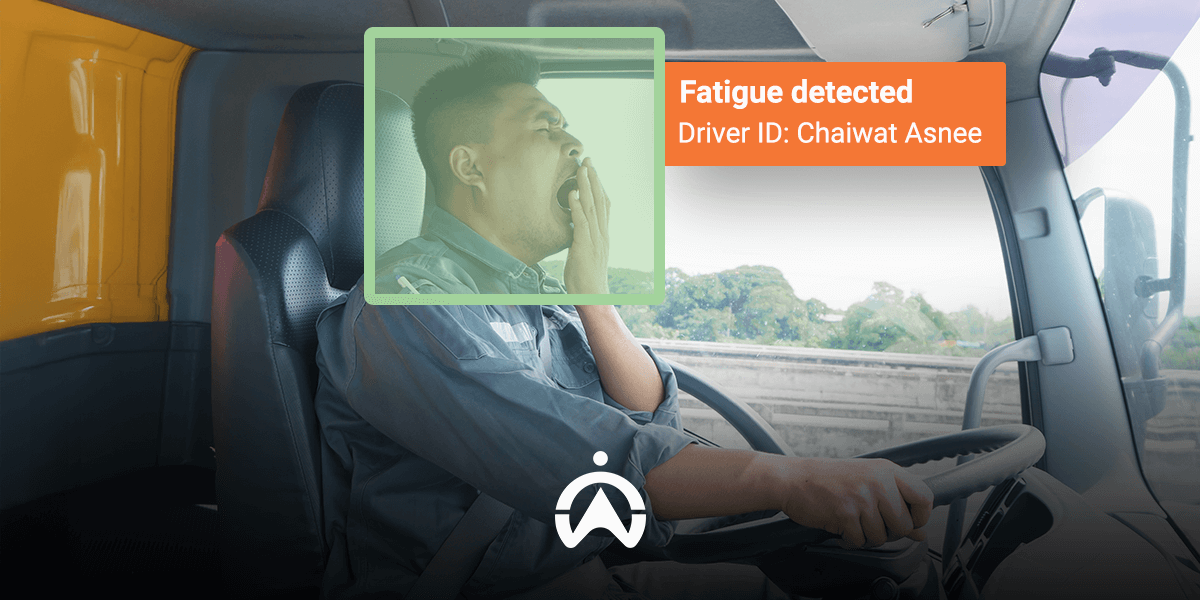
  • Fatigue (yawning, eyes closing, etc)
  • No seatbelt
  • Smoking or vaping
  • Tampering with the camera

These behaviours can have a devastating impact on your driver and your vehicle. Getting notified of these behaviours helps you to better manage your fleet, because you’re never in the dark. Alerts will be sent to you and/or your fleet manager in real time, so you’ll always have a sense of control even when your drivers are far away.

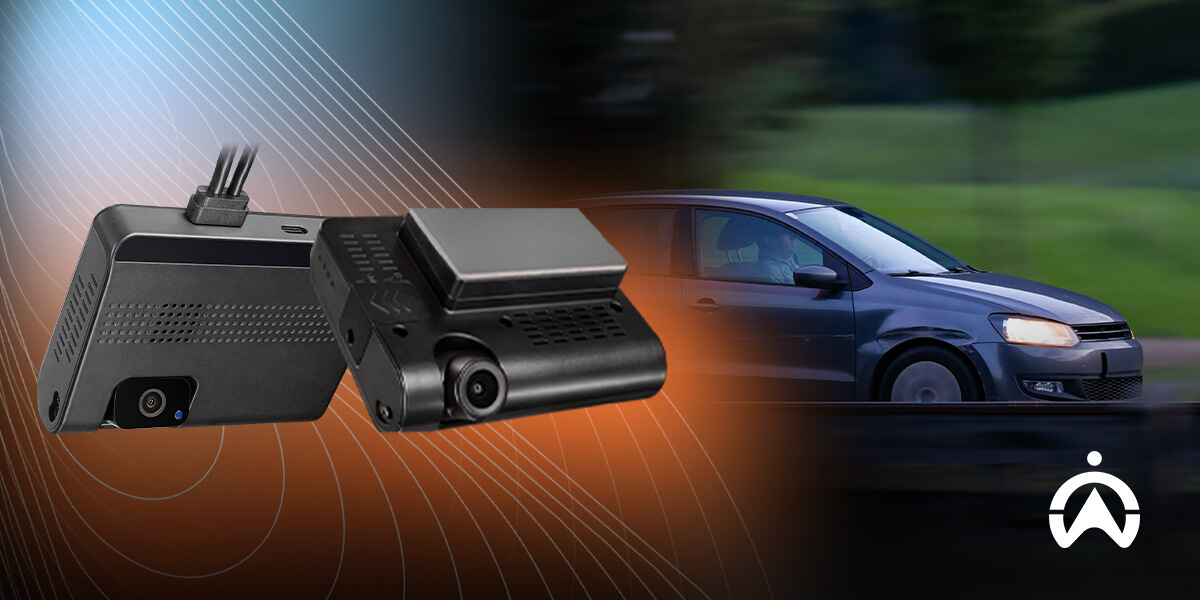
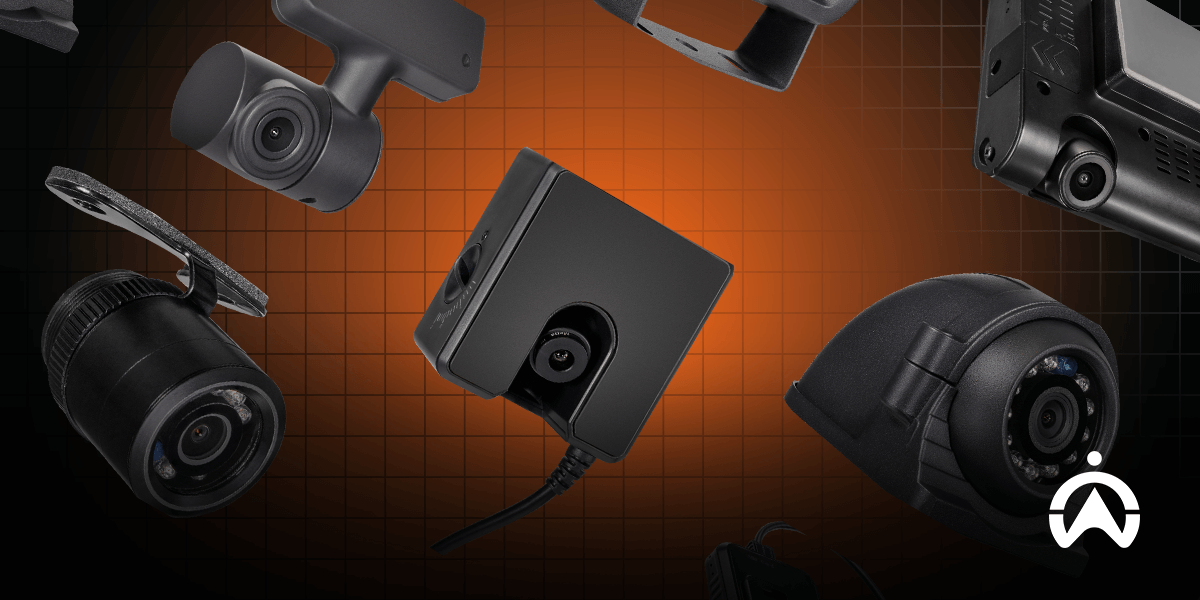
Cartrack AI Camera System with black car cameras and accessories on orange background.

2. Dual-camera with ADAS & DMS

Regular dashcams are usually forward-facing. The AI camera systems at Cartrack provide forward and driver-facing (known as in-cab) cameras that monitor the driver and the driving compartment.

But what’s so special about that, and what role does AI play in these camera systems? Well, these cameras have ADAS (Advanced Driver Assistance System) and DMS (Driver Monitoring System) features. DMS is what we covered in the previous section.

However, ADAS is much more advanced, because this is where the AI really proves its worth to you and your driver:

  • Advanced Driver Assistant System: This is software that steps in when your driver needs it most. The AI-powered ADAS has some of the most advanced capabilities, including:
    • Forward Collision Warning (FCW) – alerts if a crash risk is detected
    • Automatic Emergency Braking (AEB) – applies brakes if the driver doesn’t react in time
    • Lane Departure Warning (LDW) – warns if the vehicle drifts out of its lane
    • Blind Spot Detection – monitors and alerts for vehicles in hard-to-see areas
    • Adaptive Cruise Control (ACC) – automatically adjusts speed to keep a safe following distance

3. Cloud and event-based footage

Further to receiving the event-based alerts mentioned above, AI camera systems also allow you to view live footage of your driver and the surroundings of your vehicle. What you may not know is that when one of those alerts is sent, it triggers the recording software and intelligently decides what important events to archive for later viewing.

This means that every time something out of the norm happens during the driving process, your AI camera system will record and keep that footage for:

  • Insurance purposes
  • Driver accountability and feedback
  • Fuel fraud investigations
  • Driver complaints
  • Disciplinary processes and labour law compliance

4. GPS integration & telematics

“GPS & Telemetry Integration for Contextual Oversight…” might sound technical, but it’s easy to grasp. It simply means that your AI camera system uses GPS to track the vehicle’s exact location, and then pairs this with telemetry data, like speed, braking, and fuel use.

Together, this data gives fleet managers a clear picture of what was happening and where. As you can imagine, this makes it easier to understand incidents, coach drivers, and improve operations.

5. Scalability and coaching tools

It’s nice to know that you and your fleet managers can access pertinent footage whenever you need it. But what about storing all of this information? Together with intelligent technology, AI camera systems also come with a cloud storage infrastructure that allows you to archive a large amount of footage for later use.

As footage ages, you can delete it or simply purchase more storage space. This allows you to retrieve footage when necessary, but these systems also track and record driver scorecard data. This never gets deleted, because you’ll need it to rate, train, and commend your drivers. 

How are AI camera systems different from standard dashcams?

AI camera systems can be distinguished from standard dashcams primarily through their ability to detect pertinent activities. 6 more features worth mentioning include:

  • Real-time analysis vs. passive recording
  • Automated event uploads
  • Alerts and driver coaching
  • Multi-sensor integration
  • Risk scoring and reporting
  • Theft prevention and compliance support

Because all of this data is recorded and stored via cloud-based storage systems, you get an archive of relevant information that regular dashcams wouldn’t provide.

Let’s compare your regular dashcam to the AI camera systems Cartrack offers in terms of these six features.

Real-time analysis vs. passive recording

Automated event uploads

  • ‍Regular dashcam: Video files will stay stored on a memory card until you or your managers remove them. If an incident occurs, managers must manually download and review the footage.
    ‍
  • ‍Cartrack AI cameras: Important events are automatically uploaded to the cloud. This ensures incidents are captured, stored safely, and left ready for you to review them whenever you’re ready.

Alerts and driver coaching

  • ‍Regular dashcam: Standard dashcams can’t warn your drivers or help them improve their driving habits. They’re no more than a record of what happened AFTER it’s already happened.
    ‍
  • ‍Cartrack AI cameras: The system gives you real-time alerts for risky behaviour like harsh braking or fatigue. Drivers receive instant feedback to improve their performance. This also helps you to identify patterns and deal with them preemptively.
Cartrack AI Camera System showing driver behaviour analytics and safety scores on digital dashboard.

Multi-sensor integration

  • ‍Regular dashcam: Traditional dashcams rely only on video footage and can’t connect with the systems of your vehicles. This limits the data they can ultimately provide to you and your fleet managers.
    ‍
  • ‍Cartrack AI cameras: These connect with GPS and CANbus to combine speed, braking, fuel use, and video data. You’ll get a complete view of each vehicle as well as your drivers’ activities.

Risk scoring and reporting

  • ‍Regular dashcam: A standard dashcam doesn’t calculate the respective riskiness of your drivers. It also can’t generate reports. You and your managers must rely on manual reviews of video clips, which can be tedious and time-consuming.
    ‍
  • ‍Cartrack AI cameras: The system scores drivers based on behaviour and provides clear reports. This helps you to identify trends and take action quickly.

Theft prevention and compliance support

Where can you get the best AI cameras for your fleet?

At the forefront of AI camera technology for fleets is Cartrack. We’ve pioneered the industry and developed devices and systems that make your job easier when it comes to managing your vehicles and drivers.

You might be considering dashcams for your fleet. Perhaps you’ve already got them. Replacing them with AI camera systems is the best way to evolve your fleet and give you the data you need to grow as an organisation.

Contact us today to get a tailored quote on your own fleet’s AI camera solution.

AI camera systems frequently asked questions

What are “harsh event” detections?

Harsh event detections are alerts triggered when your driver brakes too hard, takes sharp turns, speeds suddenly, or drives in a risky way. Your AI camera picks these up in real time. This helps you spot unsafe habits early and improve both safety and fuel efficiency across your fleet.

How do AI cameras enhance legal defense and claims processing?

AI cameras give you clear video proof of what happened before, during, and after an incident. This reduces false claims and helps speed up insurance processing. Your business saves time, avoids unnecessary costs, and has stronger evidence to protect drivers and your company’s reputation if disputes do arise.

Are AI camera systems tamper-proof?

Yes, most AI camera systems are built to resist tampering. However, no system is fully foolproof. They use locked mounts, secure storage, and cloud uploads to keep your footage safe. If someone tries to interfere, alerts can be sent to you so that action is taken quickly.

Can AI camera systems withstand rugged terrains?

Yes, AI camera systems are designed to handle Malawi’s tough roads and weather conditions. They’re built with durable parts that resist dust, vibration, and heat. This makes sure your footage stays reliable whether your trucks are driving on highways, dirt roads, or mining routes.

How long do cameras continue recording when the ignition is off?

Most AI cameras keep recording for a set time after the ignition is switched off. This is usually powered by backup batteries or low-voltage connections. It means your vehicles remain protected while parked, helping you to capture footage of theft attempts or damage even when no one’s driving.

Curb expenses, monitor your fleet, and avoid mishaps with Cartrack’s groundbreaking AI camera system.

What’s the Best MDVR Camera System?

The best MDVR (Mobile Digital Video Recorder) camera system helps you capture events in high quality while integrating advanced video telematics technology. It combines features like AI capabilities, secure data storage, and integration with fleet management platforms. This ensures you can act proactively to prevent incidents, instead of only reacting once they happen.

Cargo theft, driver safety, accident disputes, insurance fraud, and compliance are just some of the core pain points that fleet managers have to address regularly. That’s why MDVR camera systems have quickly become a non-negotiable part of modern fleet safety strategies. In fact, video telematics solutions are growing fast.

Through this article, we’ll show you what makes an MDVR camera system ‘the best’ for you and your business, and why Cartrack is one of the leading choices in delivering one of the best MDVR Camera Systems that give you full visibility, control, and safety that your fleet depends on.

In this article, you will:

  • Learn what makes an MDVR camera system the best for fleet operations
  • Understand why MDVRs are becoming essential for modern fleet safety and efficiency
  • Identify the must-have features to look for in an MDVR system
  • Discover how Cartrack delivers a market-leading MDVR solution to protect drivers, cargo, and your bottom line

How do MDVR camera systems work?

MDVR (Mobile Digital Video Recorder) camera systems work by capturing high-quality video footage through various angles around a vehicle. This type of camera solution makes it more advanced and innovative than a standard dashcam. An MDVR camera system offers features that serve as the perfect solution for risk management and downtime prevention.

Cameras are typically positioned to record:

  • The road – observing traffic movement and potential unsafe incidents
  • The driver – monitoring the driver’s actions and encouraging safe driving practices
  • The side and/or rear views – observing cargo areas and movements around the vehicles

Usually, the assets that incorporate MDVR camera systems are fleet vehicles, including public service, logistics, and commercial vehicles. Typical examples include:

  • Logistics and delivery vehicles: courier vans, semi/semi-trailer trucks, and refrigerated trucks
  • Public and passenger transport services: minibus taxis, shuttle services, trains, buses, and school buses
  • Emergency service transport: fire trucks, ambulances, and some police cars
  • Construction, hazardous, and heavy-duty vehicles: cranes, mining assets, excavators, and fuel tankers

In addition to 360-degree views, MDVR camera systems typically feature intelligent functions that assess driver behaviour and identify potential risk patterns in real-time. As a result, the system presents an immediate reflection of potential and measurable ROI. Not only do MDVR systems record, but they also maximise safety and boost productivity.

MDVR camera system

How to choose the right MDVR camera system for your fleet

Choosing the right MDVR camera system for your fleet means looking beyond the standard dashcam features. It’s also about recognising what functions and perks will have the most positive outcomes for your fleet and the real-world conditions it will face.

These are the features you should consider:

HD video quality and a wide-angle lens

High-definition video quality is the key to managing disputes. Wide-angle lenses contribute to this clear quality by capturing more of the area and reducing the issue of blind spots. Night vision gives clearer footage during the evening or when there’s low light.

Multiple camera angles

Catching the view of a vehicle from every angle is necessary for complete asset and driver safety. This is especially helpful for vehicles that carry cargo or make up part of a logistics fleet. Multiple camera angles give you complete visibility and an overview of your assets, adding an additional layer of safety.

Real-time remote viewing

This feature is the most important for quick responses. Should any issues need an immediate and informed response, such as cargo tampering or a collision, then fleet managers (and fleet management companies) can react immediately and appropriately.

AI-powered capabilities and alerts

Lately, modern MDVR camera solutions will include AI capabilities as part of their solutions. These capabilities identify risky driver behaviours like fatigue and distraction, as well as road-facing risks like forward-collision (which determines safe following distances). This results in preventative and corrective measures being taken before they turn into costly mistakes.

Integration and data syncing

We’ve covered real-time remote viewing, but to begin to even enjoy this feature, you’ll need a single platform that comfortably integrates with your MDVR camera system. Smooth integration and data synchronisation are the foundations for driver behaviour analysis, trip reports, and route optimisation tools.

Secure data storage

Having constant, high-quality recordings means footage will need to be stored safely and be easy to access. MDVR camera systems that can be stored on these devices themselves lend to quicker retrieval (especially for important cases like audits or insurance claims). Additionally, if there are options to download or back up that footage, that’s a bonus.

This also prevents your footage from being easily tampered with and gives you the power to decide who has access to the footage.

Durable hardware

Fleets can venture into some intense environments and encounter rough terrain. A strong, tamper-proof, and shockproof MDVR unit is non-negotiable to ensure the system performs to the best of its ability – no matter the conditions.

Common Mistakes to Avoid When Choosing an MDVR Camera System

Always assess every aspect of your MDVR system checklist. You don’t want to overlook warranties and support, or forgo a system that has enough storage space. Aim to avoid these mistakes:

  • Solely looking at price instead of overall value: Always prioritise a system that puts safety, productivity, and return on investment first. Consider these foundational features over upfront costs.
    ‍
  • Choosing systems with limited storage or connectivity: These will make saving and retrieving footage very difficult. Choose a system that gives you the room to save as much footage as you need.
  • Not checking fleet management platform integration: Ensure that your fleet management platform integrates well enough with your camera system so you can avoid cross-platform confusion.
    ‍
  • Overlooking support and warranty: Keep your camera system performing to the best of its ability. Be mindful of the warranty and after-sales support so you can prevent downtime.

Why does your fleet need the right MDVR camera system?

You achieve an extra layer of security and control with the right MDVR camera system. You’re investing in your fleet by cutting operating expenses and ensuring a long-term return on investment, in addition to preserving your drivers and assets.

Rewards for real-world scenarios include:

  • Better compliance and training for drivers
  • Accident and conflict settlement
  • Deterrents against theft and tampering
Cartrack MDVR camera system

How Cartrack delivers the best MDVR camera system for your fleet

Cartrack’s MDVR camera solutions are designed to cater to every fleet. With our Vision options, you’re given a selection of camera solutions that give you clear camera quality (from various angles) and plenty of secure storage space. You’ll also get other AI-powered solutions to ensure you’re truly getting value for your money.

Here’s exactly what Cartrack can offer you:

  • Multi, AI Dual, and AI Multi Vision cameras: These camera solutions offer numerous capabilities and safety features that could work perfectly for your fleet. They aren’t the only camera solutions available, but they’re the options that include additional features.
    • Multi Vision: Doesn’t have AI capabilities or in-cab calling, but offers up to 4 cameras, 194 hours of storage, various hardware features, and recording quality at 1080P.
      ‍
    • AI Dual Vision: Has AI capabilities and in-cab calling while also offering a dual (road and cabin-facing) camera, 72 hours of storage, a Smart Cabin feature, and recording quality at 1080P.
      ‍
    • AI Multi Vision: Has AI capabilities but no in-cab calling; it also offers up to 8 cameras, 291 hours of storage, various hardware features, and recording quality at 1080P.
      ‍
  • Easy installation: Cartrack technicians can fit the cameras and hardware into your assets at a scheduled time, meaning you get a quick and professional installation with minimal downtime.
    ‍
  • Standalone option: All Cartrack vision solutions can be taken as a standalone solution, because they have full telematics capabilities.
    ‍
  • Vision seamlessly connects with Fleetweb: Every Vision solution integrates seamlessly with Fleetweb, Cartrack’s fleet management platform. This connects your video footage with key features like telematics data, trip reports, and driver behaviour feedback.
    ‍
  • Live streaming: Any of the cameras can be live-streamed from Fleetweb or the mobile app, ensuring you have full visibility and control at all times. Each camera has a flat refresh rate of 10 seconds (although AI Multi Vision provides event-based tracking).
    ‍
  • LTE connectivity: This kind of connection ensures that the MDVR solution is always connected and transmitting, even in low-signal areas. Cartrack also offers data packages when limitations are reached. Each camera solution includes 2GB per month, but any additional data must be bought at your own expense.
    ‍
  • Secure storage: all footage is saved and stored on an SD card or SSD, ensuring secure storage and easy access via Fleet pages or the mobile app.
    ‍
  • Stolen Vehicle Recovery (SVR) support: SVR capabilities are built into Fleetweb, which means quicker asset recovery times and an added layer of safety. When paired with Cartrack’s MDVR camera system, SVR can track and visually verify a vehicle’s location and situation in real time. This is especially true for action/on-camera panic buttons.
    ‍
  • Durable hardware designs: Cartrack has solid, tamper-proof designs for the hardware available. You don’t have to worry about your footage easily being accessed by unauthorised people or rugged and demanding operational environments compromising the integrity of your equipment and its performance.

The road ahead with the right MDVR camera system

The right MDVR camera system is a critical layer of security that your operations and fleet management strategy needs. Combined with the power of smart monitoring, you can guarantee greater safety, better cost management, and the prioritisation of the well-being of your drivers. The result? Smoother day-to-day operations and measurable growth for your business.

Keep in mind that when you choose Cartrack, you’re choosing complete visibility, real control, and peace of mind. Our Vision solutions offer the best tools for you to effectively and safely manage your fleet.

Are you ready to see how the right MDVR camera system can revolutionise your fleet? Contact an expert at Cartrack today, and let’s secure your road ahead.

FAQs

Q: Is a single or dual camera system better?

A: The dual camera system is often the better option, as it records footage of both the road and the driver, giving greater context in any potential incident. A single camera usually only records road-facing. That being said, it ultimately depends on the type of vehicle, business, or reason for the camera system.

Q: What is the difference between a dashcam and an MDVR?

A: A dashcam is usually a standalone, single/road-facing camera with limited storage space that’s used in a private vehicle. On the other hand, an MDVR is a camera system that includes multiple cameras, supports remote viewing, and integrates with telematics. It’s often used for fleets that typically include logistics, public, and construction vehicles.

Q: Can MDVR cameras record without internet?

A: Yes, MDVR camera systems can record footage and keep it stored internally on the device’s storage cards. An internet connection is only required for remote viewing and live vision. Basic functions like recording and playback are still operational without internet use, and the internet is only necessary for remote viewing.

Q: Is MDVR footage admissible in legal disputes?

A: Yes, this is one of the greatest features of implementing MDVR camera systems for businesses. Footage can be used as evidence in insurance claims or accident matters, so long as the footage provided is unedited and relevant to the legal dispute. The footage must also be clear enough for the court or legal panel to interpret.

Q: How quickly can Cartrack install and activate the MDVR camera system?

A: Cartrack can install and activate an MDVR camera system quickly and efficiently. The exact time depends on the size of your fleet and the type of solutions you’re looking for. All you have to do is schedule a booking, and a Cartrack technician will be available to complete the installation within a few days.

What’s the Best MDVR Camera System?

Protect your fleet with the top MDVR camera system. Discover how AI-powered MDVRs boost safety, cut costs, and protect your drivers – and why Cartrack leads in fleet camera solutions.

Speak to an Expert: +265 999 971 972

Truck Dashcam for Fleet Safety and Monitoring

Dashcams have become a staple for most company fleet vehicles because they offer several significant benefits. For a fleet of trucks, dashcams are essential for performance monitoring and safety.

Video-based monitoring is becoming more crucial in fleet management due to its ability to increase security and reduce overall operational costs. According to Verified Market Research, the African fleet dashcam market is expected to experience gradual and consistent growth over time. This is because of a growing emphasis on road safety.

Today, you’ll read about how truck dashcams go beyond simple video capturing, and we’ll show you what you should expect by investing in them.

In this article, you will:

  • The core function of a dashcam
  • The reasons behind the need for fleet dashcams
  • Must-have dashcam features
  • How dashcams fit into your broader fleet management strategy
  • Cartrack’s dashcam solutions to best suit your fleet

What’s the purpose of a fleet dashcam?

The purpose of a fleet dashcam is to prevent and mitigate accidents, promote road safety, and emphasize driver accountability. Fleet dashcams are designed to provide fleet managers with a comprehensive view of what vehicle operators do daily. Modern-day truck dashcams come with GPS technology integration, which enables fleet managers to also verify location with the footage provided.

Driving a truck is not for the faint-hearted; no matter the years of experience, mistakes such as missing a blind spot are inevitable. The amount of weight your drivers add to the severity of an accident is high. Here are some of the ways dashcams mitigate potential driving errors:

Incident evidence and liability protection

Truck dashcams are now commonly referred to as silent witnesses. In instances where there’s no one to back up the driver on their version of events, dashcams become that backup.

Nowadays, many fleet dashcam videos showcasing hijackings, reckless driving, accidents, and cargo theft go viral on social media platforms.

Insurance savings

Dashcams encourage driver accountability because they know they’re being watched. This reduces the chance of reckless driving habits, which in turn decreases the number of claims, making your fleet less of a risk to insurers and therefore resulting in lower premiums. Most insurance companies now require your fleet to invest in dashcams for better pricing as well as claims backup.

Real-time visibility

As already mentioned, modern-day truck fleet dashcams come with GPS telematics capabilities. Telematics enables fleet managers to monitor and verify vehicle locations and keep an eye on driver behaviour.

The system collects vehicle data on various things, including driving habits such as sudden braking, long idling, harsh cornering, speeding, and rapid acceleration. With this, fleet managers are not only able to see what drivers are up to but also get data to prove the extent further.

Operational accountability

Through the evidence provided by video footage and telematics data, fleet managers can notice trends in the entire fleet and notice each driver’s patterns. They can then address specific issues with drivers and send them for coaching.

Fleet-wide performance benchmarking

Fleet managers can use the information from video footage and telematics reports to identify and reward top performers, as well as to set Key Performance Indicators to drive improvement in the overall business operations.

Return on investment (ROI)

The cost for your truck dashcam system should ultimately pay for itself in the long run. So how exactly does the right fleet management software give you a return on your investment? The best truck dashcam will always ensure:

  • Fewer accidents: lowers the cost of unexpected repairs.
  • Accurate camera footage: helps you to resolve accident liability much faster, meaning less downtime.
  • Improved driver behaviour: reduces wear and tear, increases fuel efficiency, and results in fewer penalties and legal disputes due to violations.

This proves investing in dashcams brings significant financial benefits to the business compared to the cost of dashcam solutions.

A smartphone displays Cartrack truck dashcam feed showing vehicles on a road.

Features that matter in a commercial fleet dashcam

There are many truck fleet dashcam options out there. As a fleet manager, you need to know which type would best suit your fleet’s needs. Here are the top features to look out for when shopping for commercial fleet dashcams:

Dual-facing vs. outward-only cameras

For a vehicle as big as a truck, you need a dashcam that faces both the road and the interior. The interior camera should also show a bit of the rear end to give you a complete video of the vehicle and its surroundings. Single-channel dashcams (road-facing only) are only recommended for smaller, personal vehicles, not trucks.

High-definition video quality

The whole point of a dashcam is to capture as much detail as possible. The higher the resolution, the clearer the imagery. This makes it easier to see finer details such as license plates, road traffic signs, and billboards from a distance. Ensure that you get fleet dashcams with good video resolution so you can get crystal clear views.

AI or Advanced Driver Assistance Systems (ADAS)

A 2022 report from Cartrack Malawi notes that human factors like speeding, reckless driving, and distracted driving are major causes of accidents in the country. The Malawi Police recorded 5,553 road crashes in 2022, resulting in 1,068 deaths, underscoring the urgent need to address these issues.

One of the greatest innovations of modern-day fleet dashcams is artificial intelligence. This powerful technology enhances fleet safety by providing real-time alerts when it detects distracted or unsafe driving habits such as cellphone use, fatigue, or smoking. This ensures that drivers constantly keep their eyes on the road. A dashcam with AI features is a must-have in the trucking industry because drivers are on the road for long hours and might get tired or distracted along the way.

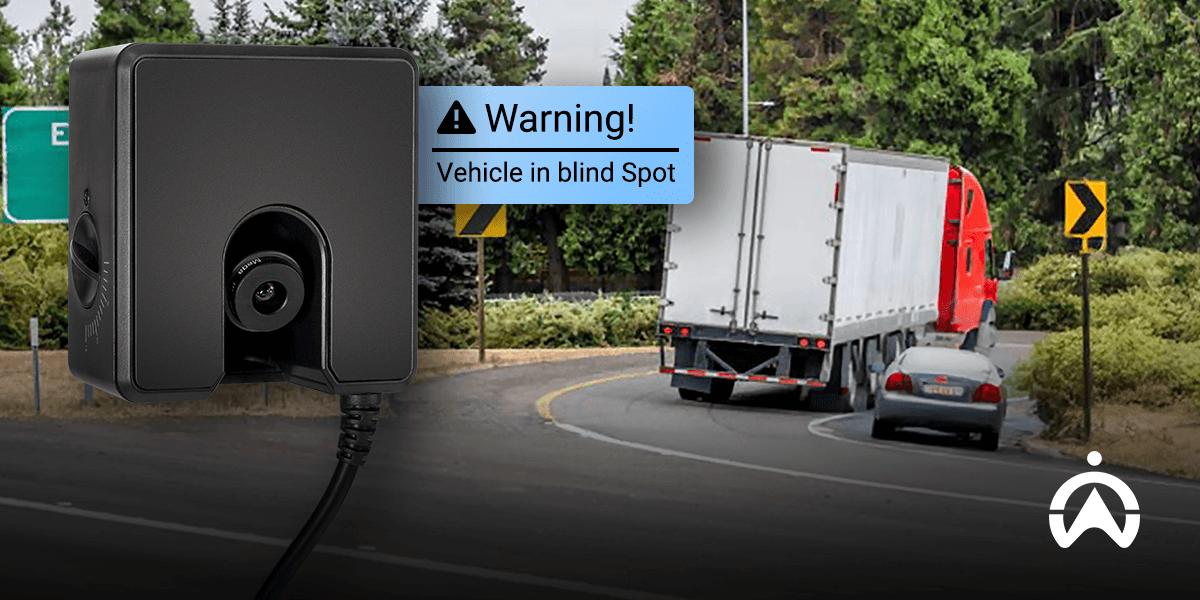
AI camera technology takes driver safety a step further by detecting high-risk situations outside the vehicle (such as blind spots) and giving warnings so drivers can avoid accidents.

Integration with GPS and telematics platforms

As already mentioned, dashcams with GPS and telematics are a must-have! These dashcams combine video recording with GPS tracking, wireless connectivity, and sensors to provide your fleet managers with a comprehensive view of the vehicle as well as driver behaviour. Dashcams for trucks should be able to integrate with your fleet management software platform for reporting, analysis, and coaching.

Night vision

How is your camera view at night or in low light conditions, like when your truck goes through a tunnel? Ensure that the dashcams you get for your fleet of trucks can capture clear and detailed footage in low-light conditions. To achieve this, the camera needs to have sensors and lenses that can detect low-light environments.

Cloud storage

The type of storage a dashcam possesses is directly related to the features you receive. For example, a dashcam with cloud storage allows for real-time access to the footage through LTE or Wi-Fi connectivity. This means you can live-stream from anywhere at any time. Many basic entry-level dashcams lack these advanced connectivity options and therefore don’t support remote access.

Common concerns about dashcams and how to address them

With every large purchase or investment for your business, there are inevitably some reservations. Let’s break down your concerns about truck fleet dashcams and see if we can help you address them:

Driver privacy

In one of our articles, we discuss the importance of ensuring your drivers are comfortable with the use of cameras and striking the right balance between monitoring and privacy. The best practices for this include:

  • asking for consent,
  • informing passengers,
  • creating a privacy policy,
  • limiting access to only authorised personnel,
  • customising camera settings,
  • encouraging driver feedback,
  • and sharing success stories.

Data management

Effective data management and access control are crucial for fleet dashcams. This ensures company privacy, security, and that you meet compliance standards. To achieve this, fleet managers must develop and implement policies that restrict unauthorised access to footage and outline the procedure for securely storing the data.

Cost

The cost of a fleet dashcam service might seem like adding more expenses to your business’s operational costs. However, in the long run, installing dashcams will save your organisation a significant amount of money in the negotiation of accident repair costs, insurance costs, fuel costs, and legal fees. With your costs down, you’ll gain the flexibility to safely add more trucks to your fleet and grow your organisation.

Cartrack AI truck dashcam displaying a warning for a vehicle in blind spot.

How dashcams fit into a broader fleet management strategy

Dashcams are mainly designed to enhance driver safety, provide evidence, and boost vehicle security. They can also strengthen and support other fleet management strategies, such as the following:

  • Fuel management: The GPS and telematics capabilities from fleet dashcams highlight driving behaviours such as long idling, rapid accelerations, and detours. These all increase fuel consumption, so by investing in a dashcam, you reduce the frequency of these fuel-draining habits.
  • Maintenance tracking: Aggressive driver behaviour also increases the chances of vehicle wear and tear. By investing in fleet dashcams that are powered by telematics, you’ll get reports of these tendencies and address them, resulting in proactive maintenance planning. 
  • Coaching: Driver training is a very important aspect of running a successful fleet. As a fleet manager, you can use the video footage to highlight your concerns with each driver and send them for training on how to improve.
  • Reward programs: You can use the information from the camera reports to highlight, recognise, and reward drivers who are showing improvement. This boosts employee morale and helps reduce driver turnover.

Common dashcam questions and how to address them

From data privacy to ease of use, business owners often worry when a new gadget is introduced. Here’s how to move past those common concerns:

  1. Do dashcams work when the engine is off? 
    Yes, some fleet dashcams can be set up to record when the engine is off. This feature is called “parking mode”. It requires a certain type of hardwiring to the vehicle battery or an external power source to be activated. All you need to do is ask your service provider if you have the option to do so.
  1. Is my data secure?
    Ensure that you choose a dashcam service provider that prioritises business privacy to protect your business. Find out about their data-handling processes, security measures, and transparency. Make sure you go for a reputable company that has years of experience in all things related to fleet management.
    ‍
  1. Can I manage video footage across all vehicles easily?
    Yes, with the right dashcam solution, managing video footage across your entire fleet should be possible. This is because of the software’s integration with fleet management platforms, allowing you to access footage remotely, download clips, search and filter footage by date and time, and receive alerts.

Enhancing fleet oversight with Cartrack dashcam solutions

We have camera solutions for fleet vehicles of all sizes. Our dashcams come with standard GPS and telematics solutions, cloud storage, and high video quality. They also work well with other fleet management-related packages. Here are the top solutions we have to offer for your truck operations, as well as other key features you can expect to enjoy with Cartrack’s truck dashcam solutions:

AI Dual Vision

The Cartrack AI Dual Vision camera is both road- and interior-facing. It’s also AI-powered, meaning it can detect distracted driving behaviours such as drowsiness and cellphone use. Once detected, the cameras will give your driver audible real-time alerts so they can immediately correct their actions and focus on the road ahead. Our AI cameras can also detect blind spots and provide your drivers with early forward collision warnings, helping them to avoid accidents.

Coaching

We have a feature on our platform that focuses explicitly on driver coaching. It helps with improving the skills and behaviour of each driver. The Cartrack Coaching solution collects all information from recorded camera and telematics incidents. Then it turns it into understandable data where you can spot the trends among different departments, easily identifying the patterns of each driver.

From there, you can address your concerns with each driver and book them for additional training. The software will show repeated offences as well as the notes left from the previous coaching session to enforce accountability.

Driver Scorecards

As already mentioned, fleet managers need to reward good driving habits. Cartrack has a driver scorecard program that tracks incidents such as speeding and harsh cornering, giving each driver a rating based on the frequency of these incidents. You can use this system to reward drivers with the best ratings, which can help motivate them.

Invest in the Cartrack dashcam solutions for fleet safety and cost reductions!

Dashcams offer more than just extra safety. They also provide valuable insight that can improve overall business operations. With Cartrack, you get a fleet management integrated camera solution all in one platform, making things easier for you. Contact us today and see the difference our camera solutions will bring to your fleet.

Why Business Owners Should Invest in a Truck Camera System

Business owners should invest in truck cameras because they assist in improving the overall safety of their vehicles and cargo. They also provide fleet managers with a full view of what drivers get up to daily. This technology has become the standard in the trucking fleet business, as it also reduces the risks of accidents and improves operational efficiency.

Let’s dive into why a truck camera system is worth the investment and how we, as Cartrack, stand out from the rest in terms of what we offer.

Is a truck camera system good for your fleet business?

Yes, a truck camera is absolutely good for your fleet business! It presents many benefits that help your business improve efficiency, safety, and fleet running costs. By reviewing footage and data, you can make more informed decisions to enhance the overall performance of your fleet.

Let’s have a closer look at some of the key advantages of having a truck camera system:

Enhancing driver accountability and behaviour

It’s no secret that most drivers don’t like the thought of cameras “following them around” while they go about their daily tasks. However, the presence of fleet cameras encourages safer driving habits. They know they’re being watched, and should there be any issues, they’ll be held accountable.

Most fleet cameras have telematics capabilities, meaning they can detect driving habits such as speeding, harsh braking, and excessive acceleration. As a fleet manager, you’ll receive alerts and reports of these behaviours so you can address and educate drivers on better habits.

Some cameras also have AI (artificial intelligence) technology. This means that they can spot when drivers are engaging in unsafe driving habits, such as when they’re looking away from the road. This improves the safety of drivers, as the cameras give off alerts that help them quickly change their actions to avoid accidents.

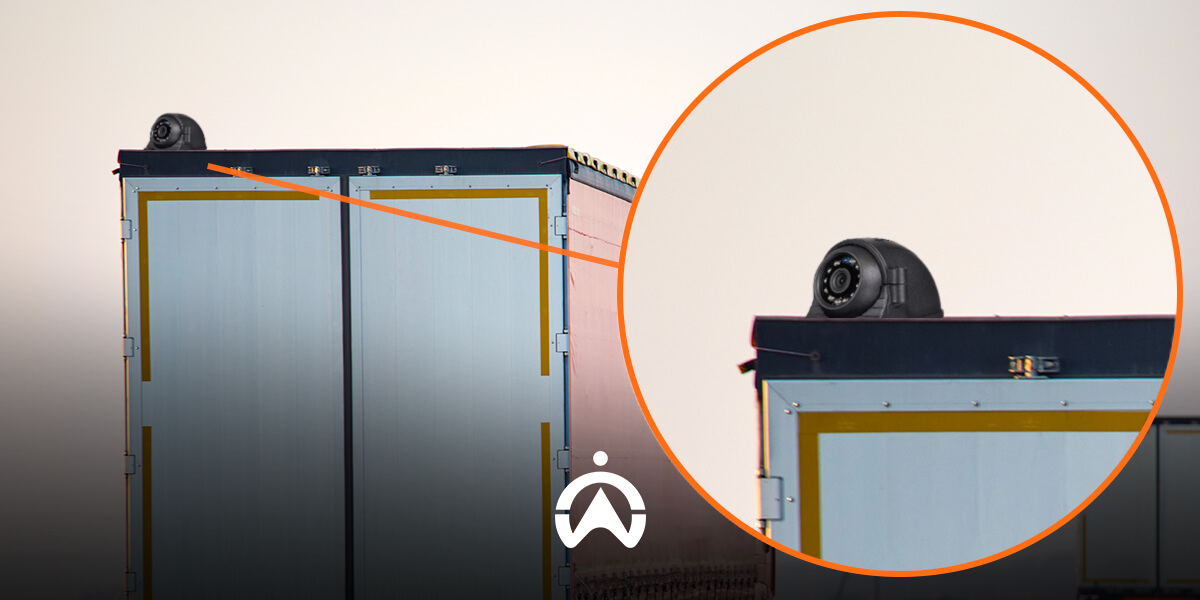
You can also station fleet cameras outside the trucks to cover surrounding areas and inside the load area. This ensures that the cargo is protected and that you can always see if employees are handling it with care.

The evidence presented by video footage and telematics data can be used for coaching drivers and performance reviews to further promote accountability and improve road safety.

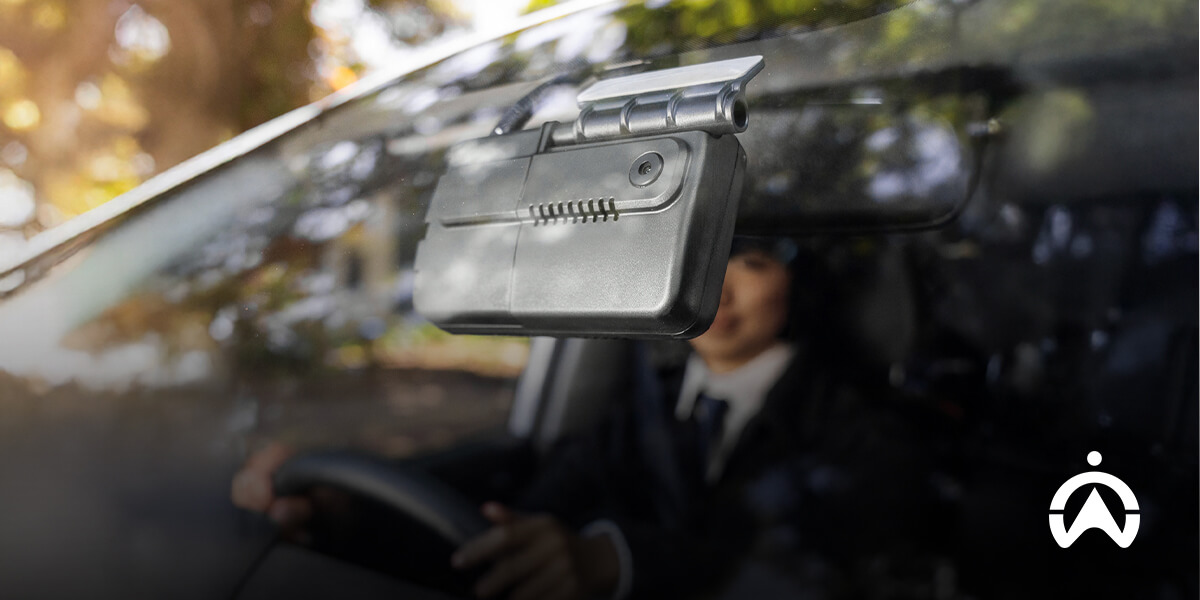
Cartrack truck camera system mounted on windshield, recording driver in suit with sunny view outside.

Protecting your business from false claims

The quickest and most cost-effective way to resolve accident disputes is to have solid proof. With false car insurance claims on the rise in Malawi, a camera system has become increasingly necessary for trucking businesses.

In instances where a fleet driver is not at fault, camera footage is all you need to prove their innocence. The camera footage will reveal the whole scene, from before the incident to during and after. A truck camera system also helps protect your business from the long-winded back and forth. It speeds up the process, saves costs, and protects the company from insurance fraud chancers.

Reducing costs in the long run

From our previous point, we’ve already established how cameras improve driver safety and therefore reduce the chances of accidents through AI and telematics. Fewer accidents lead to fewer unexpected repairs and claims. This then results in lower insurance premiums in the long run, as the company’s risk profile will improve. Good driving habits also reduce vehicle wear and tear, reducing the frequency of vehicle part replacements.

Boosting customer service and delivery accuracy

Cameras present visual evidence of how employees handle products during deliveries and help verify if they arrived on time. Your company’s reputation is what will bring in more clients. It’s therefore essential that you protect it at all costs.

For example, suppose a client complains about product damage. In that case, you review the footage to confirm that the staff loaded the products securely. This keeps the cargo safe from movement that could cause damage to the products. It also helps identify who was at fault and strengthens trust with clients through transparency and accountability.

What to look for in a good truck camera system

A good truck camera system should have a multi-camera setup that provides 360-degree coverage, including the front, sides, interior, and rear end. The camera quality should be clear enough to see finer details, such as faces and license plates. Their standard features should include GPS integration, cloud access and storage, and AI assistance.

Cartrack truck camera system detecting distracted driver holding smartphone inside vehicle.

How can Cartrack truck camera solutions help protect your fleet?

The Cartrack truck camera solutions help shield your fleet from accidents using smart features that enhance fleet oversight. All our fleet camera offerings come with sharp image quality, GPS tracking features, cloud storage, and the ability to live stream footage from anywhere.

Here’s a closer look at the top Cartrack camera solutions for your fleet of trucks:

  • AI Dual Vision: This is a road- and in-cabin-facing camera solution that gives you a clear view of how drivers behave on the road and what they see ahead. As the name suggests, it’s equipped with AI technology that can spot distracted driving. From there, it’ll give out audible alerts so drivers can quickly correct their actions. It also provides blind-spot and forward collision warnings. As a result, drivers will always be aware of their surroundings.
    ‍
  • AI Multivision: Our AI Multi Vision solution gives you the option of installing up to eight cameras in each of your trucks. This gives you a comprehensive view of what happens in and around the vehicles.
    ‍
  • Coaching: The Cartrack driver coaching platform provides fleet managers with detailed insights into the driving patterns of each vehicle operator. It shows repeated offences, based on incidents from camera footage and telematics reports. From there, fleet managers can send drivers for training and use this platform to tackle each concern. The outcomes of the training sessions can be recorded on that same platform, so the previous trainer can see what was discussed with the same driver in the last session.

By offering detailed insight into driver behaviour, helping reduce accidents and unexpected downtime, and meeting compliance regulations, truck camera systems go beyond surveillance. They instead boost overall fleet efficiency. Reach out to us, and explore camera solutions suited to your truck operations.

Frequently Asked Questions about Vehicle Camera Systems

Do truck cameras record everything?

Not exactly. Many truck cameras record everything that happens only when the ignition is on. Some only record when there is a trigger, such as a sudden impact to the vehicle. While others recovered continuously, it all depends on the type of camera it is and the settings. Also, keep in mind that they might only cover specific angles and not everything around the truck.

Which vehicle camera is best for small businesses?‍

The Cartrack AI Dual Vision dashcam works best for small businesses. It offers a good balance of advanced features such as AI assistance for forward collision warnings and speeding alerts. These alerts enhance driver awareness, reduce the chances of accidents, and improve overall road conduct.

How do truck cameras work? ‍

Most truck cameras use a combination of camera lenses, sensors, GPS-based telematics, and artificial intelligence to capture daily trucking activities. The cameras cover different angles of the trucks and all work simultaneously to give fleet managers an all-around view of each vehicle.

Get a customised truck camera quote for your fleet.