Fleet Management for Electric Cars – How to Stop Range Anxiety

Are you tired of rising fuel costs and taxes on CO2 emissions? It might just be time to pull the plug on traditional vehicles and bring your fleet to the future by going electric.

Not only do electric vehicles cut down on operational costs and boost productivity, they’re also environmentally friendly. But there’s one thing holding fleet managers back from completely integrating into a fully electric fleet — it’s a little thing called range anxiety.

In this article, you will:

  • Learn about range anxiety and how to overcome it
  • Get a breakdown of the differences between hybrid and fully electric vehicles
  • Cover potential cost savings methods for managing electric vehicles
  • Explore new advancements in EV battery technology and their impact on the future
  • Learn how to build and maintain your EV fleet with Cartrack as your trusted fleet management partner

The future of electric vehicles

Managing an electric fleet that doesn’t require fuel to run is every fleet manager’s dream, right? However, despite growing interest, a 2019 Kia Motors study found that 80% of fleet managers were held back from making the switch due to range anxiety — the fear of an EV not having enough charge to reach its destination during travel.

Although EVs have come a long way in terms of range, it’s understandable that range anxiety remains a concern for many. But fear not, there are several measures you can take to ease any anxious feelings.

Let’s explore the facts and figures that come along with EV range anxiety and be range-assured.

The two types of electric vehicles

Electric fleets have been a trending topic recently, and we see why. These vehicles can be used in light-duty, medium/heavy-duty and even off-road applications. EVs can match or surpass their gas-fuelled counterparts, plus they’re quieter.

Electric vehicles (EVs) run on batteries and electric motors rather than petrol or diesel fuel like conventional vehicles. Electric vehicles come in two main types – battery electric vehicles (BEVs) and plug-in hybrid electric vehicles (PHEVs).

BEVs are powered entirely by electricity stored in batteries, while PHEVs feature both an electric motor and a regular petrol or diesel engine. Although PHEVs have a longer range than BEVs, they still produce emissions using their internal combustion engines.

When it comes to fleet management, it’s important to consider which type of electric vehicle is the best fit for your needs. For example, if you’re looking to go green and save on fuel costs, a BEV might be the way to go, as they produce zero gas emissions.

However, if you need increased fuel efficiency and a longer range for certain tasks, a PHEV might be a better option. It’s all about finding the right balance for your fleet’s needs.

How do electric vehicles work?

An electric vehicle’s battery powers an electric motor, which turns the wheels to propel the car forward. When the battery is depleted, it needs to be recharged by plugging the car into an electrical outlet or charging station. The battery can be recharged using a standard household outlet, but it will take much longer than using a dedicated charging station.

One cool thing about EVs is that they can also recharge their batteries while driving. This happens when the driver applies the brakes, and the car converts the energy from slowing down into electricity to recharge the battery. This is called regenerative braking.

Overcoming range anxiety

Let’s walk through one of the major challenges of electric vehicles — range anxiety.

With all the benefits that come along with this type of vehicle, fleet managers have grown worried about whether EVs can get the job done and not die on them in the process.

Simply put, range anxiety is the fear of whether EVs have enough energy stored to cover the distance of their journey. This growing EV anxiety seems to be the number one reason most fleets have not migrated to a fully electric fleet, plus the concern that the initial transition will be too costly for some businesses.

How did range anxiety start?

The fear of EVs was sparked when its primary models, despite being fully charged, showed a low mileage range. This created a poor reputation within the transportation industry.

Charging vehicles had to be considered before the EVs could hit the road to complete daily tasks, and drivers were often finding that they couldn’t get much more than 112 km from a fully charged battery, so the question is, “How often does the fleet have to pause production just to charge?”. The irregular mileage per full battery did worse for their already poor reputation.

Naturally, no fleet manager wants to stress about rescuing stranded drivers and retrieving broken-down corporate vehicles. But when it comes down to it, if you’re thinking about going electric, should a lack of battery range be a significant concern? And what can you do to avoid it?

Improvements in EV battery technology

Since the first mode, EV batteries have been improved to last longer and charge faster. Here are the current stats on the estimated vehicle range of over 321 km on a few EVs:

Light commercial vehicles:

  1. Nissan e-NV200 – up to 275 km
  2. Renault Kangoo ZE – up to 200 km
  3. Peugeot Partner Electric – up to 275 km
  4. Citroen Berlingo Electric – up to 275 km
  5. Mercedes-Benz eVito – up to 150 km

Heavy trucks:

  1. Tesla Semi – up to 800 km
  2. Freightliner eCascadia – up to 400 km
  3. Volvo VNR Electric – up to 240 km
  4. Peterbilt 579EV – up to 320 km
  5. Kenworth K270E and K370E – up to 240 km

Factors that impact EV range

A major factor in range anxiety was the lack of charging infrastructure, but in countries that struggle with power outages and power availability, unfortunately, this strengthens EV anxiety.

Countries like America have taken initiatives to build more charging stations to meet demand, and motor companies like Ford are also supporting the expansion of charging infrastructure.

Besides resource availability, other factors that impact the EV range come down to three other major categories:

Driving behaviour: With traditional fuel vehicles, negative driving habits can reduce fuel economy, the same can be said about electric vehicles. Speeding, harsh braking, and quick acceleration all consume extra energy, resulting in less range and increased vehicle wear and tear.

Weather and vehicle temperatures: Temperature is one of the most reported causes of restricted range, however, it is frequently misunderstood. Lithium-ion batteries operate poorly in low conditions, but EVs have advanced battery thermal management systems that keep them at ideal temperatures. Some energy is consumed by these systems, but most of any range loss is caused by energy used by an air conditioner to heat up or cool down the vehicle’s interior.

Longevity: Much like the batteries in our cellular devices, all rechargeable batteries eventually lose their ability to store their full energy potential, this reduction in durability is referred to as battery degradation. For an EV, this coincides with reduced range over time.

Fortunately, data shows that this decline in battery health is only 2.3% a year, simply meaning an EV with a 434 km range would have an effective range of around 363 km after about seven years.

Doesn’t data like this ease your fears about EV range? Below are additional ways to reduce range anxiety within your fleet.


What can be done to reduce range anxiety?

Buying electric vehicles can be a challenge, especially for businesses with range anxiety. But there are several ways you can ease this concern.

1. Providing driver training

Your drivers are the key to getting the most range out of your EVs. Improving driver behaviour by training your drivers in economic driving practices like avoiding idling, maintaining normal speeds and avoiding abrupt acceleration or stopping can lead to reduced wastage of vehicle resources and negatively impact energy economy and range.

2. Planning ahead

Optimise charging schedules to ensure EVs are job-ready at the start of every shift. Even fast-charging stations can take up to 30 minutes to fully power a standard electric vehicle, so understanding where charging stations are along scheduled routes and dedicating recharging times to assist with range anxiety is crucial. Driver training mentioned above also helps with sustaining energy by encouraging drivers to make appropriate use of regenerative braking, which sends excess vehicle energy back to your EV’s batteries while you slow down, ensuring increased EV range as they drive.

3. Keeping vehicles well maintained

A thorough preventative maintenance routine keeps fleet operating expenses low. Maintaining proper tyre pressure in the case of EVs, for example, can help you get the most mileage out of each charge. Keeping your EV’s tyres under-inflated can cause a significant decrease in mileage. Every one pound per square inch (PSI) decrease in tyre pressure leads to a 0.4% decrease in mileage. To maximise your EV’s range, it’s important to know the recommended PSI for your tyres and check them regularly, as tyre pressure can fluctuate by one PSI for every ten degrees Fahrenheit change in air temperature, therefore schedule tyre pressure inspections as the seasons change.

4. Support EV drivers with real-time data

Once drivers take their electric cars on the road, you’ll want to reassure them that they’re not alone. Monitoring vehicles’ state of charge allows managers to prevent vehicles with low charges from running out of energy. Also, fleet managers can monitor EV charge levels and update routes to point drivers to nearby charging stations in case they need to reroute or recharge unexpectedly.

Maintenance costs of an electric fleet

As a fleet manager, it’s important to consider the maintenance and cost of electric vehicles compared to traditional gasoline or diesel vehicles.

One major advantage of EVs is that they have fewer moving parts than traditional vehicles, which means less maintenance. For example, EVs don’t need oil changes, spark plug replacements, or cam belts. Instead, regular maintenance for EVs includes:

  • Brake inspections
  • Tyre rotations
  • Checking the battery’s health

Which brings down their maintenance expenses to a minimum. So, what about fuel costs? EVs are generally cheaper to fuel than traditional vehicles since electricity is typically cheaper than petrol or diesel.

Sounds good so far, right?

But, there is one setback. When it comes to the upfront cost of purchasing EVs, they can be more expensive than traditional fuel vehicles, but some factors can decrease that cost. Many European countries, like the UK and France, offer incentives such as tax credits, rebates, low-emission zones (LMZ) and free parking spots for electric vehicles. Additionally, EVs have lower operating costs than traditional vehicles because of the cheaper price of electricity compared to gasoline, and their minimal maintenance due to fewer moving parts. All these factors can offset the running price over time and make EVs more cost-effective.


Additionally, EVs obviously have lower emissions than traditional vehicles which helps fleet managers meet sustainability goals and comply with local emissions regulations.

Fleet managers may need to invest in workplace charging stations, or use public charging spots. While private charging stations can involve some upfront costs, many public charging stations offer free charging, if not, fleet managers won’t spend that much, as the current cost of electricity for commercial customers is often much cheaper than fuel prices per litre.

Charging options in EVs that ease range anxiety

Here are five recent developments in EV battery technology that fleet managers should put on their radar.

  1. Solid-State Batteries: Solid-state batteries are a promising new technology that replaces the liquid electrolyte used in traditional lithium-ion batteries with a solid electrolyte. This makes the battery safer and more stable, with a longer lifespan and higher energy density. Companies like Toyota and Solid Power are currently working on developing solid-state batteries, with some expected to be ready for use in EVs in the next few years.
  2. Silicon Anodes: Anodes are a key component of lithium-ion batteries, and recent research has shown that replacing the traditional graphite anode with one made of silicon could significantly increase energy density. Companies like Tesla, are currently working on developing silicon anodes, which could lead to EVs with longer ranges and shorter charging times.
  3. Recycling: As EV production increases, so does the need for battery recycling to reduce waste and recover valuable materials like lithium and cobalt. Many companies, including Tesla and Volkswagen, have announced plans to build recycling facilities, and new technologies like hydrometallurgy and pyrometallurgy are being developed to make the process more efficient.
  4. Battery Swapping: Battery swapping is a technology that allows drivers to exchange their depleted EV battery for a fully charged one at a charging station. This could potentially reduce charging times and increase the convenience of EV ownership.
  5. Rapid Charging: Charging times for EVs are improving rapidly, with many new models able to charge to 80% in less than 30 minutes using fast-charging technology. Companies like Ionity, which is a joint venture between BMW, Ford, Volkswagen, and Daimler, are building a network of fast-charging stations across Europe to support long-distance EV travel.

There is no doubt that the future of EVs is bright, and as technology continues to improve, we can expect to see even more impressive advancements in the years to come.

How can a fleet management system help you get the most out of your electric vehicles?
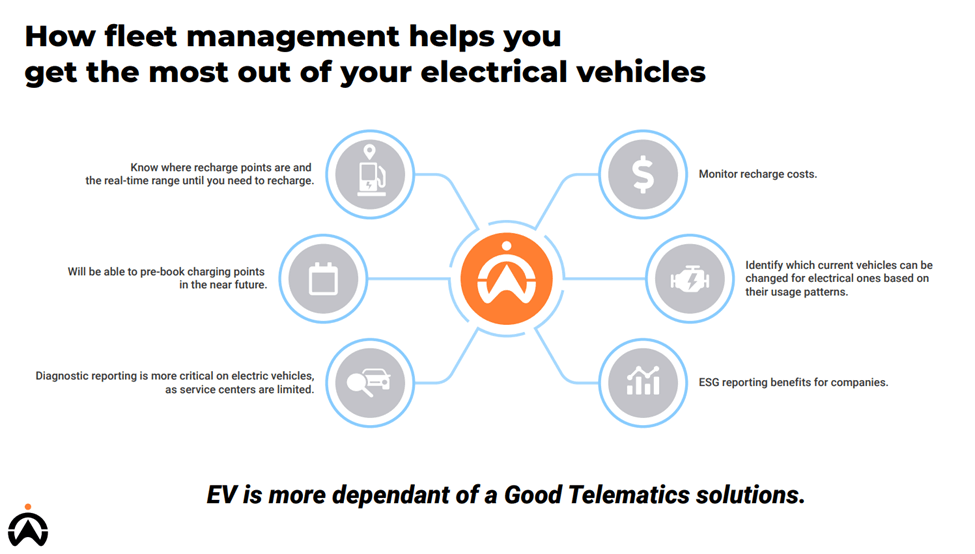

Fleet management can help fleet managers by providing real-time data on vehicle performance, battery life, costs and more. Companies that provide complete fleet management solutions, like Cartrack, can help fleet managers understand vehicle insights and fully optimise their fleets.

Our battery management solution provides real-time monitoring of the battery’s state of charge and temperature, allowing you to optimise battery life and prevent unexpected downtime.

Our fleet management platform and mobile app offer predictive analytics, which uses historical data and machine learning algorithms to predict when maintenance or replacement of the battery will be needed, reducing maintenance costs and ensuring the longevity of your vehicles.

Cartrack helps you stay compliant with local regulations and ensure your fleet meets sustainability goals. We offer support by informing you of how to take advantage of incentives and subsidies for the adoption of EVs. Many countries, like the USA, provide these incentives and promote the switch from fuel to electric vehicles.

Cartrack eases your range anxiety with smart reports. These reports display your speed while charging and our detailed trip reports show the energy consumed per trip. This information keeps you constantly updated on your range status and offers comprehensive reports through our fleet system so you no longer have to feel anxious about your EV’s range capabilities.

With Cartrack, you’ll have access to all the tools and insights you need to manage your EV fleet efficiently and cost-effectively. Our personalised solutions are tailored to your specific needs, ensuring that you get the most out of your EV fleet. Experience the future of fleet management with Cartrack.

Get fleet management solutions that work

Stay ahead of the competition and get the most out of your electric vehicles with Cartrack’s easy-to-use platform.

Learn how Cartrack can help you optimise your electric fleet for cost savings and sustainability. 

Contact us today for a free quote.

Frequently Asked Questions

Can Cartrack’s platform help plan charging stops during a route?

Yes, Cartrack’s platform can help plan charging stops during a route, with tools that show live tracking with range visibility and charging stations that are along the driver’s route. Route optimisation plays a huge role here; planning your route means taking into account average usage patterns, where charging stations are, and how far you can go.

What impact does fast charging vs slow charging have on battery health over time?

The impact of slow charging and fast charging over time will show that fast charging produces more heat, causing more wear and tear, and slow charging is gentler on the battery. Slow charging will ultimately preserve your EV’s battery life, although fast chargers are often used when a quick turnaround is needed.

How does outside temperature affect EV battery range, and how can a fleet manager monitor this?

Outside temperature affects EV battery range by reducing its performance in extreme weather (hot or cold). In the cold, the battery management system (BMS) heats the battery to keep it at the best temperature, which drains it. In the heat, the battery degrades. The AC cools the cabin to stop the battery’s cooling system from overheating, eating into your range.

Fleet Optimisation: 9 Steps to Success

When it comes to fleet optimisation, there are 9 steps to success. These are assessing your current fleet’s performance, setting clear optimisation goals, using real-time tracking & telematics, optimising your routes and schedules, managing your drivers’ behaviours, adopting predictive maintenance, right-sizing and future-proofing your fleet, and finally, tracking your total cost of ownership.

With fuel prices constantly rising and operational costs squeezing margins, using fleet optimisation is essential for your fleet’s survival. In Malawi, many businesses are adopting fleet management and GPS tracking systems to improve efficiency, reduce fuel usage, and stay competitive. If your fleet isn’t optimised, it risks falling behind.

So, how do you take charge? How do you streamline every kilometre, every drop of fuel, and every hour your vehicles hit the road? The answer lies in nine practical steps designed for real fleets, backed by data, supported by Cartrack and proven to deliver results.

Let’s break it down.

What is fleet optimisation?

Fleet optimisation is the use of data, technology, and expert planning to get the most mileage from your fleet while keeping costs in check. It’s about more than just managing vehicles; it focuses on boosting efficiency, ensuring safety, and saving money. The goals include reducing fuel waste, minimising vehicle downtime, and optimising your fleet.

Step 1: Assess your current fleet performance

The first step before you can make improvements is to assess your fleet’s current performance. A fleet assessment gives you a baseline to compare against, so you understand exactly where inefficiencies hide—fuel, idle time, routing, or driver behaviour. Without data, you’re guessing. With data, you’re in control!

What should you measure?

Start by reviewing the metrics impacting your bottom line:

  • Fuel consumption per vehicle
  • Idle time vs. productive time
  • Driver behaviour: speeding, harsh braking, harsh acceleration
  • Route efficiency and mileage
  • History of maintenance and downtime
  • Fleet utilisation rates

Local insight

According to fleet management insights, fuel and maintenance often make up the largest portion of total fleet spending. For many fleets, these costs outweigh labour and administration. If you don’t track fuel usage and maintenance properly, your business could overspend without even realising it.

Step 2: Set clear optimisation goals

The second step to fleet optimisation success is to set clear optimisation goals. Data is great, but having a clear direction is even better. Well-defined goals help you track success and share your vision with your team. Whether you’re aiming to reduce fuel usage, cut downtime, or boost job completions, measurable objectives keep everyone accountable and motivated.

Questions to ask when setting goals

  • What does success look like for your fleet?
  • How can you reduce breakdowns?
  • How can you save between 10% and 15% on fuel costs?
  • Is productivity at the front of your mind?
  • Are sustainability and ESG reporting important?

Step 3: Leverage telematics & real-time tracking

Step three is to leverage telematics and real-time tracking. You can’t optimise a fleet you can’t see. With real-time vehicle tracking, you keep an eye on drivers, safety, fuel waste, and every kilometre travelled. This isn’t just monitoring; it’s insight that empowers you to make decisions instantly, rather than waiting for those month-end reports.

Benefits of telematics

  • Live vehicle location
  • Route deviation alerts
  • Driver behaviour monitoring
  • Idle time tracking
  • Instant alerts – theft, speeding, fuel waste
  • Precise recording of trip history & mileage.

Local insight

Malawian fleet owners face challenges like crime, poor road conditions, and rising fuel costs, making visibility of these factors essential. In fact, 75% of fleet managers agree that real-time tracking boosts operational efficiency directly.

Cartrack’s role in step 3

Cartrack gives fleet owners full visibility in real time: GPS tracking, driver behaviour monitoring, trip history, and instant alerts for fuel waste, theft, or unauthorised use. With live data at your fingertips, you’re not reacting to problems—you’re preventing them before they impact your bottom line.

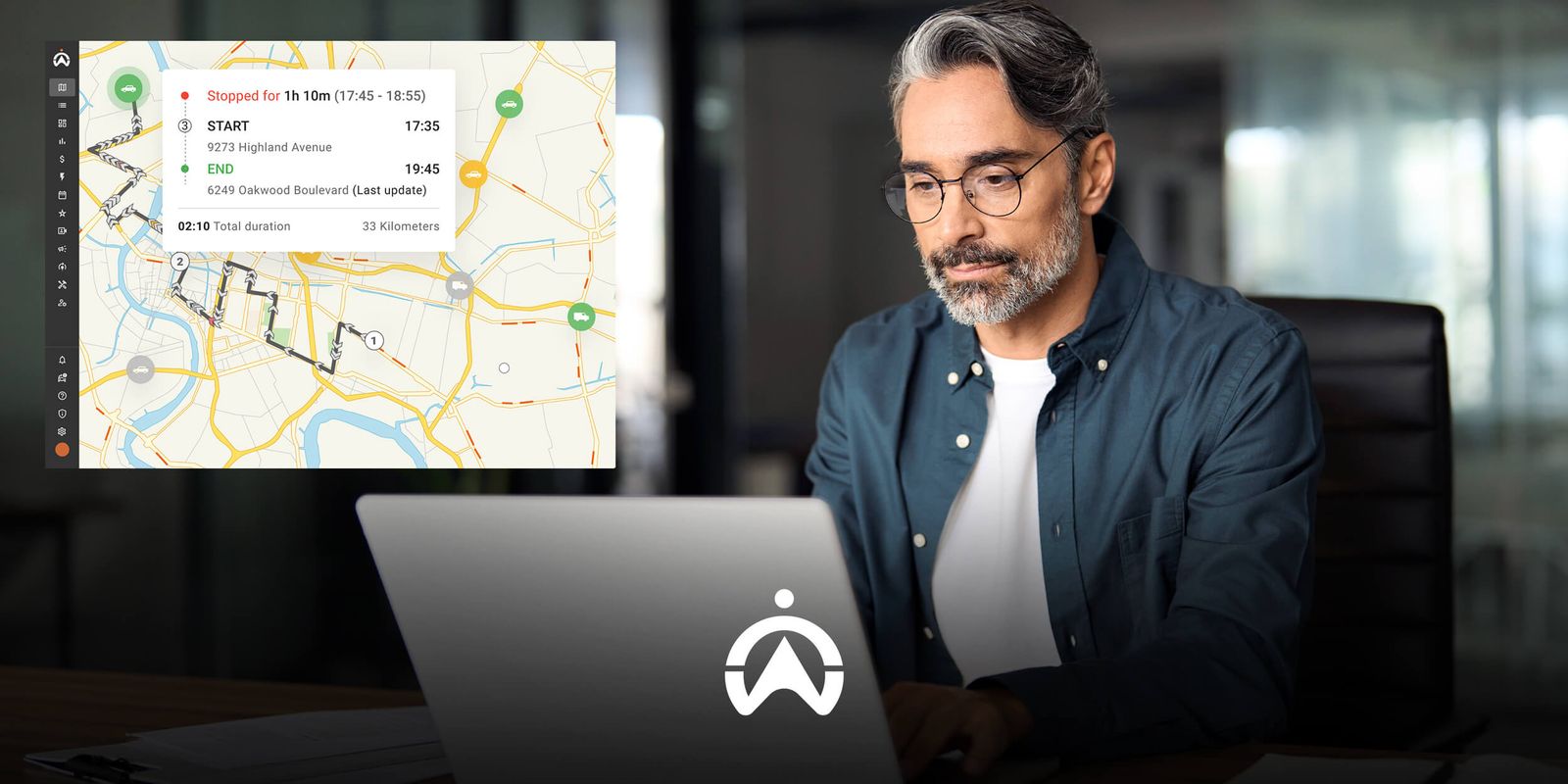
Team reviewing fleet data beside vehicles to support fleet optimisation.

Step 4: Optimise routes & scheduling

Smart routing is one of the fastest ways to save money. Every unnecessary kilometre adds to fuel costs, time on the road, and vehicle wear and tear. With effective route planning, you can get the same number of vehicles to complete more jobs—and that means more profit!

Smart routing tactics

  • Group jobs by location
  • Leverage historical traffic data
  • Plan routes around delivery windows
  • Steer clear of hotspots and high-risk areas

Cartrack automates all of these processes for you with an all-in-one, easy-to-use platform! 

Local insight

Fleets can significantly reduce total kilometres travelled through route optimisation—without adding extra vehicles or drivers, simply by using smarter planning. This approach can help fleets in Malawi improve efficiency and reduce operational costs.

Cartrack’s role in step 4

Cartrack’s route optimisation tools enable dispatchers to plan the most efficient routes according to traffic patterns, client locations, and delivery windows. Jobs are assigned quickly, kilometres are reduced, and each vehicle is able to complete more work in less time without the need for adding more vehicles to your fleet.

Step 5: Implement driver behaviour management

You need to implement driver behaviour management because your drivers are your largest expense, but they’re also your best chance for improvement. Just a few small changes in behaviour can result in significant fuel savings, fewer accidents, and extended vehicle lifespans. Telematics goes beyond monitoring; it actively coaches your drivers.

Key behaviours to track and improve

When implementing driver behaviour management, these are the behaviours you need to start tracking and improving upon:

  • Harsh braking and acceleration
  • Speeding
  • Idling time
  • Gear misuse and excessive revving
  • Route deviations

The bottom-line impact

Studies have shown that a change in driving style alone can contribute to fuel consumption reductions of up to 15%. And fewer accidents mean far less unplanned downtime and fewer insurance claims.

Cartrack’s role in step 5

Cartrack’s driver behaviour analytics give you clarity into how your team performs behind the wheel—from harsh braking to speeding and excessive idling. With real data, you can coach drivers, reward good performance, and amplify road safety while cutting fuel waste.

Step 6: Use preventative maintenance

Step six is to start using preventative maintenance, so instead of waiting for things to break, you’ll anticipate them. Predictive maintenance uses data to track component wear, vehicle health, and service needs. This prevents breakdowns, extends vehicle lifespans, and keeps fleets on the road.

Don’t just repair—PREVENT!

Things you should be monitoring closely are:

  • Engine fault codes
  • Usage hours & odometer data
  • Brake wear
  • Tyre health
  • Battery performance
  • Service intervals

Cartrack’s role in step 6

Cartrack’s software automatically monitors odometer readings, fault codes, battery health, and service intervals—so you know exactly when a vehicle needs attention before it breaks down. This is achieved through predictive AI, which gathers and analyses the data in real-time, and then it provides an understanding of the equipment’s current condition.

So rather than you having to react to repairs, you can schedule maintenance earlier and reduce unplanned downtime across your fleet.

Step 7: Rationalise fleet size & structure

When it comes to rationalising your fleet size and structure, it’s important to remember that not every vehicle belongs in your fleet. Some are overused, some are underutilised and some are simply not the right fit. Right-sizing ensures your fleet matches demand at the lowest possible cost with the best possible performance.

Right-sizing your fleet

When it comes to right-sizing your fleet, these are the factors you’ll need to consider:

  • Utilisation rate per vehicle
  • Total cost per kilometre/TCO (total cost of ownership)
  • Depreciation versus replacement
  • Vehicle lifecycle (age, resale value)
  • Leasing versus owning
  • EV readiness and sustainability goals

Local insight

Operating the incorrect vehicle type under challenging SA conditions results in more repairs, fuel wastage, and downtime. The right vehicle is not always the cheapest; rather, it’s the one with the best total cost of ownership.

Cartrack’s role in step 7

Cartrack reports identify underperforming vehicles, overworked assets, and true cost per kilometre for every unit in your fleet. These help inform decisions relating to replacements, leasing options, and asset rotation—ensuring every vehicle delivers real ROI.

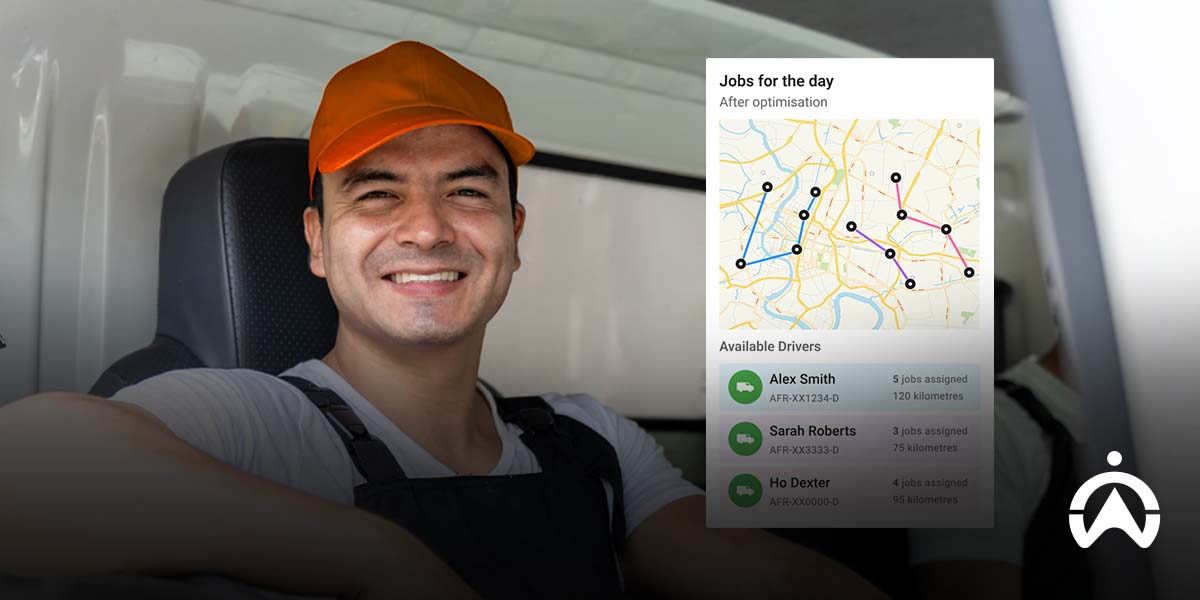
Delivery driver viewing optimized jobs interface for fleet optimisation.

Step 8: Track total cost of ownership (TCO)

Step eight requires you to track the total cost of ownership. Remember, fuel alone doesn’t paint a complete picture. TCO follows every single cost associated with every asset over its lifetime—from fuel to insurance to admin to downtime. This helps managers decide which assets to retire, which to keep, and which to invest in next.

What should be included and considered?

To track the TCO, include:

  • Fuel and maintenance
  • Depreciation
  • Insurance
  • Tyres
  • Licensing and admin
  • Accident costs
  • Downtime

Direct costs make up about 80% of total TCO:

  • Depreciation/Leasing: 35–45%
  • Fuel/Energy: 25–35%
  • Maintenance/Repairs: 10–15%
  • Insurance: 8–12%
  • Tires: 3–5%

Indirect costs account for 20%:

  • Corporate Vehicle Tax (TVS): 2–8%
  • Administrative management: 2–4%
  • Downtime due to accidents: 1–3%

Cartrack’s role in step 8

Cartrack brings all the necessary cost data—fuel, maintenance, driver behaviour, downtime, and utilisation—onto one platform. With precise TCO reporting per vehicle, you instantly see which assets are profitable and which are draining your budget. That’s how smart investments get made!

Step 9: Plan for sustainability & future growth

Lastly, you need to plan for sustainability and future growth of your fleet. Sustainability isn’t just an ESG box to tick; all over the world, it’s increasingly tied to profitability and customer expectations. Malawi is only gradually moving toward greener fleet operations, and businesses that prepare now will benefit later.

Green fleet strategies

  • Assess EV readiness (duty cycles, range, charging infrastructure)
  • Use telematics to measure CO₂ emissions or fuel efficiency improvements
  • Replace inefficient assets
  • Use data for ESG reporting
  • Track fuel-efficient patterns.

Why it pays off

There’s an increased trend by customers to favour those suppliers that have a sustainability strategy. Companies that get ready now will be better placed to win contracts and achieve higher scores in tender evaluations over the coming years.

Your fleet’s future starts now

Fleet optimisation doesn’t need to be a complete overhaul right from the get-go. Sometimes it’s as simple as improving just one metric, one route, one driver, or one vehicle. But as the data starts telling its story, you’ll see even more opportunities month after month on how to save money, improve, and grow.

The simple truth is this: the answers are already there in your fleet. The data is available. Your next step is to collect, analyse, and act on it.

Ready to optimise your fleet?

Start with a fleet audit, or speak to our team at Cartrack that works with Malawian fleets every day!

FAQs

What is the difference between fleet management and fleet optimisation?

The difference between fleet management and fleet optimisation is that fleet management focuses on daily operations like keeping vehicles running, drivers compliant, and routes assigned. Whereas fleet optimisation uses data, automation, and insights to enhance performance, cut costs, and boost efficiency across the whole fleet.

Can small or growing businesses benefit from fleet optimisation, or is it only for larger fleets?

Yes, small or growing businesses benefit from fleet optimisation. Smaller fleets can generate valuable data that reveals fuel waste, poor routes, and idle time. With scalable tools like Cartrack, small businesses can start optimising operations early on, growing smarter without overspending.

How do you calculate ROI on fleet optimisation technology like telematics and AI tools?

You can calculate ROI on fleet optimisation technology like telematics and AI tools by comparing your operational costs before and after implementation. Look at the savings from reduced fuel use, fewer breakdowns, lower insurance claims, and boosted productivity. Subtract your tech investment from those gains, and you’ll see your return on investment.

AI-Powered SaaS Solutions for Your Fleet

AI-powered SaaS (software as a service) solutions for your fleet are the best way for you to transform how you run it. SaaS lets you access software online through a subscription, meaning you no longer have to worry about managing complex software and hardware. Avoid hefty upfront costs. Instead, get scalable tools and immediate access to AI-powered automation and insight.

The numbers don’t lie: a recent report shows that 52% of fleets are convinced that predictive maintenance with AI can cut down vehicle downtime. This shows not only the trust fleet managers have in AI-powered SaaS solutions, but also exactly how they save you time on admin tasks, make your drivers safer, and help you make more informed decisions.

In this blog, you’ll get a clear picture of what AI-powered SaaS tools can do, whether they provide value for your fleet, and why Cartrack is the number one SaaS provider.

What makes a SaaS platform “AI-powered” today?

What makes a SaaS platform ‘AI-powered’ today is the implementation of machine learning and automation processes. Trying to manage fleets using manual techniques and spreadsheets makes operations almost impossible to control, highlighting the need for AI influence in SaaS. This is what takes the complexity out of daily tasks and insights.

AI-optimised SaaS tools don’t just show data; they interpret and take action using those insights. This feature is crucial for busy fleet managers who are already balancing heavy workloads, cost issues, and regulatory demands.

Look at how AI-powered SaaS improves fleet management:

  • Continuous, automated optimisation: The system takes note of all driving patterns and the way each vehicle operates so that it can recommend proactive maintenance alerts or general trigger notifications.
    ‍
  • Real-time data processing: Features like GPS tracking and driver events are analysed in real time, not being delayed or processed at a later stage.
    ‍
  • Intelligent automation: Tasks and reports are managed automatically, which means there’s less chance of human error, and processes like scheduling or maintenance reminders are easy and efficient.
    ‍
  • Predictive and preventative functions: The AI part of SaaS uses its smart capabilities to predict when a vehicle might need maintenance—before expensive downtime or dangerous incidents happen.

Why are fleets turning to AI-driven SaaS solutions now?

Fleets are turning to AI-driven SaaS solutions now because managers are facing immense pressures every day, from the rising fuel prices and servicing costs to compliance and safety. It’s a necessary tool, especially if you’re looking to tackle these challenges in the most efficient way.

AI-powered solutions are your key to shifting from reactive to proactive decision-making, with the backing of collected insights and data. Additionally, SaaS, being a cloud-based tool, makes it a powerful and accessible solution for businesses of all sizes. The technology is business-grade, doesn’t need intense setup, and has a subscription model that’s perfect for your fleet.

Are AI-powered SaaS tools difficult to adopt?

No, AI-powered SaaS tools aren’t difficult to adopt; in fact, that’s a popular myth. These tools are quite simple and should be user-friendly if implemented correctly and strategically, with the help of a little onboarding. Unlike traditional software, you’ll notice quicker adoption, automatic updates, less admin hassle, and no need to get used to the tech before reaping the benefits.

Today’s AI SaaS tools offer some of these:

  • Cloud-based access: You don’t really need a major installation, so access from your laptop or smartphone is quick and easy.
    ‍
  • Plug-and-play hardware: Again, no major installation, so fitments are quick and immediately connect to the software.
    ‍
  • Simple dashboards: Notifications come in on time and are clearly reflected on the dashboard.
    ‍
  • Integrated onboarding and support: No need for IT specialists just to get the ball rolling. Your provider should offer you training and onboarding, with regular ongoing training.
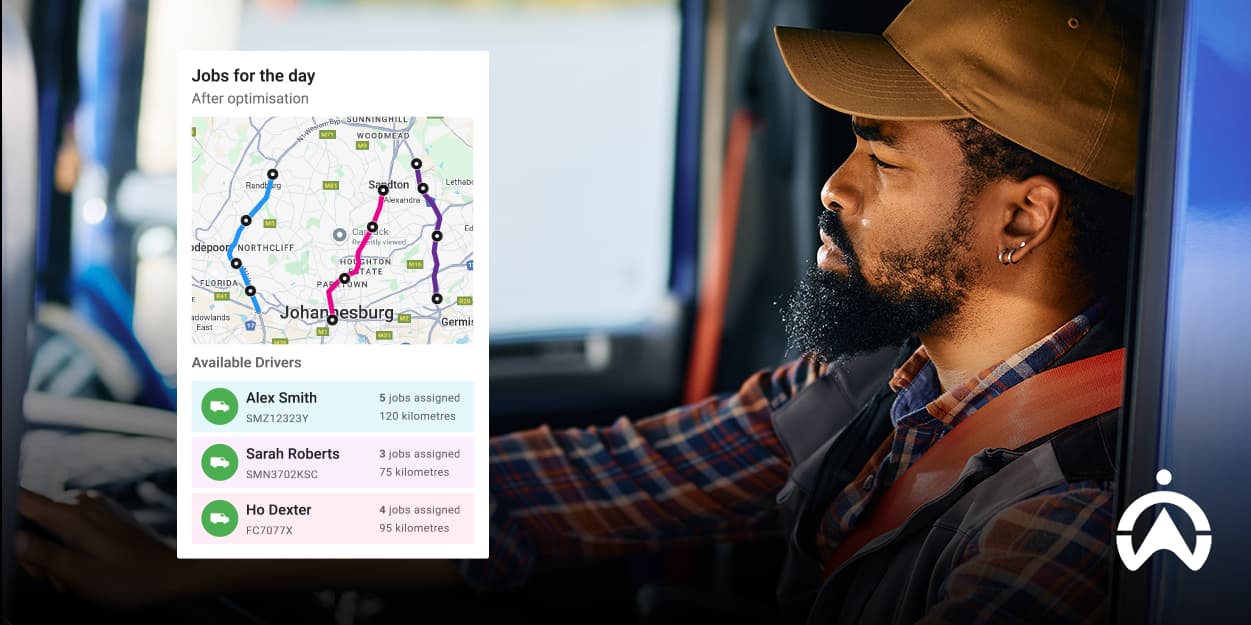
Driver viewing jobs and routes on screen powered by AI-powered SaaS solutions.

Core functions of an AI-powered fleet SaaS platform

Core functions of an AI-powered SaaS platform include smart routing and dispatching, downtime prevention, and automation. It’s so much more than just tracking vehicles or storing data. Combining these tools helps fleet teams operate more swiftly and more accurately.

Here are the main functions that make AI SaaS stand out in everyday fleet operations:

Automated operational insights

Traditional systems might only tell managers what’s already happened, but AI-powered SaaS systems show you what’s happening right now and what really deserves your attention. The system learns what risks matter most to your fleet so you’re not bombarded with alerts.

  • It highlights operational obstacles as they happen
  • It prioritises issues from most urgent to least, so you can prioritise

This means less time putting out fires and more time for planning for the next potential crisis.

Predictive maintenance and downtime prevention

Rather than taking a one-size-fits-all approach to maintenance, use real data on your vehicles to signal when they need attention. This way, you can fix what truly needs fixing at the right time, which saves you money.

  • It helps you avoid unnecessary repairs by spotting potential issues early
  • It makes your servicing schedules more efficient and effective

All of this leads to fewer accidental breakdowns and a more productive, longer lifespan for your vehicles.

Smart route planning and dispatching

AI draws on live insights to create smart routes that consider everything: fuel efficiency, customer priorities, driver habits, and the type of vehicle you’re using. This means realistic routes that align with your operational goals.

  • Routes get updated automatically if there’s a delay
  • It simplifies job dispatching with automated workflows

Deliveries are smoother, faster, and more cost-effective.

Driver performance intelligence

AI systems enable you to coach drivers more objectively and proactively, looking at trends and suggesting improvements based on actual insights and event-based feedback.

  • It helps you identify potential problems early, reducing the chance of accidents
  • It supports coaching with actual data, ensuring no one gets treated unfairly

This results in fairer performance oversight and fewer insurance claims.

Intelligent cost control

Prices are constantly on the rise, meaning you need more than just a record of your costs. It’s important to understand what’s driving expenses up and how to tackle them. AI systems track your spending and give you a forecast of when your budget might tighten.

  • It flags avoidable costs, like idling or vehicle misuse
  • It provides a forecast of your fuel and maintenance spending based on current patterns

In the end, this moves your fleet budgeting from reactive to a proper, prepared strategy.

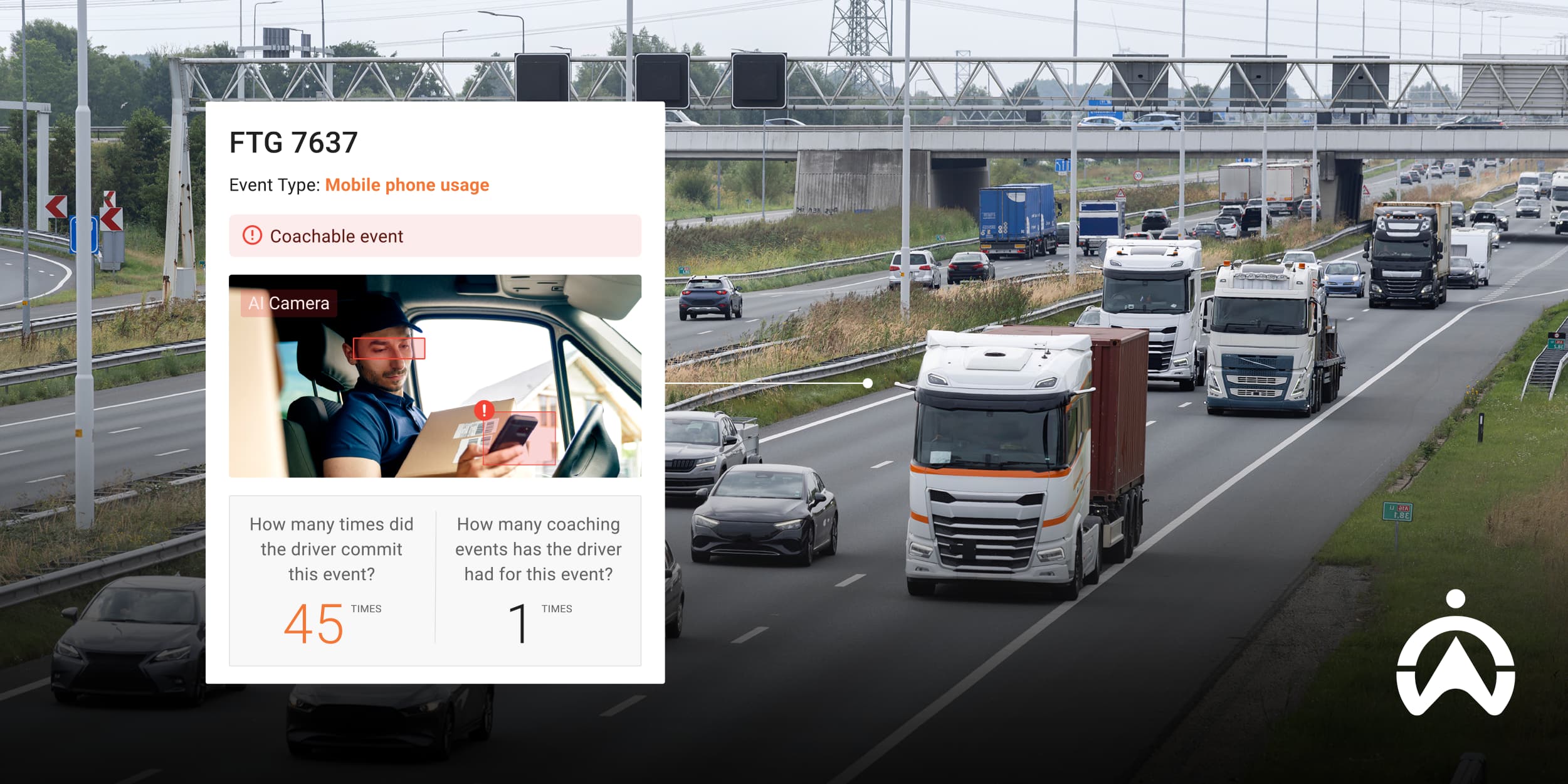
Dashboard showing driver phone usage data powered by AI-powered SaaS solutions.

Choosing the right AI-powered SaaS platform for your fleet

Choosing the right AI-powered SaaS means looking at key features that include user-friendliness, clear pricing, and smooth integrations. The focus should be to look beyond just the dashboards and data exports, and focus on whether the system actively helps you run a safer, more efficient, more profitable fleet.

The right system should focus on these features:

  • Data accuracy: Accurate data collected from the vehicles is the only way to ensure reliability in insights and automation.
    ‍
  • Ease of use: The best platform should be simple to navigate with minimal training and no need for internal IT personnel.
    ‍
  • Depth of insights: Insights should be interpreted, not just data presentation, or just showing numbers.
    ‍
  • Integrations: Your AI SaaS should be compatible with other third-party systems, like payroll systems.
  • Local support : Support that’s specific to your region is key, especially in the case of an emergency. Hands-on expertise is the way to go.
    ‍
  • Transparent pricing: The costs should be very clear from the start, with no surprises or hidden fees.
    ‍
  • Security and uptime reliability: As the platform runs in real time, keeping data safe and ensuring stability are crucial for smooth operations.

FLOWCHART: “Is this AI-SaaS platform right for my fleet?”

Use these questions and the accompanying flowchart as a quick checklist when evaluating vendors. If your answer doesn’t move you forward, the platform may not be the right fit.

Step 1: Does it offer live insights, not just delayed reports?
→ If no, it’s outdated. If yes → Step 2
‍

Step 2: Does it automate tasks you currently do manually?
→ If no, limited value. If yes → Step 3
‍
Step 3: Can it adapt to your fleet growth and industry needs?
→ If no, consider alternatives. If yes → Step 4
‍

Step 4: Does it include strong risk, cost, and compliance features?
→ If yes → Suitable platform.

Why Cartrack offers a stronger AI-powered SaaS experience

Cartrack offers a stronger AI-powered SaaS experience because it’s a game-changer, offering a fully connected system that delivers results without the need to juggle multiple suppliers. At Cartrack, we combine precise telematics, smart predictions, and automated workflows into one tidy platform, giving you the tools you need to reduce risks and simplify daily tasks.

It’s all about reaping real benefits. Cartrack offers local expertise and a 24/7 service team with continuous support and quick responses to tech issues, meaning you won’t be left waiting for help from a distant call centre.

By choosing a single platform that covers everything, businesses skip the trouble and costs of cross-platform confusion and duplicated work. With Cartrack, your fleet can get a reliable and holistic system that evolves with you, ensuring smarter business decisions without the extra stress.

Final takeaway

AI-powered fleet SaaS isn’t just a distant dream; it’s transforming businesses today. Companies using these tools gain a competitive edge with lower costs, reliable vehicles, safer drivers, less paperwork, and smarter decision-making.

As a potential partner, Cartrack can provide you with an all-inclusive AI SaaS platform with reliable data accuracy and measurable outcomes. We provide the essential tools that genuinely elevate a business from good to great.

See how AI insights can save you time, fuel, and admin. Make smarter fleet decisions and try Cartrack’s platform now.

FAQs

What is the 3-2-2-2 rule of SaaS?

The “3-2-2-2” rule of SaaS refers to a handy guideline or growth model for businesses, suggesting how to maintain healthy growth. The model suggests the following: triple your revenue for two years, then double it for three. This model was created in the hopes that a business with a solid grounding could grow immensely within 5–7 years.

Does using AI-driven fleet software require technical skills?

No, using AI-driven fleet software doesn’t require technical skills. Modern AI-powered fleet SaaS platforms are built for everyday users, with intuitive interfaces and plug-and-play abilities. Most staff should be able to figure these systems out without needing to call IT; onboarding support and training are usually part of the package.

Can AI-powered SaaS integrate with my existing business systems?

Yes, AI-powered SaaS can integrate with your existing business systems, including maintenance schedules, ERP or payroll systems, and other tools. This integration makes workflows smoother, as you won’t need to juggle separate apps or process data manually.

5 Fleet Maintenance Tips You Will Use Every Day

The five ways in which you can keep up with fleet maintenance are:

  1. Performing routine inspections
  2. Following scheduled service dates
  3. Training your drivers
  4. Maintaining accurate records
  5. Investing in predictive maintenance technology.

Following these five steps reduces frequent breakdowns, accidents, and the costs associated with repairs and downtime.

According to recent studies, the implementation of preventative maintenance strategies results in a 50% decrease in downtime, a 40% decrease in maintenance costs, and a 60% decline in equipment failure rates. The strategies include measures such as the ones we’ve outlined in this article. So read along and see which step you’re missing in your maintenance routine. 

The 5 daily maintenance tips to keep your fleet running smoothly

The five daily maintenance tips you can use to keep your fleet running smoothly are:

  1. Conducting daily inspection
  2. Sticking to service schedules
  3. Keeping an eye on vehicle health through maintenance technology
  4. Training your drivers
  5. Keeping accurate maintenance records

Together, these tips help you reduce the frequency of vehicle breakdowns and save costs.

Here’s a detailed breakdown of the importance of each method:

1. Conduct daily vehicle inspections

Performing vehicle inspections daily is crucial to ensuring driver safety. It also ensures that worn-out parts are noticed before they cause accidents or breakdowns. Your drivers must conduct these inspections before starting a trip and at the end of each day after completing all jobs.

Before starting a trip, your drivers must check essential components like tyres, brakes, mirrors, fluid levels, lights and dashboard warnings. They should also look under the vehicles for any leaks or other vehicle components that might be hanging out.

For post-trip inspections, your drivers must look for damage that may have developed during trips, like steering mechanisms, parking brake systems, mirrors, windscreen wipers, and tyres.

2. Stick to preventive maintenance schedules

Taking your vehicles in for servicing within the recommended time periods prevents future costly repairs due to mechanical failure and helps sustain vehicle performance. It also extends the lifespan of your fleet because vehicle components will remain in good condition for longer periods. Sticking to preventative maintenance schedules enhances safety, as it ensures that your vehicles are roadworthy.

3. Monitor engine & vehicle health in real time

You must invest in predictive maintenance technology to get early warnings of vehicle component faults. Some issues may not be visible to drivers during their daily inspections and may appear before the scheduled time for service. This means they’ll go unnoticed for a while until there’s a sudden breakdown, resulting in costly emergency repairs and unplanned downtime.

Predictive maintenance is the bridge between vehicle damage that can’t be noticed easily by drivers and the waiting time for recommended service dates. Through artificial intelligence (AI), telematics, and sensors, this technology can detect things like engine faults, worn-out brakes, and tyre pressure. This ensures that you always know of issues before they worsen.

Worker inspecting fleet vehicle with checklist, showing practical fleet maintenance tips.

4. Train drivers in good driving habits

It’s important to train and educate your drivers on how certain driving habits impact vehicle health and maintenance costs. Driving habits such as speeding, idling for too long, sudden braking, and harsh cornering increase wear & tear, leading to more breakdowns. So by training your drivers to improve their habits, you reduce the frequency of breakdowns.

You can use telematics devices to carefully monitor driver behaviour, so you know exactly which habits are common among your drivers and the kind of training they need. You can also use the reports to motivate your drivers and reward those who are showing improvement.

5. Keep accurate maintenance records

Keeping a good record of vehicle maintenance history gives you proof of proper care, which is essential for warranty claims and improving the resale value of your vehicles. The information gathered from good maintenance history records proves very helpful when it comes to diagnosing issues, planning for future maintenance tasks, and preparing for audits.

Your fleet’s maintenance history works the same way a doctor relies on your medical records; it helps identify issues early and guides the mechanic to the right “treatment”.

Your maintenance records should include the following:

  • Basic vehicle information: VIN, number plate, make, model, etc.
  • Service history: Tyre rotations and replacements, battery replacements, oil changes, etc.
  • Repair history: Details of minor and major damages with dates and parts that have been replaced.
  • Fuel economy: Records of mileage and fuel purchases to see if fuel economy has declined.

Bonus tip: Use quality parts and consumables

Cheaper vehicle parts might seem like a win for the budget, but in actual fact, they’re not. They’ll cost you more in the long run, as they’ll always need to be repaired or simply replaced again. Cheaper consumables also increase your budget because they run out faster. Poor quality oil, for example, can harm your engine, bringing about MORE problems than it solves.

So ensure that you use quality components for your vehicles to lower your maintenance costs, minimise downtime, and ensure that your fleet vehicles function optimally.

How to build a maintenance culture in your fleet

To build a maintenance culture in your fleet, you need to:

  • Set expectations
  • Make checks part of the routine workflow (and not “extra work”)
  • Encourage driver responsibility

In doing so, you turn maintenance into a natural part of your team’s routine.

Here’s a detailed breakdown of how you can build a maintenance culture:

Setting expectations

Setting clear expectations means developing policies that lay out in detail all the procedures, from daily inspections to what to do in the event of a breakdown. There should also be a maintenance plan for each type of vehicle, taking into account the specifications of each vehicle. Your team will then know what’s required of them and act accordingly.

Making checks part of the routine workflow

You must include the routine inspections in the normal daily schedule, rather than treating them as optional or extra tasks. This way, your drivers won’t rush through the inspections and take off with the fear of falling behind schedule. The maintenance shouldn’t feel like an additional burden.

Encouraging driver responsibility

Your drivers should be accountable for the vehicles they operate. You need to make them understand their role in vehicle care. They should understand how reporting vehicle issues early protects both the vehicle and the business. They should also understand the consequences of not following procedures.

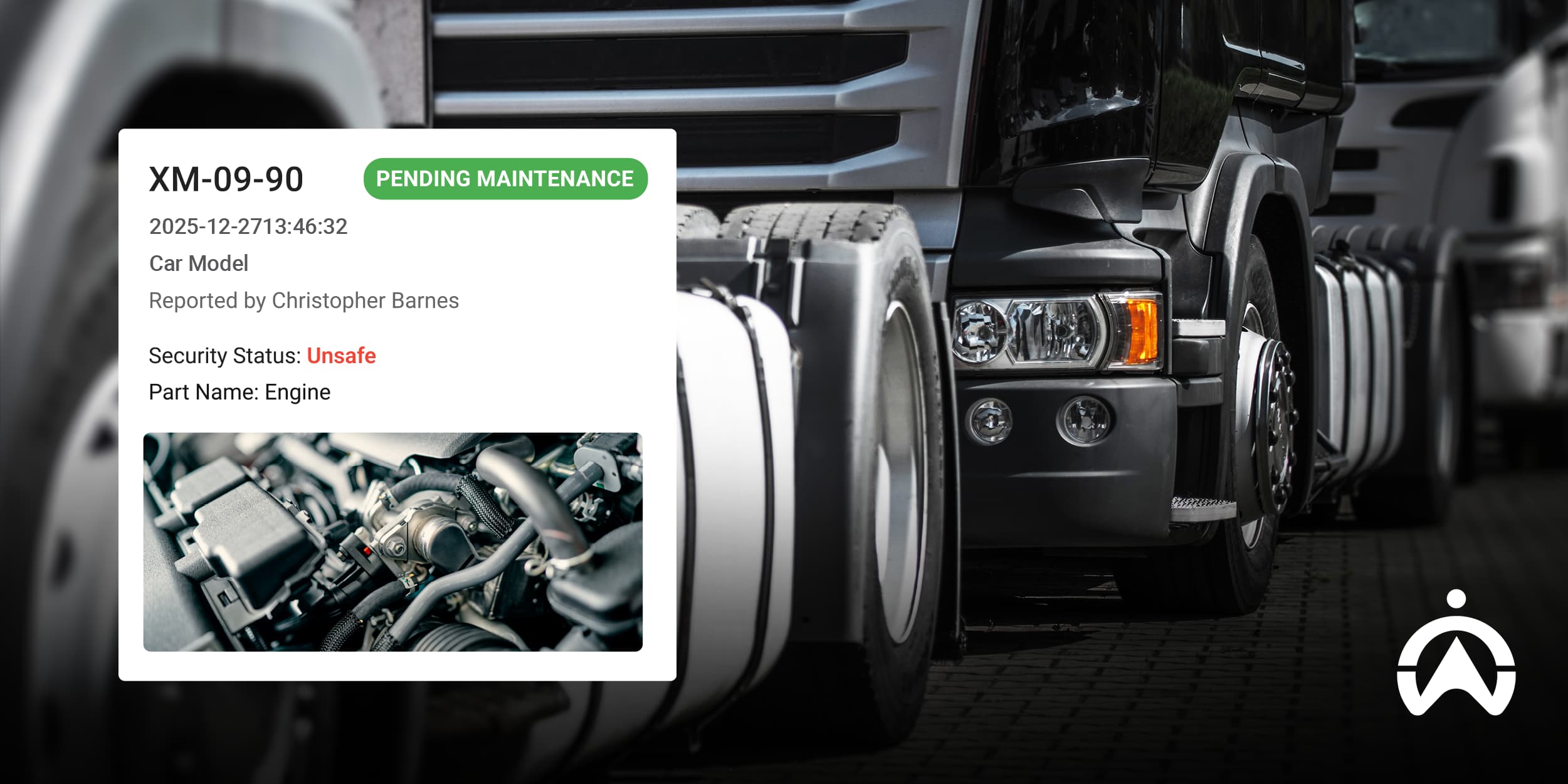
Truck engine marked unsafe, highlighting essential fleet maintenance tips.

How Cartrack helps you maintain a healthier fleet

At Cartrack we help you maintain a healthier fleet by giving you digital tools that help track the health of your fleet in real time. This makes fleet maintenance less of a daunting task as it’ll be easier and less time-consuming.

Here are our top maintenance solutions for fleet maintenance:

Real-time vehicle diagnostics

With Cartrack’s predictive maintenance technology, you’ll get early warning alerts of things like worn-out brake pads or issues with the engine, so you can address them as soon as possible. This way, you avoid breakdowns and unplanned downtime. You also save your drivers from accidents caused by mechanical failures.

Service and maintenance scheduling

Our preventative maintenance solution helps you automate your service maintenance scheduling. You can import the original manufacturer’s recommended service schedule for each vehicle into our system and set reminders on our platform so you don’t miss the dates. This eliminates the amount of time wasted by searching for each vehicle’s service schedule manually.

Centralised maintenance records

Our system helps you maintain a digital record of your maintenance history, making it easier to track repairs and services over the years. You can easily access all the details when it’s time to sell your fleet vehicles or when a mechanic needs to review what’s been done.

Paperless inspections

To simplify the process of conducting pre- and post-trip inspections, our system gives you the option of creating digital inspection forms. This is where you can create a checklist of which vehicle components need to be looked out for when forming their checks. You’ll receive feedback on one platform, reducing paperwork, and ensuring you know of issues quicker.

Driver behaviour monitoring

Through our telematics system, you can keep track of driving behaviours like speeding and harsh braking, which increase wear & tear. You’ll get detailed reports of each harsh event, ensuring that you address your concerns with your team based on factual evidence. This also helps you to identify which habits to focus on when training your drivers about healthier driving habits.

Driver scorecards

Another way to encourage better driving behaviour is by recognising and rewarding good driving. Our fleet management system helps you with this through our Driver Scorecards solution. How this solution works is that it tracks on-road behaviour using our telematics system. Each driver gets a rating based on their number of harsh driving incidents, and you use these ratings to reward those with the best score while identifying which drivers need more training.

Get an all-round fleet maintenance solution with Cartrack

Cartrack gives you an all-round fleet maintenance solution. Throughout our years in the fleet management industry, we’ve seen the differences maintenance software and everyday maintenance habits can bring to your business. Our solutions create safer, more reliable, and more cost-effective fleets. So join us today and watch the health of your fleet transform for the better!

Frequently Asked Questions

What is a fleet maintenance plan?

A fleet maintenance plan is a strategic approach to keeping up with the health of your vehicles. It involves putting measures in place to prevent unexpected breakdowns and downtime. These measures include things like following service plans and using fleet maintenance software to get early alerts of faults. This ensures fleet safety and compliance and reduces the cost of maintenance.

What is the role of a fleet maintenance manager?

The role of a fleet maintenance manager is to oversee all things related to the maintenance and repair of fleet vehicles and equipment. Fleet maintenance managers must ensure the safety and compliance of all vehicles. With a fleet maintenance manager present, all vehicles should perform optimally, which then results in fleet efficiency.

What is a maintenance SOP?

A maintenance Standard Operating Procedure (SOP) is a detailed document with step-by-step instructions on how to conduct routine maintenance tasks. The whole point of this guideline is to ensure consistency, safety, and quality standards. Maintenance SOPs vary depending on the kind of service you offer, the specific requirements in your industry, and the size of your fleet.

The Best Delivery Routing and Dispatch Software

One of the best delivery routing and dispatch software is Cartrack’s Delivery on FleetWeb, designed to give Malawian businesses the clarity and technology needed for faster, more profitable delivery operations. With unpredictable traffic and customer expectations soaring, plus those tight and expedited delivery deadlines, there’s a real demand for more sophisticated systems.

A study from the Journal of Transport and Supply Chain Management in the Southern African region showed that optimising transport routes in Malawi can reduce total kilometres travelled by around 19%, along with lowering variable vehicle costs. This highlights just how powerful smart routing can be, and how necessary it is for modern businesses in Malawi.

In this blog, you’ll get the full lowdown on what makes a routing and dispatch software ‘the best’, including understanding key features and knowing how to choose the right system. We’ll also show you why Cartrack should be your top pick for expert guidance and insights that give you total delivery confidence.

What’s the top delivery routing and dispatch software?

The top delivery routing and dispatch software is Cartrack’s Delivery feature, a fully-fledged tool that’s designed to make every step of delivery easier for your business. Cartrack has taken a unique approach by combining automated scheduling, live GPS tracking, and smart routing into one seamless platform, setting it apart from basic tracking tools.

Our Delivery function is much more than a tool that maps out multiple-stop trips. It gives you the total ability to act fast when something urgent happens while also making sure that everything runs smoothly and maintains a high standard. Drivers are always kept in the loop, receiving clear instructions via the app and instant notifications when changes occur.

Why your business needs advanced routing and dispatch tools today

Your business needs advanced routing and dispatch tools today because manual planning and basic tools are no longer an option. Basic software doesn’t allow you to keep up with the modern demands, like growing customer needs, a general pressure to deliver faster, or the need to operate with much more accuracy.

Advanced routing and dispatch tools can tackle challenges like:

  • Last-mile pressures: Real-time data simplifies the most intense part of the delivery process, helping to avoid delays and keep everything on track.
  • Fuel inefficiencies: Because routes are optimised, fuel waste becomes a thing of the past.
  • Manual planning errors: Smart and automated planning means that you minimise human error, which also means fewer delays.
  • Customer demand for real-time updates: Being able to share live ETAs can keep the customer in the know about the movements of their package, improving their levels of satisfaction.

What industries benefit from delivery routing and dispatch software?

The industries that benefit from routing and dispatch software include food delivery, retail, field services, and numerous other markets. These are industries that are quite reliant on time-sensitive deliveries.

Some of the key industries include:

  • Retail: Quickly ship goods from the store to the consumer
  • E-commerce: Comfortably manage the pressures of last-mile deliveries
  • FMCG (fast-moving consumer goods): Ensure deliveries between warehouses and distribution points are smooth
  • Food delivery: Speedy delivery, especially regarding a time-sensitive job that affects quality, can be guaranteed
  • Logistics: Strengthen your business operations, get more efficient routes, and complete deliveries with accuracy
  • Field services: Schedule tasks effectively and keep your drivers on the best routes
  • Pharmaceuticals: Make sure that deliveries to medical facilities (small clinics to large hospitals) are timely
  • Same-day delivery businesses: Manage the very tight deadlines required from same-day deliveries with the help of live tracking

How does routing software actually improve delivery efficiency?

Routing software actually improves delivery efficiency by enabling faster deliveries, cutting down on fuel waste, and ultimately achieving better customer satisfaction. It makes every step of the delivery process that much smoother.

Routing software benefits your business by:

  • Reducing planning time: You don’t have to worry about wasting time manually sorting out routes; the software can automatically do that for you.
  • Driving fewer kilometres: Because of reduced planning time through route optimisation, drivers can take the best routes and avoid potential detours.
  • Enabling lower fuel spend: Through travelling the best routes, drivers cut down on fuel waste.
  • Ensuring faster deliveries: Ideal routes are clear-cut, and any changes are automatically updated, leaving drivers to keep to a steady schedule.
  • Guaranteeing fewer customer complaints: Accurate ETAs, live updates, and consistently on-time deliveries really maximise customer satisfaction.

Does delivery routing differ from dispatch management?

Yes, delivery routing does differ slightly from dispatch management, as they solve different parts of the delivery workflow. But ultimately the best systems combine both into one integrated platform.

  • ‘Delivery routing’ refers to planning the journey, ensuring the trips are as efficiently organised as possible, the numerous stops are considered, and time & fuel use are kept as low as they can be.
  • ‘Dispatch management’ refers to the coordination and management of the work, ensuring that drivers and staff are allocated the right tasks, progress is closely monitored, and quick, informed changes can be made if necessary.
  • ‘Delivery management’ refers to the overall and total framework, combining routing and dispatch to deliver smooth communication and peak operational performance.

The best routing and dispatch software brings all of these aspects together, allowing you to plan, manage, and track deliveries from one platform. With Cartrack’s Delivery feature, these tasks come together seamlessly, ensuring everything works in harmony for smoother and more dependable delivery operations.

Delivery routing and dispatch software showing a courier loading a van with tasks and delivery details on a smartphone.

Key features the best delivery routing and dispatch software must include

Key features the best delivery routing and dispatch software must include are tools like live GPS tracking, system integrations, and proof of delivery. The software you choose must bring all these core tools together so you can maintain visibility and total control from the first to the last mile.

These are the non-negotiables:

  • Advanced route optimisation: Organise multi-stop routes to save you time and cut down on wasted fuel, even during peak traffic.
  • Automated dispatching: Assign jobs instantly to the nearest driver or one who’s available, eliminating the hassle of paperwork.
  • Real-time GPS tracking: You receive live updates on your vehicles’ locations, allowing you to monitor progress, catch any delays early, and step in when necessary.
  • Proof of delivery and driver communication: Integrated communication and proof of delivery systems let you track each delivery from start to finish, helping you resolve any disputes that may arise.
  • Vehicle and driver performance data: Monitor speed, idling, and braking habits so you can spot areas for improvement and boost operations.
  • Delivery ETAs: Get accurate, live delivery times so that both customers and your team know exactly what delivery expectations are, leading to better planning.
  • Geofencing: Set up virtual zones around key delivery areas and receive alerts when drivers enter or leave those zones, helping you keep tabs on progress.
  • System integration: Seamlessly connect with your existing tools, so you can say goodbye to clunky data transfers and manual updates.

What makes routing and dispatch software accuracy so important for delivery success?

Factors like better fuel use and customer satisfaction are what make routing and dispatch software accuracy so important for delivery success. These are the aspects that make or break the name of your business, and they carry a lot of importance. When you achieve accuracy, everything in your operations flows much more smoothly.

Consider the importance of these factors:

  • Customer satisfaction: Accuracy sets apart a smooth delivery from one that’s consistently met with delays. It means that deliveries are made when projected, bettering the delivery experience and keeping customers happy.
    ‍
  • Reduced time on the road: Accuracy means deliveries are being made when they’re promised. This minimises detours and improper stops.
    ‍
  • Improved driver safety: Accuracy means that you have the best routes possible mapped out for your drivers. This keeps drivers away from high-risk and congested areas, but also minimises bad map info or unintended turns.
    ‍
  • Controlling fuel spend: Accuracy when it comes to operational costs means fewer wasted Rands, especially when you consider how even the smallest mistakes can very quickly add up.

How does real-time visibility support smarter dispatching?

Real-time visibility supports smarter dispatching by letting you see what’s happening and helping you make smart decisions as deliveries happen. Instant communication with drivers makes it easy to reassign or change routes when things don’t go as planned. With live tracking, managers know exactly where each vehicle is, the route it’s taking, and if it’s on schedule.

Quick responses like these keep deliveries on track and ensure customers get accurate updates.

How does delivery routing software help reduce fuel waste?

Delivery routing software helps reduce fuel waste by optimising routes and addressing the major challenges like driver habits and traffic congestion. Keeping these tools handy makes sure we regularly analyse routes for the best fuel-saving routes.

The role of data in better routing and dispatch decisions

The role of data in better routing and dispatch decisions shows it’s the backbone of detailed delivery planning. By looking at delivery histories, spotting traffic trends, assessing driver performance, and understanding peak demand cycles, you can prepare for challenges before they arise.

This knowledge helps you map out routes more strategically, assign drivers more efficiently, and accurately predict delivery times, building a stronger delivery operation.

How the best delivery routing software improves the customer experience

The best delivery routing software can improve the customer experience by providing accurate ETAs, direct communication, and fewer failed deliveries. With customer demands growing every day, it’s important to focus on the following:

  • Accurate ETAs: Customers can get practical delivery timelines
  • Live delivery tracking: Customers can track their parcels to know where they are in the process
  • Fewer failed deliveries: Transparency and clear instructions can help customers make sure they’re prepared and ready to receive the parcel at the designated delivery address
  • Proof of delivery: Digital verification (by signature or picture) ensures the parcel is received by the right person and reduces disputes
  • Proactive communication: This kind of transparency fosters trust between customers and your business
Cartrack delivery routing and dispatch software showing optimized routes, driver details, and parked delivery vans.

Case study: How The Courier Guy improves delivery performance with Cartrack

The Courier Guy is known as one of Malawi’s trusted courier service providers. What started as a small operation has since grown into a fully-fledged nationwide fleet serving major cities and towns. Of course, this level of growth calls for a reliable partner in fleet management and scaling operations.

The challenge

Everything at The Courier Guy began to grow quickly: the number of drivers, the delivery vehicles, but most importantly, the customers and their demands. Because of this, there was an immediate need for total visibility, support, and simplification of tasks for fleet managers. The key was to improve operations and take good service to great service.

How Cartrack supported The Courier Guy’s operations

Cartrack’s Delivery and telematics technologies were able to completely transform and simplify The Courier Guy’s operations.

Here’s how:

  • Accurate driver visibility
    By leaving behind the unreliable method of manual tracking, fleet managers can now stay updated on driver locations in real-time.
    ‍
  • Faster, flawless task and delivery management
    Customer details for recurring orders fill in automatically, which massively reduces submission errors and improves communication between managers and drivers.
    ‍
  • Stronger customer communication and accountability
    Automated SMS and email updates keep customers in the loop during the delivery process. Drivers can snap photos or collect e-signatures as electronic proof of delivery, which boosts safety and service quality.
    ‍
  • Enhanced safety and fewer operational losses
    AI-powered camera tech constantly streams and can monitor how drivers behave. Drivers can quickly fix risky habits, cut down on damaged goods, lower speeding incidents, and strengthen the brand reputation.

The impact

With Cartrack by their side, The Courier Guy took full control of their business operations. They handled routes, assigned tasks, ensured customer satisfaction, and prioritised staff safety with precision. This allowed the business to deliver consistently while maintaining a professional touch.
‍

“Cartrack’s technology allows us to focus on our drivers, customers, cargo, and fleet all from one platform. It puts us in control from dispatch to delivery.” — Jeffrey Wheeler, Assistant Fleet Manager, Courier Guy.

Myths about delivery routing and dispatch systems

Some myths about delivery routing and dispatch systems are centred around believing that drivers won’t adapt to the tools or that the systems are only suitable for large fleets. Despite the good that delivery software brings, there’s still often a lot of hesitation from owners or fleet managers.

Let’s dispel those myths for you:

  • “Google Maps is enough”: While Google Maps is a great option for general directions, it’s not as effective for a driver as a delivery platform. This type of system can account for navigation while also managing multiple stops, task allocations, and communication with managers.
    ‍
  • “It’s only for large fleets”: Routing and dispatch systems work just as well for smaller fleets as they do for larger fleets. No matter the size of your fleet, the objectives typically remain the same: smoother operations, better safety, and greater profitability.
    ‍
  • “Routing tools are too complex”: These features may look intimidating at first, but they’re usually designed to be as user-friendly as possible. And with the likes of Cartrack, you can ensure you and your staff are well-trained on how to operate these tools.
    ‍
  • “Drivers won’t adapt”: It’s quite the opposite! Drivers usually adapt quite well to these systems because they ultimately make their jobs much easier. There’s less job-related stress because routes are faster, tasks are straightforward, and the instructions are clear.

Cartrack’s delivery routing and dispatch tools: What makes us different?

What sets us apart from the rest is that we offer a fully integrated delivery management system built for accuracy, reliability, and scalable performance across various industries. Other systems out there typically offer these tools as separate features, making your processes more complicated when they should be made simpler.

Cartrack gives businesses a distinct edge, from planning all the way to doorstep delivery.

Here’s a better look at why you should partner with us:

  • Live vehicle tracking: We provide live GPS tracking so that you have eyes on your fleet at all times. This allows you to monitor your fleet’s progress while drivers are out in the field.
    ‍
  • Automated dispatching: Drivers can be allocated tasks based on their availability and location, meaning the hassle and congestion that comes with assigning tasks manually is eliminated.
    ‍
  • Multi-stop route optimisation: Cartrack’s platform carefully and intelligently maps out the many stops that drivers need to make, helping them take the best and fastest routes.
    ‍
  • Delivery and driver workflows: Established workflows make the entire process for drivers that much easier. From job acceptance to delivery, instructions are clear.
    ‍
  • Seamless communication: Live updates and in-app messaging make keeping you and your drivers connected much simpler. This is important for emergencies or urgent changes.
    ‍
  • Driver behaviour insights: Bad driving habits can cost the business. Monitoring these behaviours means addressing them immediately and avoiding costly mistakes.
    ‍
  • Multi-channel communication tools: Auto-messages, whether by email or SMS, keep customers updated about every stage of their delivery. This is a major building block when it comes to building customer trust.
    ‍
  • Central dashboard: Having all the tools needed on one single platform means you, as a manager, have a complete and instant overview of every part of your fleet. There’s no cross-platform confusion.

Final takeaway

Choosing the right delivery routing and dispatch software is the foundation of any company looking to run smoothly, grow confidently, and meet the increasing demands of today’s customers. With the right platform, you can cut unnecessary costs, improve delivery reliability, improve driver performance, and offer your clients the precise and professional service they expect.

Cartrack’s Delivery feature delivers the accuracy, automation, and real-time visibility needed to keep your modern delivery operations running efficiently. It’s a reliable choice for businesses across various sectors, connecting every element of the delivery process seamlessly.

Deliver faster, smarter, and more reliably. Let Cartrack automate your delivery planning and dispatching. Speak to our team to get started!

FAQs

Is it difficult to onboard drivers and dispatchers to a new routing system?

No, it’s not difficult to onboard drivers and dispatchers to a new routing system, and they’ll ultimately make everyone’s jobs so much easier. Most new-age systems, like Cartrack’s Delivery, are created to be as straightforward as possible. With the right onboarding training and continued guidance, staff usually get the hang of things quickly and enjoy smoother workflows.

How accurate is delivery routing software today?

Most delivery routing software today is designed to be as accurate as possible, tapping into live traffic data and telematics insights to create super-accurate routes and workflows. This helps businesses enjoy consistent arrival times, fewer delays, and improved delivery predictability throughout their fleet.

Does routing software work for both scheduled and on-demand deliveries?

Yes, routing software does work for both scheduled and on-demand deliveries. Advanced software, like Cartrack’s, can manage scheduled daily routes as well as unexpected delivery requests. Automated dispatching and live data help assign the closest driver instantly, keeping all delivery types running on time.

What to Look for When Buying a Second-hand Car

When you’re looking to buy a second-hand car, the most important thing is knowing what usage you’re looking to get out of the car. Are you looking for an everyday car for short trips or a kombi for the school holidays?

Either way, buying a second-hand car in Malawi’s current economic climate makes sense, but it can be a major risk if you’re not sure what red flags to look out for. Accident damage, tampered mileage, hidden mechanical issues, and unpaid finance are just some of the factors that can turn what looks like a bargain into a financial nightmare.

The pre-owned car market in Malawi is growing. In the first half of 2024, many Malawians applied for vehicle finance through banks and financial institutions as demand for affordable second-hand vehicles continued to increase. This is proof that pre-owned vehicles enjoy far higher demand than their new counterparts, making the second-hand car market one of the most active in the country.

This guide takes you through everything you need to check before sealing the deal—from paperwork and inspections to negotiation tactics and protection strategies. And once you find that perfect ride, teaming it up with reliable vehicle tracking and recovery from Cartrack ensures your investment stays safe right from the start.

What exactly to look for before buying a second-hand car

  • Set a clear budget: know what you can afford, including ongoing costs.
  • Decide where to buy: compare dealer safety versus private seller risks.
  • Do a full history and service check: verify accidents, finance, theft, and mileage.
  • Check the exterior: rust spots, tyres, dings, and poor alignment of panels.
  • Inspect the interior: look for damage, smells, and electrical faults.
  • Test all electronics: make sure the AC, windows, and dashboard lights work.
  • Check under the bonnet: look for leaks, worn belts, the battery and fluid quality.
  • Take a full test drive: listen for noises and check handling.
  • Check paperwork: make sure of ownership, roadworthiness, and legality.
  • Get a written agreement:  protect yourself during private sales.
  • Plan for security: install a tracking device to safeguard your car.

Set your budget and know your needs

The most important step before you start looking at a second-hand car is to set your budget and know your needs. It’s important to keep in mind that ongoing costs like fuel, maintenance, licensing, and insurance in Malawi could all add up rather fast.

Other factors, such as the fluctuating price of petrol and vehicle tax hikes, all take their toll on the total cost of ownership. So consider your lifestyle needs carefully. Where a student may only need a small hatchback, a family might want a large SUV that provides space and extra safety.

It’s important to distinguish your must-haves—such as safety and reliability—from your nice-to-haves, such as leather seats or high-end sound systems.

Don’t stretch your finances too far. Leave room in your budget for emergency repairs, tyre replacement, annual services and insurance premiums. It’s smarter to choose a basic vehicle that you can afford to maintain, rather than a feature-packed car that’ll prove to be a financial headache later on.

Should you buy your second-hand car from a dealership or a private seller?

You should buy your second-hand car from a dealership because they provide better protection. On the other hand, private sales often mean lower prices and better negotiation options. Either way, you still need to thoroughly inspect the vehicle to make sure you’re not getting a lemon.

Dealerships, especially if they’re part of a well-known franchise or reputable dealership, typically offer vehicle checks, warranties, and roadworthy certificates, making it a lot safer for first-time buyers who might not be knowledgeable about car evaluations.

If you’re shopping privately, sites like Facebook Marketplace and local online classifieds are full of used car listings in Malawi, but they come with higher risks. You often lack guarantees about the car’s condition, and scams can be common.

No matter which route you choose, clarity is key. Always ask for documentation, proof of service history, and repair records. If you go private, consider bringing a mechanic or getting an independent inspection before you commit. Remember, peace of mind beats rushing into a deal just for a bargain.

Person handing over car keys during a second-hand car purchase inspection.

New car vs second-hand car — pros & cons

If you’re still unsure if you should buy a new car or a second-hand one, this simple table breaks down the pros and cons of each. This will help you make a more informed decision before you hit the showroom floors!

Comparison New Car Second-hand Car
Upfront Cost Higher purchase price More affordable
Depreciation Loses value quickly in the first 12 to 24 months Slower depreciation rate
Maintenance Low at first; warranties included Can be higher depending on age and mileage
Vehicle History Clean – you’re the first owner Risk of unknown history (accidents, poor maintenance)
Finance Approval Easier to finance through major banks Slightly harder, depending on the car’s age and condition
Insurance Costs Higher premiums Lower premiums (depending on model and security features)
Tech and Features Latest safety and infotainment features Older tech, which may need aftermarket upgrades
Value for Money Long-term value, but costly upfront Budget-friendly with smart choices
Customisation Can choose specs and extras What you see is what you get
Resale Value Good if well-maintained Depends on mileage and brand popularity
Warranty and Service Plan Included from the dealership Maybe expired or limited
Peace of Mind Fully guaranteed condition It can be risky if not inspected or verified properly

Do a full vehicle history check

Before you buy a second-hand car, it’s incredibly important to do a full vehicle history check. Understanding where this vehicle has been and how it was treated is essential. A history check helps you uncover various concerns, like accident damage, outstanding finance, mileage tampering, or even if the car was stolen.

This information can protect you from costly unexpected expenses and also gives you confidence in negotiating the purchase price.

Here’s what to check:

  • Request the VIN number and check the ownership and its legal status with it.
  • Utilise vehicle verification services, such as TransUnion or other Malawi-based vehicle verification platforms, to check a car’s history before purchasing.
  • Check for outstanding finance because the vehicle cannot be sold legally if there is still money owed on it.
  • Confirm that the car hasn’t been stolen, written off or imported illegally.
  • Review the service history for any records that will show consistent mileage and regular servicing.
  • Look for missing or skipped service intervals; these could be indicative of tampering.
  • Look into large repairs or accident history, including things like chassis or flood damage.
  • Request repair invoices or maintenance records that detail previously completed work. If unsure, invest in a pre-purchase inspection by a qualified mechanic.

Inspect the exterior

Start your inspection outside the car, focusing on the paintwork and how the panels align. If you spot uneven panels, mismatched paint, or overspray, it could be a sign of previous accident damage. Look for rust around the wheel arches or windscreen; this often points to long-term moisture exposure, especially in areas with high rainfall, such as the Shire Highlands.

Next, check the tyres for wear and condition. Odd wear patterns might signal worn suspension or misaligned wheels. Make sure all the lights are working and that the mirrors aren’t cracked or loose. A chipped or cracked windscreen could end up costing you quite a bit to replace.

Check the car in daylight. Good lighting helps you spot dents, scratches, and signs of repainting that might go unnoticed in dim conditions. Kneel down for a closer look at the bodywork and run your hand along the panels. A thorough visual check can reveal significant clues about any past damage.

Inspect the interior

Inspecting the interior of a second-hand car is a must before you purchase! The interior often tells the real story of how well the car was looked after. Start with the upholstery and dashboard: tears, stains, and worn fabrics could signal neglect.

Listen for rattles and check for signs of water damage such as damp smells or mould, especially in coastal or flood-prone areas. Test all the electronic features. Turn the air conditioning, radio, windows, touchscreen, and central locking on and off.

Check if the dashboard warning lights turn on when starting the ignition and then turn it off after that. If they don’t turn off, this might indicate serious problems such as engine issues, electrical problems, or malfunctioning airbags—all requiring professional attention.

Look for signs of tampering. Scratched screws, loose panels, or trims that don’t fit properly are signs of previous repairs or modifications. Check seatbelts also for fraying, since safety equipment should always be intact. Generally, an immaculate interior characterises a responsible owner, while a neglected one hints at hidden mechanical issues.

Check under the bonnet

Next, pop the bonnet and take a look at the engine bay. Look for leaks, corrosion, or worn components. Fluid levels should be clear and at the right level. Oil that’s sludgy or thick may indicate maintenance that’s overdue; milky oil can point to serious engine problems such as head gasket failure

Give the belts and hoses a good look for any cracks or fraying. A worn belt can snap and cause engine damage, leading to costly repairs. Don’t forget to check the battery as well! Given the frequent power outages and high temperatures in Malawi, knowing how old the battery is can really help when planning for a future replacement.

Remember, just because the engine bay looks clean doesn’t mean the car’s in top shape. Excessive oil stains, loose wiring, or old clamps can hint at neglected maintenance. If everything else looks good, consider getting a pre-purchase inspection. Having a mechanic do a compression test or diagnostic scan can save you from unexpected costs down the line.

Take a proper test drive

Always push for a proper test drive. Start the engine and listen for any weird noises like knocking or ticking. During the drive, check how the steering responds and how the suspension handles. If it pulls left or right, it might need alignment or could’ve had a bump in the past.

Try it out in different scenarios: stop-and-go traffic, open roads, and ideally, the highway. Pay attention to the brakes and where the clutch engages. If you notice jerky gear shifts or vibrations, that could signal transmission issues. Keep an eye on the temperature gauge too; older cars often struggle with overheating in our hot summers.

Turn the radio off while driving to catch any squeaks or rattles. Test the turning radius, acceleration, and emergency brakes. If something feels off, don’t brush it aside. You can always ask for another test drive or walk away. The right car should feel solid, reliable, and trustworthy.

Buyer reviewing documents with dealer to assess what to look for when buying a second-hand car.

Understand the paperwork

Paperwork serves as your legal proof of ownership and protection as a buyer. In Malawi, missing or outdated documents can cause delays, legal issues, or even fines. Before you buy, make sure you have every required document ready and valid.

Here’s what you need to get:

  • Natis registration document: This confirms legal ownership and vehicle details.
  • Valid roadworthy certificate: It should be less than 60 days old at the time of sale.
  • Proof of sale or sales agreement: This protects you legally in case of disputes.
  • Stamped service book or digital service records: These verify the maintenance history.
  • Copy of the seller’s ID and proof of address: This helps confirm authenticity.

Things to check carefully:

  • The VIN number on the chassis should match the documents.
  • Make sure there’s no outstanding vehicle finance.
  • If you’re buying privately, get a written agreement and signed receipt.
  • Remember, you have 21 days after deregistration to transfer the vehicle into your name.

With solid paperwork, you ensure smooth ownership, and the deal isn’t done without it.

Protect your new purchase

After you’ve sealed the deal, it’s time to protect your purchase. With car theft rates alarmingly high in Malawi, it’s wise to take steps to safeguard your investment. Installing top-of-the-range tracking and recovery tech can really help secure your car against hijacking, theft, or unauthorised use, particularly if you’re in a high-risk area.

This is where Cartrack makes a real difference. From day one, Cartrack protects your second-hand car with live GPS tracking, AI dashcams, and industry-leading stolen vehicle recovery. You can even set up geofencing alerts and real-time notifications to stay in control of your vehicle whenever it’s on the road.

Final takeaway

Buying a used car can be a smart choice if done correctly. Take your time, inspect it fully, check its history, and make sure all the paperwork is right. The right preparation prevents costly surprises and leads to better ownership in the long term.

Once you have the perfect car, protect it with Cartrack so that on each journey, you enjoy peace of mind. Safeguard your investment and drive with confidence.

FAQs

Is it worth buying a second-hand car in Malawi?

Yes, it’s worth it to buy a second-hand car in Malawi. The second-hand car market is huge, affordable, and full of options for any type of buyer. By making use of the right tools, research, and inspections, you’re sure to find a diamond in the rough.

Can I negotiate the price of a second-hand car?

Yes, in most cases, you can negotiate the price of a second-hand car. Use findings from your inspection—such as wear, missing paperwork, tyre condition, or service history gaps—as negotiation points. Research market prices in advance to justify your offer with confidence.

Is financing available for used cars?

Yes, most banks in Malawi provide vehicle finance for second-hand cars, provided the cars meet certain age and mileage requirements. More often than not, older cars (more than 10 years old) may not qualify, so confirm this with your bank or financial provider before committing.