How to Stop Truck Driver Negligence

To stop truck driver negligence, always clearly identify dangerous behaviours, implement the right tools and coaching methods, and always enforce strong company safety policies. Negligence isn’t just about making a mistake here and there; it’s about recognising repeated behaviours that can put drivers, compliance, and business reputation at risk.

When you skip proper due diligence as a fleet manager, you open the door to serious threats. These include higher accident rates, rising insurance premiums, low driver retention, and damage to your company’s reputation. All of these can hurt customer relationships and slow down business growth.

In Malawi, the problem is clear. On busy transport routes, most truck accidents happen because of driver mistakes. This shows why it’s important to act early and fix these issues. Through this article, let us take you through what negligence is, how to identify early signs, and—most importantly—how Cartrack can help you stay protected and compliant.

How do you stop truck driver negligence?

To stop truck driver negligence, you should always combine safety culture with advanced technology to achieve the best results. Ensure that you keep track of dangerous driver patterns, be prepared to coach and train your staff accordingly, and be fair about the scheduling and tasks that you assign.

To address driver negligence, take into account each of these key elements:

  • Driver training and refresher opportunities: Driver training ensures that your staff are aware and up to date with standard safety practices, compliance matters, and protective policies. Refresher training keeps drivers on their toes and keeps the safety culture strong.
    ‍
  • Setting realistic driver schedules and deadlines: As a fleet manager, it’s important that you allow drivers enough time to manage their deliveries and tasks. Be realistic about your scheduling. Without balanced schedules, you risk drivers who skip inspections, speed when driving, or exhibit fatigue behind the wheel. 
    ‍
  • Encouraging safe driving incentives: Incentives are a helpful way to encourage your drivers to keep practising safe driving habits. A reward system is a tangible way to maintain positive behaviour through better practices.
    ‍
  • Fostering transparency and incident reporting: Your employees are more likely to feel comfortable reporting any difficulties they’re having when you support transparency and positive working relationships.
    ‍
  • Recognising and rewarding positive driving/driver behaviour: Much like safe driving incentives, rewarding drivers for positive behaviour is one of the best ways to maintain safe driving. Whether it’s an award or a promotion, it shows that responsible behaviour is valued.

What is truck driver negligence?

Truck driver negligence is the repeated dangerous actions that a driver exhibits. These actions aren’t just one or two mistakes; they’re patterns that are an intentional disregard for safety and regulations. If you recognise these patterns early enough, you could take the right steps to nip them in the bud.

Use the table below to get a quick look at common examples of negligence vs isolated incidents:

Driver Behaviour Negligence (ongoing, preventable) Error (isolated, unintentional)
Speeding Consistently exceeding limits despite training and warnings Momentary misjudgement (e.g., overtaking too quickly)
Vehicle Inspections Regularly skipping pre-trip checks or falsifying records Forgetting one inspection step on a single occasion
Fatigue Management Ignoring rest rules or driving long hours knowingly Miscalculating rest timing once
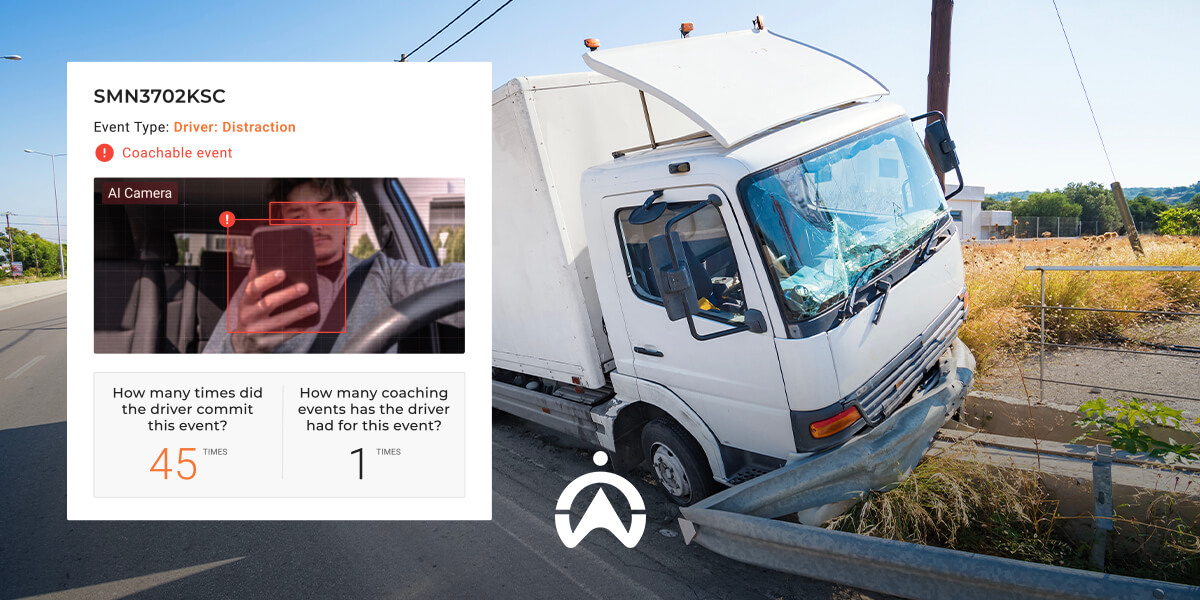
Distraction Using a phone repeatedly while driving, smoking, covering the camera, etc. Glancing at the GPS too long during one trip, for example
Substance Use Driving under the influence of substances Not applicable. Substance use is never “just an error”

Warning signs that a truck driver may be negligent

To spot the warning signs that a truck driver might be negligent, check if your driver is frequently driving dangerously or skipping inspections and check-ups.

Look at these red flags:

  • Frequent dangerous driving: This includes aggressive driving, harsh braking, speeding, and the like.
    ‍
  • Consistent route deviations: If your driver keeps deviating from standard routes without explanation, this is a sign of negligence.
    ‍
  • Ignoring inspection logs and check-ups: Not completing inspections, submitting incomplete reports, or ignoring everything altogether puts your drivers and assets in serious danger.
    ‍
  • High number of near-miss incidents: If near-miss incidents keep happening, especially when compared to other drivers, it’s a strong indicator that coaching is necessary. 
A truck driver is seated, sipping a beverage, with app screens showing driving and rest timers. The interior is decorated and cozy.

How does truck driver negligence impact your business costs?

Truck driver negligence impacts your business costs quite negatively, threatening to drain your bottom line. Unchecked negligence goes beyond just endangering lives. Unsafe actions on the road can drive up costs across your operations.

This is how carelessness of this nature could cost your business money:

  • Higher accident risk and liability demands: Crashes bring legal claims, medical costs, and vehicle replacements, all of which hit the business hard.
    ‍
  • Rising insurance premiums: A poor claims record raises red flags for insurers, who respond with higher rates across the fleet.
    ‍
  • Vehicle downtime and delivery delays: Damaged trucks mean missed schedules, late deliveries, and unhappy customers.
    ‍
  • Damaged brand reputation: Frequent safety issues can quickly destroy trust with clients, partners, and the public.
    ‍
  • Lost contracts and customer trust: Logistics clients expect reliability, and repeated incidents can drive them straight to competitors.

What are the legal risks of truck driver negligence?

The legal risks of truck driver negligence include fines and penalties, lawsuits, and loss of operating licences. As a truck fleet manager, you’re obligated to carry a duty of care, meaning you’re legally and morally expected to put reasonable safeguards in place against foreseeable risks. Ignoring these responsibilities exposes the business to serious liability.

In Malawi, these are what safety regulators and compliance look like:

  • Road Traffic Act: This act regulates road behaviour, speeds, and the like.
    ‍
  • National Road Traffic Regulations: These regulations assess driving permits, hours-of-service restrictions, and qualifications.
  • Vehicle condition and inspections: Fleet vehicles are required to undergo strict and regular checks to ensure roadworthiness.
  • Occupational Health and Safety standards: These standards ensure that employers are keeping their businesses in line, maintaining a positive working atmosphere for everyone.

Not being able to meet those standards means:

  • Civil lawsuits: Injured parties may seek compensation for damages.
    ‍
  • Criminal liability: If negligence results in serious injury or fatalities.
    ‍
  • Fines and penalties: For breaking traffic, labour, or safety regulations.
    ‍
  • Loss of operating licences: Or restrictions placed on fleet activities.

Root causes of truck driver negligence

The root causes of truck driver negligence include weak safety culture, absence of coaching tools, and inadequate training. It’s impossible for carelessness to occur in isolation. When the right tools and resources aren’t set up, you won’t have the opportunity to take preventive measures or effectively target driver vulnerabilities.

Take a look at these root causes and their outcomes:

  • Poor training or lack of refresher training: When drivers aren’t given the onboarding and continuous training, they won’t be up to date with best practices. They’ll also likely continue with their risky driving habits.
    ‍
  • Pressure to meet unrealistic driving and delivery schedules: When you put pressure on your drivers by implementing tight or overloaded deadlines, they’ll continually cut corners so that timelines can be met.
    ‍
  • Lack of accountability or monitoring tools/coaching: The key to being able to monitor and coach your drivers is to implement smart camera solutions and telematics. Without these tools, there’s no way for you to effectively shape a business safety culture that’s supported by valuable insights.
    ‍
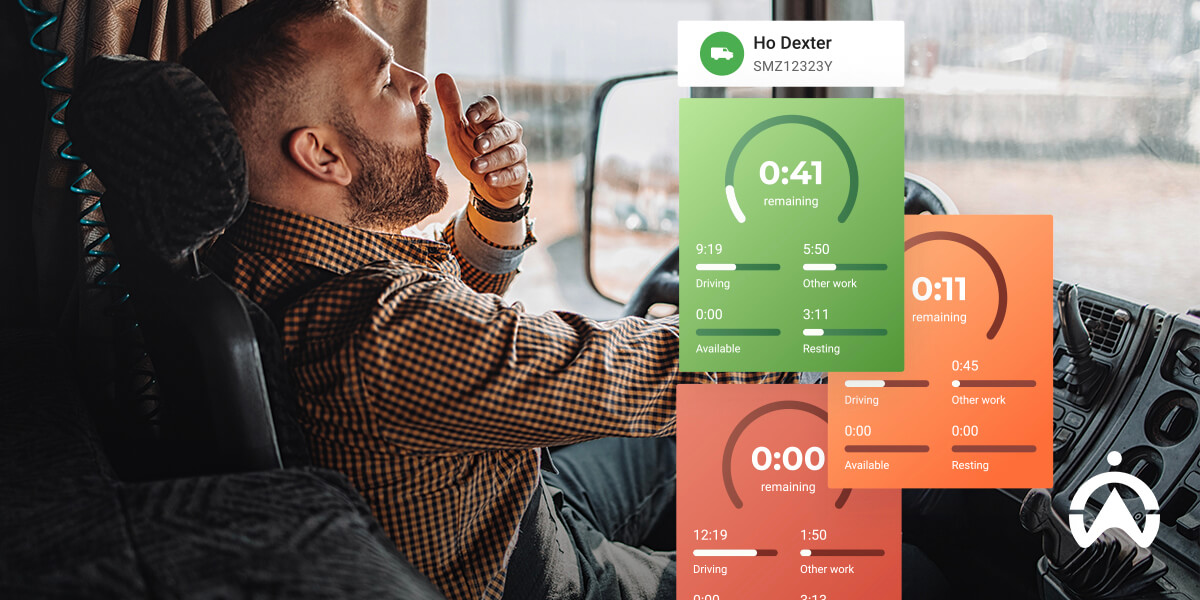
  • Stress, fatigue, and mental health factors: You endanger (even exacerbate) negligence issues if you disregard drivers’ mental exhaustion and stress by enforcing long hours and difficult routes.
  • Weak company safety culture: If managers and owners aren’t serious about safety, it’s likely that the drivers won’t be either. It’s important for you, as a figure in a supervisory position, to lead by example and not undermine the importance of safety policies.
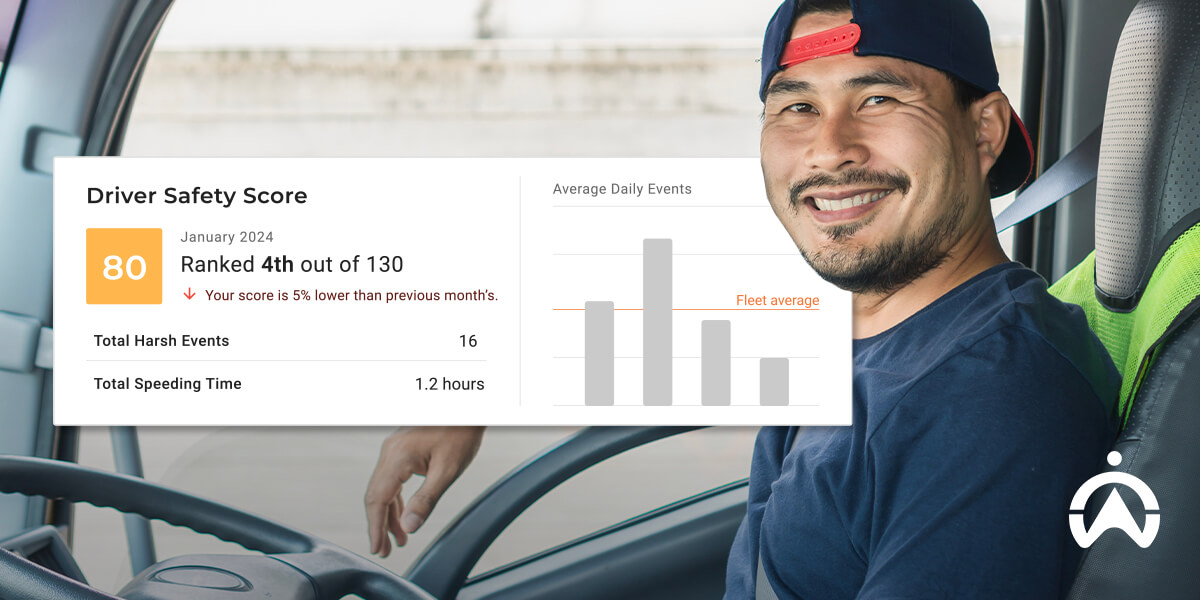
A driver displays a dashboard showing a safety score of 80, ranked 4th out of 130, with stats on harsh events and speeding time.

How can you prevent truck driver negligence with Cartrack?

With Cartrack, you can prevent truck driver negligence with support from our advanced technology and training solutions. Cartrack goes above and beyond by operating from a single, integrated, and unified platform that can detect and deal with potential negligence head-on.

This is what sets us apart:

  • Integrated driver behaviour monitoring with live alerts: You can get immediate notifications about dangerous driving and contact drivers in real time. This is especially true if you have a camera solution for your fleet with in-cabin calling.
  • AI dashcams detecting distraction, fatigue, and risky driving: Our AI camera solutions can detect distracted driving, including fatigue, phone use, smoking, and many other high-risk behaviours. This is a key solution to predictive fleet management.
    ‍
  • Video telematics (dashcams/MDVRs) for full visibility: Using our comprehensive camera systems means you’re fully protecting your drivers and your business. Should any legal dispute arise, you’d have clear evidence to clarify the situation.
    ‍
  • Driver safety scorecards and coaching tools for managers: Our driver scorecards and performance data are the best and most transparent way for you to share feedback with drivers. These can help you correct negligent behaviour.
    ‍
  • Easy compliance reporting for audits: Cutting admin time has never been easier. Because processes are automated, this massively simplifies operations and minimises human error. This is especially important for exporting reports.
  • Predictive maintenance and automated alerts: Our platform will send you notifications for suggested maintenance, so that your vehicles are tended to before costly breakdowns even happen.
    ‍
  • Full platform integration: As mentioned, Cartrack has a simple, integrated, and unified platform that has all the tools right at your fingertips.

Building a Safer Fleet With Cartrack

With the availability of proactive tools and resources, truck driver negligence doesn’t need to be an inevitable event. Negligence is preventable with the right balance of culture, policy, and technology—and that’s all achievable with Cartrack. When you invest in prevention with us, you ensure the protection of your brand and financial success.

Don’t wait until negligence costs you a contract or your business reputation. Take control now with Cartrack, and see how quickly you can reduce risks across your fleet.

FAQs

Q: What is the most common accident injury for truck drivers? 

A: The most common injuries for truck drivers are musculoskeletal ones, particularly strains that affect the back, neck, and shoulders. These pains and injuries typically stem from long hours on the road and the impact of collisions. More serious injuries include fractures or internal trauma.

Q: What are the four elements needed to prove negligence?

A: The four elements needed to prove negligence include duty of care, breach of duty, causation, and damages. Bringing these elements together helps establish whether someone genuinely caused serious harm. They’re important to correctly and fairly establish that negligence took place.

Q: What happens if an accident is not reported within 24 hours? 

A: If an accident isn’t reported in 24 hours, this could result in penalties and rejected insurance claims. You’re mandated by law to tend to an accident report within the first 24 hours of the incident occurring. Failure to do so means that drivers and companies are likely to face financial risk and downtime.

Q: Is negligence always the truck driver’s fault, or can companies be liable?

A: As much as a truck driver is the one behind the wheel, companies will always be liable, as drivers are part of the company’s staff. Companies can also potentially be subject to lawsuits, fines, and reputational damage if an investigation reveals that there’s a lack of adequate training or policies in place.

Q: How long do most truck driver accident settlements take to resolve? 

A: Most truck driver accident settlements can take months to years to resolve—it ultimately depends on the case. Each case comes with unique complexities, including the severity of the accident/injuries sustained and potential court backlogs. Companies with solid safety measures and compliance tend to avoid lengthy legal disputes.


What Colour Car Gets Stolen the Least Today?

The least stolen cars are ones with bright colours such as orange, green, yellow, and pink. This is because they’re uncommon, easy to notice, and hard to sell. Car thieves tend to go for vehicles in common colours, such as white, grey, and black. This is because they have a higher demand, making them easy to sell.

With the high vehicle theft numbers in Malawi, it’s also noticeable that some cars are just more attractive to the criminals than others.  There are many factors that go into what makes a car more attractive to thieves. Colour is one of them, but this holds a very small percentage.

So if you’re wondering how much of an impact the colour of your car (or the one you’re thinking of getting) will make in terms of being a target, Cartrack is here to break it down for you. We’ll also give you tips on strengthening vehicle security regardless of the colour.

Do thieves really care about car colour?

Yes, car thieves do care about the colour of your car, but it’s not the main thing they look at. Car thieves fear being noticed and constantly think about how much attention a car draws. The brighter your car, the more it stands out, making it harder to hide.

Neutral colours such as grey, silver, black, and white, blend more into traffic. Think about a neon green sports car. How often do you see that? If word goes out that such a car is missing, people will definitely notice it while it’s on the move and report it. But if it’s black, most people will probably drive past it without even flinching. This is what makes bright colours less likely to be stolen.

Remember that car thieves are always looking to make a quick buck. Common colours are easier to resell or strip for parts. This means they have a higher resale value on the black market, thus being a more valuable option.

What the research and insurance data says about car colour

Research from the motoring industry suggests that insurers focus more on a vehicle’s make and model than its colour when assessing risk. However, lighter colours such as white and silver tend to be the most common on the road, which also makes them more frequently targeted for theft.

It’s also worth noting that certain vehicle characteristics can influence safety. The colour of a car can affect insurance considerations and may even play a role in reducing accident risk. How:

  • White cars have a 12% lower chance of being involved in accidents and are considered the safest on the road because they stand out in most backgrounds.
    ‍
  • Black cars are 47% more likely to be involved in road accidents because they don’t stand out on the road, especially in the dark. They have the highest accident rates.
    ‍
  • Owners of darker-coloured vehicles often face higher insurance premiums due to the risks associated with visibility.
A masked individual in black clothing attempts to break into a parked car, using a tool to pry open the window.

Other things that matter more than vehicle colour

Vehicle colour only plays a small role in what thieves are looking for. Criminals usually care more about the type of car it is, how easy it is to steal, and how quickly it can be resold. In other words, vehicle colour matters less than its make, model, security features, and location.

Here’s why:

  • Car make and model: Some cars have a higher demand than others. Thieves usually target popular vehicles, regardless of colour, because they can be sold quickly. Luxury high–end cars may also attract organised crime groups due to their resale value on the black market.
  • Location: Some areas are more prone to car theft than others. There arehigh-risk zones in all major cities. If you live around such areas, your vehicle is at risk of theft regardless of the colour. Where you park your car also counts. Secure parking, such as garages and carports, provides more protection. If it’s a dark open area, then there’s a greater likelihood of theft.
  • Security: In one of our articles, we mention how older models may be easier targets because they lack security features such as alarms and immobilisers. The mere presence of visible security devices such as dashcams or steering wheel locks can make a thief think twice about targeting your vehicle.

How to choose a car colour wisely

When picking a car colour, think about all the pros and cons, take note of theft trends, but also bear in mind that vehicle colour is only a small contributing factor when it comes to risk. Ensure that you invest in strong security measures such as a GPS tracking unit. That way you get maximum protection regardless of the colour.

A smartphone displaying a Cartrack tracking app, showing a map with a parked green car icon, beside a white car and a woman.

No matter the shade, Cartrack keeps your car safe

With Cartrack by your side, you don’t have to compromise on the colour you’d like for your vehicle. Whether it’s red, blue, black, silver, yellow, or two-toned, we’ve got you covered! Our solutions are specifically tailored to reduce the likelihood of theft and increase the chances of recovery.

Here’s what we offer:

  • Stolen Vehicle Recovery: If you ever find yourself in a vehicle theft situation, you can rest assured that we’ll do everything in our power to get it back to you. We’ve got highly qualified recovery agents that are available nationwide and always on standby. Over the past decade, we’ve conducted more than 100,000 successful recoveries, making us a leading stolen vehicle recovery service.
    ‍
  • CarWatch: Ensure your vehicle is safe no matter where you park with our smart CarWatch feature. All you need to do is activate the tool on your Cartrack mobile app immediately after you park, and you’ll get an alert as soon as it moves without your permission. CarWatch acts as your virtual car-guard, watching over your vehicle during grocery runs or whenever it’s left in an unsafe environment.
  • Geofence: As an extra measure of security, you can make use of our geofencing feature. This is a function that allows you to create virtual boundaries around areas of your choice. You’ll get alerts whenever your vehicles enter or leave those areas.

    For example, you can create a geofence around the high-risk zones in your city. If you happen to lend your car to someone and they go past that zone, you’ll get an alert, then call to confirm their safety or determine if it’s a case of theft. Vehicle recovery chances are higher when the theft is quickly noticed.

  • Road Vision camera: Cartrack’s Road Vision camera solution is yet another way to safeguard your vehicle. It’s a road-facing camera with GPS tracking capabilities, ensuring you always know where your car is. Its visibility also serves as a deterrent to criminals because no one wants to steal a car knowing that their actions are being recorded.
    ‍
  • Trip history: All our GPS tracking devices have telematics technology. This means it can sense driving habits such as speeding, harsh braking, and harsh cornering. You can access this information by going through your trip history, replaying routes, and seeing where you can improve. Better driving habits reduce the chances of accidents, therefore making you less of a risk to your insurer. 

So rare bright-colour vehicles often show lower theft rates in studies, but regional differences, make and model, as well as security measures, matter far more. Vehicle theft goes with popularity, so unpopular vehicles are less likely to be stolen. A thief is more interested in what car you drive and how easy it is to steal. Enjoy the colour you want; just don’t compromise on security. Contact Cartrack today!

Frequently Asked Questions about car theft and colour

What car do they steal the most?

The most stolen cars are sedans, hatchbacks, and coupes. There’s a high-demand for vehicle models of that nature because of their widespread use in both rural and urban areas. Some of them are easier to dismantle, and due to their popularity, the parts are quick to sell.

Does a white car stay cooler?

Yes, a white car usually has cooler temperatures than darker-coloured cars. This is because white surfaces reflect more sunlight and absorb less heat. The reflection keeps the surface temperature lower, which in turn also keeps the interior cooler than that of a darker vehicle that’s left in the sun.

GPS Tracking Solutions That You Need to Know

The GPS tracking solutions that you need to know use a combination of hardware and software to show the live location of a vehicle, asset, or person. The hardware, a GPS device, remotely connects to satellites, sending signals that make real-time tracking possible. Tracking solutions address some of the most important pain points for businesses, including theft, rising fuel costs, and asset maintenance.

In Malawi, where road conditions can be brutal and vehicle theft remains a major concern, a GPS tracking solution is not just a nice-to-have. It’s a necessary system for your business’ survival. Without this solution, your business risks losing its assets, experiencing downtime, and incurring higher costs.

This is how we stand out. Cartrack offers turnkey solutions for businesses of all sizes and industries, providing the best way for you to keep your fleet safe and establish full operational transparency.

What are GPS tracking solutions, and how do they work?

GPS tracking solutions are systems that use the Global Positioning System (GPS) as a way to accurately determine the location of an asset, vehicle, or person. In the case of a business, they translate to the visibility of your fleet at all times, with the intention of managing operations more effectively.

Hardware (a GPS tracking device) is fitted into the asset, and data is transmitted via cellular networks to a central online platform. This means you can keep track of vehicle movements and operational efficiency from a single, streamlined dashboard. In the case of Cartrack, you’d see everything from Fleet Web or the mobile app.

GPS tracking solutions have grown in popularity among fleet-based businesses. Most solutions have made it simple to track vehicles through easily accessible web pages or mobile apps. The result? Clear visibility, improved safety, and better business decision-making overall.

Types of GPS tracking solutions that you need to know

The types of GPS tracking solutions can be divided into two categories: how they operate and their purpose. In terms of operation, tracking solution types include passive, active, and hybrid solutions. When looking at purpose, GPS tracking solutions typically include personal, vehicle, and asset tracking.

It’s important to note that Cartrack focuses on vehicle and asset tracking for businesses, with solutions that are built to support smarter fleet management and stronger operations.

By Operation

Here’s a comparison table to help you understand how GPS tracking solutions operate:

Type of GPS Tracking Solution Brief Explanation of GPS Type Real-Time Tracking? Data Storage Best For
Passive Records data for later review, no live updates No Typically stored on the device to be reviewed later Smaller fleets or occasional tracking
Active Sends location instantly, which allows for real-time tracking Yes Usually cloud-based and accessible anytime, though it can be stored on the cloud too Large fleets needing live monitoring
Hybrid Combines live updates with offline logging, giving reliable tracking at all times Yes Available on both the device and the cloud Fleets needing flexibility and occasional offline access

By Purpose

Here’s a table to help you better understand the purpose of GPS trackers:

Purpose Typical Use / Description
Personal Trackers These are largely for individual safety and typically include wearables, pet collars, or family-sharing tracking apps
Vehicle Trackers These monitor vehicles for fleet management and logistical purposes. GPS tracking typically goes beyond simply tracking, assisting fleet managers in making better operational choices
Asset Trackers These are for tracking valuable equipment, tools, or containers
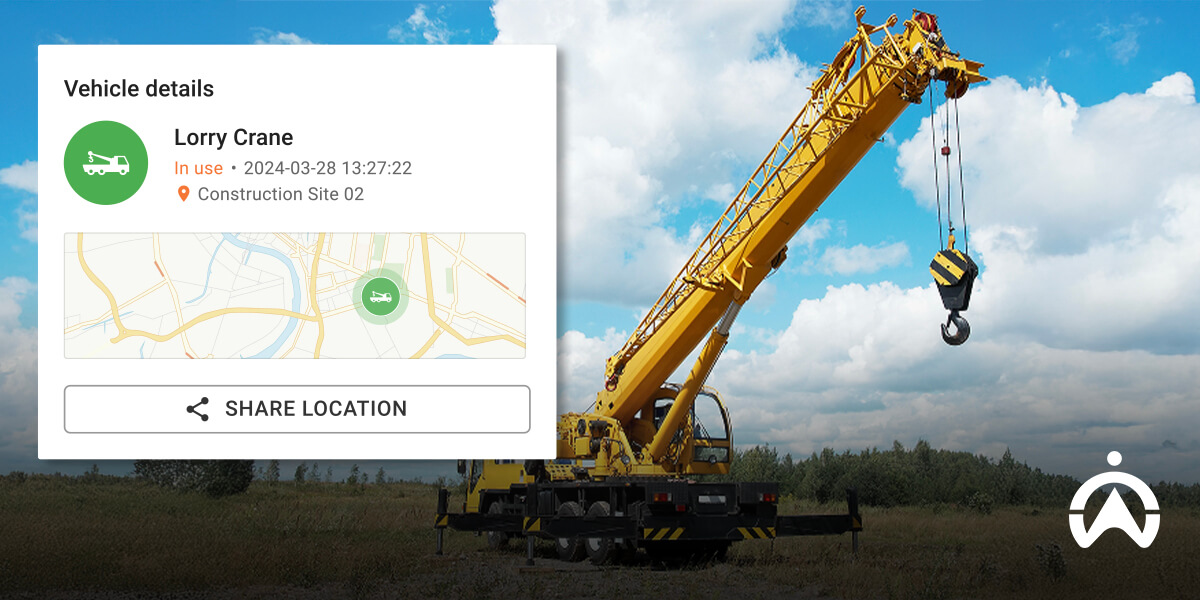
A yellow lorry crane in a construction site, with details overlay including location, date, and sharing options.

What are the business benefits of GPS tracking solutions?

The business benefits of GPS tracking solutions largely revolve around delivering measurable value for your business. Beyond smoother operations and lower operational costs, its automated reporting and standardisation features streamline and simplify back-office tasks. Tracking solutions also support features that improve driver accountability, encouraging a safer driving culture within your business.

Let’s take a closer look at some of the business benefits:

  • Reduced fuel and operational costs: By carefully tracking trips through fuel usage, route viewing, and driver monitoring, you can identify any inefficiencies that impact fuel and operational costs. Better routes and reduced risky driving equate to lower fuel and maintenance expenses.
    ‍
  • Improved driver accountability: GPS tracking solutions used in combination with monitoring driver behaviour can strongly encourage safer driving. Getting real-time, intelligent insights into driver behaviour helps with reinforcing feedback and coaching. It also reduces accidents and wear and tear.
    ‍
  • Theft prevention and asset protection: With the help of tracking solutions, you can receive immediate alerts for hardware tampering or unauthorised vehicle movement/use. GPS tracking assists in quickly recovering stolen vehicles and assets, as well as protecting cargo.
    ‍
  • Simplifying reporting and compliance matters: GPS tracking solutions paired with telematics will always give you the best in valuable insights. Because of this, you can leave the demanding paperwork behind and rely on automated reports and data. This makes it much easier to stay compliant and ready for potential audits.

Choosing the right GPS tracking solution for your business

When choosing the right GPS tracking solution for your business, it’s important to consider the business’ needs and goals before anything else. Always analyse fleet size, type, and priorities before deciding on what kind of solutions and accompanying features work best.

Cartrack offers you flexible solutions that work for every type of business and fleet size. If you’re still unsure about your options, our experts can point you in the right direction by suggesting the best solutions for maximum performance and control.

In the meantime, take a look at our quick self-check below to get a better idea of how to choose.

Mini Self-Check: Find Your GPS Solution

Look at these 3 categories to narrow down which GPS tracking solution fits your business needs:

  • Tracker Purpose 
    • Vehicle Tracking → Optimise fleet operations, boost driver accountability, and bring down costs
    • Asset Tracking → Keep high-value equipment safe, prevent theft, and track locations in real time
      ‍
  • Fleet Size
    • Small (1–10 vehicles) → Passive tracking could suffice
    • Medium (11–50 vehicles) → Active or hybrid tracking is recommended
    • Large (50+ vehicles) → Active tracking with real-time monitoring and extra add-ons is recommended
      ‍
  • Fleet Type
    • Light vehicles/delivery vans → Vehicle or portable trackers might suffice, depending on the number and type of vehicles
    • Heavy-duty trucks/specialised equipment → Consider hybrid or active tracking for reliability and complete visibility
    • Mixed fleet → Hybrid tracking recommended for flexibility, although active tracking can also be helpful
      ‍
  • Business Priority
    • Cost-sensitive/occasional tracking → Passive tracking works
    • Real-time visibility & fleet control → Active tracking is essential
    • ‍Flexibility and offline reliability → Hybrid tracking fits best, but active tracking could still be a priority here
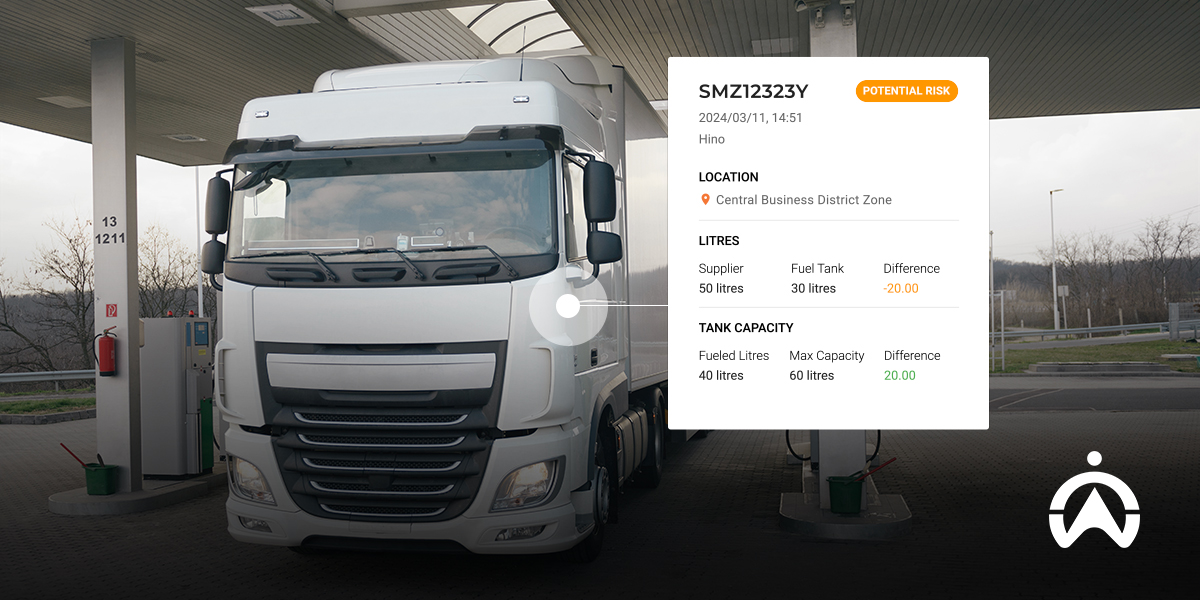
A Hino truck refuels at a station, displaying fuel metrics like supplier litres, tank capacity, and a potential risk alert.

Why Cartrack is the optimal choice for GPS tracking solutions that you need to know

Cartrack is the optimal choice for GPS tracking solutions because businesses across Malawi and so many parts of the world trust it. Cartrack holds a strong reputation and is known for its innovation, exemplary customer service, and dependability, guaranteeing tangible results for you and your business.

Key advantages of choosing Cartrack include:

  • Proven reliability: Cartrack has a powerful global footprint. We’re trusted by businesses across Malawi and 23 other countries worldwide. These are businesses spanning various sectors that’ve achieved secure and accurate tracking with us.
  • Comprehensive solutions: Cartrack provides flexible, scalable, and comprehensive GPS tracking solutions that are tailored to every kind of business. Whether your fleet is small or complex, we’ll make sure to find an approach that works for you.
  • Advanced features built in: Geofencing, driver behaviour monitoring, and remote vehicle immobilisation are only a few of the advanced features we offer. Having all the bells and whistles isn’t necessary, though—we can help you choose exactly the right add-ons to suit your fleet.
  • Easy installation & support: We offer scalable GPS tracking solutions that can grow with your business. We also provide expert guidance where necessary, numerous fitment centres, and ongoing support to ensure you’re always operating smoothly.
  • Real-time insights: With MiFleet and the Cartrack mobile app, you can get access to insights and live data whenever you need it. The ability to have immediate access allows you to make decisions on the move, especially in the case of an emergency.
  • Local expertise: Because we have solutions tailored for Nalawi roads, regulations, and business needs, you can rest assured that you’re receiving unmatched support from our professional, round-the-clock available team.

Maximising your fleet with GPS tracking solutions

Location tracking only scratches the surface of what GPS tracking solutions offer. The real power lies in transforming raw data into strategic advantages. Cartrack can empower your business with comprehensive oversight of vehicles and assets, reducing costs, strengthening security measures, and streamlining regulatory requirements.

With both local expertise and international reach, Cartrack provides adaptable, robust systems engineered to maintain your fleet’s productivity, security, and continuous progress.

Don’t wait until inefficiencies cost your business. Talk to our experts today and see how easy smart fleet management can be.

FAQs

Q: Can GPS tracking solutions work in remote or low-network areas?

A: Yes, GPS tracking solutions do work in remote or low-network areas, especially modern units like Cartrack’s. However, if the connection does fail, information will continue to get logged and stored. The information is then uploaded automatically once the connection is restored. This ensures that none of your information is lost.

Q: Is GPS tracking legal for businesses in Malawi?

A: Yes, GPS tracking is legal for Nimibian businesses as long as staff are notified that their movements are being tracked. GPS tracking is actually encouraged for fleet-based businesses because it addresses key pain points and priorities, but businesses must abide by compliance and labour laws.

Q: How long does it take to install a GPS tracking system?

A: Installation is typically quick and hassle-free. From Cartrack’s side, professional fittings take about two to four hours per vehicle. It ultimately depends on the features required and the number of vehicles being worked on. Professional technicians will always do their best to ensure proper setup and minimal downtime.

Q: How do GPS tracking alerts and notifications work?

A: GPS tracking alerts and notifications work by appearing in real time through the related dashboards and mobile apps. These systems, more especially with Cartrack, are triggered by certain events that prompt an immediate notification. These events include unauthorised vehicle use, geofence breaches, dangerous driving behaviours, and hardware tampering.

What is Cartrack’s Mifleet?

Cartrack’s MiFleet is a powerful, core value-added service within our larger digital fleet management platform. This feature makes managing costs, risks, and compliance a simple process. As fleet managers and owners, the reality is that you’re at the mercy of the challenges that come with running a fleet. These include keeping important paperwork in order, fuel expenses, and optimising fleet operations.

Studies show that fleet management tools, such as MiFleet, can reduce fuel costs by up to 15% and decrease administrative expenses by as much as 20%—savings that directly impact the bottom line. You get the opportunity to turn efficiencies into tangible business growth and stronger returns.

With MiFleet, we go beyond simple tracking and telematics. MiFleet automates back-end processes, keeps track of all costs and expenses, and gives you access to all the valuable insights you need. Turn to MiFleet for your all-in-one fuel and cost management solution.

Understanding Cartrack’s MiFleet: what is it?

Cartrack’s MiFleet is an add-on feature that’s part of Cartrack’s digital fleet management platform, or FleetWeb. It’s designed to take the hassle out of running a fleet and simplify the processes that come with it. MiFleet automates and streamlines tasks, eliminating the need for paperwork and spreadsheets while ensuring cost control, compliance, and reporting.

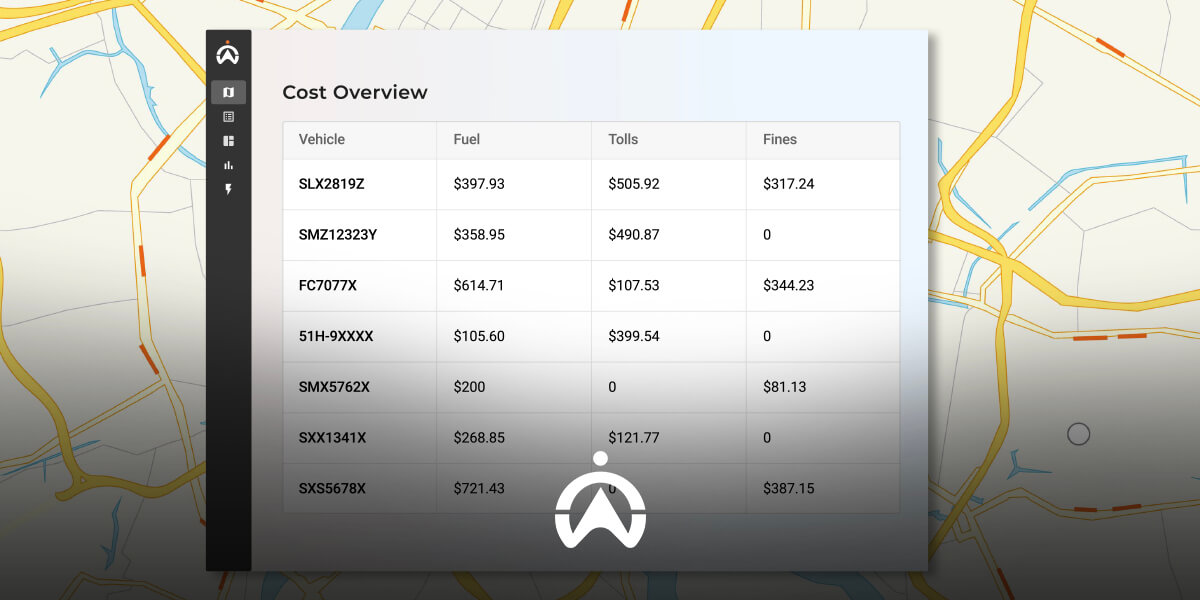
MiFleet is powered by advanced algorithms and analytics. On the dashboard, you can track expenses like fuel, tolls, fines, tyres, maintenance, accidents, and insurance. The system gives you clear breakdowns across your entire fleet, allowing you to spot fuel consumption patterns, cut down on waste, and even detect possible fuel theft.

As a fleet manager, you can get a complete picture of your fleet’s performance. Using a tool like MiFleet allows you to strengthen your fleet strategy, improve your overall business performance, and implement effective change for business growth.

Core focus areas include:

  • Expense tracking: Keep track of tolls, fuel, licences, fines, and so much more.
    ‍
  • Automated reporting and compliance: Have all your documents saved and in order with minimal effort.
    ‍
  • Consolidated fleet cost visibility: Be able to see all the fleet costs in real time.

Quick Benefits Snapshot

  1. Cut admin time
  2. Lower compliance risk
  3. Smarter cost control
  4. Works for any fleet size

What can MiFleet do for your business?

MiFleet can make everything about fleet management easier and more profitable. This feature goes far beyond simple real-time monitoring. By consolidating fleet processes, MiFleet empowers you to simplify all the administrative processes, make compliance straightforward, and improve the way you run your business.

Let’s take a look at what MiFleet can do for you:

Automated expense management

Through automated expense management, you won’t have to worry about juggling paperwork or confusing spreadsheets. MiFleet allows you to import and translate data, organising expenses and insights into practical feedback. Not only does this save time, but it also reduces the chance for human error. This ensures your data is as reliable as possible.

A truck driver in a bright safety jacket smiles and gives a thumbs-up from the window of his vehicle.

Compliance and licence management

Compliance and licence management are the key components in fleet management, and keeping track of them all can be overwhelming. Vehicle registrations, permits, and driver’s licences are just a few of the documents that always need to be up to date.

MiFleet helps you stay in control by storing soft copies of required records in the documents and contracts storage tabs, generating reports, and sending renewal reminders. As a result, you can avoid potential fines and downtime that come with being non-compliant. Automation equals convenience—something every fleet manager wants and needs.

Real-time financial oversight

MiFleet’s dashboard gives you a full overview of your costs and expenses, meaning real-time financial oversight. Clearly seeing these costs means that as a fleet manager, you can take corrective action before things become exceedingly expensive. Fuel and maintenance costs are usually the highest expenses for a fleet. Adding MiFleet to your Fleet pages can help you save money and reinvest that money back in your business instead.

Integration with Cartrack telematics

Cartrack telematics, the central component to all comprehensive insights, integrates with MiFleet. Operational and financial data come together to create a powerful tool that lets you make cost-saving decisions. The impact doesn’t stop here, though; fleet efficiency, improved driver behaviour, and better fuel management are also on the cards.

The business impact of Cartrack’s MiFleet

Cartrack’s MiFleet is your key to a renewed fleet strategy. Its business impact is clear, proving itself as a solution that helps businesses of all sizes and industries. MiFleet gives you both the knowledge and control you need to implement necessary changes without simply relying on guesswork.

Gain access to actionable insights into your fleet’s condition and operations, resulting in improved performance and decision-making.

Here are some significant outcomes you can expect for your business:

  • Reduced admin burden: Because tasks and reports are automated, tedious administrative duties are a thing of the past. You and your staff can stay focused on the business itself.
    ‍
  • Lower operational costs: Smoother operations mean lower costs. Costly maintenance payments, fuel waste, and other expenses are reduced due to improved efficiency.
    ‍
  • Improved compliance and risk reduction: With driver, trip, and vehicle documentation in order, you won’t have to deal with fines or downtime.
    ‍
  • Data-driven decision-making: Keep track of trends and patterns, and view your fleet plan operations in a proactive manner, rather than reactively.

Who should use Cartrack’s MiFleet?

If you’re:

  • a fleet business owner
  • part of the finance team of a fleet company
  • a fleet manager, or
  • an operations manager overseeing fleets

…you should use Cartrack’s MiFleet. Reliable reporting and comprehensive cost overviews, eliminating inefficiencies, and reduced paperwork are just some of the tools you’d need to manage your fleet more effectively.
‍

Let’s take a look at some industries that benefit the most, along with examples of how:

  • Logistics and distribution: These are businesses that constantly face high pressure and demand because of deliveries. Additionally, fuel is an integral factor. MiFleet could be the answer to keeping track of your business’s fuel usage, expenses, and wasteful practices.Example:A courier company has been struggling to keep up with the increasing costs of fuel. With the help of MiFleet, the company was able to consolidate the costs and spot the reasons for fuel waste. This allowed them to take steps to lower fuel expenses.
    ‍
  • Delivery and field services: Companies that offer delivery services often have large fleets with multiple staff members. Administrative tasks can become tedious and time-consuming. MiFleet automates systems and can quickly generate reports when they’re needed, meaning you save time and free up company resources.Example:A local delivery business found that they were spending far too much time on back-office processes. Because MiFleet consolidates major costs like fuel and tolls, this business saves hours without having to rely on manual paperwork.
    ‍
  • Construction: There are numerous regulations and compliance rules that fleets have to abide by, but this is particularly true for construction companies. Asset protection, licences, and permits are just some of the factors that could directly impact uptime. MiFleet ensures your construction company receives regular document renewal reminders and keeps all important records in one place.Example:A contractor with dozens of trucks was facing major delays, losing valuable time and money because of unexpected breakdowns. MiFleet helped the contractor keep track of costs and previously logged maintenance, so that they could schedule maintenance before breakdowns could occur. This meant that construction continued to run smoothly.
    ‍
  • Rentals: As a car rental owner, you’re faced with regulatory matters that include traffic fines, regular servicing, and compliance that comes with large fleets. Much like construction companies, rental businesses consolidate records, making meeting compliance standards much easier. Example:A car rental company wasn’t keeping up with fines and servicing, which meant they were faced with even more fines and downtime due to penalisation. MiFleet helped this company store and track fines and service invoices, meaning the company could respond promptly and proactively.
A large truck drives on a highway, next to a fuel gauge display indicating 80% fuel remaining.

Why should you choose Cartrack’s MiFleet?

You should choose Cartrack’s MiFleet because it stands out above the rest, combining innovation, comprehensive capabilities, and accuracy in one feature. MiFleet also integrates valuable insights and improves cost management through advanced features. With all of this, you can ensure you’re getting a full and realistic picture of your fleet.

Your business can trust MiFleet to manage and simplify everyday tasks, while still embracing strategic control. MiFleet has the advantage of scalability, meaning that it’ll always be flexible by adapting to the size of your fleet. This kind of flexibility means you have access to all the necessary tools—no matter how big or small your fleet is.

Choosing MiFleet means going beyond simple fleet management. Choosing MiFleet means a reformed fleet strategy, optimised business performance, and better, smarter decisions for the future of your company.

Final thoughts

Cartrack’s MiFleet offers more than standard fleet management technology. It gives businesses a smart way to control costs, stay compliant, and boost consumer trust. Our intelligent add-on feature automates daily tasks, makes financial tracking much easier, and provides instant analytics so your company can make decisions based on real data.

It doesn’t matter whether you’re managing a small fleet or a large transport network. MiFleet turns cost management and fleet visibility from a reactive, time-consuming task into a proactive tool that supports your business growth and improves operations.

Book a demo with Cartrack to see how MiFleet can streamline your fleet operations. Contact our team today to enhance your fleet management with our smarter cost and compliance solutions.

FAQs

Q: Do I need to use Cartrack telematics to get MiFleet?

A: No, MiFleet can technically work without Cartrack telematics, although it’d be very limited in its functionalities. The best way to use MiFleet is with Cartrack’s telematics, as it’ll give you the best and most comprehensive results. When you combine these tools, you get the complete visibility and data-driven insights that you need.

Q: How quickly can Cartrack’s MiFleet be implemented?

A: Cartrack’s MiFleet can be implemented very quickly, although the tracking device and fuel sensors themselves can take from 2 to 4 hours to be installed in a single vehicle. The amount of time it takes ultimately depends on a number of factors. These include the number of vehicles, the features you’re interested in, and software configuration.

Q: Can MiFleet integrate with my existing accounting or third-party systems?

A: Yes, MiFleet has been designed to integrate with most of your accounting or third-party systems. You can export reports and data for analysis or reconciliation, keeping your financial and operational information accurate and easy to access. This helps avoid double entry and makes it much simpler to get a clear picture of fleet costs and overall productivity.