Using fleet management systems to empower your drivers

Fleet drivers represent the business world and provide much-needed services to the public. Safety measures would not only benefit them, but also the company they work for in terms of maximising profits, cutting costs, and improving delivery systems. Discover actionable fleet safety tips for drivers.

From the moment they drive out the business grounds and hit the road, fleet drivers are responsible for the vehicle, cargo, and their own well-being. They should consider how they handle the vehicle, how they avoid potholes and any objects that could compromise their safety, and much more. 

 The safety of drivers is the most critical aspect of the success of a fleet management system. By putting driver safety and empowerment at the centre of training programs, fleet managers can focus on their most valuable assets – drivers who can recognise their own risky, on-road behaviour and strive to correct their actions. Taking initiative puts fleet drivers in the best position to help keep their fleet on track during challenging times and gives their managers one less thing to worry about.

Cartracks-fleet-management-system-helps-you-manage-your-vehicle-maintenance-schedule

Managing your fleet on the road

While fleet systems get new technical upgrades annually, it’s important not to forget to use the technological innovations to also positively impact fleet drivers’ daily workload. Fleet managers should start using fleet management software to not only optimise delivery workflow but also improve driver skills, awareness and behaviour on the road.

There are many challenges fleet drivers face while driving; one that impacts the supply chain is on-road issues, which may hinder or delay delivery. These issues could be anything from dealing with vehicle maintenance problems such as a tyre blowout while driving, which could endanger both themselves and other motorists, or unforeseen situations of criminal activity, putting the driver’s life in possible danger.

Fleet safety comes first

According to the International Traffic Safety Data and Analysis Group Annual Road Safety Report for 2020, issues such as heavy loads and unworthy cross-border vehicles contribute quite heavily to road accidents and casualties, as do vehicles travelling inappropriately on rural roads. 

Speed coupled with the lack of lane lines, unmarked intersections and unsafe road surfaces, also adds to the high accident rate on our roads. 

This same report highlights that in all countries:

  • Speed is a contributing factor in 15% to 35% of fatal crashes
  • Driving under the influence of alcohol is a factor in 10% to 30% of fatal crashes

Truth is, your drivers are on these very roads but that’s where a technologically advanced fleet management system comes into play. It will allow you to put a speed management and monitoring strategy in place that will help you enforce safer driving behaviour through regular reporting, as well as keep track of where your drivers and vehicles are so that if they do run into any kind of trouble, you can act fast.

Gain insights from your fleet

A good means of instilling safer driver behaviour in your fleet is to hold safety meetings with your drivers. Here they can actively engage in discussions with the management team on where improvements need to be made to individual vehicles and the fleet as a whole. These can be as simple as avoiding a route currently under construction or needing to change a route completely due to dangerous situations such as potholes, illegal activity and more. 

Take the time to draft a fleet safety policy revolving around your drivers. Put yourself in the driver’s seat. Keep it simple but as specific as possible and conduct regular reviews with your drivers. These meetings could include discussions around the wearing of seat belts, the use of breathalysers, and focused driving, which could be monitored by a fleet management system.

Being on the road gives fleet drivers the front-seat advantage, so put their knowledge to good use and drive effective teamwork. Managers can also use these meetings to discuss aspects such as the vehicles themselves, ways and means of improving things such as inspections, toll fees, licence renewals and more.

Cartrack’s MiFleet software is a great application to use for all this; it cuts down on your administration time and keeps you updated through alerts and reminders on where and when vehicle costs need to be covered. 

The alerts sent would also help fleet managers avoid unnecessary downtime and loss of production due to delays such as service maintenance or unpaid fines, and help increase vehicle longevity. 

Using-Cartracks-fleet-management-system-to-keep-track-of -your-vehicle-maintenance

Fleet monitoring to benefit transporters

Roadside situations are plentiful and it’s the responsibility of the fleet manager to try and be present as much as possible in every one of his/her fleets, to defuse any minor or major problems and quickly find the right long term solutions.

While managers do their part in keeping drivers safe, with the help of fleet management software, they can also: 

  • Supply accurate vehicle tracking Through GPS wireless connectivity, the fleet system ensures your drivers can always be found, no matter what route they take.
  • Provide 24-hour live reporting
    To keep the fleet manager as informed as possible, fleet management systems will automatically send reports of every event that occurs while in transit, even if the driver forgets to update it on the mobile app.
  • Have always-on digital platforms
    A live program grants both the manager and driver the benefit of continued and instant communication.
  • Instant access to custom dashboards
    Conveniently have your important or most used tools at the ready as soon as you access your mobile app. Cutting time spent on having to search for certain features.

These types of features help managers keep track of their fleet and implement both instant and long-term strategies to improve driving habits, reduce running costs and increase fleet longevity.

Put safety in your own hands

There are also a few ways drivers can take initiative and implement safety into their daily schedules. 

Training programs are available to help in managing the risks of driving, improve behind-the-wheel skills and also reduce the impact of accidents and breakdowns.

Sometimes, something as simple as rewarding drivers who practise safe road behaviour is all the motivation needed to encourage self-awareness and improvement.

Finding solutions to fleet vehicle neglect

Before we start deep diving into solutions, we first have to know the reason behind destructive driving behaviour and neglect of company vehicles. 

One is if drivers haven’t been properly trained, are unsatisfied or unmotivated at work and are reluctant or haven’t properly integrated into the work environment or culture.

This negligent behaviour can result in on-road running costs increasing, including frequent tyre and brake replacements, future maintenance expenditures, and worse, accidents.

To help rectify this behaviour, fleet managers can peruse:

  • Engaging the workforce by sharing pertinent information with them
  • Hold regular meetings with your fleet drivers to keep them informed and engaged
  • Show them their performance reports, pointing out where they’re doing well or need to make improvements, and what factors affect their results
  • Obtain as much data as possible, both electronic and verbal, to help you form a holistic image of your fleet that allows you to make informed changes with speed and efficiency

The cost of fleet accidents

One accident can greatly affect and cost your company anywhere from $16,000 to $75,000, even if it’s minor and no one was hurt. In the case of fatalities, the cost can skyrocket even if it wasn’t your employees’ fault. The fact that fleet accidents are among the most expensive injury claims for a business, is one of the main reasons why safety is a high priority for fleet business owners.

Here’s a list of the type of cost implications accidents can have on your fleet: 

  • Vehicle repairs/ replacement
  • Fines due to traffic violations
  • Legal representation
  • Court fines
  • Loss of revenue due to damaged fleet vehicles
  • The cost of insurance premiums and deductibles
  • Replacement driver training
  • Loss of productivity due to avoidable downtime

Though this list might be enough to cause a dent in any business’s profit margin, there might still be additional costs added depending on the circumstances, but rest assured, with fleet safety programs and training implemented, there will be significant reductions in on-road incidents.
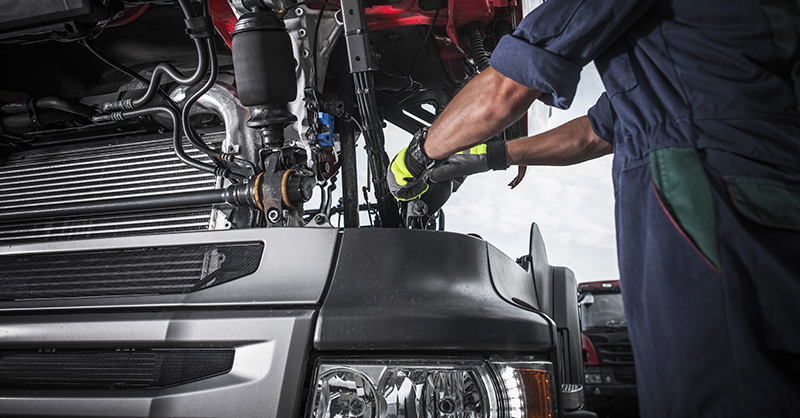
Cartracks-fleet-management-system-helps-you-monitor-vehicle-maintenance

What are the 5 key elements of effective fleet management?

To avoid losing money in the case of accidents or general poor productivity, businesses should invest in fleet management systems and a fleet safety program, as this long-term investment pays off through better accountability, improved fleet safety, promotes fewer collisions, and reduced operating costs.

There are a few key elements that contribute to an effective fleet safety program:

1. Hiring responsible drivers

An effective fleet safety program begins with the driver recruitment process. Start by finding the right drivers that meet the business’s fleet driver standards. Having a skilled driver with experience in driving fleet trucks would be beneficial.

The idea is to build a reliable and safe team of skilled drivers who understand the importance of fleet safety and prioritise it as much as possible. Hiring drivers who are like-minded in terms of work ethic, attitude and driving skills might result in having a low fleet driver turnover rate.

2. Having a comprehensive driver training program

After assembling a team of safe and reliable drivers, the next step is to train them.

Cartrack has a fleet management training course for fleet managers looking to maximise productivity, as well as offers training facilities for drivers to better improve their driving skills and behaviour.

The training of drivers not only reduces the possibility of accidents on the road but also sets a standard for safe driving among the fleet, ensuring smooth operations. 

3. Monitoring driver performance and behaviour

An effective fleet safety program requires the use of high-end fleet management software that allows fleet managers to efficiently monitor all fleet activity. Regular monitoring of driver performance and driver behaviour ensures all drivers are following the fleet safety guidelines and driving safely.

As a Cartrack customer, you’d have the benefit of using an  AI-powered camera system that monitors drivers while on the road. With this, you could get a full view of your drivers, vehicles and cargo in transit, and receive alerts on any risky driving behaviour or possible collisions. 

You can also use driver scorecards to review their performance, which makes it easier for fleet managers to identify drivers who require further coaching.

4.  Vehicle maintenance

Having routine inspections of fleet vehicles is also an essential part of proper fleet management. Now that you’ve trained your drivers to exercise safe driving behaviours, you need to equip them with vehicles that are in tip-top shape.

This will help prevent unforeseen breakdowns and accidents that result from faulty equipment or poorly maintained parts. Plus, regular vehicle monitoring will lower maintenance costs.

5. Keep a continued focus on fleet safety

The importance of overall fleet safety needs to be repeated regularly. With constant use of safety procedures, this idea will become the norm and integrate itself into the business’ culture.

Sharing important fleet safety metrics with your drivers, fleet managers, and safety officers frequently is also recommended. Seeing the benefits that the safety program brings will validate the effectiveness of the fleet safety program. The habit will continue and be properly implemented into the training programs of new drivers.

With Cartrack’s end-to-end SaaS solutions, you can improve the safety of your fleet by:

  • Having real-time monitoring of vehicle and driver behaviour with Artificial Intelligence (AI) technology can help identify and correct poor driving habits that lead to accidents and prevent them.
  • Monitoring driver performance through scoring and providing targeted training opportunities for drivers improves driving efficiency and lowers your fleet operating costs. Provide end-to-end driving analysis on your drivers’ dashboards so you can identify their most-used routes and intervene to prevent unsafe driving.
  • Creating customised driver safety policies to ensure that they can operate safely while delivering items. It also helps to lower the costs associated with poor driving behaviour.
  • Maintaining and servicing vehicles properly to keep them safe to operate and reduce the risk to both drivers and other road users. Proper maintenance can help prevent problems from occurring.
  • Creating a rewards programme to encourage drivers to drive safely and increase engagement. It is important to be able to attract and retain drivers that are motivated and engaged, as well as offer incentives or bonus payments for those who go above and beyond.

Cartrack’s tailor-made fleet management systems

Put driver safety and empowerment at the centre of fleet management with Cartrack’s user-friendly, fleet management tools. Fleet managers can get more out of Cartrack by taking part in their fleet management training as well as empowering their drivers to partake in the available driver training programs. 

To see other ways Cartrack can help you optimise your business, visit Cartrack Malawi today
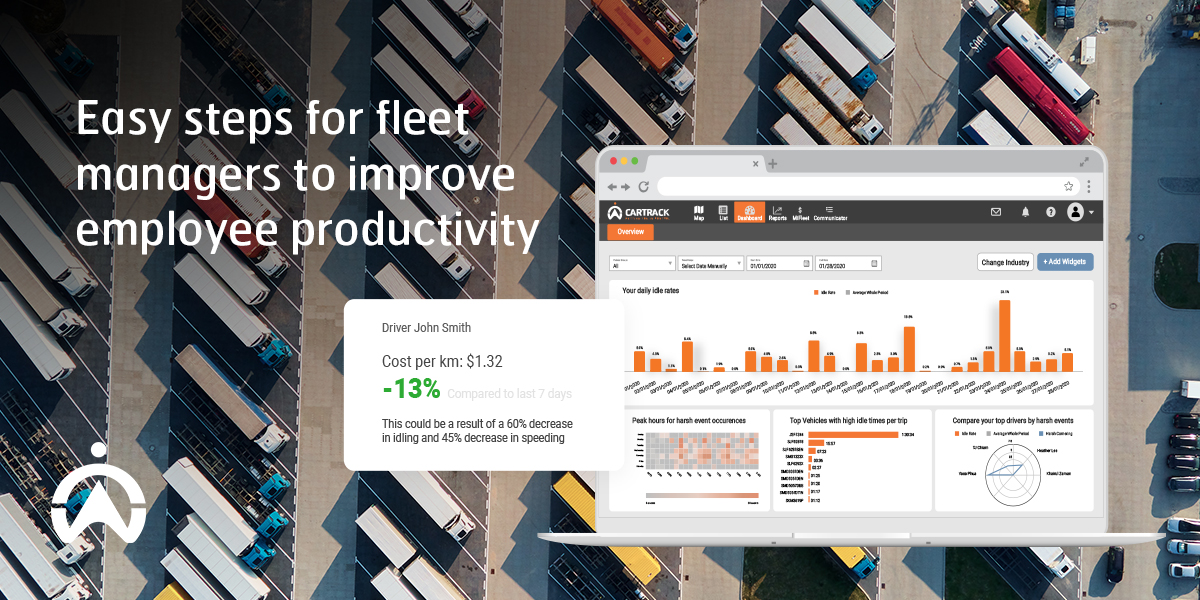
Easy steps for fleet managers to improve employee productivity

Managing fleet administrative tasks such as vehicle registration, fuel cards, invoicing and much more, leaves little to no time for fleet managers to focus on other business matters such as –  employee productivity. Here’s how fleet managers can improve productivity rates.

Fleet managers often wear multiple hats and work on several projects simultaneously. Managing fleet administrative tasks such as vehicle registration, fuel cards, invoicing, driver expenses and quoting leaves little to no time to focus on other critical business matters, such as – employee productivity. Learn how to boost staff productivity and encourage fleet managers to bring production back on track. 

With all the responsibilities fleet managers have, some might not be aware of the modern fleet technologies out there that can lessen their load and prove helpful in their daily duties. The most efficient way for fleet managers to increase their employee productivity is by outsourcing some of their responsibilities to someone, or something else. 

Telematics and fleet management systems

A fleet management system is a database used to store all records of your fleet. Documentation on active vehicles, fleet vehicle specs, maintenance and anything else that has to do with your fleet vehicles can all be stored and accessed anytime you need the information. 

‍Telematics, on the other hand, is a combination of vehicle tracking and communication services. It gathers and analyses all data collected from your vehicle(s) and sends it directly to the fleet manager. This information is used to keep track of various vehicle information.

Together, they possess a wide range of fleet data, reports and insights that fleet managers have full access to. All the administrative tasks that would have taken the manager several days to gather and compile, would all be waiting for him/her as soon as they open their laptop or phone. 

How does fleet management help improve employee productivity?‍

The role of fleet managers is to keep costs low, maximise profits, and minimise risk while overseeing a fleet. With fleet management systems and telematics, half of the hard work would already be taken care of.

With the help of GPS technology, fleet management systems allow you to: 

• Know the location of every vehicle in your fleet

• Be aware of each vehicle’s fuel consumption and be able to save

• Be able to decrease maintenance costs by continuously monitoring the vehicles

• Being the first to know when something needs to be replaced or fixed

• Cut delivery time down by implementing route optimisation 

With these benefits put in place, and fleet management systems handling the heavy-duty tasks, fleet managers have more time to focus on maximising safety, improving service delivery standards and customer service and satisfaction. Fleet management systems don’t only improve a business’s work efficiency they also positively affect every employee’s productivity. 

What is Employee Productivity?

Employee productivity is about fleet managers working smarter to raise the business’s bottom line. It’s the amount of work an employee gets done in a specific amount of time, or in simpler terms, how many jobs a fleet driver completes in a day. 

Managers can access fleet data or employee productivity reports through productivity tracking and see where the majority of the employees’ time goes, how long it takes to complete their work and the quality in which it is done. This information is used by the manager to optimise operations going forward.

Productivity tracking

Productivity tracking measures show how productive your employees are in terms of how many projects they can handle and how fast they can get them done. It also tracks what the employees do when they are idling or simply not working, which websites they visit and how long they spend on these sites.

For a fleet manager, overseeing their many tasks on a day-to-day basis and being able to complete them before the day is done is very important. Productivity rates could rapidly decrease if their process is decreased by employees idling by or not completing their quota of tasks. It’s the manager’s job to keep them on schedule and avoid disaster.

“We often assume that productivity means getting more things done each day. Wrong. Productivity is getting important things done consistently,” says James Clear, author of Atomic Habits, “and no matter what you are working on, there are only a few things that are truly important. Being productive is about maintaining a steady, average speed on a few things, not maximum speed on everything,” says the productivity expert.

James Clear shares some top productivity methods with us: 

These productivity methods could be used and utilised by both managers and employees. A valuable tool to have in your workflow management arsenal.

  1. Eliminate Time-Wasting Activities by Using the Eisenhower Box

The Eisenhower box is a task management tool that helps you prioritise tasks. It helps distinguish tasks according to urgency and importance and then lets you go through your work accordingly.

  1. Warren Buffett’s “ 2 List ” Strategy

Warren Buffett, a well-known billionaire investor, devised a two-list strategy in which you write 25 of your top priorities on one list, circle five goals from the first list, and jot them down on the second. Then only focus on those five while avoiding the remaining 20. 

  1. The Ivy Lee Method

This is a 100-year-old strategy that’s proven to work time and time again. At the end of each day, write down six important tasks for the next day, then immediately do those tasks first thing in the morning. Repeat each working day with a new list.

  1. The 15-Minute, Anthony Trollope method

Anthony Trollope created a routine where he would ruthlessly do his work at 15-minute intervals every morning without giving himself any leeway. He exceeded his goals and increased productivity by: 

  • Having someone keep him accountable
  • Tracking his progress
  • Focusing on the small achievements, not the finished product

Being productive is as simple as taking a few minutes out of your day and implementing one of these methods. Ten minutes of planning could result in a whole day’s worth of productive work.

What does it mean to improve employee productivity?‍

Increasing your employees’ productivity means catering to their needs. Fleet managers do this by:

  • Creating a healthy work-life balance
  • Establishing employee relationships within the workforce
  • Creating doable working hours
  • Providing positive feedback on how they can improve their work. 

This allows fleet managers to make long-term solutions that will encourage employee productivity in the long run. These suggestions might not have immediate results, but little by little, an improvement will be evident in productivity rates.

5 Ways to boost employee productivity in your workplace‍

For employees, it’s easy to fall into the mundane routine of working at a steady pace, which often results in incomplete tasks. This could add more tasks to your to-do list for the following day. The more you repeat this cycle, the more work gets piled up and results in procrastination, falling behind on work and slowing down efficiency in your respective department.

Being productive is a skill that many of us struggle to grasp, but it does not have to be that way. Here are a few tips managers should implement to help increase their employees’ productivity at work.

  1. Stop multitasking

You might think doing a few tasks at once will help you finish your work faster, but in truth, it only slows you down and creates more work, as seen in the scenario above. Giving your attention to one task at a time is the only way to ensure your work is done and done properly.

  1. Take breaks

The time allocated for your break is important. It gives your mind and body time to recuperate and get some much-needed energy back into your system. One might think working for a prolonged period means being productive, but the opposite is true. You will feel mentally drained and produce work of poorer quality at a slower rate if you don’t take some time for yourself. 

  1. Set small goals

Small achievements help maintain momentum over the long run. You’re more likely to complete large projects when they come by focusing on every achievement, no matter how big or small. 

Acknowledging employees’ achievements helps motivate them, which in turn makes them more productive.  

  1. Do the most work when you have the most energy

Whether it’s in the early hours of the work-day, or right after your lunch break, the time of day when you’re most alert and energised should be the time where you attend to your biggest tasks. Big projects require large amounts of energy, so give them the proper amount of time and attention they need. There’s no use letting all that energy go to waste on follow-up emails and organising paperwork.

  1. Implement the “two-minute rule”

This method is perfect for preventing procrastination and for reaching objectives without even noticing. All you have to do is fill small spaces of idling by doing tasks that would take you two minutes to do. Before you know it, you will have accomplished a lot of work and improved your work ethic.

Factors that impact employee productivity‍

Investing in your employees will have a lasting impact on your organisation. Beyond an employee’s experience, skills, and work ethic, several other office-based factors affect their work. These factors impact employee productivity, but they are often overlooked by fleet managers:

  • Engagement: Managers often think employees are productive simply by waking up, showing up for work and doing their assigned tasks. Getting to know your employees, giving them a sense of value and purpose so they feel a need to want to do more, is also an important aspect. It encourages them to be more productive.
  • Management practices: What level of engagement does the fleet manager have? Are they available and easily approachable by employees? And does he or she work with individuals’ strengths? Are they able to motivate their workers through their management style? These questions help determine if a manager’s management practice is effective or if it’s a liability to the business.
  • Workplace environment: When the atmosphere is unpleasant or intense, engagement and productivity levels plummet, which negatively affects the entire organisation’s productivity. Unnecessary stress and pressure might even drive employees to consider working for other businesses. 

Fleet managers should look for ways to lighten the mood in stressful moments to ensure their employees remain calm and focused.

  • Appropriate tools: It is about providing people with the necessary tools and resources they need to get their jobs done to the best of their abilities. As a manager, make sure systems are in place to ensure new employee hires and current staff members have access to all the necessary software and resources they need to get their jobs done. 

Employee engagement‍

This can be seen as the level of involvement or interest employees have within their workspace, towards their managers and with their surrounding colleagues. Whether they are fully involved in the business culture or are struggling to integrate into the environment. 

Prioritising employee engagement in the business and various departments within it will build up work relationships and help in the long run, by making employees feel welcomed and more comfortable at work. Providing a safe environment for stellar production increases is an investment any business should be willing to make.

Lack of employee engagement‍

This lack of interest is often a result of improper organisational socialisation, also known as onboarding, in the first few weeks of the company. This is usually the responsibility of HR and the training department, but fleet managers also have a role in continuing to inform, assist and guide employees in their new roles and duties. This will aid in employees’ getting to know and engaging with their environment, colleagues and managers.

The type of work produced by an employee who is merely there to clock in and finish off their day, and one produced by an employee who truly enjoys their work and interacts with their colleagues, are drastically different.

Based on research gathered from 50 employees, Gallup states that “ Engaged employees produce better business outcomes than other employees – across industry, company size and nationality, and in good economic times and bad.”

Key factors to staff engagement:‍

  1. Purpose – “ People want purpose and meaning from their work. They want to be known for what makes them unique. This is what drives employee engagement.” says Gallup.
  2. Development – Employees need to feel like their skills and know-how are constantly being improved and they are learning new things by being at work. Not a place where they constantly share their business knowledge, but one where the business gives back by investing in them. 
  3. A caring manager – Some managers think they need to lead with an iron fist, but a friendly personality and positive feedback go a long way.
  4. Ongoing conversations – The relationship between an employee and their supervisor is critical. If the employee and manager have a good line of communication with each other, issues can be resolved quickly and the work produced will be more aligned with the manager’s expectations, which means fewer reverts.  
  5. A focus on strengths – Employees must focus on the strengths they already have while cultivating and improving their weaknesses. 
  6. Have team building activities – Most people might think this is the job of HR, but managers are the ones that have to put the effort into planning and implementing team building activities as they have an impact on the overall production and behaviour of their employees.
Improving-employee-productivity-with-Cartracks-fleet-management-system

Project management‍

Project management is a process that helps to identify and manage the scope, cost, schedule, risks, and resources of a business. It also includes making sure that all the employees’ tasks are completed, resources are allocated appropriately, and that the work produced provides the business with increased sales and meets the business’s objectives. 

The goal of project management is to create an environment where everyone on the team can work together and produce their best work. The aim is not to fix short-term problems like increasing the number of customer calls or emails sent per day. Yes, these are factors that increase employee productivity, but these problems will more than likely not have an impact on productivity in the long run.

What are performance measures‍

Performance measures are a collection of different attributes that come together to show how much a business, or employee, has achieved, based on its performance in a specific amount of time.

Many businesses use performance measures to set goals established by what their stakeholders and higher-ups expect from them. They then push these objectives towards their fleet managers and employees, to have a set goal.

Understand performance pace for different employees‍

Remember, not all employees work the same or at the same pace. For fleet managers, comparing one employee’s performance to their overall expectations of them or even to another employee is not always an accurate indicator of their ability to perform. 

Managers have to evaluate each employee individually. Keep in mind that they are not all on the same level and they each have their own strengths, weaknesses and process they follow to get through their work. 

Use employee productivity reports to customise every evaluation and use that data to individually improve productivity output. This will improve confidence in the employer, as it shows that the performance measures taken are used to help employees identify their ‘blind spots’. It also builds trust as it proves that the software is really there to make improvements and not as a spy tool.

The importance of performance measures‍

These are to keep fleet managers and businesses accountable and informed about every step taken to reach their goals. Each performance improvement is used to track the trajectory to success and the period in which it would take them to reach their target. 

Without performance measures, managers wouldn’t have any means of tracking small milestones made on their way to achieving the business’s objectives.

Here are five pros and cons regarding productivity monitoring and performance measures:

Advantages ‍

  • Ensures fairness within a work environment
  • Track individuals and team productivity
  • Sets positive standards for workplace behaviour, even outside the office
  • It reveals high-performing employers and underperformers
  • Shields business from cyberattacks

Disadvantages‍

  • Distributions of trust
  • Creates privacy problems
  • Employees can feel highly monitored and start to feel uncomfortable doing their job.
  • Lack of knowledge concerning the monitoring software
  • Cannot track where online, the employee spends their time

Most of the disadvantages of productivity monitoring can be dealt with through effective communication, indicating what exactly will be monitored.

For fleet managers, it’s important to be open and inform fleet drivers of the necessary safety measures put in place in each vehicle, yes, including the AI camera system recording their every move.

Advantages of employee productivity tracking

Productivity tracking helps to fine-tune business efficiency and employee work ethic. It helps the business in the long run by focusing on long-term solutions and not just short-term ones. 

With the help of productivity tracking software, fleet managers can change the way they monitor employees, measure time, and keep track of their teams in between formal office hours.

Here are some of the benefits of implementing employee productivity:

  • Improve employee productivity and efficiency
  • Identifies struggles and internal problems
  • Efficiently track attendance and effort
  • Improves working from home conditions
  • Creates trust in employees
  • Effective project management
  • Increases security and safety

Employee productivity monitoring analyses the data provided to improve your employee’s work ethic, behaviour and productivity.

It is designed to show fleet managers which measures work. The data can be used to improve a team’s productivity as well as allow fleet managers to make informed important decisions like:

  • Whether they need to adjust their goals 
  • Modifying certain departments. 

It also gives a business a good indication of how far they are from achieving their objectives.

Make Cartrack your no.1 solution‍

When looking for a digital assistant to help you improve your employee productivity ratings, workflow and work ethic, Cartrack’s fleet management solutions do it all. 

Cartrack offers fleet managers a range of add-on features that help cut fuel costs and driver expenses, lowers acquisition prices, saving businesses time and money. 

Some add-on features include: 

  • Routing
  • Fuel Monitoring
  • Temperature monitoring 
  • CarWatch

Take your first step into work optimisation, contact us today to get a quote.

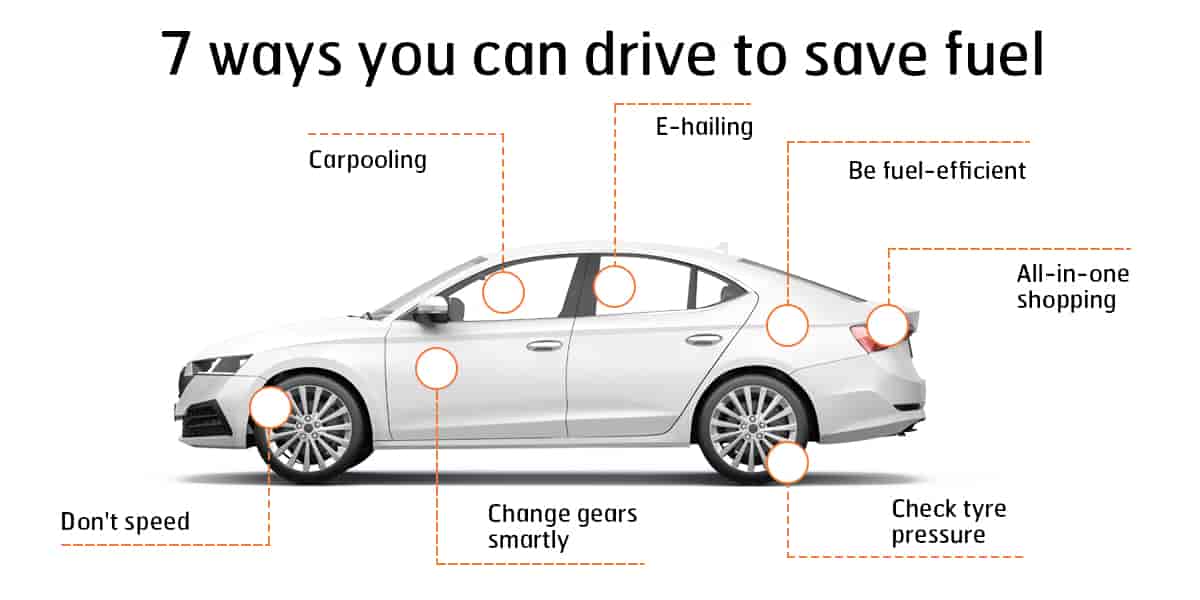
7 ways you can drive to save fuel

With the general cost of living on the rise, be it fresh produce or monthly rent, the recent petrol price spike is beginning to seem like a stretch too far for many. Although we can’t bring the petrol prices down, we can give you some fuel-saving advice that could help keep your wallet a little fuller each month.

For many of us, saving money and drafting a budget doesn’t come naturally. Most often, we end up spending the money we initially saved. Well, don’t stress, we are going to unpack a few ways you can burn fewer fumes and save more cash. 

We know millions of South Africans are feeling the pinch at the petrol pumps. That’s why Cartrack is giving motorists something to smile about. 

#ExploreMore with Cartrack, sign up and stand a chance to win your share of R25 000 in petrol vouchers. While you think about that, here are some free fuel-saving tips you can put to the test the next time you’re out on the road:

How-safe-driving-habits-can-become-a-fuel-saver

1. Drive like your petrol depends on it

Keeping your engine on while your vehicle is not moving is not advised, here’s why: Idling while driving burns an unnecessary amount of fuel and puts additional stress on some parts of your vehicle that could become damaged as time goes by.

Contrary to popular belief, continuously switching your car on and off while stuck in traffic, does not burn more fuel than leaving it idling, in fact, idling burns more. We elaborate on this in more detail in another article that explains how turning off your engine when not moving for longer than 10 seconds can be a simple fuel-saving solution that also saves on business costs.

2. Don’t speed

Sure, this activity may feel like you’re getting from A to B faster, but speeding is one of the biggest contributing factors to rapid fuel consumption. Simply put, vehicles naturally use the most energy when accelerating.

If you are serious about getting the most litres per kilometre, we recommend you leave the bad driving habits like speeding, abrupt acceleration and braking, for the race track and stick to the rules of the road. Exercising safe driving and driving the recommended speed limit, especially on long-distance roads, will improve your vehicle’s fuel economy drastically.

3. Change gears smartly

If you have a manual gearbox, switching gears too early may be another reason why you find your fuel light turning on empty a lot sooner than you expect.

Not giving your vehicle ample time when changing gears from a higher gear to a lower one will increase fuel consumption and engine strain as the engine is still continuing to run at a higher rpm while shifting into a lower gear, making the engine work harder than it should.

To help lessen the load on your engine, keep your revs per minute low while cruising, preferably between 1500 and 2000 rpm, and below 3000 revs while accelerating on a highway. This will provide you with the optimum fuel efficiency for your engine.

4. Check your tyre pressure

Believe it or not, the state of your car impacts your petrol usage. Being up to date with servicing your car and frequently checking on its maintenance are good habits to have if you hope to save on petrol.

Underinflated tyres take up more space on the road, causing them to drag while driving. This increases resistance and fuel consumption as you continue to use them.

Depending on your manufacturer, you can typically find the recommended tyre pressure on the inside of the door or in the manual. For low-rolling-resistance tyres, you can have the pressure pumped up to 0.3-0.5 bars above the recommended level for a smoother ride.

5. Make shopping an all-in-one experience

Another smart way to make every drop in your tank count is to make shopping a “one-stop-shop”. Imagine this, you’ve finally finished your long day at work and are about to head home. You get home, open the fridge and realise you’re all out of ingredients. Before even putting your feet up, you’re already out the door, heading to the shops.

Next time, head to your local shops on your way home and buy whatever you need. Simply planning your trips or routes before heading out can help you avoid burning unnecessary fuel.

6. Carpooling

“Hitching a ride,” or more commonly “carpooling,” is the next big thing when thinking of sparing your own petrol. According to Business Tech, carpools and lift clubs are South Africans’ go-to options for beating record-high petrol prices. 

Besides saving money on fuel costs, alternating lifts let you sit back, relax, and listen to music while you’re being driven around town. If more people started carpooling, fewer cars would be on the road, traffic would be greatly reduced and air pollution would slowly decrease. 

Carpooling also helps to prolong the life of your own vehicle, as your monthly mileage will be significantly reduced. Although this fuel-saving method is very popular, it could have an impact on insurance premiums. 

For instance, if you’re the designated driver and you receive payments that exceed just the petrol and parking costs, your insurer could view this as a commercial transaction and require you to switch to business insurance or obtain a special permit for carpooling.

7. E-hailing

If you don’t have a group to drive with or simply don’t enjoy the company of local strangers, then e-hailing services might be for you. With e-hailing, you don’t have to worry about how much petrol you have left or putting extra wear and tear on your own car. You just open an app, order a car, wait for the driver and enjoy the ride. 

These days, there are multiple e-hailing apps to choose from, including Uber, Taxify, inDriver and many more. All these services offer different pricing on rides and offer their own special discounts on their respective mobile apps from time to time.

Save-fuel-by-implementing-safe-driving-habits

Fuel positive helper

There’s also technology out there that can help you monitor your vehicle’s fuel usage. You can track how much fuel your fleet or vehicle uses every day with Cartrack’s smart dashboard. By analysing the data provided by the devices installed on your fleet or everyday vehicles, you can learn where fuel is consumed most and why.

Cartrack can also calculate the safest and fastest route you should take when driving, so you don’t have to burn extra unnecessary fuel getting to your destination. Visit us today to start saving on fuel.

How to react in the event of a hijacking

Navigate the unexpected

The prospect of being targeted in a hijacking is frightening. It’s a scenario that you hope to never find yourself in. Unfortunately, despite our best efforts, the reality is that it could happen to any one of us. That’s why it’s important to have the appropriate knowledge that will allow you to safely navigate this unfortunate event. 

Here are some tips on how you should react in the event of a hijacking:

1. Don’t resist and do as you’re told

While your first instinct may be to retaliate when your life and possessions are threatened, avoid this reaction at all costs. Yes, it’s your car and you’ve worked hard to own and drive it, but hopefully it’s also insured, so unlike your life, it can be replaced, along with your other possessions inside the vehicle. 

The best way to handle the situation is to not threaten or challenge the hijackers in any way, especially if they are carrying a weapon such as a gun or a knife. 

Calmly just leave all your valuables in the vehicle, surrender your car and move away from it as quickly as possible without making any sudden moves. Always try your best to place as much distance as possible between yourself and the hijackers.

2. Don’t make any sudden movements

As previously mentioned, trying to be a hero is a move criminals expect from the people they’re stealing from, so the hijackers are more likely to be startled by any sudden movements and they may perceive it as a threat. Their response could be to panic which could result in them retaliating aggressively. 

Keep your hands clearly visible at all times, preferably in the air. “The safety belt can put you at risk of getting shot at,” a hijacker told Independent Media in an interview. “When you reach to unclick your seatbelt, we might panic and think that you are reaching for a weapon, and that is when you get shot.”

Lift both your hands up and spread your ten fingers wide apart to show you’re not holding anything, which sends a message that you are not a threat to the hijacker, advises Derek Kirby, Ford South Africa’s advanced and defensive driving expert.

Avoid making eye contact with hijackers and speak slowly and calmly so as not to further aggravate the hijackers.

3. Subtly gather information

Instead of looking for a way out of the situation by challenging the hijackers, use the time in which you’re being told to give up your car to gather as much information as you can without posing a threat to the hijackers. 

It’s a stressful situation but taking note of small and important details that will be useful to police at a later date helps when making a statement which will help hopefully get your car back. This information includes:

  • How many hijackers are involved in the crime
  • General descriptions of the hijackers and the clothes they were wearing
  • How many firearms or weapons were used and what they look like
  • The type of language and accent they used
  • The direction they drove off in after taking your car
  • All the belongings left in your car at the time of the hijacking

What to do after the hijacking

As soon as you are safe, you must borrow a phone and call the South African Police Service on 08600 10111. SAPS should arrive on the scene and dispatch medical services if required. Should you require any other emergency numbers, you can phone 112 on any cellular network.

1. Activate your tracking device

If you have an active tracking device from Cartrack, immediately alert Cartrack’s control operations room by phoning 0861 111 564.

Vehicle tracking has become an important technology for the safety of not only fleet vehicles but also for the individual driver. With the extensive range of optional extras offered by Cartrack, you will be covered for almost every eventuality, including a hijacking.

2. Don’t panic, push the button

When you tap the Protector button on the Cartrack app, it unleashes a world of tools that come to your rescue, managed by highly-trained control room operators: 

  • Our team will contact you to determine what kind of assistance you need 
  • The closest, most appropriate provider will be dispatched to your exact location
  • Help will arrive based on real-time analysis of the GPS and satellite technology embedded in your installed device

Cartrack’s Protector feature is an additional, optional service that is available on all Cartrack’s packages. Our emergency control room teams are always ready to support you in the unfortunate event of vehicle theft or hijacking. They will communicate directly with our private response teams and local police to ensure a rapid response.

3. Sound the alarm

“Install apps on your phone that friends and family can use to track your location should you not arrive on time,” says Herbert. The Share Location feature on the Cartrack app allows drivers or individuals to share their exact location from anywhere. This comes in handy when hijackers are driving off with your car, leaving you stranded. Sharing your trip before hitting the road is ideal to get the best of this feature.

Another great feature is geofencing, to alert you when entering a predefined high-risk area. “Investigate high-risk areas,” advises Herbert.  “This is not to say you shouldn’t drive in those areas, but knowledge of this information can help you make the best decisions for your safety.”

Near or far, we’ll watch your car

A Cartrack tracking unit in your car ensures that no matter how far you go or who illegally dispossesses you of your car, there will always be a team of experts ready to come to your rescue. Contact us today for ultimate peace of mind and find out why #DriversLoveUs