EV Route Optimisation: How to Get the Best Routes

Optimising your EV (electric vehicle) routes keeps your business and logistics operation running smoothly. With route optimisation, you can easily manage and predict your EV’s charging requirements and energy consumption. The key to getting the best routes is to invest in a powerful fleet management platform that can combine the necessary tools to maximise efficiency.

Range limits, charging times, and fluctuating energy use are just some of the factors that make EVs unique in their challenges. Research highlights that customised EV route planning can massively slash energy use and operating costs. In fact, smart routing can reduce energy consumption by around 31% in real-world simulations, proving that strategic route and charging planning maximise fleet efficiency.

As the move to electrify fleets grows, it’s essential to know what planning is required to keep rising costs and downtime at bay. In this blog, we’ll tackle the importance of EV route optimisation, implementing the right tools, and why Cartrack’s platform is your best choice.

How do you get the best routes for your EV fleet?

You get the best routes for your EV fleet by adopting EV fleet software and using its specialised features. EVs have their own set of unique needs and vulnerabilities, and unlike internal combustion engine (ICE) vehicles, factors like charging habits and battery limits need to be considered for total productivity.

EV routing doesn’t just stop at finding the fastest route; it ensures vehicles can complete their journeys within battery limits. This keeps vehicles on the road longer, lowers operating costs, and improves reliability. Comprehensive data is also crucial to effective route optimisation. It allows you to make informed decisions, avoid range issues, and quickly adapt routes when conditions change.

By combining extensive data with smart charging planning and dynamic rerouting, you truly enhance operational reliability. These features ensure your routes are not just quick but also efficient, safe, and customised for EV operations.

What is EV route optimisation?

EV route optimisation combines technology and smart planning to get the best, fastest routes for EVs. This type of planning accounts for operational requirements, such as maintaining low energy consumption and ensuring that charging points are always nearby. In contrast to ICE vehicles, EVs need battery performance feedback, information on charging stations, range limits, and the like; which is why route planning is so crucial.

Why does optimising EV routes matter for fleets?

Optimising EV routes matters for fleets because there are so many factors to keep in consideration—it’s not just about planning the fastest journey. Route optimisation has a direct impact on factors such as overall fleet costs, service punctuality, battery health, and range anxiety. The smallest inconsideration could ultimately mean serious downtime.

Key insight points include:

  • Energy consumption varies by terrain, speed, and load: If the terrain is rough or uneven, energy consumption will likely be higher. This should always be anticipated when planning a route.
    ‍
  • Long idle time and traffic drains EV range: Depending on the nature of your business, your EVs might stop and start or idle quite often during trips. This will drain the battery quicker than normal, so it’s important to take note of this.
    ‍
  • Poor planning leads to unnecessary charging stops and higher charging costs: Opting not to prepare routes means you risk your EVs making unplanned stops or using chargers that weren’t planned for, which creates major downtime and could negatively impact the vehicle battery.
    ‍
  • Optimisation protects battery lifespan: Route planning is an obvious must with EVs. Apart from other benefits, optimisation actually extends the lifespan of your battery and vehicle, minimising battery deterioration.
Which factors drain EV range the fastest?

The factors that drain EV range the fastest include extreme temperatures and terrain.

Have a look at the different factors:

  • Extreme temperatures: Extreme temperatures going either way will cause your EV to consume more energy from battery thermal controls.
  • Weight: If the vehicle is bearing a heavy weight from the load it’s carrying, it means the vehicle requires more energy to function (move, accelerate, or even maintain speed).
  • Terrain: Rough or uneven terrain uses up a lot more energy, especially if there are uphill or many short stops.
  • Speed: Going faster in an EV uses more energy than when maintaining a steady or cruising speed.

Can free apps optimise EV routes for fleets?

Technically, yes, free apps can optimise EV routes for fleets, but they definitely fall short. Google Maps, Waze, and other navigation apps are more suited for individuals and personal trips.

These are some of the limitations:

  • Trip-based, not fleet-wide: Free apps like these are usually more accommodating towards single trips taken by individuals, not many trips taken by numerous drivers at a time.
  • No driver allocation or job scheduling: Unlike fleet management platforms, free apps won’t assist with task delegation and potential changes that need to be dealt with urgently.
  • Limited charging network visibility: Free apps might be able to show where charging stations are, but they don’t offer the necessary extra features like charger type or provider.
  • No TCO insights, no cost, or energy reporting: Fleet management platforms offer detailed reports and insights, which are not offered by free navigation apps.
  • No integration with EV telematics or maintenance data: One of the most important features of a fleet management solution is integration, especially considering how important range, battery health, and vehicle status data are. Free apps don’t allow for precise planning and proactive maintenance.

What makes EV route planning different from ICE route planning?

EV route planning is different from ICE route planning in that it needs to account for key factors like charging, range, and traffic times. On the other hand, ICE vehicles are more focused on refuelling and the network that exists around that.

Take a look at this table to compare considerations quickly:

Factor EV Route Considerations ICE Route Considerations
Refuelling/charging Slow charging, limited stations, and peak pricing Quick, abundant, low route impact
Range Highly variable depending on battery, load, and weather More stable and predictable
Terrain Uphill drains battery; downhill regenerates Minor impact on fuel consumption
Traffic/idle time Significant battery loss Minimal fuel impact
Speed impact Going faster means a much higher drain Marginal impact
Smart navigation for electric vehicle route optimisation

How does EV route optimisation software help?

Route optimisation software helps by bringing technology and careful planning together to ensure optimal operation. Because there are specific factors to think about that don’t apply to ICE vehicles, route optimisation systems that support EVs must implement practical alerts, consistent & live data, and advanced algorithms.

Sophisticated systems, like Cartrack’s, provide key features like:

Real-time battery and energy forecasting

Before routes can be optimised, battery and energy should always be visible, and the data should be continuously collected for projection and predictive purposes. These consistent updates, along with forecasts based on elements like traffic and weather, can help you confidently plan trips without worrying about range challenges.

Charging stop scheduling

The software should be able to help you pre-emptively plan charging stops, even before the battery runs dangerously low. It comfortably balances charging speed, station availability, and estimated SoC (state of charge) to prevent long detours and unplanned stops.

Live traffic and terrain predictions

An electric vehicle’s range isn’t constant. The amount of energy used is affected by regular stops, inclines, and traffic congestion. To choose routes that minimise energy loss and help preserve the vehicle’s range, optimisation software must take into account real-time traffic and terrain data.

Charging cost avoidance by planning cheaper stations ahead of time

Not all charging points are quite the same. Some cost more, charge slower, or get crowded during peak times. But with route optimisation tools, you can spot cost-effective stations and plan your charging stops wisely, leaving you to save money while preserving exceptional service quality.

The EV route optimisation cycle (step-by-step checklist)

The EV route optimisation cycle isn’t something that can be done just once; it requires continuous effort to maintain that strong level of efficiency. For your fleet, this means working consistently on maintaining the accuracy of routes, ensuring they remain cost-effective, and making them flexible enough to adjust to changes that occur in the real world.

Look at this quick 6-step checklist when optimising:

  1. Check real-time SoC (state of charge) and battery health
  2. Analyse energy forecast (load, terrain, weather)
  3. Plan a route with charge stops
  4. Assign jobs to drivers and vehicles
  5. Monitor routes live and update automatically
  6. Review energy usage and trip analytics

Final takeaway

EV route optimisation has become an essential and competitive advantage for fleets. Without accurate and energy-efficient route planning, the reality is your fleet will battle high costs, unreliable schedules, delays in charging, and faster battery wear. On the contrary, optimised electric vehicle routes provide predictable performance, improved cost management, and consistent quality of service.

As electric vehicle fleets and electrification expand, depending on manual planning and basic navigation tools won’t properly address the complexities associated with EV driving conditions. If your business is focusing on efficiency and sustainability over the long term, investing in route optimisation and the correct tools that Cartrack can provide isn’t merely an option, but rather a requirement.

Never worry about EV range again. Get reliable routes, protected battery health, and lower operating costs with Cartrack’s EV-ready fleet software.

Frequently Asked Questions

Can fleets optimise routes without EV telematics?

No, fleets can’t optimise routes without EV telematics, because it’s the information provided by telematics that assists with challenges like range issues and unplanned charging. Technically, it’s somewhat possible, but the forecasting would be extremely limited, and the planning would be made purely based on estimates—not on facts.

Can drivers override optimised EV routes?

Yes, drivers can override optimised EV routes in cases where deviations are necessary. Not all trips will go as expected, but the software will always record these deviations. As a result, you’ll be alerted as a manager and can take the necessary steps to adjust and change plans accordingly.

How does route planning handle sudden energy drops or weather changes?

Route planning handles sudden energy drops or weather changes by making the required changes in real time. Because these changes can profoundly affect how your EV operates and its running time, rerouting or seeking alternative charging places can be considered.

Does EV route optimisation work with mixed ICE and EV fleets?

Yes, EV route optimisation does work with mixed ICE and EV fleets. If you have a sophisticated fleet management system, like Fleetweb, there’s no need to adopt different platforms for each vehicle type. An advanced system should work just as well for optimisation for all vehicles and support businesses if they’re looking to transition to electrification.
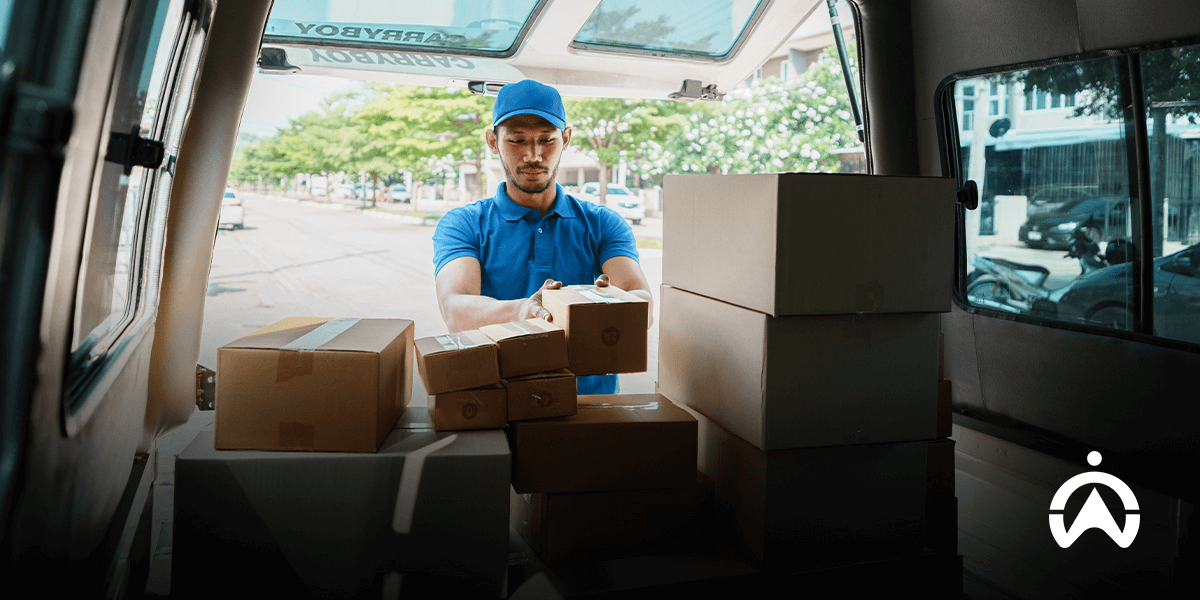
Route Planning and Route Optimisation Software Solution for Powerful Fleet Planning

Route optimisation is no longer seen as a luxury feature, and with the explosive growth in online shopping and home deliveries, it’s now a necessity every business should have.

In the race to meet customer demands, route planning and optimisation are vital strategies for efficient travel. They’re the secret sauce that helps businesses make smart delivery decisions, ensuring products and services reach customers swiftly and seamlessly.

Whether you’re a local shop or a global e-commerce giant, embracing route optimisation and planning isn’t just smart—it’s essential for staying ahead in today’s fast-paced market.Let’s see how this advanced tool makes businesses tick.

In this article, you will:

  • Learn about the drawbacks of manual trip planning
  • Explore the key differences between route planning and route optimisation
  • Discover the must-have features of powerful route optimisation software
  • Identify signs for your business to switch to route optimisation solutions
  • Learn how Cartrack’s solutions can revolutionise your trip operations

The challenges of manual route planning

In the past, route planning relied heavily on manual methods, lacking the advanced tools like GPS tracking and fleet telematics that we have today. Fleet managers had to rely on spreadsheets, maps, and guesswork to manage and optimise their operations.

This often led to inefficient management practices, as they had to navigate blindly without real-time insights into their fleet’s activities.

Even though smaller companies still use manual trip planning, it still has its shortcomings. Here are the four top disadvantages of traditional trip planning:

  1. It’s time-consuming
    Plotting routes on a map, considering traffic jams, and factoring in driver breaks takes ages. This time could be better spent focusing on other aspects of your business, like ensuring cargo safety or monitoring fuel consumption per trip.
    ‍
  2. Mistakes happen
    Manual planning is prone to errors like missing shorter, more fuel-efficient routes or not underestimating travel time, leading to delays, increased expenses, and frustrated customers.
    ‍
  3. Constant inefficiency
    Identifying the most efficient routes that minimise fuel consumption and maximise deliveries is a complex task when done manually, resulting in inefficiencies within the operation.
    ‍
  4. Challenges with dynamic variables
    Usually, after mapping out a route, the task of considering trip duration, weather, and traffic is rarely checked again as the day goes by. Manual planning struggles to adapt to these factors in real time.

The modern solution: Introducing route planning and route optimisation software

As we’ve explored the drawbacks of manual trip planning, many businesses have realised these limitations and started turning to modern solutions for route planning and optimisation.

But how are these new concepts any different from the tools businesses have been using?

Let’s see how route planning and optimisation offer solutions and improve trip management.

Efficient mapping with route planning

Route planning, in simple terms, is when you manually try to figure out the best way to get from point A to point B. When it comes to deliveries or managing a fleet of vehicles, it’s more than that.

If you’re running a fleet that constantly makes deliveries throughout the day, say a bakery or pharmacy making at-home deliveries, route planning would involve figuring out the order in which to visit all your customers to make the most efficient deliveries.

This could mean:

  • Considering traffic patterns; avoid rush hour traffic jams in congested areas like Long Street, Cape Town in the morning and deliver during off-peak hours.
    ‍
  • Striving to minimise distance; consider delivering to suburbs closer to you first before going all the way out of town.
    ‍
  • Planning a logical route; don’t zig-zag across the city, wasting time and fuel.

Route planning is creating the most efficient way to complete a journey with multiple stops, considering various factors to save time and fuel. This line of planning differentiates it from traditional trip planning.

Advanced route optimisation solutions

Route optimisation takes route planning to the next level. The software finds the most efficient routes that minimise travel time, fuel consumption, and vehicle wear and tear. It’s more like a super-smart app that automatically presents the absolute best order to deliver those parcels.

This way, your delivery guy travels the shortest distance, avoids traffic jams, and gets all the deliveries done faster.

It considers factors like:

  • Real-time traffic conditions
    ‍
  • Weather conditions
    ‍
  • Vehicle capacities
    ‍
  • Driver availability
    ‍
  • Delivery priorities

Unlike route planning, which may involve manual processes or basic algorithms, route optimisation relies on advanced software algorithms that generate optimised routes tailored to each fleet’s specific requirement.

Advanced_route_optimisation_solutions

Route planning vs. route optimisation: What’s the difference?

The differences between route planning and route optimisation might be confusing, so let’s clear the air and state the differences.

Route planning simply involves pointing out the sequence of stops for a delivery route and manually planning the route. While it’s a good starting point, it doesn’t optimise for efficiency. Route optimisation software improves this process by using advanced algorithms and bringing your business these perks:

  1. Save on costs:
    Businesses can save a lot of money by making routes more efficient and using less fuel. This means spending less on fuel, repairs, and general running costs.
    ‍
  2. Boost efficiency:
    When routes are optimised, vehicles can do their jobs quicker and get more done in less time. It’s like getting a productivity boost, allowing businesses to achieve more with their resources.
    ‍
  3. Happy customers:
    Timely deliveries are vital for keeping customers happy. By consistently delivering on time and giving accurate arrival estimates, businesses can create positive customer experiences, leading to better reviews and more loyal customers.
    ‍
  4. Eco-friendly moves:
    Route optimisation helps protect the environment by reducing unnecessary driving and fuel use. It’s a greener approach that shows a commitment to reducing emissions and looking after the planet.
    ‍
  5. Smarter resource use:
    Optimised routes mean businesses are using their vehicles, drivers, and equipment in the best possible way. This helps them get the most out of their investments and run more efficiently overall.
    ‍
  6. Stay flexible:
    Route optimisation software lets businesses adapt quickly to changes. Whether it’s unexpected traffic or last-minute delivery changes, businesses can stay nimble and keep things running smoothly.
    ‍
  7. Data-driven decisions:
    Route optimisation software provides valuable data businesses can use to make smart choices. By examining things like delivery times and fuel use, businesses can spot patterns, find areas for improvement, and keep getting better over time.

How route optimisation technology makes your business tick

Let’s use the pharmacy business as an example. Say you’re planning deliveries for a busy week with multiple stops for your drivers spread across town, and you’ve just fed this information to the system. What happens next?

Here’s how to take the chaos out of your delivery schedule:

Step 1: Feed it information

Enter all your delivery addresses into the software; you can even specify delivery windows for some customers who need their parcels at a certain time. The software calculates the distances between each stop, giving you a basic idea of travel time.

Step 2: Analysis

It carefully analyses the data we’ve gathered, considering factors like delivery locations, time constraints, vehicle capacities, and real-time conditions such as traffic patterns and road closures.

Step 3: Optimisation

This is where the magic happens. Using sophisticated algorithms, the software crunches the numbers to generate the most efficient routes for our vehicles. These routes are designed to minimise travel time, fuel usage, and vehicle wear and tear while ensuring that all deliveries are made on time. You can factor in driver breaks.

The software will present you with this information:

  • A clear map shows the most efficient order to tackle all your deliveries for the week.
    ‍
  • Drivers receive the optimised route on their phones, complete with turn-by-turn navigation and delivery information for each stop.
    ‍
  • You can track driver progress and delivery status in real time, giving you peace of mind and allowing you to manage any last-minute changes.

Step 4: Real-time adjustments

As the week progresses, the software continuously monitors real-time conditions and adjusts routes as needed. Whether it’s unexpected traffic jams or last-minute changes to delivery schedules, the software ensures that our vehicles stay on the most efficient path.

Step 5: The feedback loop

As deliveries are completed, the software collects data on actual performance, including delivery times and fuel consumption. This data is then used to fine-tune and improve future route planning, ensuring that we always optimise our deliveries to the fullest extent possible.

And just like that, the busy week has gone without a hitch. Route optimisation software takes the guesswork and frustration out of planning deliveries.

This is just one week. Imagine what you can accomplish with this software running for a whole financial year. You can focus on running your business while your deliveries run smoothly.

List of must-have features for a powerful routing software

What makes this technology able to do all the things that make your delivery management that much easier? It’s got smart features!

  1. Multi-stop planning:
    This core functionality is the foundation of effective route optimisation. The software should seamlessly handle a high volume of delivery stops and generate the most efficient route sequence, minimising travel time and maximising productivity. Imagine a sophisticated map app that intelligently determines the optimal order to visit all your destinations.
    ‍
  2. Real-time traffic integration:

    Unforeseen traffic congestion can disrupt even the most meticulously planned routes. Look for software that integrates live traffic data feeds. This allows for dynamic route adjustments, ensuring deliveries stay on schedule despite unexpected roadblocks. Think of your routes as adaptable entities, constantly adjusting to real-time traffic conditions.
    ‍

  3. Driver constraints and preferences:
    A happy and well-rested workforce is paramount for efficient deliveries. Choose software that allows you to incorporate driver preferences and constraints. This could include factoring in driver breaks, specific skill sets required for certain deliveries, or even vehicle types (such as refrigerated vans for temperature-controlled goods).
    ‍
  4. Advanced route optimisation algorithms:
    Beyond basic distance calculations, advanced route optimisation requires sophisticated algorithms. These algorithms should consider many factors, including one-way streets, traffic light patterns, and historical traffic data, to create the most efficient routes possible. This ensures fuel costs are minimised and delivery times are optimised.
    ‍
  5. Mobile app functionality for drivers:
    Paper maps are a relic of the past. The software should provide user-friendly mobile applications for drivers. These apps should display optimised routes with turn-by-turn navigation and clear instructions for each stop. This empowers drivers to navigate efficiently and reduces the risk of confusion or delays.
    ‍
  6. Robust reporting and analytics:
    Data is a valuable asset for continuous improvement. Effective route optimisation software should generate comprehensive reports on key performance indicators (KPIs) such as on-time delivery rates, fuel consumption, and driver performance.

By analysing these reports, you can identify areas for improvement, further refine routes, and make data-driven decisions for your fleet management strategy.

powerful_routing_software

How do I know if my business needs these route optimisation solutions?

Here are some tell-tale indicators that it’s time to consider a fleet management system, route optimisation software and the amazing tools it comes with.

  • Late deliveries: Inconsistent delivery times and frustrated customers are sure signs that your current route planning methods aren’t working.
    ‍
  • High fuel costs: Inefficient routing can lead to both excessive travel time and unnecessary mileage, which can significantly inflate your fuel costs.
    ‍
  • Inefficient routes: Drivers spend time stuck in traffic or backtracking unnecessarily.
    ‍
  • Unhappy, fatigued drivers: Your drivers experience long hours of driving and inefficient routes, which can result in driver fatigue, stress, and potentially risky driving habits.
    ‍
  • Lack of visibility: Without proper route planning tools, it is difficult to track delivery performance, identify areas for improvement, make informed decisions, and even follow up on tasks.

Have you experienced all these hiccups, and are you ready to make the switch to improved deliveries? It’s time to get Cartrack’s route optimisation and fleet management solutions.

Route optimisation made easy with Cartrack’s fleet management solutions

Cartrack Malawi is a leading provider of smart fleet management solutions designed to assist CEOs, business owners, and managers in improving and optimising the everyday routes their fleet uses.

When it comes to deliveries, Cartrack Malawi solutions have proven to improve fleet operations, reduce fuel consumption, and save on fleet costs, leaving managers with more time to focus on improving their fleet and operations.

Here are some Cartrack features that make it all possible:

  • Cartrack Delivery
    Cartrack’s Delivery tool simplifies task assignment and real-time tracking from dispatch to delivery. Automating processes offers full visibility into task progress and allows easy job allocation to drivers. Through route optimisation, Delivery provides quicker route options, reducing travel time, fuel consumption, and turnaround times.
    ‍
  • GPS tracking
    Cartrack’s GPS tracking provides real-time location and other vehicle insights for managers to enhance operational efficiency. Cartrack Malawi helps cut costs per job and improve fleet visibility and overall vehicle safety.
    ‍
  • Geofencing
    Cartrack’s geofencing feature allows users to set virtual boundaries around specific locations. Managers can monitor vehicles entering or exiting zones, such as warehouses or delivery drop-off locations, providing wider visibility of vehicle activity and ensuring drivers stay on schedule with their tasks.

Realise the power of Cartrack’s route optimisation

The Salt Block & Deli and Baron’s Meat Co. strive to deliver their meat and produce as fresh as possible to their clients. With Cartrack’s route optimisation solutions, The Salt Block & Deli experienced improved tracking on their vehicles and enhanced fleet productivity.

“[With Cartrack] we can plan our routes, and when we go back and look at the history, we can see exactly how long it took from one area to the next,” said Leriche Beneke, CEO of The Salt Block & Deli and the Baron’s Meat Co.


Leriche is just one of the thousands of business owners that Cartrack has assisted with their fleets. Our route optimisation solutions can fit into any business and within any industry, even yours.

Start saving on travel costs and improve fleet efficiency with Cartrack

With our proven track record of delivering reliable solutions, you can trust Cartrack Malawi to improve your trip strategies and drive efficiency across your operations.

Contact Cartrack Malawi today for a free quote and discover how our proven solutions can enhance your trip planning and delivery efforts!